[FOOD & DRINK -- CHOCOLATE BOXES PHOTO CATALOGUE]. [NEEDLER, Arthur Percival (Managing Director].Biblio.com
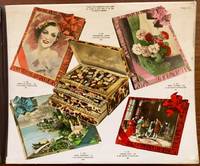
A striking photographic salesman sample catalogue with 14 hand-coloured silver gelatin photographs displaying over 150 different styles Needler’s chocolate boxes chocolate figurines and even Needler’s porcelain bookends.
1940réf. 53482Kingston upon Hull UK: Needler Ltd. ca. 1940. Oblong folio. 13.5 x 10.25 in. 14 leaves unnumbered. with 14 hand-coloured silver gelatin photographs sized 10 x 11.75 in. mounted on thick card stock leaves hinged with black cloth printed sales information on facing leaves each photo w/ War Restrictions Notice printed in upper fore-edge and supplementary product information in negative below each product. Original black pebbled cloth spine stiffened w/ wood spacers covered in black cloth minor bowing to leaves very minor wear to corners front outer hinge just starting still a VG copy w/ pencil date of 1940 on front pastedown. First edition of this scarce and exceptional photographic sample catalogue filled with the styles of Needler chocolate box assortment and chocolate packaging in the first years of World War II. Initially chocolates had been packed as unwrapped bars in the Victorian era with paper labels displayed on the counter. Later gold printing and metal foils repeated the luxury message of chocolate. Inspired by the innovations of Cadbury the designs for many British fancy chocolate boxes were prized by the British as special gifts to be used as trinket or button boxes and even cut out and saved in scrapbooks. The chocolate boxes in this catalogue include mixed assortments in faux 3-drawer cabinets decorated with fancy ribbons chromolithograph and colour-printed covers featuring historic scenes pets flowersArt Deco designs gold foil and more. Of special interest are the wonderful Needler’s figurine bowls and boxes featuring porcelain figurines dressed in silk fabrics atop bowls or boxes as well as a splendid pair of porcelain bookends “Sweet & Twenty” to hold up the customer’s chocolate boxes. Needler’s began as Fred Needler Ltd. in 1902 when established in Hull by Fred Needler 1865-1932 who began as a confectioner’s assistant in the 1880s. The company was a pioneer in fair treatment of his workforce incorporated profit-sharing for the staff from the beginning and covered sick pay retirement benefits and even established holiday homes in British seaside resort towns. By 1940 the company was one of the largest businesses in Hull with over 2000 employees. The company continued to operate until acquired through multiple buyouts by several different corporations until the label was acquired by Ashbury Confectionary and the factory was closed in Hull in 2002. No copies located in Worldcat; See: Chocs away: Needler of Hull History of Needlers Confectionary Let’s Look Again: A History of Branded Britain 2015. Needler Ltd., hardcover
Zephyr Used & Rare Books · États-Unis1 150,00 $US≈ 1 025,41 €