MONZIÈS LouisLivre Rare Book

10.930 resultados
1878ref. 8055Belle épreuve sur vergé. D'après Stevens. Sanchez et Seydoux 1878-4. en feuille Très bon Paris Gazette des Beaux-Arts 1878 18 x 12,8 cm au trait carré. Papier 28 x 20 cm.
ref. 446Lithograph from Views of Paris. c. 1840. Lithographs with hand-coloring. With stamp of publishers Goupil & Cie. editeurs. Image: 6¾ x 10¾. Margins: 11 x 16¾. unknown books
ref. 446Lithograph from Views of Paris. c. 1840. Lithographs with hand-coloring. With stamp of publishers Goupil & Cie. editeurs. Image: 6¾ x 10¾. Margins: 11 x 16¾. unknown
1614ref. 631558Leipzig, Grosse, 1614-16. 4to. Pergament d. Zeit (gebräunt u. fleckig, Innengelenke wurmstichig). [2 Warenabbildungen]
ref. 19178LONDON,le beau monde or literary fashionable magazine 1807,gravure coloriée,color print
1787ref. 269191787 [Paris] : [s.n.], 1787- 1 est. : eau-forte, outils, colorié à main levée ; 8,7 x 5,3 cm (tr. c.) Appartient à : Tableaux de la Fable ; ou Nouvelle Histoire poétique des Dieux ; Demi-Dieux et Héros de la Fable, représentée par figures et accompagnée d'explications Dédiés à Madame la Comtesse de Genlis -GRASSET DE SAINT-SAUVEUR (J.) et MARECHAL (Sylvain)- 1785
Acquaforte originale Iniziali, data, titolo e numerazione a matita. Carta delle Cartiere Filicarta. Timbro a secco dello stampatore Giorgio Upiglio. Esemplare 7/35. Cm 24,5x33 (Foglio 35x50). . . Ottimo (Fine). . Tiratura 35. .
Acquaforte originale Iniziali e numerazione a matita. Timbro a secco dello stampatore. Tirata a mano sui torchi di Giorgio Upiglio su carta Goya. Esemplare p.d.a.. Cm 19,5x24,5 (Foglio 35,5x51). . . Ottimo (Fine). . . .
Serigrafia a tre colori Firma a matita. Certificato di autenticità sul retro. Esemplare 47/150. Cm 41x29 (Foglio 50x35). . . . . Tiratura 150 + 30 p.d.a.. .
1900Paris, C. Claesen, sans date, vers 1900. In-plano relié demi-percaline grise, plats cartonnés. Recueil de 48 planches (32 x 54 cm) des Ecoles Françaises, Flamandes, Hollandaises, Bolonaises, Romaine toutes imprimées sur beau papier, légendées et expliquées en regard. Toutes les planches sont à grandes marges, en bel état, sans rousseurs. Les pages de texte imprimées sur papier plus fin présentent des rousseurs éparses. Henri Hymans, né à Anvers, décédé à Bruxelles, lithographe, dirigea le Cabinet des Estampes de la Bibliothèque Royale Belge, puis Conservateur en chef de la même bibliothèque. Reliure modeste, ouvrage peu courant.
ref. awd-217Gravure signée au crayon et justifiée 4/ 40 ex. (42/74,5 cm) Bon état.
1989ref. 157079London: Folio Society 1989. reprint. As New. octavo. hardbacks in decorated cloth c.2200pp. illusts. Sense and Sensibility Pride and Prejudice Mansfield Park Emma Northanger Abbey Persuasion & Shorter Works. Bound in red quarter cloth over patterned boards. In a nice red cloth slip-case as issued Folio Society hardcover
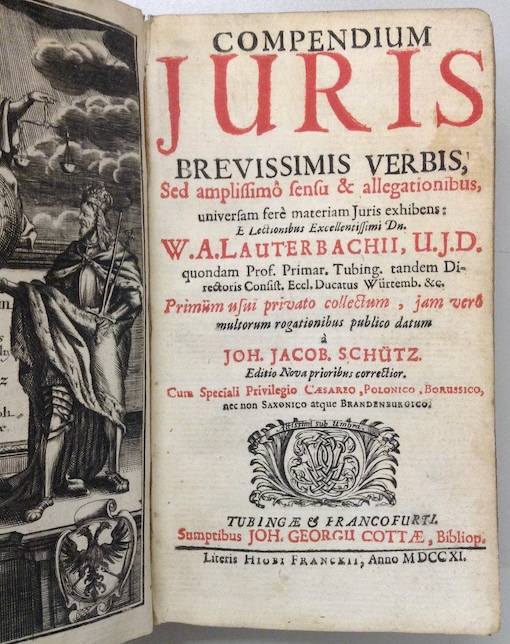
1711ref. 149527Tübingen u. Frankfurt, Cotta, 1711. 6 Bl., 745 S., 6 Bl. Mit gestochenem Frontispiz. Pergament d. Zeit (berieben u. fleckig, Vorsätze angeschmutzt). [2 Warenabbildungen]
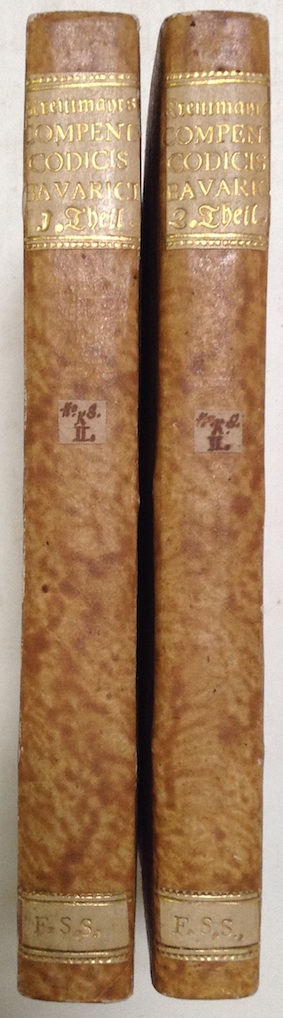
1768ref. 214104München, Crätz, 1768. 8 Bl., 288 S.; S. 289-572. Mit 1 gestochenen Titelvignette. Marmorierte Pappbände d. Zeit mit je 2 Rückenschildern. [2 Warenabbildungen]
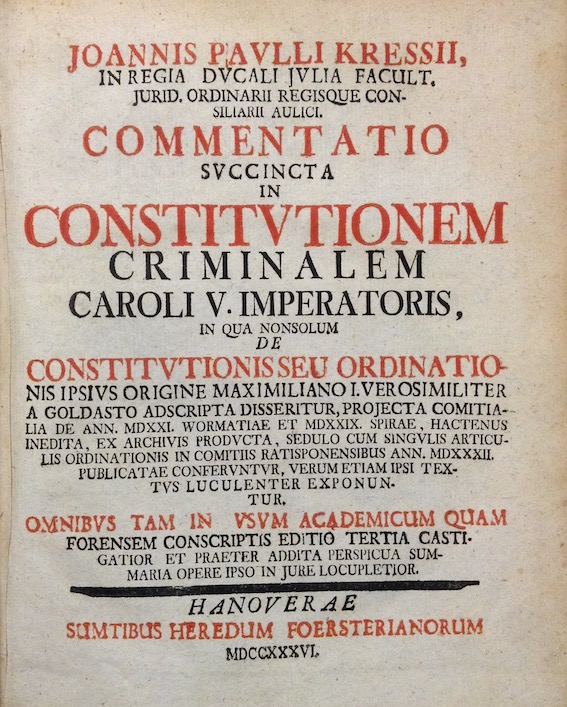
1736ref. 70250Hannover, Förster, 1736. 4to. 18 Bl., 874 S., 24 Bl. Pergament d. Zeit (verstaubt, gebräunt u. fleckig). [2 Warenabbildungen]
1786ref. 634724Hannover, Helwing, 1786. 4to. 18 Bl., 766 S., 23 Bl. Halbpergament d. Zt. (etwas fleckig u. berieben, Vorderdeckelbezug mit Fehlstelle). [2 Warenabbildungen]
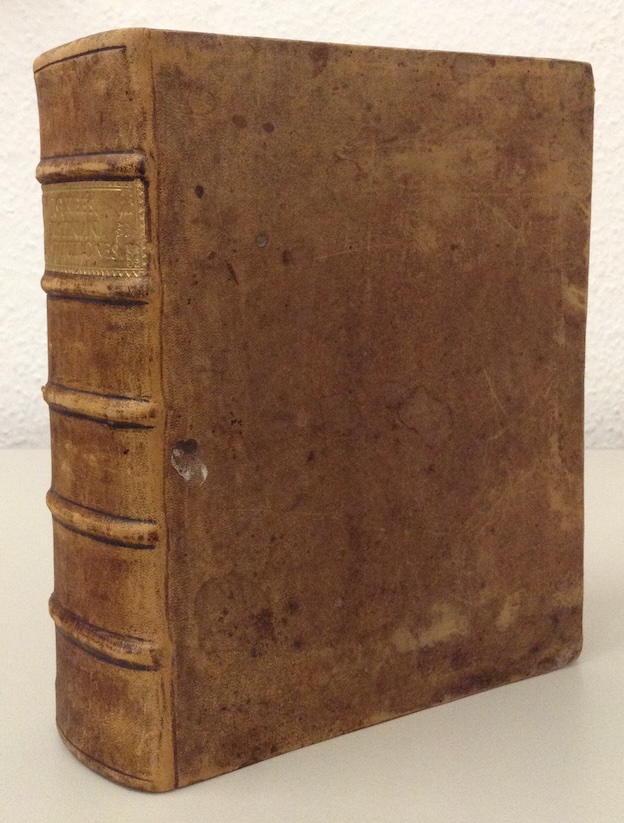
1737ref. 600457Ingolstadt, J. A. la Haye Witwe, 1737. 4to. 4 Bl., 536, 460 S., 16 Bl. Leder d. Zeit mit Rückenschild (beschabt u. leicht fleckig). [2 Warenabbildungen]
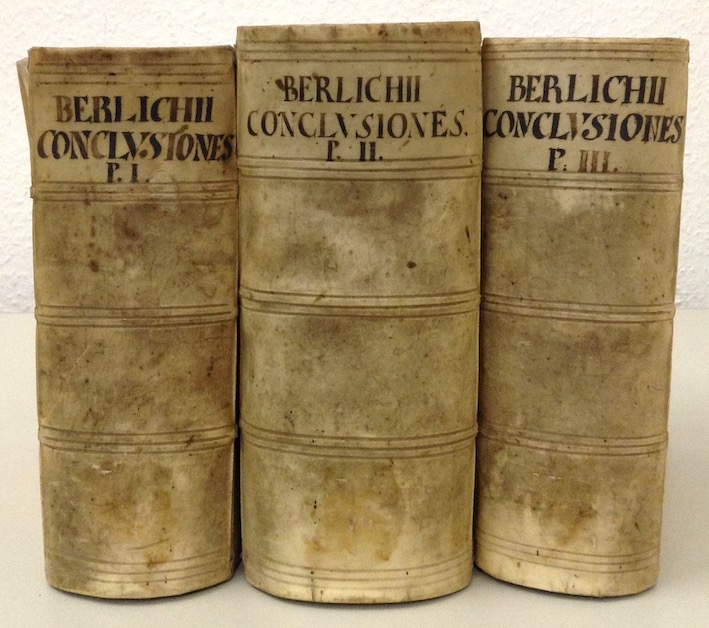
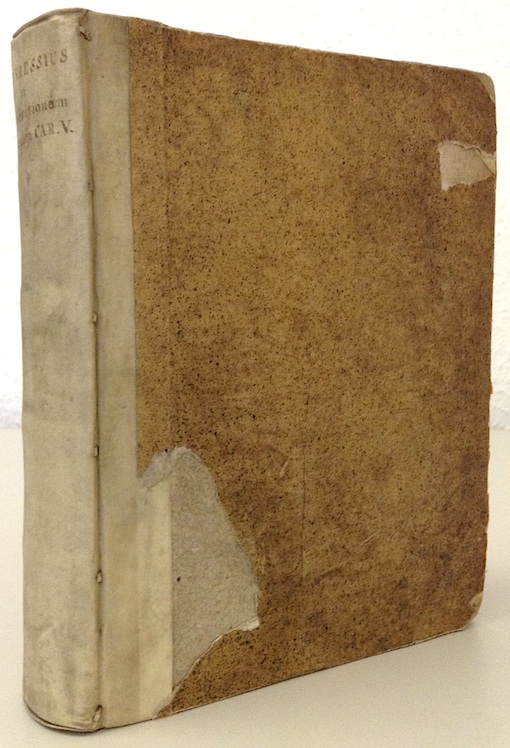
1676ref. 703540Tubingae (Tübingen), Johann Gotfried Zubrodt, 1676. Folio. 9 nnr.Blätter, 712 Seiten, 9 nnr. Blätter. Schlichter Pergamentband der Zeit. Gering fleckig und angestaubt. Sehr sauberes Exemplar.
1913ref. 89510Paris Octobre 1913 | 19 x 24.50 cm | une feuille
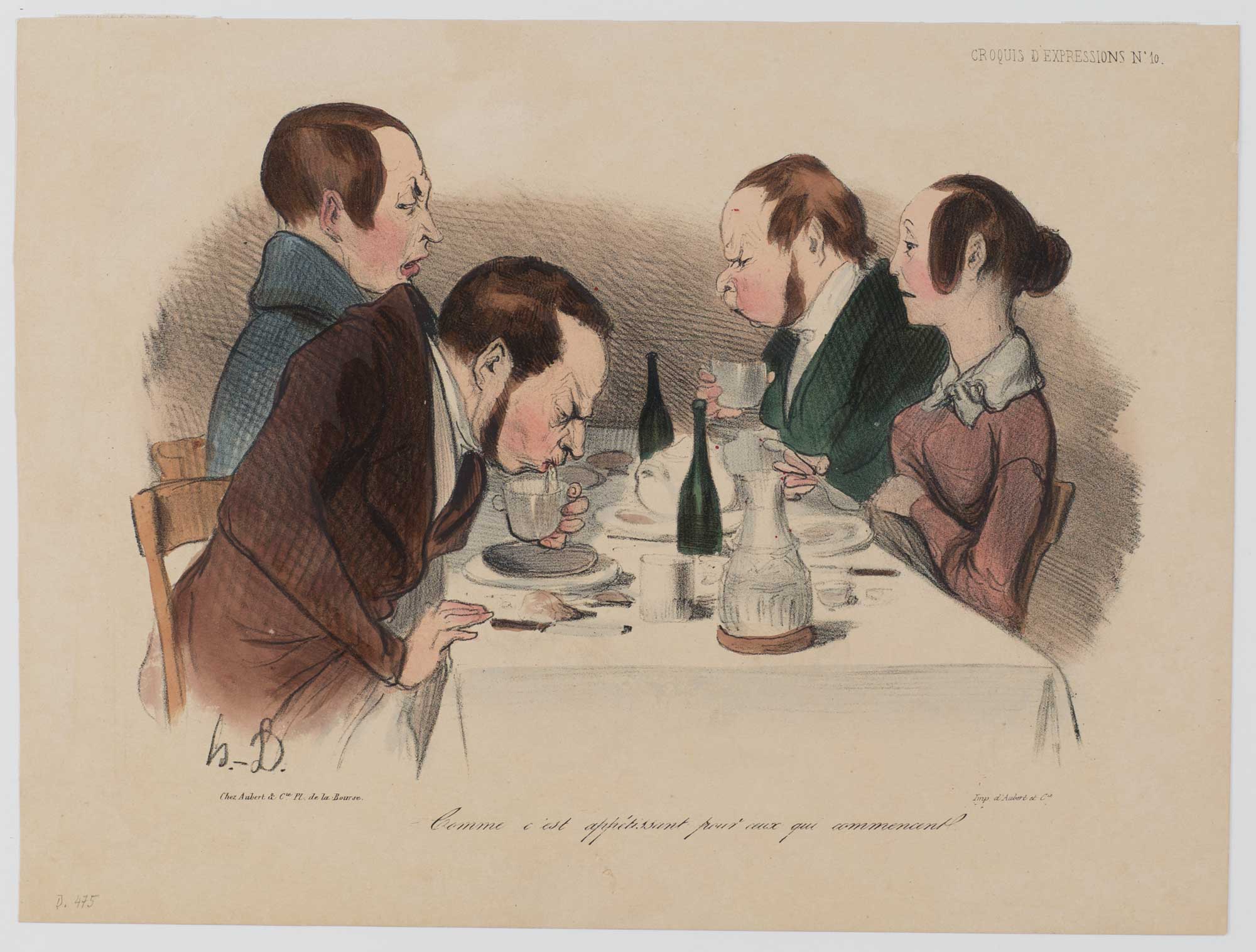
ref. HD-023o.J. (Wie appetitlich für die, die gerade anfangen.). Zeitgenöss. aquarellierte Lithographie, auf bräunlichem Velin, mit den Adressen: Chez Aubert & Cie. Place de la Bourse, sowie: Imp. d?Aubert et Cie. Blattgröße 24,5:32,7 cm. Literatur: Daumier-Register 475; Delteil 475. No. 10 der Serie ?Croquis d?Expressions?, erschienen 9.05.1838 in ?Le Charivari?. ? Sur blanc!
1888ref. 29007Senlis Imprimerie De Eugène Dufresne 1888 In-8 LXIII - 169 pp
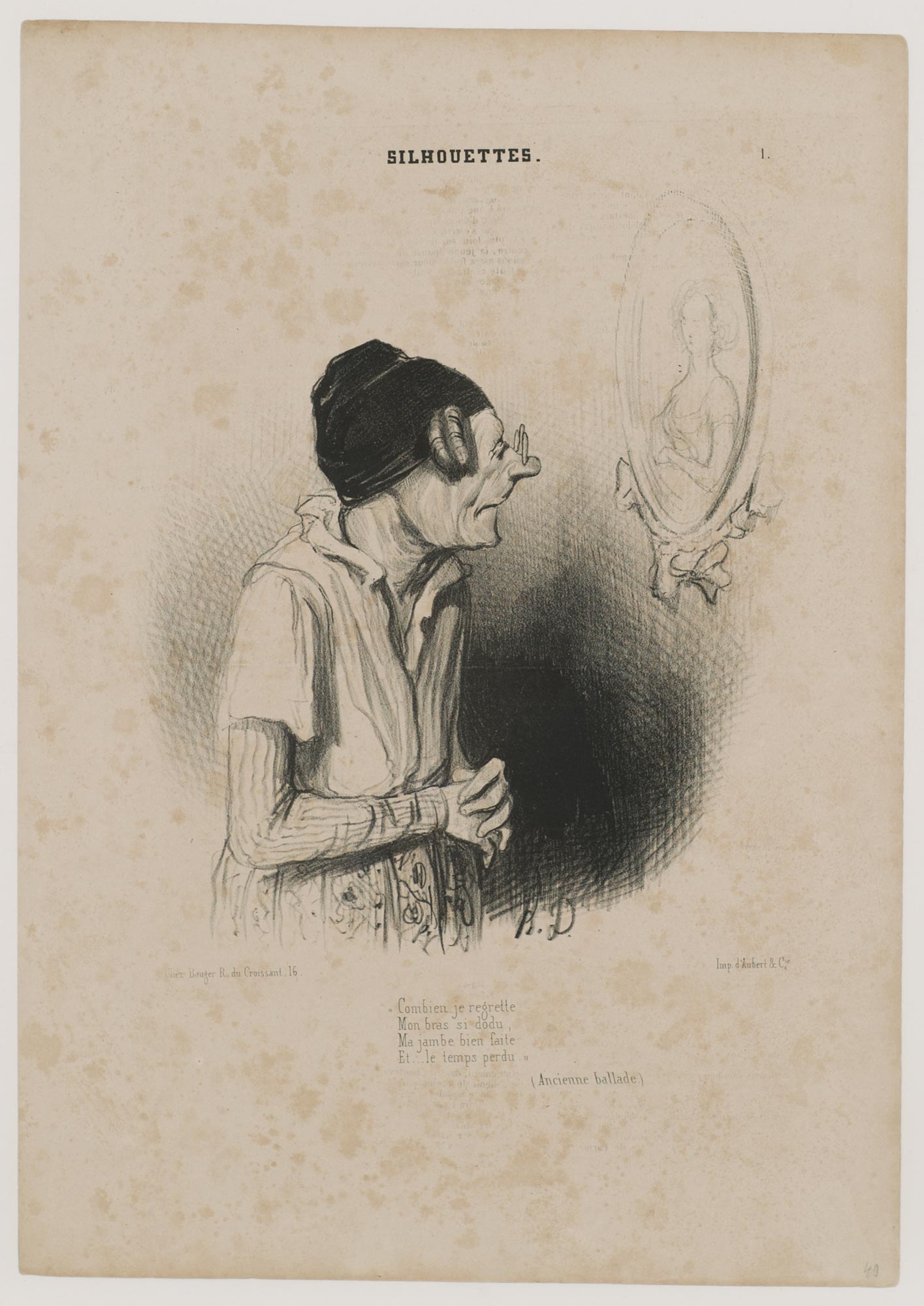
ref. HD-107o.J. Wie ist's doch bedauerlich, mein Arm einst so stark, meine Waden beschaulich, wie das Alter mich plagt. (Eine alte Ballade). Lithographie, auf chamoisfarbenem Velin, mit der Adresse: Chez Bauger & Cie. R. du Croissant 16, sowie: Imp. d?Aubert & Cie. Blattgröße 36,2:25,5 cm. ? Horizontale Mittelfalte geglättet, insgesamt fleckig. Literatur: Daumier-Register 850, II (von 3); Delteil 850, II (von 3), Nr. 1 der Serie ?Silhouettes?. - Sur blanc!
ref. 23162Shogakukan 1971. Folio 220pp. Original cloth-backed boards in dustwrapper.Over 100 full-page coloured plates some folding. A near fine copy. First edition. Text in Japanese. English index. Shogakukan, 1971. hardcover
ref. 23161Shogakukan 1967. Folio 228pp. Original cloth-backed boards in dustwrapper.Over 100 full-page coloured plates some folding. A near fine copy. First edition. Text in Japanese. English index. Shogakukan, 1967. hardcover
255 x 180 mm. Copperprint engraving, cut, hand-coloured and dressed with several fabric fragments, some with metallic threads, metallic lace details, and ground glass. Stitched at an early date to a ruled paper mount. Later giltwood frame and glazing with framer’s label ("Collard Doreur sur bois. Versailles’", ca. 1830-40). Striking and well-preserved example of a so-called "dressed print", based on a devotional engraving of Mary Magdalene by the German engraver and publisher Martin Engelbrecht (1684-1756), dating to the mid-18th century. The materials and style of the adornments point to the 18th century, though a later reuse of older fabrics cannot be ruled out. As often, the dressing has been ingeniously applied both under and over the surface of the original engraving. The penitent Mary Magdalene has been modified by being pasted onto glazed paper, producing a dramatic black-sky background, her body is embellished with three different brocade fabrics (two with metallic threads), and the print was further enhanced with hand-colouring, some metallic lace and ground glass. The saint is characterized by her traditional attributes of a cross, a book, a myrrh jar, a straw mat, and a skull, while her left foot rests on a globe or orb. The precious clothes that were added to Mary Magdalene, who is usually just covered by her long open hair as an expression of her ascetism and atonement, almost transforms her into a celestial Mary, thus altering the meaning of the engraving. - The fashion for dressing prints existed probably from the beginning of printed illustrations themselves, though it was a widespread, predominantly female recreation, especially in nunneries and convents, during the 17th and 18th centuries. Dressed prints were often overlooked by art historians and, due to their fragile nature, are rarely preserved in such good condition.