Raskin, SaulMareMagnum
Livre Rare Book
Armand Jean Le Bouthillier de Rancé
ref. 15180Épreuve sur beau papier filigrané. en feuille Très bon Paris 15 x 10,5 cm

Librairie Seigneur · Voingt, Francia20,00 €
10.952 resultados
1955SIGNED TWICE BY ARTIST in English and Hebrew, and WITH SIGNED DEDICATION in Yiddish dated February 6, 1955 (altogether this copy contains three signatures by Raskin!). Saul Raskin (1878-1966) was an eminent Russian born American artist, writer, lecturer and teacher, best known for his depiction of Jewish subjects, and illustrations of Jewish classic Jewish religious books: Ethics of the Fathers, Passover Haggadah and the five scrolls. This album contains an extensive selection of Raskin's etchings and drawings on Jewish themes with English and Yiddish texts. 350x275mm. 140 pages. Dark-blue marbled cloth Hardcover with lettering on front cover and spine. Cover somewhat curved. Cover corners and spine edges bumped. Peeling-mark on rear cover upper edge. Artist's signatures and dedication on front whitepage. Binding slightly visible on inner cover and between pages 77-78. Endpapers slightly age-stained. Pages slightly yellowing. [SUMMARY]: This beautifully illustrated album, signed three times and dedicated by the artist, is in good condition. PLEASE NOTE: This item is overweight. We may ask for extra shipping costs.
ref. 15180Épreuve sur beau papier filigrané. en feuille Très bon Paris 15 x 10,5 cm
1990ref. 121481990 Marval 1990 Grand et fort in-4, 325 pp. Pleine toile beige sous jaquette illustrée en coul et rhodoid, plus de 300 reproductions de peintures en coul. Etat neuf. Texte en français et en anglais
ref. 7347Belle épreuve sur vergé filigrané. Le Blanc (178-185) XVIIè 14,5 x 10,5 cm.
ref. 15203Épreuve sur beau papier filigrané. en feuille Très bon Paris 14 x 10 cm
1982Cinque incisioni originali a colori su linoleum sciolte, stampate a braccia, di Clizia (cm 35x25). Presentazione di Valerio Miroglio . Custodia (cm 35x25). . . Ottimo (Fine). . Edizione originale di 50 es. numerati. . ''Clizia ha fatto cinque Maschere italiane: Arlecchino servo balordo e scansafatiche, il Dottor Balanzone che è forse creatura di cantastorie bolognesi, ben nutrito e gran bevitore, il Capitano o Capitan Spaventa di Vallinferna, Pantalone brontolone a volte saggio, di Venezia, e infine la maliziosa Colombina, anch'essa della Serenissima. Per questa compagnia Clizia ha usato i segni della danza popolare e i colori della spensieratezza''.
ref. 5730Importante et rare lithographie d’après une photo prise en ballon. Cadre et passe-partout modernes 47 x 60 avec cadre
1796ref. 704256Berlin, Vossische Buchhandlung, 1796. Gestochenes Frontispiz, gestochenes Titelblatt, 1 Blatt, 466 Seiten. Ganzledereinband der Zeit mit 2 Rückenschildern und zarter Rücken- und Deckelvergoldung. Saubere Einträge von alter Hand auf Vorsatzblatt. Schönes Exemplar.
1733ref. biblio312Amsterdam: Chatelain 1733. Gravure sur cuivre La feuille = 310 X 460 mm la cuvette = 255 x 352 mm quelques rousseurs en marge image propre Chatelain unknown
Linoleumgrafia dalla cartella ''Zodiaco'' Firma e numerazione a matita. Stampatore: Giorgio Upiglio, Grafica Uno, Milano. Stampa su carta Alcantara. Timbro a secco dello stampatore. Esemplare A.P. 7/10. cm 22,7x30,7 (Foglio cm 39x58). . . Perfetto (Mint). . Tiratura 60 + X esemplari. .
ref. 26370Planche HT parue dans La Caricature politique, morale, littéraire et scénique, volume 8, 27 novembre 1834 (Planche n°443)Lithographie - Oeuvre: Hauteur: 27cmx Largeur: 35.5cm - Image: Hauteur: 19.8cmx Largeur: 29.3cm - Titre en bas au centre : « Aristocratie et Démocratie. » ; indications : en ht à gche : « La Caricature (Journal) N°212. », en ht à dte : « Pl. 443. »Inscription - Dans la lettre : "Au bureau, chez Aubert, pass. Véro-Dodat." [éditeur], "Lith : Delaunois, r. du Bouloi, 19.",dans l'etat
ref. 4448fildier ,1985, in-8 de 516 pages ,ill. in-t., ,cartonné éditeur ,Bon état , .(1 photo sur mon site https://www.vieuxlivre.fr .Les frais de port pour la France sont offerts à partir de 25 euros d'achat (Mondial relay ). (colissimo suivi +6,90 ).
ref. 4449fildier ,1986, in-8 de 564 pages ,ill. in-t., ,cartonné éditeur ,Bon état , .(1 photo sur mon site https://www.vieuxlivre.fr .Les frais de port pour la France sont offerts à partir de 25 euros d'achat (Mondial relay ). (colissimo suivi +6,90 ).
ref. 107718039X.Gpaperback. Good. Access codes and supplements are not guaranteed with used items. May be an ex-library book. paperback
ref. 71-2085Kensington CA.: John Wolf Prints 1991. 8vo. 12 pp. Soft Cover. Stapled Wraps. Black and white plates throughout. Tipped in is a 12-page typed listing of works offered and the prices. Very Good. Kensington, CA.: John Wolf Prints, 1991. paperback
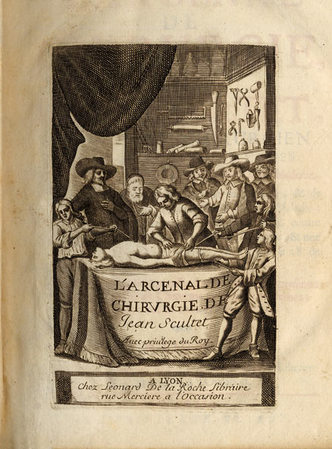
1712ref. 9402Lyon, Léonard De La Roche, 1712 ; in-4 ; plein veau havane, dos à nerfs richement décoré et doré, pièce de titre grenat, tranches mouchetées rouges (reliure de l'époque) ; (16) y compris le frontispice gravé, titre en rouge et noir, Dédicace aux médecins et chirurgiens de Lyon, table, 369, (3), 138, (22) pp. de tables ; 46 planches numérotées plus 4 non chiffrées soit 50 planches gravées hors-texte au total, certaines dépliantes, représentant de très nombreux outils et appareils, des opérations et 3 planches de monstres.
1847ref. 146851847. Firmin Didot. Three steel engravings published in L'Univers Pittoresque in 1847 depicting the Sultan of Lahij's palace a greeting between two Arab men and a saddled camel prepared for travel. The group belongs to the illustrated French literature through which nineteenth-century European readers encountered the Arabian Peninsula combining architectural views with scenes of customary greeting and travel. The Lahij image is especially useful for documenting how the residence of the sultanate near Aden was visually presented to European audiences before the major political changes that reshaped southern Arabia later in the century. Firmin Didot. Chateau Du Saltan d'Aden a Lahadj; Salut des Arabes; Chameau scelle pour le Voyage. Paris: Firmin Didot 1847. Three original steel engravings each approximately 5 x 8.2 inches. Chateau Du Saltan d'Aden a Lahadj shows the Sultan of Lahij's castle set within a cultivated and mountainous landscape with palm trees and surrounding countryside. Salut des Arabes depicts two Arab men greeting one another with a handshake. Chameau scelle pour le Voyage shows a saddled camel in a desert setting emphasizing the animal's role in overland travel. Comparable examples of these subjects are attributed to the engraver Lemaitre in the contemporary print market. The three prints preserve a French illustrated view of southern Arabia that moves between political architecture social custom and transportation. Their publication in 1847 places them within the period when Aden had already come under British control while neighboring Lahij retained its own sultanate giving the palace view a specific political geography distinct from the port colony itself. Some age-related toning and pinholes in the upper margins; the first engraving has remnants of a sticker at the upper right corner. The third engraving shows former staple marks and an approximately 4 cm loss along the upper edge not affecting the image. Overall very good condition. unknown books
1847ref. 146851847. Firmin Didot. Three steel engravings published in L'Univers Pittoresque in 1847 depicting the Sultan of Lahij's palace a greeting between two Arab men and a saddled camel prepared for travel. The group belongs to the illustrated French literature through which nineteenth-century European readers encountered the Arabian Peninsula combining architectural views with scenes of customary greeting and travel. The Lahij image is especially useful for documenting how the residence of the sultanate near Aden was visually presented to European audiences before the major political changes that reshaped southern Arabia later in the century. Firmin Didot. Chateau Du Saltan d'Aden a Lahadj; Salut des Arabes; Chameau scelle pour le Voyage. Paris: Firmin Didot 1847. Three original steel engravings each approximately 5 x 8.2 inches. Chateau Du Saltan d'Aden a Lahadj shows the Sultan of Lahij's castle set within a cultivated and mountainous landscape with palm trees and surrounding countryside. Salut des Arabes depicts two Arab men greeting one another with a handshake. Chameau scelle pour le Voyage shows a saddled camel in a desert setting emphasizing the animal's role in overland travel. Comparable examples of these subjects are attributed to the engraver Lemaitre in the contemporary print market. The three prints preserve a French illustrated view of southern Arabia that moves between political architecture social custom and transportation. Their publication in 1847 places them within the period when Aden had already come under British control while neighboring Lahij retained its own sultanate giving the palace view a specific political geography distinct from the port colony itself. Some age-related toning and pinholes in the upper margins; the first engraving has remnants of a sticker at the upper right corner. The third engraving shows former staple marks and an approximately 4 cm loss along the upper edge not affecting the image. Overall very good condition. unknown
325 x 280 mm. Ink and wash on drawing cardboard. Framed and glazed. This beautiful study, most likely for a lithograph, can be attributed to Carle Vernet, the youngest son of the painter Claude-Joseph Vernet. The monumental central motif of an Arabian cavalier on a dark Arabian stallion is elaborately executed, whereas the backdrop of a tent and a battle scene remain sketchy. - A passionate horseman himself, Carle Vernet is most famous for his cavalry scenes and other equestrian motifs. - Trimmed on the upper margin. Abrasions throughout, mostly affecting the background.
1849ref. 255111849 LE CHARIVARI Aubert et Cie, imprimeur-lithographe. 1849- Lithographie - Hauteur: 35.9cmx Largeur: 27.6cm - Description:Planche n° Assemblée législative, 8. -1 feuillet (4 pages) numéro complet ; illustration page 3.-- texte imprime au dos,bon etat,rousseurs.
1878ref. 7985Très belle épreuve d'après Eugène Fromentin. Impression par Salmon. Paris Gazette des Beaux-Arts 1878 13,7 x 16,4 cm. Marges 19,6 x 28,2 cm.
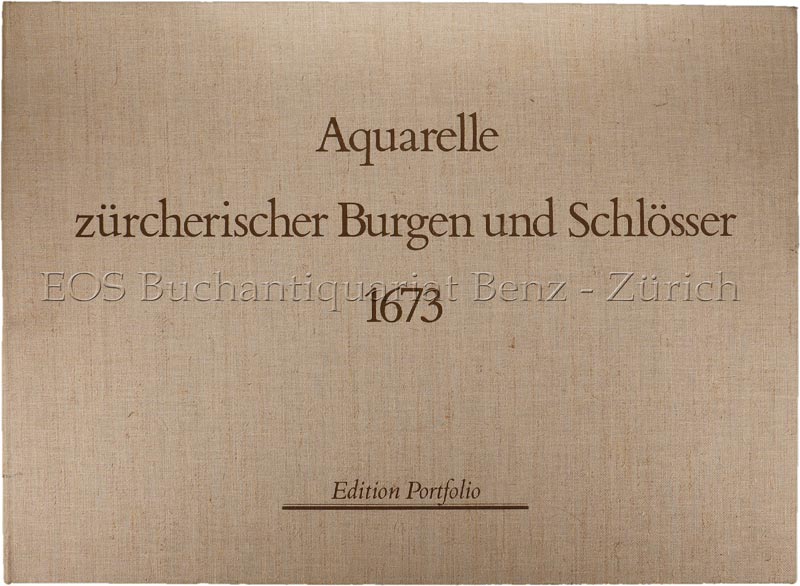
1988ref. 25180ABO.O., Edition Portfolio, 1988. Quer-folio. 1 Bl. Mit 13 Reproduktionen. Lose in Leinenkassette. + Wichtig: Für unsere Kunden in der EU erfolgt der Versand alle 14 Tage verzollt ab Deutschland / Postbank-Konto in Deutschland vorhanden +, bild
1988ref. 25180ABO.O., Edition Portfolio, 1988. Quer-folio. 1 Bl. Mit 13 Reproduktionen. Lose in Leinenkassette.
1987ref. 11304Très belle sérigraphie à l'occasion d'une carte de vœux pour l'année 1987. En feuille Très bon 1987 27 cm x 9 cm
1921- Lucien Vogel éditeur, Paris 1921, 18x24cm, une feuille. - Original color print heightened with palladium, printed on vergé paper, signed in the plate. An original print used to illustrate the Gazette du bon ton, one of the most attractive and influential 20th century fashion magazines, featuring the talents of French artists and other contributors from the burgeoning Art Deco movement. A celebrated fashion magazine established in 1912 by Lucien Vogel, La Gazette du bon ton appeared until 1925, with a hiatus from 1915 to 1920 due to the war (the editor-in-chief having been called up for service). It consisted of 69 issues printed in only 2,000 copies each and notably illustrated with 573 color plates and 148 sketches of the models of the great designers. Right from the start, this sumptuous publication "was aimed at bibliophiles and fashionable society," (Françoise Tétart-Vittu, "La Gazette du bon ton", in Dictionnaire de la mode, 2016) and was printed on fine vergé paper using a type cut specially for the magazine by Georges Peignot, known as Cochin, later used (in 1946) by Christian Dior. The prints were made using stencils, heightened in colors, some highlighted in gold or palladium. The story began in 1912, when Lucien Vogel, a man of the world involved in fashion (he had already been part of the fashion magazine Femina) decided, with his wife Cosette de Brunhoff - the sister of Jean, creator of Babar - to set up the Gazette du bon ton, subtitled at the time: "Art, fashion, frivolities." Georges Charensol noted the reasoning of the editor-in-chief: "'In 1910,' he observed, 'there was no really artistic fashion magazine, nothing representative of the spirit of the time. My dream was therefore to make a luxury magazine with truly modern artists...I was assured of success, because when it comes to fashion, no country on earth can compete with France.'" ("Un grand éditeur d'art. Lucien Vogel" in Les Nouvelles littéraires, no. 133, May 1925). The magazine was immediately successful, not only in France but also in the United States and Latin America. At first, Vogel put together a team of seven artists: André-Édouard Marty and Pierre Brissaud, followed by Georges Lepape and Dammicourt, as well as eventually his friends from school and the School of Fine Arts, like George Barbier, Bernard Boutet de Monvel and Charles Martin. Other talented people soon came flocking to join the team: Guy Arnoux, Léon Bakst, Benito, Boutet de Monvel, Umberto Brunelleschi, Chas Laborde, Jean-Gabriel Domergue, Raoul Dufy, Édouard Halouze, Alexandre Iacovleff, Jean Émile Laboureur, Charles Loupot, Chalres Martin, Maggie Salcedo. These artist, mostly unknown when Lucien Vogel sought them out, later became emblematic and sought-after artistic figures. It was also they who worked on the advertising drawings for the Gazette. The plates put the spotlight on, and celebrate, dresses by seven designers of the age: Lanvin, Doeuillet, Paquin, Poiret, Worth, Vionnet and Doucet. The designers provided exclusive models for each issue. Nonetheless, some of the illustrations are not based on real models, but simply on the illustrator's conception of the fashion of the day. The Gazette du bon ton was an important step in the history of fashion. Combining aesthetic demands with the physical whole, it brought together - for the first time - the great talents of the artistic, literary, and fashion worlds; and imposed, through this alchemy, a completely new image of women: slender, independent and daring, which was shared by the new generation of designers, including Coco Chanel, Jean Patou, Marcel Rochas, and so on... Taken over in 1920 by Condé Montrose Nast, the Gazette du bon ton was an important influence on the new layout and aesthetics of that "little dying paper" that Nast had bought a few years earlier: Vogue. [FRENCH VERSION FOLLOWS] Estampe originale en couleur richement rehaussée au palladium, tirée sur papier vergé, signée en bas à gauche de la plan