LEPAPE GeorgesMareMagnum

10 194 résultats
1915- Lucien Vogel éditeur, Paris 1915, 37,7x24,5cm, une feuille. - Original color print, printed on vergé paper, signed in the plate. An original print used to illustrate the Gazette du bon ton, one of the most attractive and influential 20th century fashion magazines, featuring the talents of French artists and other contributors from the burgeoning Art Deco movement. A celebrated fashion magazine established in 1912 by Lucien Vogel, La Gazette du bon ton appeared until 1925, with a hiatus from 1915 to 1920 due to the war (the editor-in-chief having been called up for service). It consisted of 69 issues printed in only 2,000 copies each and notably illustrated with 573 color plates and 148 sketches of the models of the great designers. Right from the start, this sumptuous publication "was aimed at bibliophiles and fashionable society," (Françoise Tétart-Vittu, "La Gazette du bon ton", in Dictionnaire de la mode, 2016) and was printed on fine vergé paper using a type cut specially for the magazine by Georges Peignot, known as Cochin, later used (in 1946) by Christian Dior. The prints were made using stencils, heightened in colors, some highlighted in gold or palladium. The story began in 1912, when Lucien Vogel, a man of the world involved in fashion (he had already been part of the fashion magazine Femina) decided, with his wife Cosette de Brunhoff - the sister of Jean, creator of Babar - to set up the Gazette du bon ton, subtitled at the time: "Art, fashion, frivolities." Georges Charensol noted the reasoning of the editor-in-chief: "'In 1910,' he observed, 'there was no really artistic fashion magazine, nothing representative of the spirit of the time. My dream was therefore to make a luxury magazine with truly modern artists...I was assured of success, because when it comes to fashion, no country on earth can compete with France.'" ("Un grand éditeur d'art. Lucien Vogel" in Les Nouvelles littéraires, no. 133, May 1925). The magazine was immediately successful, not only in France but also in the United States and Latin America. At first, Vogel put together a team of seven artists: André-Édouard Marty and Pierre Brissaud, followed by Georges Lepape and Dammicourt, as well as eventually his friends from school and the School of Fine Arts, like George Barbier, Bernard Boutet de Monvel and Charles Martin. Other talented people soon came flocking to join the team: Guy Arnoux, Léon Bakst, Benito, Boutet de Monvel, Umberto Brunelleschi, Chas Laborde, Jean-Gabriel Domergue, Raoul Dufy, Édouard Halouze, Alexandre Iacovleff, Jean Émile Laboureur, Charles Loupot, Chalres Martin, Maggie Salcedo. These artist, mostly unknown when Lucien Vogel sought them out, later became emblematic and sought-after artistic figures. It was also they who worked on the advertising drawings for the Gazette. The plates put the spotlight on, and celebrate, dresses by seven designers of the age: Lanvin, Doeuillet, Paquin, Poiret, Worth, Vionnet and Doucet. The designers provided exclusive models for each issue. Nonetheless, some of the illustrations are not based on real models, but simply on the illustrator's conception of the fashion of the day. The Gazette du bon ton was an important step in the history of fashion. Combining aesthetic demands with the physical whole, it brought together - for the first time - the great talents of the artistic, literary, and fashion worlds; and imposed, through this alchemy, a completely new image of women: slender, independent and daring, which was shared by the new generation of designers, including Coco Chanel, Jean Patou, Marcel Rochas, and so on... Taken over in 1920 by Condé Montrose Nast, the Gazette du bon ton was an important influence on the new layout and aesthetics of that "little dying paper" that Nast had bought a few years earlier: Vogue. [FRENCH VERSION FOLLOWS] Estampe originale en couleur tirée sur papier vergé, signée en bas à droite dans la planche. Robes de Beer, Lanvin, Paquin, Callot
1915- Lucien Vogel éditeur, Paris 1915, 37,7x24,5cm, une feuille. - Original color print, printed on vergé paper, signed in the plate. An original print used to illustrate the Gazette du bon ton, one of the most attractive and influential 20th century fashion magazines, featuring the talents of French artists and other contributors from the burgeoning Art Deco movement. A celebrated fashion magazine established in 1912 by Lucien Vogel, La Gazette du bon ton appeared until 1925, with a hiatus from 1915 to 1920 due to the war (the editor-in-chief having been called up for service). It consisted of 69 issues printed in only 2,000 copies each and notably illustrated with 573 color plates and 148 sketches of the models of the great designers. Right from the start, this sumptuous publication "was aimed at bibliophiles and fashionable society," (Françoise Tétart-Vittu, "La Gazette du bon ton", in Dictionnaire de la mode, 2016) and was printed on fine vergé paper using a type cut specially for the magazine by Georges Peignot, known as Cochin, later used (in 1946) by Christian Dior. The prints were made using stencils, heightened in colors, some highlighted in gold or palladium. The story began in 1912, when Lucien Vogel, a man of the world involved in fashion (he had already been part of the fashion magazine Femina) decided, with his wife Cosette de Brunhoff - the sister of Jean, creator of Babar - to set up the Gazette du bon ton, subtitled at the time: "Art, fashion, frivolities." Georges Charensol noted the reasoning of the editor-in-chief: "'In 1910,' he observed, 'there was no really artistic fashion magazine, nothing representative of the spirit of the time. My dream was therefore to make a luxury magazine with truly modern artists...I was assured of success, because when it comes to fashion, no country on earth can compete with France.'" ("Un grand éditeur d'art. Lucien Vogel" in Les Nouvelles littéraires, no. 133, May 1925). The magazine was immediately successful, not only in France but also in the United States and Latin America. At first, Vogel put together a team of seven artists: André-Édouard Marty and Pierre Brissaud, followed by Georges Lepape and Dammicourt, as well as eventually his friends from school and the School of Fine Arts, like George Barbier, Bernard Boutet de Monvel and Charles Martin. Other talented people soon came flocking to join the team: Guy Arnoux, Léon Bakst, Benito, Boutet de Monvel, Umberto Brunelleschi, Chas Laborde, Jean-Gabriel Domergue, Raoul Dufy, Édouard Halouze, Alexandre Iacovleff, Jean Émile Laboureur, Charles Loupot, Chalres Martin, Maggie Salcedo. These artist, mostly unknown when Lucien Vogel sought them out, later became emblematic and sought-after artistic figures. It was also they who worked on the advertising drawings for the Gazette. The plates put the spotlight on, and celebrate, dresses by seven designers of the age: Lanvin, Doeuillet, Paquin, Poiret, Worth, Vionnet and Doucet. The designers provided exclusive models for each issue. Nonetheless, some of the illustrations are not based on real models, but simply on the illustrator's conception of the fashion of the day. The Gazette du bon ton was an important step in the history of fashion. Combining aesthetic demands with the physical whole, it brought together - for the first time - the great talents of the artistic, literary, and fashion worlds; and imposed, through this alchemy, a completely new image of women: slender, independent and daring, which was shared by the new generation of designers, including Coco Chanel, Jean Patou, Marcel Rochas, and so on... Taken over in 1920 by Condé Montrose Nast, the Gazette du bon ton was an important influence on the new layout and aesthetics of that "little dying paper" that Nast had bought a few years earlier: Vogue. [FRENCH VERSION FOLLOWS] Estampe originale en couleur tirée sur papier vergé, signée en bas à droite dans la planche. Robes de Jenny, Beer, Worth, Doeuillet
1914- Lucien Vogel éditeur, Paris Mai 2014, 36,5x24cm, une feuille. - Double original color print heightened with gold, printed on vergé paper, non signed. An original print used to illustrate the Gazette du bon ton, one of the most attractive and influential 20th century fashion magazines, featuring the talents of French artists and other contributors from the burgeoning Art Deco movement. A celebrated fashion magazine established in 1912 by Lucien Vogel, La Gazette du bon ton appeared until 1925, with a hiatus from 1915 to 1920 due to the war (the editor-in-chief having been called up for service). It consisted of 69 issues printed in only 2,000 copies each and notably illustrated with 573 color plates and 148 sketches of the models of the great designers. Right from the start, this sumptuous publication "was aimed at bibliophiles and fashionable society," (Françoise Tétart-Vittu, "La Gazette du bon ton", in Dictionnaire de la mode, 2016) and was printed on fine vergé paper using a type cut specially for the magazine by Georges Peignot, known as Cochin, later used (in 1946) by Christian Dior. The prints were made using stencils, heightened in colors, some highlighted in gold or palladium. The story began in 1912, when Lucien Vogel, a man of the world involved in fashion (he had already been part of the fashion magazine Femina) decided, with his wife Cosette de Brunhoff - the sister of Jean, creator of Babar - to set up the Gazette du bon ton, subtitled at the time: "Art, fashion, frivolities." Georges Charensol noted the reasoning of the editor-in-chief: "'In 1910,' he observed, 'there was no really artistic fashion magazine, nothing representative of the spirit of the time. My dream was therefore to make a luxury magazine with truly modern artists...I was assured of success, because when it comes to fashion, no country on earth can compete with France.'" ("Un grand éditeur d'art. Lucien Vogel" in Les Nouvelles littéraires, no. 133, May 1925). The magazine was immediately successful, not only in France but also in the United States and Latin America. At first, Vogel put together a team of seven artists: André-Édouard Marty and Pierre Brissaud, followed by Georges Lepape and Dammicourt, as well as eventually his friends from school and the School of Fine Arts, like George Barbier, Bernard Boutet de Monvel and Charles Martin. Other talented people soon came flocking to join the team: Guy Arnoux, Léon Bakst, Benito, Boutet de Monvel, Umberto Brunelleschi, Chas Laborde, Jean-Gabriel Domergue, Raoul Dufy, Édouard Halouze, Alexandre Iacovleff, Jean Émile Laboureur, Charles Loupot, Chalres Martin, Maggie Salcedo. These artist, mostly unknown when Lucien Vogel sought them out, later became emblematic and sought-after artistic figures. It was also they who worked on the advertising drawings for the Gazette. The plates put the spotlight on, and celebrate, dresses by seven designers of the age: Lanvin, Doeuillet, Paquin, Poiret, Worth, Vionnet and Doucet. The designers provided exclusive models for each issue. Nonetheless, some of the illustrations are not based on real models, but simply on the illustrator's conception of the fashion of the day. The Gazette du bon ton was an important step in the history of fashion. Combining aesthetic demands with the physical whole, it brought together - for the first time - the great talents of the artistic, literary, and fashion worlds; and imposed, through this alchemy, a completely new image of women: slender, independent and daring, which was shared by the new generation of designers, including Coco Chanel, Jean Patou, Marcel Rochas, and so on... Taken over in 1920 by Condé Montrose Nast, the Gazette du bon ton was an important influence on the new layout and aesthetics of that "little dying paper" that Nast had bought a few years earlier: Vogue. [FRENCH VERSION FOLLOWS] Estampe double originale en couleur rehaussée à l'or, tirée sur papier vergé, non-signée. Quelques petites tac
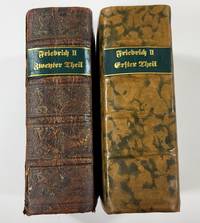
1760réf. 047298Tubingen Germany: Johann Ulrich Cotta 1760. In German. Two thick volumes first and second parts both title pages dated 1760. Volume I has been professionally rebound in the same style as the second. Extensively illustrated with full page and folding engravings including folding tables and maps frontis portraits of the emperor and eagle engraving on title pages. Full mottled leather with newer gilt and dark green spine labels raised spine bands all edges tinted red original marbled endpapers with additional new endpapers in first part. Part I is 1000 pages and is very good with faint dampstains to the lower corners of pages 993-1000 very minor worming to the bottom of one folding table short closed tear to one map. Part II has some edgewear and small area of worming to the outer edge of the front cover 28 1024 pages margins of two folding maps trimmed a little closely. Overall quite a nice set sturdy bindings good to very good throughout. Hard Cover. Good. 12mo - over 6¾" - 7¾" tall. Johann Ulrich Cotta Hardcover
1912réf. 20639Paris: Librairie Damascène Morgand Eduoard Rahir Succr 1912. First Edition #262 of350 copies signed. 1 vols. Thick 4to. Boiund in 3/4 green morocco marbled boards te.g. Some waterstaining bottom edge of last 100 pages minor else Very Nice. First Edition #262 of350 copies signed. 1 vols. Thick 4to. Librairie Damascène Morgand, Eduoard Rahir, Succr unknown books
1937réf. 37606London: Golden Cockerell Press 1937. Hardcover. Very Good. Hardcover. Number 82 of 150 signed copies. There was also an unlimited edition. This is an interesting and pretty book from the Golden Cockerell Press published early in this noted press's history. It is stunningly illustrated with six black and white engravings by Clifford Webb 1895 - 1972 the English artist and engraver. Quarter bound in brown Niger leather with gilt titling to spine and cream cloth covers. Some foxing to front cover and light sunning to top of spine. Printed in Caslon's Old Face type on Arnold's handmade paper. A nice copy in very good condition. Measures 6 x 9 inches. 109 pages plus colophon. PRI/111324. Golden Cockerell Press hardcover books
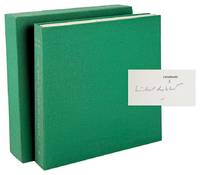
1977réf. 36980Paris: A Parole Donnee 1977. Fine/Fine. Paris: "A Parole Donnée" 1977. First Edition Limited to 10 copies including original engraving printed on both Arches and Japon papers of which this is no. 1. Small square quarto 16.5cm; loose as issued in original pale grey printed dust jacket housed in original emerald green cloth chemise and slipcase; 16pp.; two color engravings signed with limitation by the artist. A Fine example. Additionally signed by the poet Bohbot on colophon in rear. Issued as the third volume in the poet's "A Parole Donnée" series. The plates were signed by Bryen shortly before his death in May of 1977. The book was released posthumously in September. No copies in OCLC as of October 2025. A Parole Donnee unknown books
1887réf. DEMO013716IBoston: Roberts Brothers 1887. Deluxe Limited edition. Hardcover. Very Good. Wilhelm von Kaulbach. 4to 342 pages new full dark morocco leather spine label original pictorial top cover bound in at rear .top edge gilt fore-edge untrimmed; ex libris A. Freiberg of Cincinnati. No. 224 of 400 copies printed for America of the English Edition De Luxe. Twelve India Proof steel engravings after Joseph Wolf engraved by Augustus Fox. Modern form of the traditional legend of REINHART FUCHS. "Under the veil of animals the symbolic representations of the diverse passions of men stand boldly in relief ." Roberts Brothers hardcover
1912réf. 20639Paris: Librairie Damascène Morgand Eduoard Rahir Succr 1912. First Edition #262 of350 copies signed. 1 vols. Thick 4to. Boiund in 3/4 green morocco marbled boards te.g. Some waterstaining bottom edge of last 100 pages minor else Very Nice. First Edition #262 of350 copies signed. 1 vols. Thick 4to. Librairie Damascène Morgand, Eduoard Rahir, Succr unknown
1937réf. 37606London: Golden Cockerell Press 1937. Hardcover. Very Good. Hardcover. Number 82 of 150 signed copies. There was also an unlimited edition. This is an interesting and pretty book from the Golden Cockerell Press published early in this noted press's history. It is stunningly illustrated with six black and white engravings by Clifford Webb 1895 - 1972 the English artist and engraver. Quarter bound in brown Niger leather with gilt titling to spine and cream cloth covers. Some foxing to front cover and light sunning to top of spine. Printed in Caslon's Old Face type on Arnold's handmade paper. A nice copy in very good condition. Measures 6 x 9 inches. 109 pages plus colophon. PRI/111324. Golden Cockerell Press hardcover
1808réf. Flo539Good copy of this classic of equestrian humour Incomplete copy with nine plates of 12 in the first book and 12 of 17 in the second book An Academy for Grown Horsemen; containing the Completest Instructions for Walking Trotting Cantering Galloping Strumbling and Tumbling with Annals of Horsemanship: Containing Accounts of Accidental Experiments and Experimental Accidents both Successful and Unsuccessful Communicated by Various Correspondents. The text has been attributed to the artist Henry Bunbury and Francis Grose the antiquarian and compiler of a Classical Dictionary of the Vulgar Tongue. In the 19th century the humorous text was ascribed to Grose in Catalogue of the library of the late Sir Francis Feeling 1836 John Bohn's Catalogue of English Books 1843 Samuel Halkett's Dictionary of the Anonymous and Pseudonymous Literature of Great Britain 1882 D.C. Sapp's The Honey Jar 1898 etc. John C. Riely however in The Age of Horace Walpole in Caricature 1973 claims that Grose only contributed the introduction. Henry William Bunbury 1750-1811 "drew chiefly in pencil or black and red chalk; but although he seems to have used the needle he was never successful as an etcher and his designs were generally reproduced by engravers mostly in stipple or dot. The three works by which he is best known belong to 1787: A Long Minuet The Propagation of a Lie and the volume of equestrian misadventures called An Academy for Grown Horsemen by Geoffrey Gambado. In 1791 appeared the Annals of Horsemanship a kind of sequel to the Academy for Grown Horseman." D.N.B. His other published works include Angelica Kauffman's Angelica's Ladies Library 1794 Bunbury's Illustrations of Shakspear engraved by Bartolozzi 1796 Tales of the Devil 1801 etc. Brown quarter leather binding rubbed and scuffed spine with gilt title and decorative tooling marble boards rubbed and torn book block solid. Some fingermarks and general grubbiness throughout slight spotting to text and plates a couple of plates with neat paper repairs to rear. The copper plates mostly clean and bright one with partial handcolour by a previous owner. Still a fun trot throught the miseries of horse-riding in the late 18th century W. Baynes hardcover
1977réf. 36980Paris: A Parole Donnee 1977. Fine/Fine. Paris: "A Parole Donnée" 1977. First Edition Limited to 10 copies including original engraving printed on both Arches and Japon papers of which this is no. 1. Small square quarto 16.5cm; loose as issued in original pale grey printed dust jacket housed in original emerald green cloth chemise and slipcase; 16pp.; two color engravings signed with limitation by the artist. A Fine example. Additionally signed by the poet Bohbot on colophon in rear. Issued as the third volume in the poet's "A Parole Donnée" series. The plates were signed by Bryen shortly before his death in May of 1977. The book was released posthumously in September. No copies in OCLC as of October 2025. A Parole Donnee unknown
1859réf. 0009034London & New York: Frederick Warne And Co. 1859 . First edition thus. Hardcover. Very Good. 12mo; xvii 404 pages red half polished calf marbled boards " This is not only the first history of BARTHOLOMEW FAIR but the first serious history of any Fair; even the general subject of fairs as far as I can learn has never been thought worthy of a book - Preface." With facsimiles and new drawings by H. Sydney Barton who "has exactly met my wish for minute faithfulness in teh copying of everything represented. . Accurate work is very hard to find. Most of the illustrations in this book are now for the first time drawn from the illuminations loose engravings or handbills in which they first appeared . - Preface." Frederick Warne And Co. hardcover
1894réf. 27806London: Printed for The Society of English Bibliophilists 1894. 1st edition. Leather. Near Fine. 1st edition. 5 volume set complete. A Near Fine set. 8vos. In period Fine binding of half light blue leather and cloth over boards. Six compartment spine with title volume and design in gilt. t.e.g. A handsome set. A collection of 72 short stories written by Marguerite de Navarre published posthumously in 1558. It was originally intended to contain 100 stories but Marguerite's untimely death cut it at the second story of the eighth day. Printed for The Society of English Bibliophilists unknown
1934réf. 51300New York NY : Harrison Smith & Robert Hass 1934. Harrison Smith and Robert Hass. Hardcover missing slipcase. Hardcover missing slipcase very good- with light soiling to the boards the spine is faded with chipping to the head and tail internally the pages are bright and unmarked the binding is tight deckled edges 29pp Illus. Lynd Ward. Harrison Smith & Robert Hass hardcover
1959réf. 36103Durham North Carolina: Duke University Press 1959. 2nd printing. Cloth. Very Good/Fair. Mixed printings Vol.1 2 3 -2nd printings 1959; Vol.4 5 6 7 printed in '57 '62 '61 '64 respectively. A Very Good set in Poor Fair & Good dust jackets. 8vos. each volume approximately 650 pages. illustrated with b&w wood engravings and frontispieces. Uniformly bound in tan cloth with tan dust jackets. The dust jackets have browned spines with most of the volumes having missing/detached areas on the spine. Several volumes are detached along the spine and now held in place with the mylar sleeve. Duke University Press unknown
1991réf. 18941991 Gravure en couleurs à la manière noire. 485 x 379 mm, sujet : 380 x 290 mm. Belle épreuve sur vélin annotée "Essai 6/11", signée, titrée et datée à la mine de plomb.
réf. ART7097M1971, Phases, Paris. Revues in-4, brochées, 90 et 92pp. Numéros 2 et 3 de la 2e série de la revue Phases (dont Claude Viseux était un contributeur) datés de mai et novembre 1971. Exemplaires bien complets de leur lithographies hors textes. N° 3 protégé sous papier cristal. État d'usage parfaitement acceptable. On joint , format 24x30, 1 eaux-fortes HC signée de Giancarlo Pozzi ainsi que trois lithographies HC signées d'Umberto Mariani, Emilio Scanavino et Juan-Carlos Langlois
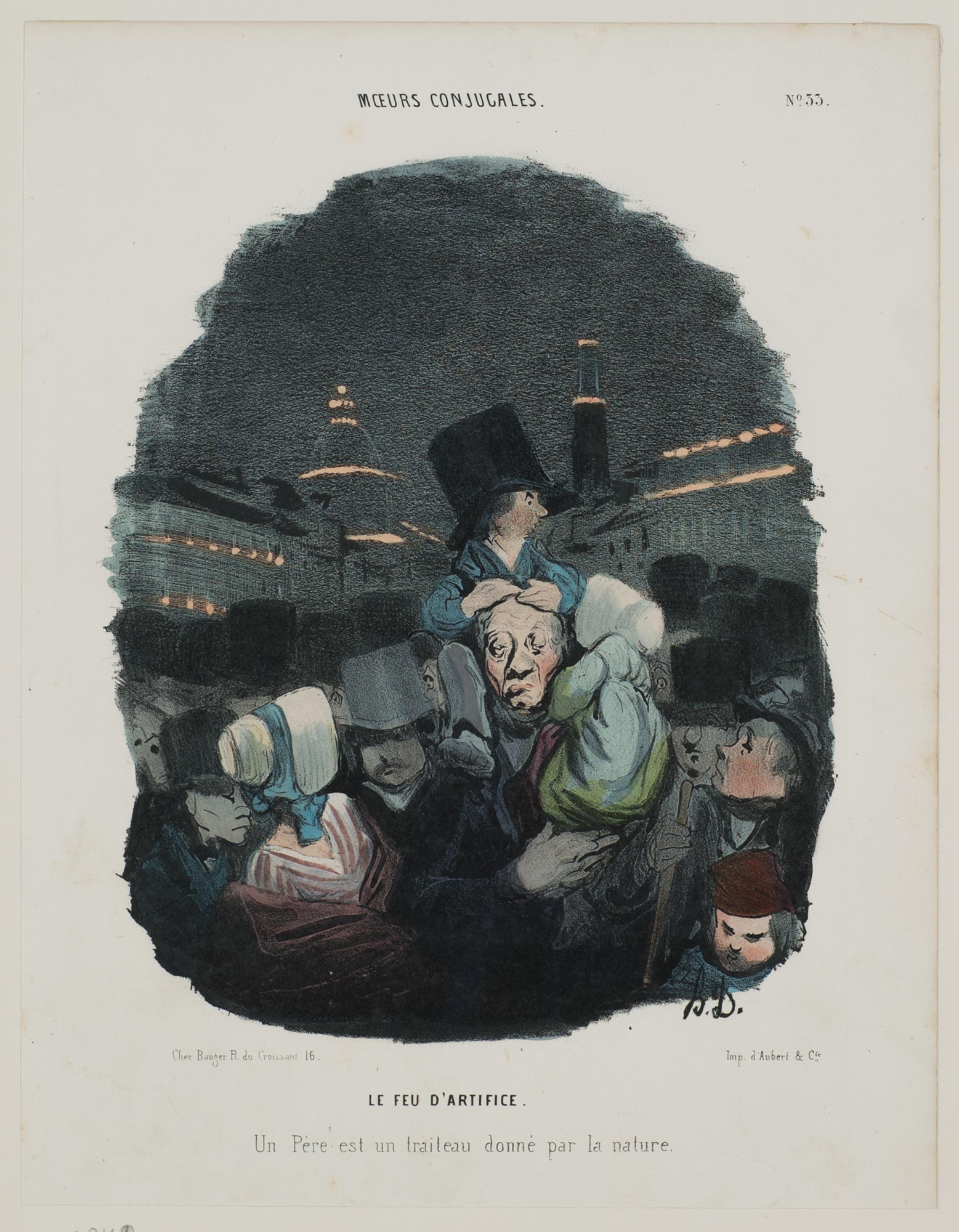
réf. HD-079o.J. (DAS FEUERWERK. Ein Vater ist ein von Natur gegebenes Lasttier). Zeitgenöss. aquarellierte Lithographie, auf chamoisfarbenem Velin, mit den Adressen: Chez Bauger, R du Croissant 16, sowie: Imp. d?Aubert & Cie. Blattgröße 32:24,7 cm. ? Gering fingerfleckig. Literatur: Daumier-Register 656; Delteil 656. No. 33 der Folge ?Moeurs Conjugales?, erschienen 30./31.07.1841 in ?Le Charivari?. ? Sur blanc!
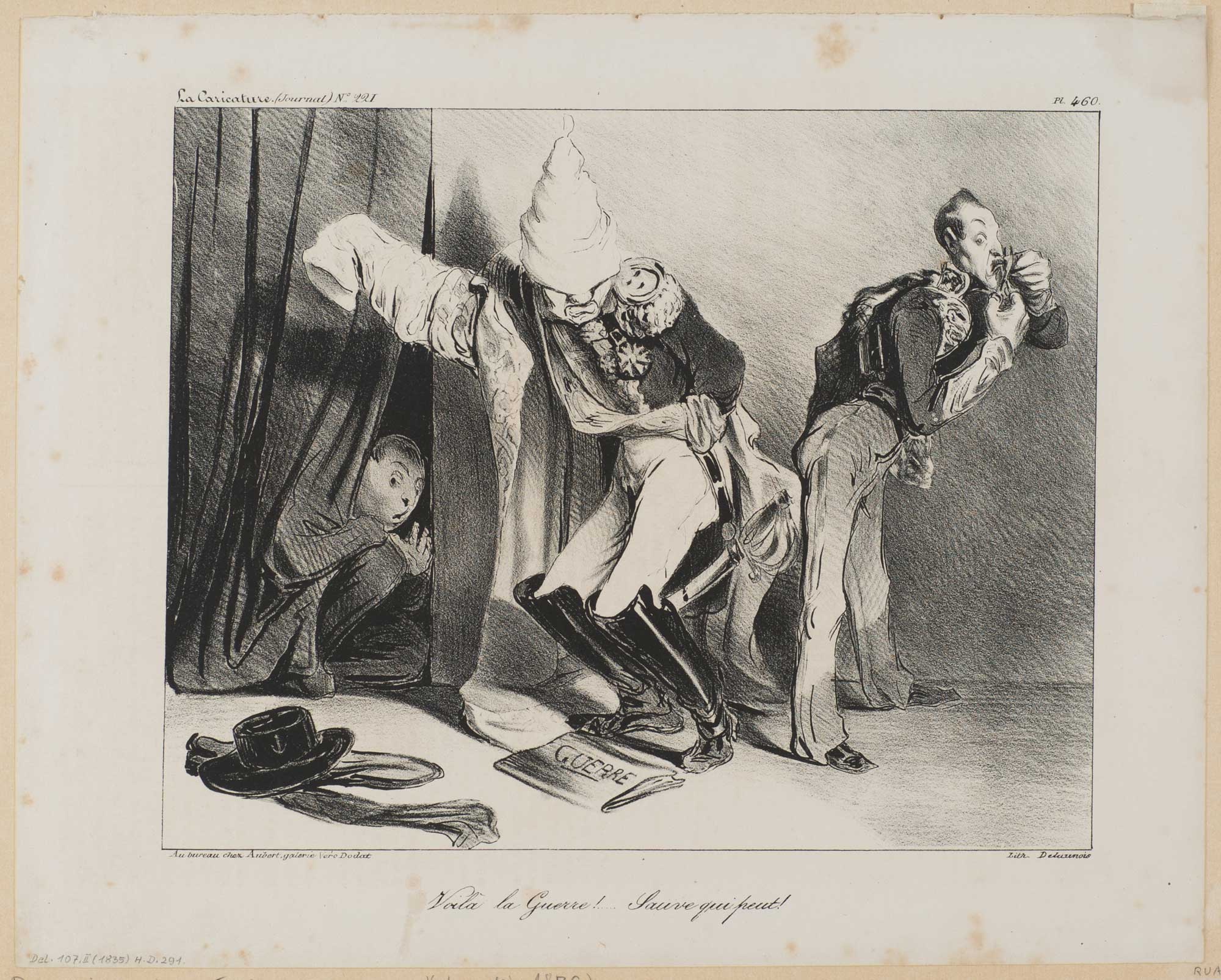
réf. HD-010o.J. Es ist Krieg!... Rette sich wer kann! Lithographie, auf chamoisfarbenem Velin, mit den Adressen von: Au bureau chez Aubert galerie Véro Dodat, sowie: Lith. Delaunois. Blattgröße 26,7:33,4cm. ? Gering fingerfleckig. Literatur: Daumier-Register 107; Delteil 107. - Erschienen in ?La Caricature (Journal)?, 29.01.1835, No. 221, (Planche 460). ? Sur blanc! - Zur Darstellung: Dargestellt sind in diesem Blatt: Mortier, der Duc d' Orléans und der Prince de Joinville. Wiederum wird Mortier des angeblichen Verrats und der Feigheit vor dem Feind bezichtigt. Ferdinand, der zu dieser Zeit am Algerienkrieg teilnahm, rasiert sich, um jünger zu erscheinen und damit zu vermeiden, in den Spanienkrieg verwickelt zu werden. - MORTIER, Joseph, Duc de Trevise (1768-1835) Kriegsteilnehmer unter Napoleon I. Da er sich weigerte, gegen Marschall NEY als Richter zu fungieren, wurde er entlassen, 1816 jedoch wieder eingesetzt. Er unterstützte Louis-Philippe und war von 1834-1835 Kriegsminister. Er kam beim Attentat von Fieschi am 28. Juli 1835 ums Leben. - ORLÉANS, Ferdinand Philippe Louis Charles Henri Rosolin, Duc d? (1810-1842) älterer Sohn von Louis-Philippe. Er nahm an den Carlistenkriegen in Spanien sowie an den Algerienfeldzügen teil. In 1837 heiratete er die Prinzessin von Mecklenburg-Schwerin. 1830 wurde er zum Prinzen ernannt und starb 1842 bei einem Verkehrsunfall. - JOINVILLE, François Ferdinand Philippe d' ORLÉANS, Prince de (1818-1900) dritter Sohn von Louis-Philippe, Teilnehmer an den Algerien Kriegen mit Aumale. General Gouverneur 1848 und Abgeordneter in der Nationalversammlung von 1871.
réf. 5726Aritmetica, Poesis, Geometria, Astronomia, Architectura (seule planche gravée par Frid. Lottes), Pictura, Sculptura. D'après les dessins très baroques de l'architecte et décorateur Paul Decker XVIIIè siècle 30,5 x 20
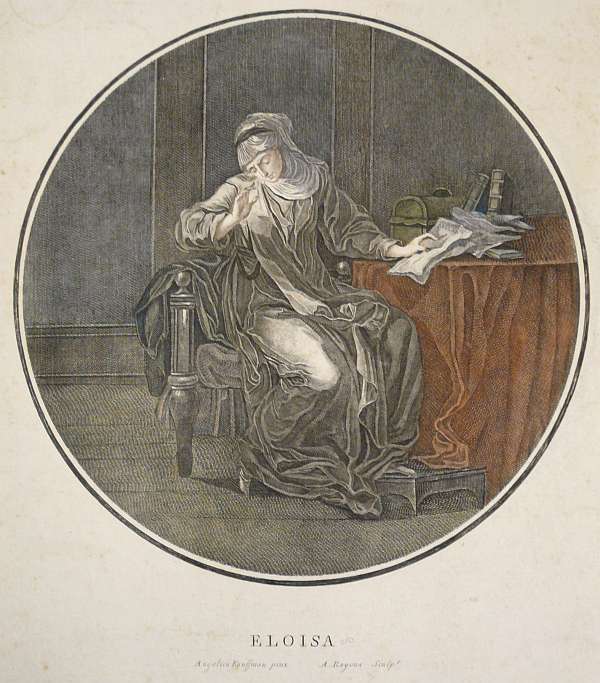
1800réf. 110215Um 1800. In der Platte unten mittig betitelt und bezeichnet "Angelica Kauffman pinx., A. Ragona Sculp.t". Schöner Druck auf Bütten mit gleichmäßigem Rand um die Plattenkante. 23,2 cm (Durchmesser der Darstellung). 31 x 26,1 cm (Plattengröße).
2012réf. 0042772012 Chez l'artiste, 2012. Vernis mou (240 x 370 mm), encadré.
1912réf. 17381912 Paris, E. Sansot, 1907. 24,5 x 18,5 cm, 6 lithographies en sanguine et 6 lithographies en noir, sur Japon, en feuilles.
1988réf. 25180ABO.O., Edition Portfolio, 1988. Quer-folio. 1 Bl. Mit 13 Reproduktionen. Lose in Leinenkassette.