10 182 résultats
1923Original single-sheet collotype print of fine quality. Overall size ca. 30 x 24 cm. Very good. First, limited edition, printed on heavy paper with very wide margins. Collotype is one of the most accurate and attractive methods of photomechanical tonal printing processes. Highly skilled and expensive process, it cannot produce more than a limited number of impressions. It has been used for single-sheet prints and luxury portfolios, and since the 1950s has been abandoned by all except a few small specialist firms. Preserved in pH-balanced, acid-free archival paper.
1923Original single-sheet collotype print of fine quality. Overall size ca. 30 x 24 cm. Very good. (Very light marginal finger soiling.) First, limited edition, printed on heavy paper with very wide margins. Collotype is one of the most accurate and attractive methods of photomechanical tonal printing processes. Highly skilled and expensive process, it cannot produce more than a limited number of impressions. It has been used for single-sheet prints and luxury portfolios, and since the 1950s has been abandoned by all except a few small specialist firms. Preserved in pH-balanced, acid-free archival paper.
1923Original single-sheet collotype print of fine quality. Overall size ca. 30 x 24 cm. Very good. (Light marginal finger soiling.) First, limited edition, printed on heavy paper with very wide margins. Collotype is one of the most accurate and attractive methods of photomechanical tonal printing processes. Highly skilled and expensive process, it cannot produce more than a limited number of impressions. It has been used for single-sheet prints and luxury portfolios, and since the 1950s has been abandoned by all except a few small specialist firms. Preserved in pH-balanced, acid-free archival paper.
1923Original single-sheet collotype print of fine quality. Overall size ca. 30 x 24 cm. Very good. (Very light marginal finger soiling.) First, limited edition, printed on heavy paper with very wide margins. Collotype is one of the most accurate and attractive methods of photomechanical tonal printing processes. Highly skilled and expensive process, it cannot produce more than a limited number of impressions. It has been used for single-sheet prints and luxury portfolios, and since the 1950s has been abandoned by all except a few small specialist firms. Preserved in pH-balanced, acid-free archival paper.
1923Original single-sheet collotype print of fine quality. Overall size ca. 30 x 24 cm. Very good. First, limited edition, printed on heavy paper with very wide margins. Collotype is one of the most accurate and attractive methods of photomechanical tonal printing processes. Highly skilled and expensive process, it cannot produce more than a limited number of impressions. It has been used for single-sheet prints and luxury portfolios, and since the 1950s has been abandoned by all except a few small specialist firms. Preserved in pH-balanced, acid-free archival paper.
1923Original single-sheet collotype print of fine quality. Overall size ca. 30 x 24 cm. Very good. (Few light marginal spots.) First, limited edition, printed on heavy paper with very wide margins. Collotype is one of the most accurate and attractive methods of photomechanical tonal printing processes. Highly skilled and expensive process, it cannot produce more than a limited number of impressions. It has been used for single-sheet prints and luxury portfolios, and since the 1950s has been abandoned by all except a few small specialist firms. Preserved in pH-balanced, acid-free archival paper.
1923Original single-sheet collotype print of fine quality. Overall size ca. 30 x 24 cm. Very good. First, limited edition, printed on heavy paper with very wide margins. Collotype is one of the most accurate and attractive methods of photomechanical tonal printing processes. Highly skilled and expensive process, it cannot produce more than a limited number of impressions. It has been used for single-sheet prints and luxury portfolios, and since the 1950s has been abandoned by all except a few small specialist firms. Preserved in pH-balanced, acid-free archival paper.
1888réf. 29007Senlis Imprimerie De Eugène Dufresne 1888 In-8 LXIII - 169 pp
1981réf. 16511981 1 Rouen, Fernandez, 1981, in-4 broché de 122 pages sous couverture illustrée en couleurs à pleine page.
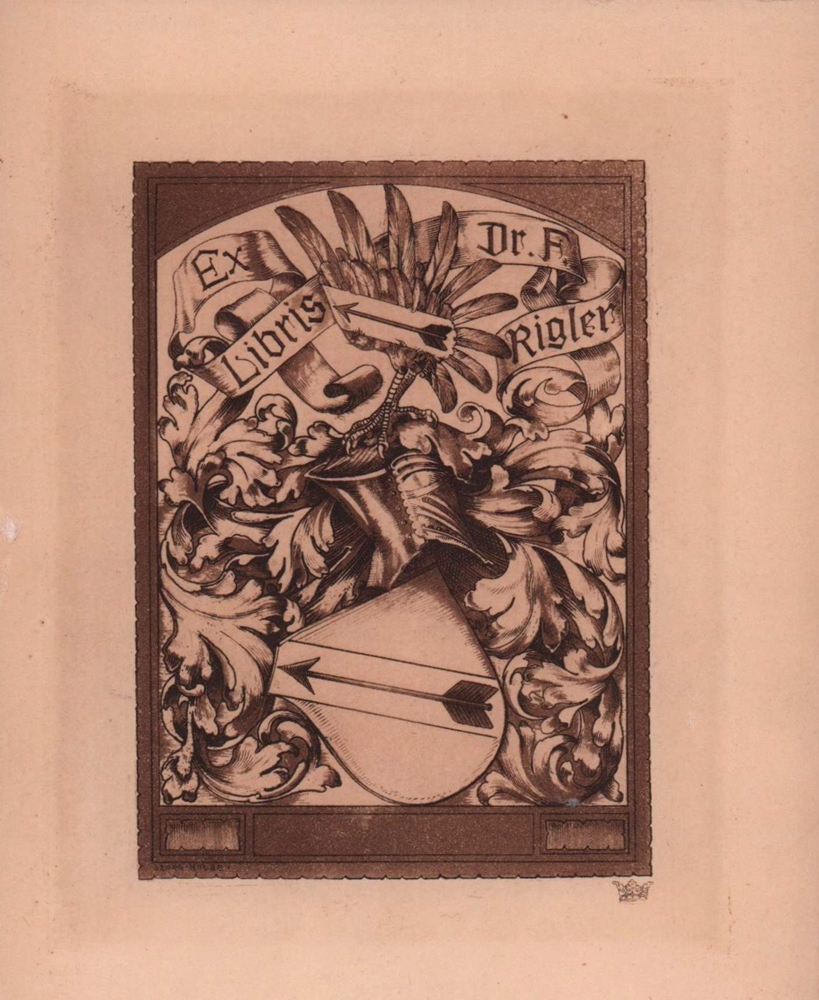
1900réf. 87648[ca. 1900]. Plattenmaß 12 x 9,5 cm, Darstellung 10,2 x 7,4 cm. Druck in Sepia auf starkem Bütten, verso Gummierung.
1985réf. 51828London, Ch.Manson& Woods Ltd, 1985. Original-Broschur, kl.4°, 171 Seiten.
148 SS., 200 Abbildungen. Illustrierte Originalbroschur. 8vo. Beschreibt den umfangreichen Teilnachlaß, größtenteils aus der Zeit vor 1930 stammend, der das bisher bekannte Werk des großen Wiener Jugendstilkünstlers, der zu den bedeutendsten Mitarbeitern der Wiener Werkstätte, "innerhalb welcher er an nahezu allen wesentlichen Projekten beteiligt war" (Cabuk, s. u., 93), zu zählen ist, um mehr als die Hälfte erweitert. Entwürfe für Löfflers berühmte Buchillustrationen für den Wiener Verlag (1903-06) sind ebenso vertreten wie Plakatenwürfe aus den zwanziger Jahren und Skizzen für sein Erstlingswerk bei der Wiener Werkstätte, eine Kassette für eine Ehrenurkunde (abgebildet in Dekorative Kunst 19 (1911), S. 28). Auch ein Entwurf für den 1912 von Josef Hoffmann und Bertold Löffler im Auftrag der Wiener Werkstätte geschaffenen Salzburger Volkskeller, für den die beiden ebenso verantwortlich zeichneten wie für die geniale Konzeption des berühmten 'Caberet Fledermaus', findet sich im hier dokumentierten Bestand. Mit einem Aufsatz zu Leben und Werk. [ISBN 3-9500813-7-2]
réf. 7797Ader/Picard/Rheims/Laurin, Paris, 1971. In-4, cartonnage éditeur, non paginé [87 pp.]. Première vacation : Mardi 25 mai 1971 : Besnard - Bonnard - Boudin - Bourdelle - Bousingault - Braque - Cassatt - Cézanne - Chagall - Degas : dessins. - monotypes [n° 43-67] - Derain - Desboutin - Dufy - ...
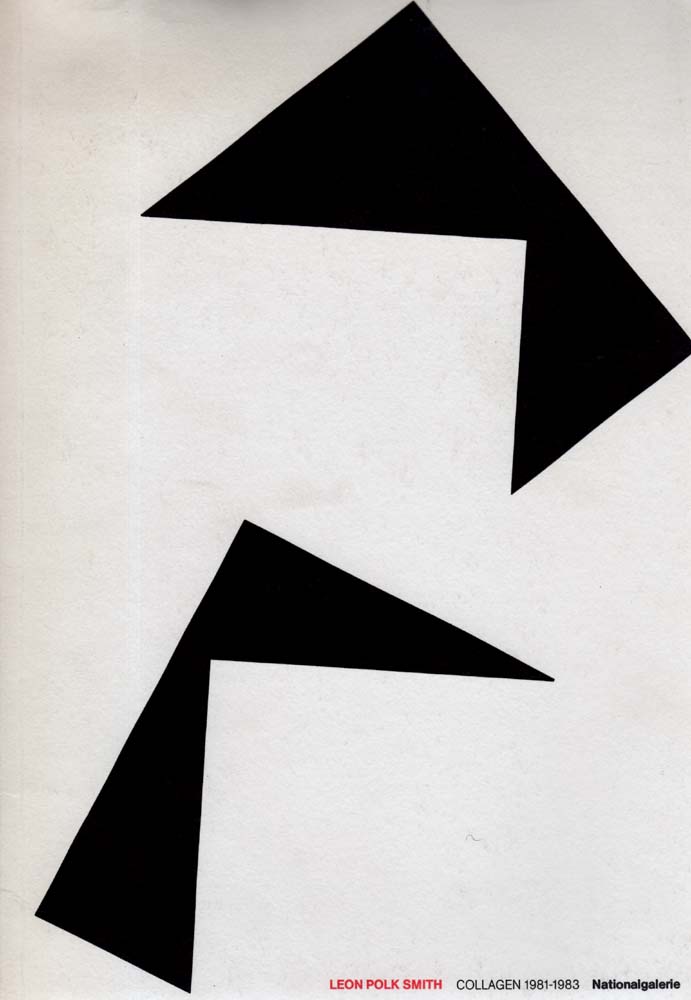
1984réf. 68557BBBerlin., Nationalgalerie Berlin., 1984. 30 x 21 cm. 39 S. Illustrierter OKarton., 68557B Erste Auflage. Kanten etwas berieben, Umschlag minimal angestaubt, sonst sehr gutes Exemplar.
1984réf. 88600Daniel Lelong éditeur, coll. « Repères » 1984 In-8 broché 21 cm sur 15. 57 pages. Bon état d’occasion.
réf. 80602Paris, A. le Vassseur & Cie. sans date, vers 1930, 225x120mm, illustrations n/b. Reliure demi-toie. Bon état.
réf. 92861Paris, Aux Trois Têtes, edité par L. Giraud-Badon + P. Cornuau, Maurice Rousseau 1936, 255x165mm, III - 160pages, broché. Bon état.
1973réf. 26785AB2 Bde. Liebefeld/Bern, Lang Druck AG, 1973. 8°. XIV, 252 S. Mit 25 Abb. u. Karten, sowie 18 lose, gef. (dv. einige farb.) Plänen u. 2 lose, gef. Panoramen nach Photographien. Illustr. Orig.-Pappbd. u. illustr. Orig.-Umschlag.
réf. 60619aafMontpellier, Barral, 1929, gr. in-8vo, 145 p., non coupé, cat d'oeuvres à prix marqués, brochure originale.
1999réf. 828Christian Desbois, 1999. Rare petite sérigraphie au format 15 x 22, avec sa serpente muette. A l'état de neuf.
réf. 121034Paris, Henri Jonquières & Cie. 1924, 205x150mm, frontispice, 198pages, broché. Couverture rempliée. Un des 1100 exemplaires sur papier vergé d’Arches numérotés de 91 à 1190, celui-ce le n° 296. Bel exemplaire.