10 990 résultats
réf. 37756Saint-Brieuc. Indépendance bretonne, 1917. In-8, 254 pages. Broché.
réf. 241500 Planche N°26, format 29 x 40 cm (toutes marges). Chromolithographie d'époque avec le timbre à sec de l'Imprimerie Chaix (Lugt 1777c). Notre exemplaire est une des très rares épreuves imprimées sur papier Japon, toute petite trace de punaisage sur 3 angles externes de la marge supérieure (Our plate is one of the few copies printed on Japanese paper. Original plate in good condition). LES MAITRES DE L'AFFICHE, prestigieuse publication d'art, éditée par l'atelier de lithographie Chaix, dont la parution s'étala de décembre 1895 à novembre 1900. Chaque livraison comportait 4 planches de reproduction en chromolithographie d'une remarquable qualité d'impression des plus belles affiches illustrées des grands artistes français et étrangers (auxquelles il faut ajouter 16 planches de lithographies originales données en prime aux abonnés). Lors de l'Exposition universelle de 1889, fut organisée la première exposition rétrospective dévolue à l'affiche, celle-ci devait valider la reconnaissance officielle d'appartenance de l'affiche au monde de l'art. Jules Chéret (1836-1932) y sera sacré '' Maître de l'affiche '', c'est aussi à cette date que Seurat commencera à collectionner les affiches de Chéret. Bel exemplaire ( Photographies sur demande / We can send pictures of this book on simple request )
réf. EXE00019Genève, Cabinet des Estampes, 1983.In-8° carré broché.
réf. KOS06100123Unknown Valley ï¼’ï¼ï¼ï¼–. Soft Cover. Fine. KOS06100123 Unknown Valley paperback
2006réf. KOS06100181Unknown Valley 2006. Soft Cover. Fine. KOS06100181 Unknown Valley paperback
1913- Lucien Vogel éditeur, Paris Septembre 1913, 19x24,5cm, une feuille. - Original color print, printed on vergé paper, signed in the plate. An original print used to illustrate the Gazette du bon ton, one of the most attractive and influential 20th century fashion magazines, featuring the talents of French artists and other contributors from the burgeoning Art Deco movement. A celebrated fashion magazine established in 1912 by Lucien Vogel, La Gazette du bon ton appeared until 1925, with a hiatus from 1915 to 1920 due to the war (the editor-in-chief having been called up for service). It consisted of 69 issues printed in only 2,000 copies each and notably illustrated with 573 color plates and 148 sketches of the models of the great designers. Right from the start, this sumptuous publication "was aimed at bibliophiles and fashionable society," (Françoise Tétart-Vittu, "La Gazette du bon ton", in Dictionnaire de la mode, 2016) and was printed on fine vergé paper using a type cut specially for the magazine by Georges Peignot, known as Cochin, later used (in 1946) by Christian Dior. The prints were made using stencils, heightened in colors, some highlighted in gold or palladium. The story began in 1912, when Lucien Vogel, a man of the world involved in fashion (he had already been part of the fashion magazine Femina) decided, with his wife Cosette de Brunhoff - the sister of Jean, creator of Babar - to set up the Gazette du bon ton, subtitled at the time: "Art, fashion, frivolities." Georges Charensol noted the reasoning of the editor-in-chief: "'In 1910,' he observed, 'there was no really artistic fashion magazine, nothing representative of the spirit of the time. My dream was therefore to make a luxury magazine with truly modern artists...I was assured of success, because when it comes to fashion, no country on earth can compete with France.'" ("Un grand éditeur d'art. Lucien Vogel" in Les Nouvelles littéraires, no. 133, May 1925). The magazine was immediately successful, not only in France but also in the United States and Latin America. At first, Vogel put together a team of seven artists: André-Édouard Marty and Pierre Brissaud, followed by Georges Lepape and Dammicourt, as well as eventually his friends from school and the School of Fine Arts, like George Barbier, Bernard Boutet de Monvel and Charles Martin. Other talented people soon came flocking to join the team: Guy Arnoux, Léon Bakst, Benito, Boutet de Monvel, Umberto Brunelleschi, Chas Laborde, Jean-Gabriel Domergue, Raoul Dufy, Édouard Halouze, Alexandre Iacovleff, Jean Émile Laboureur, Charles Loupot, Chalres Martin, Maggie Salcedo. These artist, mostly unknown when Lucien Vogel sought them out, later became emblematic and sought-after artistic figures. It was also they who worked on the advertising drawings for the Gazette. The plates put the spotlight on, and celebrate, dresses by seven designers of the age: Lanvin, Doeuillet, Paquin, Poiret, Worth, Vionnet and Doucet. The designers provided exclusive models for each issue. Nonetheless, some of the illustrations are not based on real models, but simply on the illustrator's conception of the fashion of the day. The Gazette du bon ton was an important step in the history of fashion. Combining aesthetic demands with the physical whole, it brought together - for the first time - the great talents of the artistic, literary, and fashion worlds; and imposed, through this alchemy, a completely new image of women: slender, independent and daring, which was shared by the new generation of designers, including Coco Chanel, Jean Patou, Marcel Rochas, and so on... Taken over in 1920 by Condé Montrose Nast, the Gazette du bon ton was an important influence on the new layout and aesthetics of that "little dying paper" that Nast had bought a few years earlier: Vogue. [FRENCH VERSION FOLLOWS] Estampe originale en couleur, tirée sur papier vergé, signée en bas à droite de la planche. Gravure originale réalisée pour
Acquaforte originale Firma a matita. Esemplare 7/40. Cm 29x18,5 (Foglio 70x50). pp.. . . . Tiratura 40. .
1913réf. 54584Lucien Vogel éditeur | Paris Septembre 1913 | 19 x 24.50 cm | une feuille
1913réf. 89421Lucien Vogel éditeur | Paris Septembre 1913 | 19 x 24.50 cm | une feuille
1774pp. 15, 144, 3 + Plus numerous full-page and folding engraved plates. Illustrated throughout with engraved vignettes, culs-de-lampe, etc. Normal foxing and off-setting. Tall 8vo. [221 x 135 mm.] Contemporary full leather binding, worn. Lacks original spine label. Generally, Very Good. "Containing only the Bucolics and Georgics, this work was left unfinished by old Pine, and was published by his son Robert" - Dibdin II, p. 561. Probably, in realit y, somewhat scarcer than Pine's justly famous Horace.**PRICE JUST REDUCED! W153
réf. 53137130-6Scholastic Paperbacks. Used - Good. Former library copy. Pages intact with minimal writing/highlighting. The binding may be loose and creased. Dust jackets/supplements are not included. Includes library markings. Stock photo provided. Product includes identifying sticker. Better World Books: Buy Books. Do Good. Scholastic Paperbacks paperback
réf. 400112166Sans date. Pub INTERNATIONAL TIME RECORDING Paris Appareils Enregistreurs automatiques
réf. 17256Tome 2.broché Paléontologie, Stratigraphie 1968. , xxiii, 480, 448 figs, 16, pls, .
1997réf. 2349Éditions Au fil du bois In-8 carré Couverture souple Montréal 1997 Ed. originale
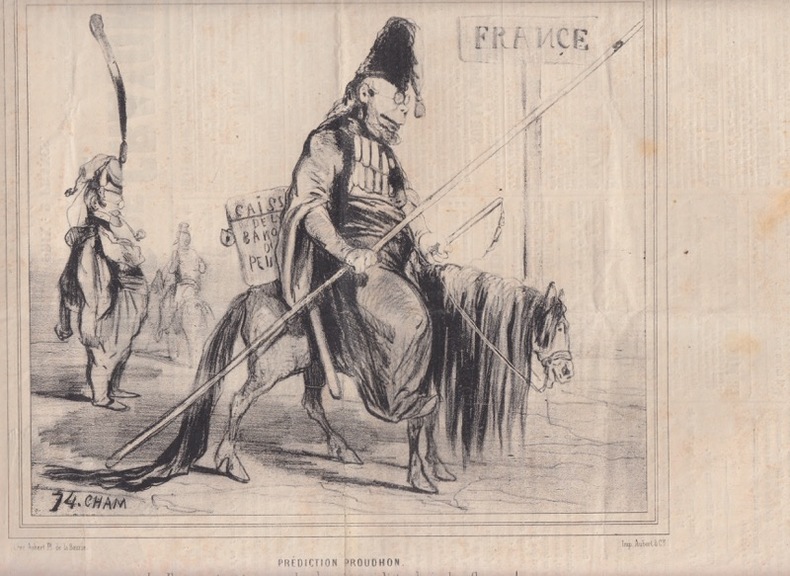
1849réf. 256561849 Le Charivari, 1849 - Croquades politiques (Titre de l'ensemble) 1 feuillet-4p. ; illustration page 3.- Lithographie - Œuvre; Hauteur: 27.5cmx Largeur: 35.8cm
1922réf. 84845Lucien Vogel éditeur | Paris 1922 | 19 x 24.50 cm | une feuille
réf. 16419Raybaud et D'Harlingue. 38X29 cm.
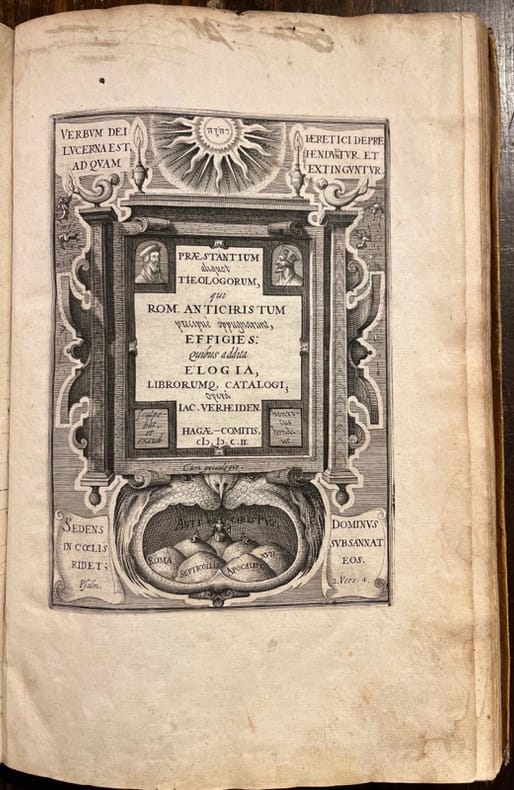
1602réf. 16378Hagae Comitis [La Haye], Ex officina Bucoldi Cornelii Nieulandii, 1602. In-folio de [12]-226 pages [*6; A-Z4;Aa-Cc4; Dd6-Ee3], plein vélin à rabats, étiquette de titre manuscrite (en vélin), traces d'attaches. Ex-libris JFC, inscription ancienne au verso du titre.
Litografia originale stampata per la cartella ''11'' a cura di Gianfranco Pardi Firma e numerazione a matita. Stampata dalla Seri-Arte di Gorle (Bergamo) su carta Fabriano gr 300. Esemplare 102/150. cm 48x48 (Foglio 76x56). . . . . Tiratura 150. .
Engraving, 216 x 165 mm. Pretty view of Posillipo near Naples, removed from Thomas Salmon's "Lo stato presente di tutti i paesi, e popoli del mondo naturale, politico e morale" (Modern history or present state of all nations), vol. 23: "Continuazione dell'Italia, o sia descrizione del Regno di Napoli". - Some wrinkles and traces of folds; an insignificant tear. Residue of the collection of Sir Thomas Phillipps (1792-1872).
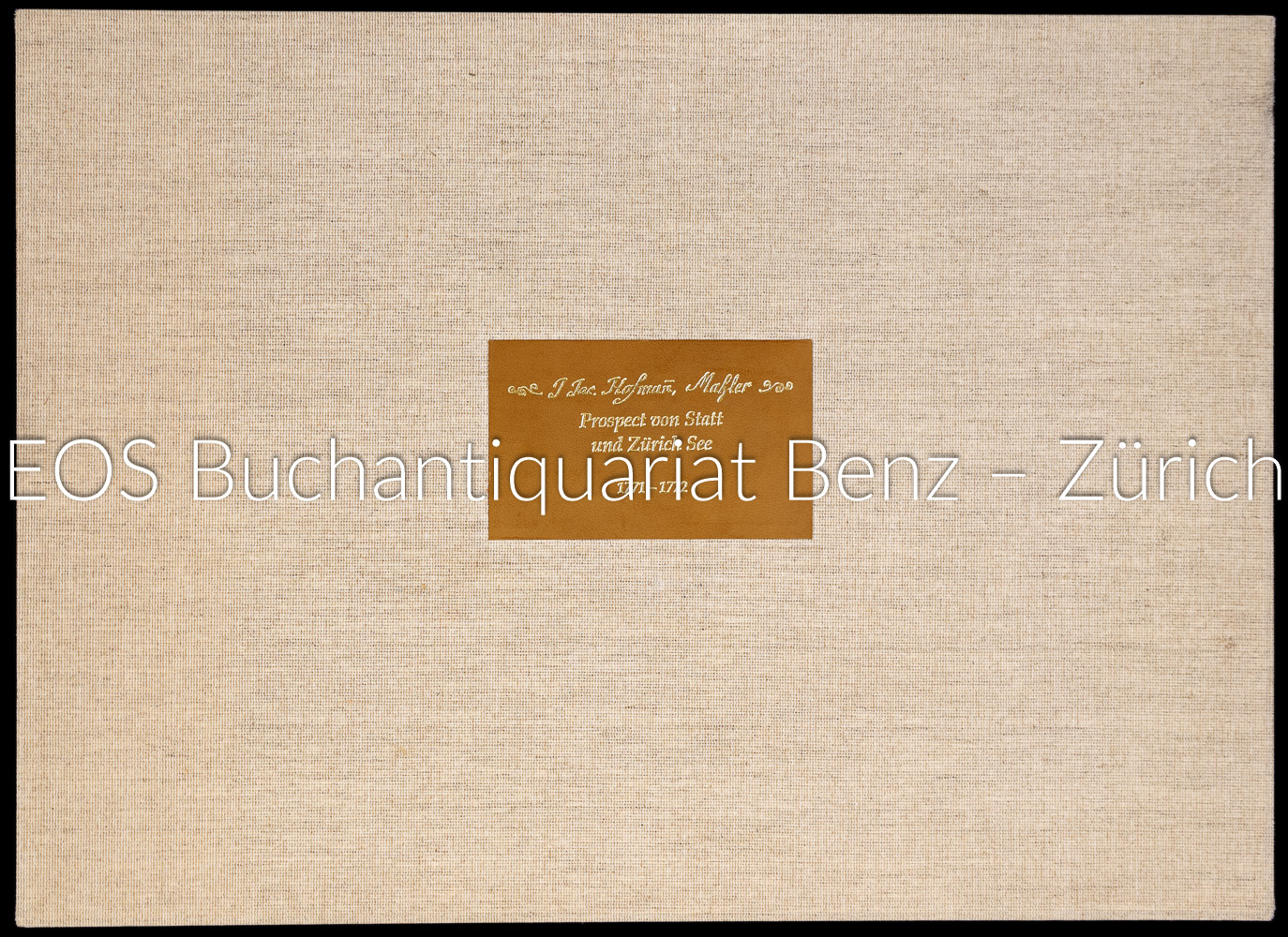
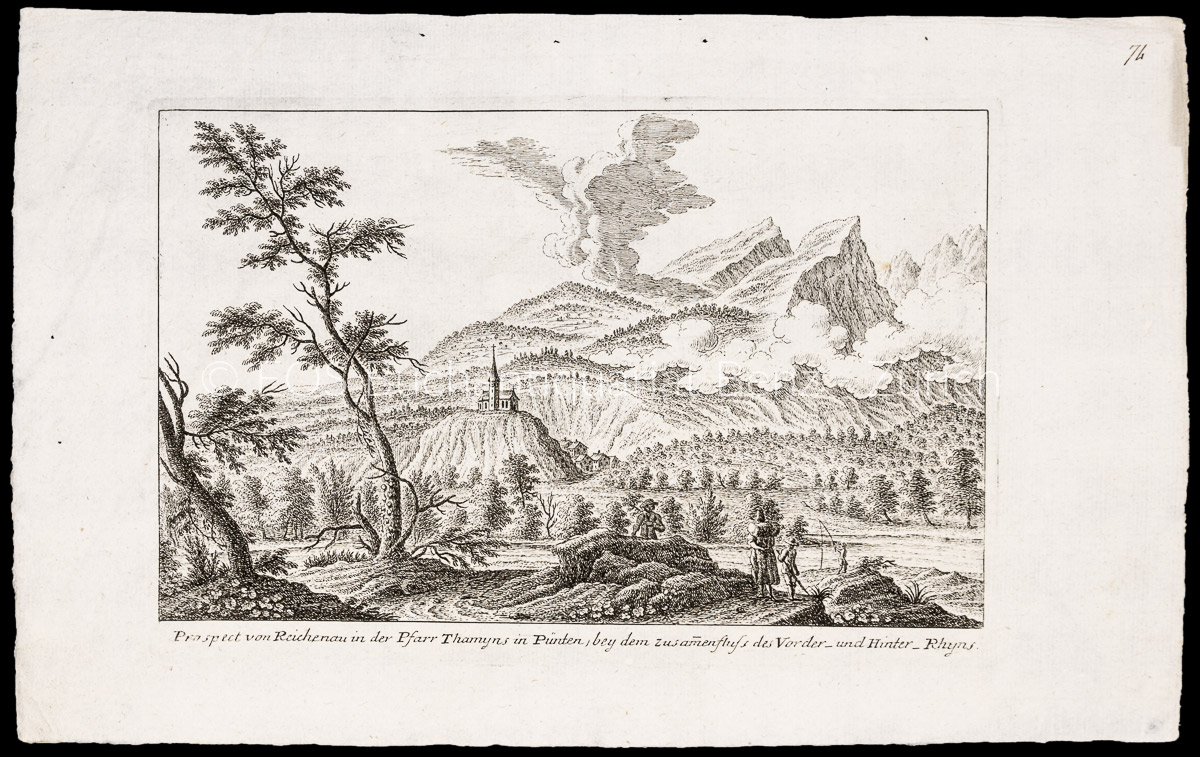
1995réf. 26617ABZürich., Verlag Matthieu., 1995. Folio, 4°. 207 S. Mit zahlr. Abbildungen im Text (davon 3 ausklabbpar), 61 Reproduktonen von Orten am Zürichsee (1771?1772). Leinenkassette und Leinenband. + Wichtig: Für unsere Kunden in der EU erfolgt der Versand alle 14 Tage verzollt ab Deutschland / Postbank-Konto in Deutschland vorhanden +, A|B [2 Warenabbildungen]
réf. 1008CGo.J. Radierung. Plattengrösse: 17 x 25 cm. Papiergrösse: 22 x 34,5 cm. + Wichtig: Für unsere Kunden in der EU erfolgt der Versand alle 14 Tage verzollt ab Deutschland / Postbank-Konto in Deutschland vorhanden +, A
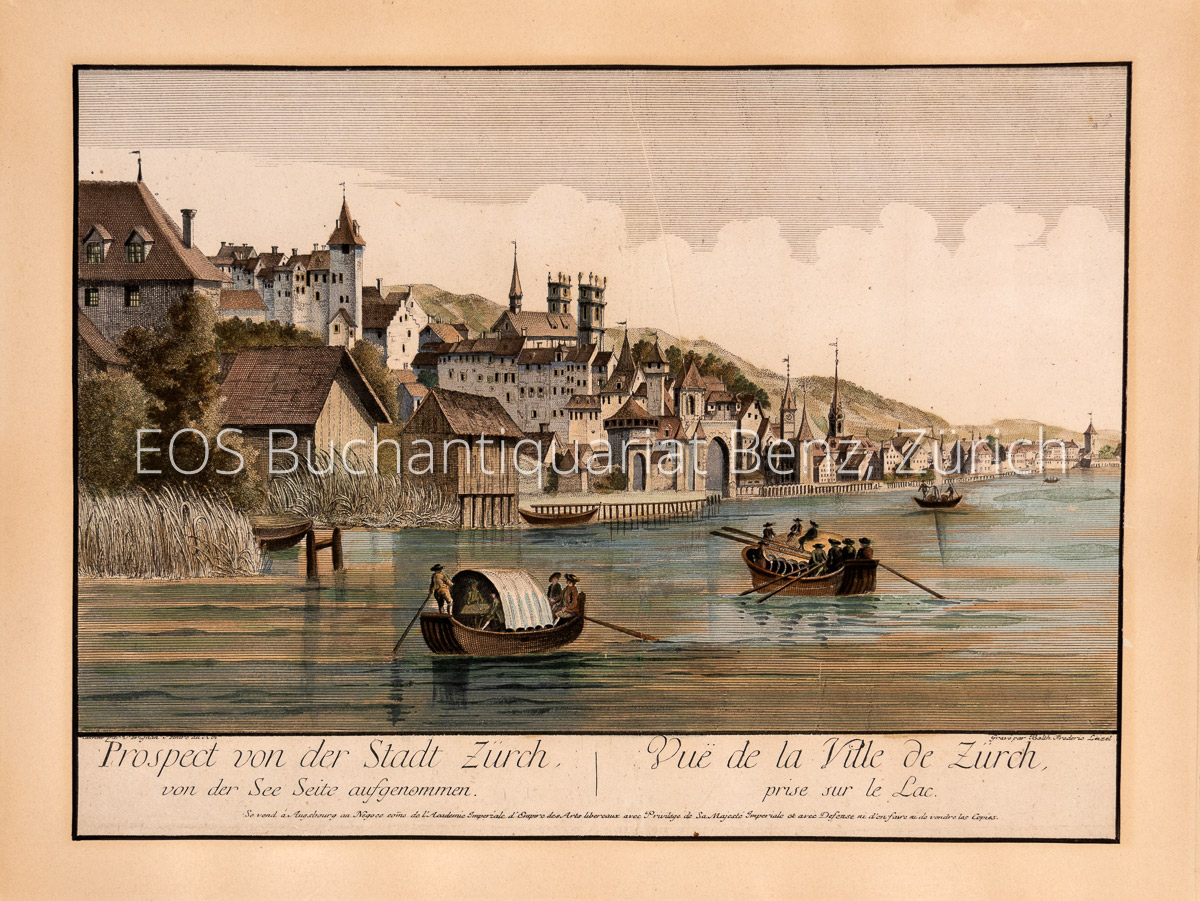
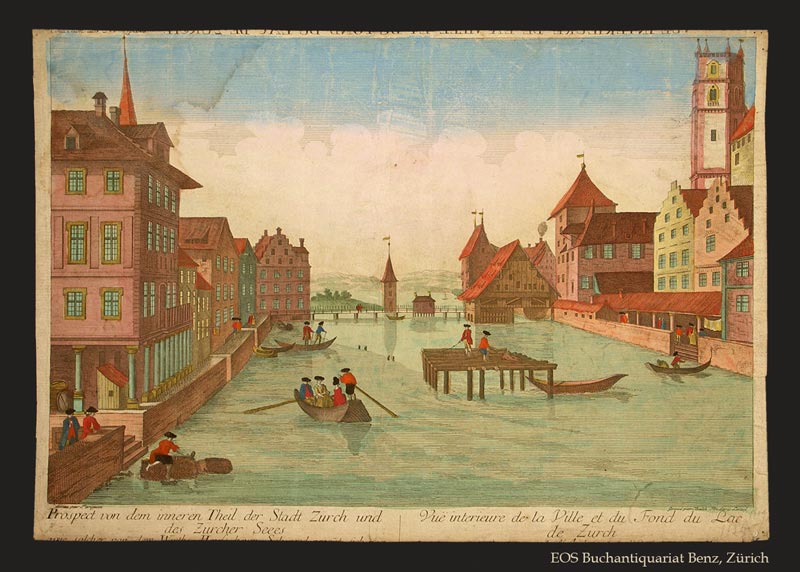
1770réf. 946CGum 1770. Kol. Kupferstich von Frederic Leizel nach Pérignon. Blattgrösse: 29 x 39 cm. + Wichtig: Für unsere Kunden in der EU erfolgt der Versand alle 14 Tage verzollt ab Deutschland / Postbank-Konto in Deutschland vorhanden +, A
1770réf. 278BGO. O., ca. 1770. Kolorierter Kupferstich von Balthasar Frederic Leizel nach Perignan. Bildgrösse: 38 x 25 cm. Blattgrösse: 39,5 x 28 cm. + Wichtig: Für unsere Kunden in der EU erfolgt der Versand alle 14 Tage verzollt ab Deutschland / Postbank-Konto in Deutschland vorhanden +, 278BG
réf. 56975Wien Editio Totius Mundi ca. 1965. . Johann Baptist Homann 1663-1724 deutscher Kartograf Verleger und Kupferstecher arbeitete zunächst für Verleger wie Jacob von Sandrart David Funcke u. Heinrich Scherer bis er 1702 einen eigenen kartograf. Verlag gründete. - Wiedergabe der dekorativen Karte mit dem Hamburger Umland im Zustand von 1600. In der unteren Bildhälfte kolorierte Gesamtansicht umgeben von prächtigen Kartuschen: "Prospect der Stadt Hamburg gegen Mittag anzusehen" ohne die große Michaeliskirche!. Oben rechts Kartenausschnitt der Elbmündung. - Gutes sauberes Exemplar. (Wien, Editio Totius Mundi, [ca. 1965]). unknown