POZZATI, Concetto (Vo', 1935),MareMagnum

11 000 résultats
Litografia a colori e collage Firma a matita in basso a destra. Esemplare p.d.a.. cm 35x50 (Foglio 50x70). pp.. . Ottimo (Fine). . . .
1970LIMITED EDITION of 1000 COPIES - COPY No.629. RARE collection of 10 graphic works on separate sheets by the eminent Brazilian artist Aldemir Martins (1922-2006), noted especially for his paintings, drawings, and illustrations which depicted the flora and fauna of his native state. 480x340mm. Unpaginated. 10 plates laid in Hardcover cardboard portfolio with lace and leather spine. Portfolio yellowing and dirty/slightly stained. Portfolio bottom flap partly torn. [SUMMARY]: This extremely rare collection of graphic works by an important Brazilian artist is in good condition.
1910réf. 5503Belle épreuve d’un tirage à 25 exemplaires, signée, dédicacée, avec le tampon de l’atelier. Cadre en bois naturel. IFF 49 Encadré Très bon 1910 395 x 290 ( marges 560 x 380 )
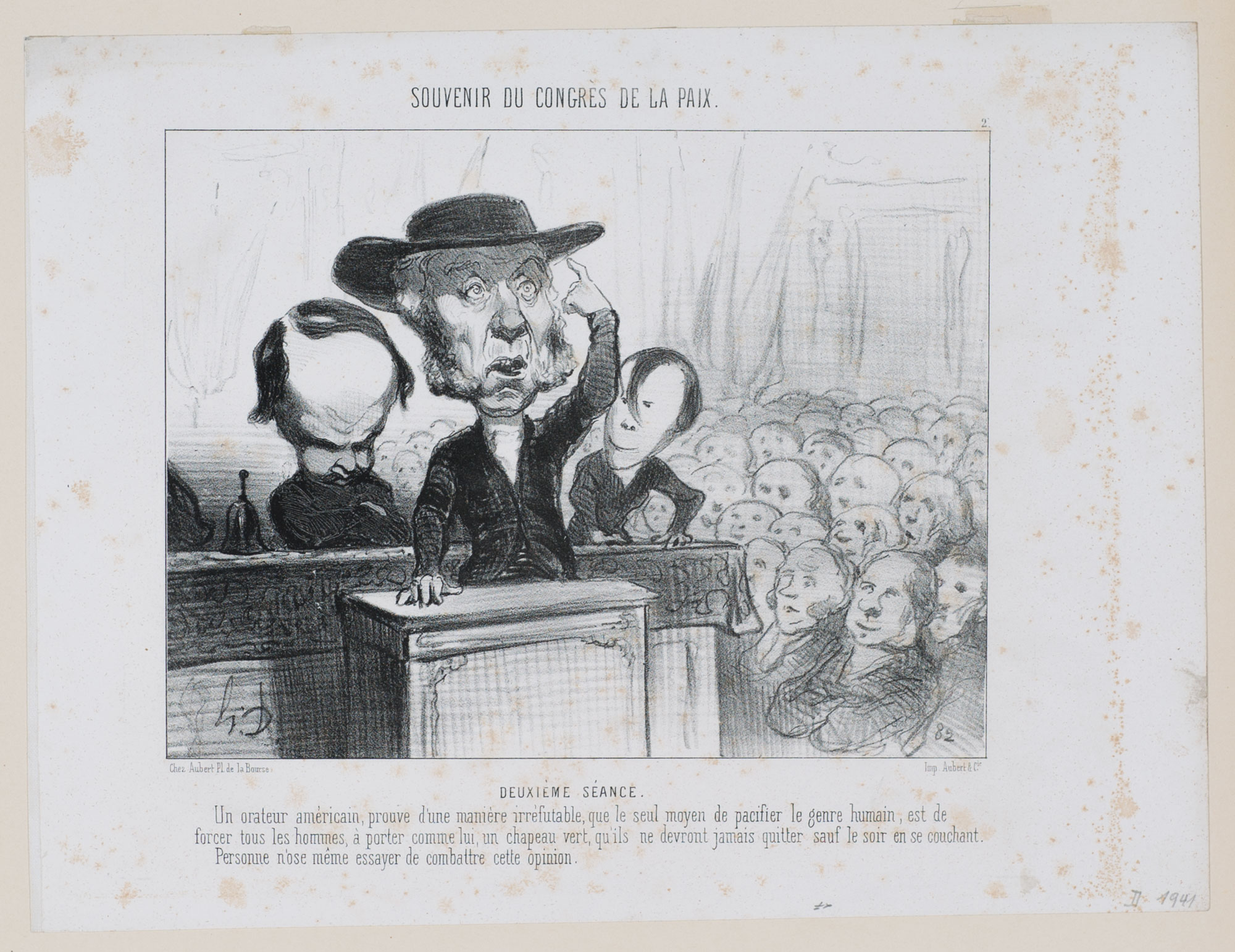
réf. HD-203o.J. ZWEITE SITZUNG. Ein amerikanischer Redner beweist mit seltener Eindeutigkeit, dass man den totalen Frieden der Menschheit nur dann erreichen kann, wenn Jedermann einen grünen Hut trägt. Er muss jederzeit getragen werden ausser nachts, wenn man sich schlafen legt. Niemand denkt nur im Traum daran, seine Postulate in Frage zu stellen. Lithographie, auf chamoisfarbenem Velin, mit den Adressen: Chez Aubert, Pl. de la Bourse., sowie: Imp. Aubert & Cie. Darstellungsgröße 18,6:24,3 cm, Blattgröße 26,5:34,9 cm. Literatur: Daumier-Register 1941 I (von 1); Delteil 1941 I (von 1), Blatt Nr. 2 der Serie ?SOUVENIRS DU CONGRES DE LA PAIX.?, erschienen 07.09.1849 in ?LE CHARIVARI?. ? Sur blanc!
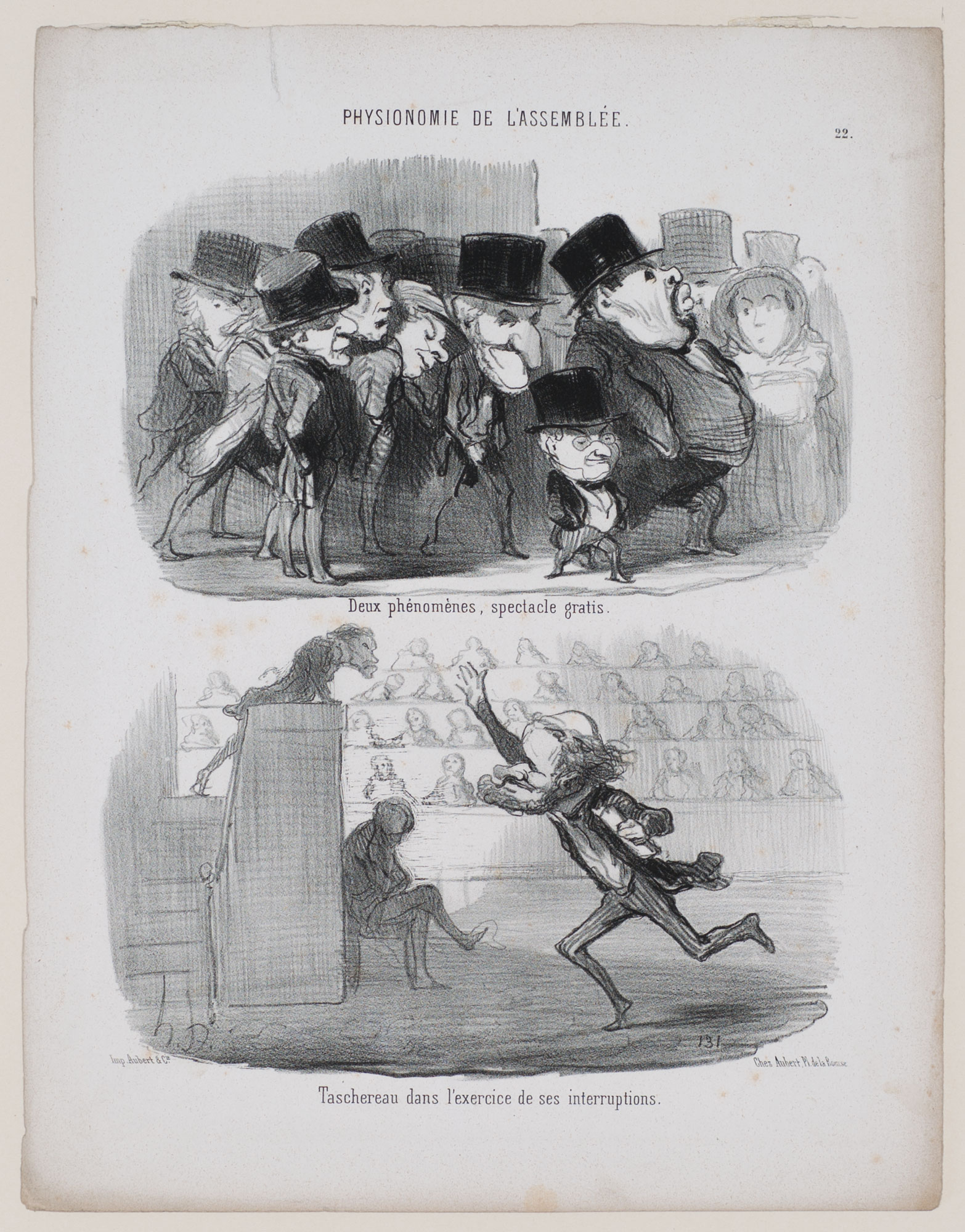
réf. HD-210o.J. Zwei Phänomene, eine Gratisvorstellung. Taschereau während seiner Unterbrechungsübungen. Lithographie, auf chamoisfarbenem Velin, mit den Adressen: Chez Aubert, Pl. de la Bourse., sowie: Imp. Aubert & Cie. Darstellungsgröße 27,3:22 cm, Blattgröße 36,1:27,5 cm. Literatur: Daumier-Register 1968 II (von 2); Delteil 1968 II (von 2), Blatt Nr. 22 der Serie ?PHYSIONOMIES DE L'ASSEMBLÉE.?, erschienen 27.02.1850 in ?LE CHARIVARI?. ? Sur blanc!
1880S.l., s.e., s.d. (vers 1880); 260/185 mm, 1 pp., une feuille. Belle estampe japonaise. Bon état.
1880S.l., s.e., s.d. (vers 1880); 260/185 mm, 1 pp., une feuille. Belle estampe japonaise. Bon état.
1880S.l., s.e., s.d. (vers 1880); 245/185 mm, 1 pp., une feuille. Belle estampe japonaise. Bon état.
1880S.l., s.e., s.d. (vers 1880); 260/185 mm, 1 pp., une feuille. Belle estampe japonaise. Bon état.
1880S.l., s.e., s.d. (vers 1880); 250/184 mm, 1 pp., une feuille. Belle estampe japonaise. Bon état.
1880S.l., s.e., s.d. (vers 1880); 260/178 mm, 1 pp., une feuille. Belle estampe japonaise. Bon état.
1912- Lucien Vogel éditeur, Paris 1912, 18x24cm, une feuille. - original prints in color, drawn on laid paper, signed upper left first and the lower right for the second. Original content produced for the illustration of The Gazette fashionable, one of the finest and most influential twentieth century fashion magazines, celebrating the talent of creators and artists French burgeoning art deco. Famous fashion magazine founded in 1912 by Lucien Vogel, The Gazette fashionable appeared until 1925 with an interruption during the War of 1915 to 1920, due to mobilization of its editor. She is 69 Deliveries from just 2000 copies and is illustrated including 573 color plates and 148 sketches depicting models of fashion designers. Upon publication, these luxury publications "are for bibliophiles and worldly aesthetes" (Françoise Tétart-Vittu "good Gazette of tone" in the fashion dictionary, 2016). Printed on fine laid paper, they use a typeface created specifically for the magazine by Georges Peignot, the Cochin character, taken in 1946 by Christian Dior. The prints are made with the technique of metal stencil, enhanced color and some outlined in gold or palladium. The adventure began in 1912 when Lucien Vogel, man of the world and fashion - it has already participated in Femina magazine - decided to found with his wife Cosette de Brunhoff (John's sister, the father of Babar) Gazette good tone in which the subtitle is then "Art, fashions and frivolities." Georges Charensol quotes the editor: "In 1910, he observed, there was no truly artistic fashion magazine and representative of the spirit of his time. So I thought of making a glossy magazine with truly modern artists [...] I was certain of success because for any fashion country can compete with France. "(" A great art editor. Lucien Vogel "in literary News, No. 133, May 1925). The success of the magazine is immediate, not only in France but also the US and South America. Originally, Vogel therefore brings together a group of seven artists: André-Édouard Marty and Pierre Brissaud, followed by Georges Lepape and Dammicourt; and finally his friends from the School of Fine Arts as are George Barbier, Bernard Boutet de Monvel or Charles Martin. Other talents come quickly reach the equipped Guy Arnoux, Léon Bakst, Benito, Boutet de Monvel, Umberto Brunelleschi, Chas Laborde, Jean-Gabriel Domergue, Raoul Dufy, Edward Halouze Alexander Iacovleff, Jean Emile Laboureur Charles Loupot, Charles Martin, Maggie Salcedo. These artists, mostly unknown when Lucien Vogel appealed to them, will eventually become iconic figures and artistic sought. These are the same illustrators who make the drawings advertisements Gazette. The boards highlight the dresses and sublime seven artists of the time: Lanvin, Doeuillet, Paquin, Poiret, Worth, Vionnet and Doucet. The designers provide for each number of exclusive models. Nevertheless, some of Illustrations contained no real model, but only the idea that the illustrator is done in the fashion of the day. Gazette fashionable is a milestone in the history of fashion. Combining the aesthetic requirement and plastic unit, it brings together for the first time the great talents of the world of arts, literature and fashion and imposed by this alchemy, a new image of women, slender, independent and bold, also driven by the new generation of designers Coco Chanel, Jean Patou, Rochas Marcel ... Recovery in 1920 by Condé Montrose Nast, Gazette fashionable modeled for the new composition and the aesthetic choices of the "little dying newspaper" that Nast had bought a few years ago: the Vogue magazine. [FRENCH VERSION FOLLOWS] Estampes originales en couleur réalisées par Charles Martin et G.K. Benda, tirées sur papier vergé et signées en haut à gauche de la planche pour la première et en bas à droite pour la seconde. Gravure originale réalisée pour l'illustration de La Gazette du bon ton, l'une des plus belles et des plus influentes revues de mode du XXème siècle, célébrant
1974réf. 1175770München, Rogner u. Bernhard, (1974). 2030 S. m. über 1900 ganzseit. Abb. OLwdbde m. OUmschl.
1977réf. 1225968Nürnberg, Germanisches Nationalmuseum, 1977. 4to. 178 S. m. Abb. u. 32 Farbtaf. OKart.
1971réf. 1320711München, Türmer Verlag, (1971). Gr.-8vo. 189, (3) S. m. zahlr., teils ganzseitigen Textabb., 100 Abb. auf Tafeln. OLwd m. OUmschlag.
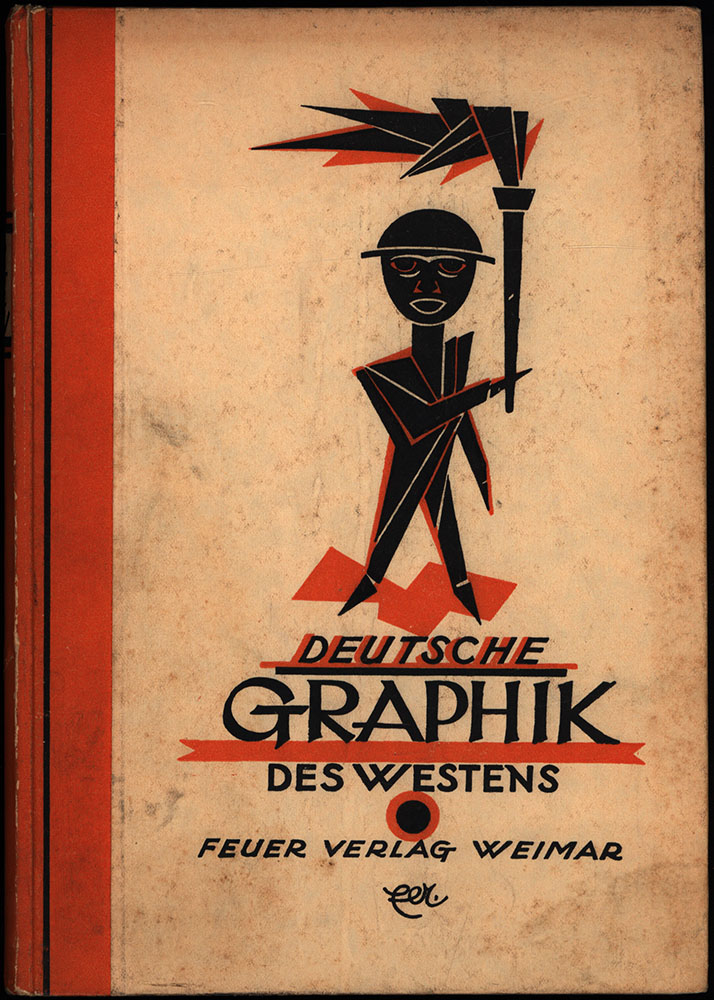
1922réf. 61352BBWeimar, Feuerverlag, 1922. 4°. 25,5 x 18,5 cm. 200 Seiten, [1] Blatt. Original-Pappband mit Deckelillustration. (= Feuerbücherei, Band 2).
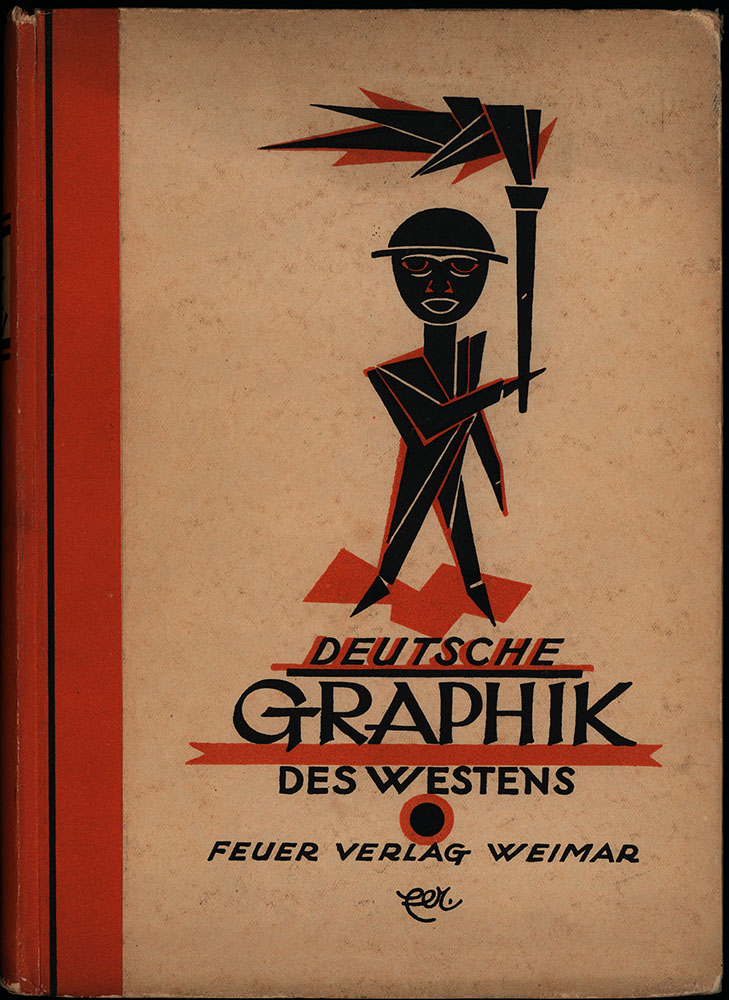
1922réf. 64470CBWeimar, Feuerverlag, 1922. 4°. 25,5 x 18,5 cm. 200 Seiten, [1] Blatt. Original-Pappband mit Deckelillustration. (= Feuerbücherei, Band 2).
1932réf. 23841ABGörlitz, E.A. Starke, 1932. Klein-8°. XXXVI, 780 S. Orig.-Leinenband + Wichtig: Für unsere Kunden in der EU erfolgt der Versand alle 14 Tage verzollt ab Deutschland / Postbank-Konto in Deutschland vorhanden + 5. Bd. = "Deutsches Geschlechterbuch (Genealogisches Handbuch Bürgerlicher Familien)", 77. Bd.
réf. 500297350Sans date.
1880réf. A133S.l., s.e., s.d. (vers 1880) ; 245/185 mm, 1 pp., une feuille. Belle estampe japonaise. Bon état.
1880réf. A132S.l., s.e., s.d. (vers 1880) ; 260/185 mm, 1 pp., une feuille. Belle estampe japonaise. Bon état.
1880réf. A131S.l., s.e., s.d. (vers 1880) ; 250/184 mm, 1 pp., une feuille. Belle estampe japonaise. Bon état.
1880réf. A130S.l., s.e., s.d. (vers 1880) ; 260/178 mm, 1 pp., une feuille. Belle estampe japonaise. Bon état.
1912réf. 55356Lucien Vogel éditeur | Paris 1912 | 18 x 24 cm | une feuille
1888réf. 261741888 Eau-forte datant de 1888 - Format de la feuille 18 x 27 cm environ - œuvre : 18.5 x 12.5 cm,bon etat sur Hollande un peu jauni