10.146 Ergebnisse
198183 pages. Features include: Exploring wrong places can be fatal; Build and use an Electrolysis Cleaner; Loose change in abandoned oil camps; Exploring a new Mexico lumber camp; We looted a town for pirate gold; Prospecting on the Yuba; Swap meets; Mining for fun and profit. Average wear. Book
198182 pages. Features: seeking authentic lost gold eagles; mining for fun and profit; Aerial photos; Johnson's Island; Boulevard Bonanza; Workshops; Treasure in trash; California's Chuckawalla Mountains. Some defects by not too bad overall. Book
198183 pages. Features include: Search where others don't; the latest in cabochon equipment; unique detector in Pennsylvania; white sand of Pensacola; Colorado's ghost towns; Aerial photos; a gold recovery system; Florence, Oregon; Front cover rumbled. Contents in nice shape. Book
198076 pages. Features include: Blewitt Pass; The ABC's of Coinshooting; Diamond Oddities; A Bottle Digger's Winter; Outlaws, Cattle Rustlers, or what?; How to Facet; Civil War sites along the North Carolina coast; Maine; San Saba County Indian relics; Venice, Florida - Graveyard for Sharks. Average wear. Book
198084 pages. Features: Hunting the little lawns; Faceting; Gold mine garbage; Montana; "Flint Factories" of Southern Illinois; Thar's gold in Mogollon; Silver in the Black Range; Treasure hunting in Puerto Rico; Gold treasures in them flea markets; Collectables near Salome, Arizona; Beachcombing; Vermont Gold Rush; Hunting 'Hunted out' spots; The Hunt in Northampton. Moderate wear. Nice copy. Book
198076 pages. Features include: The excitement of shaping a gem; Detector penetration; Treasure on Sioux Lookout; Is your find marketable?; The naked eye - your built-in coin detector; Gems and fossils in Florida sand beaches; Rubies in North Carolina; Youth camp treasure sites; Largo Canyon treasures; the Panamint Valley; Collecting Ships Bottles; Panning. Above-average wear. Book
198076 pages. Searching for gold coins; how to pan for gold; how to stake a claim; bitten by gold fever; nugget hunting in streams with a detector; where's the gold!; simple steps to gold; Mystery Gold Cliffs of Northern California; Spanish Gold Mining Methods; Gold prospecting with geology as an aid; Information on Placer Deposits; the assay office at cable cove. Above-average wear. Book
1984Vol. 1 di collana, diretta da Enzo Natta. Brossura in cartoncino flessibile e lucido. Velature di polvere e leggere fioriture tracciano la copertina. Pagine in carta patinata perfettamente bianche e fruibili con sforadiche illustrazioni in bianco e nero a tutta pagina. Lettura perfettamente godibile. Tagli regolari e ben conservati, dorso intatto e legatura ferma. Nel complesso in ottimo stato di conservazione. Numero pagine 144. USATO
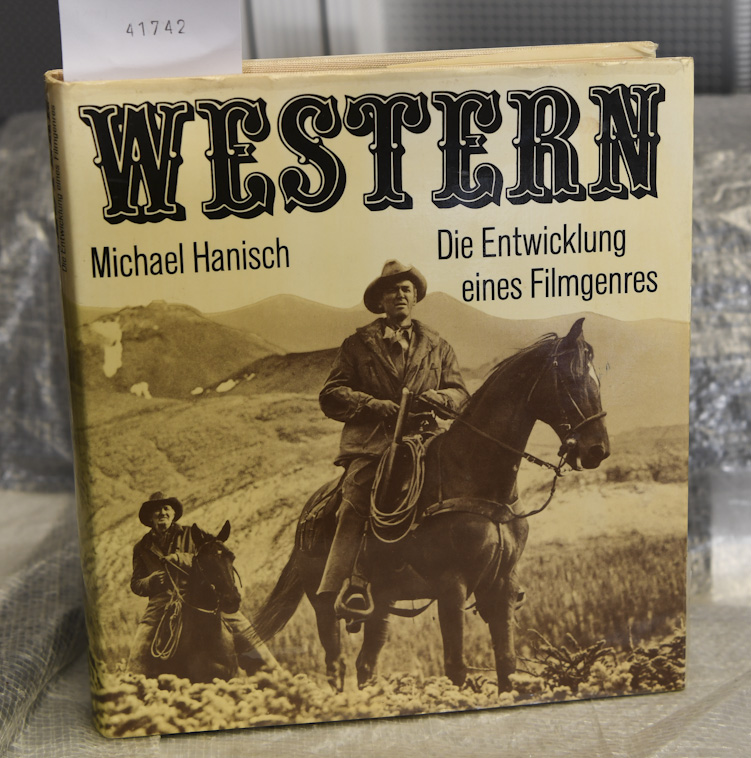
1984Best.-Nr. V41742Berlin (Henschel Verlag Kunst und Gesellschaft) 1984 (= Lizenzausgabe). 8°, Originalleinen mit illustriertem Originalumschlag (Hardcover), 430 S., zahlreiche Abbildungen 1
1930Best.-Nr. 141071Holland, Michigan, U.S.A., s.n. 1930 Livre en anglais. In-4 agrafé 28 cm sur 21,5. 12 pages, couverture illustrée. Ouvrage illustré de 7 ill. 7 illustrations. Bon état d’occasion.
1995Best.-Nr. 1248255Marburg : Schüren, 1995. 278 S. : Ill. ; 21 cm Pp.
1933Best.-Nr. 30863New York: Climax Publishing Corporation 1933. Mild tanning to text paper mild edge wear with tiny tears to yapp edges a fine copy. Rare. 30863. Octavo single issue cover by H. Meloy pictorial wrappers. Pulp magazine. Third of four issues of this Clayton magazine. Historical fiction oriented magazine. Climax Publishing Corporation unknown
19888vo., First Edition, with photographs in the text; pictorial wrappers, wire-stitched as issued, a near fine copy. SCARCE.
1999Best.-Nr. Q-0295978120Univ of Washington Pr 1999-10-01. Hardcover. New. New. In shrink wrap. Looks like an interesting title! Univ of Washington Pr hardcover
1939Best.-Nr. 44-115Western Cartridge Co n.d. 1939. c.1939. 72p. Illus. Wraps. Fine Copy. Paperback. Fine. Western Cartridge Co, n.d. Paperback
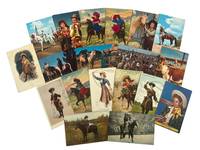
1890Best.-Nr. 212411890. Archive of illustrated and photographic postcards documenting the popular image of the American cowgirl in late nineteenth- and early twentieth-century Western visual culture. Working in Cultural / Representational Mode the material traces how women participating in rodeo equestrian performance and frontier-themed entertainment were presented to mass audiences during a period when gender conventions in the United States remained heavily tied to domestic ideals. The postcards illustrate popular fascination with female riders engaged in activities associated with masculine frontier labor and spectacle including trick riding roping horse handling and armed performance. The archive also provides insight into the commercialization of the American West through souvenir imagery touring exhibitions rodeos and romanticized frontier iconography circulated through postcard publishing during the first half of the twentieth century. Collection consists of 19 postcards dating from approximately the 1890s through the 1950s including primarily colored lithograph and chromolithograph postcards alongside several later colored real photo postcards. Most measure approximately 3.5 x 5.25 inches. Images depict cowgirls mounted on horseback using lassoes pistols and whips in staged action scenes including bucking galloping roping demonstrations and parade formations. Earlier cards portray women riders wearing skirts or dresses while mounted reflecting transitional equestrian fashions prior to the widespread normalization of riding trousers for women during the 1920s. One postcard depicts a "Grand Entry" scene featuring numerous mounted cowboys and cowgirls carrying national flags from various countries suggesting an international rodeo or exhibition setting. Another early color postcard shows a man and woman posed together on horseback in cowboy attire. A postcard postmarked 1951 depicts a cowgirl tending to her horse and bears the handwritten verso inscription: "How we long for you in Fort Worth horses and more horses cowgirls too" addressed to Alabama. Several additional cards contain handwritten correspondence and postal markings dated between 1906 and 1908. The archive documents the enduring cultural construction of the cowgirl as both frontier laborer and commercial entertainment figure during the height of Western Americana imagery in American popular culture. The postcards capture changing attitudes toward women's athleticism mobility and public performance while preserving highly stylized depictions disseminated through inexpensive mass-produced print media. Particularly notable is the tension visible between conventional feminine presentation and physically demanding equestrian activity especially in the earlier cards depicting women riding aggressively while still dressed in skirts and formal attire. Minor edgewear scattered markings and light handling wear to some cards; overall very good condition. A cohesive visual archive of cowgirl imagery and the gendered mythology of the American West across more than half a century of postcard production. unknown
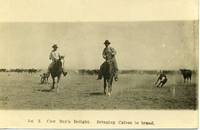
1910Best.-Nr. 56461910. Reid Hal. No. 2. Cow Boy's Delight. Bringing Calves to Brand circa 1910 records the mounted labor involved in gathering cattle for branding on the western Kansas plains. The image supports research into ranch work livestock management cowboy occupational history and the visual construction of the American West during the early twentieth century. Rather than presenting a posed studio portrait the photograph captures working cowboys engaged in a specific stage of cattle handling preserving evidence of the horses ropes animals and open-range setting associated with regional ranching practice. Sepia-toned real photo postcard published by Hal Reid of Liberal Kansas measuring 5½ by 3½ inches. Two mounted cowboys occupy the foreground using ropes to bring calves away from a larger herd; an adult cow follows at the right while additional cattle extend across the background. The printed caption reads in full: "No. 2. Cow Boy's Delight. Bringing Calves to brand." An institutional description of another example identifies the same arrangement of two horsemen roped calves following cow and background herd while Fort Hays State University records Reid as a Liberal Kansas photographer responsible for a numbered series of western cattle scenes. Produced during a period when real photo postcards circulated localized images of western work to audiences beyond the communities depicted the postcard joins documentary observation with the popular imagery of cowboy life. Its emphasis on coordinated movement between riders horses calves and herd provides a compact visual record of ranch labor while the promotional title "Cow Boy's Delight" shows how such work was packaged for postcard consumers. Light expected handling wear; sepia toning remains clear and the printed caption is legible. Very good. A visually specific record of early twentieth-century cattle work and the commercial postcard culture through which western Kansas presented its ranching identity. unknown
1966Best.-Nr. ZB393059Western Literature Association 1966. Volumes 1-17 1966-1983 an uninterrupted run of complete volumes partly bound library markings textually clean & tight price is for the lot. - If you are reading this this item is actually physically in our stock and ready for shipment once ordered. We are not bookjackers. Buyer is responsible for any additional duties taxes or fees required by recipient's country. Photos available upon request. Western Literature Association unknown
1910Best.-Nr. 56461910. Reid Hal. No. 2. Cow Boy's Delight. Bringing Calves to Brand circa 1910 records the mounted labor involved in gathering cattle for branding on the western Kansas plains. The image supports research into ranch work livestock management cowboy occupational history and the visual construction of the American West during the early twentieth century. Rather than presenting a posed studio portrait the photograph captures working cowboys engaged in a specific stage of cattle handling preserving evidence of the horses ropes animals and open-range setting associated with regional ranching practice. Sepia-toned real photo postcard published by Hal Reid of Liberal Kansas measuring 5½ by 3½ inches. Two mounted cowboys occupy the foreground using ropes to bring calves away from a larger herd; an adult cow follows at the right while additional cattle extend across the background. The printed caption reads in full: "No. 2. Cow Boy's Delight. Bringing Calves to brand." An institutional description of another example identifies the same arrangement of two horsemen roped calves following cow and background herd while Fort Hays State University records Reid as a Liberal Kansas photographer responsible for a numbered series of western cattle scenes. Produced during a period when real photo postcards circulated localized images of western work to audiences beyond the communities depicted the postcard joins documentary observation with the popular imagery of cowboy life. Its emphasis on coordinated movement between riders horses calves and herd provides a compact visual record of ranch labor while the promotional title "Cow Boy's Delight" shows how such work was packaged for postcard consumers. Light expected handling wear; sepia toning remains clear and the printed caption is legible. Very good. A visually specific record of early twentieth-century cattle work and the commercial postcard culture through which western Kansas presented its ranching identity. unknown books
1890Best.-Nr. 212411890. Archive of illustrated and photographic postcards documenting the popular image of the American cowgirl in late nineteenth- and early twentieth-century Western visual culture. Working in Cultural / Representational Mode the material traces how women participating in rodeo equestrian performance and frontier-themed entertainment were presented to mass audiences during a period when gender conventions in the United States remained heavily tied to domestic ideals. The postcards illustrate popular fascination with female riders engaged in activities associated with masculine frontier labor and spectacle including trick riding roping horse handling and armed performance. The archive also provides insight into the commercialization of the American West through souvenir imagery touring exhibitions rodeos and romanticized frontier iconography circulated through postcard publishing during the first half of the twentieth century. Collection consists of 19 postcards dating from approximately the 1890s through the 1950s including primarily colored lithograph and chromolithograph postcards alongside several later colored real photo postcards. Most measure approximately 3.5 x 5.25 inches. Images depict cowgirls mounted on horseback using lassoes pistols and whips in staged action scenes including bucking galloping roping demonstrations and parade formations. Earlier cards portray women riders wearing skirts or dresses while mounted reflecting transitional equestrian fashions prior to the widespread normalization of riding trousers for women during the 1920s. One postcard depicts a "Grand Entry" scene featuring numerous mounted cowboys and cowgirls carrying national flags from various countries suggesting an international rodeo or exhibition setting. Another early color postcard shows a man and woman posed together on horseback in cowboy attire. A postcard postmarked 1951 depicts a cowgirl tending to her horse and bears the handwritten verso inscription: "How we long for you in Fort Worth horses and more horses cowgirls too" addressed to Alabama. Several additional cards contain handwritten correspondence and postal markings dated between 1906 and 1908. The archive documents the enduring cultural construction of the cowgirl as both frontier laborer and commercial entertainment figure during the height of Western Americana imagery in American popular culture. The postcards capture changing attitudes toward women's athleticism mobility and public performance while preserving highly stylized depictions disseminated through inexpensive mass-produced print media. Particularly notable is the tension visible between conventional feminine presentation and physically demanding equestrian activity especially in the earlier cards depicting women riding aggressively while still dressed in skirts and formal attire. Minor edgewear scattered markings and light handling wear to some cards; overall very good condition. A cohesive visual archive of cowgirl imagery and the gendered mythology of the American West across more than half a century of postcard production. unknown books
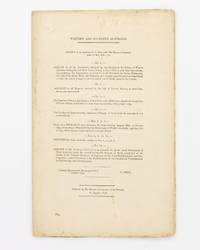
1838Best.-Nr. 131290London: 'Ordered by the House of Commons to be Printed' 1838. Very Good. London 'Ordered by the House of Commons to be Printed' 1838. Foolscap folio 21 1 docket pages with numerous tables. Uncut and sewn as issued; outer pages slightly dusty; light foxing throughout; an excellent copy. Great Britain and Ireland Parliamentary Paper Number 685 of 1838. The bulk of this important paper pages 4-19 is given over to 'Nos. 5 6 7. Copy of a Despatch from Governor Sir James Stirling bearing Date 15 October 1835 forwarding a Memorial from the Inhabitants of Western Australia; together with a Copy of the Answer which has been returned thereto'. It is somewhat more than that. Stirling's covering letter explains that 'The signatures attached to this memorial . belong to about one-third of the adult male population of the settlement and represent also about one third of its property in land and capital. The grievances under which the memorialists consider themselves and their fellow colonists to labour are five in number'. The five grievances are well-aired; all signatories are identified; there are five pages of lists of lands reserved for public purposes individuals or 'Assigned to or Reserved for Civil Naval and Military Officers from commencement of the Colony in June 1829 to 6 October 1835'. The second and third lists provide name rank or situation where applicable number of acres district assigned or reserved - and when and remarks. A sample record for an individual is that pertaining to Robert Ramsay for whom an 'uncertain' number of acres was reserved at Plantagenet on 12 April 1831: 'Master of brig "Britannia". On south shore of Princes Royal Harbour reserved 18 months to form a whaling establishment and then resumed on failure of conditions'. The last four pages in this section contain Lord Glenelg's thoughts on the matter as of 7 March 1837. The limited information relating to the fledgling colony of South Australia occupies only pages 20 and 21. Ferguson 2511. Provenance: the signature 'C.A.S. Hawker' is written in pencil at the head of the first page. Charles Allan Seymour Hawker 1894-1938 politician and pastoralist: his grandfather George Charles Hawker arrived in Adelaide with his brother Charles in September 1840. They settled on land at Bungaree near Clare in December 1841; C.A.S. Hawker he was born there. He was seriously wounded on several occasions at the Western Front losing one eye and 'his legs were in surgical irons to the end of his life'. He was a minister in the Lyons Government from 1932 until he 'was killed on 25 October 1938 when the aircraft "Kyeema" crashed into Mount Dandenong in Victoria. His untimely death was sharply felt. He had been an outstanding and respected figure in the Federal parliament whom some of his own party would have supported as prime minister. John Curtin the Opposition leader believed he had been on the threshold of great achievements' 'Australian Dictionary of Biography'. 'Ordered, by the House of Commons, to be Printed' unknown
1975Best.-Nr. 75403763North Vancouver BC: Western Fish and Game Magazine Ltd. 1975. Book. Very Good. Paperback. First Edition. 4to - over 9¾" - 12" tall. 46 pages. Features: Interior Lake Rainbow Techniques; Steelhead Fever; Atlantic Salmon - concluded in this issue; Stump Lake - a lake of large tackle-busting rainbows; Hatcheries and the Angler - Conclusion; The 'Frisky Fly'; Peace River Expedition - Conclusion; Into the Chilcotin - fly-fishing; The Walleye Pollock - a new series covering the lesser game fish from our local salt water; Windmills of the Cariboo-Okanagan - a 'new' pump system for winter-kill lakes. Light wear. Nice tight copy. Western Fish and Game Magazine Ltd. Paperback
20128vo., First Edition; black cloth, backstrip lettered in silver, a fine copy in unclipped dustwrapper.
1987Best.-Nr. 2092902138101447Yomiuri Shimbun Nippon Television Network 1987. Soft Cover. Fine. Number of pages: 302 pages Size: 28cmx22.5cm Number of books: 1 Yomiuri Shimbun Nippon Television Network paperback
1987Best.-Nr. 2092902138900700Not Available 1987. Soft Cover. Fine. The book is in fine condition. Not Available paperback