56 313 résultats
1644réf. 1238251644. Paris: Rolet le Duc 1644. Two books in one: 8vo 4 leaves 164 pp; 1 leaf Extraict du Privilege du Roy; 10 leaves 717 71 Appendix Table pp. Contemporary limp vellum with hand lettered label on backstrip. Very early illegible ownership inscription on the rear pastedown. Bookplate of A.R.A. Hobson on verso of first title page. § Second edition of Naudé's celebrated treatise on library management "reveuë corrigée & augmentée" by Naudé himself a work of the greatest importance in the history of book collecting and libraries complete with the 'Extraict du Privilege du Roi' an unsigned leaf following L2 p. 164 which is said to be missing from most copies. Together with Jacob's treatise the first comprehensive account of libraries ancient and modern and including some on which notices can be found nowhere else. The account of British libraries occupies 65 pages. Since the Hobson sale only one copy has sold at auction the Bergé copy of the Naudé only for 12000 euros. Of the Jacob Hill notes: As is usual when the two parts are bound together the title-page to the second part has been excised. Hobson also notes: "Lacks the inserted title to part II as often." Peignot 33: "la seconde edition est la meilleure". See Breslauer and Folter 53. Tumarkin 1191: "See Balsamo. where Naudé's humanist message is shown to bear the stamp of. Montaigne Charron Descartes and even Giordarno Bruno's Eroicifurori. unknown books
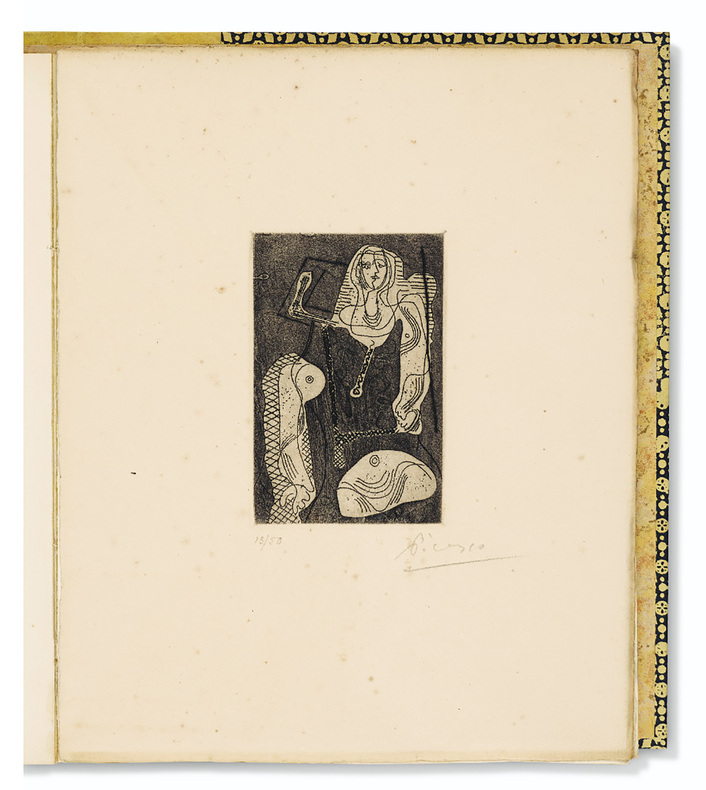
1926réf. 2112Paris : Éditions « Cahiers d’Art », 1926 In-4 (283 x 228 mm), broché, non rogné, sous couverture rempliée de papier Japon. Encartée dans l’exemplaire: 1 EAU-FORTE ORIGINALE DE PABLO PICASSO TIRÉE SUR HOLLANDE, SIGNÉE AU CRAYON PAR L' ARTISTE ET JUSTIFIÉE 13/50. Note historique: Un des premiers livres sur Picasso, publié par la galerie "Cahiers d'Art" fondée cette même année. L'ouvrage est illustré de 4 reproductions de dessins dans le texte et de 42 planches, dont 2 en couleurs, reproduisant des œuvres de Picasso des années 1920-1926. La gravure accompagnant ce tirage de luxe, "Femme au fauteuil", fait partie d'une série réalisée en 1922-1923 dans laquelle les lignes superposées donnent à voir les figures à la fois de face et de profil. Le zinc est perdu. Un des 50 exemplaires sur Hollande van Gelder, les seuls avec les 6 sur Japon à comprendre la gravure originale, celui-ci le n°13 (quelques piqûres à la gravure et à la couverture). Chemise et étui d l'époque. ENGLISH DESCRIPTION: PABLO PICASSO (1881-1973) et CHRISTIAN ZERVOS (1889-1970) Picasso. Œuvres 1920-1926. Paris : Éditions « Cahiers d’Art », 1926 Deluxe copy, with the signed original etching. 4to (283 x 228 mm). Untrimmed, Japan wrappers. 1 etching on zinc by Pablo Picasso, on van Gelder Holland wove, signed in pencil by the artist and numbered 13/50. Several black and white reproductions of works by Picasso, 2 plates in color. One of 50 copies on van Gelder Holland wove, the only copies with the first 6 on imperial Japan to contain the etching, this copy numbered 13 (some spotting on the etching and the wrappers). Jacket and slipcase of the time. Référence: Goeppert-Cramer, Picasso, n°15 - Bloch, 56 - Baer-Geiser, 99/II.
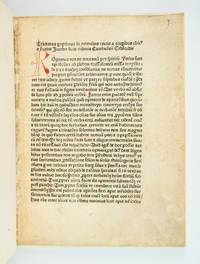
1477réf. ST21103Blaubeuren: Conrad Mancz ca. 1477. Second Edition in Latin. 278 x 205 mm. 11 x 8". 20 leaves. COMPLETE. Single column 32 lines in gothic type. Modern stiff vellum flat spine. Capitals struck in red nine hand-drawn two- to four-line initials in red. Front pastedown with engraved armorial bookplate of Boies Penrose II and with armorial morocco bookplate and paper library label of Eric Hyde Lord Sexton FSA. Goff J-22; BMC II 565; ISTC ij00022000. See Wetzer und Welte's Kirchenlexikon VI 1168. Rear cover with minor soiling first leaf tipped onto tab and with repairs along gutter first two leaves a bit soiled and foxed last two leaves with neat old repairs to lower fore-edge corner the text as a whole with slight softening because of exposure to damp. Not without obvious defects but still an incunable appealing for its content rarity and provenance as well as for its generous margins and unworn binding. One of just three copies in North America located by ISTC this is the extremely rare Blaubeuren edition of a work that offers guidance on dealing with ghostly apparitions a topic not often dealt with in incunabular printing. "On Souls Stripped of their Bodies or On the Apparitions and Receptacles of Souls" was written in the late 1450s in response to a plea for advice from a Franciscan monastery in Leipzig that was experiencing what appeared to be supernatural disturbances instigated by a ghost or demon. A Carthusian prior who also served as rector and professor of canon law at the University of Erfurt Jacobus de Clusa also known as Jacob of Jüterbogk or Jacob of Paradiso 1381-1465 was known for his numerous writings on moral theology. First issued in 1475 in German and in Latin the present response to the concerned Franciscans became the most widely read of his works. According to Wetzer & Welte Jacobus considers in the book "such apparitions to be quite possible particularly in places where the deceased had sinned as they may hope to be released from Purgatory sooner through the intercession of surviving relatives or friends. Consequently he offers advice to the latter on this matter. 'If souls ask for intercession' he says 'it should be granted but one must not give way to idle fantasies.' He identifies the most effective means of aid as: Masses almsgiving prayers fasting and good works. In this context he discusses the state of the soul after death in a clear and illuminating manner. 'Immediately after death' he states 'the particular judgment takes place at the very spot where death occurred; for God is everywhere.' He designates four places to which departed souls may go: a. the Empyrean Heaven; b. the underworld "infernus sub terra"; c. Limbo of the Infants "limbus puerorum"; d. Purgatory. In his view escaping Purgatory entirely is very difficult." This open discussion of what happens to the soul after death and the possibility of the existence of ghosts was unsurprisingly appealing to a wide audience particularly as it came from a respected theologian. ISTC indicates that ours is the second incunabular edition following the first printing in Esslingen ca. 1474--all early printings are now uncommon in commerce. This is one of 24 works issued between 1473 and 1478 by Conrad Mancz the only 15th century printer in Blaubeuren a small city near Ulm. Jacobus de Clusa was the author of three of these publications the other two being books of sermons. Our copy was owned by Philadelphia bibliophile Boies Penrose II 1902-76 before its acquisition by Eric Hyde Lord Sexton 1902-80 an avid collector of early printing who amassed a library of incunabula from 114 different printing locations. This volume sold at his 1981 sale at Christie's for $2200. ISTC identifies the Sexton copy as one of three in North America the others being at the Huntington and the Beinecke. Searches of RBH and ABSA find just one other copy of the Blaubeuren edition at auction since 1928 that one appearing at Doerling in 1981 where it fetched 6500 Deutsche marks $2879. Conrad Mancz unknown
1477réf. ST21103Blaubeuren: Conrad Mancz ca. 1477. Second Edition in Latin. 278 x 205 mm. 11 x 8". 20 leaves. COMPLETE. Single column 32 lines in gothic type. Modern stiff vellum flat spine. Capitals struck in red nine hand-drawn two- to four-line initials in red. Front pastedown with engraved armorial bookplate of Boies Penrose II and with armorial morocco bookplate and paper library label of Eric Hyde Lord Sexton FSA. Goff J-22; BMC II 565; ISTC ij00022000. See Wetzer und Welte's Kirchenlexikon VI 1168. Rear cover with minor soiling first leaf tipped onto tab and with repairs along gutter first two leaves a bit soiled and foxed last two leaves with neat old repairs to lower fore-edge corner the text as a whole with slight softening because of exposure to damp. Not without obvious defects but still an incunable appealing for its content rarity and provenance as well as for its generous margins and unworn binding. One of just three copies in North America located by ISTC this is the extremely rare Blaubeuren edition of a work that offers guidance on dealing with ghostly apparitions a topic not often dealt with in incunabular printing. "On Souls Stripped of their Bodies or On the Apparitions and Receptacles of Souls" was written in the late 1450s in response to a plea for advice from a Franciscan monastery in Leipzig that was experiencing what appeared to be supernatural disturbances instigated by a ghost or demon. A Carthusian prior who also served as rector and professor of canon law at the University of Erfurt Jacobus de Clusa also known as Jacob of Jüterbogk or Jacob of Paradiso 1381-1465 was known for his numerous writings on moral theology. First issued in 1475 in German and in Latin the present response to the concerned Franciscans became the most widely read of his works. According to Wetzer & Welte Jacobus considers in the book "such apparitions to be quite possible particularly in places where the deceased had sinned as they may hope to be released from Purgatory sooner through the intercession of surviving relatives or friends. Consequently he offers advice to the latter on this matter. 'If souls ask for intercession' he says 'it should be granted but one must not give way to idle fantasies.' He identifies the most effective means of aid as: Masses almsgiving prayers fasting and good works. In this context he discusses the state of the soul after death in a clear and illuminating manner. 'Immediately after death' he states 'the particular judgment takes place at the very spot where death occurred; for God is everywhere.' He designates four places to which departed souls may go: a. the Empyrean Heaven; b. the underworld "infernus sub terra"; c. Limbo of the Infants "limbus puerorum"; d. Purgatory. In his view escaping Purgatory entirely is very difficult." This open discussion of what happens to the soul after death and the possibility of the existence of ghosts was unsurprisingly appealing to a wide audience particularly as it came from a respected theologian. ISTC indicates that ours is the second incunabular edition following the first printing in Esslingen ca. 1474--all early printings are now uncommon in commerce. This is one of 24 works issued between 1473 and 1478 by Conrad Mancz the only 15th century printer in Blaubeuren a small city near Ulm. Jacobus de Clusa was the author of three of these publications the other two being books of sermons. Our copy was owned by Philadelphia bibliophile Boies Penrose II 1902-76 before its acquisition by Eric Hyde Lord Sexton 1902-80 an avid collector of early printing who amassed a library of incunabula from 114 different printing locations. This volume sold at his 1981 sale at Christie's for $2200. ISTC identifies the Sexton copy as one of three in North America the others being at the Huntington and the Beinecke. Searches of RBH and ABSA find just one other copy of the Blaubeuren edition at auction since 1928 that one appearing at Doerling in 1981 where it fetched 6500 Deutsche marks $2879. Conrad Mancz unknown books
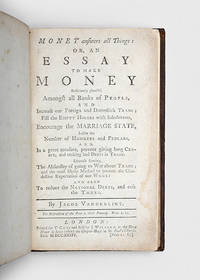
1734réf. 170795London: for T. Cox; and sold by J. Wilford 1734. The first scientific study of the question of distribution First edition of "the first scientific study of the question of distribution" Foxwell anticipating the Physiocratic positions on single tax land rents and free trade. "Stewart compared Vanderlint also with David Hume. McCulloch used Stewart's opinions on several occasions and may have provided the basis for Marx's charge that 'Hume follows step by step and often even in his personal idiosyncracies' Vanderlint's work" New Palgrave. "Like Barbon and North Vanderlint had a global vision of international trade and pleaded for free trade. He recognized the mutual benefits that flowed from free trading referring to 'an invincible argument for free and unrestrained trade'" Murphy. Octavo 196 x 121 mm pp. iv ii 170. Contemporary sprinkled calf rebacked spine ruled in gilt in compartments red morocco label. Engraved armorial bookplate of Maurice Fitzgerlad Knight of Kerry Corners. Spine and board edges lightly rubbed light surface wear to sides. Pale dampmark to fore-edge upper outer corner of title page chipped; a very good copy. Goldsmiths' 7227; Kress 4201; McCulloch p. 162; Sraffa 6080. Antoin Murphy Monetary Theory 1601-1758 1996 pp. 46-7. unknown
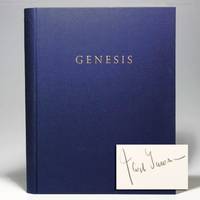
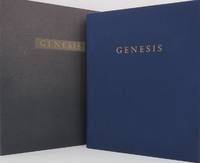
réf. 020738New York: Limited Editions Club 1989. hardcover. Fine in a Fine suede-lined linen clamshell box with leather label. Jacob Lawrence. Large folio bound in full midnight blue Japanese cotton. Copy #160 of only 400 numbered copies SIGNED on the colophon by Jacob Lawrence who has contributed 8 ORIGINAL SILKSCREENS to this massive 16" x 22" and truly magnificent work one of the high points of the press. These silkscreens are identical except for not being individually signed to the very few portfolios of 8 prints currently selling for upwards of fifty thousand dollars. According to the publisher anywhere from 17 to 21 screens were required to bring out the coloring of each illustration making a total of 144 separate stencils all of which were destroyed after the strictly limited number of some 400 original sets of prints had been achieved on the fine Whatman paper specified by the Osiris Printing Studio in New York. The text was printed on a heavy handmade paper from Cartiere Enrico Magnani of Pescia Italy. Monthly Letter laid in. A gorgeous book. Limited Editions Club hardcover
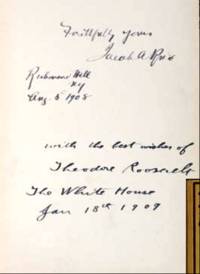
1904réf. 014375New York: The Outlook Company 1904. First Edition. Hardcover. Hinges cracked and neatly repaired. Still Near Fine. Second Printing in publisher's original decorated cloth. Illustrated with plates. This copy virtually unique as it is INSCRIBED and SIGNED by both the author and the subject as President. Riis's inscription is dated 5 August 1908. Roosevelt writes: "with the best wishes of/Theodore Roosevelt/The White House/Jan. 18th 1909." The addition of "The White House" by Roosevelt is notable as prior to his administration the residence was known as the "President's Palace" the "President's House" and the "Executive Mansion." It was Roosevelt who officially named it "The White House" in 1901. Of the many books signed by Roosevelt we have both handled and seen we have never before encountered one in which he has noted his official residence along with his signature. Jacob Riis among the most dedicated advocates for America's oppressed and downtrodden arrived in New York from his native Denmark at the age of 21 in 1870. A pioneer in photojournalism Riis photographed and wrote about the slums and tenements of a New York in the dawn of a new century. Riis came to Roosevelt's attention through his 1890 book HOW THE OTHER HALF LIVES. As Commissioner of the New York City Police Department Roosevelt accompanied Riis on his evening travels through the slums and witnessed firsthand the inhumane conditions endured by many of New York's inhabitants. In his 1901 book MAKING OF AN AMERICAN Riis wrote of Roosevelt: "It could not have been long after I wrote HOW THE OTHER HALF LIVES that he came to the Evening Sun office one day looking for me. I was out and he left his card merely writing on the back of it that he had read my book and had 'come to help.' That was all and it tells the whole story of the man. I loved him from the day I first saw him; nor ever in all the years that have passed has he failed of the promise made then. No one ever helped as he did. For two years we were brothers on Mulberry Street." Roosevelt in turn wrote of Riis after his death: "It is difficult for me to write of Jacob Riis only from the public standpoint. He was one of my truest and closest friends. I have ever prized the fact that once in speaking of me he said 'since I met him he has been my brother.' I have not only admired and respected him beyond measure but I have loved him dearly . and I mourn him as if he were one of my own family." The Outlook Company hardcover books
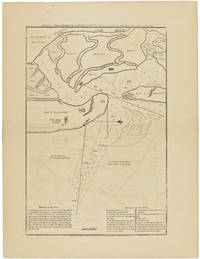
1776réf. 47955London: Sayer & Bennett 1776. An Important Revolutionary-Era Florida Map A highly important chart of the entrance into the St. Mary's River showing the soundings shoals and navigational details as well as Tiger Island Marteirs Islands part of Amelia and Cumberland Islands and the ruins of Fort William which was built by James Oglethorpe. It shows settlements and named plantations including that of the Countess Dowager of Egmont with the slave quarters labeled in the map key. The map also includes a key to the rivers buildings etc. indicated on the map and sailing directions into the harbor. This chart was originally published in the second part of The North-American Pilot. In 1776 shortly after news of American Independence reached Great Britain publishers Sayer & Bennett issued a second part to their previously published North-American Pilot to encompass the coastline of the American colonies. The maps issued here include famed cartographic productions by John Gascoigne Joshua Fisher Anthony Smith and others. Many maps include additions reflecting the early battles of the war such as the plan of Charlestown showing the attack on Fort Sullivan. This second part of The North-American Pilot was first published in 1776 and subsequently reissued with additional maps in 1777. Single sheet 29 x 22 inches. Some light toning and offsetting. Very good. SELLERS & VAN EE 1632. unknown
1776réf. 47955London: Sayer & Bennett 1776. An Important Revolutionary-Era Florida Map A highly important chart of the entrance into the St. Mary's River showing the soundings shoals and navigational details as well as Tiger Island Marteirs Islands part of Amelia and Cumberland Islands and the ruins of Fort William which was built by James Oglethorpe. It shows settlements and named plantations including that of the Countess Dowager of Egmont with the slave quarters labeled in the map key. The map also includes a key to the rivers buildings etc. indicated on the map and sailing directions into the harbor. This chart was originally published in the second part of The North-American Pilot. In 1776 shortly after news of American Independence reached Great Britain publishers Sayer & Bennett issued a second part to their previously published North-American Pilot to encompass the coastline of the American colonies. The maps issued here include famed cartographic productions by John Gascoigne Joshua Fisher Anthony Smith and others. Many maps include additions reflecting the early battles of the war such as the plan of Charlestown showing the attack on Fort Sullivan. This second part of The North-American Pilot was first published in 1776 and subsequently reissued with additional maps in 1777. Single sheet 29 x 22 inches. Some light toning and offsetting. Very good. SELLERS & VAN EE 1632. unknown books
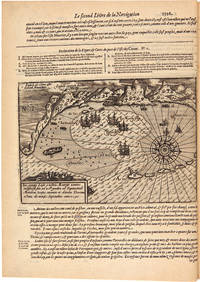
1609réf. 38891Amsterdam: Cornille Nicolas 1609. A Pioneering Dutch Voyage to the Indies Second French edition following the first French edition of 1601 of this important voyages narrative describing the initial Dutch exploration and expansion to the East Indies a significant element in a global commercial enterprise which was to develop throughout the 17th century. Van Neck who represented the Verre Company commanded three ships which were part of the first successful Dutch trading voyage to the region. The other two ships were commanded by Wybrand Van Warwijck and Jacob Van Heemskerk. Van Neck's vessel became separated from the other two after rounding the Cape of Good Hope and the three did not reunite again until his arrival in Java in late December 1598. Unlike his Dutch predecessor Cornelis Houtman who three years earlier had seized the port of Bantam Van Neck dealt diplomatically with the natives. "Rather than rejecting the inflated prices asked by the local ruler he offered to pay over the odds in order to cement a lasting relationship.Van Neck's was the most profitable of the pre-VOC Dutch East India Company voyages. Despite the apparently high price paid for spices he netted a profit of 300 per cent on his overall costs. In 1601 fourteen fleets comprising sixty-five ships sailed for the East Indies but by that time competition between rival Dutch operators as well as with the Portuguese had inflated prices and none were as successful as Van Neck's first enterprise" - Howgego. While focused on activity in the East Indies EUROPEAN AMERICANA notes that the text includes references to Brazil and tobacco from the West Indies. The second part of this 1609 French edition which has its own titlepage is an eight-page appendix of words spoken in Java and Malay including word lists in French printed in roman type Malay in italic type and Javanese in civilité. Two parts. 228 leaves second part with its own titlepage. Folio. Modern three-quarter morocco and marbled boards spine gilt. A few leaves with worm tracks expertly repaired. Very good. EUROPEAN AMERICANA 609/93. TIELE 786. TIELE-MULLER 129. HOWGEGO N13. JCB 3II:64. hardcover
1609réf. 38891Amsterdam: Cornille Nicolas 1609. A Pioneering Dutch Voyage to the Indies Second French edition following the first French edition of 1601 of this important voyages narrative describing the initial Dutch exploration and expansion to the East Indies a significant element in a global commercial enterprise which was to develop throughout the 17th century. Van Neck who represented the Verre Company commanded three ships which were part of the first successful Dutch trading voyage to the region. The other two ships were commanded by Wybrand Van Warwijck and Jacob Van Heemskerk. Van Neck's vessel became separated from the other two after rounding the Cape of Good Hope and the three did not reunite again until his arrival in Java in late December 1598. Unlike his Dutch predecessor Cornelis Houtman who three years earlier had seized the port of Bantam Van Neck dealt diplomatically with the natives. "Rather than rejecting the inflated prices asked by the local ruler he offered to pay over the odds in order to cement a lasting relationship.Van Neck's was the most profitable of the pre-VOC Dutch East India Company voyages. Despite the apparently high price paid for spices he netted a profit of 300 per cent on his overall costs. In 1601 fourteen fleets comprising sixty-five ships sailed for the East Indies but by that time competition between rival Dutch operators as well as with the Portuguese had inflated prices and none were as successful as Van Neck's first enterprise" - Howgego. While focused on activity in the East Indies EUROPEAN AMERICANA notes that the text includes references to Brazil and tobacco from the West Indies. The second part of this 1609 French edition which has its own titlepage is an eight-page appendix of words spoken in Java and Malay including word lists in French printed in roman type Malay in italic type and Javanese in civilité. Two parts. 228 leaves second part with its own titlepage. Folio. Modern three-quarter morocco and marbled boards spine gilt. A few leaves with worm tracks expertly repaired. Very good. EUROPEAN AMERICANA 609/93. TIELE 786. TIELE-MULLER 129. HOWGEGO N13. JCB 3II:64. hardcover books
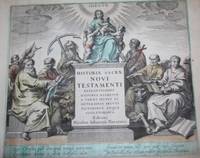
réf. 005220Amsterdam: Edente Nicolao Iohannis Piscatore. First Edition. Full Vellum. Ribbon ties. Very Good. One later title bearing the date of 1638; the only copy found on line bearing the primary title is dated 1674. 4to oblong 30 by 38 cm. Partially hand-colored title page 206 copper engraved plates not counting five later title pages and 101 manuscript leaves. In essence then this is two works -- a printed illustrated plate book and a highly scarce one at that and a manuscript commentary on the plates. The captions of the printed plates are in Latin while the manuscript text is in Dutch. The manuscript portion is beautiful with an abundance of ornate letter devices virtually one on each manuscript leaf and the writing besides being rendered generally with a calligraphic hand. These Dutch exegeses are written in a vernacular non-stilted manner. Not referenced in Brunet nor Landwehr. We could locate only one copy of the Visscher work on OCLC. It is at the Herzogin Anna Amalia Bibliothek-Klassik in Weimar Germany. It would appear that copy has the same number of plates as ours yet given the higgely piggely ordering of the plates which are often numbered within a series yet there are several instances of numbers missing we can not state with confidence that our printed matter is identical with that of the German library. In terms of the printed work contained herein it is arguable that this is in fact a collection of smaller works as there are other printed title pages. Contraverting this view is that it was not uncommon in the seventeenth century for something issued as a single work to have multiple title pages as was often the case with bibles. In the present work the other printed titles include "Memorabilium Novi Testamenti In Templo Gestorum Icones Tre Decim Elegentissimi AC Ornatissimi"; "Vita Passio et Resurrectio Jesu Christi . . . " ab Adriano Collart and this bearing a date of 1638; "Acta Apostolorum Elegantissimis Iconibus Summo Artificio Delineata a Duobus Praestantissimis Pictoribus Belgis . . . "; "XII. Fidei Apostolicae Symbola Iconibus Artificiosissimis"; manuscript title "Martelisatie der Apostolen"; and "Visiones Apocalyticae Exhibitae Johanni Apostolo in Insula Pathmo Elegentissimis Iconibus Expressae". There are also manuscript title pages among them "De Seven Wonderen der Weerelt" or "The Seven Wonders of the World" which is curiously followed by eight plates of eight different wonders. The bulk of the work as suggested both by the primary title and subsequent title pages covers scenes from the new testament but the first six plates depict the first six days of creation as recounted in Genesis. Notwithstanding the religious thrust of the plates many of them have an appeal that may excite even those not moved by pietistic imagery. More than anything many of the plates provide a window to the landscape society economy and culture of the seventeenth century Low Lands. A good number of the plates have fantastical imagery as well. Finally the plates represent a Baroque artistry tour de force. Rebacked. The older vellum of the boards is soiled and has some smallish chips and edge tears. Browning to the pages. A few tape repairs and some leaves with roughness along their edges. Edente Nicolao Iohannis Piscatore unknown
réf. 005220Amsterdam: Edente Nicolao Iohannis Piscatore. First Edition. Full Vellum. Ribbon ties. Very Good. One later title bearing the date of 1638; the only copy found on line bearing the primary title is dated 1674. 4to oblong 30 by 38 cm. Partially hand-colored title page 206 copper engraved plates not counting five later title pages and 101 manuscript leaves. In essence then this is two works -- a printed illustrated plate book and a highly scarce one at that and a manuscript commentary on the plates. The captions of the printed plates are in Latin while the manuscript text is in Dutch. The manuscript portion is beautiful with an abundance of ornate letter devices virtually one on each manuscript leaf and the writing besides being rendered generally with a calligraphic hand. These Dutch exegeses are written in a vernacular non-stilted manner. Not referenced in Brunet nor Landwehr. We could locate only one copy of the Visscher work on OCLC. It is at the Herzogin Anna Amalia Bibliothek-Klassik in Weimar Germany. It would appear that copy has the same number of plates as ours yet given the higgely piggely ordering of the plates which are often numbered within a series yet there are several instances of numbers missing we can not state with confidence that our printed matter is identical with that of the German library. In terms of the printed work contained herein it is arguable that this is in fact a collection of smaller works as there are other printed title pages. Contraverting this view is that it was not uncommon in the seventeenth century for something issued as a single work to have multiple title pages as was often the case with bibles. In the present work the other printed titles include "Memorabilium Novi Testamenti In Templo Gestorum Icones Tre Decim Elegentissimi AC Ornatissimi"; "Vita Passio et Resurrectio Jesu Christi . . . " ab Adriano Collart and this bearing a date of 1638; "Acta Apostolorum Elegantissimis Iconibus Summo Artificio Delineata a Duobus Praestantissimis Pictoribus Belgis . . . "; "XII. Fidei Apostolicae Symbola Iconibus Artificiosissimis"; manuscript title "Martelisatie der Apostolen"; and "Visiones Apocalyticae Exhibitae Johanni Apostolo in Insula Pathmo Elegentissimis Iconibus Expressae". There are also manuscript title pages among them "De Seven Wonderen der Weerelt" or "The Seven Wonders of the World" which is curiously followed by eight plates of eight different wonders. The bulk of the work as suggested both by the primary title and subsequent title pages covers scenes from the new testament but the first six plates depict the first six days of creation as recounted in Genesis. Notwithstanding the religious thrust of the plates many of them have an appeal that may excite even those not moved by pietistic imagery. More than anything many of the plates provide a window to the landscape society economy and culture of the seventeenth century Low Lands. A good number of the plates have fantastical imagery as well. Finally the plates represent a Baroque artistry tour de force. Rebacked. The older vellum of the boards is soiled and has some smallish chips and edge tears. Browning to the pages. A few tape repairs and some leaves with roughness along their edges. Edente Nicolao Iohannis Piscatore unknown books
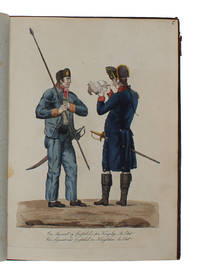
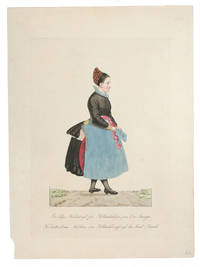
1805réf. 60296(København, ca. 1805-08). 4to. Near contemporary (ca. 1850) full brown calf with richly gilt spine and blindstamped border to boards. Spine worn and capitals lacking a bit of leather. Front hinge cracked, strengthened from verso. Internally very nice and fresh with only occasional brownspotting. With the book-plate of John Arden to inside of front board. Bound with the original wrappers for the fourth and ninth series. The front wrapper for the ninth has the title written in English in contemporary hand to the top right (slightly cropped), in ink that seems identical to the ""9"" denoting the series number. 57 (out of in all 72 published) engraved an excellently hand-coloured plates of costumes, one present in two copies (plate nr. 67). All plates with Danish and German text in the plate. Apart from two leaves that are slightly smaller, the leaves measure 25,5x19 cm. The print surface on all measures 20,5 x 14 cm.
1805réf. 60296København ca. 1805-08. 4to. Near contemporary ca. 1850 full brown calf with richly gilt spine and blindstamped border to boards. Spine worn and capitals lacking a bit of leather. Front hinge cracked strengthened from verso. Internally very nice and fresh with only occasional brownspotting. With the book-plate of John Arden to inside of front board. Bound with the original wrappers for the fourth and ninth series. The front wrapper for the ninth has the title written in English in contemporary hand to the top right slightly cropped in ink that seems identical to the "9" denoting the series number. 57 out of in all 72 published engraved an excellently hand-coloured plates of costumes one present in two copies plate nr. 67. All plates with Danish and German text in the plate. Apart from two leaves that are slightly smaller the leaves measure 255x19 cm. The print surface on all measures 205 x 14 cm. An unusually large collection of 57 of the rare plates that constitute the first Danish work on national costumes. The work is of the utmost scarcity with only one known complete copy in public institutions Danish University Library - the copy in the Royal Library is also incomplete. The title is known solely from the wrappers that each series of six plates was issued with. These wrappers are also exceedingly scarce and almost never present. Our copy contains two of them. As always the issue number has been added in hand. Rieter and Senn were both born and educated in Switzerland and both arrived in Copenhagen in 1804. They studied costumes on Sealand the West Sea Islands and Holsten. The series of costumes is divided into two sections the first depicting those of Copenhagen along with Amager and Sealand the other that of Southern Jutland including Holsten and the North Friesian Islands. Rieter left Copenhagen already in 1805 and Senn was left to complete the publication. It is assumed that Senn did most of the drawings. Only very few complete copies of the work are known to exist only one in public collections. Colas states that “I do not know the exact number of plates to have been published in this collection which is very rare. The copy of Lipperheide contains 56 plates and that of the University of Copenhagen has 72.” Own translation from French. Lipperheide 1045 56 plates; Bibl. Danica II: 1080 incomplete; Colas: 2557; Krohn: 873-944. hardcover
réf. 20254The Limited Editions Club. Fine. Hardcover. Rare. Signed by the illustrator. Limited edition of 400 copies this being copy #83. Navy cloth cover is nearly flawless. Boards and spine are straight. Binding is tight. Two text pages with a thumbprint otherwise pages are clean and pristine. 8 beautiful color lithographic plates. Publisher's notes laid-in. Slipcase has sunning but is in near fine condition.; Signed by Artist . 1989. The Limited Editions Club hardcover
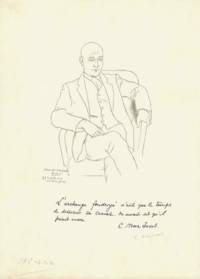
1910réf. 33635Montrouge Paris: 1910 1910. Original Litho. Original Litho. PICASSO. MAX JACOB. Double Signed Litho. Montrouge Paris Seine. 1910. 14" 7/8 X 10" 3/4 on plain paper stock with the lithograph printed in two tones: Greenish grey for Picasso's drawing and handwriting and black for Max Jacob. Number 17 of only 30 copies. A rare early illustration of Picasso's close friend Max Jacob done in celebration of Jacob's conversion to Christianity. Jacob who had Jewish origins claimed to have had a vision of Christ in 1909 causing his conversion. The illustration of Jacob the first of Picasso's drawings of Max Jacob seated comfortably in a fine armchair dressed in his three piece suit. The printed text: Top A mon ami Max Jacob / Picasso .10 / 22 R. Victor Hugo / Montrouge Seine - Middle L'archange foudroyé n'eut que le temps / de desserrer sa cravate . On aurait sit qu'il / priait encore./ C. Max Jacob. Signed in pencil with his new Christian name: "C. Max Jacob" and by "Picasso" at the bottom. A very good or better example of this rare piece - Max Jacob is regarded as an important link between the symbolists and the surrealists as can be seen in his prose poems Le cornet à dés The Dice Box 1917. Throughout the year of 1901 Picasso traveled to Barcelona & Paris for art exhibitions. During an exhibition in Paris Picasso met Max Jacob. Max Jacob was a poet painter & art critic with connections in the Parisian cultural scene. The two artists developed a friendship after Jacob left an admiring note for Picasso at the art gallery displaying Picasso's work Richardson Vol. I 203. Jacob introduced Picasso to the French language and to French theatre; Jacob was also an actor. Jacob took Picasso to see operas which possibly included I Pagliacci & La Bohème Richardson Vol. I 338. "At night there were frequent visits to the cabarets of Montmartre such as the Chat Noir and when tickets could be found to the Moulin Rouge" Penrose Picasso 76. Picasso & his friends also enjoyed the artistic atmosphere of Le Lapin Agile. Artists & writers would congregate at the small café to listen to recitals exchange ideas & celebrate special occasions such as the opening of an exhibition Penrose Picasso 117. The walls of the café were lined with work by artists that were used as payment for debts. Theatrical entertainment was a prominent part of Picasso's social life in Paris. By 1904 Picasso had established a foothold in Paris and would remain in the cultural center of Europe for the rest of his life. Picasso & Max Jacob cultivated their talents in a dwelling known as the Bateau Lavoir. According to Penrose this place was ". . . composed it seemed of nothing but lofts & cellars all in such a sad state of repair. . . " Picasso 96. Artists of all endeavors were attracted to this bohemian style of living. Picasso's neighbors included painters sculptors writers & actors Penrose Picasso 102. One of Picasso's most influential friends entered his life in 1905: Guillaume Apollinaire. "From the first encounter Pablo Picasso and Guillaume Apollinaire established a creative dialogue that fostered and inspired some of their finest art & poetry". Apollinaire was a poet & playwright identified as a Surrealist who kept close connections with literary & artistic figures in Paris including Max Jacob & André Salmon. He was a great source for Picasso to meet writers & theatre artists. Many of Picasso's friends encouraged him to frequent the theatre with artists & poets from Paris Picasso Penrose 177. Even though Picasso was not in Paris he managed to find groups of artistic individuals to stay abreast of cultural gossip & happenings. Picasso's connections with writers led him to create several illustrations for books of poetry for friends. For example during summer 1910 in Cadaques Catalonia painting with Derain Picasso was commissioned to illustrate a poetic novel written by Max Jacob titled Saint Matorel issued by Daniel-Henry Kahnweiler in 1911. Penrose Picasso 179. This was only the first of a collections of poetry they collaborated on. 1910 unknown
1805réf. 36079(København, ca. 1805-08). 4to. Varierende bladstørrelser. Trykflade ca. 20x15 cm. Med 59 kobberstukne og håndkolorerede dragtplancher samt 6 tillægsplancher i tusch og akvarel. Alle med dansk og tysk tekst under billedet. Indlagt i bogæske af helshirt.
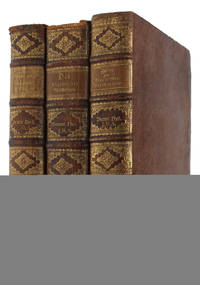
1744réf. 56102Halle Johann Justinus Gebauer. 1744-1793 4to. Bound in 65 Theil 48 in 3 volumes nice contemporary full calf with raised bands and richly gilt spines. A few volumes have some wear to upper spines. With 58 frontispices 124 engraved plates and 103 engraved folded maps. Internally nice and clean. Brunet III: p. 233 - Graesse III: 309 Both bibliographies erroneously state that the first part was printed in 1746. hardcover
1744réf. 56102Halle, Johann Justinus Gebauer. 1744-1793 4to. Bound in 65 (Theil 48 in 3 volumes) nice contemporary full calf with raised bands and richly gilt spines. A few volumes have some wear to upper spines. With 58 frontispices, 124 engraved plates, and 103 engraved folded maps. Internally nice and clean.
1805réf. 36079København ca. 1805-08. 4to. Varierende bladstørrelser. Trykflade ca. 20x15 cm. Med 59 kobberstukne og håndkolorerede dragtplancher samt 6 tillægsplancher i tusch og akvarel. Alle med dansk og tysk tekst under billedet. Indlagt i bogæske af helshirt. Af største sjældenhed. Der udkom i alt 72 blade af denne Danmarks første arbejde om vore nationaldragter men en komplet serie kendes kun i ganske få eksemplarer - kun et eksemplar forefindes i offentlige biblioteker UB mens eksemplaret i KB ikke er fuldstændigt. Titlen kendes kun fra de 12 hefteomslag som medfulgte udgivelsen de er ikke til stede her. Rieter og Senn som begge var født og uddannet i Schweitz ankom til København i 1804 de gjorde dragtstudier på Sjælland på Vesterhavsøerne og i Holsten. Serien af dragtplancher er opdelt i 2 afdelinger den første viser københavnske med Amager og sjællandske dragter mens den sidste gengiver sønderjydske Holsten og de nordfrisiske øer. Denne sidste afdeling med ialt 37 plancher foreligger her komplet og blev genudgivet 1909 af Karl Häberlin i "Volkstrachten der nordfriesischen Inseln". Rieter forlod København allerede i 1805 således måtte Senn fuldføre udgivelsen. Antageligt har Senn udført de fleste af tegningerne. De medfølgende 6 originale akvarel-plancher supplerer serien således at den omfatter ialt 65. Disse kopier fra Det 19.årh. har flg. numre hos Krohn: 1317233234 og 35.An extremely scarce series of the first Danish work on National Costumes only known in a few copies.Bibl. Danica II: 1080 incomplete - Colas: 2557 only 56 plates. - Krohn: 873-944 unknown
1916réf. 78127Paris 12 août 1916 | 6.30 x 8.60 cm | une feuille
1987réf. 671BASTEI-LÜBBE 1987-07/89. 1.-2. softcover. Inkarnation der Unsterblichkeit Die 2209822104241022411424119 BASTEI-LÜBBE paperback
1752réf. 32978-1197Zurich Heidegger and Comp. 1752. With engr. frontispiece in part 1 woodcut title-vignette repeated and 32 engravings of which 25 are foldings 1 with a over-slip including views town plans and maps by Joh. Meyer Joh. Melchior Füssli and J. G. Seiller. 4 268 pp. 4 leaves; 16 480 6 pp.; 16 336 pp. 4to. Contemp. half calf gilt lettering on spine. Engraved bookplate Joh. Kaspar Weyss owner's entry Hermann Werdmüller Elgg on inner from cover. Title-pages printed in red and black. Zurich Heidegger and Comp. 1752. The first edition was published in 1716-18. This present second edition of J. J. Scheuchzer's 1672-1733 scientific description of Switzerland is greatly enlarged and much rarer. The plates are mainly views and maps although there are also plates of geological profiles and samples scientific equipment and regional flora and fauna. From 1702 until 1711 Scheuchzer undertook yearly expeditions accompanied by friends and pupils. He was the first to systematically explore the Alps and became a pioneer in the fields of geology palaeontology and glaziology. The work offers historical details and together with Tschudi's chronicle it became one of the main sources for Schiller's "Wilhelm Tell". - A few tears in the folds of some maps and plates repaired. Otherwise a fine and clean copy. - Nissen ZBI 3655; Haller I 1047; Barth 17218. SCIENCE: GEOLOGY / MINERALOGY ; HELVETICA ; Zurich, Heidegger and Comp. unknown
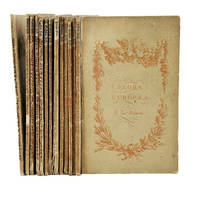
réf. 2027614 parts 8vo 205 × 125 mm. Illustrated with 112 hand-coloured copper engravings. Original printed wrappers each with an engraved title within a floral border with putti engraved by G. Vogel and printed in varying sepia tones. Minor spotting; wrappers lightly dust-soiled spines with occasional small defects. First edition extremely rare complete in its original issue with all fourteen published parts and all 112 hand-coloured engraved plates each part containing eight plates engraved by G. Vogel after drawings by Louise Römer. Johann Jacob Römer 1763–1819 the Swiss physician botanist and entomologist served from 1797 as director of the Botanical Garden in Zurich. He conceived this work as an affordable botanical publication for plant lovers unable to acquire the great and costly floras of the period. Drawing on the best available sources he intended gradually to provide descriptions and illustrations of all plants growing wild in Europe. REFERENCES: Nissen BBI 1664; Stafleu & Cowan 9404; Great Flower Books p. 133. Nuremberg, Officina Raspeana, 1797–1811 paperback