27 901 résultats
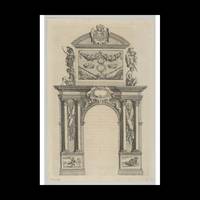
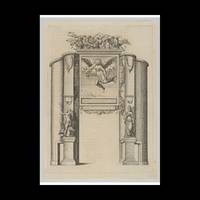
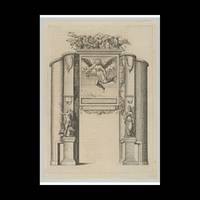
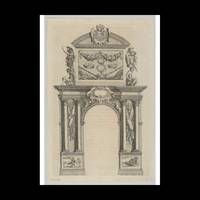
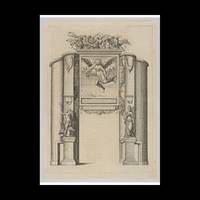
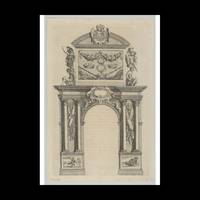
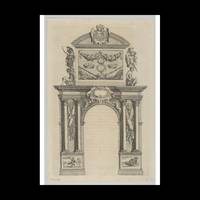
réf. 343845Contentum Ltd. Loose sheet. New. High-quality art print based on an original work from the Met. Created in the 17th century 1629. Professionally printed on premium fine-art paper Photo Rag Bright White premium quality in size A2. The artwork is printed with a white border museum-style presentation. Contentum Ltd. unknown
réf. 343843Contentum Ltd. Loose sheet. New. High-quality art print based on an original work from the Met. Created in the 17th century 1629. Professionally printed on premium fine-art paper Museum Etching museum quality in size A3. The artwork is printed with a white border museum-style presentation. Contentum Ltd. unknown
réf. 344038Contentum Ltd. Loose sheet. New. High-quality art print based on an original work from the Met. Created in the 17th century 1629. Professionally printed on premium fine-art paper Museum Etching museum quality in size A3. The artwork is printed with a white border museum-style presentation. Contentum Ltd. unknown
réf. 343781Contentum Ltd. Loose sheet. New. High-quality art print based on an original work from the Met. Created in the 17th century 1629. Professionally printed on premium fine-art paper Museum Etching museum quality in size A2. The artwork is printed with a white border museum-style presentation. Contentum Ltd. unknown
réf. 344041Contentum Ltd. Loose sheet. New. High-quality art print based on an original work from the Met. Created in the 17th century 1629. Professionally printed on premium fine-art paper Museum Etching museum quality in size A2. The artwork is printed with a white border museum-style presentation. Contentum Ltd. unknown
réf. 343844Contentum Ltd. Loose sheet. New. High-quality art print based on an original work from the Met. Created in the 17th century 1629. Professionally printed on premium fine-art paper Photo Matt Fibre in size A2. The artwork is printed with a white border museum-style presentation. Contentum Ltd. unknown
réf. 344040Contentum Ltd. Loose sheet. New. High-quality art print based on an original work from the Met. Created in the 17th century 1629. Professionally printed on premium fine-art paper Photo Rag Bright White premium quality in size A2. The artwork is printed with a white border museum-style presentation. Contentum Ltd. unknown
réf. 343779Contentum Ltd. Loose sheet. New. High-quality art print based on an original work from the Met. Created in the 17th century 1629. Professionally printed on premium fine-art paper Photo Matt Fibre in size A2. The artwork is printed with a white border museum-style presentation. Contentum Ltd. unknown
réf. 343778Contentum Ltd. Loose sheet. New. High-quality art print based on an original work from the Met. Created in the 17th century 1629. Professionally printed on premium fine-art paper Museum Etching museum quality in size A3. The artwork is printed with a white border museum-style presentation. Contentum Ltd. unknown
réf. 343846Contentum Ltd. Loose sheet. New. High-quality art print based on an original work from the Met. Created in the 17th century 1629. Professionally printed on premium fine-art paper Museum Etching museum quality in size A2. The artwork is printed with a white border museum-style presentation. Contentum Ltd. unknown
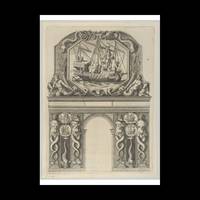
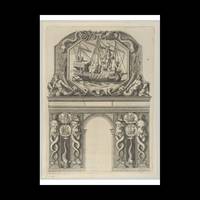
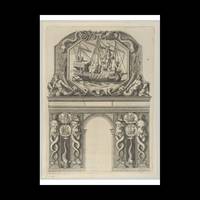
réf. 1880741Contentum Ltd. Loose sheet. New. High-quality art print based on an original work from the Rijksmuseum. Created in the 17th century 1620. Professionally printed on premium fine-art paper Photo Rag Bright White premium quality in size A2. The artwork is printed with a white border museum-style presentation. Contentum Ltd. unknown
réf. 1805252Contentum Ltd. Loose sheet. New. High-quality art print based on an original work from the Rijksmuseum. Created in the 17th century 1620. Professionally printed on premium fine-art paper Museum Etching museum quality in size A2. The artwork is printed with a white border museum-style presentation. Contentum Ltd. unknown
réf. 1805250Contentum Ltd. Loose sheet. New. High-quality art print based on an original work from the Rijksmuseum. Created in the 17th century 1620. Professionally printed on premium fine-art paper Photo Matt Fibre in size A2. The artwork is printed with a white border museum-style presentation. Contentum Ltd. unknown
réf. 1880739Contentum Ltd. Loose sheet. New. High-quality art print based on an original work from the Rijksmuseum. Created in the 17th century 1620. Professionally printed on premium fine-art paper Museum Etching museum quality in size A3. The artwork is printed with a white border museum-style presentation. Contentum Ltd. unknown
réf. 1880740Contentum Ltd. Loose sheet. New. High-quality art print based on an original work from the Rijksmuseum. Created in the 17th century 1620. Professionally printed on premium fine-art paper Photo Matt Fibre in size A2. The artwork is printed with a white border museum-style presentation. Contentum Ltd. unknown
réf. 1805249Contentum Ltd. Loose sheet. New. High-quality art print based on an original work from the Rijksmuseum. Created in the 17th century 1620. Professionally printed on premium fine-art paper Museum Etching museum quality in size A3. The artwork is printed with a white border museum-style presentation. Contentum Ltd. unknown
réf. 1880742Contentum Ltd. Loose sheet. New. High-quality art print based on an original work from the Rijksmuseum. Created in the 17th century 1620. Professionally printed on premium fine-art paper Museum Etching museum quality in size A2. The artwork is printed with a white border museum-style presentation. Contentum Ltd. unknown
réf. 1805251Contentum Ltd. Loose sheet. New. High-quality art print based on an original work from the Rijksmuseum. Created in the 17th century 1620. Professionally printed on premium fine-art paper Photo Rag Bright White premium quality in size A2. The artwork is printed with a white border museum-style presentation. Contentum Ltd. unknown
réf. 44647989like new. unknown
réf. 1387831178.Gpaperback. Good. Access codes and supplements are not guaranteed with used items. May be an ex-library book. paperback
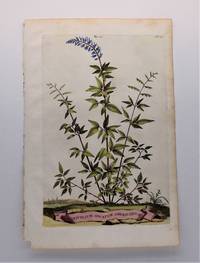
1702réf. W1935Amsterdam: Lugduni Batavorum 1702. Original hand-colored engraving on hand-made laid paper. Size: 15" X 9 5/8". Plate #220 from Phytographia Curiosa by the Dutch botanist and botanical artist Abraham Munting 1626-1683 published in Amsterdam and Leyden in 1702 and referenced on page 123 of Sitwell's Great Flower Books. The plates were drawn by Munting and engraved by Jan Baptist; coloring was added later. This engraving like the other plates in the monumental and scarce work portrays the plant larger than life with an almost whimsical title ribbon. The print is in very good condition with some browning limited to the blank margins. First Edition. Single Sheet. Very Good. Illus. by Abraham Munting and Jan Baptist. Folio - over 12" - 15" tall. Fine Art Print. Lugduni Batavorum
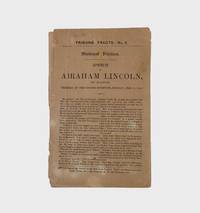
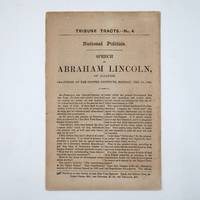
1860réf. 376855New York: Office of the New York Tribune 1860. First edition Monaghan's first issue. 1 2-15 1pp. With New York Tribune ads and subscription terms on verso of the terminal leaf. 8vo. Stitched self-wrappers toning. First edition Monaghan's first issue. 1 2-15 1pp. With New York Tribune ads and subscription terms on verso of the terminal leaf. 8vo. This address made at the Cooper Institute in New York on February 27 1860 catapulted Lincoln into the public eye and made him a viable presidential candidate. Indeed many historians have considered it the key to his success in the 1860 election and it is probably the most important speech Lincoln made after the Gettysburg Address and his inaugural addresses. The Cooper Union address was months in preparation; Lincoln was fully aware of its importance in moving himself from a regional favorite son to a viable national candidate. In the event some 1500 people including many prominent political figures attended on a snowy new York evening. The speech divides into three major parts. In the first Lincoln addressed the spread of slavery arguing that the framers of the constitution had been opposed to it and that the Federal government could regulate the question. In the second he argued that the Republicans were not a sectional Northern party and attacked the threats of southern Democrats to secede if the Republicans should win the election. Finally he addressed his fellow Republicans calling on them to act carefully and do "nothing through passion and ill temper.Let us have faith that right makes might and in that faith let us to the end dare to do our duty as we understand it." The Cooper Union speech was a resounding success. Horace Greeley described it as "one of the happiest and most convincing political arguments ever made in this City. No man ever made such an impression on his first appeal to a New York audience." Greeley quickly issued the speech in the form of this "Tribune Tract." It includes a final page of advertisements for other Tribune publications. The speech was later widely reprinted and made Lincoln nationally famous. This printing differs from other editions by its inclusion of a speech by James Doolittle Senator from Wisconsin and the message of Samuel Medary Democratic governor of the Kansas Territory vetoing the Kansas abolition bill. "The Cooper Union address tested whether Lincoln's appeal could extend from the podium to the page and from the rollicking campaigns of the rural West to the urban East. Cooper Union held the promise of transforming Lincoln from a regional phenomenon to a national figure. Lincoln knew it and rose to the occasion" Harold Holzer Lincoln at the Copper Union: The Speech That Made Abraham Lincoln President. Monaghan 50 Office of the New York Tribune unknown books
1860réf. 367583New York: Office of the New York Tribune 1860. First edition Monaghan's first issue. 1 2-15 1pp. Lincoln's speech comprises pages 1-11 out of a total of 16 pages. With New York Tribune ads and subscription terms on rear wrapper. 8vo. Stitched self-wrappers minor toning minor chip to terminal leaf. First edition Monaghan's first issue. 1 2-15 1pp. Lincoln's speech comprises pages 1-11 out of a total of 16 pages. With New York Tribune ads and subscription terms on rear wrapper. 8vo. This address made at the Cooper Institute in New York on February 27 1860 catapulted Lincoln into the public eye and made him a viable presidential candidate. Indeed many historians have considered it the key to his success in the 1860 election and it is probably the most important speech Lincoln made after the Gettysburg Address and his inaugural addresses. The Cooper Union address was months in preparation; Lincoln was fully aware of its importance in moving himself from a regional favorite son to a viable national candidate. In the event some 1500 people including many prominent political figures attended on a snowy new York evening. The speech divides into three major parts. In the first Lincoln addressed the spread of slavery arguing that the framers of the constitution had been opposed to it and that the Federal government could regulate the question. In the second he argued that the Republicans were not a sectional Northern party and attacked the threats of southern Democrats to secede if the Republicans should win the election. Finally he addressed his fellow Republicans calling on them to act carefully and do "nothing through passion and ill temper.Let us have faith that right makes might and in that faith let us to the end dare to do our duty as we understand it." The Cooper Union speech was a resounding success. Horace Greeley described it as "one of the happiest and most convincing political arguments ever made in this City. No man ever made such an impression on his first appeal to a New York audience." Greeley quickly issued the speech in the form of this "Tribune Tract." It includes a final page of advertisements for other Tribune publications. The speech was later widely reprinted and made Lincoln nationally famous. This printing differs from other editions by its inclusion of a speech by James Doolittle Senator from Wisconsin and the message of Samuel Medary Democratic governor of the Kansas Territory vetoing the Kansas abolition bill. "The Cooper Union address tested whether Lincoln's appeal could extend from the podium to the page and from the rollicking campaigns of the rural West to the urban East. Cooper Union held the promise of transforming Lincoln from a regional phenomenon to a national figure. Lincoln knew it and rose to the occasion" Harold Holzer Lincoln at the Copper Union: The Speech That Made Abraham Lincoln President. Monaghan 50 Office of the New York Tribune unknown books
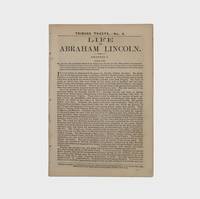
1860réf. 377692New York: Horace Greeley & Co 1860. 32pp. 8vo. Disbound. 32pp. 8vo. An early campaign biography of future president Abraham Lincoln written by John Locke Scripps of the New York Tribune. Scripps reports on the life of Abraham Lincoln in eight chapters touching on the major events of his life and career beginning with his early life and his move to Illinois through his transition from merchant to lawyer and legislator and covering his time in Congress with accounts of Lincoln's opposition to the Mexican-American War his support of the Wilmot Proviso and his involvement with the organization of the Republican Party. Wessen states that this edition was printed by Horace Greeley "from plates cast from the same type forms" as the 1860 Chicago edition which is considered the first published biography of Lincoln. An advertisement for the Tribune and the Tribune Almanac fills the bottom two thirds of the last page. "Most authentic of Lincoln campaign biographies" - Howes. Howes S247a "aa"; Managhan 79 note; Wessen Campaign Lifes of Abraham Lincoln 12 ref; Miles 418a; Abraham Lincoln: His Life in Print p. 85 Horace Greeley & Co unknown books
1860réf. 377692New York: Horace Greeley & Co 1860. 32pp. 8vo. Disbound. 32pp. 8vo. An early campaign biography of future president Abraham Lincoln written by John Locke Scripps of the New York Tribune. Scripps reports on the life of Abraham Lincoln in eight chapters touching on the major events of his life and career beginning with his early life and his move to Illinois through his transition from merchant to lawyer and legislator and covering his time in Congress with accounts of Lincoln's opposition to the Mexican-American War his support of the Wilmot Proviso and his involvement with the organization of the Republican Party. Wessen states that this edition was printed by Horace Greeley "from plates cast from the same type forms" as the 1860 Chicago edition which is considered the first published biography of Lincoln. An advertisement for the Tribune and the Tribune Almanac fills the bottom two thirds of the last page. "Most authentic of Lincoln campaign biographies" - Howes. Howes S247a "aa"; Managhan 79 note; Wessen Campaign Lifes of Abraham Lincoln 12 ref; Miles 418a; Abraham Lincoln: His Life in Print p. 85 Horace Greeley & Co unknown