Webster, NoahABAA

5,698 results
1807ref. 60047New Haven: Brisban & Brannan 1807. First edition 12mo pp. 250 original full calf gilt-paneled spine; light dampstaining to the upper gutter; all else very good and sound. Of this small grammar Webster wrote in an 1805 letter to the American publisher Mathew Carey: "I am compiling a Grammar upon what appear to be the true idioms & fundamental principles of the Language--which I hope to have ready for the press within a year." Webster's goal was to lay out the principles of American English based on its own structure thereby discarding previous grammatical systems which served British English. In it he has developed "the real structure and idiom of our language. I have left Lowth and Johnson and mounted to the original writers as far back as the first Saxon laws and annals. The result is that many of the principles of grammar as taught in Lowth formerly and now in Murray whose book is nothing but Lowth's altered and enlarged prove to be totally false; and I affirm that those grammars now taught introduce more errors than they correct" letter from Webster to Joel Barlow Nov. 12 1807. Although this title was not as successful as his series of spellers and readers Webster considered it one of his two most important works. Twenty years later in a letter to Lemuel Shattuck Nov. 18 1829 Webster writes: "My Philosophical and Practical Grammar was first published in 1807 and a second edition in 1822. This work has been but little used; but except for my quarto dictionary I consider it as altogether the most valuable work I have ever published." Skeel 433; Sabin 102375; American Imprints 14192. Brisban & Brannan unknown books
ref. Z1-K-036-01638Comparative Education Research Centre Hong Kong University. Used - Good. Ships from UK in 48 hours or less usually same day. Your purchase helps support Sri Lankan Children's Charity 'The Rainbow Centre'. Ex-library so some stamps and wear but in good overall condition. 100% money back guarantee. We are a world class secondhand bookstore based in Hertfordshire United Kingdom and specialize in high quality textbooks across an enormous variety of subjects. We aim to provide a vast range of textbooks rare and collectible books at a great price. Our donations to The Rainbow Centre have helped provide an education and a safe haven to hundreds of children who live in appalling conditions. We provide a 100% money back guarantee and are dedicated to providing our customers with the highest standards of service in the bookselling industry. Comparative Education Research Centre, Hong Kong University unknown
ref. Z1-B-036-02051Chandos Publishing. Used - Good. Ships from UK in 48 hours or less usually same day. Your purchase helps support Sri Lankan Children's Charity 'The Rainbow Centre'. Ex-library so some stamps and wear but in good overall condition. 100% money back guarantee. We are a world class secondhand bookstore based in Hertfordshire United Kingdom and specialize in high quality textbooks across an enormous variety of subjects. We aim to provide a vast range of textbooks rare and collectible books at a great price. Our donations to The Rainbow Centre have helped provide an education and a safe haven to hundreds of children who live in appalling conditions. We provide a 100% money back guarantee and are dedicated to providing our customers with the highest standards of service in the bookselling industry. Chandos Publishing unknown
2011ref. SONG0077477634Brand: McGraw-Hill/Irwin 2011-03-04. 4. paperback. Used: Good. 7.00x0.90x9.00. Buy with confidence. Excellent Customer Service & Return policy. Brand: McGraw-Hill/Irwin paperback
1970ref. 5004536NY: Johnson Reprint Corp. 1970. Bound in gold cloth stamped in red in matching dust jackets. A tight clean "as new" two volume set of this rare facsimile reprint of Webster's master work. Unpaginated -- but two massive volumes. Downright rare -- only 1 copy on OCLC. Introduction by Mario A. Pei. First Thus. Hard Cover. Fine/Fine. 4to - over 9¾" - 12" tall. Johnson Reprint Corp. Hardcover
1970ref. 5004536NY: Johnson Reprint Corp. 1970. Bound in gold cloth stamped in red in matching dust jackets. A tight clean "as new" two volume set of this rare facsimile reprint of Webster's master work. Unpaginated -- but two massive volumes. Downright rare -- only 1 copy on OCLC. Introduction by Mario A. Pei. First Thus. Hard Cover. Fine/Fine. 4to - over 9¾" - 12" tall. Johnson Reprint Corp. Hardcover books
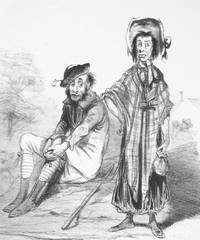
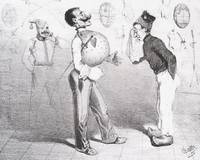
ref. 06867Paris: Chez Aubert & Cie. 1851. The French Take on the British. Fifteen Hilarious Lithographs Caricaturing British Life and Manners CHAM pseudonym of Charles Amédée de Noé. Mœurs Britanniques. Paris: Chez Aubert & Cie. n.d. ca. 1850. First edition. Large folio 13 1/4 x 10 inches; 336 x 252 mm. Lithographed pictorial title and fifteen numbered lithographed plates each with printed caption below. Publisher's original cream-colored glazed lithographed boards upper cover reproducing the pictorial title design. A remarkably fine clean and fresh copy. A wonderfully entertaining series of fifteen caricatures devoted entirely to the peculiarities of the British as observed from across the Channel by one of nineteenth-century France's most popular comic artists. Cham turns his irreverent eye upon an extraordinary cross-section of British life and manners: marriage Quakers army recruiting museums philanthropy prize-fighting Scottish dress the national costume incomprehensible English conversation the stocks turnpikes Chelsea pensioners and finally Smithfield Market. The splendid pictorial title sets the tone for the album. The British lion sits beside the Union Jack with a diminutive figure perched upon its mane while immediately before it lies a tied bundle prominently marked "IRLANDE" - a pointed visual joke upon Anglo-Irish relations that would have been immediately recognizable to Cham's contemporary French audience. The individual plates continue the sustained Anglo-French satire. In Un Costume National an elegantly dressed English gentleman encounters a ragged Irishman and asks whether he comes from a hot country to which the latter replies "Non monsieur je suis Irlandais." Baragouin Britannique makes comic capital of the Frenchman's traditional bewilderment at the English language while Les Hauts Grades lampoons the spectacular proportions of British military headgear. Elsewhere Cham takes aim at Quakers army recruiting the English enthusiasm for boxing Scottish national dress philanthropy public punishment toll roads Chelsea pensioners and the notorious livestock market at Smithfield. Taken together the fifteen scenes form a delightful visual survey of British national character institutions dress and customs as perceived through decidedly French eyes. CHAM pseudonym of Charles Amédée de Noé 1818-1879 was one of the most prolific and popular French caricaturists of the nineteenth century. He published his first book Monsieur Lajaunisse in 1839 and from 1843 contributed regularly to Le Charivari producing thousands of drawings and lithographs satirizing contemporary politics society manners and everyday life. Of Cham Ray notes that several artists "followed in the wake of Daumier and Gavarni. Among the most attractive of the former is Amédée de Noé known as Cham that is Ham the son of Noah.it was said that he had 'an idea a day' for Le charivari. A good proportion of his thousands of lithographs were gathered into albums. His contributions to the Album du siège 173 in which Daumier was his collaborator are typical of his work" Ray pp. 155-156. Published by Aubert the celebrated Parisian house closely associated with the golden age of French caricature and with such artists as Daumier Gavarni and Grandville Mœurs Britanniques is especially appealing for its sustained concentration upon Britain. Rather than merely including occasional English subjects among a broader collection of social satires Cham devotes the entire album to British manners and national stereotypes. Copies were also produced with the plates colored by hand; Bobins records a colored copy III 842. The present copy is the uncolored issue the lithographs displaying the strength and subtlety of Cham's original draughtsmanship to particularly good effect. The Plates: Une femme bien attachée. Le Quaker. Le Recruteur. Visite au Musée. Mariage d'inclination. Les Hauts grades. Philanthropie. Bien entendue. Les Boxeurs. L'Écossais. Un Costume national. Baragouin Britannique. In the Stocks. Le Péage du turn-pike. L'Invalide de Chelsea. Smithfield Market. A remarkably fine and fresh copy of Cham's delightful visual satire on Britain and the British-fifteen wonderfully observed caricatures ranging from Quakers prize-fighters and Highlanders to Irishmen Chelsea pensioners and the inhabitants of Smithfield Market preserved in the striking original glazed pictorial boards. Ray The Art of the French Illustrated Book 1700 to 1914 pp. 155-156. Bobins III 842 colored copy. Paris: Chez Aubert & Cie., 1851 unknown
ref. 04607Paris: Mon. Martinet 1860. The Trial of Jean Bidoux in his Military Career CHAM Pseudonym of Charles Amédée de Noé. Les Tâtonnements de Jean Bidoux dans la Carrière Militaire. The trials of Jean Bidoux in his Military Career. Par Cham. Paris: Mon. Martinet 1860. First edition. Large quarto 13 1/4 x 9 7/8 inches; 336 x 250 mm. Pictorial lithograph title-page and eighteen lithograph plates with sixty-five amusing images. Publisher's quarter red roan over blind stamped red cloth front cover decoratively titled in gilt. Small stain to top margin of last plate otherwise a fine copy. Paris: Mon. Martinet, 1860 unknown
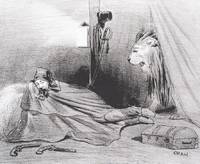
ref. 06849Paris: Chez Aubert & Cie. 1845. All is Fair in Love and War" Cham's Complete Satirical Album of the French Army in Algeria - Thirty-One Lithographed Plates CHAM pseudonym of Charles Amédée de Noé. À la guerre comme à la guerre. Par Cham. Paris: Chez Aubert & Cie. n.d. 1846. First edition. Oblong folio 10 1/8 x 12 3/4 inches; 254 x 324 mm. Pictorial lithographed title-page and thirty numbered lithographed plates each with printed caption beneath presenting Cham's wonderfully comic and frequently irreverent view of the experiences and misadventures of the French army in Algeria. Publisher's original pictorial green boards front cover reproducing the design of the lithographed title-page rear cover plain. Minimal rubbing and wear to spine ends and extremities; internally remarkably clean and fresh. An exceptional survival in the original publisher's pictorial boards. Near fine. A complete suite of Cham's celebrated caricatures of the French military campaign in Algeria comprising the pictorial title and all thirty numbered plates. The title À la guerre comme à la guerre is a proverbial French expression - literally "in war as in war" - conveying the idea that in difficult circumstances one must make do with whatever is available: essentially "you have to take things as they come." It provides the perfect framework for Cham's comic assault upon the romantic conception of military life. Rather than heroic battle scenes and martial glory Cham gives us the decidedly less glamorous realities of campaigning in North Africa: exhausting marches hunger and thirst unruly Arab horses uncomfortable nights beneath canvas troublesome provisions razzias encounters with wild animals and the innumerable indignities suffered by the ordinary soldier. Officers and enlisted men alike are subjected to Cham's irreverent eye the hardships of colonial campaigning becoming the raw material for a sustained sequence of visual jokes. The album relates specifically to the French conquest of Algeria begun in 1830 and still very much an active military enterprise when these lithographs appeared. By the mid-1840s the French army was engaged in the final stages of its long struggle against the forces of Abd el-Kader. Cham transforms this serious contemporary subject into an extended comic narrative of military discomfort confusion and misadventure. CHAM pseudonym of Charles Amédée de Noé 1818-1879. One of the most prolific French caricaturists of the nineteenth century Cham belonged to the generation that followed Daumier and Gavarni and became particularly associated with Le Charivari. His extraordinary productivity - he was said to have had "an idea a day" - resulted in thousands of drawings and lithographs many subsequently gathered into albums such as the present work. "It is to be regretted that space will not serve to represent the caricaturists and depictors of manners who followed in the wake of Daumier and Gavarni. Among the most attractive of the former is Amédée de Noé known as Cham that is Ham the son of Noah of whom it was said that he had 'an idea a day' for Le charivari. A good proportion of his thousands of lithographs were gathered into albums. His contributions to the Album du siège in which Daumier was his collaborator are typical of his work" Ray The Art of the French Illustrated Book pp. 155-156. The Plates: Pictorial lithographed title-page. Ça ne vaut pas l'eau filtrée!!. Au diable les chevaux arabes! Quelle chance!! Pour faire un bon pot-au-feu. V'là soixante lieues d'avalées! Ces gueux d'arabes. Dites donc caporal. Une visite sous la tente. Encore quinze lieues à faire. Une razzia. C'est fort drôle conscrit!. Un héritage flambé. Allons bon!. Gueux de sauvages! Y a des gens qui ont du bonheur! Il est bon d'avoir des amis. C'est une flêche empoisonnée. En toute chose il ne faut jamais considérer la faim. Qué beau pays!!! Est-ce que tu attends l'omnibus. Pauvres camarades! Cristi! V'la mon paletot qui se déchire! Y a pas de bon sens! Cher papa et chère maman. Mon Général. C'est un coup superbe! Un petit homme à grandes passions. Marche de nuit. Un réveil désagréable. L'appétit est le meilleur cuisinier. A remarkably fresh example of one of Cham's most entertaining lithographic albums complete with all thirty plates and retaining the particularly desirable original pictorial boards. Paris: Chez Aubert & Cie., 1845 unknown
ref. 04607Paris: Mon. Martinet 1860. The Trial of Jean Bidoux in his Military Career CHAM Pseudonym of Charles Amédée de Noé. Les Tâtonnements de Jean Bidoux dans la Carrière Militaire. The trials of Jean Bidoux in his Military Career. Par Cham. Paris: Mon. Martinet 1860. First edition. Large quarto 13 1/4 x 9 7/8 inches; 336 x 250 mm. Pictorial lithograph title-page and eighteen lithograph plates with sixty-five amusing images. Publisher's quarter red roan over blind stamped red cloth front cover decoratively titled in gilt. Small stain to top margin of last plate otherwise a fine copy. Paris: Mon. Martinet, 1860 unknown books
ref. 06849Paris: Chez Aubert & Cie. 1845. All is Fair in Love and War" Cham's Complete Satirical Album of the French Army in Algeria - Thirty-One Lithographed Plates CHAM pseudonym of Charles Amédée de Noé. À la guerre comme à la guerre. Par Cham. Paris: Chez Aubert & Cie. n.d. 1846. First edition. Oblong folio 10 1/8 x 12 3/4 inches; 254 x 324 mm. Pictorial lithographed title-page and thirty numbered lithographed plates each with printed caption beneath presenting Cham's wonderfully comic and frequently irreverent view of the experiences and misadventures of the French army in Algeria. Publisher's original pictorial green boards front cover reproducing the design of the lithographed title-page rear cover plain. Minimal rubbing and wear to spine ends and extremities; internally remarkably clean and fresh. An exceptional survival in the original publisher's pictorial boards. Near fine. A complete suite of Cham's celebrated caricatures of the French military campaign in Algeria comprising the pictorial title and all thirty numbered plates. The title À la guerre comme à la guerre is a proverbial French expression - literally "in war as in war" - conveying the idea that in difficult circumstances one must make do with whatever is available: essentially "you have to take things as they come." It provides the perfect framework for Cham's comic assault upon the romantic conception of military life. Rather than heroic battle scenes and martial glory Cham gives us the decidedly less glamorous realities of campaigning in North Africa: exhausting marches hunger and thirst unruly Arab horses uncomfortable nights beneath canvas troublesome provisions razzias encounters with wild animals and the innumerable indignities suffered by the ordinary soldier. Officers and enlisted men alike are subjected to Cham's irreverent eye the hardships of colonial campaigning becoming the raw material for a sustained sequence of visual jokes. The album relates specifically to the French conquest of Algeria begun in 1830 and still very much an active military enterprise when these lithographs appeared. By the mid-1840s the French army was engaged in the final stages of its long struggle against the forces of Abd el-Kader. Cham transforms this serious contemporary subject into an extended comic narrative of military discomfort confusion and misadventure. CHAM pseudonym of Charles Amédée de Noé 1818-1879. One of the most prolific French caricaturists of the nineteenth century Cham belonged to the generation that followed Daumier and Gavarni and became particularly associated with Le Charivari. His extraordinary productivity - he was said to have had "an idea a day" - resulted in thousands of drawings and lithographs many subsequently gathered into albums such as the present work. "It is to be regretted that space will not serve to represent the caricaturists and depictors of manners who followed in the wake of Daumier and Gavarni. Among the most attractive of the former is Amédée de Noé known as Cham that is Ham the son of Noah of whom it was said that he had 'an idea a day' for Le charivari. A good proportion of his thousands of lithographs were gathered into albums. His contributions to the Album du siège in which Daumier was his collaborator are typical of his work" Ray The Art of the French Illustrated Book pp. 155-156. The Plates: Pictorial lithographed title-page. Ça ne vaut pas l'eau filtrée!!. Au diable les chevaux arabes! Quelle chance!! Pour faire un bon pot-au-feu. V'là soixante lieues d'avalées! Ces gueux d'arabes. Dites donc caporal. Une visite sous la tente. Encore quinze lieues à faire. Une razzia. C'est fort drôle conscrit!. Un héritage flambé. Allons bon!. Gueux de sauvages! Y a des gens qui ont du bonheur! Il est bon d'avoir des amis. C'est une flêche empoisonnée. En toute chose il ne faut jamais considérer la faim. Qué beau pays!!! Est-ce que tu attends l'omnibus. Pauvres camarades! Cristi! V'la mon paletot qui se déchire! Y a pas de bon sens! Cher papa et chère maman. Mon Général. C'est un coup superbe! Un petit homme à grandes passions. Marche de nuit. Un réveil désagréable. L'appétit est le meilleur cuisinier. A remarkably fresh example of one of Cham's most entertaining lithographic albums complete with all thirty plates and retaining the particularly desirable original pictorial boards. Paris: Chez Aubert & Cie., 1845 unknown books
ref. 06867Paris: Chez Aubert & Cie. 1851. The French Take on the British. Fifteen Hilarious Lithographs Caricaturing British Life and Manners CHAM pseudonym of Charles Amédée de Noé. Mœurs Britanniques. Paris: Chez Aubert & Cie. n.d. ca. 1850. First edition. Large folio 13 1/4 x 10 inches; 336 x 252 mm. Lithographed pictorial title and fifteen numbered lithographed plates each with printed caption below. Publisher's original cream-colored glazed lithographed boards upper cover reproducing the pictorial title design. A remarkably fine clean and fresh copy. A wonderfully entertaining series of fifteen caricatures devoted entirely to the peculiarities of the British as observed from across the Channel by one of nineteenth-century France's most popular comic artists. Cham turns his irreverent eye upon an extraordinary cross-section of British life and manners: marriage Quakers army recruiting museums philanthropy prize-fighting Scottish dress the national costume incomprehensible English conversation the stocks turnpikes Chelsea pensioners and finally Smithfield Market. The splendid pictorial title sets the tone for the album. The British lion sits beside the Union Jack with a diminutive figure perched upon its mane while immediately before it lies a tied bundle prominently marked "IRLANDE" - a pointed visual joke upon Anglo-Irish relations that would have been immediately recognizable to Cham's contemporary French audience. The individual plates continue the sustained Anglo-French satire. In Un Costume National an elegantly dressed English gentleman encounters a ragged Irishman and asks whether he comes from a hot country to which the latter replies "Non monsieur je suis Irlandais." Baragouin Britannique makes comic capital of the Frenchman's traditional bewilderment at the English language while Les Hauts Grades lampoons the spectacular proportions of British military headgear. Elsewhere Cham takes aim at Quakers army recruiting the English enthusiasm for boxing Scottish national dress philanthropy public punishment toll roads Chelsea pensioners and the notorious livestock market at Smithfield. Taken together the fifteen scenes form a delightful visual survey of British national character institutions dress and customs as perceived through decidedly French eyes. CHAM pseudonym of Charles Amédée de Noé 1818-1879 was one of the most prolific and popular French caricaturists of the nineteenth century. He published his first book Monsieur Lajaunisse in 1839 and from 1843 contributed regularly to Le Charivari producing thousands of drawings and lithographs satirizing contemporary politics society manners and everyday life. Of Cham Ray notes that several artists "followed in the wake of Daumier and Gavarni. Among the most attractive of the former is Amédée de Noé known as Cham that is Ham the son of Noah.it was said that he had 'an idea a day' for Le charivari. A good proportion of his thousands of lithographs were gathered into albums. His contributions to the Album du siège 173 in which Daumier was his collaborator are typical of his work" Ray pp. 155-156. Published by Aubert the celebrated Parisian house closely associated with the golden age of French caricature and with such artists as Daumier Gavarni and Grandville Mœurs Britanniques is especially appealing for its sustained concentration upon Britain. Rather than merely including occasional English subjects among a broader collection of social satires Cham devotes the entire album to British manners and national stereotypes. Copies were also produced with the plates colored by hand; Bobins records a colored copy III 842. The present copy is the uncolored issue the lithographs displaying the strength and subtlety of Cham's original draughtsmanship to particularly good effect. The Plates: Une femme bien attachée. Le Quaker. Le Recruteur. Visite au Musée. Mariage d'inclination. Les Hauts grades. Philanthropie. Bien entendue. Les Boxeurs. L'Écossais. Un Costume national. Baragouin Britannique. In the Stocks. Le Péage du turn-pike. L'Invalide de Chelsea. Smithfield Market. A remarkably fine and fresh copy of Cham's delightful visual satire on Britain and the British-fifteen wonderfully observed caricatures ranging from Quakers prize-fighters and Highlanders to Irishmen Chelsea pensioners and the inhabitants of Smithfield Market preserved in the striking original glazed pictorial boards. Ray The Art of the French Illustrated Book 1700 to 1914 pp. 155-156. Bobins III 842 colored copy. Paris: Chez Aubert & Cie., 1851 unknown books
ref. 06847Paris: Chez Aubert 1850. Thirty Hilarious Lithographs of French Garrison Life by Cham A Remarkably Fresh Copy in the Original Pictorial Boards CHAM illustrator pseud. of Charles Amédée de Noé. Souvenirs de Garnison et des plaisirs attachés à la chose. Paris: Chez Aubert n.d. ca. 1850. First edition. Large oblong quarto 10 x 12 7/8 inches; 254 x 327 mm. Pictorial lithographed title and thirty fine comical lithographed plates each with printed caption below. Publisher's original green paper-covered boards front cover with a large lithographed pictorial design printed in black and red reproducing the title-page composition. Slight wear to lower two inches of front joint and a little minor rubbing and wear to extremities; internally remarkably clean and fresh. An exceptional survival near fine. A wonderfully entertaining album of military caricatures by Cham Charles Amédée de Noé 1818-1879 one of the most prolific and popular French caricaturists of the nineteenth century. The thirty lithographs mercilessly lampoon the pleasures - and considerably more numerous discomforts - of French garrison life. Officers and soldiers appear on parade at inspections and military exercises enduring the boredom of provincial postings and finding various means of amusing themselves when relieved of their duties. Cham's captions provide the punch lines while his wonderfully economical draughtsmanship captures the absurdities of military hierarchy discipline uniforms and social pretension. Among the scenes are a soldier presenting an enormous bearskin to an officer; another dejectedly reflecting upon the seven years and seven months remaining before his discharge; and a wonderfully energetic cavalry inspection in which a mounted officer hurtles past his superior while declaring that he has difficulty following the commander's advice to remain firmly seated in the saddle. Born Charles Amédée de Noé Cham adopted his celebrated pseudonym as a contraction of his Christian name and a playful allusion to the biblical Ham Cham in French. After studying under Nicolas-Toussaint Charlet and Paul Delaroche he abandoned painting for caricature and became one of the defining comic draughtsmen of nineteenth-century France. His long association with Le Charivari placed him in the company of Honoré Daumier with whom he shared an extraordinary ability to expose the absurdities of contemporary French life. The present album belongs to the great flowering of French lithographic caricature in the decades following the July Monarchy. Published by Aubert the Parisian house intimately associated with La Caricature and Le Charivari and with such artists as Daumier Grandville and Gavarni these albums were essentially deluxe gatherings of topical visual humor intended for a contemporary audience. Their ephemeral nature and large oblong format made them particularly vulnerable to wear handling and disbinding. Copies retaining their original pictorial boards and with the lithographs as clean and fresh as those in the present example are consequently especially desirable. A superb example of Cham's wonderfully irreverent military satire - thirty comic lithographs of the trials tribulations and dubious "pleasures" of French garrison life preserved in unusually fresh condition in the striking original pictorial boards. Paris: Chez Aubert, 1850 unknown
ref. 06847Paris: Chez Aubert 1850. Thirty Hilarious Lithographs of French Garrison Life by Cham A Remarkably Fresh Copy in the Original Pictorial Boards CHAM illustrator pseud. of Charles Amédée de Noé. Souvenirs de Garnison et des plaisirs attachés à la chose. Paris: Chez Aubert n.d. ca. 1850. First edition. Large oblong quarto 10 x 12 7/8 inches; 254 x 327 mm. Pictorial lithographed title and thirty fine comical lithographed plates each with printed caption below. Publisher's original green paper-covered boards front cover with a large lithographed pictorial design printed in black and red reproducing the title-page composition. Slight wear to lower two inches of front joint and a little minor rubbing and wear to extremities; internally remarkably clean and fresh. An exceptional survival near fine. A wonderfully entertaining album of military caricatures by Cham Charles Amédée de Noé 1818-1879 one of the most prolific and popular French caricaturists of the nineteenth century. The thirty lithographs mercilessly lampoon the pleasures - and considerably more numerous discomforts - of French garrison life. Officers and soldiers appear on parade at inspections and military exercises enduring the boredom of provincial postings and finding various means of amusing themselves when relieved of their duties. Cham's captions provide the punch lines while his wonderfully economical draughtsmanship captures the absurdities of military hierarchy discipline uniforms and social pretension. Among the scenes are a soldier presenting an enormous bearskin to an officer; another dejectedly reflecting upon the seven years and seven months remaining before his discharge; and a wonderfully energetic cavalry inspection in which a mounted officer hurtles past his superior while declaring that he has difficulty following the commander's advice to remain firmly seated in the saddle. Born Charles Amédée de Noé Cham adopted his celebrated pseudonym as a contraction of his Christian name and a playful allusion to the biblical Ham Cham in French. After studying under Nicolas-Toussaint Charlet and Paul Delaroche he abandoned painting for caricature and became one of the defining comic draughtsmen of nineteenth-century France. His long association with Le Charivari placed him in the company of Honoré Daumier with whom he shared an extraordinary ability to expose the absurdities of contemporary French life. The present album belongs to the great flowering of French lithographic caricature in the decades following the July Monarchy. Published by Aubert the Parisian house intimately associated with La Caricature and Le Charivari and with such artists as Daumier Grandville and Gavarni these albums were essentially deluxe gatherings of topical visual humor intended for a contemporary audience. Their ephemeral nature and large oblong format made them particularly vulnerable to wear handling and disbinding. Copies retaining their original pictorial boards and with the lithographs as clean and fresh as those in the present example are consequently especially desirable. A superb example of Cham's wonderfully irreverent military satire - thirty comic lithographs of the trials tribulations and dubious "pleasures" of French garrison life preserved in unusually fresh condition in the striking original pictorial boards. Paris: Chez Aubert, 1850 unknown books
1868ref. 623307Albion New York: The Orleans American 1868. Unbound. Very Good. Large broadside extra. Measuring 23" x 27½". Text in nine columns printed recto only. Old folds a few tiny pinholes at the folds and tiny edge tears a bit of foxing a nice very good or better example. The final 1¼ columns filled with news stories mostly political and the poem "The Bride's Dream" by J. E. Carpenter reprinted from Bentley's Magazine. Noah Davis 1818-1902 a Republican was running for Congress to represent New York's 28th District to replace Lewis Sulye who was not running for reelection. Davis' speech addresses the negative effects of the Democratic Party on the Reconstruction Acts and takes to task the Democratic nominee for President Horatio Seymour who was opposing Ulysses S. Grant in the 1868 election. Davis was elected to Congress in 1868 and served until July 1870 when Grant appointed him U.S. District Attorney for Southern New York. He later served as a justice on the New York Supreme Court presiding over the trials of William H. "Boss" Tweed sentencing him to 12 years for embezzlement and interfering with municipal elections cf. DAB. The Orleans American was a weekly published in Albion New York from 1832 to 1943 the final 33 years under the title Orleans American and Weekly News. A large handsome Reconstruction-era New York political broadside. Seemingly not recorded separately by OCLC. The Orleans American unknown
1868ref. 623307Albion New York: The Orleans American 1868. Unbound. Very Good. Large broadside extra. Measuring 23" x 27½". Text in nine columns printed recto only. Old folds a few tiny pinholes at the folds and tiny edge tears a bit of foxing a nice very good or better example. The final 1¼ columns filled with news stories mostly political and the poem "The Bride's Dream" by J. E. Carpenter reprinted from Bentley's Magazine. Noah Davis 1818-1902 a Republican was running for Congress to represent New York's 28th District to replace Lewis Sulye who was not running for reelection. Davis' speech addresses the negative effects of the Democratic Party on the Reconstruction Acts and takes to task the Democratic nominee for President Horatio Seymour who was opposing Ulysses S. Grant in the 1868 election. Davis was elected to Congress in 1868 and served until July 1870 when Grant appointed him U.S. District Attorney for Southern New York. He later served as a justice on the New York Supreme Court presiding over the trials of William H. "Boss" Tweed sentencing him to 12 years for embezzlement and interfering with municipal elections cf. DAB. The Orleans American was a weekly published in Albion New York from 1832 to 1943 the final 33 years under the title Orleans American and Weekly News. A large handsome Reconstruction-era New York political broadside. Seemingly not recorded separately by OCLC. The Orleans American unknown books
1969ref. HVD-42654-A-0Bloomington IN: Indiana University Press. Good with no dust jacket. 1969. 1st Edition Unstated. Hardcover. 170 pages; Ex-Library copy with usual identifiers. Smudges to exterior edge of pages minor stains. No markings on text pages or major defects. ; - Your satisfaction is our priority. We offer free returns and respond promptly to all inquiries. Your item will be carefully cushioned in bubble wrap and securely boxed. All orders ship on the same or next business day. Buy with confidence. . Indiana University Press hardcover
1790ref. 260813Boston: I. Thomas and E. T. Andrews 1790. First. hardcover. very good. xvi 414 pages. 8vo contemporary sheep with old hand-written spine label chipped; binding well-rubbed and front joint tender but still sound; pages toned and with scattered staining; several pages chipped in margins with no loss of text; first and last several pages darkened at edges from leather binding; ownership signature dated June 1847 on the front blank. Boston I. Thomas and E. T. Andrews 1790. First edition of the first collection of Webster's writings. Overall despite faults a very good copy of this uncommon book. An early example of phonetic spelling. "In the essays ritten within the last yeer a considerable change of spelling iz introduced by way of experiment": this striking early attempt at a phonetic orthography was to find its final fruit in Webster's famous dictionary forty years later. The broad subject matter addresses Government Education Ettiquette Finance History Native Americana etc. The list of subscribers included John Adams 2 copies twelve senators and numerous Massachusetts and Connecticut luminaries. -- Alston III 398; Evans 23053; Sabin 102344; Skeel 745; Howes W-203. I. Thomas and E. T. Andrews unknown
ref. 130560Durrie & Peck 1832. First Edition. hardcover. Acceptable. 6x0x9. 1832 Durrie & Peck New Haven CT first edition. Leather spine dried and chipped paper covered boards worn. Front board attached by cords only. Illustrated including frontis. Marks to end papers toned. Please email for photos. Durrie & Peck hardcover
1790ref. 260813Boston: I. Thomas and E. T. Andrews 1790. First. hardcover. very good. xvi 414 pages. 8vo contemporary sheep with old hand-written spine label chipped; binding well-rubbed and front joint tender but still sound; pages toned and with scattered staining; several pages chipped in margins with no loss of text; first and last several pages darkened at edges from leather binding; ownership signature dated June 1847 on the front blank. Boston I. Thomas and E. T. Andrews 1790. First edition of the first collection of Webster's writings. Overall despite faults a very good copy of this uncommon book. An early example of phonetic spelling. "In the essays ritten within the last yeer a considerable change of spelling iz introduced by way of experiment": this striking early attempt at a phonetic orthography was to find its final fruit in Webster's famous dictionary forty years later. The broad subject matter addresses Government Education Ettiquette Finance History Native Americana etc. The list of subscribers included John Adams 2 copies twelve senators and numerous Massachusetts and Connecticut luminaries. -- Alston III 398; Evans 23053; Sabin 102344; Skeel 745; Howes W-203. I. Thomas and E. T. Andrews unknown books
ref. ANAIS-0974016713Tougher Disguises. paperback. Good. 9.5X6.5X1.5. Buy with confidence. Excellent Customer Service & Return policy. Tougher Disguises paperback
1889ref. 0008015BEDFORD COUNTY PENNSYLVANIA. Good. 1889. On offer is a detailed diary authored by a farmer from Bedford County Pennsylvania that covers the whole year of 1889 and January 1890 an entry made for each day. Noah Blough 1835 - 1896 whose ancestors arrived to the U.S. in the mid-18th century from Switzerland was a prosperous farmer who moved to the Morrison Cove area from the Somerset County in 1870s. At the time the diary was written he lived with his second wife and three children: Maggie Orlo and Charles all of them are often mentioned in the diary. The family belonged to the Seventh Day Baptists Church of which Noah was an active member he was elected the first clerk of the Salemville church in 1885 and he regularly writes about attending Sabbath School and sermons at the German Baptist Church. The family was growing apples and plums corn and oats and kept cattle and sheep and in his diary Noah documents farming activities like plowing wood cutting sugar water boiling and the daily life of the family including illnesses visits of family members and neighbors trips to Enterprise Salem and Loysburg. In addition to wood cutting and field work in winter months Noah was making quills and spools mending clothes: "Jan. 7. Cloudy and rather cold and windy with some snowflakes. I worked in the house making quills the best part of the day". Every entry starts with a record of weather which was very cold and snowy that year. The entry of February 2 relates to the Groundhog Day "This was Groundhog day and it was clear by spells that the sun did shine that the groundhog seen his shadow. This is Orlo's birthday he is three years old." The prediction of long winter turned to be true that year on March 21st Noah as usually records weather: "Cloudy and snowed all day the ground was white in the morning and all day.". In May 1889 Noah writes about heavy rainfall followed by devastating Johnstown flood which killed over 2000 people: "Cloudy and rained all last night and all day very hard by spells. The water was very high it took fences and bridges away and tore the roads had the highest water we had got since we live here Johnston was washed away and thousands of people drowned." One of the Noah's neighbors lost his wife and daughter in the flood about which he writes on June 3rd: "Harry Aaron brought his wife and daughter home today which died drown in Johnston on the 30 about 1500 drowned". The diary contains many names of residents and businessmen who lived in the area at that time and members and ministers of the Seventh Day Baptists Church including the Kagarise Breidenthal Snyder Long Dittmar Fluck Fyock and many other. At the end of the diary Noah lists 27 people who died in 1889 with their age at the time of death. There is also a list showing his expenses and a recipe for "Uncle Sam's whitewash" the use of which was characteristic of the east coast. The book itself has a dark-brown leather cover and marbled edges is titled "The Standard Diary 1889" and includes a calendar weights and measures weather signals interest tables postage rates standard time help for accidents poison anecdotes and other almanac matter. Condition: Good last 18 leaves that contain records made after January 14 1890 and a back cover have torn corners which are missing several leaves are loose.; Manuscript; 32mo - over 4" - 5" tall; KEYWORDS: HISTORY OF BLOUGH NOAH RURAL LIFE ECONOMY FARMERS FARMING OPERATIONS LOYSBURG SALEMVILLE NEW ENTERPRISE MORRISONS COVE BEDFORD COUNTY PENNSYLVANIA 19TH CENTURY HISTORY SOCIAL HISTORY SEVENTH DAY BAPTISTS AGRICULTURE 1889 JOHNSTOWN FLOOD GERMANS IN PENNSYLVANIA SEVEN DAY BAPTIST CHURCH 1880S AGRICULTURE AMERICAN HISTORY SOCIAL HISTORY HANDWRITTEN MANUSCRIPTS DIARY DIARIES ORLEANS COUNTY AMERICANA HANDWRITTEN MANUSCRIPT DOCUMENT LETTER AUTOGRAPH WRITER HAND WRITTEN DOCUMENTS SIGNED LETTERS MANUSCRIPTS HISTORICAL HOLOGRAPH WRITERS AUTOGRAPHS PERSONAL MEMOIR MEMORIAL AMERICANA ANTIQUITÉ CONTRAT VÉLIN DOCUMENT MANUSCRIT PAPIER ANTIKE BRIEF PERGAMENT DOKUMENT MANUSKRIPT PAPIER OGGETTO D'ANTIQUARIATO ATTO VELINA DOCUMENTO MANOSCRITTO CARTA ANTIGÜEDAD HECHO VITELA DOCUMENTO MANUSCRITO PAPEL . hardcover
1846ref. 2210160Vignette title and 15 hand coloured lithograph plates heightened with gum-arabic; lightly foxed in places and three plates with repairs to tears in lower margin; original publisher's glazed pictorial boards the upper board reproducing the title-page in uncoloured state and little rubbed and chipped to extremities and with loss to foot of spine nevertheless still a very appealing copy. Uncommon first edition and the more desirable coloured version of this humorous French view of British eccentricities. Of this seemingly endless subject Noé gives full vent to the ridiculous ways and customs of the British. The English Scots and Irish all have fun poked at them with stock characters of English yeomen in smocks Irishmen in rags wielding shillelagh clearly a reference to the famine then raging in Ireland and Scots with tammies and tartan plaid. Each plate is subjoined with a title and humorous descriptive text:=- 'Une femme bien attachée;' 'Le Quaker;' 'Le Recruteur;' 'Visite au Musée;' 'Mariage d'inclination;' 'Les Hauts grades;' 'Philanthropie. Bien entendue' 'Les Boxeurs;' 'l'Écossais;' 'Un Costume national;' 'Baragouin Britannique;' 'In the Stocks;' 'Le Péage du turn-pike;' 'L'Invalide de Chelsea;' and 'Smithfied Market.'. The prolific French illustrator Amédée de Noé 1819-1879 produced a number of similar themed works including an idiosyncratic look at the Great Exhibition of 1851 and a series of pamphlets depicting French life dating from the late 1860's. Noé who used the nom de plume Cham i.e Ham the son of Noah was said to have an idea a day contributing much of his best work like Daumier to the Le Charivari. OCLC lists copies at the V&A Getty UCLA Texas and the Morgan all curiously mis-dated to 1870 and unascribed to Noé; and a copy at Fribourg. Chez Aubert & Cie. Editrs des Caricatures du Jal le Charivari. place de la Bourse. 29. hardcover
1846ref. 43208Paris, Aubert & Cie. , 1846. 1 vol. In-folio, page de titre illustrée et 19 planches, percaline aubergine de l'éditeur, filets à froid en encadrement sur les plats, titre doré frappé au centre.
1826ref. 6438Paris, Imprimerie Royale , 1826. 1826 1 vol. in-8° ( 220 x 137 mm) de: [2] ff., III, 288 pp. [2] ff. et 19 lithographies colorées à la main et 2 cartes dépliantes rehaussées. Ex-libris manuscrit à l'encre sur le f.t.: "Fritz": comte Louis Frédéric Ghislain de Merode. (rares rousseurs ou salissures). Demi-basane d'époque, plats recouverts de papier marbré raciné, titre de maroquin rouge, dos à faux-nerfs orné, tranches supérieure jaspée, couvertures brochées conservées.