217 résultats
2012New Turkish Original aesthetics full leather bdg. in traditional Ottoman style. In publisher's special box. 4to. (30 x 20 cm). In Arabic. All edges gilt. Fully illuminated as traditional: Serlevha, hecde hizb, cüz roses, zahriye semses, müsenna besmele, with 'tevafuk' and color secavends, and med-kasirs. 605, 11, [4] p. The glorious Quran. Kur'an-i Kerim. was an Islamic calligrapher born during Ottoman times. His real name is Sheikh Musa Azmi, which is why his works may be found to be signed as Azmi. He is known by the pseudonym Hamid. He is also known as Hamid Al Amidi in international circles. Hamid learned the jali-thuluth (Turkish: celi-sülüs) style from Mehmed Nazif (1846-1913), the naskh and thuluth styles from Kamil Akdiç (1862-1941) and the ta'liq style from Mehmed Hulusi (1869-1940). His works are on display in many countries including Egypt and Iraq. His works are also on display in many newly built mosques of Istanbul. Some of his popular students include Hasan Çelebi and Fuat Basar. He was buried in the Karacaahmet Cemetery of Üsküdar district, Istanbul.
2008New Arabic Original cloth bdg. 592 p. In Arabic. Elephant folio. (49 x 35 cm). First Edition. Illuminated. Reprinted from the original manuscript of Topkapi Palace Museum dated 1584-87. The Koran known as Ahmed Karahisarî's Mushaf-i Serif is leading among the most important works created by artists, who are experts of letters of the Ottoman Palace dealing with the art of books. The work is registered at number 5 among the Hirka-i Saadet books of the Library of Topkapi Palace Museum. Its binding with golden gilded ornament, angle and border has miklep and is made of black leather and was repaired in time. Being the Koran with the largest size written in the Ottoman world, is sized 61.5x42.5 cm and consists of 300 sheets. The place of the work where the name of the calligrapher and the date of transcription would have been written, i.e. the colophon is left empty. The reason for attributing it to Ahmed Karahisarî, the famous calligrapher of the period of Kanunî Sultan Suleyman, is based on a foundation record at its beginning: in this foundation record on page 1b, it is briefly stated that the work is the Mushaf-i Serîf of Karahisarî, was kept in the sultan's treasure until then and was devoted to the Hirka-i Serîf Chamber (Private Chamber) for being recited in 1107 (1696) by Sultan Mustafa II. The beginnings of Fâtiha and Bakara chapters of the Koran, every page of which is gilded carefully, are written with celî muhakkak (large cursive style) and reyhanî calligraphy. Two opposed pages following the epigraph demonstrate a different arrangement. Here, one line each of celî calligraphy at the bottom and top and reyhanî calligraphy in a round medallion at the middle are used. In the opposed pages following this, the same arrangement is used without the medallion. Following this diversity at the beginning, the Koran is written according to a classical arrangement known as Yakut style, consisting of one line of celi muhakkak, five lines of nesih (roundish writing), one line of celî sulus (large style), again five lines of nesih and celî muhakkak calligraphy at the bottom. Ahmed Karahisarî is the most famous artist writing in this style among 16th century Ottoman calligraphers. However, it is quite surprising that the signature of Ahmed Karahisarî, who had great reputation in his time, is not seen at the end of the work. This can be explained by the failure to complete the Koran of the artist due to his death or his old age. It is possible to determine the period in which the work, accepted to be written by Ahmed Karahisarî, famous calligrapher of the time of Kanunî Sultan Suleyman, and incorporating the richest examples of Ottoman palace gilding art was completed with its main lines in the light of some documents.It is understood that 220 pages of the Koran known as Ahmed Karahisarî Mushaf-i Serif and which is one of the most valuable works of Topkapi Palace Museum were written by Karahisarî at the time of Kanunî Sultan Suleyman between 1545-55 and was left unfinished upon the death of the artist. It is also understood that the remaining 80 pages completing the Koran were possibly written by Hasan Celebi, his adoptive son, under the patronage of Sultan Murad III between 1584-87. Conjunction, drawing of rulers, gilding of every page and binding and final completion of the work was performed between 1584-1596. Murad III, who died in 1595, could not see the result of this study that he assumed the patronage of for long years.
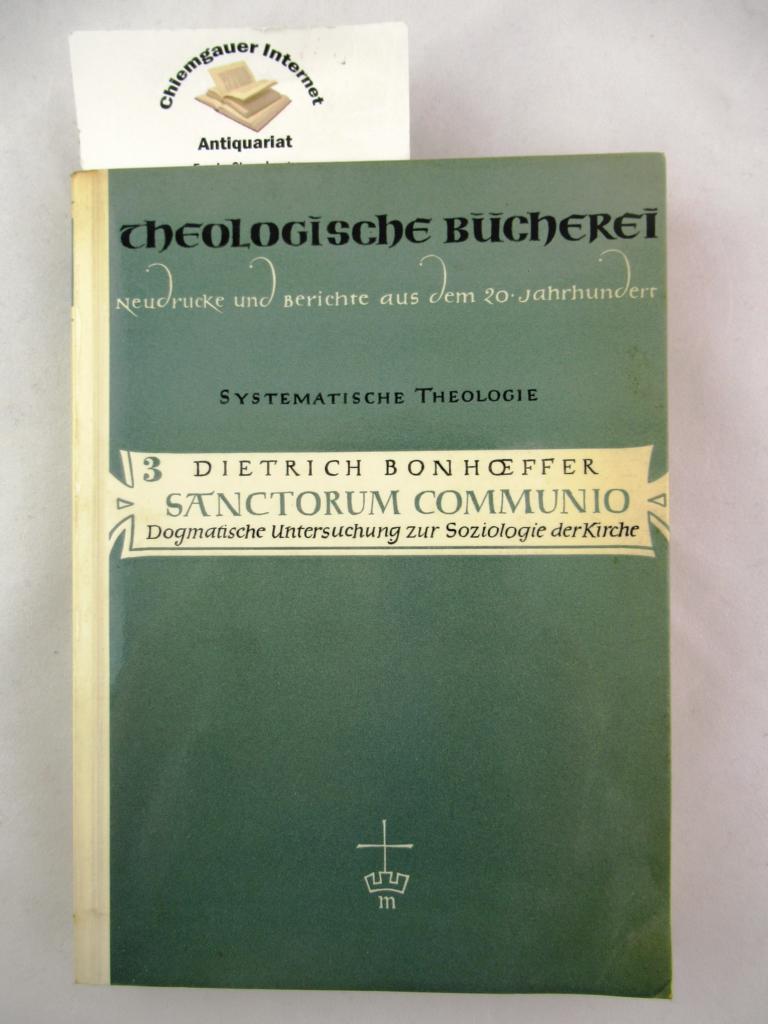
1927réf. 15917Bergisch Gladbach, Joh. Heider, 1927. 8°. 54 S., 2 Bl. Bibliotheks-Halbleinenband. Spur eines entfernten Klebeetiketts auf dem Deckel. 1 Signaturen- und 1 Ausscheidungsstempel auf der Titelseite, 1 Bibliotheksstempel auf deren Rückseite.
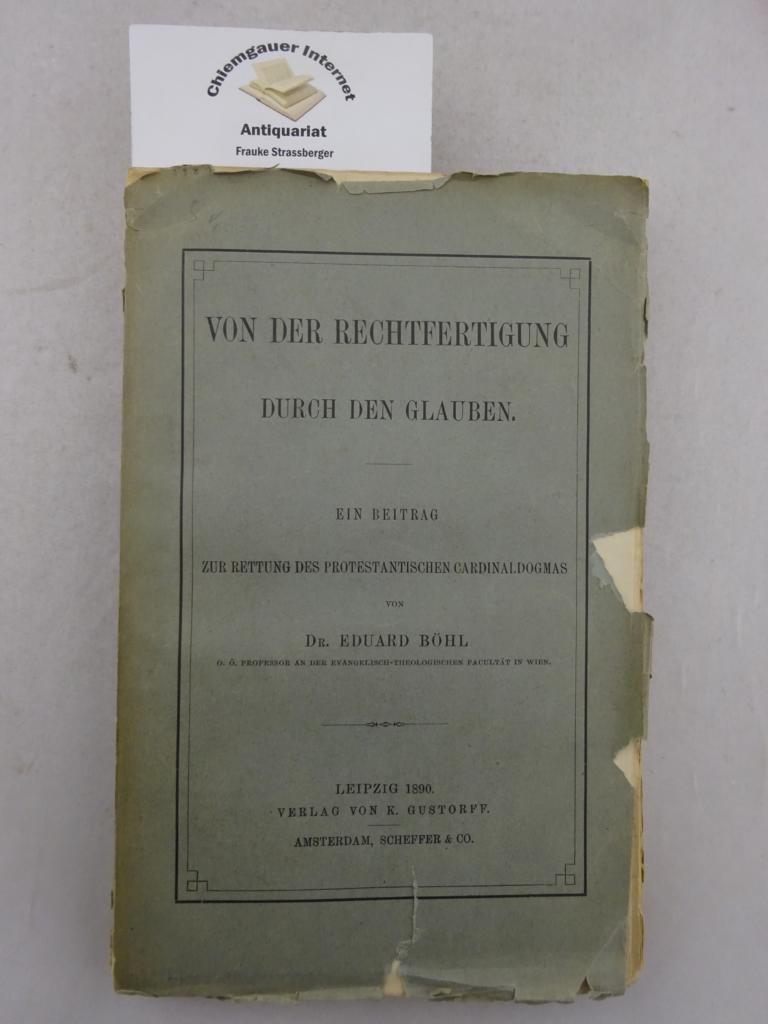
1890réf. 109094Leipzig. Verlag von K. Gustorff., 1890. 327 Seiten, 24 cm. Originalbroschur.
1926réf. 29497Freiburg i. Br., Herder & Co. Verlagsbuchhandlung, 1926. 8°, 356 S., Bezahlung per PayPal möglich , we accept PayPal, Einband ger. beschabt, altersbedingte Bräunungen, sonst ger. Gebr.sp., Leinen
1913Poussielgue 1913, in-8 broché, 591 pages. Trés bon état.
1960réf. 246781München : Kaiser, 1960. 291 S. ; 8 Originalbroschur. 22cm
réf. 129670aafParis, Librairie Fischbacher, 1886, in-8vo, XXXVI + 390 + 550 p., reliure en d.-cuir originale.
1853réf. 376931853 A Marseille, chez M. Michelin-Salomon - 1853 - In-12, broché - 29 pages
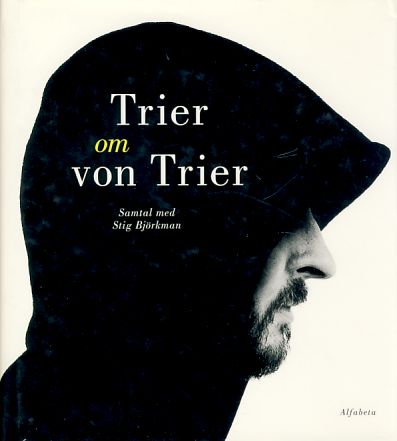
1999réf. 917503Stockholm: alfabeta, 1999. 240 S. mit zahlr. Abb., gebundene Ausgabe mit illustr. Umschl.
1980réf. 7161Leipzig, St.-Benno Verlag, 1980. 8°, 249 S. altersbed. Bräunungen, sonst min. Gebr.sp., Leinen
1987sehr guter Zustand - Eine neue, der gegenwärtigen Forschungslage angepaßte Konzeption der Dogmengeschichte gehört zweifellos zu den dringendsten Erfordernissen auf dem theologischen Büchermarkt. Der hier vorgelegte >Grundriß< ist erstmals sowohl für protestantische als auch für katholische Leser bestimmt. Er will nicht nur dem Studierenden ( und Examenskandidaten ) bei der Bewältigung eines grundlegenden theologischen Sachgebietes behilflich sein, sondern wendet sich darüber hinaus an Dozierende, ja an den Theologen schlechthin. Dabei wird versucht, das Schwierige verständlich zu sagen, das Weitläufige übersichtlich zusammenzufassen. Insgesamt wird die Dogmengeschichte als „Normgeschichte des christlichen Glaubens" verstanden. Und zwar behandelt der erste Band ( >Gott und Welt< ) im Anschluß an die „Dogmengeschichtliche Prinzipienlehre" zunächst die „vordogmatische Epoche" der Dogmengeschichte bis zur Konstitution der doppelteiligen Bibel, danach den ersten Teil der „ökumenischen Epoche" bis zum Abschluß des trinitarischen Dogmas. - wurden, seinen ganzen Haß oder seine ganze Liebe, deren man fähig war, eingehaucht habe. -- Was hier vorliegt, ist kein Leben Jesu. Ein Leben Jesu zu schreiben, ist von den Quellen her nicht möglich. Botschaft und Geschichte Jesu stehen im Blickpunkt. Der Akzent ruht dabei auf der Botschaft. Die Geschichte verdichtet sich in den Evangelien auf seine öffentliche Wirksamkeit und nimmt besonders konkrete Gestalt an in seiner Passion. Auch in der Einbeziehung der Schilderung der zeitgeschichtlichen Situation, der geistig-religiösen und der sozialen Lage, kommt das geschichtliche Element zum Ausdruck. So möge das Buch dem Leser helfen, daß er ein Bild gewinne von Jesus, der einst die Zeiten wendete. -- INHALT -- Abkürzungsverzeichnis -- Dogmengeschichtliche Prinzipienlehre -- Der Begriff des kirchlichen Dogmas -- Dogma als Glaubensnorm -- Der Begriff "Dogma" und seine Geschichte -- Der wissenschaftliche Dogmenbegriff -- Dogma und Bekenntnis -- Das konfessionelle Gegenüber -- Bekenntnis und Dogmengeschichte -- Anhang: Ökumenische Konzilien und Bekenntnisschriften -- Geschichte der Dogmengeschichte -- Dogma und Geschichte -- Die Voraussetzungen der DG-Schreibung im 17. Jh. -- Geschichte der DG seit der Aufklärung -- Die historisch-kritische DG-Schreibung -- Die nach-Harnacksche DG-Schreibung -- Zur dogmengeschichtlichen Konzeption -- Dogma und Dogmenentwicklung -- Dogma und Entwicklung -- Geschichte und Theorie der DE -- Die dgl Aufgabe -- Die vordogmatische Epoche -- Der jüdische Glaube -- Der dogmengeschichtliche Ansatz -- Die Religion des hellenistischen Judentums -- Die "Septuagintafrömmigkeit" -- Das nachapostolische Zeitalter -- Die "Apostolischen Väter" -- Vom Judentum zum Christentum -- Monotheismus und "Theologia Christi" -- Das AT als christliche Bibel -- Taufe und Bekenntnis -- Ignatius von Antiochien und die Eucharistie -- Die Apologeten des 2. Jahrhunderts -- Christentum als Weltanschauung -- Der Platonismus -- Logos und Sophia im hellenistischen Judentum -- Die Logoschristologie -- Zur "Hellenisierung des Christentums" -- Der häretische Gnostizismus -- Gnosis und Gnostizismus -- Gnostische Denkstrukturen -- Gnostische Weltanschauung -- Gnostische Systembildungen -- Hauptprobleme der Gnosis -- Dogmengeschichtlicher Epilog -- Judenchristentum, Marcionitismus, Montanismus -- Die "urchristliche Renaissance" -- Das häretische Judenchristentum -- Marcion von Sinope -- Der Montanismus -- Dogmengeschichtliche Synthese -- Wahrheitsregel, Schriftkanon, kirchliches Amt -- Die sog. "katholischen Normen" -- Der sog. "Kanon der Wahrheit" -- Die Entstehung des Neuen Testaments -- Vom Sinn der Bibel -- Kirchliches Amt und Ekklesiologie -- Die ökumenische Epoche ( I ) -- Die antignostischen Väter -- Theologie aus dem Widerstand -- Irenäus von Lyon -- Tertullian von Karthago -- Die alexandrinische Theologie -- Christentum und Kultur -- Clemens von Alexandrien -- Origenes -- Monarchianismus und Logostheologie -- Die "monotheistische Engführung" -- Adoptianismus und Modalismus -- Die Verkirchlichung der Logostheologie -- Der Arianische Streit -- Zum Gesamtverständnis -- Geschichtliche Orientierung -- Die dgl Entwicklung bis zum Konzil von Nicäa -- Die Entscheidung von Nicäa ( 325 ) -- Athanasius und Marcell von Ankyra -- Die großen Kappadozier und das Konzil von 381 -- Vom Sinn des trinitarischen Dogmas -- INHALT -- Vorwort -- Ergänzungen zum Abkürzungsverzeichnis -- Die ökumenische Epoche (II) -- Vom trinitarischen zum christologischen Problem -- Dogmengeschichtliche Zwischenbilanz -- Übergang zum Thema "Gott und Mensch" -- Apollinaris von Laodicea -- Christologische Diagnose -- Die Christologie der antiochenischen Schule -- Der apollinaristisch/antiochenische Gegensatz -- Bibelauslegung und Heilsgeschichte -- Die antiochenische Christologie -- Dogmengeschichtliches Profil -- Zur dogmengeschichtlichen Hermeneutik -- Das christologische Spannungsfeld -- Geschichtliche Orientierung -- Nestorius als Christologe -- Cyrill von Alexandrien -- Alexandrien und Antiochien -- Die Entstehung des christologischen Dogmas -- Der nestorianische Streit ( 428-31/33 ) -- Der eutychianische Streit und Leo d. Gr. ( 448-51 ) -- Die ab Erscheinung -- Die abendländische Erwartungslage -- Dogmengeschichtliche Besinnung -- Das altabendländische Christentum -- Voraugustinisches Relief -- Augustin als philosophischer Denker -- Der augustinische Ansatz -- Der biographische Werdegang -- Glauben und Erkennen -- "De Trinitate" libri XV ( 399-419 ) -- Augustin als Lehrer der Gnade -- Biblische Grundlegung -- Der Pelagianismus -- Augustins Gnadenlehre -- Das Prädestinationsproblem -- Augustin als Kirchenmann -- Der donatistische Streit -- Augustins Kirchenbegriff -- De civitate Dei -- Augustinische Bilanz -- Dogmengeschichte des Mittelalters -- Von Augustin zu Gregor dem Großen -- Augustinismus und Semipelagianismus -- Gregor der Große ( 590-604 ) -- Vom sechsten zum neunten Jahrhundert -- Boethius und Cassiodor -- Karolingische Dogmengeschichte -- Das neunte Jahrhundert -- Dogmengeschichtlicher Ertrag -- Dogmengeschichte der Frühscholastik -- Scholastik im Überblick -- Die Dialektik -- Anselm von Canterbury ( 1033-1109 ) -- Peter Abälard ( 1079-1142 ) -- Hugo von St.Victor und Bernhard von Clairvaux -- Petrus Lombardus ( gest. 1160 ) -- Die kirchliche Weltherrschaft -- Vom Bußinstitut zum Bußsakrament -- Ketzertum und Ketzerverfolgung -- Der ganze Aristoteles -- Zur Aristoteles-Rezeption -- Die Hochscholastik -- Die franziskanische Schule -- Thomas von Aquin als Philosoph -- Thomas von Aquin als Theologe -- Das Spätmittelalter -- Kirchengeschichtlicher Umriß -- Johannes Duns Scotus ( gest. 1308 ) -- Wilhelm von Ockham -- Die Deutsche Mystik ( Meister Eckhart ) -- Von Eckhart zu Nikolaus von Kues -- Der Humanismus -- Dogmengeschichtlicher Epilog -- Hesychasmus und Palamismus -- Das Zeitalter der Reformation -- Martin Luther ( 1483-1546 ) -- Luthers Anfänge -- Die Rechtfertigungslehre -- Wort und Sakrament -- Vom Dogma zur Konfession -- Philipp Melanchthon -- Confessio Augustana -- Die konfessionelle Wende -- Der Calvinismus. ISBN 3534046102
réf. DADAX0195369238New unknown
2005brossura
1862réf. 91711Freiburg: Herder 1862. XII, 348 Seiten. Frakturdruck. Gr. 8° (22,5-25 cm). Halbleinenband der Zeit. [Hardcover / fest gebunden].
1901réf. 27336Mainz, Verlag von Franz Kirchheim, 1901. 8°, 187 S., Bezahlung per PayPal möglich, we accept PayPal, Regalspuren am Fußschnitt, Einband stärker beschabt und ger. bestoßen, dezente Bleistiftunterstreichungen und vereinzelte Randnotate, altersbedingte Bräunungen, sonst ger. Gebr.sp., Halbleder
1991réf. 12646Editions du Rocher 1991 296 pages in8. 1991. Broché. 296 pages. L'ouvrage 'Islam : civilisation et sociétés' de Paul Balta aborde l'islam sous l'angle de la religion des sociétés et de la civilisation en déconstruisant les idées reçues et en traitant de thèmes souvent mal compris. Il couvre les mutations du monde musulman depuis les conquêtes jusqu'à la période contemporaine
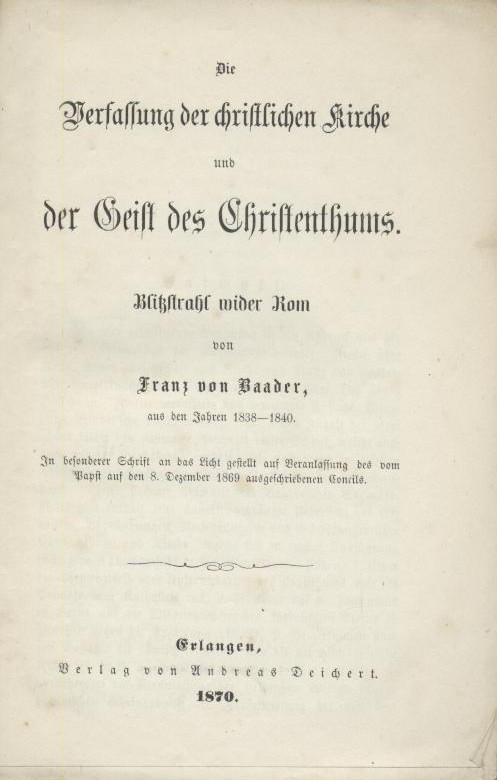
1870réf. 9338Deichert, Erlangen 1870. X, 61 S. Brosch. Gebrsp. Umschlag beschädigt.
1904réf. MAURVRA1Paris - Lyon Librairie Catholique Emmanuel Vitté 1904 Petit in-8 broché, 213 pp.
1932réf. 18340Gütersloh, Verlag v. C. Bertelsmann, 1932. gr. 8°, 40 S., Studien der Luther-Akademie, 1.Heft. Bezahlung per PayPal möglich, we accept PayPal, Einband gering beschabt & gering bestoßen & eingeschmutzt, Stempel a. Vorsatz, altersbedingte Bräunungen, sonst min. Gebr.sp., geheftet
1937réf. 8115Librairie Fischbacher 1937 419 pages in8. 1937. broché. 419 pages. Ouvrage classique de théologie libérale d'Auguste Sabatier qui propose une philosophie de la religion fondée sur l'analyse psychologique et historique. Il explore l'origine et l'évolution des croyances religieuses abordant notamment l'origine psychologique du péché et la place de l'expérience dans la recherche théologique
1959réf. 238014Verlag Herder, Freiburg, 1959. 20x12,5 cm. XXVIII, 795 S., XXIV, 1079 S., XIX, 783 Seiten. Originalleinen. 20cm
1868Generalis seu fundamentalis concscriptae a Bulsano ord.min.s.franc.capuccinorum. pagg 525, rilegato in tutta pelle con qualche strappo su interno copertina; pagine in ottimo stato. Rilegato
réf. DADAX081537996XNew unknown
2012Nell'ottica di Harnack il dogma è considerato dalla prospettiva dell'incontro della predicazione cristiana con la cultura ellenistica, e la sua storia come storia della concettualizzazione e della sostanziazione metafisica della figura di Gesù. Scritto di portata rivoluzionaria, la Storia di Harnack è la messa in discussione della legittimità di un cristianesimo fondato sui dogmi. Quest'opera - per dirla con Yves Congar - è il risultato felice del concorso di una serie di doni eccezionali: potenza di lavoro, chiarezza di vedute, unione di erudizione del dettaglio e di visione d'insieme, sensibilità per gli sviluppi e le differenze, e tutte queste capacità unite a uno stile brillante e alle qualità del conferenziere. Il volume quinto ha al centro la figura di Agostino. A una lunga parte dedicata al cristianesimo in Occidente anteriormente ad Agostino, fa seguito il corpo del volume, dove si ricostruiscono l'opera riformatrice di Agostino e le vicende che condussero a farne un dottore della chiesa. Due ultimi capitoli espongono la storia del dogma in Occidente fino al principio del medioevo e nella rinascita carolingia. Autori: Adolf von Harnack.