168 résultats
réf. L6674Marseille. Revue LA RUE, n°5-6 1952. In-12 br. Couverture illustrée par Toyen. Contributions de G. Legrand, A. Dax, J. Schuster, B. Péret et J.-L. Bédouin. Chacun de ces textes est accompagné de portraits de : J.-J. Rousseau, Saint-Just, Baudelaire, Rimbaud et Lautréamont. E.O. sur papier d'édition.
1991réf. 24701Oxford, Clarendon Press, 1991. Arabic text with transliteration and translation. XXII, 473 S., Ill., Kt. Gr.-8°, OLwd.
réf. 042887567X.Ghardcover. Good. Access codes and supplements are not guaranteed with used items. May be an ex-library book. hardcover
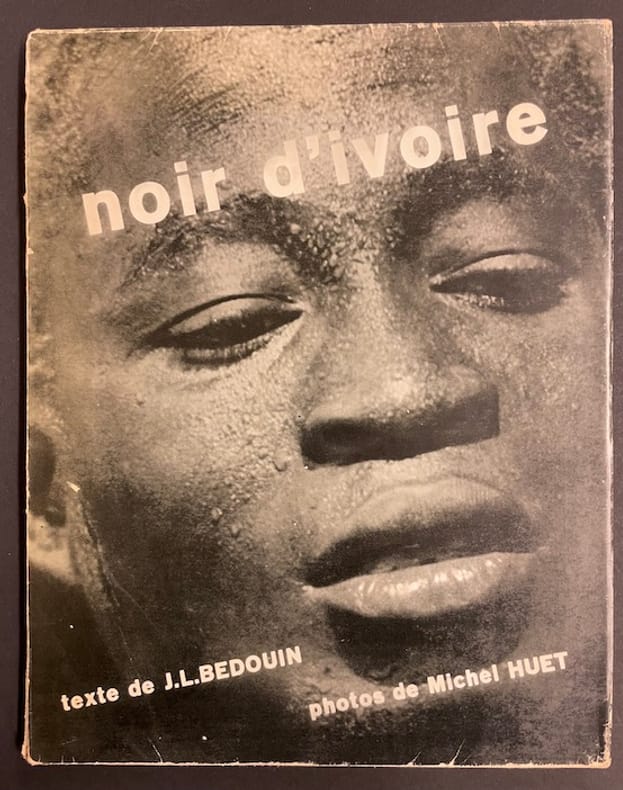
réf. 15540Lausanne, Guilde du Livre,1950. In-4°, non paginé. Broché, couverture illustrée rempliée.
réf. 32601Lausanne, Guilde du Livre,1950. In-4°, non paginé. Broché, couverture illustrée rempliée.
réf. 10455Paris, Seghers - Poètes d'Aujourd'hui n° 18, 1963. In-12 carré broché (couverture défraîchie), 229 pp. Oeuvres choisies, bibliographie, dessins, portraits fac-similés. Edition revue.
réf. 22082Paris, Seghers, 1976. 1 vol. in-12 br., couv. illustrée., 187 pp., (1) p., (12 ff. Bon exemplaire.[G12]
1973réf. 258541973 Paris, Seghers, 1973, In douze, 135 X 160 mm, 199 pp, broché,bon état,
réf. 39462Paris : Seghers, 1967 - un volume 19x25cm broché de 62 pages - un des 400 exemplaires numérotés sur papier bouffant - Edition originale du premier recueil de poésie de l'auteur -
réf. 47360Paris : Editions Seghers, 1972. Un volume broché (17,5x11 cm), 358 pages. Choix et présentation par Jean-Louis Bedouin. Dessin de Yves Tanguy en couverture. Edition revue et corrigée. Bon état.
réf. 15570P., Pierre seghers, 1967, In-4, en feuilles, sous chemise, 57 pp.
1967réf. 40476Paris Seghers 1967 1 vol. Broché in-4, en feuilles, sous couverture à rabats, 57 pp. Edition originale du premier recueil de l'auteur. Un des 66 exemplaires de tête numérotés sur vélin de Hollande, comprenant une eau-forte originale en couleurs de Jorge Camacho numérotée et signée par l'artiste. Curuesement la justification de la gravure (n°9) ne correspond pas à celle du volume (n° II). Déchirure au dos en pied, sinon bon exemplaire.
réf. 5869SUPERBE LETTRE SON AMI REN ALLEAU DANS LAQUELLE IL ABORDE LA NOTION DTERNIT......Jarrive peine reprendre pied, (...). Cest en vain que je chercherais ici lquivalent de cet air lgrement parfum, de cette athmosphre (sic) dore qui rappelle l-bas tout homme quil peut tre des compagnons de Dionysos. Et sil est bien dans la vertu de lor de sacraliser ce quil touche, que dire de ces dernires journes que nous avons passes en Provence, aidant de nos mains clbrer le sacrifice des grappes dans le fouloir...La substance de votre lettre, si riche de sens et si belle, saccordait parfaitement celle de ces journes fastes et simples. Je vous aurais aussitt rpondu, si le travail qui saccomplissait (et pas seulement dans les cuves !) net exig autant de vigilance de notre part que de bonnes dispositions des astres et des pluies (...).Maintenant que ce charme nest plus quun souvenir, nous nous trouvons nouveau ballots par les eaux bitumeuses (...). Lternit, massurez-vous, est seule compter, non cet avenir que je croyais devoir invoquer comme un miracle toujours possible (...). Il nen reste pas moins que le mot nest, comme dautres, nullement exempt de rsonances qui, trs probablement, me lon fait inconsciemmentrejeter. (...), il voque quelque chose de statique, de contraignant, propre freiner tout essor. Ne pourrait-on parler dune 6 ternit en mouvement, faite de tous les temps, de toutes les naissances et de toutes les morts (je ne pense pas forcment l ternel retour ) ?...Tout ceci pour manifester le profond intrt que jai pris vous lire, plutt que pour discuter un problme qui chappe en grande partie mes comptences, dans la mesure o je suis plus pote que mtaphysicien. Pour tre tout fait sincre, je dois ajouter cependant que la posie peut, mon sens, saisir plus troitement et plus vite certaines ralits spirituelles, que ne le pourra jamais la philosophie (...). Cest cette conviction, peut-tre fort subjective, qui ma soutenu tout au long du texte que je vous envoie sous ce pli. Je naurais pas tant tard vous ladresser, si je navais pens que Monsieur Canseliet vous le communiquerait...Ren Alleau (1917-2013) est un historien des sciences occultes. Il fut un proche dAndr Breton. Franc-maon, il a t membre de la loge de Paris de tendance gunonienne Thebah, appartenant la Grande Loge de France. Louvrage de Ren Alleau Aspects de l'alchimie traditionnelle fut prfac par Eugne Lon Canseliet (1899-1982 auteur et alchimiste, disciple de Fulcanelli).
réf. 12192P., Denoël, 1961, in-8, br., couv. rempl. illustrée, 326 p. Edition originale. Envoi a.s. de l’auteur.
réf. DADAX0367333945New unknown
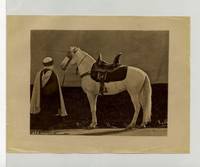
1880réf. 145821880. Colonial Era Vintage original albumen photograph of a Bedouin holding a white horse published circa 1880. Image size: 7" x 9." In this image we can see a Bedouin horseman traditionally dressed in a thoab and kufiyya with igaal. The warrior is approaching his horse from the front. His majestic white steed stands saddled and alert. Overall in very good condition. unknown
1880réf. 145821880. Colonial Era Vintage original albumen photograph of a Bedouin holding a white horse published circa 1880. Image size: 7" x 9." In this image we can see a Bedouin horseman traditionally dressed in a thoab and kufiyya with igaal. The warrior is approaching his horse from the front. His majestic white steed stands saddled and alert. Overall in very good condition. unknown books
réf. SONG1845192699Used: Good unknown
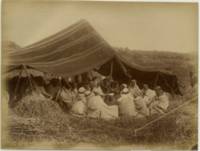
1900réf. 145891900. Nineteenth century albumen photographs depicting Bedouin camp life in the Arabian desert during the period when early photography began documenting nomadic societies of the Middle East. European photographers and travelers working across the Ottoman and Arabian regions during the nineteenth century frequently recorded images of desert encampments tribal leaders and mounted riders as part of a broader photographic interest in documenting cultures associated with caravan routes pastoral nomadism and the social organization of Bedouin communities. These images present scenes of communal gathering and mounted travel central to Bedouin social and economic life. Two original albumen prints showing Bedouin encampment scenes. Circa nineteenth century. Each photograph measures approximately 8 x 10 inches. One image depicts a large group of Bedouin men assembled beneath a tent in an open desert plain covered with sparse grass suggesting a communal meeting or gathering within the camp. The second photograph captures five mounted horsemen their horses fully saddled speaking with an older Bedouin figure positioned outside a cluster of tents that form part of a larger encampment. The photographs document both the spatial layout of a Bedouin camp and the presence of mounted riders whose mobility was central to pastoral life and desert travel. Modern colonization of Middle East and North Africa was dominated by France Italy and Britain with France administering Algeria Morocco and Tunisia under varying forms of rule. Photographs of Bedouin communities produced during the nineteenth century formed part of a wider photographic record of the Middle East created by travelers military observers and early ethnographic photographers. Such images circulated in travel literature and photographic albums that introduced European audiences to the landscapes and social organization of the Arabian deserts. Visual documentation of Bedouin camps offers insight into the material culture of nomadic life including tent structures mounted transport and communal gathering practices that structured desert society. Light age toning and minor handling wear; overall very good condition. A clear pair of nineteenth century albumen photographs documenting Bedouin camp life. unknown
1900réf. 145891900. Nineteenth century albumen photographs depicting Bedouin camp life in the Arabian desert during the period when early photography began documenting nomadic societies of the Middle East. European photographers and travelers working across the Ottoman and Arabian regions during the nineteenth century frequently recorded images of desert encampments tribal leaders and mounted riders as part of a broader photographic interest in documenting cultures associated with caravan routes pastoral nomadism and the social organization of Bedouin communities. These images present scenes of communal gathering and mounted travel central to Bedouin social and economic life. Two original albumen prints showing Bedouin encampment scenes. Circa nineteenth century. Each photograph measures approximately 8 x 10 inches. One image depicts a large group of Bedouin men assembled beneath a tent in an open desert plain covered with sparse grass suggesting a communal meeting or gathering within the camp. The second photograph captures five mounted horsemen their horses fully saddled speaking with an older Bedouin figure positioned outside a cluster of tents that form part of a larger encampment. The photographs document both the spatial layout of a Bedouin camp and the presence of mounted riders whose mobility was central to pastoral life and desert travel. Modern colonization of Middle East and North Africa was dominated by France Italy and Britain with France administering Algeria Morocco and Tunisia under varying forms of rule. Photographs of Bedouin communities produced during the nineteenth century formed part of a wider photographic record of the Middle East created by travelers military observers and early ethnographic photographers. Such images circulated in travel literature and photographic albums that introduced European audiences to the landscapes and social organization of the Arabian deserts. Visual documentation of Bedouin camps offers insight into the material culture of nomadic life including tent structures mounted transport and communal gathering practices that structured desert society. Light age toning and minor handling wear; overall very good condition. A clear pair of nineteenth century albumen photographs documenting Bedouin camp life. unknown books
1950réf. 10528Lausanne Lausanne, la Guilde du livre, 1950. In-4, cartonnage souple. Couverture défraîchie (bords frottés, petite déchirure sans manque).
réf. 105.111Lausanne, La Guilde du Livre, 1950 22 x 28, sans pagination, broché, couverture rempliée, bon état (couverure légèrement défraîchie).
réf. 1654Photos de Michel Huet. P. Hoa-qui 1950. Grand in-4, 100 pages. Demi chagrin noir, dos à 2 gros nerfs, couvertures illustrées conservées.
réf. 52683Eds Seghers In-12-carre 230pp. illustr. photos Nb-0204 unknown