3373 risultati
1787rif. 6693Perth: Printed by R. Morison Junr. 1787. 2 vols. bound as 1 12mo pp. iv 156 viii iv 121 1 frontispiece to each vol. and 1 engraved title-page. Half-titles discarded. Contemporary half red roan marbled boards spine divided by gilt rolls and rules and lettered in gilt direct. Some scattered spotting particularly to plates first two leaves torn to edge and sometime repaired Armorial bookplate of William Lindsay to pastedown later ownership inscriptions of Euphemia Baillie Dundee and Sydney Smith. Two volumes of Perth publisher Robert Morison’s editions of ‘The Scottish Poets’ bound together. This copy passed through the library of Scottish poet Sydney Goodsir Smith 1915-1975. ESTC T104667; T104670. Printed by R. Morison, Junr. hardcover
1690rif. 6292Edinburgh: Printed by George Mosman issues 1-14; The Relict of George Mosman issues 15-18; The Relict of Andrew Anderson issues 19-23; The Heirs and Successors of Andrew Anderson issue 24; The Successors of Andrew Anderson issues 25-29; Thomas Lumisden and Company issue 30; Mr James Davidson and Robert Fleming issues 31-33 1690. 33 issues bound as 2 folio various paginations. Issues 21 1714 and 33 1726 each lacking final leaf of index. Contemporary panelled vol. 1 or marbled vol. 2 calf spines divided by raised bands between double gilt rules red and green morocco labels. Some scattered toning and soiling a number of gatherings in vol. 1 sprung but all present 2 leaves torn without loss. A little rubbed and scratched pastedowns in vol 1 lifted. A near-continuous run of the printed issues of the acts passed by the General Assembly the governing body of the Church of Scotland which has met annually to deliberate and legislate throughout the Church’s history. The run included here dates from 1690 when the Presbyterian governance of the church was enacted in Scots law to formalise the exclusion of the episcopal structure that had been controversially reintroduced after the Restoration to 1726 a few years before the First Succession of 1733 - a turbulent period in which the interaction between Church law and civil law was a live issue. The bindings of varying leather styles but with matching labels are probably the publisher’s - contemporary ads indicate that groups of issues were sold bound. Printed by George Mosman [issues 1-14]; The Relict of George Mosman [issues 15-18]; The Relict of Andrew Anderson [issues 19-23] hardcover
1791rif. 2110Edinburgh: Printed in the year 1791. 4to pp. 38. Stitched as issued with original marbled paper covers with no backstrip. Some creasing to corners and edges a few short tears to edges of wrappers. A scarce privately printed pamphlet providing arguments from history and use that the Prince of Wales later George IV held the titles of Duke of Rothesay Earl of Carrick etc. in the Peerage of Scotland. It evidently answers a charge that these had lapsed - perhaps stemming from the regency crisis of 1789 combined with the preference for Prince of Wales as the heir apparent’s title following the Union or else perhaps the dispute goes all the way back to the absence of a holder of the titles between 1751 the death of Frederick Louis and 1762 the birth of the future George IV. ESTC locates copies in the BL House of Lords and NLS x3 only in the UK plus just the Huntington elsewhere. ESTC T83694. Printed in the year unknown
rif. B9781020500077Hardback. New. hardcover
rif. B9781020328978Hardback. New. hardcover
rif. B9781019435472Hardback. New. hardcover
rif. B9781020583247Hardback. New. hardcover
rif. B9781020405099Hardback. New. hardcover
rif. B9781020321986Hardback. New. hardcover
rif. B9781020906268Hardback. New. hardcover
rif. B9781425541231Paperback / softback. New. paperback
rif. 190327835X.Gpaperback. Good. Access codes and supplements are not guaranteed with used items. May be an ex-library book. paperback
1786rif. 58585Perth: Printed by R. Morison Junior 1786. 12mo. bound in 6's. iv 121 pp. Half morocco over marbled boards. Raised bands to spine with gilt decoration & lettering. Top edge gilt. Marbled endpapers. Bound by Larkins. Fading to spine. Spotting to prelims. Boards clean. Internally clean. Two portrait engravings. A nice copy. . Very Good. Half Morocco. 1786. Printed by R. Morison, Junior 1786 unknown
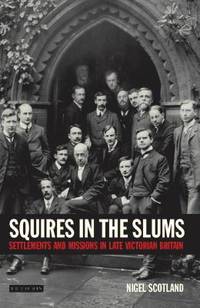
rif. 61296695I.B. Tauris & Company Limited . Hardback. New. I.B. Tauris & Company, Limited hardcover
rif. 0715206842.Ghardcover. Good. Access codes and supplements are not guaranteed with used items. May be an ex-library book. hardcover
rif. 1313353728.Gpaperback. Good. Access codes and supplements are not guaranteed with used items. May be an ex-library book. paperback
rif. 1020301546.Ghardcover. Good. Access codes and supplements are not guaranteed with used items. May be an ex-library book. hardcover
rif. A9781344541480Hardback. New. hardcover
rif. A9780367398897Paperback / softback. New. paperback
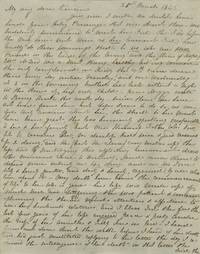
1845rif. BK0036Isle of Mull Scotland 1845. Autograph letter signed by a female member of the MacLeod family with an additional message signed "Mary McLeod" to the Rev. John Neil MacLeod in New York. 4pp measuring 9 x 7 inches. Addressed to "The Rev'd J. N. Macleod D.D. Presbyterian Minister New York United States North America." Postmarked at Tobermory prepaid "1/-" with London transit markings and intact black wax seal. Folded with very small holes at folds; excellent. A Scottish family and ecclesiastical letter containing an early direct condemnation of the Free Church of Scotland's acceptance of donations from slaveholding Presbyterians in the American South. Written in March 1845 the letter predates Frederick Douglass's arrival in Scotland and the public campaign urging the Free Church to "Send Back the Money." It demonstrates that criticism of the church's American fundraising was already circulating privately within Scottish Presbyterian networks before Douglass helped transform the controversy into a major transatlantic abolitionist cause. Following the Disruption of 1843 the newly established Free Church sent representatives to the United States to raise money. Contributions from southern churches and slaveholding ministers generated growing criticism particularly because the Free Church presented itself as a purer and more principled form of Presbyterianism. The writer identifies what she regarded as the central contradiction: the church refused communion with ministers who remained in the established Church of Scotland while recognizing slaveholding American ministers as Christian brethren and accepting their money. She writes: "What can you think now of their disclaiming to hold communion with any of their Bretheren in the Establishment and avowedly & publicly countenancing and holding communion with the Slave holding Ministers in your Southern States. Their coffers have been largely augmented by donations from these States and the leaders of the Free recognize them as Bretheren and write and speak of them with the greatest respect." Her criticism is directed as much at the church's financial expediency as at its inconsistency: "This has opened the eyes of some as to what they will resort to get money-this Church that professed to be a pure Church. Oh does it not clearly show the inconsistencies of man nay even of Christians what a different view these leaders may take of Slavery from what your respected Father had." Douglass began his Scottish campaign the following year when he and other abolitionists repeatedly challenged the Free Church to return the money received from American slaveholders. Writing to William Lloyd Garrison in April 1846 Douglass declared "Scotland is a blaze of anti-slavery agitation-the Free Church and Slavery are the all-engrossing topics."1 The present letter records essentially the same moral argument a year earlier made from within the church's own extended religious and family networks: that accepting southern funds compromised the Free Church's authority and exposed the limits of its professed purity. Addressed to the Rev. John Neil MacLeod in New York the letter places the dispute within a transatlantic Presbyterian context. The writer invokes the antislavery views of MacLeod's father and questions whether the recipient understood that a minister whom he had permitted to preach from his pulpit "advocated the course of the Southern Slave State Ministers so much" remarking "I should think not." The letter also contains news of a bereavement and other family and church news about Scotland and America. An important private response to the Free Church's American fundraising campaign written before the controversy reached its fullest public expression through Frederick Douglass's "Send Back the Money" campaign. The letter documents the early moral opposition of Scottish Presbyterians who believed that a church claiming spiritual independence and purity had compromised both by accepting the support of American slaveholders. . unknown
2000rif. 1206542James Clarke & Co 2000. 1st. hardcover. New. 6x0x9. James Clarke & Co hardcover
2000rif. 1206541James Clarke & Co 2000. 1st. hardcover. New. 102x13x151. James Clarke & Co hardcover
rif. A9781344989572Hardback. New. hardcover
rif. 0861531701.Gpaperback. Good. Access codes and supplements are not guaranteed with used items. May be an ex-library book. paperback
1828rif. 65889Edinburgh: William Blackwood and Sons 1828. Hardcover Quarto. Hardcover. Good. light brown leather gilt lettering to red and brown moroccan leather stamps at spine raised bands two volumes 736 pp 401005 pp 11 pp ex-library copy with stamp to rear title page rubbing at spine and edges spine lifting from volume I and nearly lifted off along with front board volume II marbled edges and endpapers Standard shipping no tracking / Priority with tracking / Custom quote for large or heavy orders. William Blackwood and Sons hardcover