Mieville, ChinaABAA

28.264 resultados
2015ref. 31872Burton MI: Subterranean Press. 2015. First Edition; First Printing. Hardcover. Subterranean Press hardcover books
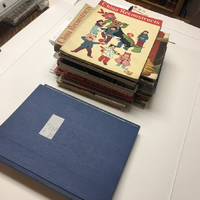
1955ref. AG-1012CHINA RECONSTRUCTS 62 issues. Beijing: China periodical 1955-1971 edited in Wai Wen Building distributed by GUOZI SHUDIAN printed in the People's Republic of China. Small folio 23×30 cm each issue approx. 52 pages; original pictorial colored wrappers. All issues are English language texts. China Reconstructs is a monthly magazine published in English French Spanish Arabic and Russian by the China Welfare Institute Soong Ching Ling Chairman to present a positive image of China to the outside world. These interesting magazines are filled with articles on a huge range of subjects: Eternal Glory to the Great Leader and Teacher Chairman Mao Tsetung; Four Young Woodcut Artists; Is Selling Vegetables Revolutionary Work; Socialist Drama; A Model for Revolutionary Peking Opera; The Red lantern; Workers Armed with Mao Tsetung's Thought Are Most Resourceful; During the Great Leap Forward period articles about great progress in Agriculture; Industrial Education was published in No. 4 1959. Some Chinese Folk Toys; Festival Lanterns; Color Pictorial: Chairman Mao's Hometown-Shaoshan; Painted Pottery of Neolithic China; a study in Chinese Literature-Lu Xun; Tsou Tao-fen Patriotic Intellectual; Selected Works of Mao Tsetung; On the Long March with Chairman Mao; Communist Heroine Liu Hu-lan; Health Work Develops in Tibet; Commemorating the Centenary of the Birth of the Great Lenin; a Soldier-Sculptor; People of the World Unite and Defeat the U.S. Aggressors and All Their Running Dogs; Heroic Images of Our Great Era; 1500 Red Hearts United in Battle; The Bright Sunshine of Mao Tse-tung's Thought Lights up the Land; Vice Chairman Lin Piao's Speech At the Rally Celebrating the 20th Anniversary of the Founding of the PRC.; China's First Underground Nuclear Test; The Power of the Good Old Three; The revolution in Education in Progress; Art that Serves Proletarian Politics; When Chairman Mao Gives the Signal We Advance; Hundreds of Millions of Chairman Mao's Books Published in 1967; World's People Eagerly Seek Chairman Mao Badges; Chinese Scientists Survey World's Highest Peak; New Look in Traditional Arts and Crafts; Peoples of Europe and North America We Support You!; Painting Pictures of Chairman Mao is Our Greatest Happiness; Chairman Mao's Important Inscription for Japanese Worker Friends; All China is Red; Working and Living with Chinese Peasants; The Great January Revolution in Shanghai; In Memory of Norman Bethune; The First Hydrogen Bomb; One Million People in Peking at Solemn Mass Memorial Funeral for Chairman Mao Tsetung &c. 《ä¸å›½å»ºè®¾ã€‹æ‚志,外文大厦编辑,国å书店å‘行,本组有1955年—1976年的部分期刊,《ä¸å›½å»ºè®¾ã€‹æ˜¯ä¸€æœ¬æœˆåˆŠï¼Œæœ‰è‹±æ–‡ï¼Œæ³•è¯ï¼Œè¥¿ç牙è¯ï¼Œé˜¿æ‹‰ä¼¯è¯ã€ä¿„è¯ç‰è¯è¨€ï¼Œç”±å®‹åº†é¾„ç¦åˆ©åŸºé‡‘会出版,旨在å‘世界展示ä¸å›½å»ºè®¾çš„好的方é¢ï¼ŒåŒ…å«äº†å¤šä¸ªä¸å›½ç›¸å…³ä¸»é¢˜çš„æ–‡ç« ã€‚ Contents of collection: 1955 No. 12; 1956 No. 1 5; 1959 No. 4 11; 1960 No. 12; 1961 No. 3; 1962 No. 7; 1963 No. 7; 1964 No. 3; 1965 No. 347 89 11 12; 1966 No. 1-6 10; 1967 No. 1-7 9-12; 1968 No. 1-5 7-12; 1969 No. 1 2 3 4 12; 1970 No. 1 4extra 6 8; 1971 No. 3 4 8 10 12; 1972 No. 3; 1976 No. 11/12 edited in Wai Wen Building, distributed by GUOZI SHUDIAN, printed in the People’s Republic of China. paperback books
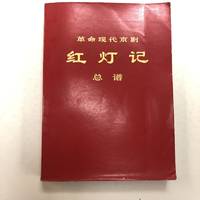
1971ref. AG-10050The Red Lantern Full Score红ç¯è®° Hong Deng Ji Beijing: Published by People's Publishing House printed by Beijing Xinhua Printing Factory distributed by Xinhua Bookstore Beijing Distributing Agency,August 1971 FIRST EDITION. The May 1970 Script Created Collectively by the China Peking Opera troupe. Quotations from Chinaman Mao on the second and third page 8vo. xii 380 2 pp. colophon printed titled wrappers crease to the cover very slight tear to the foot of the binding else fine condition. In China revolutionary operas or model operas Chinese: yangban xi æ ·æ¿æˆ were a series of shows planned and engineered during the Cultural Revolution 1966–1976 by Jiang Qing the wife of Chairman Mao Zedong. They were considered revolutionary and modern in terms of thematic and musical features when compared with traditional Chinese operas. Many of them were adapted to film. 京剧《红ç¯è®°ã€‹æ€»è°± 北京:人民出版社出版,中国京剧团集体制作,基于1970年五月演出本,第一版,书的å‰ä¸¤é¡µæœ‰æ¯›ä¸»å¸è¯å½•ï¼Œå…±380页主体内容。书皮ç¨æœ‰ä¸€é“上下方å‘折痕,其他å“相éžå¸¸å¥½ã€‚ In China revolutionary operas or model operas Chinese: yangban xi æ ·æ¿æˆ were a series of shows planned and engineered during the Cultural Revolution 1966–1976 by Jiang Qing the wife of Chairman Mao Zedong.1 They were considered revolutionary and modern in terms of thematic and musical features when compared with traditional Chinese operas. Many of them were adapted to film. Originally eight revolutionary operas Chinese: Ba Ge Yangban Xi å…«ä¸ªæ ·æ¿æˆ were produced eighteen by the end of the period. Instead of the "emperors kings generals chancellors maidens and beauties" of the traditional Peking opera which was banned as "feudalistic and bourgeois" they told stories from China's recent revolutionary struggles against foreign and class enemies. They glorified the People's Liberation Army and the bravery of the common people and showed Mao Zedong and his thought as playing the central role in the victory of socialism in China. Although they originated as operas they soon appeared on LPs in comic books lianhuanhua on posters postcards and stamps; on plates teapots wash basins cigarette packages vases and calendars. They were performed or played from loudspeakers in schools factories and fields by special performing troupes. The Eight Model Operas dominated the stage in all parts of the country during these years leading to the joke "Eight hundred million people watched eight shows." 本剧是文é©æ—¶æœŸçš„å…«å¤§æ ·æ¿æˆä¹‹ä¸€ã€Šçº¢ç¯è®°ã€‹ï¼Œç”±æ¯›ä¸»å¸å¤«äººæ±Ÿé’负责制作和演出。很多被æ‹æˆäº†ç”µå½±ã€‚ 最åˆæœ‰å…«ä¸ªæ ·æ¿æˆï¼ŒåŽæ¥åœ¨æ–‡é©æ—¶æœŸçš„åŽæœŸå‘展到了18个。ä¸åƒå› å°å»ºå’Œèµ„产阶级的被ç¦äº†çš„ä¼ ç»Ÿäº¬å‰§ï¼Œé‡Œé¢å‡ºçŽ°çš„ä¸çš„国王大臣少女和美人,é©å‘½çŽ°ä»£äº¬å‰§ä¸»è¦è®²è¿°ä¸å›½è¿‘å¹´æ¥çš„抗战故事,宣扬人民解放军的光辉è£è€€å’Œæ¯›ä¸»å¸çš„英勇。虽然是京剧,很快就å˜æˆäº†å„ç§å½¢å¼å‡ºçŽ°åœ¨è¿žçŽ¯ç”»ã€æµ·æŠ¥ã€æ˜Žä¿¡ç‰‡ã€é‚®ç¥¨ã€é¦™çƒŸã€èŠ±ç“¶ã€æ—¥åŽ†ç‰å„ç§åœ°æ–¹ï¼Œç”¨æ‰©éŸ³å–‡å在å¦æ ¡ã€å·¥åŽ‚ç‰åœ°æ–¹ï¼Œç”±æ¼”出团进行表演。8ä¸ªæ ·æ¿æˆä¸»å¯¼äº†å…¨å›½æ‰€æœ‰çš„舞å°ï¼Œå› æ¤æœ‰äº†8亿人看8个剧的笑è¯ã€‚ People’s Publishing House paperback books
1972ref. AG-10053Beijing: Published by C printed by Beijing Xinhua Printing Factory distributed by Xinhua Bookstore Beijing Distributing Agency February 1972 FIRST EDITION 8vo. The May 1970 Script Revised Collectively by the China Peking Opera Troupe. iv 374 pp. colophon consists of scripts stage photos selected theme score stage action instruction and the stage design started with quotations from Chairman Mao on the second and third page printed pictorial wrappers slightly curled at the head and foot of the wrappers minor tears to the edge of the wrappers else fine condition. 北京:人民出版社出版。本书å‰ä¸¤é¡µå¸¦æœ‰æ¯›ä¸»å¸è¯å½•ï¼Œå†…容包括了剧本ã€å‰§ç…§ã€ä¸»æ—‹å¾‹ã€åŠ¨ä½œè¯´æ˜Žç‰è¯¦ç»†å†…容,由照片和文å—çš„å½¢å¼ç»„æˆï¼Œç…§ç‰‡å›¾ç‰‡å¾ˆå¤šï¼Œä¹Ÿæ˜¯æœ¬ä¹¦çš„一大特色。书皮上下两段ç¨å¾®å·èµ·ï¼Œå…¶ä»–部分å“相éžå¸¸å¥½ã€‚ In China revolutionary operas or model operas Chinese: yangban xi æ ·æ¿æˆ were a series of shows planned and engineered during the Cultural Revolution 1966–1976 by Jiang Qing the wife of Chairman Mao Zedong.1 They were considered revolutionary and modern in terms of thematic and musical features when compared with traditional Chinese operas. Many of them were adapted to film. Originally eight revolutionary operas Chinese: Ba Ge Yangban Xi å…«ä¸ªæ ·æ¿æˆ were produced eighteen by the end of the period. Instead of the "emperors kings generals chancellors maidens and beauties" of the traditional Peking opera which was banned as "feudalistic and bourgeois" they told stories from China's recent revolutionary struggles against foreign and class enemies. They glorified the People's Liberation Army and the bravery of the common people and showed Mao Zedong and his thought as playing the central role in the victory of socialism in China. Although they originated as operas they soon appeared on LPs in comic books lianhuanhua on posters postcards and stamps; on plates teapots wash basins cigarette packages vases and calendars. They were performed or played from loudspeakers in schools factories and fields by special performing troupes. The Eight Model Operas dominated the stage in all parts of the country during these years leading to the joke "Eight hundred million people watched eight shows." 本剧是文é©æ—¶æœŸçš„å…«å¤§æ ·æ¿æˆä¹‹ä¸€ï¼Œç”±æ¯›ä¸»å¸å¤«äººæ±Ÿé’负责制作和演出。很多被æ‹æˆäº†ç”µå½±ã€‚ 最åˆæœ‰å…«ä¸ªæ ·æ¿æˆï¼ŒåŽæ¥åœ¨æ–‡é©æ—¶æœŸçš„åŽæœŸå‘展到了18个。ä¸åƒå› å°å»ºå’Œèµ„产阶级的被ç¦äº†çš„ä¼ ç»Ÿäº¬å‰§ï¼Œé‡Œé¢å‡ºçŽ°çš„ä¸çš„国王大臣少女和美人,é©å‘½çŽ°ä»£äº¬å‰§ä¸»è¦è®²è¿°ä¸å›½è¿‘å¹´æ¥çš„抗战故事,宣扬人民解放军的光辉è£è€€å’Œæ¯›ä¸»å¸çš„英勇。虽然是京剧,很快就å˜æˆäº†å„ç§å½¢å¼å‡ºçŽ°åœ¨è¿žçŽ¯ç”»ã€æµ·æŠ¥ã€æ˜Žä¿¡ç‰‡ã€é‚®ç¥¨ã€é¦™çƒŸã€èŠ±ç“¶ã€æ—¥åŽ†ç‰å„ç§åœ°æ–¹ï¼Œç”¨æ‰©éŸ³å–‡å在å¦æ ¡ã€å·¥åŽ‚ç‰åœ°æ–¹ï¼Œç”±æ¼”出团进行表演。8ä¸ªæ ·æ¿æˆä¸»å¯¼äº†å…¨å›½æ‰€æœ‰çš„舞å°ï¼Œå› æ¤æœ‰äº†8亿人看8个剧的笑è¯ã€‚ People’s Publishing House paperback books
1971ref. AG-10054Beijing: Published by People's Publishing House printed by Beijing Xinhua Printing Factory distributed by Xinhua Bookstore January 1971 FIRST EDITION. The July 1970 Script Revised and Performed Collectively by Shanghai Peking Opera Troupe. 8vo vi 397 pp. colophon consists of scripts stage photos selected theme score stage action instruction and the stage design started with quotations from Chairman Mao on the second and third page printed color stage photos and instructions inside printed pictorial wrappers slightly curled at the head and foot of the wrappers else very good condition. 北京:人民出版社出版,1971年第一版,由上海京剧团《智å–å¨è™Žå±±ã€‹å‰§ç»„集体改编åŠæ¼”出。本书包括了剧本ã€ä¸»æ—‹å¾‹ã€å‰§ç…§ã€åŠ¨ä½œæŒ‡å¯¼ã€èˆžå°ç¾Žæœ¯ç‰å†…容。包括éžå¸¸å¤šçš„照片。书皮上下ç¨å¾®å·èµ·ï¼Œæ— ç ´æŸï¼Œå“相éžå¸¸å¥½ã€‚ In China revolutionary operas or model operas Chinese: yangban xi æ ·æ¿æˆ were a series of shows planned and engineered during the Cultural Revolution 1966–1976 by Jiang Qing the wife of Chairman Mao Zedong.1 They were considered revolutionary and modern in terms of thematic and musical features when compared with traditional Chinese operas. Many of them were adapted to film. Originally eight revolutionary operas Chinese: Ba Ge Yangban Xi å…«ä¸ªæ ·æ¿æˆ were produced eighteen by the end of the period. Instead of the "emperors kings generals chancellors maidens and beauties" of the traditional Peking opera which was banned as "feudalistic and bourgeois" they told stories from China's recent revolutionary struggles against foreign and class enemies. They glorified the People's Liberation Army and the bravery of the common people and showed Mao Zedong and his thought as playing the central role in the victory of socialism in China. Although they originated as operas they soon appeared on LPs in comic books lianhuanhua on posters postcards and stamps; on plates teapots wash basins cigarette packages vases and calendars. They were performed or played from loudspeakers in schools factories and fields by special performing troupes. The Eight Model Operas dominated the stage in all parts of the country during these years leading to the joke "Eight hundred million people watched eight shows." 本剧是文é©æ—¶æœŸçš„å…«å¤§æ ·æ¿æˆä¹‹ä¸€ã€Šæ™ºå–å¨è™Žå±±ã€‹ï¼Œç”±æ¯›ä¸»å¸å¤«äººæ±Ÿé’负责制作和演出。很多被æ‹æˆäº†ç”µå½±ã€‚ 最åˆæœ‰å…«ä¸ªæ ·æ¿æˆï¼ŒåŽæ¥åœ¨æ–‡é©æ—¶æœŸçš„åŽæœŸå‘展到了18个。ä¸åƒå› å°å»ºå’Œèµ„产阶级的被ç¦äº†çš„ä¼ ç»Ÿäº¬å‰§ï¼Œé‡Œé¢å‡ºçŽ°çš„ä¸çš„国王大臣少女和美人,é©å‘½çŽ°ä»£äº¬å‰§ä¸»è¦è®²è¿°ä¸å›½è¿‘å¹´æ¥çš„抗战故事,宣扬人民解放军的光辉è£è€€å’Œæ¯›ä¸»å¸çš„英勇。虽然是京剧,很快就å˜æˆäº†å„ç§å½¢å¼å‡ºçŽ°åœ¨è¿žçŽ¯ç”»ã€æµ·æŠ¥ã€æ˜Žä¿¡ç‰‡ã€é‚®ç¥¨ã€é¦™çƒŸã€èŠ±ç“¶ã€æ—¥åŽ†ç‰å„ç§åœ°æ–¹ï¼Œç”¨æ‰©éŸ³å–‡å在å¦æ ¡ã€å·¥åŽ‚ç‰åœ°æ–¹ï¼Œç”±æ¼”出团进行表演。8ä¸ªæ ·æ¿æˆä¸»å¯¼äº†å…¨å›½æ‰€æœ‰çš„舞å°ï¼Œå› æ¤æœ‰äº†8亿人看8个剧的笑è¯ã€‚ People’s Publishing House paperback books
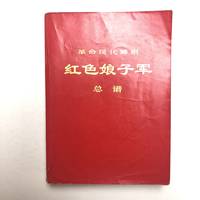
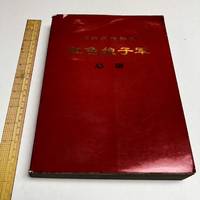
1970ref. AG-10062Red Detachment of Women full Score 红色娘å军总谱 Hong Se Niang Zi Jun Beijing: Published by People's Publishing House printed by Beijing Xinhua Printing Factory distributed by Xinhua Bookstore December 1970 FIRST EDITION. The July 1970 Script Revised and Performed Collectively by Shanghai Peking Opera Troupe. 25×18 cm. xiv 534 1 pp. Colophon. Quotations from Chinaman Mao on the second and third page printed red tilted wrappers minor tear to the cover slight tears to the foot of the binding else very fine condition. 北京:人民出版社,1970年12月第一版,新åŽä¹¦åº—å‘行。本总谱由上海京剧演出团于1970年演出本集体改编,å‰ä¸¤é¡µå¸¦æœ‰æ¯›ä¸»å¸è¯å½•ï¼Œä¹¦çš®æœ‰è½»å¾®ç£¨æŸï¼Œå…¶ä»–å“相éžå¸¸å¥½ã€‚ In China revolutionary operas or model operas Chinese: yangban xi æ ·æ¿æˆ were a series of shows planned and engineered during the Cultural Revolution 1966–1976 by Jiang Qing the wife of Chairman Mao Zedong. They were considered revolutionary and modern in terms of thematic and musical features when compared with traditional Chinese operas. Many of them were adapted to film. Originally eight revolutionary operas Chinese: Ba Ge Yangban Xi å…«ä¸ªæ ·æ¿æˆ were produced eighteen by the end of the period. Instead of the "emperors kings generals chancellors maidens and beauties" of the traditional Peking opera which was banned as "feudalistic and bourgeois" they told stories from China's recent revolutionary struggles against foreign and class enemies. They glorified the People's Liberation Army and the bravery of the common people and showed Mao Zedong and his thought as playing the central role in the victory of socialism in China. Although they originated as operas they soon appeared on LPs in comic books lianhuanhua on posters postcards and stamps; on plates teapots wash basins cigarette packages vases and calendars. They were performed or played from loudspeakers in schools factories and fields by special performing troupes. The Eight Model Operas dominated the stage in all parts of the country during these years leading to the joke "Eight hundred million people watched eight shows." 本组剧本属于文é©æ—¶æœŸçš„å…«å¤§æ ·æ¿æˆï¼Œç”±æ¯›ä¸»å¸å¤«äººæ±Ÿé’负责制作和演出。很多被æ‹æˆäº†ç”µå½±ã€‚ 最åˆæœ‰å…«ä¸ªæ ·æ¿æˆï¼ŒåŽæ¥åœ¨æ–‡é©æ—¶æœŸçš„åŽæœŸå‘展到了18个。ä¸åƒå› å°å»ºå’Œèµ„产阶级的被ç¦äº†çš„ä¼ ç»Ÿäº¬å‰§ï¼Œé‡Œé¢å‡ºçŽ°çš„ä¸çš„国王大臣少女和美人,é©å‘½çŽ°ä»£äº¬å‰§ä¸»è¦è®²è¿°ä¸å›½è¿‘å¹´æ¥çš„抗战故事,宣扬人民解放军的光辉è£è€€å’Œæ¯›ä¸»å¸çš„英勇。虽然是京剧,很快就å˜æˆäº†å„ç§å½¢å¼å‡ºçŽ°åœ¨è¿žçŽ¯ç”»ã€æµ·æŠ¥ã€æ˜Žä¿¡ç‰‡ã€é‚®ç¥¨ã€é¦™çƒŸã€èŠ±ç“¶ã€æ—¥åŽ†ç‰å„ç§åœ°æ–¹ï¼Œç”¨æ‰©éŸ³å–‡å在å¦æ ¡ã€å·¥åŽ‚ç‰åœ°æ–¹ï¼Œç”±æ¼”出团进行表演。8ä¸ªæ ·æ¿æˆä¸»å¯¼äº†å…¨å›½æ‰€æœ‰çš„舞å°ï¼Œå› æ¤æœ‰äº†8亿人看8个剧的笑è¯ã€‚ People’s Publishing House paperback books
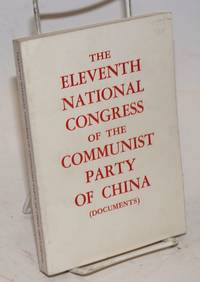
1977ref. 151731Peking: Foreign Languages Press 1977. 236p. 23 photos paperback minor shelfwear and foxing. First national congress held after the Gang of Four were deposed. Considerable anti-Gang of Four material. Foreign Languages Press unknown books
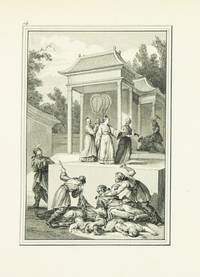
1788ref. ST20889Paris: Chez l'Auteur 1788 1788. FIRST EDITION. 565 x 400 mm. 22 1/4 x 15 3/4". 50 leaves. Two separately published works bound in one. Modern retrospective calf-backed tan paste paper boards smooth spine profusely gilt with a repeating pattern of grape vines red morocco label lettered in gilt vellum tips. ENGRAVED THROUGHOUT WITH A TOTAL OF 48 FULL-PAGE ILLUSTRATED PLATES each accompanied by either one or two plates of engraved text. SHEETS UNCUT AND UNFOLDED the first work printed only on the recto; the second with three sheets printed on both sides. Reed and Dematté China on Paper 20 21; Cohen-de Ricci 479. Edges and lower corners slightly worn but the binding with only just minor signs of use; free endpaper in front and back with vertical crease one sheet with an early marginal repair isolated inconsequential faint spotting but still AN EXTREMELY FINE COPY the wide-margined sheets exceptionally fresh and bright and with strong impressions of the engravings. This pair of lavishly illustrated fully engraved works produced by a talented French engraver after earlier Chinese artworks are here presented in an enormous volume made up of uncut and unfolded sheets. According to Benzit Parisian engraver and print seller Isidore Stanislas Henri Helman 1743 - ca. 1809 "stands out among the engravers of the end of the 18th century" and his skill is evident in the two works bound together here. The first is a pictorial history of the Chinese emperors from the earliest mythical rulers to the Northern Song dynasty 960-1126. It is based on the Dijian Tushuo composed in 1573 to educate the Ming-dynasty Wanli Emperor 1563-1620 who had ascended to the throne at the age of nine. In accordance with its didactic aims it presents the very best and worst of imperial behavior and the original handwritten album was published as a block-printed book to great popularity. Two centuries later the Qing-dynasty Qianlong Emperor 1711-99 commissioned a Western-style edition of the famous work which was executed by two French artists the Jesuit painter Jean-Denis Attiret and the engraver Charles-Nicolas Cochin II. The enterprising Helman was able to see the Attiret-Cochin book in the collection of French statesman Henri Léonard Jean Baptiste Bertin 1720-92 and having had great success with a previous reproduction of a Chinese work Conquêtes de l'Empereur de la Chine ca. 1783 he created the present reproduction. The second work the life of Confucius was also reproduced from plates in Bertin's collection. The source material in this case was the biography of Confucius assembled by the Jesuit Joseph-Marie Amiot 1718-93 as part of his informational series on China meant to educate missionaries. Amiot was a correspondent of Bertin and had sent him the biography and accompanying album of drawings which were based on the Shenji tu Illustrated Traces of the Sage a popular Confucian work throughout the Ming and Qing dynasties. Helman selected 24 scenes from each creating books that balance serene scenes of mountainous landscapes and temples with dramatic fight scenes and dragons. The quality of the engravings is excellent with delicate linework creating faint wisps of smoke and subtle shadows. These two works apparently both published in 1788 were released in several formats. The format here with the engravings laid out on the recto of large uncut sheets appears at auction very infrequently: we have been able to trace only two copies of both works in this format since 2004 and neither in such fine condition as the present example. Chez l'Auteur unknown books
1800ref. 26715Canton 1800. Large 4to. 15 x 12 1/2 inches. 141 watercolours on thin paper nearly all captioned in ink in Chinese in the lower right corner each tipped to a sheet of wove paper. Mid-nineteenth century citron half morocco over marbled paper covered boards spine with raised bands in six compartments lettered in gilt in the second compartment the others with a repeat decoration in gilt marbled edges Provenance: Annie Pearson Viscountess Cowdray née Cass 1860-1932 Dunecht House Aberdeenshire. An extraordinary album of early Chinese export watercolours of the highest quality. Beginning in the late 18th century centred on the treaty port of Canton there existed a thriving trade in ethnographical watercolours executed by local Chinese artists and sold to the western merchants and travellers. The best known result of this trade is William Mason's Costume of China first published in London in 1800 which is illustrated with 60 hand-coloured aquatints adapted from a series of original watercolours by Pu-Qua of Canton. It was common for the local artists including Pu-Qua to work from a set series of models. The present album includes a number of compositions that are from the same set of models as those used by Pu-Qua but they include more detail and more of the trade-associated paraphernalia than are shown in the images as published in Mason's work. This suggests that they were not copied from Mason but were after another more detailed source or were unique compositions by the artist based on a similar series of models. Importantly these watercolours are of a uniformly higher quality than usually encountered and represent not only a wide array of occupations but also members of the highest echelon of Chinese society. The detailing on the costumes worn by these members of the royal court is breathtaking with copious use of gilt. Later collections of Chinese export watercolours were routinely executed on less expensive pith paper whereas the present watercolours are on high quality tissue and are larger in size than those typically encountered. The album represents an earlier more prestigious style of export watercolour paintings specifically meant for wealthy Europeans. These are Chinese watercolours of the highest quality designed and executed to the highest standards. The album was once owned by Annie Pearson Viscountess Cowdray Steward of Colchester and wife of Lord Weetman Dickinson Pearson 1st Viscount Cowdray. Cf. Crossman The China Trade Princeton: 1972; cf. Clunas Chinese Export Watercolours London: 1984. unknown books
1983ref. 46433New York: Vantage Press 1983. First edition. Cloth. A fine copy in a fine dust jacket. As new. xix 305 pp. Illus. with b/w photos. 8vo. Vantage Press hardcover books
1979ref. 46360Cambridge: Peabody Museum 1979. First edition. Illustrated paper wrappers. A very good copy. 107 pp. Sq. 8vo. M.E. Alonso. Historical text by Joseph Fletcher. Peabody Museum unknown books
1976ref. 39274Taipei: China Publishing Co. 1976. First edition. Self wrappers. A very good copy. 6 pp. on 1 folded sheet. Illus. with b/w reproductions. Sm. 4to. China and the Chinese. Part o a series of small brochures on aspects of Chinese art and culture. China Publishing Co. unknown books
1968ref. 33417Taibei: Zhonghua xue shu yuan 1968. First edition. Blue vinyl boards loose leaf with ribbon ties. A few leaves ragged else very good. Sections individually numbered. Illus. with b/w photos. 4to. In Chinese and English. In addition to summaries short biographies and photos of the participants numbering about sixty. Zhonghua xue shu yuan hardcover books
1989ref. 33267Beijing: Foreign Languages Press 1989. First edition. Cloth. A near fine copy in a very good dust jacket. xx 1126 pp. 4to. Text in Chinese and English. Short biographies of 2185 senior officials in central and local governments the communist party and the army. Foreign Languages Press hardcover books
1972ref. 32624Beijing: Wen wu chu ban she 1972. First edition. Paper wrappers. A very good copy. 60 pp. Illus. with 1 color & 29 b/w plates plus numerous in-text figures. 4to. Text in Chinese. Wen wu chu ban she unknown books
1975ref. 32627Beijing: Wen wu chu ban she 1975. First edition. Paper wrappers. A very good copy with small chip at spine head. 94 pp. Illus. with 1 color & 24 b/w plates 1 folding map plus numerous in-text figures. 4to. Text in Chinese. Table of contents also in English. Wen wu chu ban she unknown books
1972ref. 32625Beijing: Wen wu chu ban she 1972. First edition. Paper wrappers. A very good copy with tiny tear to spine head. 76 pp. Illus. with 4 color & 27 b/w plates plus numerous in-text figures. 4to. Text in Chinese. Wen wu chu ban she unknown books
1975ref. 32628Beijing: Wen wu chu ban she 1975. First edition. Paper wrappers. A very good copy with nick to spine. 94 pp. Illus. with 2 color & 31 b/w plates plus numerous in-text figures. 4to. Text in Chinese. Table of contents also in English. Wen wu chu ban she unknown books
1972ref. 32626Beijing: Wen wu chu ban she 1972. First edition. Paper wrappers. A very good copy with tiny tear to spine head. 66 pp. Illus. with 1 color & 23 b/w plates plus numerous in-text figures. 4to. Text in Chinese. Wen wu chu ban she unknown books
1979ref. 33317Beijing: Wen wu chu ban she 1979. First edition. Illustrated paper wrappers. A very good copy. 12 7 5 pp. 49 leaves of plates. Illus. with 13 color & 67 b/w plates and one plan folding. 4to. 27 cm. Summer Palace. Text in Chinese. Summary in English with title Yi Ho Yuan. Wen wu chu ban she unknown books
1973ref. 33304London: Times Newspapers Ltd. 1973. Second edition. Photo-pictorial paper wrappers paperback. A very good clean crisp copy front wrapper lightly creased small soiled mark on title. 159 pp. Illus. with 16 color plates and 385 b/w photos. 8vo. Kuo Mo-jo illus. Exhibition of items displayed at the National Gallery of Art in Washington and the Nelson Gallery-Atkins Museum in Kansas City in 1974-5. Times Newspapers Ltd. paperback books
1967ref. 181803New York: The Institute 1967. Paperback. VG. Cover shows age toning. Previous owners name written in pen on ffep. White paper wraps with color photograph and tan illistrations. 39 pages : chiefly illustrations. introduction by Fong Chow. The Institute paperback books
1989ref. 177398Taibei Shi: Guo li li shi bo wu guan 1989. Hardcover. VG/VG. Tan boards with gilt lettering on front cover and spine tan illustrated dust jacket with black lettering purple spine with black lettering 92 pp illustrated in color and bw. Text in Chinese and English. At head of title: The graphic ballet of the writer:s brush = Fei yue ling dong huan hua wan qian di. Guo li li shi bo wu guan hardcover books
2002ref. 130420Canberra: National Museum of Australia 2002. Softcover. NF. Orange wraps color illustration. 118 pp.; Profuse color illustrations including a map. Text: English and Chinese. An exhibition from the National Museum of Australia for the Guangzhou Museum of Art China. National Museum of Australia paperback books
ref. 130596Washington DC: Meridian International Center. Softcover. NF. White wraps with color illustration. 74 pp. Color illustrations throughout. In English and Chinese. Held from September 23 2011 to Jan. 15 2012 this exhibition introduces American audiences to developments taking place in Jingdezhen and shows how Chinese porcelain is transcending the classical blue-and-white decorative motifs for which it had become famous. The thirteen artists featured here are at the forefront of this modern movement and together with their colleagues will continue to produce ceramic paintings that advance this art form. Meridian International Center paperback books