28.921 risultati
1937rif. 015418Lausanne F. Roth & Cie. 1937 Demi-reliure
1982Features: Turkish Military attache murdered in Ottawa by Armenians - Atilla Altikat; Harnessing the mighty Slave River; Takla Lake, B.C. shooting; Days of danger at Friendship Pass - China and Vietnam; Lebanon - moving into a a perilous vacuum; The Nugan Hand scandal; Soviet Union losing the long battle for bread; Looking into Amway's empire; The bull markets march on; Olympian Calgary task for David Leighton; Ricky Henderson keeps stealing bases; Cover Story - the new medicine's grave risks - PET machine, colour-enhanced X-ray, etc.; Learning the joys of the Logo language; Sackloth adversity - Winnipeg nuns go door-to-door for money; Zoot Capri; Canadian War Museum commemorates Dieppe tragedy; Entertainment reviews. Moderate wear. A sound copy. Book
1957Cover art by Franklin Arbuckle depicts jockey card game at Toronto's old Woodbine racetrack. Nice colour White Rose service station ad inside front cover. Colour Buick ad. What's Happening to Cars? - Maclean's asks representatives of six major auto makers. Now We're Finding Out How Children Think, by Janice Tyrwhitt; My Six Furious Years as a City Father, by Charlotte Whitton, former Mayor of Ottawa. How much pain can you stand - some faint at a pinprick while others feel no pain - Georgia Fitzgerald explores this topic; Blair Fraser asks "Who Leads Asia?' - and speculates that China will come out on top of India. The Inter-Galaxy Beauty Contest, by Robert Zacks; Albertans are catching lots of trout - a fish once thought to exist only in clear running water. When Voting Was a High Adventure - a review of when Canadians fought there way to the polls, often sold their votes and sometimes found cheats had stolen the election. Our Wild Atomic City - Elliot Lake - story with photos. Sensational colour ad for DeSoto cars. Colour MobilOil ad featuring 1957 Oldsmobile. Full-page black and white photo ad for the 60-second Polaroid Land Camera. Colour illustrated ad for Toronto's King Edward Sheraton Hotel. Studebaker-Packard black and white photo ad featuring the 4-door Champion model. Interesting colour photo ad by Caterpillar inside back cover extolls the virtues of Ontario's partially completed Highway 401. Moderate wear. Unmarked. Address label atop front cover. A quality copy. Book
2010106 pages. Features: Cover photo of William and Kate; 52 pages of royals coverage; Gene Stone in conversation with Kate Fillion; Canada's Fight with the United Arab Emirates - and how it went so wrong; Tony Blair - when God and Politics collide; Obama's relations with Delhi; Schroder denies claim that he agreed to support Iraq invasion; Obesity in China; Peter Oliver - a restaurateur to the rich who now wants to build schools in Africa; Lufthansa's First Class secrets; Vancouver real estate values influenced by digits in the address; A Royal Entrance - William and Kate - massive coverage; 30th anniversary of John Lennon's murder; Salman Rushdie spent almost a decade in hiding; Char Margolis; Shortage of Exorcists; Malcolm William Brent Johnson 1977-2010; and more. Average wear. Address label clipped from front cover. Magazine
200456 pages. Features: The Ohio Battleground between George W. Bush and John Kerry; Major additional coverage of the U.S. Presidential Election; Ralph Klein is losing his golden political touch; Canadian meds are a political hot potato in the U.S.; Circus arts in China provide kids with springboard for success. Average wear. Minor mark on table of contents. A sound copy. Magazine
1967114 pages. Features: Gorgeous two-page colour photo ad for Pontiac cars; Nice colour photo ad for 1968 Polaris snowmobiles; Bruce Hutchison's Unknown in Canada; How Laurier Lapierre Stays Famous; Can the Lapierre Generation Make the NDP Win?; Relic Steam-Age Tractors are now the pride of collectors - article with great colour illustration and photos; Clare Graves - the U.S. College Professor and his theory which explains why China is belligerent, why hippies act so cool, and why you're not getting along with your boss or your mate; Fur fashion article with great black and white photos; A Priest and a Psychiatrist reveal how they explore and cope with agonizing depression, self-doubt and disappointment - their own and that of the people they are trying to help; Recipes for Ontario's fall festivals - fruit, game and cheese; Nostalgic black and white photo ad for Sony's portable 7" TVs; Does it Pay to Go Bandrupt?; Great two-page colour photo ad for four models of the Ford Torino; The Salmon are back in the Great Lakes! - transplanted Kokanee; There's a New Way to Have A Baby - Psychoprophylaxia; Nice two-page photo ad for Ontario Hydro shows the Pickering Nuclear Generation Station and the Mountain Chute dam under construction, plus a crew loading collant assemblies into the reactor at Douglas Point; Nice full-page photo ad for CKEY/590 features traffic man Bob Carter; Nice colour-photo half-page ad for Ski-Doo; Nice 3/4 page colour photo ad for International small trucks/Travelall; Half-page beautiful colour photo ad for the Chrysler 300 2-door hardtop; Nice two-page colour Chevrolet ad featuring the Camaro, Corvette, Chevy II Nova, Chevelle, and Chevrolet; Beautiful two-page colour photo GM ad features the Cutlass "S" Holiday Coupe, Cutlass Supreme Town Sedan, Delta Custom Holiday Coupe and the Ninety-Eight Luxury Sedan; Colour photo Coke ad on back cover; and more. Moderate wear. Unmarked. A sound vintage copy. Magazine
195896 pages. Features: Nice Royal Winter Fair cover illustration; China may soon be *the* world power; Behind China's Smile - a troubled people; Fantastic colour ad for Hertz features the 1959 Chevrolet; Is the body its own best doctor? - fresh discoveries of the body's natural defenses; If war comes by sea or land (part 2); A better world for retarded children; Is Alan Jarvis mis-spending our art $ millions at the National Gallery; Confessions of a fellow traveler - Mordecai Richler lays bare an unsuspected aspect of underground communism - its lighter side; Wonderful historic William Notman photos of An Era of Ships and Timber, plus skills and crafts that are no more; The Royal Winter Fair - biggest of them all; The On- and Offstage life of boy wonder Marcel Dube - the hottest playwright in French Canada; Nice colour ad for Rambler's 1959 cars; Great two-page colour ad for the 1959 Fairlane 500 Club Victoria; Colour ad for Fleetwood televisions; Colour photo Coke ad on back cover "Making Happy Music Together"; and more. Average wear. Unmarked. A sound vintage copy. Book
192880 pages. Features: They All Quit Cold - photo illustrated article on the 1928 Canadian National Exhibition Swim, in which none of the 199 contestants finished, but Georges Michel was the last man to quit - and he attempted to claim the prize of $25k - article with photos of George Michel, Ethel Hertle, George Young and Ernst Vierkoetter; Canadian V.C.'s (winners of the Victoria Cross) - article with illustrations of Captain F.A.C. Scrimger and Lance-Corporal Fred Fisher; Naught Broken Save This Body (short story about air battle); The Gatineau (River's) Taming - great photo-illustrated article on how the Gatineau River was developed for hydro power generation - with photos of Olivier Lefebvre, Major Walter Blue, the great Baskatong Dam, and more; Coyote Joe (fiction); Grains of Destiny - the romantic story of how Canada's wheat wealth sprang from a stray kernel in a shipload - with photos of Dr. Charles E. Saunders and L.H. Newman; When I Acted with Terry - recollections by actor Arthur Stringer; The Lordly Vagabond - fiction concerning a trussed king, a rogue unmasked and Beauty riding to the aid of Valor; Canada's Concern in the Pacific - article in the future relationship of the British Empire and the United States as affected by their affairs in China and Japan - with photos of Port of Yokohama and photo of "The Empress of Canada" in Shanghai Harbor; Finn - short story of a shrewd Saint John skipper; The World's Toughest - photo-illustrated article on Al Young, who drove six-horse stage coaches in B.C.'s Cariboo in temperatures as low as -74 degrees; With a Nonino! - legal short story; Photo of Mackennzie King and Hon. P.C. Larking inspecting a figure for the Canadian War Memorial at the March Studios, Farnborough, England; The Victoria Order of Nurses - they nurse 3,000 patients every day - article with photos of Miss Elizabeth Smellie and Right Honorable George P. Graham; Color and More in the Bedroom - interior design article with photos. Ads: Nice one-page ad for the Essex Super Six car; The Marquise De Polignac is illustrated in a one-page photo ad for Pond's skin products; Nice one-page ad for Barrett Roofings shows roofer at work; One-page Northern Electric ad explains how they transmit power and sound; One-page Canada Dry ad shows family Christmas scene dated Dec. 25, 1928; One-page Canadian Marconi Company ad features their 6-tube battery operated receiver (radio), with cabinet by McLagan; One-page Arrow Shirt ad features pipe-smoking gent in suit; Splitdorf Radio ad; Nostalgic one-page contest announcement offers prize to the person who can create the largest list of words from the letters in the name of author L.A. Cunningham (whose photos appears in the ad); "Ceetee" underwear ad; Appleford-brand heavy waxed paper; Dodge New Senior Six car ad; Nice illustrated ad for Langmuir Luggage - with Yale pin-tumbler locks; Kotex; Stromberg-Carlson Radios; Tillson's Natural Bran; Squibb's Dental Cream; Royal Yeast Cakes; No-Mar furniture - manufactured by Malcolm & Hill, Limited, of Kitchener; One-page Ovaltine features lady on bed with nerves which need soothing; Moirs Chocolates; Weed tire chains by the Dominion Chain Company; Handsome one-page red and black ad for Rogers brushing lacquer; Seaman-Kent Hardwood Flooring; Westclox; Heinz Cream of Tomato Soup; The "Mona Lisa" doll by the Reliable Toy Company (with photo); Vintage one-page orange and black illustrated ad for "The Makers of Canada" book series is entitled "The Campbells Are Coming" and talks of the history of Scotchmen in settling Canada's west; Willard Batteries - one page in red and black; The United Bond Company of Toronto; Please note: back cover missing. Pages 17-18 missing - contained colour plates of war paintings. Pages 67-68 missing.(probably contained ads). A worthy vintage copy. Magazine
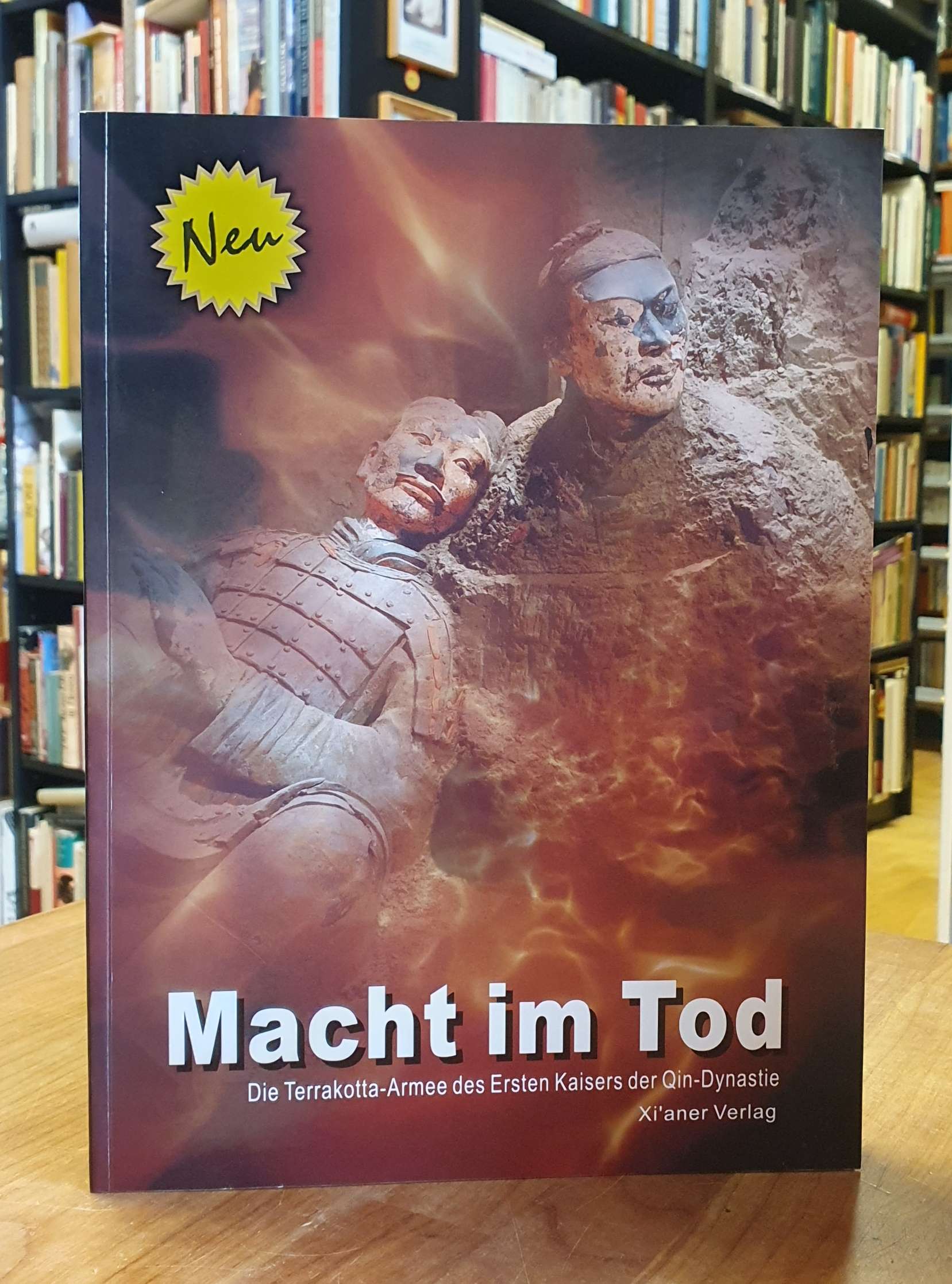
2006rif. 14395BBXi'an, Xi'aner Verlag, 2006. 4°, 128 S. mit zahlreichen, teilweise ganzseitigen Farbabbildungen, farbig illustr. original Klappenbroschur, Erstausgabe, deutschsprachige Ausgabe schönes, sauberes Exemplar.
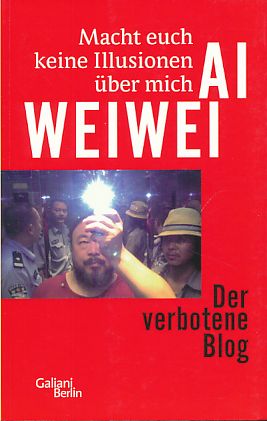
2011rif. 1000229Berlin: Galiani, 2011. 478 S. Originalbroschur.
rif. 50698895like new. unknown
rif. 50698895-nnew. unknown
1992rif. 27030ABBerlin:, Nicolai, 1992. quer- Gr.-8°. 127 S., durchgehend Farbabbildungen, Pappband (gut erhalten)
1973ix + 282pp. + plates out-of-text, 22cm., 1st ed., cloth, dustwrapper, G, X71268
ISBN : 207075734X. Le Promeneur. 1999. In-16 Carré. Broché. Etat d'usage. Couv. convenable. Dos satisfaisant. Intérieur frais. 194 pages. Photo en noir et blanc en frontispice. Avec bandeau d'éditeur. 1er plat légèrement taché. Décembre 1999, Macao retourne à la Chine.
rif. 11497Printed by the Government Printing Press, Macau, 1968 (revised edition). 1 volume octavo, soft cover, 74 pp., numerous illustrations on buildings, temples, cathedral, hospitals, factories, junks and sampans, hotels
rif. 13444Printed by the Government Printing Press, Macau, 1968 (revised edition). 1 volume octavo, soft printed covers, 74 pp., numerous illustrations on buildings, temples, cathedral, hospitals, factories, junks and sampans, hotels
1999rif. RO40126199Le Promeneur. 1999. In-16. Broché. Etat d'usage, Couv. convenable, Dos satisfaisant, Intérieur frais. 194 pages. Photo en noir et blanc en frontispice. Avec bandeau d'éditeur. 1er plat légèrement taché.. . . . Classification Dewey : 951-Chine
2000rif. LFA-126729655Un ouvrage de 64 pages, format 220 x 285 mm, illustré, broché couverture couleurs, publié en 2000, Impr. A. Barthélémy, bon état
1973rif. X71268London, Methuen 1973 ix + 282pp. + plates out-of-text, 22cm., 1st ed., cloth, dustwrapper, G, X71268
rif. 1136136 folding black & white woodcut plates. 88 folding leaves. Two debtelin in one vol. 8vo 265 x 166 mm. pink wrappers orig. block-printed title-slip on yellow silk on upper cover early stitching. Beijing: Wuying dian 武英殿 Postscript dated 1712. First edition of the Kangxi Emperor's r. 1661-1722 poetic cycle for the 36 scenic sights within the Rehe summer estate each accompanied by a stunning double-page woodcut illustration. Printed under the emperor's direct supervision on superior paper and using woodblocks carved by two of the finest artisans in the palace workshop this celebrated album had an initial print run of only 400 copies 200 in Manchu our copy and 200 in Chinese. As Stephen H. Whiteman writes in Where Dragon Veins Meet: The Kangxi Emperor and His Estate at Rehe 2020 these exclusive royal albums were most likely gifts from the Kangxi Emperor to "a relatively small circle of imperial clansmen steppe elites senior officials and others close to the throne" on the occasion of his 60th birthday in 1713 and their presentation was meant to "generate a particular bond of loyalty between the emperor and those he favored with this rare gift" pp. 183 224. First constructed in 1703 and enlarged over the next century the Rehe summer estate located beyond the Great Wall in present-day Chengde about 175 kilometers northeast of Beijing played an important role throughout the Qing empire's political history. It is today a UNESCO World Heritage Site. When the Kangxi Emperor ordered its initial construction in 1702 after half a century of expansionary war the summer estate was to become "the most substantial in a network of traveling palaces Ch. xinggong 行宮 that supported his annual tours north among the court's Inner Mongolian allies." But its significance quickly expanded. The Mountain Estate to Escape the Heat as the site would eventually be named effectively served as a secondary capital the emperor residing there from late spring through early autumn each year over the last decade of his life. "Yet it was also decidedly not the capital. Freed from the architectonic constraints of the Forbidden City Kangxi employed imperial parks and gardens as alternative spaces of rulership. Like his almost exact contemporaries in Europe and South Asia Aurangzeb r. 1658-1707 Louis XIV r. 1643-1715 and Peter the Great r. 1682-1725 Kangxi made designed landscapes central to his performance of authority.Kangxi's Mountain Estate was substantially a site of rituals of intimacy and exchange that performed a temporary elision of social difference between emperor and subject: roaming in the gardens banqueting entertainments and gift giving"-ibid. pp. 4-5. "In 1711 the Kangxi emperor formally initiated a project that sought to interweave the physical and sensory experiences of the Mountain Estate with his ideology of rulership and personal biography. Imperial Poems on the Mountain Estate to Escape the Heat presented the thirty-six scenes of the park-palace through a combination of imperially composed texts and images created by artists of the court. Produced almost simultaneously in three different mediums the work was part of a coordinated multifaceted effort to articulate a vision of Qing imperial rule through the links between landscape technology and the emperor himself"-ibid. 151. Our edition is the first to contain woodcuts; it was the second of many installments of the album - including a later one with copperplate engravings made by the Italian missionary Matteo Ripa 1682-1746 - and the earliest that survives. It opens with the emperor's "Record of the Mountain Estate" Ma. Han-i araha alin-i tokso de halhūn be jailaha gi bithe dated Kangxi 50 1711 followed by the impressions in red of his personal seals: Ti yuan zhu ren 體元主人 and Wan ji yu xia è¬å¹¾é¤˜æš‡; the latter which means "a brief leisure" was reserved for the emperor's own calligraphic and literary works. The emperor briefly introduces each of the 36 scenic poems in prose as if guiding the reader through a personal tour of the summer estate. The fold-out woodcut illustrations drawn by the court artist Shen Yu 沈崳 b. 1649 and carved by the artisans Zhu Gui 朱圭 ca. 1644-1717 and Mei Yufeng 梅裕鳳 fl. ca. 1696-1713 follow each poem. The album concludes with the Postscript signed by four palace officials who supervised its production dated Kangxi 51 1712. "Whether derived from or simply correlated to the unique album now lost the woodblock-printed book functions as a surrogate for the paintings. It imitates the album's arrangement and mode of engagement with the landscape pairing image and text in an intimately scaled format. The style of the images evokes Wang Yuanqi but also and more significant the emperor's most important artist thereby marking the book as a work of the court's highest echelon of cultural production and an object clearly commissioned and owned by the emperor. "Kangxi was intimately involved in the minutiae of the book's production from the selection of a specific type of high-quality paper to reviewing and editing the printing proofs to inspecting samples of the finished work. He was kept closely informed about the progress of the project including difficulties in curing the datewood blocks Zhu Gui and Mei Yufeng used as well as the need for more artisans given the scale and intricacy of the work. The order for four hundred copies two hundred in Chinese and another two hundred in Manchu came directly from the throne. In comparison to other contemporary projects with print runs of one thousand or more this number suggests that the emperor had a clear sense of the exclusive audience he intended to reach."-ibid. pp. 182-83. A monument of artistic production under imperial patronage the album of 36 sites has been the topic of extensive scholarly research. Comparing the woodcut edition to earlier traditions of royal literature and garden illustration in China the art historian Ma Yazhen 馬雅貞 of National Tsinghua University points out that many aspects of this album were unprecedented. For example she observes that the album is likely the first use of a fold-out illustration in a Chinese book - a detail that has long been overlooked. The wide fields of vision printed without frames the absence of persons within the buildings and corridors and the visual presentation of imperial poetry alongside official commentaries are only some of the album's many fascinating features that being unusual and sometimes unprecedented continue to generate new scholarly interpretation and debate. Interest in the album has only grown in recent decades following the publication of court archives that shed light on the process of its production. We know now for example that the Kangxi Emperor personally specified the layout choice of paper number of copies and even the thickness of brushstrokes of the Manchu issue and that its printing was carried out in batches in the year 1713 rather than 1712 date of Postscript. Some of the idiosyncrasies of the Manchu issue which survives less well than its Chinese counterpart nevertheless remain under-explored by researchers who have generally focused on the Chinese-language editions of the album. We find little scholarly discussion for example on the emperor's choice to exclude from the Manchu issue the extensive commentaries for his poetry compiled by palace officials a decision that surely gave the album a different - perhaps more personal than belletristic - tone of voice a voice reserved exclusively for its Manchu-speaking recipients. As mentioned above the Manchu issue has survived less well than the Chinese issue. Of the Manchu issue we locate copies at BnF Columbia LC SBBerlin Cambridge Harvard and SOAS in WorldCat. In fine and fresh condition preserved in yellow silk-covered folder and slipcase. The plates are fine and clean. The fold in each plate has been very carefully strengthened on the verso. A few minor marginal tears and paper flaws. Several other minor and skillful repairs. â§ Philippe Forêt Mapping Chengde: the Qing Landscape Enterprise University of Hawai'i Press 2000; 馬雅貞 "çš‡è‹‘åœ–ç¹ªçš„æ–°å…¸ç¯„ï¼šåº·ç†™ã€Šå¾¡è£½é¿æš‘山莊詩》的製作åŠå…¶æ„義" 故宮學術季刊 32 No. 2 2014 pp. 39-80. James A. Millward et al. eds. New Qing Imperial History: the Making of Inner Asian Empire at Qing Chengde Routledge 2004. Stephen H. Whiteman "Creating the Kangxi Landscape: Bishu shanzhuang and the Mediation of Qing Imperial Identity" PhD dissertation Stanford 2011; idem. Where Dragon Veins Meet: The Kangxi Emperor and His Estate at Rehe University of Washington Press 2020. unknown books
rif. 1136136 folding black & white woodcut plates. 88 folding leaves. Two debtelin in one vol. 8vo 265 x 166 mm. pink wrappers orig. block-printed title-slip on yellow silk on upper cover early stitching. Beijing: Wuying dian 武英殿 Postscript dated 1712. First edition of the Kangxi Emperor's r. 1661-1722 poetic cycle for the 36 scenic sights within the Rehe summer estate each accompanied by a stunning double-page woodcut illustration. Printed under the emperor's direct supervision on superior paper and using woodblocks carved by two of the finest artisans in the palace workshop this celebrated album had an initial print run of only 400 copies 200 in Manchu our copy and 200 in Chinese. As Stephen H. Whiteman writes in Where Dragon Veins Meet: The Kangxi Emperor and His Estate at Rehe 2020 these exclusive royal albums were most likely gifts from the Kangxi Emperor to "a relatively small circle of imperial clansmen steppe elites senior officials and others close to the throne" on the occasion of his 60th birthday in 1713 and their presentation was meant to "generate a particular bond of loyalty between the emperor and those he favored with this rare gift" pp. 183 224. First constructed in 1703 and enlarged over the next century the Rehe summer estate located beyond the Great Wall in present-day Chengde about 175 kilometers northeast of Beijing played an important role throughout the Qing empire's political history. It is today a UNESCO World Heritage Site. When the Kangxi Emperor ordered its initial construction in 1702 after half a century of expansionary war the summer estate was to become "the most substantial in a network of traveling palaces Ch. xinggong 行宮 that supported his annual tours north among the court's Inner Mongolian allies." But its significance quickly expanded. The Mountain Estate to Escape the Heat as the site would eventually be named effectively served as a secondary capital the emperor residing there from late spring through early autumn each year over the last decade of his life. "Yet it was also decidedly not the capital. Freed from the architectonic constraints of the Forbidden City Kangxi employed imperial parks and gardens as alternative spaces of rulership. Like his almost exact contemporaries in Europe and South Asia Aurangzeb r. 1658-1707 Louis XIV r. 1643-1715 and Peter the Great r. 1682-1725 Kangxi made designed landscapes central to his performance of authority.Kangxi's Mountain Estate was substantially a site of rituals of intimacy and exchange that performed a temporary elision of social difference between emperor and subject: roaming in the gardens banqueting entertainments and gift giving"-ibid. pp. 4-5. "In 1711 the Kangxi emperor formally initiated a project that sought to interweave the physical and sensory experiences of the Mountain Estate with his ideology of rulership and personal biography. Imperial Poems on the Mountain Estate to Escape the Heat presented the thirty-six scenes of the park-palace through a combination of imperially composed texts and images created by artists of the court. Produced almost simultaneously in three different mediums the work was part of a coordinated multifaceted effort to articulate a vision of Qing imperial rule through the links between landscape technology and the emperor himself"-ibid. 151. Our edition is the first to contain woodcuts; it was the second of many installments of the album - including a later one with copperplate engravings made by the Italian missionary Matteo Ripa 1682-1746 - and the earliest that survives. It opens with the emperor's "Record of the Mountain Estate" Ma. Han-i araha alin-i tokso de halhūn be jailaha gi bithe dated Kangxi 50 1711 followed by the impressions in red of his personal seals: Ti yuan zhu ren 體元主人 and Wan ji yu xia è¬å¹¾é¤˜æš‡; the latter which means "a brief leisure" was reserved for the emperor's own calligraphic and literary works. The emperor briefly introduces each of the 36 scenic poems in prose as if guiding the reader through a personal tour of the summer estate. The fold-out woodcut illustrations drawn by the court artist Shen Yu 沈崳 b. 1649 and carved by the artisans Zhu Gui 朱圭 ca. 1644-1717 and Mei Yufeng 梅裕鳳 fl. ca. 1696-1713 follow each poem. The album concludes with the Postscript signed by four palace officials who supervised its production dated Kangxi 51 1712. "Whether derived from or simply correlated to the unique album now lost the woodblock-printed book functions as a surrogate for the paintings. It imitates the album's arrangement and mode of engagement with the landscape pairing image and text in an intimately scaled format. The style of the images evokes Wang Yuanqi but also and more significant the emperor's most important artist thereby marking the book as a work of the court's highest echelon of cultural production and an object clearly commissioned and owned by the emperor. "Kangxi was intimately involved in the minutiae of the book's production from the selection of a specific type of high-quality paper to reviewing and editing the printing proofs to inspecting samples of the finished work. He was kept closely informed about the progress of the project including difficulties in curing the datewood blocks Zhu Gui and Mei Yufeng used as well as the need for more artisans given the scale and intricacy of the work. The order for four hundred copies two hundred in Chinese and another two hundred in Manchu came directly from the throne. In comparison to other contemporary projects with print runs of one thousand or more this number suggests that the emperor had a clear sense of the exclusive audience he intended to reach."-ibid. pp. 182-83. A monument of artistic production under imperial patronage the album of 36 sites has been the topic of extensive scholarly research. Comparing the woodcut edition to earlier traditions of royal literature and garden illustration in China the art historian Ma Yazhen 馬雅貞 of National Tsinghua University points out that many aspects of this album were unprecedented. For example she observes that the album is likely the first use of a fold-out illustration in a Chinese book - a detail that has long been overlooked. The wide fields of vision printed without frames the absence of persons within the buildings and corridors and the visual presentation of imperial poetry alongside official commentaries are only some of the album's many fascinating features that being unusual and sometimes unprecedented continue to generate new scholarly interpretation and debate. Interest in the album has only grown in recent decades following the publication of court archives that shed light on the process of its production. We know now for example that the Kangxi Emperor personally specified the layout choice of paper number of copies and even the thickness of brushstrokes of the Manchu issue and that its printing was carried out in batches in the year 1713 rather than 1712 date of Postscript. Some of the idiosyncrasies of the Manchu issue which survives less well than its Chinese counterpart nevertheless remain under-explored by researchers who have generally focused on the Chinese-language editions of the album. We find little scholarly discussion for example on the emperor's choice to exclude from the Manchu issue the extensive commentaries for his poetry compiled by palace officials a decision that surely gave the album a different - perhaps more personal than belletristic - tone of voice a voice reserved exclusively for its Manchu-speaking recipients. As mentioned above the Manchu issue has survived less well than the Chinese issue. Of the Manchu issue we locate copies at BnF Columbia LC SBBerlin Cambridge Harvard and SOAS in WorldCat. In fine and fresh condition preserved in yellow silk-covered folder and slipcase. The plates are fine and clean. The fold in each plate has been very carefully strengthened on the verso. A few minor marginal tears and paper flaws. Several other minor and skillful repairs. â§ Philippe Forêt Mapping Chengde: the Qing Landscape Enterprise University of Hawai'i Press 2000; 馬雅貞 "çš‡è‹‘åœ–ç¹ªçš„æ–°å…¸ç¯„ï¼šåº·ç†™ã€Šå¾¡è£½é¿æš‘山莊詩》的製作åŠå…¶æ„義" 故宮學術季刊 32 No. 2 2014 pp. 39-80. James A. Millward et al. eds. New Qing Imperial History: the Making of Inner Asian Empire at Qing Chengde Routledge 2004. Stephen H. Whiteman "Creating the Kangxi Landscape: Bishu shanzhuang and the Mediation of Qing Imperial Identity" PhD dissertation Stanford 2011; idem. Where Dragon Veins Meet: The Kangxi Emperor and His Estate at Rehe University of Washington Press 2020. unknown
in-8°, 310 pages, illustrations hors texte N&B, broche, couverture illustree plastifiee. Bel exemplaire [CA32-6] Cet ouvrage est la traduction intégrale, publiée pour la première fois en France, du livre américain « The Last Manchu ».