1 622 résultats
1854réf. 191943Yokohama: c. 1854. A broadside newsletter kawaraban reporting on the return of the famous castaway Nakahama Manjiro and Perry's second visit to Japan. This example was produced in the year the Japanese isolation policy was ended and talk of foreigners especially Commodore Perry and his "black ships" was rife. Kawaraban were woodblock digests of local news events and scandals cheaply printed and distributed throughout the Edo period. On the left of this example is a short report about Nakahama Manjiro the castaway who lived in America for a decade before returning to Japan in 1851. It is accompanied by an illustration of an American sailor called "Itsuhii" carrying a gun and a compass and a sentence about how he supposedly travelled from Kanagawa to Daisha Gawara before returning to his ship. On the right is an illustration of an item sent floating towards Uraga Bay by Perry's ships with the caption "we do not know what it is". The centre of the page is taken up by an English-Japanese "dictionary" titled Amerika kotoba wakai no utsushi "American Words Translated" which purports to give the translations of common words such as "father" "fish" and "hair". However the translations are not correct: "oranhee" "kyonpo" and "romo" respectively. These words may have been misheard by the author or they may have been a satirical attempt to mock the sound of English. The historian of the English language Sogo Masaaki suggested that perhaps there is some relation to words in Malay. Single sheet 210 x 284 mm woodblock on one side only. Illustrations in text; text in Japanese. Mounted framed with Hawaiian koa wood and glazed 340 x 440 mm. Print bright two small holes on right edge light creasing and dust-soiling; small crack in frame in lower right corner: a very good copy unexamined out of frame. unknown
1856réf. 191708Japan: c. 1856. The first Western ships in a newly opened Japan An untraced manuscript record of the Western ships that arrived in Shimoda after Perry signed the Convention of Kanagawa. They include those from his fleet such as the Mississippi and the Macedonian as well as the Russian flagship Diana and many smaller trading vessels about which little information survives. Compiled anonymously the ledger begins on 25 February 1854 and ends on 26 February 1856. Over this period the scribe recorded the names captains armaments and crew compliments of each vessel that arrived in port. While much of this information is available elsewhere for larger American ships such as the Vandalia there are fewer resources that give details on smaller trading ships such as the Lady Pierce Caroline E. Foote Vincennes and Hancock. For example this ledger notes that the Caroline E. Foote docked 21 January to 9 February 1855 arrived with 21 people including 3 women and 2 children a boy aged 9 and a girl aged 5 before ferrying Russian sailors who had been staying in Toda village back to Kamchatka. The scribe also notes the arrival of Russian ships including the flagship Diana. Her captain Yevfimy Putyatin was sent to negotiate the Treaty of Shimoda. In December 1854 the fleet was hit by a tsunami causing the Diana to spin round her mooring 42 times. Three French ships are recorded in the manuscript transcribed as the Napoleon III Havre Constantine and Colbert. We have been unable to trace information about these vessels in other sources. Large octavo 245 x 171 mm ff. 15. Manuscript in red and black on recto and verso of leaves; text in classical Japanese. Original manuscript title leaf paper string koyori tied through one hole. Together with manuscript draft drawing of a Dutch officer 327 x 243 mm stamp of the artist "Toho" in red. Creased as expected a few worm holes internally some repaired otherwise bright: a very good example. unknown
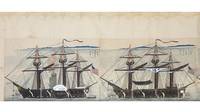
réf. 11288Japan: ca. 1854-55. An impressively assembled scroll that portrays the second American expedition to Japan February-March 1854 led by Commodore Perry; much of it is focused on the American vessels that anchored menacingly off the coast. Seven of the nine ships in the American fleet are carefully portrayed with notes on the estimated numbers of cannons and crewmembers. Steam-powered ships with black smoke gushing from the stacks and rows of powerful cannons shocked the Japanese most of whom had never seen such a demonstration of advanced military technology. The observations in this scroll must have been crucial to inform the decision-making of Japanese officials. "Black Ship Scrolls" conveying eyewitness reports were disseminated among the Japanese elite and kept top secret. Our scroll was presumably created for a high-ranking Japanese official since any information on the American interlopers was carefully controlled by the local authorities to maintain public order in the face of an anticipated foreign invasion. Compared to other depictions of the foreigners which frequently showed them as caricatures hairy oversized red-faced and blue-eyed the more dignified portraits in our scroll demonstrate the increasing familiarity between the Japanese and American contingents. In the years following Japan's opening to the West Japanese artisans produced countless scrolls commemorating the American expeditions catering to the tourist trade and as gifts to visiting dignitaries. Mass-produced with foreigners' preferences in mind these scrolls took liberties with the events that transpired straying far from the earliest accounts and sketches. They pale in comparison with the elaborate and scrupulous illustrations found in this early scroll. Though the later mass-produced scrolls are easily found on the market examples like ours presumably created for a Japanese official or nobleman remain greatly treasured for their revealing depictions. We have ordered the scroll into 15 individual scenes most of which have a contemporary manuscript caption translated below: I. Three sailors in the American marching band two of whom are uniformed drummer boys. The band led the American march to Yokohama where negotiations between the two nations were held in a newly constructed reception hall. The Japanese manuscript caption reads: "Illustration of musicians." II. Two sailors with swords sheathed are holding their muskets with bayonets fixed. A fine indigo ink has been employed to depict the uniform on the left. Caption: "Rank: Sergeant/Soldier." III. Commodore Perry on the right faces a sailor who may be the conductor of the American expedition's marching band. Perry is depicted rather sympathetically compared to exaggerated and even outlandish portraits that depict him as quite large hairy and red-faced. The artist has once more used a deep indigo to capture the color of the uniforms. Caption: "Ambassador Perry/Conductor Commandant." IV. A larger portrait of a lone sailor probably an officer clutching his sheathed sword and clenching his fist. Caption: "Foreigner Captain landed near Kanagawa." V. An elaborate and realistic portrait of Perry capturing even the individual hairs on his head and the wrinkles on his face. Caption: "American Envoy Perry." VI. A portrait of Perry's chief-of-staff Henry A. Adams done by the same artist as Perry's portrait. Caption: "American Vice Envoy Adams." VII. upper portion A very long horizontal painting of the American column marching to the Yokohama reception hall for negotiations regarding the opening of Japan to American trade. There are more than 100 armed Americans soldiers following the marching band. The top of this sheet has been slightly cropped cutting off part of the American flag in the middle. Caption: "Illustration of American landing column." VIII. lower right A sizable rendering of the USS Vandalia a sloop-of-war that joined the Perry Expedition in late 1853. Caption: "Name of ship: Vandalia 20 cannons 200 crewmembers." Minuscule mended wormholes to the image. IX. lower left The USS Saratoga another sloop-of-war. Caption: "Name of ship: Saratoga 20 cannons 200 crewmembers." Expertly mended wormholes touching the image hardly visible. X. upper portion A panoramic view with a fleet of 23 American rowboats headed to shore. Mending to the top of the scroll. XI. right lower portion The USS Mississippi a steam frigate that was part of the first expedition. Caption: "Name of ship: Mississippi 8 cannons 240 crewmembers." XII. left lower portion The USS Southampton a storeship. Caption: "Name of ship: Southampton 6 cannons 50 crewmembers." Expert mending of wormholes affecting the image. XIII. USS Supply a supply ship. Caption: "Name of ship: Supply 6 cannons 40 crewmembers." Wormholes repaired and with some foxing. XIV. USS Lexington a supply ship. Caption: "Name of ship: Lexington 26 cannons 50 crewmembers." Repaired wormholes and small sections of the white wash used for the sails have come off. XV. USS Susquehanna a steam frigate. Caption: "Name of ship: Susquehanna 6 cannons 240 crewmembers." Careful mending of wormholes to head and tail of scroll. In very good condition; there are a number of wormholes all expertly restored to the point that most are invisible to the naked eye and some browning and speckles to blank segments of the scroll. Two unidentified ownership seals next to the illustration of the USS Vandalia no. VIII. Housed in a custom-made 20th-century wooden box. â§ Renata V. Shaw "Japanese Picture Scrolls of the First Americans in Japan" in The Quarterly Journal of the Library of Congress Vol. 25 No. 2 April 1968 pp. 134-53. For helpful recapitulations of accounts from the Japanese and Americans William McOmie The Opening of Japan 1853-1855: A Comparative Study of the American British Dutch and Russian Naval Expeditions to Compel the Tokugawa Shogunate to Conclude Treaties and Open Ports to Their Ships 2006. unknown
réf. 11288Japan: ca. 1854-55. An impressively assembled scroll that portrays the second American expedition to Japan February-March 1854 led by Commodore Perry; much of it is focused on the American vessels that anchored menacingly off the coast. Seven of the nine ships in the American fleet are carefully portrayed with notes on the estimated numbers of cannons and crewmembers. Steam-powered ships with black smoke gushing from the stacks and rows of powerful cannons shocked the Japanese most of whom had never seen such a demonstration of advanced military technology. The observations in this scroll must have been crucial to inform the decision-making of Japanese officials. "Black Ship Scrolls" conveying eyewitness reports were disseminated among the Japanese elite and kept top secret. Our scroll was presumably created for a high-ranking Japanese official since any information on the American interlopers was carefully controlled by the local authorities to maintain public order in the face of an anticipated foreign invasion. Compared to other depictions of the foreigners which frequently showed them as caricatures hairy oversized red-faced and blue-eyed the more dignified portraits in our scroll demonstrate the increasing familiarity between the Japanese and American contingents. In the years following Japan's opening to the West Japanese artisans produced countless scrolls commemorating the American expeditions catering to the tourist trade and as gifts to visiting dignitaries. Mass-produced with foreigners' preferences in mind these scrolls took liberties with the events that transpired straying far from the earliest accounts and sketches. They pale in comparison with the elaborate and scrupulous illustrations found in this early scroll. Though the later mass-produced scrolls are easily found on the market examples like ours presumably created for a Japanese official or nobleman remain greatly treasured for their revealing depictions. We have ordered the scroll into 15 individual scenes most of which have a contemporary manuscript caption translated below: I. Three sailors in the American marching band two of whom are uniformed drummer boys. The band led the American march to Yokohama where negotiations between the two nations were held in a newly constructed reception hall. The Japanese manuscript caption reads: "Illustration of musicians." II. Two sailors with swords sheathed are holding their muskets with bayonets fixed. A fine indigo ink has been employed to depict the uniform on the left. Caption: "Rank: Sergeant/Soldier." III. Commodore Perry on the right faces a sailor who may be the conductor of the American expedition's marching band. Perry is depicted rather sympathetically compared to exaggerated and even outlandish portraits that depict him as quite large hairy and red-faced. The artist has once more used a deep indigo to capture the color of the uniforms. Caption: "Ambassador Perry/Conductor Commandant." IV. A larger portrait of a lone sailor probably an officer clutching his sheathed sword and clenching his fist. Caption: "Foreigner Captain landed near Kanagawa." V. An elaborate and realistic portrait of Perry capturing even the individual hairs on his head and the wrinkles on his face. Caption: "American Envoy Perry." VI. A portrait of Perry's chief-of-staff Henry A. Adams done by the same artist as Perry's portrait. Caption: "American Vice Envoy Adams." VII. upper portion A very long horizontal painting of the American column marching to the Yokohama reception hall for negotiations regarding the opening of Japan to American trade. There are more than 100 armed Americans soldiers following the marching band. The top of this sheet has been slightly cropped cutting off part of the American flag in the middle. Caption: "Illustration of American landing column." VIII. lower right A sizable rendering of the USS Vandalia a sloop-of-war that joined the Perry Expedition in late 1853. Caption: "Name of ship: Vandalia 20 cannons 200 crewmembers." Minuscule mended wormholes to the image. IX. lower left The USS Saratoga another sloop-of-war. Caption: "Name of ship: Saratoga 20 cannons 200 crewmembers." Expertly mended wormholes touching the image hardly visible. X. upper portion A panoramic view with a fleet of 23 American rowboats headed to shore. Mending to the top of the scroll. XI. right lower portion The USS Mississippi a steam frigate that was part of the first expedition. Caption: "Name of ship: Mississippi 8 cannons 240 crewmembers." XII. left lower portion The USS Southampton a storeship. Caption: "Name of ship: Southampton 6 cannons 50 crewmembers." Expert mending of wormholes affecting the image. XIII. USS Supply a supply ship. Caption: "Name of ship: Supply 6 cannons 40 crewmembers." Wormholes repaired and with some foxing. XIV. USS Lexington a supply ship. Caption: "Name of ship: Lexington 26 cannons 50 crewmembers." Repaired wormholes and small sections of the white wash used for the sails have come off. XV. USS Susquehanna a steam frigate. Caption: "Name of ship: Susquehanna 6 cannons 240 crewmembers." Careful mending of wormholes to head and tail of scroll. In very good condition; there are a number of wormholes all expertly restored to the point that most are invisible to the naked eye and some browning and speckles to blank segments of the scroll. Two unidentified ownership seals next to the illustration of the USS Vandalia no. VIII. Housed in a custom-made 20th-century wooden box. â§ Renata V. Shaw "Japanese Picture Scrolls of the First Americans in Japan" in The Quarterly Journal of the Library of Congress Vol. 25 No. 2 April 1968 pp. 134-53. For helpful recapitulations of accounts from the Japanese and Americans William McOmie The Opening of Japan 1853-1855: A Comparative Study of the American British Dutch and Russian Naval Expeditions to Compel the Tokugawa Shogunate to Conclude Treaties and Open Ports to Their Ships 2006. unknown books
réf. DADAX0933686005New unknown
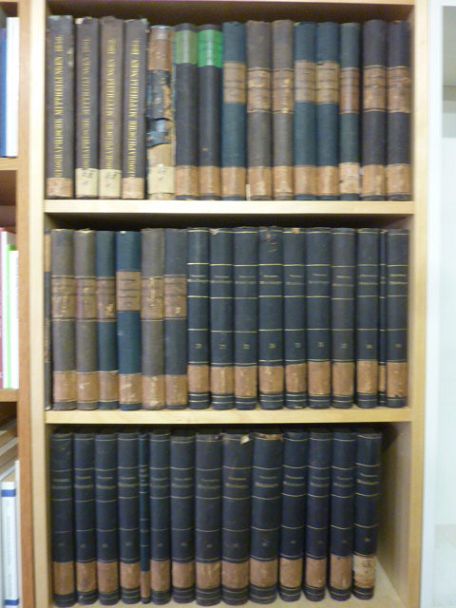
1855réf. 46629Gotha Julius Perthes 1855-1874. 4to. Bound in 18 contemp. hcalf some wear to the first 10 vols. some a bit rubbed. Some scattered brownspots to the first volumes. Gilt spines. Wear to top of spines. With a huge amount of original maps plates profiles etc. lithographed and engraved large and folded and mainly in colour. This set does not include the "Ergänzungsbände". The first 19 lacking vol. 14 volumes of this importent periodical from its "Golden Period". "Petermann's Mittheilungen" became the leading geographic publication of the world and remained so until World War I. All the new geographical discoveries all the reports from the latest exploratory expeditions were published and flowed into Petermann's Geographische Anstalt and he took care to see that it was translated into cartographic form as quickly as possible. The maps soon came to have a reputation for containing the latest and the most accurate information available. Not only German but international readers as well came to see the 'Mitteilungen' as an indispensable organ for the world of geographical research. unknown
1858réf. 32039ABGotha, J. Perthes, 1858-1906. 4°, jeder Band zwischen ca. 300 und 500 S. mit zahlr. (oftmals farbigen) Ausklapp-Tafeln und Falt-Karten, die ersten 4 Bände (1858-1863) als schwarze original Leineneinbände mit goldener Deckel- und Rückenbeschriftung sowie reicher Deckelbildprägung, der Band 1868 als schlicher schwarzer Pappband der Zeit, dann (1870-1906) Halbleinen-Einbände der Zeit mit Rückenschildern bzw. goldener Rückenbeschriftung und Musterpapierbezügen, alle Bände in Originalausgabe alle Bände unten mit Rückensignaturschildchen, die Rückenkanten der ganz frühen Bände stellenw. angeplatzt, wenige Bände oben am Rücken etwas angerändert, beim schlichten Pappband von 1868 der Rücken beschädigt und mit Fehlstellen (innen aber bindungsstab
1989réf. 15562München, Verlag Almuth Petersen-Roil, 1989. numm. Expl. (199 / 200). XXXI, 44 SS. 8°, Orig.- Broschur.
1993réf. 15563München, Verlag Almuth Petersen-Roil, 1993. numm. Expl. (42 / 60). Ohne Seitenzählung (ca. 70 SS.) 8°, Orig.- Broschur.
1850réf. P1-22-1Bagnères de Luchon, Dulon, Lafont, Bassy, Boicin, s.d.(1850). In-folio oblong, titre et 30 lithographies sur Chine appliquée sur papier fort légendé, cartonnage éditeur percaline, titre orné doré sur le plat supérieur (quelques rousseurs). Bel album de 26 vues, dont 3 doubles et 1 triple. Bagnères de Luchon et ses environs, par Victor Petit. Paris, 1850, oblong folio (390x270mm), original green cloth with gilting enclosing by ornate, gilt covers, attractive collection of lithographs of medicine baths in the Pyrenees. 29 unnumbered plates of which 3 double and 1 triple.
in-8°, 213 pp., illustrations, cartes, broche, couverture illustree. Papier jauni, traces de mouill., dos leg. us. sinon bon etat. [P-19]
1989réf. 2825Fayard 15 x 23,5 Paris 1989 Broché, 552 p, cahier d'illustrations central. Récit et mise en perspective de la mission britannique Macartney en Chine. Très légère pliure au dos, sinon livre en excellent état.(C91) Livre 2213020256
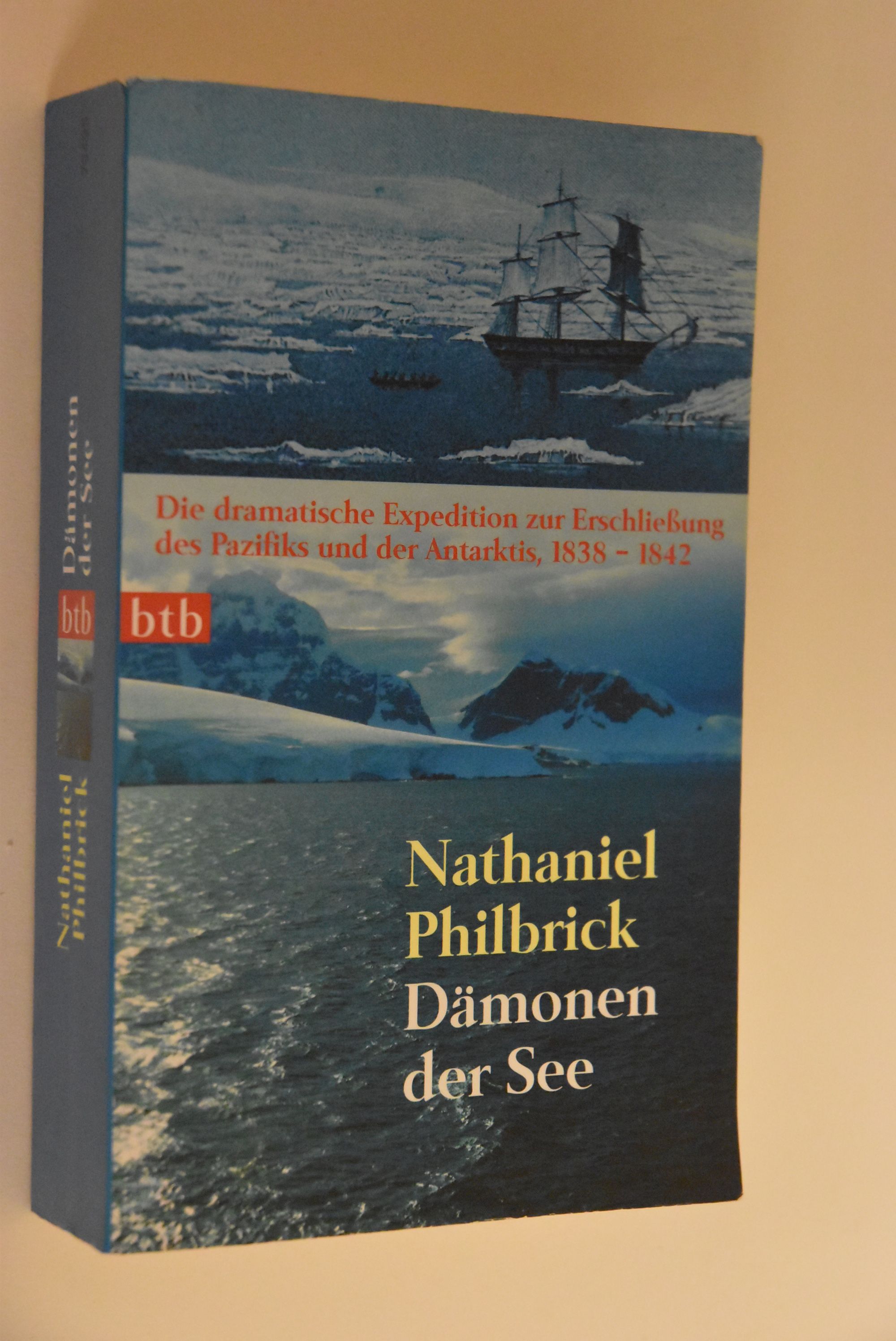
2006réf. 61321München: btb 2006. Genehmigte Taschenbuchausg., 1. Aufl. 505, [24] S.: Ill., Kt.; 19 cm Taschenbuch 0
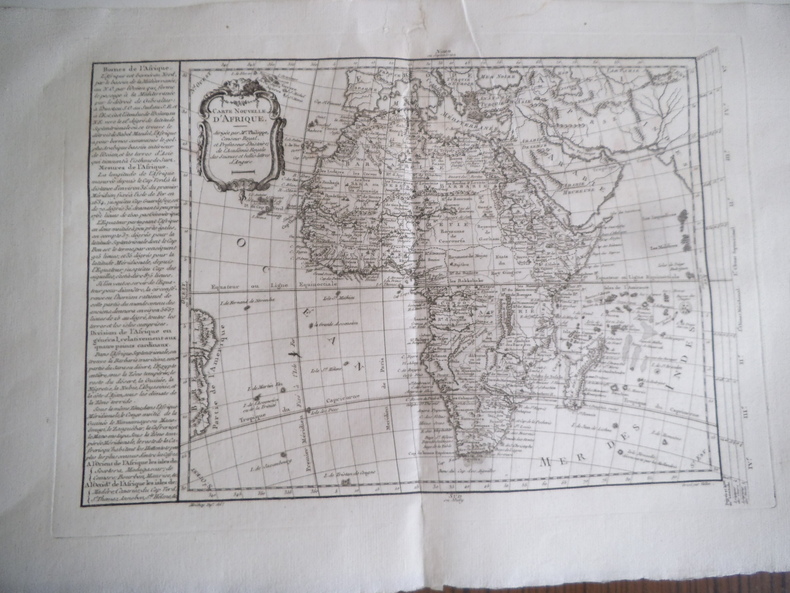
réf. 14521Carte nouvelle de l’Afrique dirigée par M. PHILIPPE dessiné par MOITHEY gravé par VALLET. Gravure sur vergé 41x290mm à la cuvette 530x350mm avec marges. (Pli central et petite déchirure réparée en marge supérieure), carte issue de l’atlas universel dirigé par PHILIPPE de PRETOT.
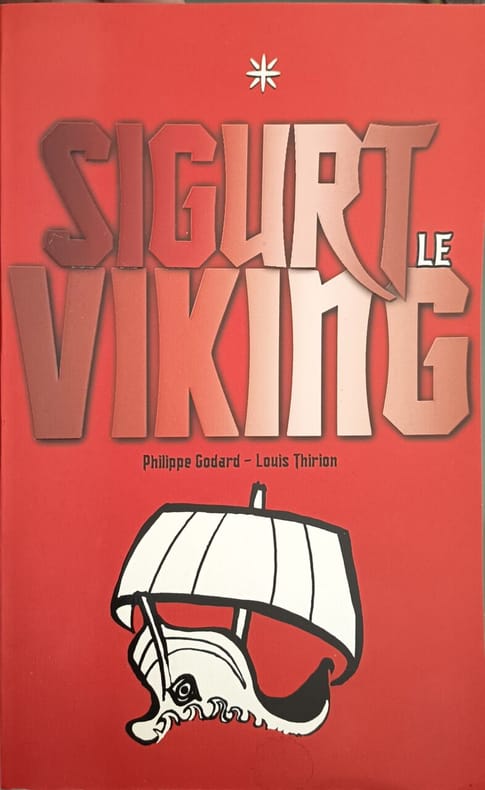
2004réf. 10159Hachette 2004 209 pages in8. 2004. broché. 209 pages. Sigurt le Viking est le premier tome d'une trilogie jeunesse qui suit les aventures de Sigurt un jeune orphelin recueilli par un guerrier viking. Il embarque pour une expédition vers le Vinland (future Amérique) mais se retrouve seul après le massacre de ses compagnons lors d'une dure traversée dans les glaces du Grand Nord. Le roman se distingue par son souci de réalité historique et son rejet des clichés sur les 'invasions normandes'
réf. DADAX1611686830New unknown
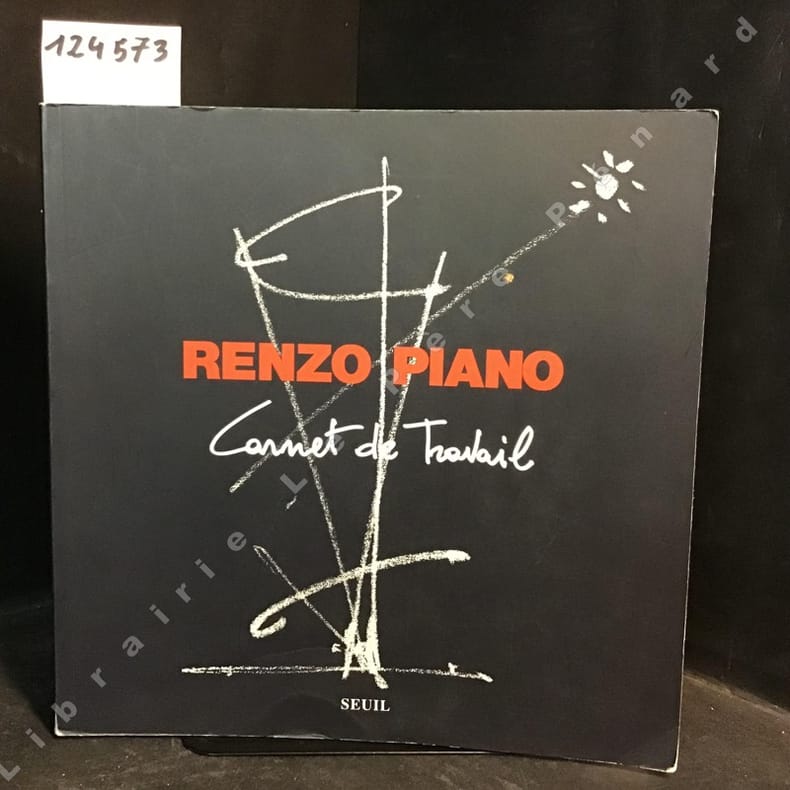
1997réf. 1245731997 Editions du Seuil - 1997 - In-8 carré, broché, couverture illustrée - 287 pages - Nombreuses illustrations en N&B et en couleurs, in et hors-texte, dans l'ouvrage
1695réf. E0561xxiv21612 pages with frontispiece folding map and eight engraved costume plates. Duodecimo 6 ¼" x 3 ½" early full calf later spine label. First Edition in English. First published in French the prior year which was published without the plates. François Pidou de Saint Olon was a French diplomat under Louis XIV. In 1682 he was nominated as the first French resident envoy to the Republic of Genoa following the Bombardment of Genoa. He was then sent as an envoy to Madrid. In 1689 François Pidou was appointed ambassador to the court of Sultan Moulay Ismail for the signing of a commercial treaty and to release prisoners now slaves of Barbary corsairs of Salé for 233 including 29 bedridden Moroccan prisoners held by the French. His mission was not successful however he continued to stay more than three weeks more in Morocco. The book gains particular interest through its author's position as ambassador giving him access not always voluntary to areas of Moroccan society previously unrecorded by travelers. There are detailed descriptions of Moroccan dress and the book is beautifully illustrated with eight engraved plates of Moroccan men and women in traditional costume. Condition: With the fine copper engraved frontispiece of the overall state of Morocco which is quite rare and is often found missing in most copies. Joints cracking spine chipped at edges; foxing else very good. R. Bently hardcover
1695réf. E0561xxiv21612 pages with frontispiece folding map and eight engraved costume plates. Duodecimo 6 ¼" x 3 ½" early full calf later spine label. First Edition in English. First published in French the prior year which was published without the plates. François Pidou de Saint Olon was a French diplomat under Louis XIV. In 1682 he was nominated as the first French resident envoy to the Republic of Genoa following the Bombardment of Genoa. He was then sent as an envoy to Madrid. In 1689 François Pidou was appointed ambassador to the court of Sultan Moulay Ismail for the signing of a commercial treaty and to release prisoners now slaves of Barbary corsairs of Salé for 233 including 29 bedridden Moroccan prisoners held by the French. His mission was not successful however he continued to stay more than three weeks more in Morocco. The book gains particular interest through its author's position as ambassador giving him access not always voluntary to areas of Moroccan society previously unrecorded by travelers. There are detailed descriptions of Moroccan dress and the book is beautifully illustrated with eight engraved plates of Moroccan men and women in traditional costume. Condition: With the fine copper engraved frontispiece of the overall state of Morocco which is quite rare and is often found missing in most copies. Joints cracking spine chipped at edges; foxing else very good. R. Bently hardcover books
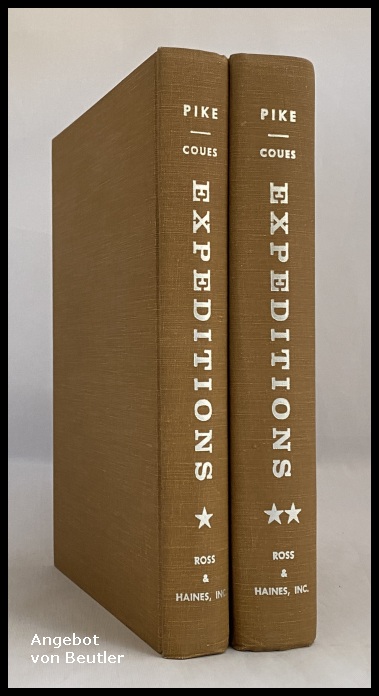
1965réf. 35029AMinneapolis, Ross & Haines, 1965. Three volumes in two (edition complete). Gr. 8°. CXIII, IV, 955 pages. With 6 maps / Mit 6 Faltkarten in der Innendeckeltasche. Original-cloth / Original-Leinen. (No dust jacket, slightly bumped / ohne Schutzumschläge, etwas bestoßen). [3 Warenabbildungen]
1898réf. HM064141898-1931 9 volumes (in all: 2008 p., 189 figs, 117 pls, 45 maps)Part 6-14: Rotes Meer (Red Sea) und weiterführend östliches Mittelmeer (ends with part 14). Parts 1-5 treated the eastern part of the Mediterranean, and are not included in this set! Parts 6-12: orginal hcloth. Parts 13-14: original paperbound. Part 6 with waterstained back cover, otherwise a very good set of these rare expedition reports of the Pola-Expedition to the Red Sea.Part 6: 4to. 628 p., 7 figs, 30 pls, 23 maps. A: Forschungen im Roten Meere (nördliche Hälfte) 1895-1896. Einleitung. I. Koss, K.: Zeit- und Ortsbestimmungen. II. Triulzi, A.Edler v.: Relative Schwerebestimmungen. III. Roeßler, K.: Magnetische Beobachtungen. IV. Arbesser v. Rastburg, C.: Meteorologische Beobachtungen. Angestellt an Bord S.M. Schiffes "Pola" auf The Brothers, in Koseir und in Jidda. V. Arbesser v. Rastburg, C.: Geodätische Arbeiten. VI. Luksch, J.: Physikalische Untersuchungen. VII. Steuer, A.: Sapphirinen des Roten Meeres. VIII. Grobben, K.: Beiträge zur Morphologie und Anatomie der Tridacniden. IX. Natterer, K.: Chemische Untersuchungen. B. Forschungen im östlichen Mittelmeere 1889-1894 XXI: Oberwimmer, A.: Zoolog. Ergebnisse. X. Mollusken. II. Heteropoden und Pteropoden, Sinusigera. XXII: Adensamer, Th.: Zoolog. Ergebnisse. XI. Decapoden. Part 7: 4to. 504 p., 8 maps, 34 pls, 19 figs. A: Forschungen im Roten Meere (südliche Hälfte) 1897-1898 X. Koss, K.: Kimmtiefen-Beobachtungen. XI. Koss, K.: Zeit- und Ortsbestimmungen. XII. Triulzi, A. Edler v.: Relative Schwerebestimmungen. XIII: Roeßler, K.: Magnetische Beobachtungen. XIV: Sturany, R.: Lamellibranchiaten des Roten Meeres. XV. Natterer, K.: Chemische Untersuchungen von Wasser- und Grundproben. XVI. Schulze, F.E.: Hexactinelliden des Roten Meeres. XVII. Steindachner, Fr.: Bericht über die herpetologischen Aufsammlungen. XVIII. Luksch, J.: Physikalische Untersuchungen. XIX. Luksch, J.: Untersuchungen über die Transparenz und Farbe des Seewassers. XX. Grobben, K.: Zur Kenntnis der Morphologie und Anatomie von Meleagrina sowie der Aviculiden im allgemeinen. B. Forschungen im östlichen Mittelmeere 1889-1894 XXIII: Schulze, Fr.E.: Zoolog. Ergebnisse. XII. Mittelmeer-Hexactinelliden. Part 8: 4to. 323 p., 12 pls, 5 figs. 8 maps. A: Forschungen im Roten Meere (südliche Hälfte) 1897-1898. XXI. Arbesser von Rastburg, C.: Metereologische Beobachtungen, angestellt an Bord S.M. Schifes "Pola" in Koseir, Sawakin, Jidda, Massawa, Asab und Perim. XXII. Arbesser von Rastburg, C.: Geodätische Arbeiten. XXIII. Sturany, R.: Gastropoden des Roten Meeres. B. Forschungen im östlichen Mittelmeere 1889-1894. XXIV: Windt, Jan de & Berwerth, Fr.: Untersuchungen von Grundproben auf der 1.,3. und 4. Reise. XXV: Marenzeller, E.v.: Zoolog. Ergebnisse. XIII. Polychäten des Grundes, gesammelt 1893-1894. Part 9: 4to. 97 p., 31 pls, 7 figs. Forschungen im Roten Meere (nördliche und südliche Hälfte) 1895-1898 XXIV. Marenzeller, E.v.: Über den Septennachwuchs der Eupsamminen E.H. XXV. Marenzeller, E.v.: Tiefseekorallen des Roten Meeres. XXVI. Marenzeller, E.v.: Riffkorallen. Part 10: 4to. 54 p., 2 pls & 9 figs. A. Forschungen im östlichen Mittelmeere. XXVI: Ritter-Zahony, R.v.: Zoolog. Ergebn. XIV. Chätognathen. XXVII: Pesta, O.: Zoolog. Ergebn. XV. Copepoden. XXVIII: Ritter-Zahony, R.v.: Zoolog. Ergebn. XVI. Zur Anatomie des Chätognathenkopfes. B. Forschungen im Roten Meere (nördliche und südliche Hälfte) 1895-1898. XXVII: Ritter-Zahony, R.v.: Chätognathen. Part 11: 4to. 104 p., 5 (2 col.) pls, 69 figs. A. Forschungen im Roten Meere (nördliche und südliche Hälfte) 1895-1898. XXVIII. Balss, H.: Zoologische Ergebnisse. XXVIII. Über Stomatopoden des Roten Meeres. XXIX. Kükenthal, W. Zoolog. Ergebn. XXIX. Alcyonaria des Roten Meeres. XXX. Balss, H.: Zoolog. Ergebn. XXX. Die Decapoden des Roten Meeres. B. Forschungen im östlichen Mittelmeere. XXIX: Pesta, O.: Zoolog. Ergebn. XVII. Die Isopodengattung Microniscus. XXX. Pesta, O.: Zoolog. Ergebn. XVIII. Copepoden des östlichen Mittelmeers. Part 12: 4to. 141 p., 1 plate, 29 figs, 1 map. Forschungen im Roten Meere (nördliche und südliche Hälfte) 1895-1878. XXXI. Balss, H.: Zoolog. Ergebn. XXXI. Die Decapoden des Roten Meeres. II. Anomuren, Dromiaceen und Oxystomen. XXXII. Michaelsen, W.: Zoolog. Ergebn. XXXII. Ascidea Plychobranchia und Diclyobranchia des Roten Meeres. Part 13: 4to. 111 p., 1 plate, 25 figs,. & 5 maps. Forschungen im Roten Meere (nördliche und südliche Hälfte) 1895-1897 XXXIII. Michaelsen, W.: Zoolog. Ergebn. XXXIII. Ascidiae Krikobranchiae des Roten Meeres: Clavelinidae und Synoicidae. XXXIV. Balss, H.: Zoolog. Ergebn. XXXIV. Decapoden des Roten Meeres. III. Die Parthenopiden, Cyclometopen und Catometopen. XXXV. Spandl, H.: Zoolog. Ergebn. XXXV. Die Amphipoden des Roten Meeres. Part 14: 4to. 46 p., 1 plate, 19 figs. Forschungen im Roten Meere (nördliche und südliche Hälfte) 1895-1898. XXXVI. Balss, H.: Zoolog. Ergebn. Decapoden des Roten Meeres. IV. Oxyrhyncha und Schlußbetrachtungen. XXXVII. Graf, H.: Zoolog. Ergebn. Die Cypridinidae des Roten Meeres.
réf. #[36261]Haarlem H.D. Tjeenk Willink & Zoon 1865- 1915. In issues. With many photographic illustrations. Sir John Franklin en de Noordpoolreizen. 1865. - Schipbreuken in de Noordpoolzee. Lotgevallen van Barends en Von Krusenstern. 1866. - Reis naar de Noordpoolstreken. 1869. - Noordpool-reis van de Germania en de Hansa. 1875. - Nansen en zijn Poolreis door F.J. van Uildriks. 1897. - De Polaris. Zes maanden op het ijs. 1878. - De Zweedsche Pool-expeditie onder leiding van A.E. Nordenskiöld. 1878. - Vijftien maanden in de Zuidpoolstreken. Naar het Fransch van Adrien de Gerlache. 1902. - De moordende Pool. Het reisverhaal van kapitein Scott. 1914. - and 4 others. unknown
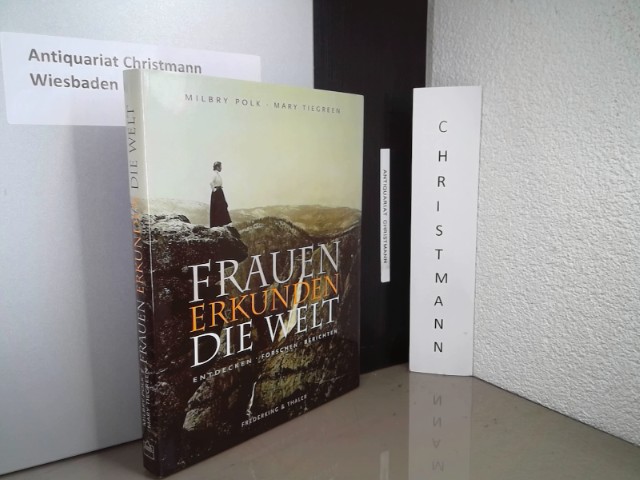
2001réf. 57889München : Frederking und Thaler 2001. 255 S. : ca. 300 farb. Abb. ; 29 cm, mit Schutzumschlag Pp., gebundene Ausgabe, Hardcover/Pappeinband, Exemplar in gutem Erhaltungszustand
1975réf. 15498Radebeul : Neumann, 1975. 149 S. : Ill. (farb.) Gr. 8°. 1. Aufl. OLwd mit Buntpräg. ohne SU.