Fisher, RobinMareMagnum

1622 risultati
1992131 pages. Reference notes. Recommended reading list. List of colour plates. Index. "Reveals much of Captain Vancouver's personality, life aboard his ships, the techniques of mapping, and his views of the native peoples he encountered. Historical engravings and maps, reproduced directly from the first edition of Vancouver's famous account of his voyage, richly illustrate the land and events. These are enhanced by over 30 stunning colour photographs, taken especially for this book." - from dust jacket. Usual library markings. Bookseller's label on half-title page. Average wear. Front free endpaper removed. Binding sound. Book
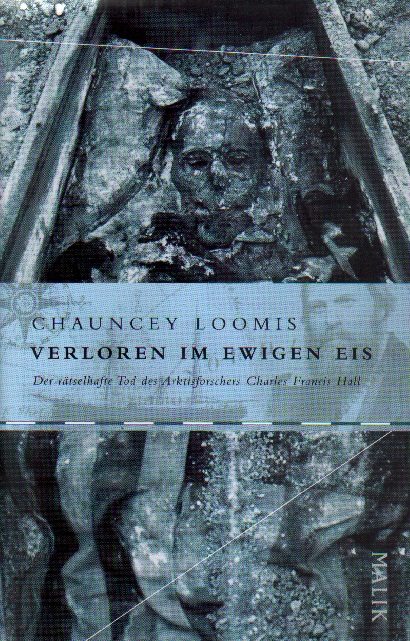
2003rif. 33592ABasel, Lenos Verlag, 2003. 8°. 318 (2) Seiten. Mit Abbildungen Original-Pappband mit Original-Umschlag. (Schutzumschlag etwas berieben).
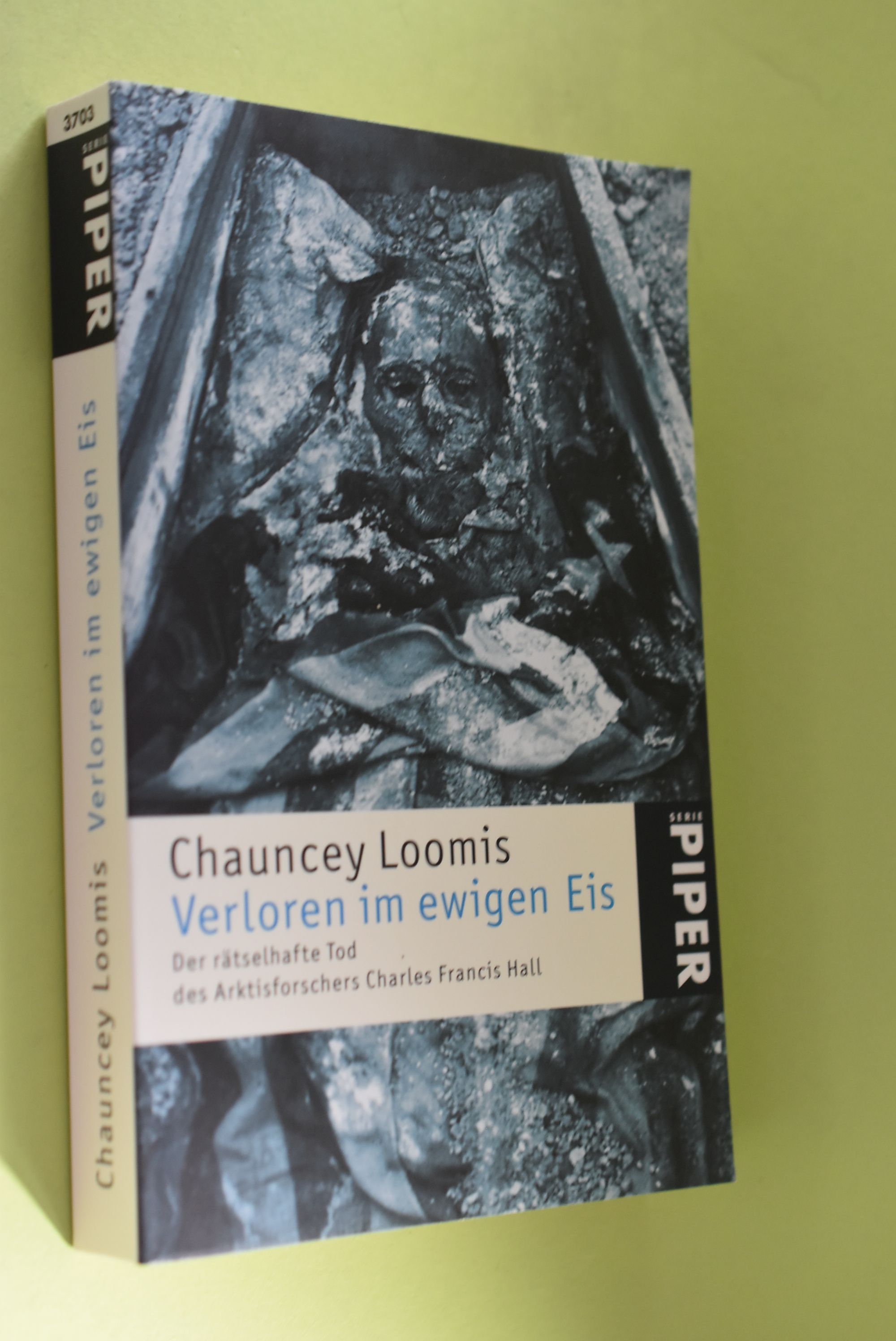
2002rif. 76921München ; Zürich : Piper 2002. Ungekürzte Taschenbuchausg. 349 S. : Ill., Kt. ; 19 cm Taschenbuch 0
2000rif. 100931München, Piper Verlag GmbH, 2000. 350 S. 8° Oktav, Hardcover/Pappeinband
1900rif. GITe454Paris Flammarion sans date vers 1900. In-12 VIII 466pp. Cartonnage éditeur percaline rouge ornée, tranches dorées. Orné de 100 illustrations ou cartes, la plupart dans le texte, d'après les photographies de l'auteur. Bel exemplaire bien complet.
1897rif. 173761897 reliure demi-chagrin violet in-douze (binding half shagreen duodecimo)(12 x 18,2 cm), dos 5 nerfs (spine with raised bands) décoration or (gilt decoration) et à filets à froid (blind-stamping decoration) - entre-nerfs à fleuron (floweret) - titre frappé or (gilt title), filets à froid en place des nerfs (blind-stamping lines on the place of raised bands), titré "lycée de Nevers" doré en pied, papier marbré aux plats (cover with marbled paper), toutes tranches lisses (all edges smooth), un cahier légèrement déboité, orné de 100 illustrations d'après les photographies et les dessins de Nansen, VIII + 466 pages, sans date (no date) (vers 1897). à Paris Ernest Flammarion Editeur,
1897rif. 22503Paris E. Flammarion 1897 -in-8 demi-chagrin à coins un volume, reliure demi-chagrin violet à écailles in-octavo à coins cartonnage Editeur (binding half shagreen in-octavo Editor with corners)(23 x 16 cm), dos long (spine without raised bands), décoré or (gilt decoration) dos titré "or"d'une plaque spéciale Editeur, premier plat titré "or" et orné d'un personnage doré dans la banquise (plaque spéciale Editeur), roulette chainette "or" aux mors et aux coins, tête lisse dorée, gouttière et tranche de queue non-rognées, orné de 200 illustrations in et hors-texte en noir, 424 pages, sans date (1897) Paris E. Flammarion Editeur,
in-8°, 248 pages, ill. hors texte N&B, broche, couverture illustree plast. Bel exemplaire. [GE-2] Les aventures et mésaventures de l’expédition polaire de R. Plaisted, 28 mars-4 mai 1967.
1953rif. 31582Paris Amiot - Dumont 1953 In-8 Bibliothèque de l'Alpinisme dirigée par Bernard Pierre - Avec la collaboration de Sir Edmund Hillary et des autres membres de l'expédition -Traduit de l'anglais par Bernard Pierre - Dessins de Charles Evans - Avant-propos du Duc d'Edimbourg - Préface de Maurice Herzog - 347 pp - 1 ff table - Reproductions photographiques comprises dans la pagination
2011rif. 21512Dt. Taschenbuch-Verl., 2011. 445 S. brosch.
1912rif. REIS1103Leipzig, Brockhaus 1912. gr.-8°, X, 324 S.; X, 398 S.; mit 512 bunten u. einfarbigen Abb. nach Photographien und Zeichnungen, 6 Karten, 2 OLnBde. m. mont. Farbbildchen, etwas abgegriffen, Widmung v. alter Hand auf Vortitel im ersten Band.
1889rif. 98462Hamburg, G.W. Niemeyer Nachfolger (G. Wolfhagen), 1889. IX, 392 S., [10] Bl. Mit Portrait-Tafel u. 10 Illustr. auf Tafeln. 22 cm. OLn m. dekorativer Goldprägung.
1980rif. 79961Zürich : Diogenes 1977/1980. 301 +S. : Ill. ; 18 cm Taschenbuch 0
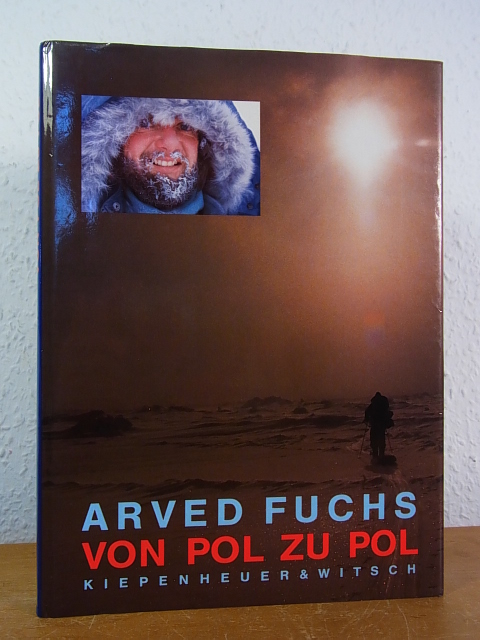
1990rif. 120378Köln: Verlag Kiepenheuer & Witsch, 1990. 239 S. ; 24,5 x 18 cm ; Pp. ;
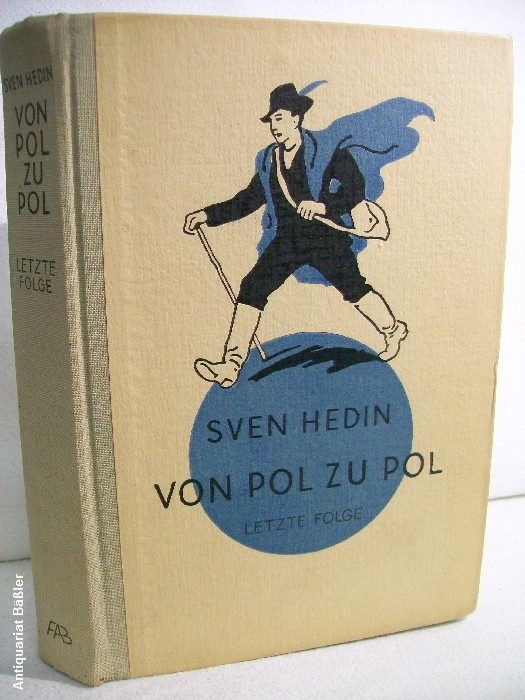
1942rif. 115383Leipzig . F. A. Brockhaus, 1942. 319 S., mit Abb. auf Tafeln Halbleinen, Farbkopfschnitt, ohne Schutzumschlag, Vorsätze. Abb. karte Nord-, Südpol
1880rif. GITk085Paris Dentu 1880. In-12 broché couverture illustrée 3 feuillets non chiffrés (faux-titre, titre, dédicace) X 299pp. Illustrations par Ferdinandus et Bellenger, d'après les croquis et documents de l'Auteur (5 dans le texte dont 2 croquis, 14 hors texte y compris le frontispice); 2 cartes en couleurs gravées par Erhard réunies sur 1 planche dépliante en fin d'ouvrage.Carte un peu brunie; intérieur frais, complet de son texte, des illustrations et des cartes. Numa Broc Afrique page 278.
rif. 81918aafParis, Jean de Bonnot, 1981, in-8vo, XXXI + 328 p./ 385 p., rich. illustr. en n./bl., reliures en cuir originale avec illustr. dorées au dos et tranches supérieures dorées.
1862rif. 10232Paris Hachette 1862 Un volume in-8 demi chagrin vert, dos à nerfs, caissons décorés, titre doré, tranches dorées, 719 pages, illustrations in-texte, complet de ses deux cartes. Légères rousseurs, bel exemplaire.
rif. 5530ouvrage traduit de l’anglais avec l’autorisation de l’auteur par Mme H.LOREAU.Grand in 8 demi-chagrin bleu à nerfs,titre,fers dorés,plats percaline bleue chagrinée avec filets à froid en encadrement.Faux-titre,titre,une carte (itinéraire de Zanzibar à Kazeh)717 pages,tranches dorées. Illustrations, la plupart hors-texte,complet de la carte dépliante en fin de volume.L.Hachette 1862 rousseurs éparses,plus ou moins fortes,habituelles,un cahier légèrement décalé.Les deux coins inférieurs sont légèrement émoussés.Départ de Zanzibar.Zanzibar et la Mrima.Vallée du Kingani et de la Mgéta.Détails géographiques et ethnologiques.Halte dans le Zoungoméro.Composition de la caravane.Traversée de la chaîne côtière de l'Afrique Orientale.Traversée de l'Ougogo.Arrivée dans la Terre de la Lune. Fin de la traversée de l'Ounyamouézi.Arrivée au Tanganyika.Exploration.Le Lac.Retour.Départ de Kahouélé. Retour à la côte.
1799rif. biblio160First French edition of Bartram's Travels which chronicled his explorations of the southern British colonies in North America from 1773–1777 2 volumes. 457 pages with frontispiece engraved portrait by Bovinet Mico Chlucco Grana King of the Seminoles and one folding plate; 436 pages without title with large folding map by J.B. Poirson engraved by Alexandre Blondeau and folding plate. Octavo 8 1/4" x 5 1/4" bound in half leather with six spine compartments with red and black labels in gilt over original marbled boards. Translated by Pierre Vincent Benoist. Sabin 3871; Palau 251346; Howes B223; Field 94 First French edition. William Bartram was an American naturalist. The son of the naturalist John Bartram. As a boy he accompanied his father on many of his travels to the Catskill Mountains the New Jersey Pine Barrens New England and Florida. In 1773 he embarked upon a four-year journey through eight southern colonies. Bartram made many drawings and took notes on the native flora and fauna and the native American Indians. In 1774 he explored the St. Johns River where he had memorable encounters with aggressive alligators and also visited a principal Seminole village at Cuscowilla where his arrival was celebrated with a great feast. He met Ahaya the Cowkeeper chief of the Alachua band of the Seminole tribe. When Bartram explained to the Cowkeeper that he was interested in studying the local plants and animals the chief was amused and began calling him Puc Puggy the flower hunter. Bartram continued his explorations of the Alachua Savannah or what is today Paynes Prairie. William Bartram wrote of his experiences exploring the Southeast in his book Travels through North & South Carolina East & West Florida the Cherokee Country the Extensive Territories of the Muscogulges or Creek Confederacy and the Country of the Chactaws Containing an Account of the Soil and Natural Productions of Those Regions Together with Observations on the Manners of the Indians published in 1791 and which is today simply known as Bartram's Travels. It was considered at the time one of the foremost books on American natural history. Many of Bartram's accounts of historical sites were the earliest records including the Georgia mound site of Ocmulgee. In addition to its contributions to scientific knowledge Travels is noted for its original descriptions of the American countryside. Bartram's writing influenced many of the Romantic writers of the day. William Wordsworth Samuel Taylor Coleridge and François René de Chateaubriand are known to have read the book and its influence can be seen in many of their works. Ephraim George Squier and Edwin Hamilton Davis in their book Ancient Monuments of the Mississippi Valley name Bartram as "the first naturalist who penetrated the dense tropical forests of Florida." Condition: Some rubbing to original boards page 143 of volume one has small burn mark affecting text half title bound upside down in back old water stain to plate of volume two. Fold-out map has repair to first fold internally pages are clean and free of toning and foxing else a very good copy. Chez Carteret et Brosson and Dogour Duran hardcover
1790rif. P1-3J-0PARIS (LEROY) 1790. 2 volumes In 8° (200 x 130) relié plein veau époque. Faux titres, titre frontispice XXIV - 381 pp. Faux titres, titre 399 pp. illustré de 12 planches dont le Hottentote à tablier. Bon état, peu de rousseurs.
1826rif. P2-6A-5Paris, Delaforest, Arthhus Bertrand, 1826. In-8 (215x130mm), relié demi-basane, tranches rouge, cachet de bibliothèque. IXV-432pp, illustré d’une carte reliée et 8 lithographies. Bon état. Edition originale. LAING fut le premier Européen à atteindre Tombouctou.
1799rif. biblio160First French edition of Bartram's Travels which chronicled his explorations of the southern British colonies in North America from 1773–1777 2 volumes. 457 pages with frontispiece engraved portrait by Bovinet Mico Chlucco Grana King of the Seminoles and one folding plate; 436 pages without title with large folding map by J.B. Poirson engraved by Alexandre Blondeau and folding plate. Octavo 8 1/4" x 5 1/4" bound in half leather with six spine compartments with red and black labels in gilt over original marbled boards. Translated by Pierre Vincent Benoist. Sabin 3871; Palau 251346; Howes B223; Field 94 First French edition. William Bartram was an American naturalist. The son of the naturalist John Bartram. As a boy he accompanied his father on many of his travels to the Catskill Mountains the New Jersey Pine Barrens New England and Florida. In 1773 he embarked upon a four-year journey through eight southern colonies. Bartram made many drawings and took notes on the native flora and fauna and the native American Indians. In 1774 he explored the St. Johns River where he had memorable encounters with aggressive alligators and also visited a principal Seminole village at Cuscowilla where his arrival was celebrated with a great feast. He met Ahaya the Cowkeeper chief of the Alachua band of the Seminole tribe. When Bartram explained to the Cowkeeper that he was interested in studying the local plants and animals the chief was amused and began calling him Puc Puggy the flower hunter. Bartram continued his explorations of the Alachua Savannah or what is today Paynes Prairie. William Bartram wrote of his experiences exploring the Southeast in his book Travels through North & South Carolina East & West Florida the Cherokee Country the Extensive Territories of the Muscogulges or Creek Confederacy and the Country of the Chactaws Containing an Account of the Soil and Natural Productions of Those Regions Together with Observations on the Manners of the Indians published in 1791 and which is today simply known as Bartram's Travels. It was considered at the time one of the foremost books on American natural history. Many of Bartram's accounts of historical sites were the earliest records including the Georgia mound site of Ocmulgee. In addition to its contributions to scientific knowledge Travels is noted for its original descriptions of the American countryside. Bartram's writing influenced many of the Romantic writers of the day. William Wordsworth Samuel Taylor Coleridge and François René de Chateaubriand are known to have read the book and its influence can be seen in many of their works. Ephraim George Squier and Edwin Hamilton Davis in their book Ancient Monuments of the Mississippi Valley name Bartram as "the first naturalist who penetrated the dense tropical forests of Florida." Condition: Some rubbing to original boards page 143 of volume one has small burn mark affecting text half title bound upside down in back old water stain to plate of volume two. Fold-out map has repair to first fold internally pages are clean and free of toning and foxing else a very good copy. Chez Carteret et Brosson and Dogour Duran hardcover books
rif. 12693In 8 percaline éditeur rouge à décor passe partout. Titre dans cartouche. Plats biseautés. Faux-titre, titre avec vignette, 510 pages, 1 page de table des chapitres, 17 planches hors-texte et nombreuses vignettes dans le texte, de D. SEMEGHINI, tranches dorées. Paris Garnier frères libraires éditeurs, sans date. Bon exemplaire.
1749rif. E05292 volumes. 182 pages with fold out frontispiece map and three additional folding engravings; 319 pages with seven folding engravings. half-titles in each title pages improperly marked first volume as second and vice versa. Duodecimo 6 1/2" x 3 1/2" bound in original publisher's full uniform contemporary French sponged calf with gilt-tooled spines. First French edition after the 1748 English edition. Henry Ellis was a traveler hydrographer and colonial governor returned from Italy in 1746 just in time to find an expedition to search for a north-west passage on the point of sailing. He appears to have been in easy circumstances; his name stands in the list of subscribers to the north-west expedition and he had sufficient interest to get attached to it nominally as agent for the committee and really as hydrographer surveyor and mineralogist the expedition consisting of two vessels the Dobbs galley of 180 and California of 150 tons left Gravesend on 20 May 1746 joined the Hudson's Bay convoy in Hollesley Bay and finally sailed from Yarmouth on the 31st. They parted from the convoy on 18 June made Resolution Island on 8 July and after a tedious passage through Hudson's Straits rounded Cape Digges on 8 August and on the 11th 'made the land on the west side the Welcome in latitude 64° N.' Bad weather drove them to the southward and prevented their doing anything more that season. They wintered in Hayes River in a creek about three miles above Fort York where a quarrel with the agent of the Hudson's Bay Company gave an unwonted piquancy to the dark and weary days. They suffered much from scurvy the prevalence of which Ellis attributes to their having got two kegs of brandy from Fort York for their Christmas merrymaking and in a minor degree to the 'governor' not permitting the Indians to supply them with fresh provisions. On 29 May 1747 the ice broke up and they were able to warp to the mouth of their creek; on 9 June they got down to Fort York. There they were allowed to get some provisions and stores and on the 24th cleared the river and 'stood to the northward on the discovery'. On 1 July each of the two ships sent away her long-boat but owing apparently to some ill-feeling between the two captains without any prearranged plan for working in concert. The consequence was that they separately went over the same ground discovering naming and examining the several creeks and inlets on the west side of Hudson's Bay the double examination perhaps compensating for the confusion arising from the double naming. Before the season closed in they had satisfied themselves that the only possible exit from Hudson's Bay on the west must be through the Welcome and that very probably there was no way out except that on the east by which they had come in. The result may not seem much; but as it served to put an end to the idea that the passage must lie through Hudson's Bay it was at least so much gain to accurate knowledge. After 21 August the weather broke and they decided in council 'to bear away for England without further delay.' On the 29th they entered Hudson's Straits passed Resolution Island on 9 September and arrived at Yarmouth on 14 Octivwe. Ellis's share in the work of the expedition had really been very slender but the reputation of it has been commonly assigned to him by reason of the narrative which he published the following year under the title A Voyage to Hudson's Bay by the DobbsGalley and California in the years 1746 and 1747 for Discovering a North-West Passage 1748; a work which with many valuable observations on tides on the vagaries of the compass and on the customs of the Eskimos a people then practically unknown mingles a great deal of speculation on the certain existence of the passage on magnetism on fogs on rust and other matters all more or less ingenious but now known to be wildly erroneous. Such as it was the book commended its author to the scientific workers of the day and on 8 February 1748-9 he was elected a fellow of the Royal Society. Possibly in acknowledgment of his scientific labors but more probably by some family interest he was afterwards appointed successively governor of Georgia and of Nova Scotia from which employment he retired about 1770. He seems to have spent his later years as a wanderer on the continent was at Marseilles in 1775 and died at Naples on 21 January 1806. Condition: Some dark spots to spine else a very good copy. Ballard Fils hardcover