6 463 résultats
1965réf. 1199001965 Verlag Kurt Desch München - 1965 - Fort in-4, cartonnage toilé sous jaquette illustrée en N&B de l'éditeur - 431 p. - Riche iconographie in texte en N&B - Ouvrage en allemand
1955réf. EC317111955 Tutzing, Entomologischen Arbeiten aus dem Museum G. Frey, 1955 : In-8 Cavalier, Broché. 73 pp., 11 planches N&B hors-texte dont 1 carte dépliante, envoi de l'auteur sur le 1° plat de couverture Très bon état, Couv. fraîche, Dos impeccable, Intérieur frais.
1880réf. VF104891880 106 p. 9 (3 folded) lithographed pls, disbound (no covers). Some slight foxing to some plates. Published in: Sitzungsberichte der Kaiserlichen Akademie der Wissenschaften. Scarce.
1880réf. VF104901880 106 p. 9 (3 folded) lithographed pls, disbound (no covers). Plates with scattered foxing. Unopened copy. Published in: Sitzungsberichte der Kaiserlichen Akademie der Wissenschaften. Scarce.
1917réf. CO103241917 56, 10 p., 2 figs, roy. 4to, disbound (no covers). Unopened copy. Published in: Kungliga Svenska Vetenskapsakedemiens Handlingar.
1970réf. VZ172411970 83 p., 74 figs, paperbound. Library stamps. Die Neue Brehm-Bücherei.
1970réf. VZ363531970 83 p., 74 figures, paperbound. Die neue Brehm-Bücherei.
199289 pages. Profusely illustrated with reproductions of wonderful archival photos. The autobiography of this Vancouver Island gentleman who fought in WWI and served with the Pacific Coast Militia Rangers in WWII. Includes family tree of Mr. Kingsley at back. Unmarked. Above-average wear. Binding intact. A worthy copy. Book
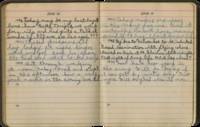
1944réf. List3749US Australia and New Guinea 1944. Diary measuring 4 ¼ x 5 ½ inches containing 735 entries. With three letters two of which are facsimiles. Diary boards with debossed text reading "ARMY DAYS" and lock; worn especially at corners excellent. Contents Fine. Letters Fine. Overall Near Fine. A diary belonging to Dale F. Damitz 1920-1944 Company A of the 738th Military Police Battalion covering the time between his last day before leaving for service and about a month before his death in October of 1944. The 738th MPB stationed in the South West Pacific Area during the Second World War is best known during that time for its role in the Battle of Brisbane a two-day riot between US servicemen and Australian servicemen and civilians in which an Australian Gunner was killed and hundreds on both sides were injured. Australia was a critical station for housing troops on duty in the Pacific Theater. The arrival of US military personnel in Australia-80000 in Brisbane alone-overtaxed the capacities of its cities increased crime and strained relations between US troops and Australians. Americans had access to better rations including luxuries such as cigarettes and ice cream; received higher pay than their Australian counterparts; and were often criticized for consorting with Australian women. Though it does not figure in this diary race likely also contributed to animosity between the groups. Despite fairly strict Australian laws around the sale of alcohol drunkenness was rampant. Military police from both countries were tasked with keeping the peace in the major cities. Damitz arrived in Brisbane with the 738th in August 1942 where "Lt. Craddock" informed his company that "where we're going we'll have a chance to catch 200 lb bombs in our pockets" August 30 and "Cpt. Forbes" that he would "get some honor and glory if it costs him the whole company" August 31. Damitz's diary is fairly sparse at this time including during the Battle of Brisbane though he mentions an "air raid" that made "the ground shake" December 1. In Australia-"this land of forgotten men" February 15 1943 consisting of "Just heat and rain day after day. And insects" February 5 1943-Damitz's duties mainly consisted of being what he called "prisoner chaser" patrolling for and guarding "the drunks" who "make you so sick and disgusted you never want a drink again" March 29 1943. Damitz's duties took him across central and southeastern Australia from Adelaide River outside Darwin to Birdum and Alice Springs to Adelaide via Terowie-these along the Stuart Highway a critical military transport route-to Melbourne and then to Brisbane via Sydney. The central Australian route through the Northern Territory and South Australia is "just waste land" February 23 1943 and "flat desert country . Saw a lot of camels and a few abo camps" March 5. Damitz's then went from Brisbane to Adelaide River outside Darwin to Melbourne and back to Brisbane. In Melbourne and Brisbane he is on "prisoner chaser" duty: "Was prisoner chaser today. Got through at five. Went out on town patrol at six thirty. All troops were restricted as there was a big drive on to pick up all AWOL's. got one fellow over the hill." April 21 1943 And: "Was working with the Civilian Police tonight after sly-grog sellers. Caught one. Sure is a lot of excitement and dangerous" June 13 1943. Bootlegging was a persistent issue in Australia exacerbated by the presence of American GIs who were unused to Australia's strict liquor laws. Damitz's company left Brisbane for Milne Bay in New Guinea in November of 1943. The camp is "worse than a pig pen" November 11 and the "bastard of a Col. of the 801st" takes away his tent's floorboards for his own use leaving Damitz in the mud December 17. In a somewhat more upbeat letter to friends back home Damitz reports water "clear as crystal and cold as ice" with "plenty of banana trees and pineapples" and "natives here . called fuzzy-wuzzies. We give them a cigarette to climb the coconut trees and knock down coconuts for us" November 17. They arrived in Oro Bay in March of 1944 where Damitz "Just lays around" March 15 deals with the mud and casts his ballot-"the first time in my life I have voted. Voted straight Republican" July 23-on the controversial absentee ballot. By far Damitz's most persistent topic for the entirety of the diary is his overwhelming boredom the constant feeling of preparing for "something big" October 24 1943 that never materializes and the totalizing apathy that this produces. Damitz had been a reluctant enlistment in the first place-for instance mentioning an award as "another pipe dream of the old man's" June 5 1943-and had not expected to be sent overseas so quickly "it was said no untrained men would leave the states. Some joke!"; June 30 1942. He "Sure is sick of this shit!!!" March 15 1944 and writes throughout 1943: "February 4: Doesn't take long for a guy to get so you don't give a dam for anything. Almost get so you don't care what happens next. February 12: Saw a good movie here in camp last night. Rest of the day was just like any other day here. Often wonder if I'll ever have the happiness I once had April 14: This all seems like a bad dream. Sure wish it was over with. April 30: The months slowly go by. You feel like a condemned man who is waiting for the chair. August 19: Today makes fourteen months in the army. Seems more like years tho. Hate it more every day. November 13: Is raining again today the mud is about a foot deep right inside of the tents. Don't have any kitchen yet. Don't care. December 21: Just laid around all day. Don't have any life or pep anymore. Don't have any ambition to do a dam thing." After nearly two and a half years of "all this B.S." July 30 1943 Damitz's company was sent to the Philippines where he was killed in action a few days into the Battle of Leyte. The diary provides a humanizing look-in Damitz's distinctively hard-boiled writing voice-at US-Australian relations and law enforcement and at everyday life outside of combat for a US battalion infamous in Australian history. books
1944réf. List3749US Australia and New Guinea 1944. Diary measuring 4 ¼ x 5 ½ inches containing 735 entries. With three letters two of which are facsimiles. Diary boards with debossed text reading "ARMY DAYS" and lock; worn especially at corners excellent. Contents Fine. Letters Fine. Overall Near Fine. A diary belonging to Dale F. Damitz 1920-1944 Company A of the 738th Military Police Battalion covering the time between his last day before leaving for service and about a month before his death in October of 1944. The 738th MPB stationed in the South West Pacific Area during the Second World War is best known during that time for its role in the Battle of Brisbane a two-day riot between US servicemen and Australian servicemen and civilians in which an Australian Gunner was killed and hundreds on both sides were injured. Australia was a critical station for housing troops on duty in the Pacific Theater. The arrival of US military personnel in Australia-80000 in Brisbane alone-overtaxed the capacities of its cities increased crime and strained relations between US troops and Australians. Americans had access to better rations including luxuries such as cigarettes and ice cream; received higher pay than their Australian counterparts; and were often criticized for consorting with Australian women. Though it does not figure in this diary race likely also contributed to animosity between the groups. Despite fairly strict Australian laws around the sale of alcohol drunkenness was rampant. Military police from both countries were tasked with keeping the peace in the major cities. Damitz arrived in Brisbane with the 738th in August 1942 where "Lt. Craddock" informed his company that "where we're going we'll have a chance to catch 200 lb bombs in our pockets" August 30 and "Cpt. Forbes" that he would "get some honor and glory if it costs him the whole company" August 31. Damitz's diary is fairly sparse at this time including during the Battle of Brisbane though he mentions an "air raid" that made "the ground shake" December 1. In Australia-"this land of forgotten men" February 15 1943 consisting of "Just heat and rain day after day. And insects" February 5 1943-Damitz's duties mainly consisted of being what he called "prisoner chaser" patrolling for and guarding "the drunks" who "make you so sick and disgusted you never want a drink again" March 29 1943. Damitz's duties took him across central and southeastern Australia from Adelaide River outside Darwin to Birdum and Alice Springs to Adelaide via Terowie-these along the Stuart Highway a critical military transport route-to Melbourne and then to Brisbane via Sydney. The central Australian route through the Northern Territory and South Australia is "just waste land" February 23 1943 and "flat desert country . Saw a lot of camels and a few abo camps" March 5. Damitz's then went from Brisbane to Adelaide River outside Darwin to Melbourne and back to Brisbane. In Melbourne and Brisbane he is on "prisoner chaser" duty: "Was prisoner chaser today. Got through at five. Went out on town patrol at six thirty. All troops were restricted as there was a big drive on to pick up all AWOL's. got one fellow over the hill." April 21 1943 And: "Was working with the Civilian Police tonight after sly-grog sellers. Caught one. Sure is a lot of excitement and dangerous" June 13 1943. Bootlegging was a persistent issue in Australia exacerbated by the presence of American GIs who were unused to Australia's strict liquor laws. Damitz's company left Brisbane for Milne Bay in New Guinea in November of 1943. The camp is "worse than a pig pen" November 11 and the "bastard of a Col. of the 801st" takes away his tent's floorboards for his own use leaving Damitz in the mud December 17. In a somewhat more upbeat letter to friends back home Damitz reports water "clear as crystal and cold as ice" with "plenty of banana trees and pineapples" and "natives here . called fuzzy-wuzzies. We give them a cigarette to climb the coconut trees and knock down coconuts for us" November 17. They arrived in Oro Bay in March of 1944 where Damitz "Just lays around" March 15 deals with the mud and casts his ballot-"the first time in my life I have voted. Voted straight Republican" July 23-on the controversial absentee ballot. By far Damitz's most persistent topic for the entirety of the diary is his overwhelming boredom the constant feeling of preparing for "something big" October 24 1943 that never materializes and the totalizing apathy that this produces. Damitz had been a reluctant enlistment in the first place-for instance mentioning an award as "another pipe dream of the old man's" June 5 1943-and had not expected to be sent overseas so quickly "it was said no untrained men would leave the states. Some joke!"; June 30 1942. He "Sure is sick of this shit!!!" March 15 1944 and writes throughout 1943: "February 4: Doesn't take long for a guy to get so you don't give a dam for anything. Almost get so you don't care what happens next. February 12: Saw a good movie here in camp last night. Rest of the day was just like any other day here. Often wonder if I'll ever have the happiness I once had April 14: This all seems like a bad dream. Sure wish it was over with. April 30: The months slowly go by. You feel like a condemned man who is waiting for the chair. August 19: Today makes fourteen months in the army. Seems more like years tho. Hate it more every day. November 13: Is raining again today the mud is about a foot deep right inside of the tents. Don't have any kitchen yet. Don't care. December 21: Just laid around all day. Don't have any life or pep anymore. Don't have any ambition to do a dam thing." After nearly two and a half years of "all this B.S." July 30 1943 Damitz's company was sent to the Philippines where he was killed in action a few days into the Battle of Leyte. The diary provides a humanizing look-in Damitz's distinctively hard-boiled writing voice-at US-Australian relations and law enforcement and at everyday life outside of combat for a US battalion infamous in Australian history.
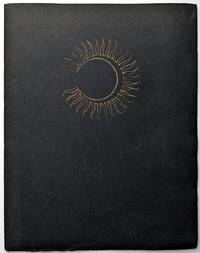
1980réf. 71395Port Townsend WA: Copper Canyon Press / Copperhead / Tree Swenson / Sam Hamill 1980. First editions. Fine Press Paperback Books & Broadside. Near Fine. From the library of the poet Cheryl Van Dyke. This lot of three items includes a likely unique calligraphic manuscript executed and produced as a fine hand-made single-poem book a chapbook with pre-publication design proofs and an early Copper Canyon letterpress broadside. Together these items trace a lovely collaboration between poet Cheryl Van Dyke and designer Tree Swenson during the most prolific years of Copper Canyon Press. -Item #1: DIANA. Port Townsend WA: Winter Solstice 1980. Original Calligraphic Manuscript. 12pp. Quarto 32cm x 25cm / 12.5" x 9.75". Hand-sewn in original black fine paper wrappers. The front cover is embellished with a hand-drawn illustration of a stylized eclipse design in gold calligraphy. The internal text is calligraphed in white and gold on midnight-blue fine paper. Collation: 1-2 blank; 3 title page featuring the author's name poem title and a decorative illustration in white and gold; 4 blank; 5-10 poem text executed in white calligraphy; 11 blank; 12 colophon reading: "Calligraphy completed on the Winter Solstice of 1980 by Tree" accompanied by a small calligraphic square device mark. In Near Fine condition with only minor sporadic spotting and light rubbing to covers. An exceptional likely unique artifact. A significant likely unique manuscript by Tree Swenson co-founder and designer of Copper Canyon Press; produced for and presumably presented to the poet Cheryl Van Dyke. Swenson displays her mastery of a calligraphic hand in executing the poem "Diana" by Cheryl Van Dyke. This manuscript dated on the Winter Solstice of 1980 is a beautiful formal and thematic rendering of the poem. The use of black and midnight-blue papers with white and gold illumination suggests a thematic alignment with the solstice date of its completion as well as the astrological constellational and mythological references of the poem. While Swenson's typography defined the visual identity of the Pacific Northwest poetry renaissance of this period this item represents a primary hand-rendered document devoid of mechanical reproduction making it an important piece of regional literary heritage offering a unique counterpoint to the era's celebrated fine-press output. A beautiful and elegant work. -Item #2: CHEAT GRASS: A COPPERHEAD CHAPBOOK. Port Townsend WA: Copper Canyon Press 1975. First Edition. 24pp. Quarto 25.5cm. Original letterpress-printed wrappers string-sewn. Colophon states: "Designed and printed by Tree Swenson and Sam Hamill at Copperhead. The text is 70 lb. Curtis Tweedweave. The type is hand-set 14 point Centaur. Illustrations by Cheryl Van Dyke." Unsigned/unnumbered as issued. With the accompanying material: two folded sheets laid in-presumably pre-publication design proofs; one of the illustration by itself and another of the cover/title page which are designed in exactly the same way. A Near Fine copy with only some light fading to the cover near the spine. An early and essential title from the foundational years of Copper Canyon Press in Port Townsend. Published as part of the "Copperhead" series. "Cheryl Van Dyke has had poems in Kayak Paintbrush Port Townsend Journal and in other periodicals. Cheat Grass is her first published collection." -Item #3: KUHN SPIT. Port Townsend WA: Copper Canyon Press 1976. Broadside 36.5cm x 26cm / 14.5" x 10.25". Letterpress-printed in three colors on light brown paper. Comprising the title thirty-three lines of verse in four stanzas and a stylized printed illustration. Unsigned/unnumbered as issued. Near Fine condition with a light bump and soft crease at the top right corner. This poetry broadside was published in 1976 shortly after the release of Van Dyke's chapbook Cheat Grass. Like most ephemeral productions from Copper Canyon Press during its early Port Townsend years it was likely designed and printed by Tree Swenson and Sam Hamill. Clean lovely letterpress work on high-quality paper. From the personal library of the poet Cheryl Van Dyke a Pacific Northwest poet and artist whose early work Cheat Grass helped define the nascent literary landscape of Port Townsend's Copper Canyon Press in the 1970s. An integral figure in the region's fine press circle she also managed The Imprint from the mid-1970s through the early 1980s-a bookstore that served as a vital social and literary hub for the burgeoning Pacific Northwest poetry community. Tree Swenson is a master typographer and calligrapher who co-founded Copper Canyon Press in 1972 with Sam Hamill and others. Her rigorous design aesthetic and commitment to letterpress excellence established the visual identity of the press for decades. Copper Canyon Press is a nonprofit independent poetry publisher that "believes poetry is vital to language and living." The press made its start in 1972 in Denver CO and moved to Port Townsend WA in 1974. [Copper Canyon Press / Copperhead / Tree Swenson / Sam Hamill] paperback books
1980réf. 71395Port Townsend WA: Copper Canyon Press / Copperhead / Tree Swenson / Sam Hamill 1980. First editions. Fine Press Paperback Books & Broadside. Near Fine. From the library of the poet Cheryl Van Dyke. This lot of three items includes a likely unique calligraphic manuscript executed and produced as a fine hand-made single-poem book a chapbook with pre-publication design proofs and an early Copper Canyon letterpress broadside. Together these items trace a lovely collaboration between poet Cheryl Van Dyke and designer Tree Swenson during the most prolific years of Copper Canyon Press. -Item #1: DIANA. Port Townsend WA: Winter Solstice 1980. Original Calligraphic Manuscript. 12pp. Quarto 32cm x 25cm / 12.5" x 9.75". Hand-sewn in original black fine paper wrappers. The front cover is embellished with a hand-drawn illustration of a stylized eclipse design in gold calligraphy. The internal text is calligraphed in white and gold on midnight-blue fine paper. Collation: 1-2 blank; 3 title page featuring the author's name poem title and a decorative illustration in white and gold; 4 blank; 5-10 poem text executed in white calligraphy; 11 blank; 12 colophon reading: "Calligraphy completed on the Winter Solstice of 1980 by Tree" accompanied by a small calligraphic square device mark. In Near Fine condition with only minor sporadic spotting and light rubbing to covers. An exceptional likely unique artifact. A significant likely unique manuscript by Tree Swenson co-founder and designer of Copper Canyon Press; produced for and presumably presented to the poet Cheryl Van Dyke. Swenson displays her mastery of a calligraphic hand in executing the poem "Diana" by Cheryl Van Dyke. This manuscript dated on the Winter Solstice of 1980 is a beautiful formal and thematic rendering of the poem. The use of black and midnight-blue papers with white and gold illumination suggests a thematic alignment with the solstice date of its completion as well as the astrological constellational and mythological references of the poem. While Swenson's typography defined the visual identity of the Pacific Northwest poetry renaissance of this period this item represents a primary hand-rendered document devoid of mechanical reproduction making it an important piece of regional literary heritage offering a unique counterpoint to the era's celebrated fine-press output. A beautiful and elegant work. -Item #2: CHEAT GRASS: A COPPERHEAD CHAPBOOK. Port Townsend WA: Copper Canyon Press 1975. First Edition. 24pp. Quarto 25.5cm. Original letterpress-printed wrappers string-sewn. Colophon states: "Designed and printed by Tree Swenson and Sam Hamill at Copperhead. The text is 70 lb. Curtis Tweedweave. The type is hand-set 14 point Centaur. Illustrations by Cheryl Van Dyke." Unsigned/unnumbered as issued. With the accompanying material: two folded sheets laid in-presumably pre-publication design proofs; one of the illustration by itself and another of the cover/title page which are designed in exactly the same way. A Near Fine copy with only some light fading to the cover near the spine. An early and essential title from the foundational years of Copper Canyon Press in Port Townsend. Published as part of the "Copperhead" series. "Cheryl Van Dyke has had poems in Kayak Paintbrush Port Townsend Journal and in other periodicals. Cheat Grass is her first published collection." -Item #3: KUHN SPIT. Port Townsend WA: Copper Canyon Press 1976. Broadside 36.5cm x 26cm / 14.5" x 10.25". Letterpress-printed in three colors on light brown paper. Comprising the title thirty-three lines of verse in four stanzas and a stylized printed illustration. Unsigned/unnumbered as issued. Near Fine condition with a light bump and soft crease at the top right corner. This poetry broadside was published in 1976 shortly after the release of Van Dyke's chapbook Cheat Grass. Like most ephemeral productions from Copper Canyon Press during its early Port Townsend years it was likely designed and printed by Tree Swenson and Sam Hamill. Clean lovely letterpress work on high-quality paper. From the personal library of the poet Cheryl Van Dyke a Pacific Northwest poet and artist whose early work Cheat Grass helped define the nascent literary landscape of Port Townsend's Copper Canyon Press in the 1970s. An integral figure in the region's fine press circle she also managed The Imprint from the mid-1970s through the early 1980s-a bookstore that served as a vital social and literary hub for the burgeoning Pacific Northwest poetry community. Tree Swenson is a master typographer and calligrapher who co-founded Copper Canyon Press in 1972 with Sam Hamill and others. Her rigorous design aesthetic and commitment to letterpress excellence established the visual identity of the press for decades. Copper Canyon Press is a nonprofit independent poetry publisher that "believes poetry is vital to language and living." The press made its start in 1972 in Denver CO and moved to Port Townsend WA in 1974. [Copper Canyon Press / Copperhead / Tree Swenson / Sam Hamill] paperback
The Hague, Nijgh & Van Ditmar, 1950. 4to.mayor; 204 pp., más 106 ilustraciones fotográficas en láminas fuera de texto, más un gran mapa plegado conteniendo "The spheres of operation of the Royal Dutch / Shell Group of Companies". Enc. original en tela roja estampada.
1975réf. 172919Railway Equipment and Publication Co 1975. First Edition. Trade Paperback. Very Good. First Edition First Printing. Published by Railway Equipment and Publication c. 1975. Quarto. Book is very good. A very scarce copy of this book of diagrams of freight equipment. 100% positive feedback. 30 day money back guarantee. NEXT DAY SHIPPING! Excellent customer service. Please email with any questions or if you would like a photo. All books packed carefully and ship with free delivery confirmation/tracking. All books come with free bookmarks. Ships from Sag Harbor New York. Railway Equipment and Publication Co paperback
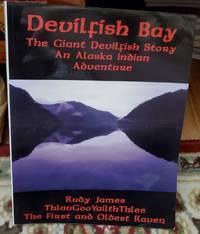
1997réf. xxx008KuIu Island: Wolfhouse Publishing 1997. First Edition. Soft cover. Fine. 1st printing. 4to glossy pictorial wraps. 176pp. Quite pleasingly illustrated with drawings by the author and three others. Signed signed only by James on the ffep. From the Foreword: "The Thling-git people enjoyed great stories about the heroic ancestors of their clans. Devilfish Bay is one of these intriguing sagas of drama romance and tragedy. The story reveals the ethos of the Thling-git people that gives their members meaning and motivation for living loving and dying." A fine copy. Very scarce. Wolfhouse Publishing unknown
réf. sm42-20Paperback. Collectible - Good. Year: 1986; Publisher: United Nations; Former library. Binding: Softcover; Clean text solid binding minor wear on cover no dust jacket. Free tracking available. International shipping available. 3. paperback
réf. 1396633847.Ghardcover. Good. Access codes and supplements are not guaranteed with used items. May be an ex-library book. hardcover
réf. 1391400380.Gpaperback. Good. Access codes and supplements are not guaranteed with used items. May be an ex-library book. paperback
2026réf. x-1032843543Taylor & Francis Ltd 2026. Paperback. New. 310 pages. 9.00x6.00x9.00 inches. Taylor & Francis Ltd paperback
réf. ria9781305943261_inpPaperback / softback. New. New Book; Fast Shipping from UK; Not signed; Not First Edition; N/A paperback
1969réf. PO127621969 viii, 244 p., 27 figs, 43 pls, boards.
1976réf. PB261711976 2 volumes (complete). x, 319, xiii p., 87, 14 figs, 59 pls, publisher's cloth.
1956réf. PB127721956 3 papers. 84 p., 10 pls, paperbound.
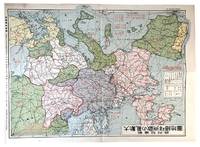
1939réf. 179796Nagoya: Shin'aichi 1939. Coloured folded map of Europe published at the beginning of World War II in Europe; 38.5 cm. x 54 cm.; a few tiny closed tears at margins; Shin'aichi Nagoya n.d.1939. The Japanese text on the map gives numbers of Europe's ethnic groups: Teutonic Latin Slav Asian while another block of text lists the population of the world's Jews in units of 10000 by country. The world population by region in units of 100000000 and those of the world's ethnic groups are shown to the left. In the upper right corner facts about World War I are given including number of troops by country in units of 10000. A legend shows national borders prior to World War I railways navigable rivers etc. Neutral powers are indicated together with naval bases place names in international dispute etc.; Originally purchased from Asia Bookroom the basis of whose catalogue description is used here. Shin'aichi unknown
1940réf. 52059Omaha NE: Union Pacific Railroad Oct. 25 1940. 4to. 11 1 pp. Numerous photo illustrations map on back cover. Self-printed softcovers cover art photo of the air-condition Art Deco streamlined Las Vegas railroad station slight creasing shelfwear still VG copy. First edition of this scarce promotional brochure by the Union Pacific Railroad extolling the amenities and available boating cruises fishing and swimming at Boulder Dam and Lake Mead as well as the Las Vegas night life on the eve of World War II. Worldcat locates 1 copy Univ. of Missouri St. Louis. Union Pacific Railroad, paperback