CollectifLivre Rare Book

845 résultats
réf. R100075130Delroisse / Vilo. non daté. In-4. Relié. Bon état, Couv. convenable, Dos satisfaisant, Intérieur frais. 159 pages - nombreuses photos en couleurs hors texte - une étiquette collée sur le 1er plat de la jaquette - la jaquette est illustrée en couleurs - texte en espagnol, anglais, français et allemand.. Avec Jaquette. . . Classification Dewey : 986-Colombie, Panama, Equateur
réf. 4110Paris, Pierre Roger et Cie, "Les Pays modernes", [s.d., années 1920 ?]. 1 volume In-8° écu (13,6 x 20,5cm) Broché sous couverture ocre rose au 1er plat illustré. 2 feuillets, 251p.; 20 planches et 1carte hors texte. Bon état, non coupé, mais papier très jauni.
réf. 54103P., Pierre Roger (Collection "Les Pays Modernes"), sans date, in 8° broché, 251 pages ; non coupé ; couverture illustrée.
réf. 8721Paris, P.Roger sans date, vers 1920 195x140mm, 246pages, relié demi toile, étiquette de titre manuscrite au dos, plat un peu frotté, autrement bon état.
réf. 243476Paris, Hachette [Imprimerie Émile Martinet], 1881 in-12, [2] ff. n. ch., 422 pp., avec des illustrations en noir dans le texte, dont un portrait-frontispice, et 2 cartes dépliantes hors texte, percaline brique, dos et plats ornés de décor or et noirs, tranches rouges (reliure de l'éditeur). Usures au premier plat.
1977réf. 107688Flammarion Flammarion 1977, In-8 broché 262 p. Bon état.
réf. 7746Paris, Bernard Grasset, (27 décembre) 1933. Fort in-12, broché.
1934réf. G42560Paris, Grasset 1934 495pp., 7e éd., br.orig., cachet, 19cm., bon état, texte en Français, G42560
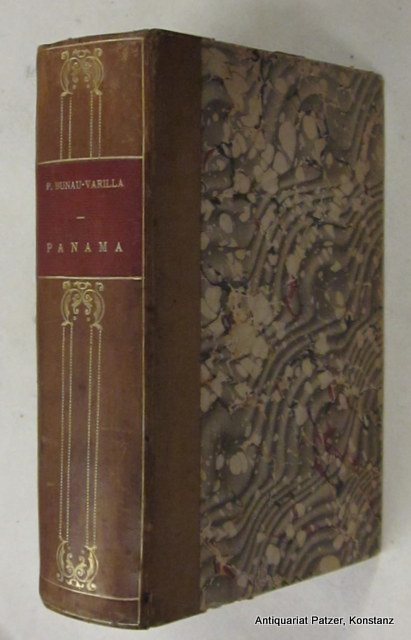
réf. 46542Paris, Bernard Grasset 1934, 180x115mm, 494pages, reliure demi-basane. Plats papier marbré. Pièces d’auteur et de titre rouge au dos. Très bel exemplaire.
1913réf. 215920La création, la destruction, la résurrection. Paris, Librairie Plon, 1913. Gr.-8vo. (23 : 15 cm). Mit Porträtfrontispiz, 3 Falttafeln sowie 16 photographischen Tafeln. 2 Bl., Titel, II, 774 S., 1 Bl. Hellbrauner Halblederband mit Rückenvergoldung und rotem, geprägtem Rückenschild sowie marmorierten Deckelbezügen; gering berieben, vorderes Gelenk mit 2 kl. Wurmlöchern, Schnitt gebräunt u. stockfleckig. [5 Warenabbildungen]
1934495pp., 7e éd., br.orig., cachet, 19cm., bon état, texte en Français, G42560
1934Editions Bernard Grasset 1934, In-12 broché, 494 pages. Exemplaire N° 2 sur Alfa satiné Outhenin Chalandre, premier grand papier. Parfait état.
1954réf. ROW2704Hamburg, Rowohlt, 1954. (rororo Leinenrücken ; 106), 242 Seiten, H 19 x 11,5 cm, TB, OKart. - Seiten gebräunt, leichte Gebrauchsspuren. broschiert/ Taschenbuch/ paperback
1920La construction du canal (histoire des travaux, conditions de travail, etc) et son rôle économique: ouvrage de John Foster FRASER adapté de l'anglais par Georges FEUILLOY; illustré de 20 photogravures. Mention de nouvelle édition. Français
1892176 + (i) pp.+ 49 planches hors-texte (des vues photographiques, plans & cartes - qqs.unes en couleurs) & II: Atlas à part ("plans annexés") contenant 2 grandes cartes dépliantes: Plan général du canal (projet de la Compagnie, Projet de la Commission d'études, Projet proposé) & Profils en long sur l'axe du canal (id.), Edition originale de 1892, 31cm., peu commun, bon état, [Ouvrage complet mais sans l'annexe "Le traffic" publiée la même année]
1920Pierre Roger SD (vers 1920), In-8 broché, 246 pages. 20 photogravures et uen carte. Bon état.
1913413 p. + 16 color plates showing water-color paintings by E. J. Read and Gordon Grant + Advertisements + Folding color map as frontis. 'Profusely illustrated by over 600 unique and attractive photographs taken expressly for this book by our special staff.' Small folio (9 x 12"). Original full red cloth binding with a color picture of a painting mounted to the front cover. One corner bumped. **PRICE JUST REDUCED! NW31
1914In-8° interamente illustrato da fotografie in bianco e nero, brossura editoriale a colori. Mancanze al margine interno di tutto il volume, abrasioni alla brossura e tracce di cartoncino nero al piatto della brossura inferiore e al suo recto.
1938réf. 51354Panama Canal: Hotel Tivoli & Hotel Washington 1938. 4to. 12 pp unpaginated. Printed in green & red throughout numerous green-tinted photos large double-page centerfold map of the Panama Canal showing the locations of the Hotels on the Caribbean and Pacific sides a couple smaller maps. Self-printed illustrated softcovers slight soiling very minor center creasing from fold still VG copy. First edition early printing of this scarce work extolling the virtues of vacationing at the famed Hotels Tivoli & Washington by the Panama Canal in the 1930s. The Hotel Washington was constructed and opened in 1913 and operated by the Panama Railroad Company by order of the Secretary of War to be operated for the Government. Built of concrete and cement blocks it was constructed in a modified Spanish Mission style that made it very comfortable and had a very large pool. The Tivoli Hotel was opened in November 1906 and served as the centerpiece of Canal Zone society until it closed in 1971 and President Roosevelt is considered the first person to have “officially” stayed at the Tivoli. Hotel Tivoli & Hotel Washington, paperback
réf. 1944455027.Gpaperback. Good. Access codes and supplements are not guaranteed with used items. May be an ex-library book. paperback
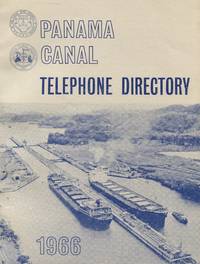
1966réf. 8201Panama Canal Company 1966. 1st Edition. Softcover. Very Good. A vintage 1966 telephone directory from the Panama Canal Zone. It includes phone numbers and contact listings for businesses and residents and features several maps of the area at the end. Text in English. 187 pp. Panama Canal Company paperback
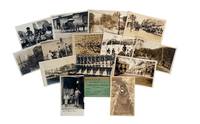
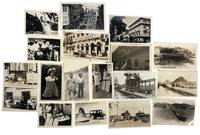
1910réf. 226891910. Early twentieth-century Panama photo archive circa 1910s to 1920s documents Panama during the decades surrounding the completion and early operation of the Panama Canal supporting research into U.S. engineering influence urban modernization Indigenous representation tourism waterfront labor and the transformation of Panama City and Colón into canal-era commercial spaces. The Panama Canal was completed and opened in 1914 linking the Atlantic and Pacific through one of the period's most consequential engineered waterways and the Gatun Locks formed part of the lock system that lifted vessels to Gatun Lake before lowering them at the opposite end of the route. These photographs record not only canal machinery and civic streets but also the human geography around the canal: tourists workers traders children waterfront activity ruins and leisure businesses appear together in a visual record of Panama's modernization under strong American commercial and infrastructural presence. Fifteen pieces comprising fourteen silver gelatin photographs and real photo postcards with one printed business advertisement card Panama circa 1910s to 1920s measuring approximately 2½ x 3¾ inches to 4 x 6 inches. The canal views include "Operating Emergency Dam Gatun Locks Panama Canal" and a view captioned "Gatun Locks" showing massive steel gates and early twentieth-century bridgework. Urban scenes include "Street Scene Panama City on Southern Cruise 1923" with American tourists Model T automobiles and colonial façades and "The Plaza Panama City" showing palm trees streetcar tracks and civic space. Local and historical subjects include a real photo postcard captioned "Circular Stairway in Old Panama ruins of Old Panama standing at the foot and looking directly up" documenting Panama Viejo the site of the original Panama City founded in 1519 and later recognized as part of a UNESCO World Heritage site. Other images include "Panama Water Front at High Tide" with fishing boats and market activity; dockworkers and traders near the canal's edge; and "Children in San Blas Panama" foregrounding Indigenous presence during the Canal era. The San Blas Islands are associated with the Guna an Indigenous people of Panama and Colombia whose communities are strongly identified with Guna Yala and the San Blas archipelago. The advertisement card reading "When in Colon Visit the Café Hollywood" places the photographic group within the leisure and service economy that grew around canal traffic tourism and foreign presence. Together the images clarify the different but connected worlds of early twentieth-century Panama: the engineered landscape of Gatun Locks the colonial and modern streets of Panama City the ruins of Old Panama the working waterfront Indigenous children in San Blas and the commercial culture of Colón. Minor corner wear and toning; images sharp and well preserved very good overall. Cohesive Panama Canal era archive documenting the intersection of American engineering urban transformation Indigenous life waterfront labor and tourist commerce in the early decades of the Canal Zone. unknown
1920réf. 230431920. Panama City photograph archive ca. 1920s documenting the urban environment of the Panamanian capital and the infrastructure of the Panama Canal during the decades following the canal's opening in 1914. The photographs record the interconnected worlds of canal engineering international commerce tourism and everyday street life that developed as Panama City became a strategic hub of global shipping and American geopolitical influence in the Caribbean basin. Urban scenes depict commercial storefronts streetcars automobiles and pedestrian activity along central avenues while other photographs capture the canal's mechanical landscape of locks spillways and industrial structures. Together the images illustrate the transformation of Panama City into a cosmopolitan port city shaped by canal traffic international trade and the presence of the U.S. Canal Zone administration. Archive of eighteen original silver gelatin photographs depicting Panama City and surrounding canal infrastructure. Each measure approximately 3.5 x 5.5 inches. Several images show major canal engineering features including a photograph captioned "Purifying Plant and Spillway - Panama Canal" as well as views of lock systems and canal transport routes where cargo vessels pass through the waterway. Urban photographs record commercial and entertainment districts including a façade marked "American Cabaret" a busy street labeled "Street Scene - Panama City" and a view of the Hotel Central along a principal thoroughfare lined with automobiles and electric streetcars. One photograph bears the caption "264 - President's Palace on day of Riot Panama 2-28-." showing crowds gathered along balconies and streets near the presidential residence during a moment of public unrest. Additional photographs document daily life and local commerce including outdoor market scenes pedestrians and vendors workers posing near canal machinery and residents standing beside storefront displays. Landscapes and travel images appear as well including a waterfall and rural roadside scenes with automobiles indicating the expansion of modern transportation and tourism into the Panamanian countryside during the early twentieth century. The photographs collectively capture the layered social and industrial landscape that emerged in Panama after the completion of the Panama Canal when the city became a focal point of hemispheric trade and international transit. The canal drastically shortened maritime routes between the Atlantic and Pacific Oceans and reshaped the economy of the Caribbean and Pacific coasts of the Americas. Panama City consequently developed a complex urban culture combining local Panamanian communities canal workers foreign merchants travelers and U.S. officials connected to canal administration. Light surface wear and minor edge handling visible on several prints overall very good condition. These images document that environment through views of transportation infrastructure entertainment venues commercial streets and civic spaces offering a visual record of Panama City during the formative decades of the canal era. Photographs measure approximately postcard size. unknown
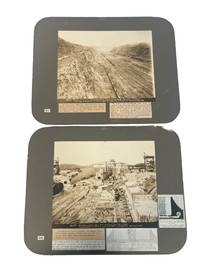
1912réf. 201831912. Panama Canal Early Photography Two large albumen photographs of the construction of the Panama Canal 1912. Photographs are pasted down to grey cardstock with captions and articles describing the imagery below. Photos measure 11" x 14". The building of the Panama Canal was not met with ease as the former French owned project was abandoned due to lack of investment and a high worker mortality rate and the grappling of territory between Panama Columbia and the United States. In 1903 Panama gained it's independence and as the United States recognized this Roosevelt used buying power to his advantage to funnel millions of dollars towards Panama and the funding of this project. These two photographs are early large scale displays of the massive amounts of land and infrastructure that went into this long awaited project. One photograph shows the Culebra Cut in June 1912. The article pasted to the front states that "To remove the 105000000 cubicyards of earth from the backbone of the Americas required about 6000000 pounds of high-grade dynamite each year to break up the material.in which time some 19000000 pounds were exploded in Culebra Cut only eight men were killed." The second photograph dated January 1912 shows the Miraflores Upper Locks with a diagram of what the final construction would look like. The photograph shows a partially built sill multiple tracks for hauling material heavy duty cranes and other industrial equipment. Thousands of local men were hired for this dangerous and underpaying job over the course of a decade. These Caribbean workers endured poor working conditions low wages and unbearable temperatures for a government that was not theirs over 5000 becoming casualties. By it's opening ceremony in 1914 The Panama Canal was the most expensive project in US history estimated at $350000000. These early photographs show only a portion of what went into this costly construction. Minor wear to edges of board upper right corner of one is chipped. Images are crisp and clear overall very good condition. unknown
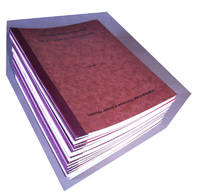
réf. 17090Panama Canal Company. 1975. Paperback. Very good. 8 x 10.5 inches with stiff cardboard covers manuals mostly about "Locks Division" canal repairs with frequent pictures. "Strut Arm Assembly Replacement Proceedure Chamber Caissons Installation And Removal Procedures Center Wall Culvert Inlet/Outlet Bulkheads Installation & Removal Procedures Installation Operation And Removal Of Culvert Dewatering Pumps Miter Gate Crank Gear Re0placement Procedures Center Wall Culvert Elevators Split Bevel Gear Assembly Center Wall Bulkheads In Side Wall Culvert Intake Screen slots Side Wall Culvert Intake Screens Chamber Dewatering And Filling Procedures Gatun Locks Installation And Removal Of Lateral Culvert Plugs and Side Wall Adit Drainage Culvert And T-Culvert Bulkheads. Panama Canal Company paperback