Royal Dutch Petroleum Company.MareMagnum

1039 risultati
The Hague, Nijgh & Van Ditmar, 1950. 4to.mayor; 204 pp., más 106 ilustraciones fotográficas en láminas fuera de texto, más un gran mapa plegado conteniendo "The spheres of operation of the Royal Dutch / Shell Group of Companies". Enc. original en tela roja estampada.
rif. 9788532658654VOZES. new. Description anavailable VOZES unknown
Madrid, 1987. 4to.; 195 pp. Cubiertas originales.
1758FIRST AND ONLY EDITION OF THIS ATLAS OF THE BRITISH WEST INDIES, published in France during the Seven Years' War (also known as the "French and Indian War".) xii, 171 pp + engraved title and THIRTEEN FINE MAPS, of which 8 are folding (complete). Also illustrated with ten headpieces, nine of which depict the entry into a major port. Includes Jamaica (with several maps), Barbuda, St. Kitts, Nevis, the Virgin Islands, Anguilla, Antigua, the Lucayes (now the Bahamas), and Bermuda. 4to (26 x 20.3 cm). Attractively bound in contemporary calf, with the ARMS OF KING LOUS XV OF FRANCE EMBLAZONED IN GILT ON FRONT AND BACK COVERS. Binding restored at head and tail of spine, and very solid. Small, faint marginal stain to engraved title-page, else INTERNALLY FINE AND BRIGHT, WITH MAPS AND TEXT VERY FRESH. Sabin 4553. RARE AND IMPORTANT.
1975rif. LFA-126727336"Le Monde - Dossiers et Documents" : 52 pages, format 320 x 235 mm, publié en janvier 1975
rif. 63968Editions Métailié 2001 livre nouvelles 19*12 372 pages Suites
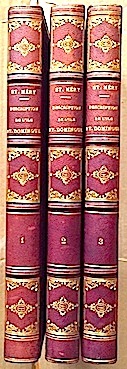
1875rif. 8011L. Guerin et Cie Paris 1875 4 vol. 3 vol. grand in-8 de 4 ff.n.ch. XXXI 446 pp., 2 ff.n.ch. 466 pp. et 2 ff.n.ch. 502 pp. + un atlas in-folio de 1 f.n.ch. (titre) 30 feuillets 1 f.n.ch. (table), demi-chagrin de l'époque, dos à nerfs orné.
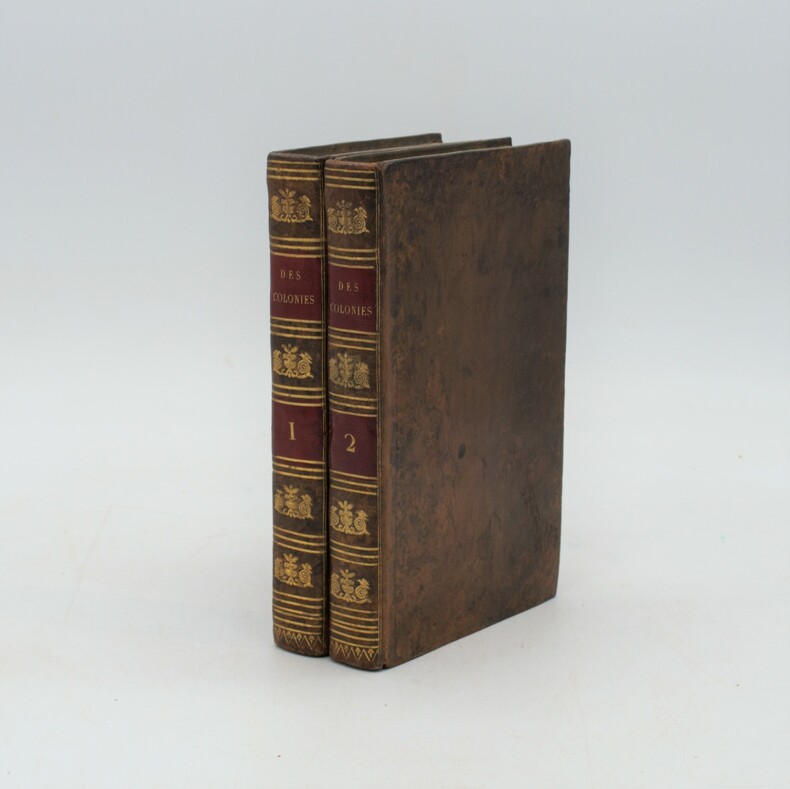
1817rif. PHO-1170Paris, F. Bechet ; A. Égron, février 1817; 2 volumes in-8 ,xxxii,403,[2]; [4],394,[2]pp., relié plein veau raciné époque , dos lisse orné avec pièces de titre et tomaisons rouges, dos lisses. Édition originale.
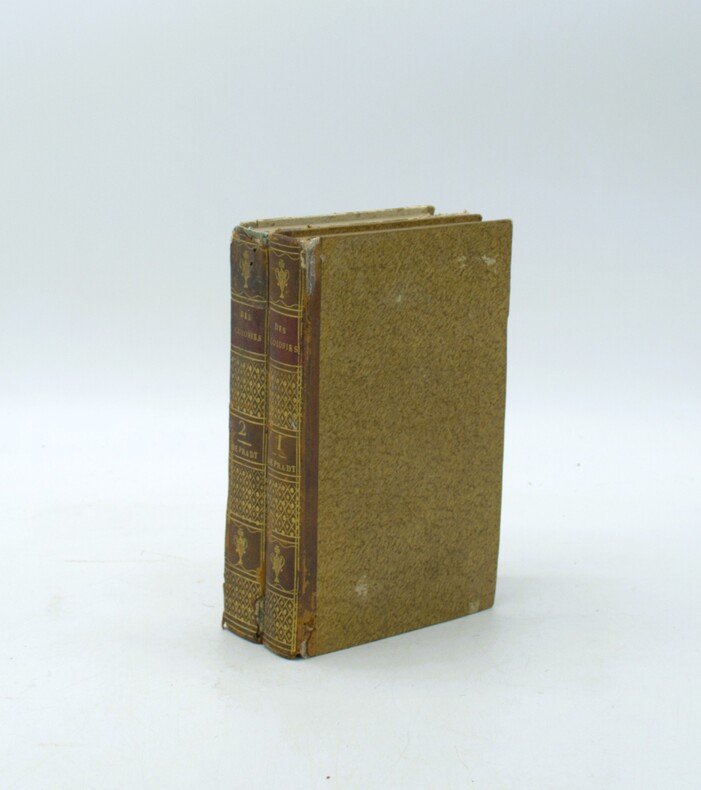
1817rif. PHO-2154Paris, Bechet,1817. 3 parties en 2 vol in 8°, (23x 13cm), demi veau époque, dos lisse orné, pièce de titre rouge, xxxii, 507 pp errata, 394 pp.-1f. (errata)- 2ff.-160pp.-1f (errata), demi veau époque, dos lisse orné avec tomaison et pièce de titre, frottements et épidermures, manque de papier au tome 2 et au dos, intérieur frais.
2002rif. 23739Athens: University of Georgia Press. Fine in Fine dust jacket. 2002. Hardcover. 0820324175 . First printing. Fine in a fine dust jacket. . University of Georgia Press hardcover books
rif. GRP37554236Bloomsbury Publishing Plc. Used - Good. Former library copy. Pages intact with minimal writing/highlighting. The binding may be loose and creased. Dust jackets/supplements are not included. Includes library markings. Stock photo provided. Product includes identifying sticker. Better World Books: Buy Books. Do Good. Bloomsbury Publishing Plc unknown
19904to, 29cm. Pp. 61,[3], 56 photos (incl. many in colour), notes, bibl. Orig. laminated pictorial boards. Fine. - History of clothing on Aruba (Caribbean). Dutch text.
1995rif. 100116879Grasset & Fasquelle 1995 13 2x1 8x19 6cm. 1995. Broché.
Barcelona, Editorial B. Bauzá, 1930. 4to.; 248 pp., III pp., 1 h. Intonso. Cubiertas originales dibujadas por Mora.
19548vo., Second Impression, with numerous plates, full-page facsimile and endpaper maps; handsomely bound in full dark green crushed morocco, sides with gilt frame border, back with raised bands, second and fourth compartments lettered and ruled in gilt, all other compartments tooled in gilt, gilt top, ribbon marker, an elegant copy ideal as a gift or for presentation. Among other adventures, Mitchell-Hedges details the discovery in 1924 of the Crystal Skill at Lubaantun (then British Honduras; now Belize). Published in the same month as the first edition. SCARCE.
1930rif. 8063Paris La Caravelle 1930 GRAND In-8 257 pp, (.) L'île d'émeraude. Illustrations hors-texte et planches in-texte, frontispice couleur, une carte dépliante in-fine ; 1er plat en couleur avec rousseurs en tête et queue, ainsi qu'au dos ; mors fendus sans manque en tête et queue. Intérieur frais
rif. 34160P., "La caravelle", 1930, grand in 8° broché, 257 pages ; nombreuses illustration et une carte dépliante ; importante bibliographie in-fine ; couverture illustrée en couleurs (fanée).
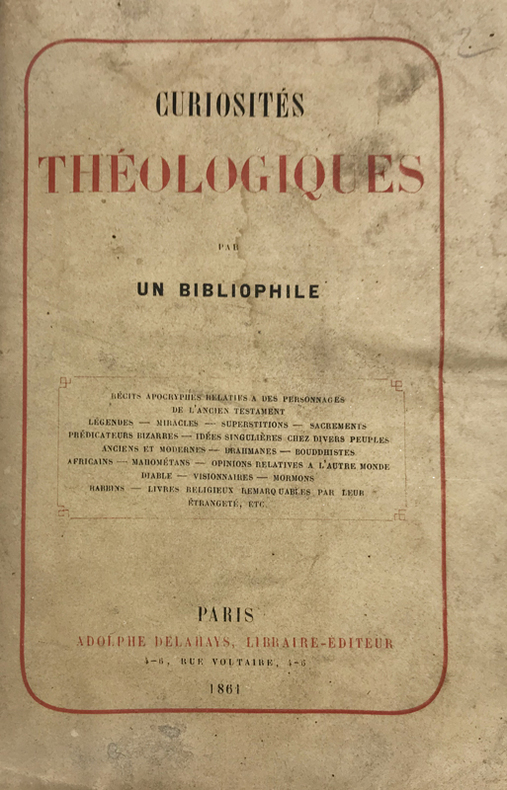
1861rif. 10901Paris, Adolphe Delahays, 1861 ; in-16, broché ; (4), II, 358 pp., (6) pp. de catalogue du libraire, couverture beige imprimée en rouge et noir.
1999rif. qi203Könemann Culinaria Cartonné avec jaquette 1999 In-4 (30x25cm); cartonné sous jaquette illustrée en couleurs, 460 pages, iconographie abondante, recettes, importante bibliographie, index, texte en anglais ; déchirure sans manque à la jaquette, par ailleurs bon état. Livraison a domicile (La Poste) ou en Mondial Relay sur simple demande.
1999Broché. 296 pages. Format de poche.
1899Boards with minor wear to extremities. Gilt lettering a bit faded. Hinges a bit gapping (but holding strongly together). ; Numerous b&w illustrations from photographs ; 8vo 8" - 9" tall; 676 pages
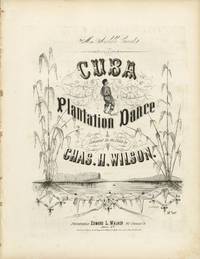
1855rif. List3682Philadelphia: Edward L. Walker 142 Chestnut St. above 6th 1855. Folio sheet music pictorial lithographed cover approximately 13.5 × 10.5 inches. Light edge wear and minor toning; very good with a strong impression of the cover illustration. An antebellum piano dance reflecting the plantation imagery that circulated widely in mid-nineteenth-century American popular music. “Cuba Plantation Dance” was composed by Chas. H. Wilson a little-documented composer whose name appears chiefly in connection with this work and issued in Philadelphia during the early 1850s by Edward L. Walker the predecessor firm to the major publishing house Lee & Walker. A copy is recorded in the Levy Collection at Johns Hopkins which dates the publication to 1855. The cover presents a stylized plantation landscape framed by tall stalks of sugar cane with a small central vignette of a dancing Black figure. The use of Cuban plantation imagery reflects contemporary American fascination with the Caribbean sugar economy and with plantation life beyond the United States. During the 1850s Cuba was one of the largest slave societies in the Atlantic world. By the midcentury the island’s sugar plantations relied on hundreds of thousands of enslaved Africans and the enslaved population of Cuba was estimated at roughly 400000 people in the 1840s–1850s working primarily in the rapidly expanding sugar industry. Although Spain formally agreed to end the Atlantic slave trade in 1820 illegal importations of enslaved Africans into Cuba continued for decades supplying labor for the island’s plantations well into the 1850s. American publishers frequently borrowed such imagery for plantation-themed dance music marketed to the parlor trade. Pieces labeled “plantation dances” or “Ethiopian dances” formed part of the broader culture of minstrel and plantation entertainment. The title page bears a dedication to “Miss Arabelle Conrad” typical of mid-century sheet music addressed to amateur pianists. Along with the aforementioned copy in the Levy collection we find copies at Michigan and Temple. Edward L. Walker, 142 Chestnut St., above 6th unknown books
1855rif. List3682Philadelphia: Edward L. Walker 142 Chestnut St. above 6th 1855. Folio sheet music pictorial lithographed cover approximately 13.5 × 10.5 inches. Light edge wear and minor toning; very good with a strong impression of the cover illustration. An antebellum piano dance reflecting the plantation imagery that circulated widely in mid-nineteenth-century American popular music. “Cuba Plantation Dance” was composed by Chas. H. Wilson a little-documented composer whose name appears chiefly in connection with this work and issued in Philadelphia during the early 1850s by Edward L. Walker the predecessor firm to the major publishing house Lee & Walker. A copy is recorded in the Levy Collection at Johns Hopkins which dates the publication to 1855. The cover presents a stylized plantation landscape framed by tall stalks of sugar cane with a small central vignette of a dancing Black figure. The use of Cuban plantation imagery reflects contemporary American fascination with the Caribbean sugar economy and with plantation life beyond the United States. During the 1850s Cuba was one of the largest slave societies in the Atlantic world. By the midcentury the island’s sugar plantations relied on hundreds of thousands of enslaved Africans and the enslaved population of Cuba was estimated at roughly 400000 people in the 1840s–1850s working primarily in the rapidly expanding sugar industry. Although Spain formally agreed to end the Atlantic slave trade in 1820 illegal importations of enslaved Africans into Cuba continued for decades supplying labor for the island’s plantations well into the 1850s. American publishers frequently borrowed such imagery for plantation-themed dance music marketed to the parlor trade. Pieces labeled “plantation dances” or “Ethiopian dances” formed part of the broader culture of minstrel and plantation entertainment. The title page bears a dedication to “Miss Arabelle Conrad” typical of mid-century sheet music addressed to amateur pianists. Along with the aforementioned copy in the Levy collection we find copies at Michigan and Temple. Edward L. Walker, 142 Chestnut St., above 6th unknown
1916rif. biblio1324This is an unusual first printing from 1916---extremely rare in this propitious 100-year anniversary a year featuring the reopening of normal relations and the visit of the U.S. President. This volume which describes in prase charts and photos the favorable advantages of 1916 Cuba may be one of the few that exist in the original state---there do not appear to be any offered in the marketplace making it an ideal addition to any collection of historical Cuba-related items. Photos on request. Foreign Publishing Company hardcover
1999No marks or inscriptions. A lovely clean very tight copy with bright unmarked boards and no bumping to corners. Dust jacket not price clipped or marked or torn or creased with slight traces of storage. 159pp. With a wealth of colour photographs giving the architecture, culture, social life and texture of the island of Cuba..