Ruiz Ramon Eduardo.MareMagnum

2 484 résultats
Milano, Rizzoli, 1971, in-8, tela editoriale, con sovraccoperta, pp. 193. Pochissimi segni a matita.
2003Fayard 2003. Fort in-8 broché de 678 pages. Photos hors texte. Bon état
réf. 71904P., Zulma, 2013, in 12 broché, 285 pages ; couverture illustrée.
1971Stato di conservazione: BUONO, firma di appartenenza all'occhietto, leggero ingiallimento e qualche fioritura ai tagli, segni di piegatura al dorso, interno ottimo. Collana: Piccola Biblioteca Einaudi. II edizione.
1968In 16° br. pp. 414, ben tenuto
2000Broch?. 202 pages. Jaquette.
1997réf. 6016CORTI 1997 406 pages 13 4x3x17 6cm. 1997. broché. 406 pages. Un roman qui explore le rêve et l'identité de Cuba à travers le regard d'un exilé cubain installé en Suède. L'écriture mêle avec virtuosité différents genres et tons pour créer une réflexion complexe sur la patrie que l'on soit à l'intérieur ou à l'extérieur de l'île
1961in 8° stretto, bross. edit. ill., fascetta edit., firma di appartenenza e timbro a secco come ex libris
1996bross. edit. ill. con bandelle
1996bross. edit. ill. con bandelle
2016brossura "Almeno il pane Fidel!" è una guida alternativa alla Cuba turistica, da cartolina, che tanto piace al regime. Un libro che rappresenta un'analisi di un paese che ha abbandonato da tempo il sogno della Rivoluzione Socialista. Il volume si apre con un reportage di viaggio datato 2005, l'ultimo prima che Gordiano Lupi venisse dichiarato dal regime persona non gradita, si avventura in una ricostruzione della storia cubana, traccia un quadro dei problemi quotidiani e racconta gli ultimi anni caratterizzati dalle riforme di Raúl Castro. Un capitolo finale scritto da Domenico Vecchioni dimostra come niente sia cambiato per il cubano medio nonostante un nuovo rapporto con gli Stati Uniti.
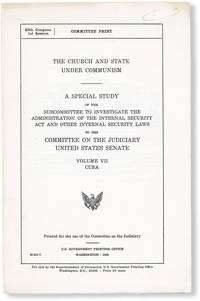
1965réf. 49702Washington DC: U.S. Government Printing Office 1965. First Edition. Octavo 23.5cm.; staplebound self-wrappers printed within single rule; v18pp. Light wear and a hint of toning to extremities one instance of underlining else Very Good and sound. One of a series of reports on church and state under communism divided by country. U.S. Government Printing Office unknown books
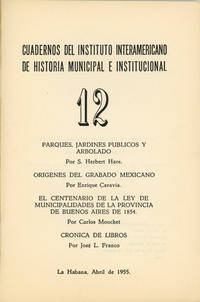
1955réf. 35421La Habana: El Instituto 1955. First edition. Paper wrappers. A very good copy wrappers rubbed and soiled. 95 pp. Sm. 8vo. El Instituto unknown books
1969Profusion de fotografias en blanco y negro.
2002Croquis, alzados, planos y maquetas intercalados en el texto.
1964réf. 72119Couverture souple. Broché. 48 pages.
1959réf. 127776Couverture souple. Broché. 192 pages. Marques de bibliuothèque.
1961réf. 80838Couverture souple. Hebdomadaire de 52 pages. 30 x 42 cm. Pliure au milieu. Papier bruni.
1954réf. 127965Couverture souple. Revue 24 x 31 cm. 84 pages.
1967réf. 139905Couverture souple. Broché. 271 pages.
1980réf. 4946Frankfurt, Verlag Klaus Dieter Vervuert, 1980. 8°, 415 S., Hg.v.d. Westdeutschen Kurzfilmtagen Oberhausen 1980 Vordereinband geknickt, OS eingeschmutzt, Gebr.sp., kartoniert
1984A clean, unmarked book with a tight binding. 140 pages.
1906pp. vi, 279. Decorated title page. Uncut and partially unopened. 8vo. Original full green cloth binding, gold stamped spine. Slight dust spotting. Finley Peter Dunne (1867-1936) was an American humorist and writer from Chicago. His fictional 'Mr. Dooley' expounded upon political and social issues of the day from his South Side Chicago Irish pub and he spoke with the thick verbiage and accent of an Irish immigrant from County Roscommon. Dunne's sly humor and political acumen won the support of President Theodore Roosevelt, who was a frequent target of Mr. Dooley's barbs. Indeed Dunne's sketches became so popular and such a litmus test of public opinion that they were read each week at cabinet meetings in Roosevelt's White House. HUMOR 3