[Affiche/Cuba]Livre Rare Book

2 484 résultats
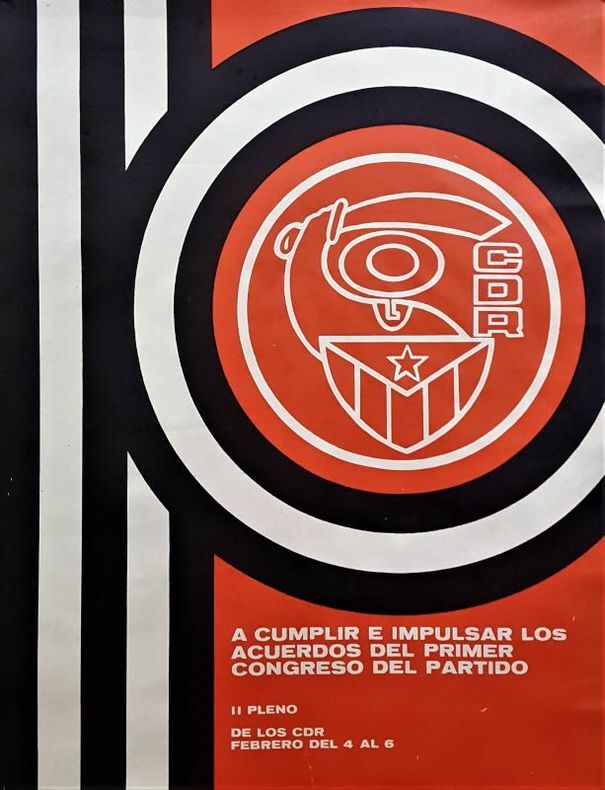
réf. 777Édité par la Commission permanente de Cuba. 1978. Impression offset. Dimensions: 67,5 x 43.
réf. 777Édité par la Commission permanente de Cuba. 1978. Impression offset. Dimensions: 67,5 x 43.
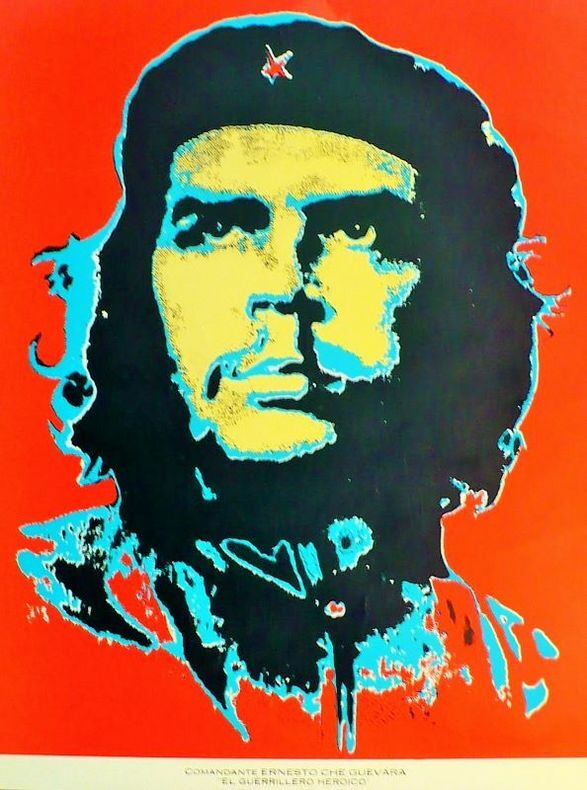
réf. 1440Impression en offset. ca.1970. Dim: 70 x 53 cm
réf. 1440Impression en offset. ca.1970. Dim: 70 x 53 cm
réf. 633Affiche, impression offset. Sans lieu, ni date.ca.1975. Dimensions: 55 x 47 cm.
réf. 633Affiche, impression offset. Sans lieu, ni date.ca.1975. Dimensions: 55 x 47 cm.
réf. 632Affiche, impression offset. Instituto Cubano de Amistad con los Pueblos. ca.1975. Dimensions: 60 x 45 cm.
réf. 632Affiche, impression offset. Instituto Cubano de Amistad con los Pueblos. ca.1975. Dimensions: 60 x 45 cm.
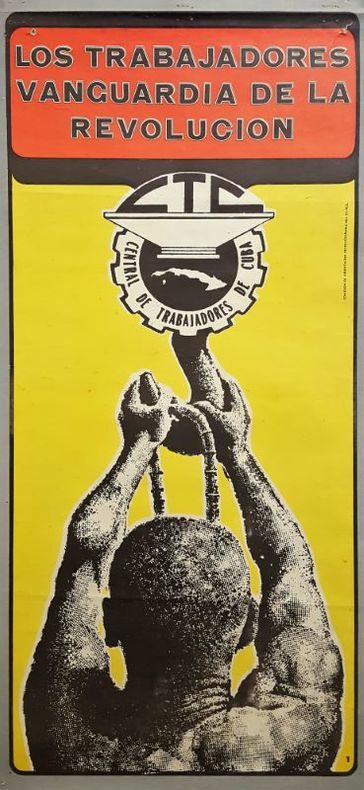
réf. 1441Regional Centro habana. Central de Trabajadores de Cuba. Impression en offset. ca.1970. Dim: 50,6 x 38 cm
réf. 1441Regional Centro habana. Central de Trabajadores de Cuba. Impression en offset. ca.1970. Dim: 50,6 x 38 cm
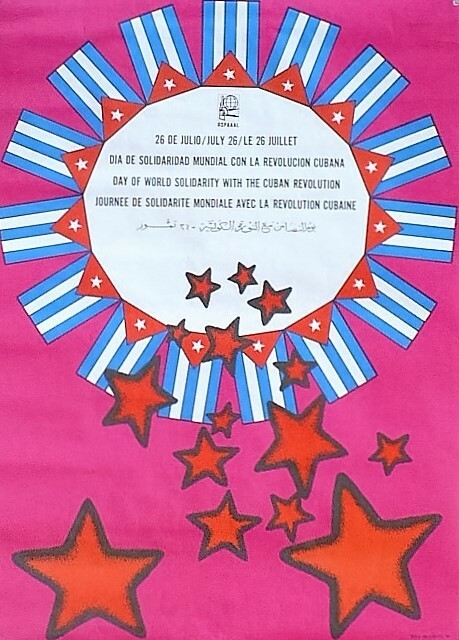
réf. 776Éditée par OSPAAL. 1975. Impression offset. Dimensions: 55,5x35. Petits manques coins inférieurs et une déchirure. Rare.
réf. 776Éditée par OSPAAL. 1975. Impression offset. Dimensions: 55,5x35. Petits manques coins inférieurs et une déchirure. Rare.
réf. 1413Comision de Orientacion Revolucionaria del CC PCC. ca.1970. Impression en offset. Dim: 64 x 30,7 cm. Petites déchirures.
réf. 1413Comision de Orientacion Revolucionaria del CC PCC. ca.1970. Impression en offset. Dim: 64 x 30,7 cm. Petites déchirures.
réf. 1415Ministerio del Commercio exterior de la republica de Cuba.1973. Impression en offset. Dim: 49,7 x 34,3 cm.
réf. 1415Ministerio del Commercio exterior de la republica de Cuba.1973. Impression en offset. Dim: 49,7 x 34,3 cm.
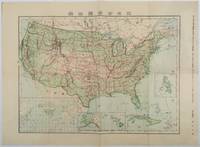
1911réf. 179415Tokyo.: 楠山正雄. Kusuyama Masao. Meiji 44 1911. Colour folding map 40 x 55cm inset maps showing the Philippines Alaska and Hawaii very good copy. This map was a supplement of October 1911 issue of a monthly magazine Shin Nippon 新日本 which was published between 1911 and 1918. The main map covers the contiguous United States with inset maps of the world showing the American territories of Alaska Hawaii and the Philippines. Curiously Cuba has been marked as an American territory having been directly occupied from 1906 to 1909 though at the time still beholden to the 1903 Cuban-American Treaty of Relations. . 楠山正雄. [Kusuyama Masao]. unknown
1930réf. 54341930 P., Editions Emile-Paul Frères, 1930, 1 vol. in-8 br. sous couv. ill. rempliée, de 88 pp + tables et justificatif de tirage. Très bel exemplaire.
1930réf. 123681930 P., Editions Emile-Paul Frères, 1930, 1 vol. in-8° (212 x 143) broché sous couverture illustrée rempliée, de 88 pp + tables et justificatif de tirage. Quelques rousseurs en tranches, très bel exemplaire partiellement non coupé par ailleurs..
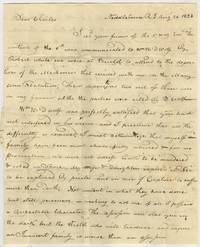
1823réf. BK0184Middletown Rhode Island 1823. Autograph letter signed three pages on a folded sheet with integral address panel to Charles E. Dudley in Albany and Newport postal markings. 7 ¾ x 9 ¾ inches. Old folds scattered staining and some marginal losses a few affecting text. Good to very good. A letter from Newport mariner John Wood concerning his acrimonious departure from the DeWolf family's Mary Ann plantation in Cuba and the ensuing legal dispute with James DeWolf and Charles Collins. Wood was almost certainly the same John Wood whose signature appears on an 1806 Newport agreement for an illegal voyage transporting enslaved Africans from Cape Coast to Havana now held by the Smithsonian's National Museum of African American History and Culture.1 By 1823 he was residing on the Mary Ann plantation one of several Cuban estates belonging to the DeWolfs among the most prominent families involved in the American slave trade. His relationship with DeWolf and Collins had evidently collapsed over his obligations on the estate resulting in what he describes as his forced departure from Cuba under apparently dangerous conditions with his family and a contentious effort to settle their accounts. Writing to his friend Charles E. Dudley then mayor of Albany and a New York state senator Wood reports that three mechanics who had resided with him on the plantation had recently given depositions in Bristol Rhode Island. Two of the three had testified in his favor though all had been called by DeWolf. Wood was particularly incensed by the circumstances surrounding his family's departure from Cuba writing: "I must acknowledge that myself & family have been most shamefully abused & for no provocation we were set adrift liable to be murdered & robbed on Shore My Wife & Daughter exposed at Sea to be captured By pirates and in case of Capture to suffer more than Death; Not content in what they have done but still persevere in wishing to rob me of all I possess a Respectable Character. The assassin will stab you in the dark but the Wretch who will traduce and injure an Innocent family is worse than an assassin." Wood goes on to describe receiving two writs from DeWolf and Collins and transcribes an August 8 letter from James DeWolf explaining his decision to pursue legal action despite their previous discussions of an amicable settlement: "Lest you should think me inconsistent in causing an action to be brought after the last conversation we had I take leave to explain my wishes to come to an amicable settlement by referring to men as we talked remains the same my object is to put the business in a legal and proper train for bringing it to a close . & to enable me to avail of the testimony of the people who were on the Estate with you." Wood expected the Rhode Island Supreme Court meeting at Bristol the following month to appoint referees to settle the accounts. The precise origin of the disagreement is not stated though the depositions of the mechanics and the references to outstanding accounts suggest a dispute over Wood's contractual obligations or activities on the plantation. Wood 1770-1826 was a Newport merchant and captain with longstanding connections to Atlantic commerce. He died at Cape Coast West Africa in 1826 three years after writing the present letter. James DeWolf 1764-1837 then serving in the United States Senate had amassed a substantial fortune through the slave trade and his Cuban plantation interests. Charles Collins his brother-in-law had served as collector of customs at Bristol from 1804 to 1820 an appointment closely connected to the family's slave-trading operations. The Mary Ann plantation is documented in the DeWolf Papers at the Rhode Island Historical Society which include inventories from 1818 and 1820 and contemporary plans of the plantation grounds. The present letter preserves Wood's account of his treatment by the DeWolf family together with his transcription of DeWolf's explanation for pursuing legal action. 1 "Agreement facilitating illegal trade of enslaved Africans" National Museum of African American History & Culture accessed October 12 2026 https://nmaahc.si.edu/object/nmaahc_2019.28.1. . unknown
1823réf. BK0184Middletown Rhode Island 1823. Autograph letter signed three pages on a folded sheet with integral address panel to Charles E. Dudley in Albany and Newport postal markings. 7 ¾ x 9 ¾ inches. Old folds scattered staining and some marginal losses a few affecting text. Good to very good. A letter from Newport mariner John Wood concerning his acrimonious departure from the DeWolf family's Mary Ann plantation in Cuba and the ensuing legal dispute with James DeWolf and Charles Collins. Wood was almost certainly the same John Wood whose signature appears on an 1806 Newport agreement for an illegal voyage transporting enslaved Africans from Cape Coast to Havana now held by the Smithsonian's National Museum of African American History and Culture.1 By 1823 he was residing on the Mary Ann plantation one of several Cuban estates belonging to the DeWolfs among the most prominent families involved in the American slave trade. His relationship with DeWolf and Collins had evidently collapsed over his obligations on the estate resulting in what he describes as his forced departure from Cuba under apparently dangerous conditions with his family and a contentious effort to settle their accounts. Writing to his friend Charles E. Dudley then mayor of Albany and a New York state senator Wood reports that three mechanics who had resided with him on the plantation had recently given depositions in Bristol Rhode Island. Two of the three had testified in his favor though all had been called by DeWolf. Wood was particularly incensed by the circumstances surrounding his family's departure from Cuba writing: "I must acknowledge that myself & family have been most shamefully abused & for no provocation we were set adrift liable to be murdered & robbed on Shore My Wife & Daughter exposed at Sea to be captured By pirates and in case of Capture to suffer more than Death; Not content in what they have done but still persevere in wishing to rob me of all I possess a Respectable Character. The assassin will stab you in the dark but the Wretch who will traduce and injure an Innocent family is worse than an assassin." Wood goes on to describe receiving two writs from DeWolf and Collins and transcribes an August 8 letter from James DeWolf explaining his decision to pursue legal action despite their previous discussions of an amicable settlement: "Lest you should think me inconsistent in causing an action to be brought after the last conversation we had I take leave to explain my wishes to come to an amicable settlement by referring to men as we talked remains the same my object is to put the business in a legal and proper train for bringing it to a close . & to enable me to avail of the testimony of the people who were on the Estate with you." Wood expected the Rhode Island Supreme Court meeting at Bristol the following month to appoint referees to settle the accounts. The precise origin of the disagreement is not stated though the depositions of the mechanics and the references to outstanding accounts suggest a dispute over Wood's contractual obligations or activities on the plantation. Wood 1770-1826 was a Newport merchant and captain with longstanding connections to Atlantic commerce. He died at Cape Coast West Africa in 1826 three years after writing the present letter. James DeWolf 1764-1837 then serving in the United States Senate had amassed a substantial fortune through the slave trade and his Cuban plantation interests. Charles Collins his brother-in-law had served as collector of customs at Bristol from 1804 to 1820 an appointment closely connected to the family's slave-trading operations. The Mary Ann plantation is documented in the DeWolf Papers at the Rhode Island Historical Society which include inventories from 1818 and 1820 and contemporary plans of the plantation grounds. The present letter preserves Wood's account of his treatment by the DeWolf family together with his transcription of DeWolf's explanation for pursuing legal action. 1 "Agreement facilitating illegal trade of enslaved Africans" National Museum of African American History & Culture accessed October 12 2026 https://nmaahc.si.edu/object/nmaahc_2019.28.1. . unknown books
1950réf. 244442Republic of Cuba: Cuban Tourist Commission A Government Department 1950. First item on a 9x11.5 inch leaf of semi-alkaline paperstock printed smallpoint in black folded twice to make an upright 9x4 inch brochure this hand-folded again transversely; rather dust-soiled and handled a fair to good copy. Second item single leaf 11.5x17.5 inches machine-folded three times to make an upright 9x3.7 inch promotional brochure printed color both recto and verso displaying 19 happy snapshots captioned e.g. "Improve your rhumba where the rhumba was born". Item has a little creasing a pinpoint hole at a fold intersection a good to very good exemplar. The two together. Cuban Tourist Commission, A Government Department unknown books
réf. 27053Dimensions (à vue) : 293 x 188 mm + passe-partout.
1970réf. 25055P., Editions Universitaires, 1970, in-8°, 170 pp, 16 pl. de photos et cartes hors texte, choix de textes, chronologie, biblio, broché, couv. illustrée, bon état (Coll. Les Justes)
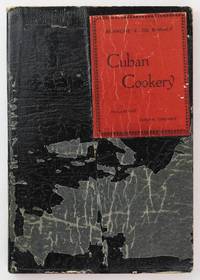
1931réf. 6190Havana 1931. Very good. 150pp. Stiff black cloth covers printed paper label on front board. Front cover vertically creased light wear to boards; remnants of glassine stuck to covers. Contemporary inscription on front flyleaf. Internally clean. In a custom clamshell box. First edition of the first Cuban cook book published in English. Blanche Zacharie de Baralt 1865-1950 was born in New York; she married Luis Alejandro Baralt y Peoli in 1886 and the couple moved to his native Cuba in 1900. She earned a PhD in philosophy from the University of Havana in 1902 and went on to translate the poetry of Tagore and to write a book on Jose Marti. She also published this volume which was clearly geared toward the tourist market with the introduction emphasizing the idea of taking home the tastes of one's holiday abroad. Each chapter heading has an illustration and these were drawn by Federico Edelmann and Conrad W. Massaguer the one above the section for beans appears to show a cowboy riding along in a cloud of gas. Notably this work contains several important Cuban cocktails including the first appearance of the mojito referred to here as a Rum Cocktail or Cuban Mojo. Rare in the true first edition. unknown