3 426 résultats
1980réf. 455921980 P., Ramsay (Collection "Images"), 1980, grand in 8° broché, 238 pages ; nombreuses illustrations ; couverture illustrée en couleurs.
1973Reliure de l'éditeur. 1008 pages. (Sans jaquette).
1927réf. 33510Paris - Payot 1927 Demi basane, dos lisse, titre en long reliure modeste mais très correcte, couverture non conservée - ex-libris
1922Reliure demi-basane ? nerfs. 251 pages.
1925Reliure demi-basane ? nerfs. 324 pages.
1995réf. 264234o.O. Ch. Erichsen 1995. 192 S., zahlr. Abb.Kart. *Automobil, Dänemark*.
1955Broch?. 255 pages.
1934réf. 145050Lübeck. Druck und Verlag von Charles Coleman. 1934. 171, (2) Seiten. Zweifarbiger Original-Leinwand-Einband. (Einband an den Rändern verblasst. Zahlreiche Anstreichungen u. Anmerkungen im Text). 21x14 cm
réf. 72971Seconde série de la nouvelle période - Tome quatrième - XXIIIe année - 15 novembre 1853 - 4me livraison - Paris. Bureau de La Revue des Deux Mondes - grand in-8 broché - 222 pages
réf. 21457P., Editions de lOlivier, 1992, in 8° broché, 332 pages.
1954réf. 128921Kobenhavn 1954. 189, (1) pages. With a lot of illustrations and one plate in colour. Original softcover binding. (Partially a little used). 30x21 cm
réf. 4310Paris, Decombejean, sans date, in 4° broché, 219 pages, nombreux photos et dessins ; couverture et tranches salies.
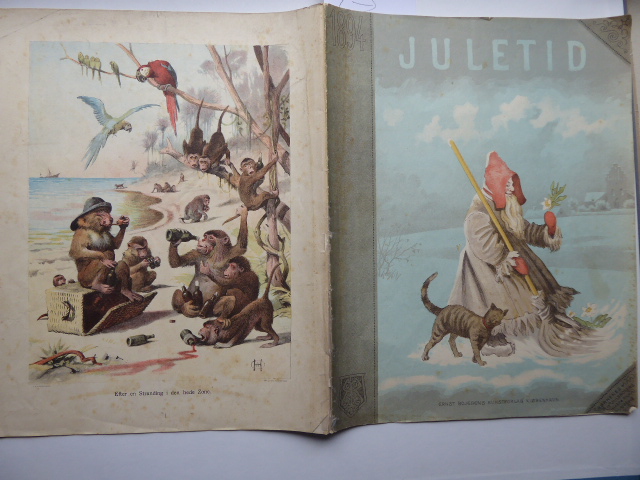
1894réf. 146103Ernst Bojesens Kunstforlag 1894. 20 n. n. pages. With illustrations, some in colour. Decorative illustrated original softcover binding. (A little used). 31x25 cm
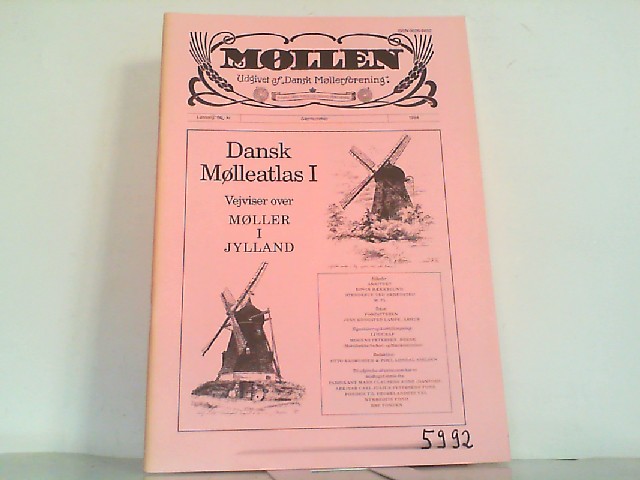
1994réf. 184782Dansk Mollerforening, 1994.
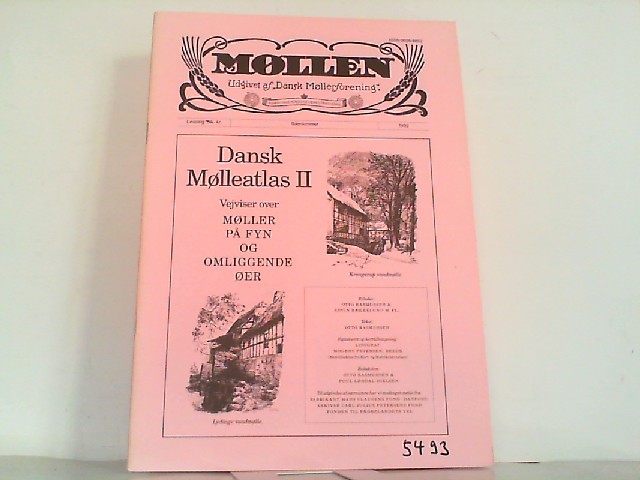
1993réf. 184784Dansk Mollerforening, 1993.
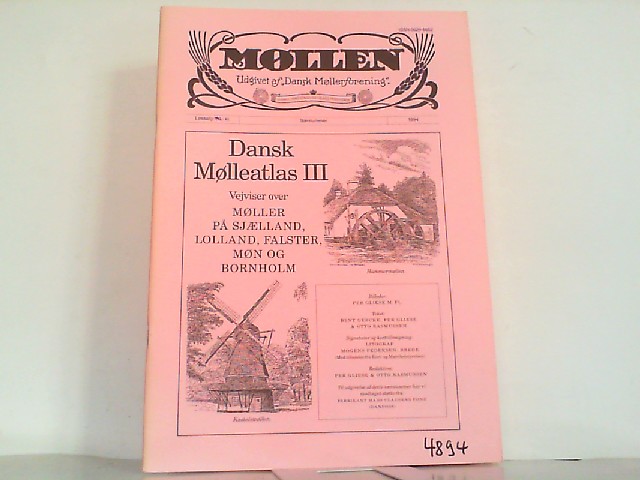
1994réf. 184786Dansk Mollerforening, 1994.
1977"This is the largest selection of Hans Christian Andersen's visual art ever to have been presented in one book.In a warm, precise style, Heltoft emphasizes the connection between Andersen's writing and his visual art, and presents the book's wealth of illustrative material in an entirely original way within a framework of excerpts from Andersen's works, correspondence and diary entries. the drawings in this book have been restored to their original graphic beauty, and the festive coloring of the paper cuts has been re-created. New material has been added, and works that have been lost have now been reproduced from the author's archives and in this way serve to make the book additionally interesting. It represents the best starting-point for an appreciation of Andersen's gifts as a visual artist." 144p. + fold out. Illus (some col) Book
1978A clean, unmarked book. 281 pages. Full beige cloth boards. Foxing on endpapers. 6"w x 8 1/2"h. The story of a voyage to Greenland in a small boat. Wood block prints by Rockwell Kent, including eight full page illustrations. Printed on heavy paper.
1970Series Title: Gyldendals bibliotek, Dansk litter. A Dictionary of Danish authors. 189p.plates. bibliography. Donor inscription on ffep, else fine Book
1977Stories by Meir Goldschmidt, Jens Peter Jacobsen, Henrik Pontoppidan, Herman Bang. Translated and edited by P.M.Mitchell & Kenneth H.Ober. 242p. Some fading of dye on enddpapers, else fine Book
1981"Scattered in the North Atlantic 300 miles off Iceland and 400 miles off Norway lies an archipelago-- the Faroe Islands. At present, (of 1981) an internally self-governing dependency of Denmark, the Faroes have kept their culture alive in part by elaborating certain elements of that culture as badges of self-consciousness. 'The Ring of Dancers' is composed of af a series of studies of aspects of Faroese life, language, and folkways. The Faroes are introduced as the Faroese themselves conceive them-- as islands both joined and separated by the waterways round about them. The archipelago is visualized in terms of such waterways as fjords, the points of the compass, 'home' villages, and natural and political districts. The authors also discuss Faroese society as the Faroese conceived it around 1890, by an analysis of a then popular folktale about the Ashlad. Placed in its social context, the tale appears as a kind of folk editorial on changing values and changing times. Perhaps the most important symbol of Faroese identity is the Faroese language. Although it was not made a written language until the 1840s, and was not widely written or read until the 1890s, Faroese has replaced Danish as the islands' official language. In gaining its formal register, it has come to express a modern sense of what it means to be Faroese. The most spectacular Faroese custom, the grindadrap-- the slaughter of schools of pilot whales and the celebration that follows the catch-- typifies the continuity of the Faroes' anciently rooted identity. The image of the dansiringur-- the authors contend, represents the Faroese adaptation of large forms to a land of closely known neighbors and landscapes, the complex inward turnings of Faroese culture, its tortuous sense of wholeness. The book ends by recounting interwiews in Torshavn, the Faroes' capital, with an artist, a journalist, a politician, and others." 182p. bibliography. index Slight damp stain on page edges Book
réf. 130371Petersberg: Michael Imhof Verlag, 2016. 296 S. ; 29 x 23,5 cm ; Pp. ;
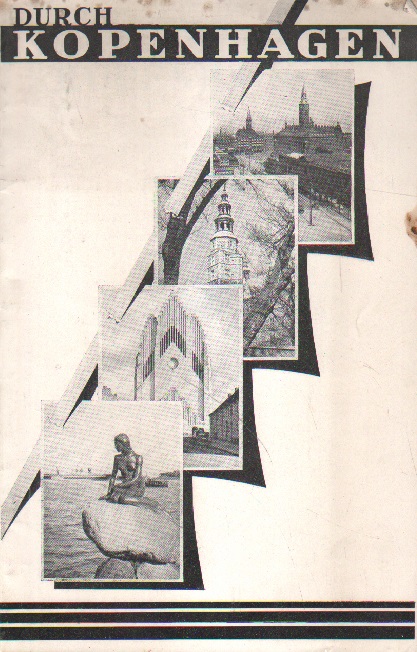
1933réf. 96162Kopenhagen, Turistforeningen for Danmark, 1933. 40 S. 8° Oktav, Softcover/Paperback
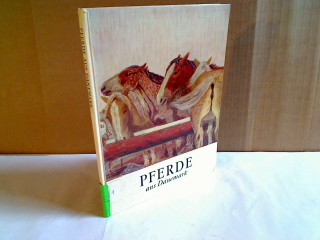
1949réf. 31793Landbrugsministeriets Hesteekasportudvalg, Copenhagen 1949. ca. 50 S. mit zahlreichen Abbildungen, Groß 8°, Original-Karton (Softcover), Bibliotheks-Exemplar (ordungsgemäß entwidmet) mit Rückenschild, Stempel auf Titel, insgesamt gutes und innen sauberes Exemplar,