BELLIN (Jacques-Nicolas).Livre Rare Book
12.245 resultados
1764ref. LBW-23471764. 223 x 354 mm.
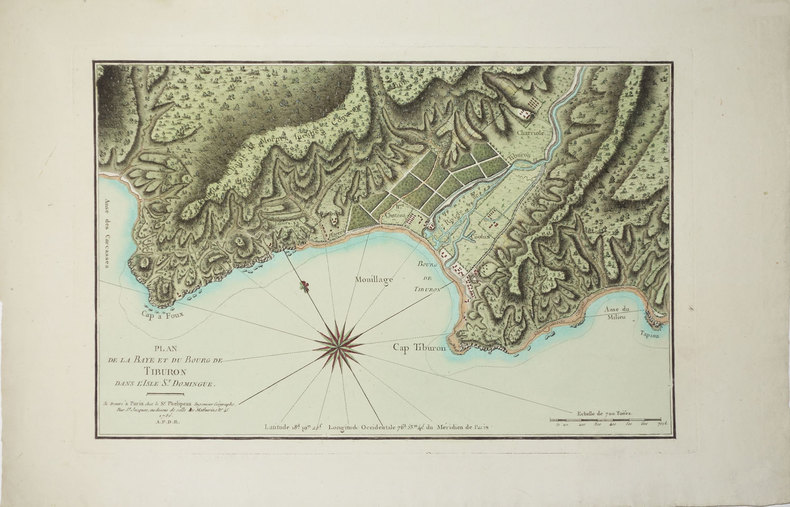
1786ref. LBW024a1Paris, Sr. Phélipeau, 1786 [1791]. 242 x 371 mm.
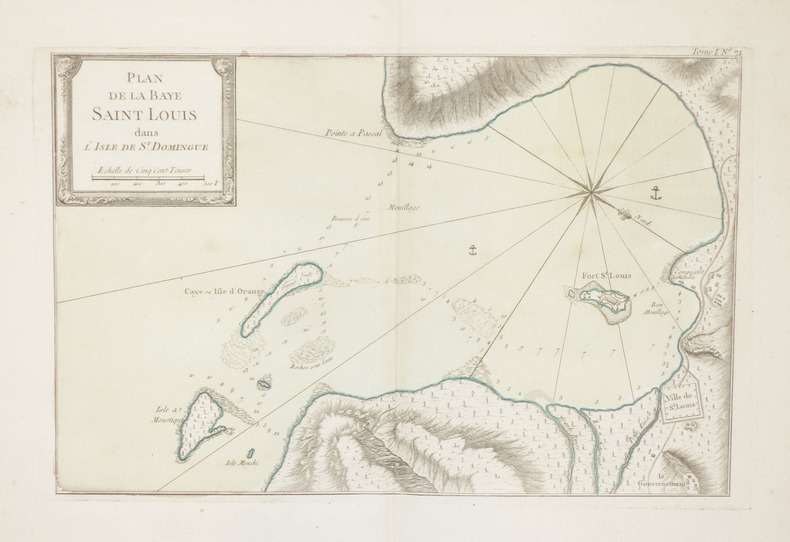
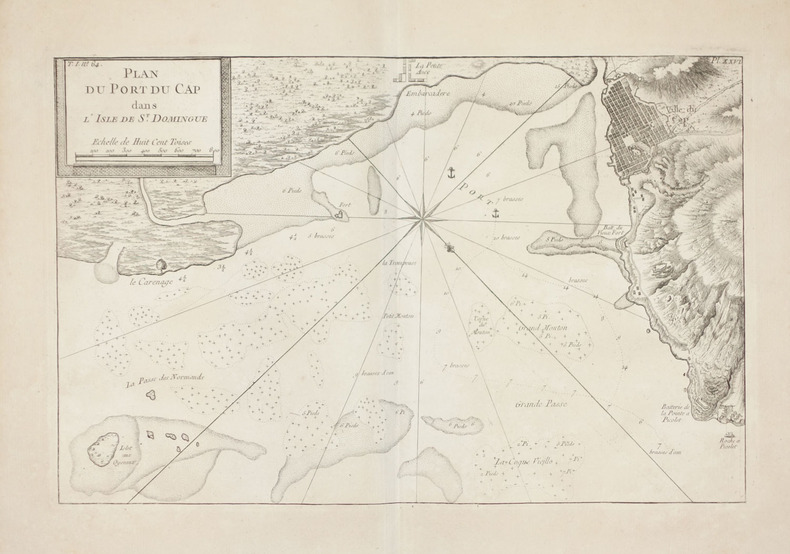
1764ref. LBW-23581764. 224 x 348 mm.
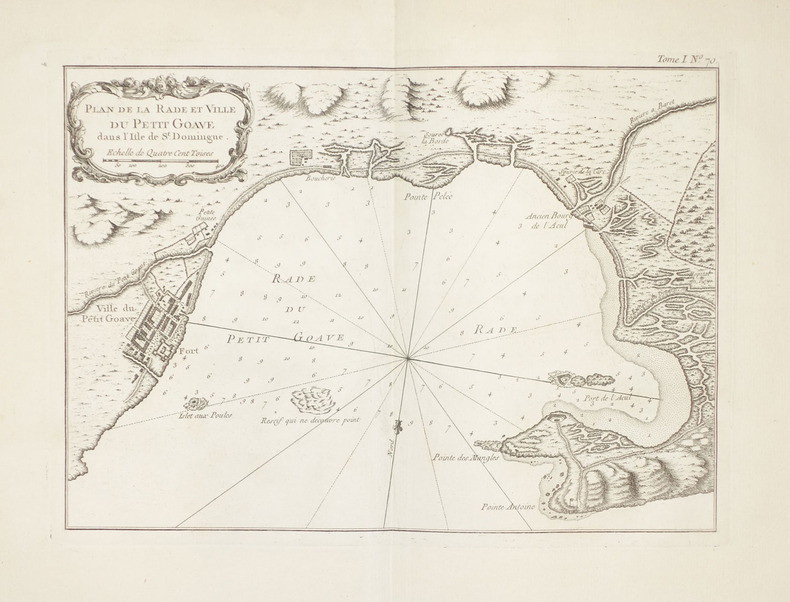
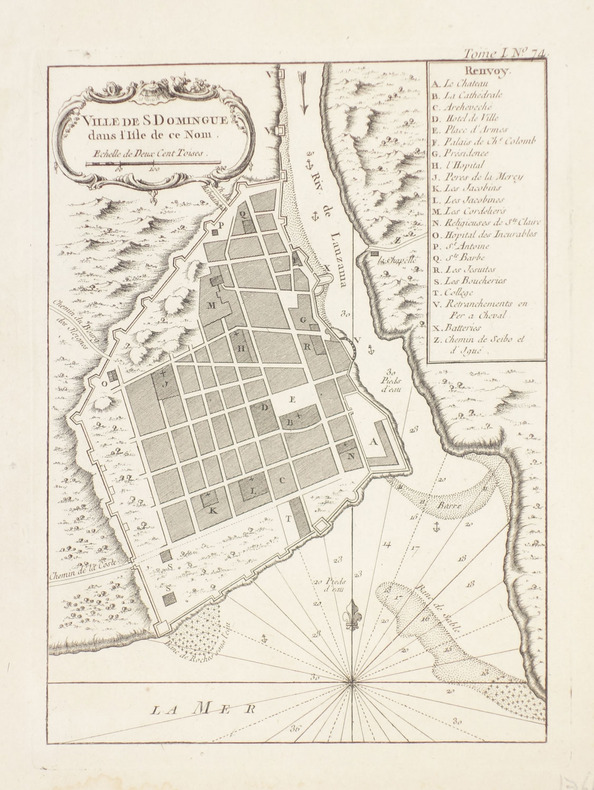
1764ref. LBW-23541764. 212 x 300 mm.
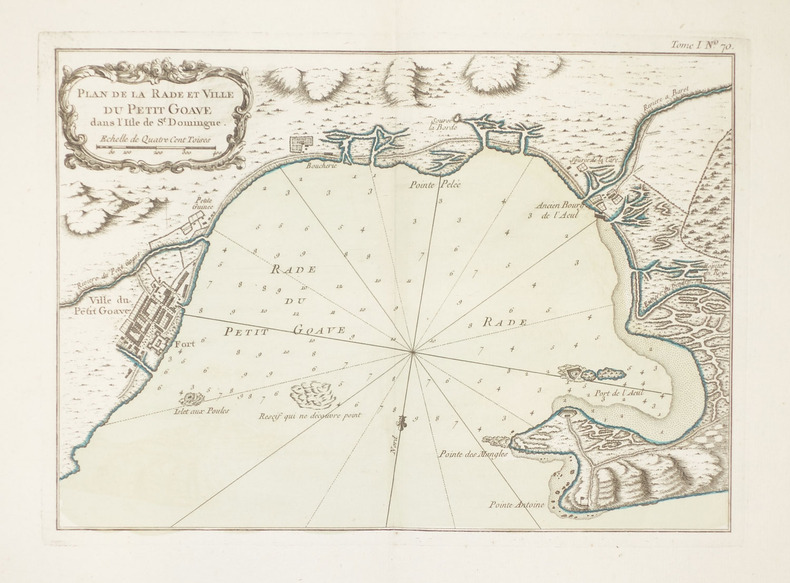
1764ref. LBW-23601764. 212 x 300 mm.
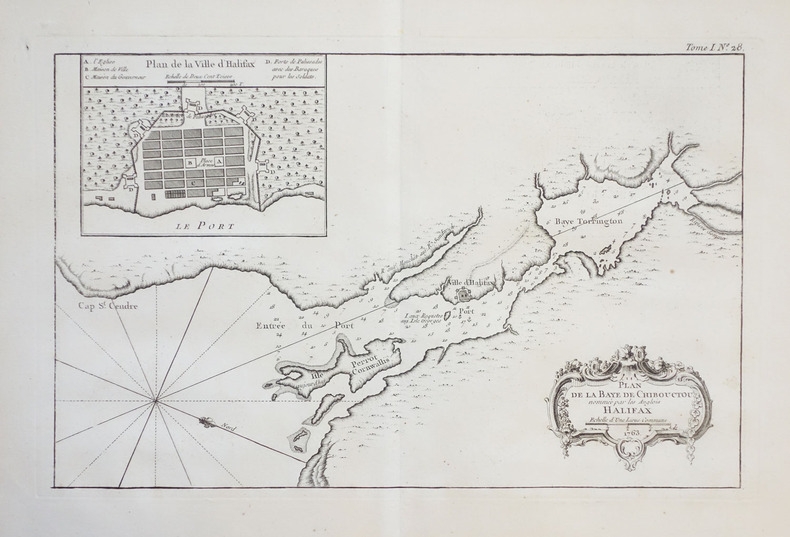
1764ref. LBW-23481764. 230 x 357 mm.
1764ref. LBW-23571764. 219 x 162 mm.
1764ref. LBW-23491764. 221 x 352 mm.
1764ref. LBW-23811764. 221 x 349 mm.
1810ref. 4731, Zuv. Hess Topographie neue Ausgabe, 1810. 1 carte entoilé et replié de 37 x 50 cm., sous étui cartonné de l'éditeur.
1579Very Good German Original hand-colored map. 4to. 27x19 cm, with cartoon frame: 40x30 cm. A decorative small map of Asia Minor, from east to the Euphrates, South to the Mediterranean, North to the Black Sea and including Thracia (Thrace). It shows Thracia, Bithynia, Pontus, Paphlagonia, Galatia, Phrygia Minor, Mysia, Phrygia Maior, Lydia, Ionia, Ephesos, Meandros, Lycus [Valley], Caria, Lycia, Pamphylia, Cilicia, Lycaoni, Pisidia, Argos Mt., Taurus Mt., Sebastia, Cappadocia, Armenia, Syria, Nicopolis. Seas decorated with sea monsters. The land filled with mountains. "Münster's Cosmography was one of the most influential geographical works of the 16th Century. It was published in a number of editions over a half century and was continuously revised and updated to include new illustrations and updated information. Sebastian Münster (1488-1552) was a cosmographer and professor of Hebrew who taught at Tübingen, Heidelberg, and Basel. He settled in the latter in 1529 and died there, of plague, in 1552. As a young man, Münster joined the Franciscan order and studied philosophy in Heidelberg. He also studied geography and mathematics in Loewen, as well as Hebrew at Freiburg. In 1512, he was ordained as a priest and taught philosophy and theology at Tübingen from 1514 to 1518. While in Tübingen, he also conducted further studies in geography. He moved to Basel in 1518 and published a Hebrew grammar, one of the first books in Hebrew published in Germany. In 1521 Münster moved again, back to Heidelberg, where he continued to publish Hebrew texts and the first German-produced books in Aramaic. After converting to Protestantism in 1529, he took over the chair of Hebrew at Basel, where he published his main Hebrew work, a two-volume Old Testament with a Latin translation. Münster made himself the center of a large network of scholars from whom he obtained geographic descriptions, maps, and directions. He published his first known map, a map of Germany, in 1525. Three years later, he released a treatise on sundials. In 1540, he published Geographia universalis vetus et nova, an updated edition of Ptolemy's Geographia. In addition to the Ptolemaic maps, Münster added 21 modern maps. One of Münster's innovations was to include one map for each continent, a concept that would influence Ortelius and other early atlas makers. The Geographia was reprinted in 1542, 1545, and 1552. Münster is best known today for his Cosmographia universalis, the first German-language description of the world. It was first published in 1554 and contained 471 woodcuts and 26 maps over 6 volumes. Many of the maps were taken from the Geographia and modified over time. It was released in at least 46 editions in 6 languages by 1650, with 21 German editions alone. The Cosmographia was widely used in the sixteenth and seventeenth centuries and the text, woodcuts, and maps all influenced geographical thought for generations.".
1823ref. 4734, G. Erdinger, 1823. 1 carte coloriée, entoilée et repliée de 34 x 46 cm., sous étui cartonné de l'époque.
1850ref. LBW-7409[Paris, 1850]. 303 x 461 mm ; sur carton fort.
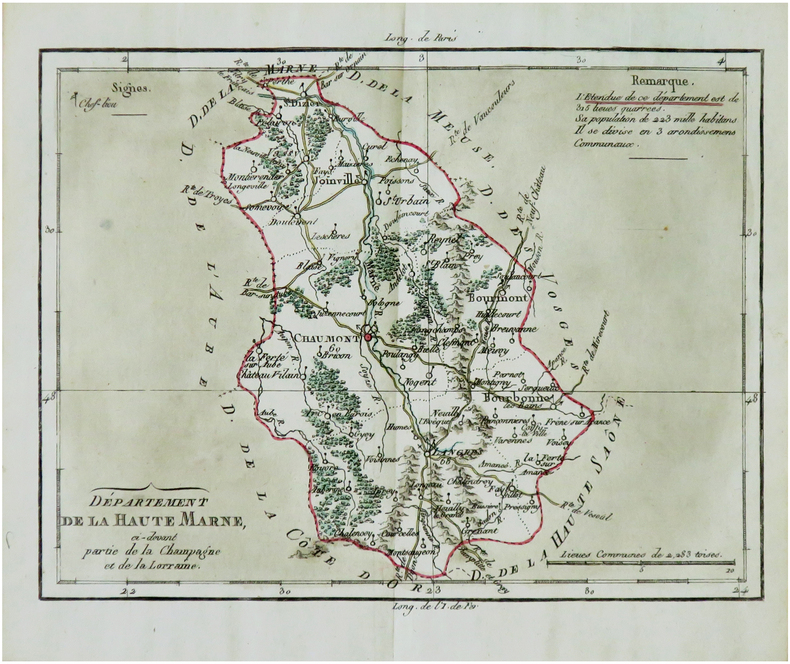
1806ref. LBW-7729Paris, P.G. Chanlaire, [1806]. 505 x 574 mm.
ref. LBW-7456[début du XIXe siècle]. 43 x 55 cm chacune.
1783ref. LBW-74621783. 24 x 34 cm.
1806ref. LBW-7887Paris, P.G. Chanlaire et Veuve Dumez, [1806]. 514 x 584 mm.
1792ref. LBW-7292[Paris, Brion, 1792]. 173 x 219 mm.
1841ref. LBW-7266Paris, Dusillion, 1841. 704x 498 mm.
1792ref. LBW-1732Paris, 1792. 585 x 862 mm.
1934ref. LBW-8226Paris, Girard et Barrère, 1934. 481 x 428 mm.
1849ref. LBW-6948Paris, [1849]. 302 x 422 mm.
ref. LBW-7471[fin du XVIIIe siècle]. 37 x 45,5 cm.
ref. LBW-7470[fin du XVIIIe siècle]. 38 x 49 cm.
1806ref. LBW-7741Paris, P.G. Chanlaire et Veuve Dumez, [1806]. 511 x 581 mm.