LEFÈVRE (Onésime Théodore).Livre Rare Book

12,153 results
1854ref. LBW-82471854-1870. 614 x 891 mm.
1845ref. LBW-6950Paris, [1845]. 303 x 430 mm.
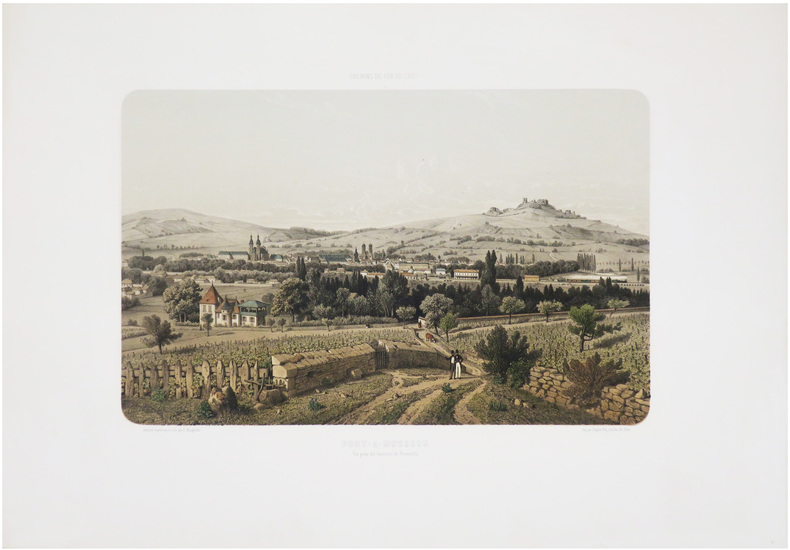
1861ref. LBW-6960Paris, [1861]. 315 x 437 mm.
1861ref. LBW-6933Paris, [1861]. 307 x 434 mm.
1861ref. LBW-6951Paris, [1861]. 320 x 436 mm.
1861ref. LBW-6953Paris, [1861]. 315 x 422 mm.
1830ref. LBW-4815[1830]. 287 x 201 mm.
1783ref. LBW004dfMadrid, 1783. En 20 sections gravées, montées sur toile bleue et pliées, formant une carte de 845 x 865 mm.
1820ref. LBW-564[circa 1820]. 240 x 290 mm.
1843ref. LBW-652Toulouse 1843 230 x 440 mm.
1807ref. LBW-4667[1807]. 347 x 499 mm.
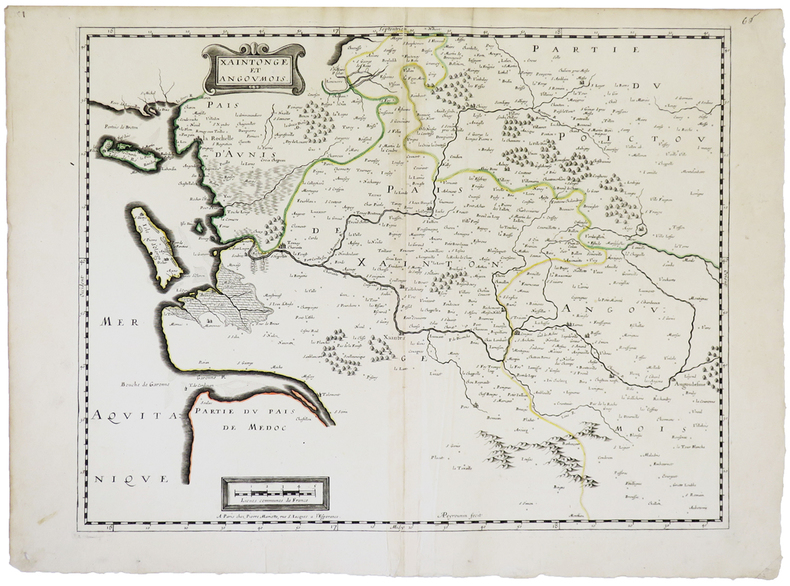
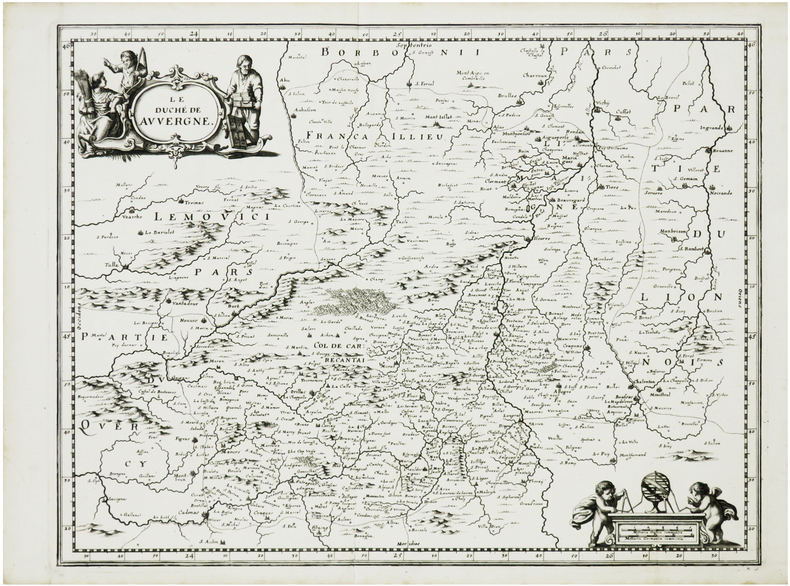
1650ref. LBW-2264Paris, Pierre Mariette, [1650]. 382 x 490 mm.
1795ref. LBW-4361[Paris, circa 1795]. 228 x 201 mm.
1630Opera per la prima volta pubblicata nel rarissimo "Giardino del Mondo dove si vede sculpite le citta principale ditalia con le eccelse fabriche antiche e chiese palazzi guglie colonne giardini e fonatene et archi trionfali di Roma" stampato a Roma [s.d. ma circa 1625-30].Si tratta di di un volume "di piccolo formato e privo di indice, è dedicato a Federico Cesi, dondatore dell'Accademia dei Lincei, morto nel 1630. Nella dedica, che compare dopoil titolo figurato, l'autore descrive i motivi che lo hanno spinto ad allestire l'opera" (cfr. Bellucci-Valerio, Piante e vedute di Napoli dal 1600 al 1699, p. 76).Le opere, di piccolo formato, sono una derivazione di quelle di Francesco Valegio contenute in "Descrizione La Raccolta di le piu illustri et famose citta di tutto il mondo" della fine del '500.I rami del Marcucci confluirono nella più celebre tipografia De Rossi, e ristampate nella "Raccolta delle principali città d’Italia intagliate con tutte le contrade, e palazzi di esse" edita a Roma nel 1643 da Giovambattista de Rossi. Una successiva ristampa della stessa è nota a cura di Carlo Losi nel 1773. La pianta, molto rara, viene per la prima volta descritta da Scaccia Scarafoni, che erroneamente ne fornisce l'errata datazione del 1547. Marigliani, nel datarla erroneamente al 1595 circa, ne fornisce la prima accurata descrizione: "è una copia della pianta di Valegio realizzata nell'ultimo decennio del '500 con lievissime differenze solo nella raffigurazione di San Pietro, di cui si vedono le cupole laterali, Santa Maria Maggiore ed il Colosseo più correttamente raffigurato con una parte dell'emiciclo esterno mancante"(cfr. Marigliani p. 164).Incisione in rame, in perfette condizioni. Rarissima. Bibliografia Scaccia Scarafoni (1939): n. 132; Frutaz (1960) n. 139 (nota); Marigliani (2007): p. 164, n. 65. A small and very rare map of Rome, for the first time published in the very rare "Giardino del Mondo dove si vede sculpite le citta principale ditalia con le eccelse fabriche antiche e chiese palazzi guglie colonne giardini e fonatene et archi trionfali di Roma" printed in Rome [s.d. but about 1625-30]. It is a volume of small format and without index, dedicated to Federico Cesi, founder of the Accademia dei Lincei, who died in 1630. In the dedication, which appears after the illustrated title, the author describes the reasons that pushed to prepare the work (see Bellucci-Valerio, Piante e vedute di Napoli dal 1600 al 1699, p. 76). The small-sized works are a derivation of those by Francesco Valegio contained in "Descrizione La Raccolta di le piu illustri et famose citta di tutto il mondo" from the end of the 16th century. Marcucci's platess flowed into the most famous De Rossi typography, and reprinted in the "Raccolta delle principali città d’Italia intagliate con tutte le contrade, e palazzi di esse" published in Rome in 1643 by Giovambattista de Rossi. A subsequent reprint of the same is known by Carlo Losi in 1773. The very rare map is described for the first time by Scaccia Scarafoni, who erroneously gives the wrong date of 1547. Marigliani, erroneously dating it to about 1595, provides the first accurate description: "it is a copy of the map of Valegio built in the last decade of the 16th century with very slight differences only in the depiction of St. Peter, of which you can see the side domes, Santa Maria Maggiore and the Colosseum more correctly depicted with a part of the external hemicycle missing "(see Marigliani p . 164). Copper engraving, in perfect condition. Extremely rare. Bibliografia Scaccia Scarafoni (1939): n. 132; Frutaz (1960) n. 139 (nota); Marigliani (2007): p. 164, n. 65.
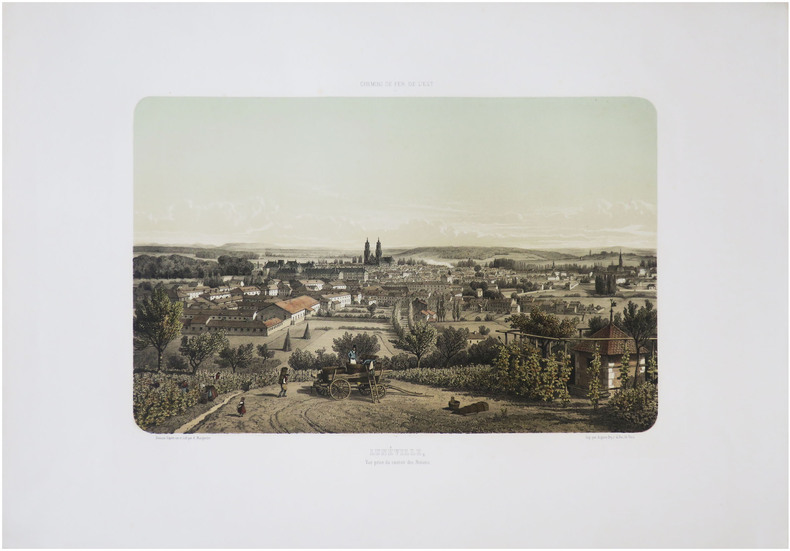
1857ref. LBW-9013Paris, Auguste Bry, [1857]. 275 x 375 mm.
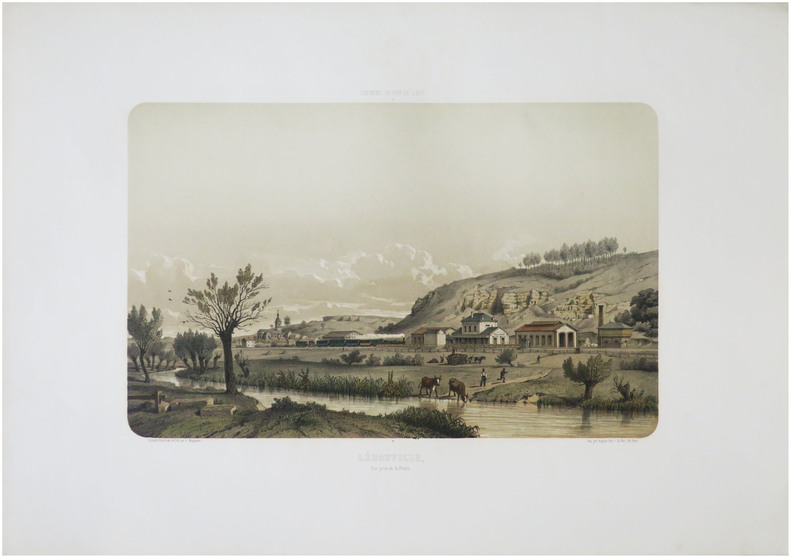
1857ref. LBW-9012Paris, Auguste Bry, [1857]. 272 x 380 mm.
1857ref. LBW-9009Paris, Auguste Bry, [1857]. 279 x 381 mm.
1623Veduta tratta dall'edizione del 1678 della celebre Sciagraphia Cosmica nota anche con il titolo Das ist Newes Emblematisches Buechlei, dainen in acht Centurijs die vornembste Stat, Vestung, Schlosser der ganzen Welt... stampata a Norinberga. La Sciagraphia Cosmica, venne ampliata sotto la supervisione di Kieser dopo la morte di Meisner nel 1625, arrivando quindi ad una composizione di 800 magnifiche incisioni. Ogni opera è caratterizzata da un motto sopra l'immagine, e da versi emblematici (in latino o tedesco). L'opera è la combinazione di due generi allora popolari, il libro degli stemmi e il "Teatro delle città". Tra i maestri incisori e miniatori che contribuirono a questa serie ci sono Matthäus Merian, Sebastian Furck, Christian Stimmer e forse anche Meisner stesso, che concepì l'opera e contribuì a buona parte della prosa. Incisione in rame, con margini, in perfetto stato di conservazione. Panorama of the city, taken from the 1678 edition of the famous "Sciagraphia Cosmica" with the title "Das ist Newes Emblematisches Buechlei, dainen in acht Centurijs die vornembste Stat, Vestung, Schlosser der ganzen Welt...Nuremberg, 1678''. "Of little topographical interest, the view shows the Capitoline Hill emerging from the adjacent urban fabric, while the view to the left closes in on a scarcely recognizable St. Peter's. The author's name is only written on the title page. In addition to Meisner himself, the engravers involved included Merian, Furck and Stimmer" (cf. Marigliani p. 194). The Sciagraphia Cosmica was expanded under the supervision of Kieser after Meisner's death in 1625, resulting in a composition of 800 magnificent engravings. Each engraving is characterised by a motto above the image and emblematic verses (in Latin or German). The work is a combination of two popular genres, the Book of Coats of Arms and the Book of City Plants. Among the master engravers and illuminators who contributed to this series are Matthäus Merian, Sebastian Furck, Christian Stimmer and possibly Meisner himself, who conceived the work and contributed much of the prose. Copper engraving, with margins, in perfect condition. Cremonini pagg. 57/58, 45a; C. Marigliani, "Le Piante di Roma delle collezioni private", tav. 97.
1657ref. LBW-7369[Francfort, 1657]. 278 x 359 mm.
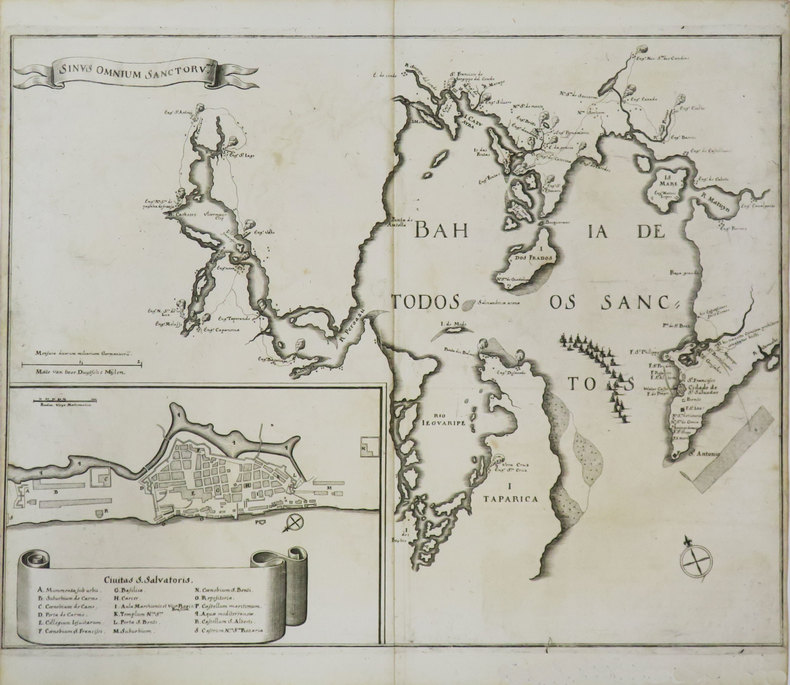
1649ref. LBW-3526[1649]. 263 x 341 mm.
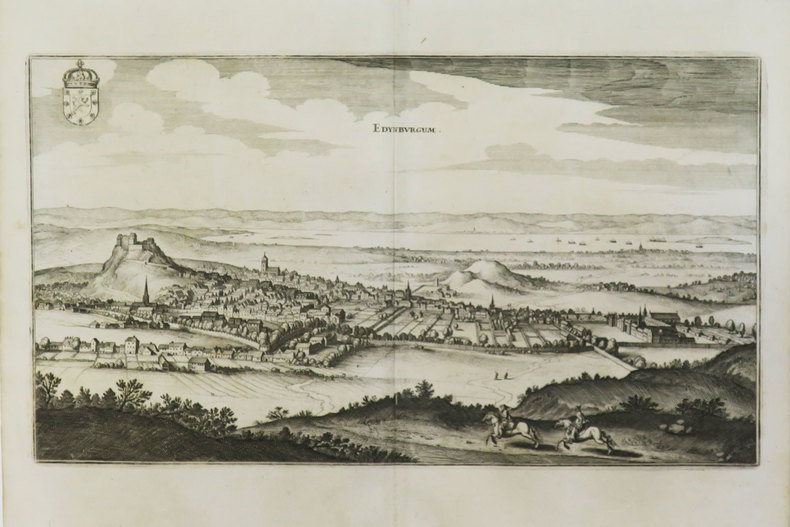
1649ref. LBW-3608[1649]. 295 x 377 mm.
1649ref. LBW-3472[1649]. 196 x 350 mm.
1649ref. LBW-3594[1649]. 216 x 260 mm.
1649ref. LBW-3596[1649]. 194 x 330 mm.