17,483 results
1989ref. 9646438John Wiley & Sons 1989. This is an ex-library book and may have the usual library/used-book markings inside.This book has hardback covers. In good all round condition. No dust jacket. Please note the Image in this listing is a stock photo and may not match the covers of the actual item650grams ISBN:0853127565 John Wiley & Sons hardcover
1923ref. 85279Berlin. (Um 1923). 92 Seiten. Mit zahlr. Abb. Farbig ill. Originalbroschur. 18x13 cm

1996ref. EG-546Chichester U.K.: John Wiley & Sons 1996. Comprehensive reference text presents detailed coverage of methodology for numerically describing practical microwave circuits with one or more ports. Topics include applications of Green's function in planar resonators gyromagnetic circuits and junction circulators; finite element techniques and calculations; matrices quadratic forms and energy functions; etc. 259 pgs. Illustrated. Minimal shelfwear. First Edition. Pictorial Hard Cover. Near Fine. Illus. by . 4to - over 9¾" - 12" tall. John Wiley & Sons Hardcover
2004ref. 2111902154611778Society of Civil Engineers 2004. Soft Cover. Fine. The book is in fine condition. Society of Civil Engineers paperback
2011ref. 4344741McGraw-Hill 2011. This is an ex-library book and may have the usual library/used-book markings inside.This book has hardback covers. In fair condition suitable as a study copy. No dust jacket. Please note the Image in this listing is a stock photo and may not match the covers of the actual item650grams ISBN:9780071622837 McGraw-Hill hardcover
2010ref. 2299310Woodhead Publishing Ltd 2010. This is an ex-library book and may have the usual library/used-book markings inside.This book has hardback covers. In good all round condition. No dust jacket. Please note the Image in this listing is a stock photo and may not match the covers of the actual item700grams ISBN:9781855737396 Woodhead Publishing Ltd hardcover
2004ref. 9626899Woodhead Publishing Ltd 2004. This is an ex-library book and may have the usual library/used-book markings inside.This book has hardback covers. In good all round condition. No dust jacket. Please note the Image in this listing is a stock photo and may not match the covers of the actual item700grams ISBN:1855737396 Woodhead Publishing Ltd hardcover
2019ref. 7856425Elsevier 2019. This is an ex-library book and may have the usual library/used-book markings inside.This book has soft covers. In good all round condition. Please note the Image in this listing is a stock photo and may not match the covers of the actual item650grams ISBN:9780081021774 Elsevier paperback
ref. 0128243651.Gpaperback. Good. Access codes and supplements are not guaranteed with used items. May be an ex-library book. paperback
2012ref. 5587772Wiley 2012. This is an ex-library book and may have the usual library/used-book markings inside.This book has hardback covers. In good all round condition. Please note the Image in this listing is a stock photo and may not match the covers of the actual item1100grams ISBN:9780470538043 Wiley hardcover
2026ref. x-1032234903Taylor & Francis Ltd 2026. Paperback. New. 228 pages. 9.18x6.12x9.21 inches. Taylor & Francis Ltd paperback
1980ref. KOS00600270Japan Railway Engineering Association 1980. Soft Cover. Fine. KOS00600270 Japan Railway Engineering Association paperback
1989ref. Q-0878916377Research & Education Association 1989-03-30. Paperback. New. In shrink wrap. Looks like an interesting title! Research & Education Association paperback
1982ref. EG-345New York: American Society of Civil Engineers 1982. Comprehensive reference text examines theoretic and practical guidelines for gravity sanitary sewer projects. Includes detailed sections on: surveys and investigations; administration of sanitary sewer projects; structural requirements; appurtenances and special structures; materials for sewer construction; construction methods; etc. 275 pgs. Illustrated. Minor small bump on lower spine edge. . First Edition. Hard Cover. Excellent. 8vo - over 7¾" - 9¾" tall. American Society of Civil Engineers Hardcover
1999ref. Q-0309066352National Academies Press 1999-12-03. Paperback. New. In shrink wrap. Looks like an interesting title! National Academies Press paperback
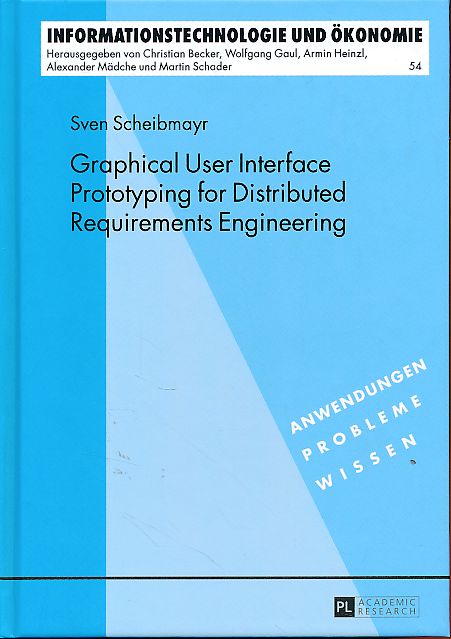
2014ref. 1084190Frankfurt, M. : Peter Lang, 2014. XVI, 164 S. : Ill., graph. Darst. Originalhardcover.
ref. 43324Oxford. Very Good with no dust jacket. Hardcover. The original 1890 edition.; X; 161 pages . 1890. 136272503X . Oxford hardcover
2012ref. 2299355Springer 2012. This is an ex-library book and may have the usual library/used-book markings inside.This book has hardback covers. In fair condition suitable as a study copy. No dust jacket. Please note the Image in this listing is a stock photo and may not match the covers of the actual item1100grams ISBN:9783642204678 Springer hardcover
1985ref. 23529Budapest:: Akademiai Kiado. VG/NONE. 1985. Hardcover. 9630534118 . Covers overall bright w/light edgewear; pages tight clean unmarked. Hinges sound. ; . Akademiai Kiado, hardcover
1965ref. 037212Tor: Kilborn Engineering Ltd. 1965. Ex-Library. Very Good. Soft cover. 1st Edition. 4to - over 9¾ - 12" tall. 179 Pages Charts Graphs Fold Out Maps And Plans Etc. Usual Ex-Reference Library Marks O/W Sound. Kilborn Engineering Ltd. Paperback
2008ref. 15178Washington DC: National Academies Press 2008. First Edition. Paperback. Near Fine/No Dust Jacket. 11.00 x 7.50 x 0.15 inches. Very rare publication. First edition 2008 in Very Good condition. The covers are in great shape. The binding is square and tight. An organization stamp is neatly marked out on the title page. The interior pages are clean and unmarked. The book will be carefully packaged for shipment for protection from the elements. USPS electronic tracking number issued free of charge. National Academy of Engineering of the National Academies. A diverse committee of experts from around the world proposed the 14 challenges outlined in this booklet. The panel was convened by the U.S. National Academy of Engineering NAE at the request of the U.S. National Science Foundation. The panel's conclusions were reviewed by more than 50 subject-matter experts and received worldwide input from prominent engineers and scientists as well as from the general public. Introduction to the Grand Challenges for EngineeringThroughout human history engineering has driven the advance of civilization. From the metallurgists who ended the Stone Age to the shipbuilders who united the world�s peoples through travel and trade the past witnessed many marvels of engineering prowess. As civilization grew it was nourished and enhanced with the help of increasingly sophisticated tools for agriculture technologies for producing textiles and inventions transforming human interaction and communication. Inventions such as the mechanical clock and the printing press irrevocably changed civilization. In the modern era the Industrial Revolution brought engineering�s influence to every niche of life as machines supplemented and replaced human labor for countless tasks improved systems for sanitation enhanced health and the steam engine facilitated mining powered trains and ships and provided energy for factories. In the century just ended engineering recorded its grandest accomplishments. The widespread development and distribution of electricity and clean water automobiles and airplanes radio and television spacecraft and lasers antibiotics and medical imaging and computers and the Internet are just some of the highlights from a century in which engineering revolutionized and improved virtually every aspect of human life. Find out more about the GREAT ENGINEERING ACHIEVEMENTS OF THE 20TH CENTURY from a separate NAE website. For all of these advances though the century ahead poses challenges as formidable as any from millennia past. As the population grows and its needs and desires expand the problem of sustaining civilization�s continuing advancement while still improving the quality of life looms more immediate. Old and new threats to personal and public health demand more effective and more readily available treatments. Vulnerabilities to pandemic diseases terrorist violence and natural disasters require serious searches for new methods of protection and prevention. And products and processes that enhance the joy of living remain a top priority of engineering innovation as they have been since the taming of fire and the invention of the wheel. In each of these broad realms of human concern � sustainability health vulnerability and joy of living � specific grand challenges await engineering solutions. The world�s cadre of engineers will seek ways to put knowledge into practice to meet these grand challenges. Applying the rules of reason the findings of science the aesthetics of art and the spark of creative imagination engineers will continue the tradition of forging a better future. Foremost among the challenges are those that must be met to ensure the future itself. The Earth is a planet of finite resources and its growing population currently consumes them at a rate that cannot be sustained. Widely reported warnings have emphasized the need to develop new sources of energy at the same time as preventing or reversing the degradation of the environment. Sunshine has long offered a tantalizing source of ENVIRONMENTALLY FRIENDLY POWER bathing the Earth with more energy each hour than the planet�s population consumes in a year. But capturing that power converting it into useful forms and especially storing it for a rainy day poses provocative engineering challenges. Another popular proposal for long-term energy supplies is NUCLEAR FUSION the artificial re-creation of the sun�s source of power on Earth. The quest for fusion has stretched the limits of engineering ingenuity but hopeful developments suggest the goal of practical fusion power may yet be attainable. Engineering solutions for both solar power and nuclear fusion must be feasible not only technologically but also economically when compared with the ongoing use of fossil fuels. Even with success however it remains unlikely that fossil fuels will be eliminated from the planet�s energy-source budget anytime soon leaving their environment-associated issues for engineers to address. Most notoriously evidence is mounting that the carbon dioxide pumped into the air by the burning of fossil fuels is increasing the planet�s temperature and threatens disruptive effects on climate. Anticipating the continued use of fossil fuels engineers have explored technological methods of CAPTURING THE CARBON DIOXIDE produced from fuel burning and sequestering it underground. A further but less publicized environmental concern involves the atmosphere�s dominant component the element nitrogen. The biogeochemical cycle that extracts nitrogen from the air for its incorporation into plants � and hence food � has become altered by human activity. With widespread use of fertilizers and high-temperature industrial combustion humans have doubled the rate at which nitrogen is removed from the air relative to pre-industrial times contributing to smog and acid rain polluting drinking water and even worsening global warming. Engineers must design COUNTERMEASURES FOR NITROGEN CYCLE PROBLEMS while maintaining the ability of agriculture to produce adequate food supplies. Chief among concerns in this regard is the QUALITY AND QUANTITY OF WATER which is in seriously short supply in many regions of the world. Both for personal use � drinking cleaning cooking and removal of waste � and large-scale use such as irrigation for agriculture water must be available and sustainably provided to maintain quality of life. New technologies for desalinating sea water may be helpful but small-scale technologies for local water purification may be even more effective for personal needs. Naturally water quality and many other environmental concerns are closely related to questions of human health. While many of the health scourges of the past have been controlled and even eliminated by modern medicine other old ones such as malaria remain deadly and newer problems have remained resistant to medical advances requiring new medical technologies and methods. One goal of biomedical engineering today is fulfilling the promise of personalized medicine. Doctors have long recognized that individuals differ in their susceptibility to disease and their response to treatments but medical technologies have generally been offered as ""one size fits all."" Recent cataloging of the human genetic endowment and deeper understanding of the body�s complement of proteins and their biochemical interactions offer the prospect of identifying the specific factors that determine sickness and wellness in any individual. An important way of exploiting such information would be the development of methods that allow doctors to forecast the benefits and side effects of potential treatments or cures. �REVERSE-ENGINEERING� THE BRAIN to determine how it performs its magic should offer the dual benefits of helping treat diseases while providing clues for new approaches to computerized artificial intelligence. Advanced computer intelligence in turn should enable automated diagnosis and prescriptions for treatment. And COMPUTERIZED CATALOGS OF HEALTH INFORMATION should enhance the medical system�s ability to track the spread of disease and analyze the comparative effectiveness of different approaches to prevention and therapy. Another reason to DEVELOP NEW MEDICINES is the growing danger of attacks from novel disease-causing agents. Certain deadly bacteria for instance have repeatedly evolved new properties conferring resistance against even the most powerful antibiotics. New viruses arise with the power to kill and spread more rapidly than disease-prevention systems are designed to counteract. As a consequence vulnerability to biological disaster ranks high on the list of unmet challenges for biomedical engineers � just as engineering solutions are badly needed to COUNTER THE VIOLENCE OF TERRORISTS and the destructiveness of earthquakes hurricanes and other natural dangers. Technologies for early detection of such threats and rapid deployment of countermeasures such as vaccines and antiviral drugs rank among the most urgent of today�s engineering challenges. Even as terrorist attacks medical epidemics and natural disasters represent acute threats to the quality of life more general concerns pose challenges for the continued enhancement of living. Engineers face the grand challenge of renewing and SUSTAINING THE AGING INFRASTRUCTURES OF CITIES AND SERVICES while preserving ecological balances and enhancing the aesthetic appeal of living spaces. And the external world is not the only place where engineering matters; the inner world of the mind should benefit from IMPROVED METHODS OF INSTRUCTION AND LEARNING including ways to tailor the mind�s growth to its owner�s propensities and abilities. Some new methods of instruction such as COMPUTER-CREATED VIRTUAL REALITIES will no doubt also be adopted for entertainment and leisure furthering engineering�s contributions to the joy of living. The spirit of curiosity in individual minds and in society as a whole can be further promoted through engineering endeavors ENHANCING EXPLORATION at the frontiers of reality and knowledge by providing new tools for investigating the vastness of the cosmos or the inner intricacy of life and atoms. All of these examples merely scratch the surface of the challenges that engineers will face in the 21st century. The problems described here merely illustrate the magnitude and complexity of the task that must be mastered to ensure the sustainability of civilization and the health of its citizens while reducing individual and societal vulnerabilities and enhancing the joy of living in the modern world. None of these challenges will be met however without finding ways to overcome the barriers that block their accomplishment. Most obviously engineering solutions must always be designed with economic considerations in mind � for instance despite environmental regulations cheaper polluting technologies often remain preferred over more expensive clean technologies. Engineers must also face formidable political obstacles. In many parts of the world entrenched groups benefiting from old systems wield political power that blocks new enterprises. Even where no one group stands in the way of progress the expense of new engineering projects can deter action and meeting many of the century�s challenges will require unprecedented levels of public funding. Current government budgets for U.S. infrastructure improvement alone falls hundreds of billions of dollars short of estimated needs. Securing the funds necessary to meet all the great challenges will require both popular and political support. Engineers must join with scientists educators and others to encourage and promote improved science technology engineering and math STEM education in the schools and enhanced flow of technical information to the public at large � conveying not just the facts of science and engineering but also an appreciation of the ways that scientists and engineers acquire the knowledge and tools required to meet society�s needs. Public understanding of engineering and its underlying science will be important to support the calls for funding as well as to enhance the prospect for successful adoption of new technologies. The ultimate users of engineering�s products are people with individual and personal concerns and in many cases resistance to new ways of doing things will have to be overcome. Teachers must revamp their curricula and teaching styles to benefit from electronic methods of personalized learning. Doctors and hospital personnel will have to alter their methods to make use of health informatics systems and implement personalized medicine. New systems for drug regulation and approval will be needed when medicines are designed for small numbers of individuals rather than patient populations as a whole. A prime example where such a barrier exists is in the challenge of REDUCING VULNERABILITY TO ASSAULTS ON CYBERSPACE such as identity theft and computer viruses designed to disrupt Internet traffic. Systems for keeping cyberspace secure must be designed to be compatible with human users � cumbersome methods that have to be rigorously observed don�t work because people find them inconvenient. Part of the engineering task will be discovering which approaches work best at ensuring user cooperation with new technologies. In sum governmental and institutional political and economic and personal and social barriers will repeatedly arise to impede the pursuit of solutions to problems. As they have throughout history engineers will have to integrate their methods and solutions with the goals and desires of all society�s members. And �all society�s members� must be interpreted literally. Perhaps the most difficult challenge of all will be to disperse the fruits of engineering widely around the globe to rich and poor alike. In the world today many of engineering�s gifts to civilization are distributed unevenly. At least a billion people do not have access to adequate supplies of clean water. Countless millions have virtually no medical care available let alone personalized diagnosis and treatment. Solving computer security problems has little meaning for the majority of the world�s population on the wrong side of the digital divide. Sustainable supplies of food water and energy; protection from human violence natural disaster and disease; full access to the joys of learning exploration communication and entertainment � these are goals for all of the world�s people. So in pursuing the century's great challenges engineers must frame their work with the ultimate goal of universal accessibility in mind. Just as Abraham Lincoln noted that a house divided against itself cannot stand a world divided by wealth and poverty health and sickness food and hunger cannot long remain a stable place for civilization to thrive. Through the engineering accomplishments of the past the world has become smaller more inclusive and more connected. The challenges facing engineering today are not those of isolated locales but of the planet as a whole and all the planet�s people. Meeting all those challenges must make the world not only a more technologically advanced and connected place but also a more sustainable safe healthy and joyous � in other words better � place. Includes 14 topics ranging from Economical Solar Energy to Engineering the Tools of Scientific Discovery. National Academies Press paperback
1978269 pages. References. Bibliography. Profusely illustrated with wonderful black and white archival illustrations. "The story of the tools, machines and systems used throughout history to harvest grain... About those determined individuals who have reduced the drudgery of farming and who have given their greater dignity to the occupation of farming. The contributions have a more fundamental influence on our future than armaments or most political ideologies." - from Preface. Light wear. Unmarked. Binding tight. A quality copy of the most engaging and informative work. Book
1978ref. 631c6805USA: American Society of Agricultural Engineers 1978. Book. Good. Hardcover. First Edition. 4to - over 9¾" - 12" tall. 269 pages. References. Bibliography. Profusely illustrated with wonderful black and white archival illustrations. "The story of the tools machines and systems used throughout history to harvest grain. About those determined individuals who have reduced the drudgery of farming and who have given their greater dignity to the occupation of farming. The contributions have a more fundamental influence on our future than armaments or most political ideologies." - from Preface. Light wear. Unmarked. Binding tight. A quality copy of the most engaging and informative work. American Society of Agricultural Engineers Hardcover
1955No Jacket Ex-lib hardcover, fair condition, w. the usual stamps, marks labels. Flap and pocket have been torn off. Ltly rubbed brds, a few lt marks. Ltly slanted, compressed sp, bumped corners. Ltly tanned p. edges w. some soil, tanned eps. Fr. inside hi
2000ref. x-1574981153Amer Ceramic Society 2000. Hardcover. New. volume 118 edition. 612 pages. 9.00x6.25x1.50 inches. Amer Ceramic Society hardcover