2020réf. 2081502111903769electronics industry publisher 2020. Soft Cover. Fine. The book is in fine condition. electronics industry publisher paperback
2020réf. 2081502111903786electronics industry publisher 2020. Soft Cover. Fine. The book is in fine condition. electronics industry publisher paperback
2020réf. 2081502111904730electronics industry publisher 2020. Soft Cover. Fine. The book is in fine condition. electronics industry publisher paperback
2020réf. 2081502111901777electronics industry publisher 2020. Soft Cover. Fine. The book is in fine condition. electronics industry publisher paperback
1961réf. mon0000176599ICI 1961-01-01. Hardcover. Good. in x in x in. Clean text sound binding. ICI hardcover
réf. SONG0824790219Used: Good unknown
réf. 7309Paris, Eugène Lacroix, Libraire-Editeur, 1869. 1 volume in-8, 254 pp., reliure moderne plein cuir, quelques rousseurs claires, plus prononcées sur les premiers feuillets, bon état général. Ouvrage enrichi de 12 planches sur 13 (la 7e planche est toujours manquante) et d'un frontispice d'un specimen de texte Chinois traduit par Stanislas Julien. Un exemplaire sans les planches est vendu 320 euros.
1919réf. A106823np: Commonwealth Institute of Science and Industry 1919-20. Nice copies. octavo. library cloth 512 768pp. b/w plates text ills. Journal of the Commonwealth Institute of Science and Industry. Volume 1 issues 1-8 complete Volume 2 issues 1-12 complete. Fine bright copies bound in two volumes with small stamps. Very scarce Commonwealth Institute of Science and Industry hardcover
1723réf. 13086Paris La veuve et M. G. Jouvenel 1723 in-folio, plié en 7 pp.
1915Album cm 42 x 32, con .47 tavole fuori testo (1 doppia) in eliotipia raffiguranti gli stabilimenti posseduti dalla famiglia Matarazzo. In apposita tasca al contropiatto anteriore sono conservati 2 opuscoli (pp. 8 ) di legenda alle tavole. Tutta tela editoriale con iscrizioni in oro al piatto anteriore. Le immagini sono relative alla sede di S. Paulo, al Moinho Matarazzo di S. Paulo, alla fabbrica di tessuti Mariangela, alla fabbrica Sol levante produttrice di olio estratto dalla pianta del cotone, la fabbrica do Belemzinho, la segheria di Mooca ecc. Le I.R.F.M. furono un gruppo industriale fondato da Francesco Matarazzo che arrivo', negli anni '40, ad essere il piu' grande gruppo industriale dell'America Latina. Fondate nel 1891 da Francesco Matarazzo, immigrato di Castellabate (Salerno), inizio' con una piccola rivendita di lardo e strutto, arrivando in pochi anni ad avere interessi, attraverso circa 350 aziende, nei settori del tessile, meccanica, portuale, energetico, alimentare ecc. Le varie attivita' furono sempre sotto il controllo della famiglia attraverso fratelli e figli e nel 1911 vennero riunite sotto la sigla I.R.F.M. A questo periodo dovrebbe risale questo sontuoso album celebrativo, stampato in Italia e caratterizzato dalle splendide fotografie industriali di Antonio Campostano, fotografo genovese attivo tra il 1901 e il 1950, che ebbe un'intensa attivita' anche in Brasile anche grazie al fatto di avere una moglie brasiliana.
1914In 8, cm 19 x 27, 5, pp. (28) con moltissime illustrazioni fotografiche. Brossura editoriale con decorazioni a rilievo di gusto art nouveau e il marchio Itala su fondo blu. Edizione di questo catalogo del 1914 che si apre con la nota celebrativa dell'impresa del Raid Pekino - Tokyo (l'Itala di del Principe Borghese arrivo' a Parigi con grande vantaggio sugli altri concorrenti), segue la veduta degli stabilimenti torinesi in Barriera d'Orbassano, l'elenco delle vittorie conseguite tra il 1905 e il 1913, la descrizione dei modelli di motore e chassis (14 - 20 hp, 18 - 30 hp, 25 - 35 hp, 60 - 75 hp, 50 - 65 hp, 60 - 70 hp) a quattro e sei cilindri, 4 tavole che raffigurano ben 17 diversi tipi di carrozzeria (Dorsay Torpedo, Cabriolet, Limousine Torpedo, Landaulet limousine torpedo, Quadruple phaeton torpedo ecc.), descrizione dei chassis con motore senza valvole, Landaulet Fiacre (taxis), motori marini, motori per aviazione e la tabella dei Chassis Itala 1914. Fondata nel 1903 da Matteo Ceirano e' sta per lungo tempo la seconda fabbrica italiana per numero di auto prodotte. Grazie anche alle vittorie in competizioni sportive, Itala ebbe da subito un buon successo, attirando cosi' l'interesse di investitori genovesi. Il successo nel Raid Pekino - Tokio e, in particolare, il libro di Barzini dedicato all'impresa, diede all'azienda fama mondiale. Cesso' la produzione nel 1934
1836réf. zy65Imprimerie Royale Relié 1836 Deux volumes in-8 (13,8 x 20,8 cm), reliure demi-peau, dos lisses ornés de dorures, pièces de titre et de tomaison, deux tomes sur trois, Tome 1 : Introduction (LVI-420 pages), Tome 2 : Première partie du rapport (LXXVI-318 pages) ; dos brunis, frottements aux coiffes, coupes et plats, par ailleurs assez bon état. Livraison a domicile (La Poste) ou en Mondial Relay sur simple demande.
1926réf. EB7-101Lyon / Paris Desvigne Desforges 1926 Lyon 1926 - Reliures à coins dos à nerfs ornés, pièces de titres, titres et tomaisons dorés - Couvertures et dos conservés - Monté sur onglets. 354 pages pour les deux tomes en pagination continue. Complet des 100 planches échantillons de ces 2 parties (mais il manque 9 des petits échantillons de tissu maintenus par bandes adhésives sur les planches) Pour chaque échantillons il y a différentes informations : analyse, disposition, et schémas explicatifs Les reliures sont légèrement frottées, sans gravité , rousseurs sur tranches, quelques feuillets présentent un arrachage marginal (perte de papier sans perte de texte) ainsi que la page de garde de la seconde partie.
réf. 32977Tokyo ( Japan) Toppan printing 1964 in folio (39x33) 5 volumes reliures skivertex noir de l'éditeur sous jaquettes (with dustjackets, and original boxes). Text in Indonesian, Japanese and English. Vol. I: 18 pages of introd. text. 101 very fine col. plates (paintings), text on facing-p.; Vol.II: 11 pages of text (descriptions of the plates), 100 very fine col. plates (paintings); Vol. III: 11 pages of text, being descriptions of the plates: tog. 100 very fine col. plates (paintings) with text on facing-p.; Vol. IV: 11 pages of text, text to the plates; 100 very fine col. plates (paintings); Vol. V: 18 pages. of text, being descriptions to the works, over 160 ill. on 100 very fine col. plates. Fine Art collection of the late first President of the Republic of Indonesia, Ir. Sukarno, 1911-1970. Bel exemplaire
1955réf. 25300Stuttgart, Vollmoeller, ca. 1955.
1954réf. 24098Nantes Beuchet & Vanden Brugge 1954 1 in-4 Nantes, Beuchet & Vanden Brugge, S.A.P.H.O., 1954, in-4, broché., couverture rempliée illustrée en couleurs par Jean-Adrien Mercier, sous chemise et étui en maroquin caramel, sous étui.
1880réf. 223291880 1 Crayon bleu sur papier brun, daté en bas à droite, 1941, 32.3 x 49.7 cm.
1990réf. BN529094CRC Press 1990. 1990. Surface segregation phenomena. Surface segregation phenomena. Chemische Industrie - Dowben Peter A. and Miller Allen CRC Press unknown
1900réf. 2501120088xbvkSalzuflen, Druck von Hoffmann's Stärkefabriken . . ., ohne Jahr (wohl 1900). 2 unbedruckte Blätter; 74 (1) Seiten, durchgehend großformatig - meist fotografisch - bebildert (1 gafelt Tafel nach der 'Gartenlaube', 1876), 2 unbedr. Bl. - Hellbrauner gepolsteter Original-Leidereinband mit goldener 'Hoffmann?s Katze'(Entwurf: Fedor Flinzer) und goldgeprägtem Deckeltitel, Rundum-Goldschnitt und goldenen ornamental bestickten Seide-Vorsätzen, Lederkanten der Innendeckel mit breiter Goldbordüre (Dreizack und Lilie o.Ä. im Wechsel); quer-4to.(ca. 21,5 x 30 cm).
1950réf. 234871950. Industrial drilling operations engineering crews and heavy extraction equipment dating to the 1950s-1960s. The group records workers assembling servicing and operating large drilling rigs and mechanical boring equipment in both field and industrial shop settings. New hydraulic systems diesel-powered rigs and mobile boring equipment allowed construction and engineering firms to reach deeper foundations quarry sites utility corridors and oil-bearing formations with unprecedented speed. Archive of 9 large-format silver gelatin and color photographs each measuring 8" x 10". Several photographs focus closely on the machinery itself: hydraulic drill assemblies suspended by cranes pipe sections and cylindrical boring units laid out for repair cable-fed drilling towers and articulated rigs positioned against exposed rock and excavation walls. Workers appear handling drill heads aligning equipment inspecting mechanical components and assisting with assembly procedures. One image includes a Motorola mark suggesting possible corporate or engineering documentation use. The photographs preserve the visual language of postwar industrial extraction industries when drilling technology expanded rapidly alongside highway construction mineral exploration petroleum infrastructure utilities work and large-scale civil engineering projects. Following World War II mechanized drilling became central to the expansion of North American infrastructure and resource extraction. Minor surface wear and toning overall very good condition. These photographs document the labor required to sustain that industrial growth with crews working directly beside dangerous and mechanically complex equipment maintaining the machinery that powered mid-century construction transportation and energy development. unknown
1950réf. 234871950. Industrial drilling operations engineering crews and heavy extraction equipment dating to the 1950s-1960s. The group records workers assembling servicing and operating large drilling rigs and mechanical boring equipment in both field and industrial shop settings. New hydraulic systems diesel-powered rigs and mobile boring equipment allowed construction and engineering firms to reach deeper foundations quarry sites utility corridors and oil-bearing formations with unprecedented speed. Archive of 9 large-format silver gelatin and color photographs each measuring 8" x 10". Several photographs focus closely on the machinery itself: hydraulic drill assemblies suspended by cranes pipe sections and cylindrical boring units laid out for repair cable-fed drilling towers and articulated rigs positioned against exposed rock and excavation walls. Workers appear handling drill heads aligning equipment inspecting mechanical components and assisting with assembly procedures. One image includes a Motorola mark suggesting possible corporate or engineering documentation use. The photographs preserve the visual language of postwar industrial extraction industries when drilling technology expanded rapidly alongside highway construction mineral exploration petroleum infrastructure utilities work and large-scale civil engineering projects. Following World War II mechanized drilling became central to the expansion of North American infrastructure and resource extraction. Minor surface wear and toning overall very good condition. These photographs document the labor required to sustain that industrial growth with crews working directly beside dangerous and mechanically complex equipment maintaining the machinery that powered mid-century construction transportation and energy development. unknown books
réf. 30660P., Librairie des dictionnaires, 1881/1888, 8 FORT VOLUMES grand in 8 reliés en demi-chagrin vert (reliures de l'époque), T.1 : (4), 7pp., 1029pp., T.2 : (4), 944pp., T.3 : (4), 1198pp., T.4 : (4), 1087pp., T.5 : (4), 984pp., T.6 : (4), 960pp., T.7 : (4), 964pp., T.8 : (4), 1138pp., 6pp., TRES NOMBREUX BOIS GRAVES DANS LE TEXTE REPRESENTANT DES MACHINES ET TECHNIQUES DE L'EPOQUE
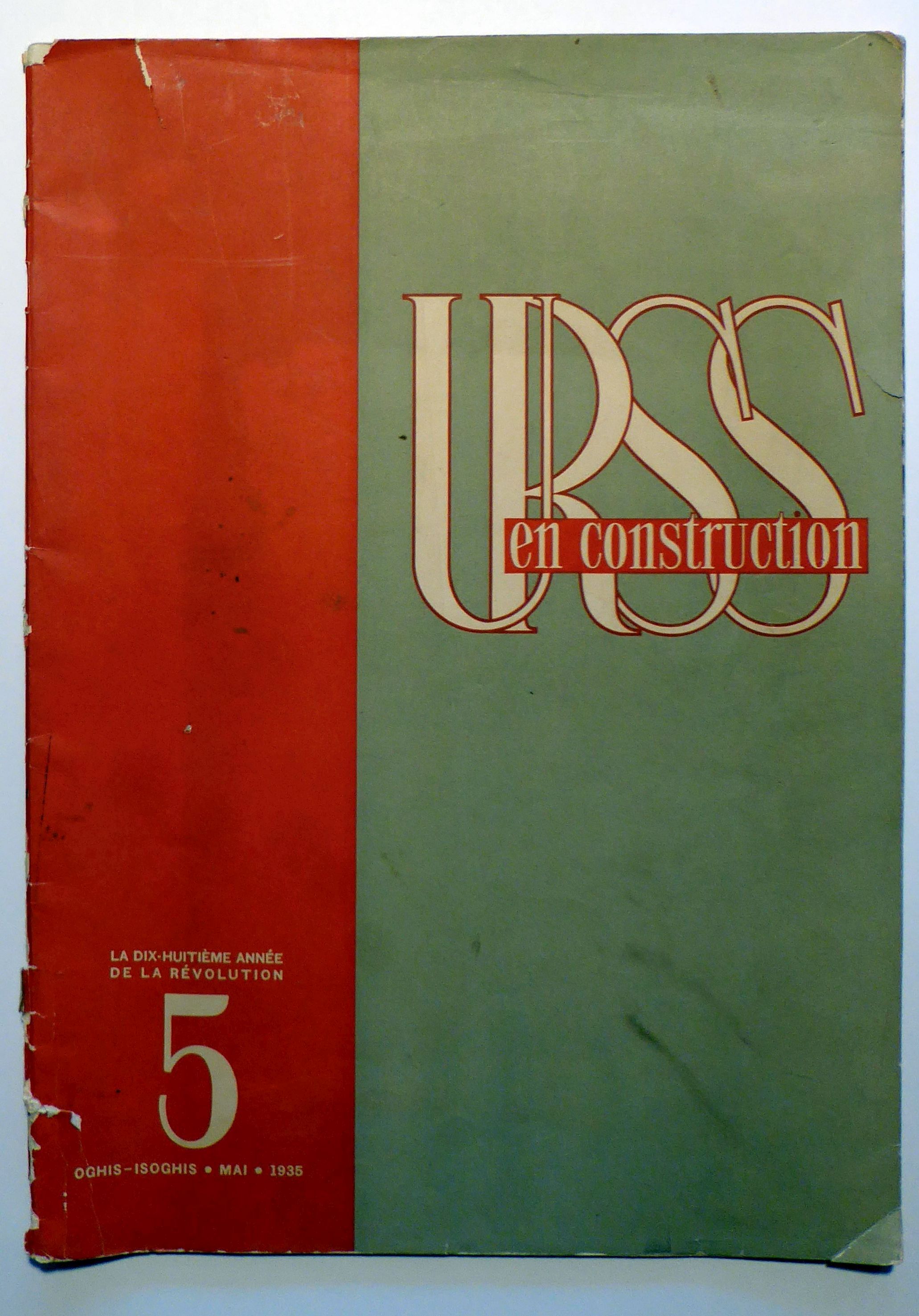
1935réf. 137835Moscou, Isogis, 1935. (40) S., mit Foto-Illustrationen in Braun- und Blauton unter anderem von Maks Al'pert, Gestaltung El Lissitzky. Original-Broschur, 2°. Jubiläumsnummer zum fünfzehnjährigen Bestehen der Petrolindustrie in Aserbaidschan. Die Monatsschrift «URSS en construction» erschien in vier Sprachen (deutsch, französisch, englisch, spanisch) von 1930 bis 1941 und noch einmal 1949. Zum Redaktionskollegium der von Maxim Gorkij gegründeten Zeitschrift gehörten unter anderen Georgij Pjatakov und Michail Kol?cov, einzelne Nummern erschienen unter der Leitung von Aleksandr Rod?enko oder El? Lisickij. Viele Nummern wurden von Nikolaj Stepanovi? Tro?in gestaltet. Hauptsächliches Gestaltungsmerkmal war die Fotomontage, mit Beiträgen von Fotografen wie Maks Al?pert, einem der Begründer der Fotoreportage, Arkadij ?ajchet und anderen. Softcover Rücken oben und unten eingerissen, Umschlag angestaubt. URSS en construction; [UdSSR im Bau], No 5 Mai 1935
1955La ripetizione seriale della grafica farebbe pensare ad una creazione pop di Andy Warhol, in realtà si tratta di un foglio di stampa prima del taglio, completo di crocini di registro, composto da 18 bellissime cartoline postali a colori, stampate anche al verso con la tipica griglia grafica per la compilazione dei dati del destinatario e il logo della compagnia aerea accompagnato dall'iconica Freccia Alata. La data di stampa, così come la presumibile attribuzione della fotografia a Elio Luxardo (1908-1969), si deducono da altri materiali pubblicitari eseguiti dallo Studio Luxardo con composizioni notevolmente simili alla nostra. Lieve piega a tutta altezza e alla metà del foglio.