2,936 results
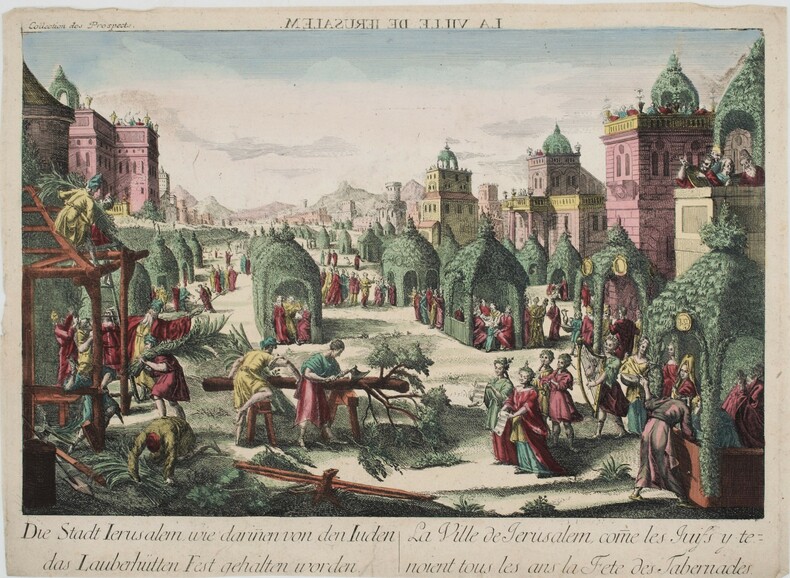
ref. PHO-1301Imprimée à Augsbourg dans la « Collection des Prospects »,430x322mm , gravure en couleurs d’époque , verso blanc . Une belle vue de Jérusalem illustrant Souccot - également connue sous le nom de Fête des Tabernacles ou Fête des Cabanes.
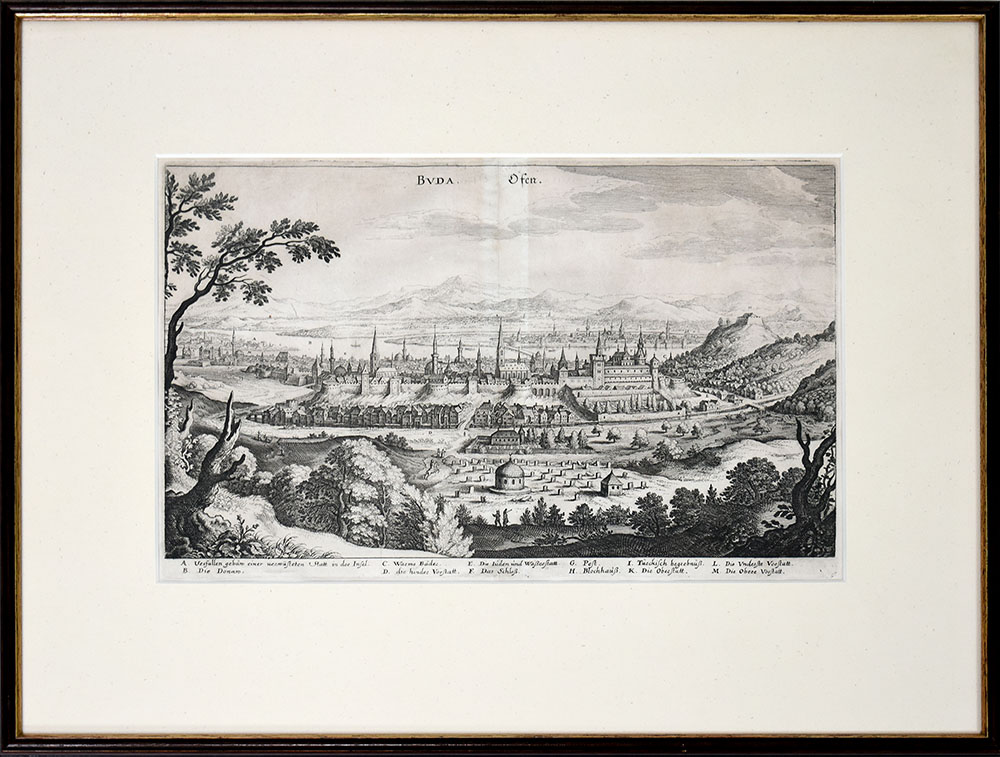
1640ref. 23732(vers 1640) Format (19 x 32) cm, avec marges (31 x 37 cm..
1830ref. 24033(vers 1830) Format (16 x 35 cm) sous vitre et cadre doré XXe (31 x 49 cm).
ref. 990301903 à 1910 Paris, Octave Doin, Editeur. 1903 à 1910. 9 volumes in-8. Demi chagrin noir, 4 nerfs, titre et auteur en doré ( reliure uniforme pour les 9 volumes). 800 + 947 + 1134 + 897 + 1151 + 1143 + 881 + 1032 + 954pages. Avec des figures dans le texte
ref. 18739Amsterdam, J. Wetstein, 1744. In-12, [16]-328 pp. 16 pl., veau marbré havane, dos à nerfs orné de caissons et fleurons dorés, pièce de titre rouge, tranches rouges (épidermures, coiffe supérieure arasée, mors fendus, petit manque au titre, rousseurs, minuscules déchirures marginales du papier).
ref. 60093BBo.J. [2 Warenabbildungen] Matthäus Merian der Ältere, geboren am 22. September 1593 in Basel, gestorben am 19. Juni 1650 in Langenschwalbach. Schw
ref. 62879BBo.J. (Matthäus Merian der Ältere, geboren am 22. September 1593 in Basel, gestorben am 19. Juni 1650 in Langenschwalbach, Kup
ref. 109899A Paris, Chez Firmin Didot, Imprimeur du Roi, de l'Institut, et de la Marine, rue Jacob N° 24, 1818, 2 volumes in-4 de 265x205 mm environ, Tome 1 : xix-584 pages et Tome 2 : viij-679 pages, demi chagrin bleu nuit et cartonnage marbré, titres et tomaisons dorés sur dos lisses ornés de faux-nerfs et fleurons dorés, gardes marbres, tranches finement mouchetées de bleu. Couvertures avec cartonnages frottés, 2 coins cassés, cuir en bon état, quelques mouillures claires et rousseurs, le frontispice du tome I a été relié à la page 329. Illustrations contenues dans les 2 volumes : Frontispices, 1.Armoiries du Languedoc, Carte du Canal et Robine de Narbonne, Pont Marengo, Tableau synoptique du Canal du Midi, 2. Carte en couleurs du Département de l'Aude, Vue de Carcassone, Plan de l'ancienne Cité de Carcassonne, Vue de Castelnaudary, L'Antique Narbonne, Vue de Narbonne, Pont Aqueduc Fresquel, Carte du Canal des Deux Mers. Edition originale.
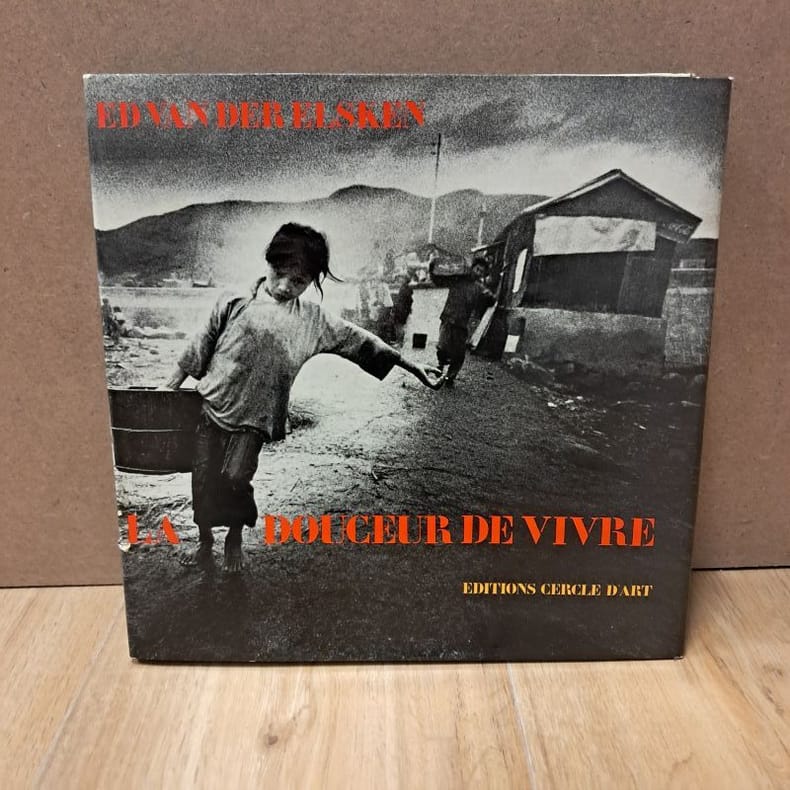
1968ref. 1571968 - cartonné - Editions Cercle d'Art, Paris et Harry N. Abrams, New York - 1968 - In-folio (30,5 x 30,5 cm) cartonnage toilé noir sous jaquette de l'éditeur - 179 planches de photographies en N&B + Quelques pages de préface
1740Incisione da matrice in rame (mm.300x400 e margini), abilmente colorata da mano coeva: veduta prospettica animata da numerosi personaggi. Titolo lungo il margine inferiore, firmata "Marieschi delin. -J Bowles fecit". Queste «vues d'optique», dai colori molto vivaci, se opportunamente predisposte con intagli, forature e controffondature, erano presentate al pubblico all'interno di apparecchi ottici semplificati dal pantoscopio, allo zogroscopio, dalla lanterna magica al mondo novo. . Cfr. Maria Adriana Prolo - Luigi Carluccio. Il Museo Nazionale del Cinema di Torino. 1978, la ricercata prima pubblicazione relativa al nascente Museo della Mole Antonelliana. C.A. Minici Zotti, Il Mondo Nuovo. Le meraviglie della visione dal '700 alla nascita del Cinema, 1988..
1751ref. 10664London: Printed for & Sold by Rob. Sayer at the Golden Buck opposite Fetter Lane Fleet Street. & Hen. Overton at the White Horse without Newgate 1751. Engraved by N. Parr after Canaleti. Engraving with original colour. Printed on laid paper. In good condition with the exception of being trimmed within the platemark. Corners are stained. Image size: 9 3/16 x 15 3/16 inches. A beautiful Vue d'Optique of the Rotunda House at Ranelagh. During the eighteenth century "vues d'optique" or "perspective views" became extremely popular in England and Europe. Like other optical prints they capitalized on a connoisseur market eager for the latest novelty. English publishers such as John Bowles and Robert Sayer had great success with these optical views which quickly developed into a collecting craze that swept through print shops on both sides of the Channel. "Vues d'optiques" were specifically designed to create the illusion of perspective when viewed with a zograscope or perspective glass. These viewing devices used a series of reflecting mirrors to enhance the illusion of depth in the print creating a veritable "view" for the onlooker. Typically these prints depicted city or landscape views and were horizontal in format. They had roughly the same dimensions and were sold with heavy opaque colouring so as to show the tints when viewed through the lens. In their heyday optical prints were a technical revolution; they could be seen in almost every fashionable drawing room and were enjoyed by the poorer classes in print shops or at traveling fairs. For a small fee the citizens of Europe and England could travel the world without leaving their village. The "vue d'optique" was the first medium to bring the visible appearance of the wider world to a large European public. Ironically the artists and engravers who created these prints rarely had first hand knowledge of the scenes depicted hence the views were often not as accurate as they were advertised to be. As a result of their constant handling optical prints such as these are rare especially in good condition. They are not only beautiful images but a fascinating glimpse into the history of printmaking. Clayton The English Print 1688-1802 140-141. Printed for & Sold by Rob. Sayer at the Golden Buck, opposite Fetter Lane, Fleet Street. & Hen. Overton at the White Horse witho unknown
1751ref. 10664London: Printed for & Sold by Rob. Sayer at the Golden Buck opposite Fetter Lane Fleet Street. & Hen. Overton at the White Horse without Newgate 1751. Engraved by N. Parr after Canaleti. Engraving with original colour. Printed on laid paper. In good condition with the exception of being trimmed within the platemark. Corners are stained. Image size: 9 3/16 x 15 3/16 inches. A beautiful Vue d'Optique of the Rotunda House at Ranelagh. During the eighteenth century "vues d'optique" or "perspective views" became extremely popular in England and Europe. Like other optical prints they capitalized on a connoisseur market eager for the latest novelty. English publishers such as John Bowles and Robert Sayer had great success with these optical views which quickly developed into a collecting craze that swept through print shops on both sides of the Channel. "Vues d'optiques" were specifically designed to create the illusion of perspective when viewed with a zograscope or perspective glass. These viewing devices used a series of reflecting mirrors to enhance the illusion of depth in the print creating a veritable "view" for the onlooker. Typically these prints depicted city or landscape views and were horizontal in format. They had roughly the same dimensions and were sold with heavy opaque colouring so as to show the tints when viewed through the lens. In their heyday optical prints were a technical revolution; they could be seen in almost every fashionable drawing room and were enjoyed by the poorer classes in print shops or at traveling fairs. For a small fee the citizens of Europe and England could travel the world without leaving their village. The "vue d'optique" was the first medium to bring the visible appearance of the wider world to a large European public. Ironically the artists and engravers who created these prints rarely had first hand knowledge of the scenes depicted hence the views were often not as accurate as they were advertised to be. As a result of their constant handling optical prints such as these are rare especially in good condition. They are not only beautiful images but a fascinating glimpse into the history of printmaking. Clayton The English Print 1688-1802 140-141. Printed for & Sold by Rob. Sayer at the Golden Buck, opposite Fetter Lane, Fleet Street. & Hen. Overton at the White Horse witho unknown books
ref. BN634859Strokes Slowenisch 12 Kombipaket Version 5 Strokes Slowenisch 12 Kombipaket Version 5 Windows 7 / Windows Vista / Windows XP unknown
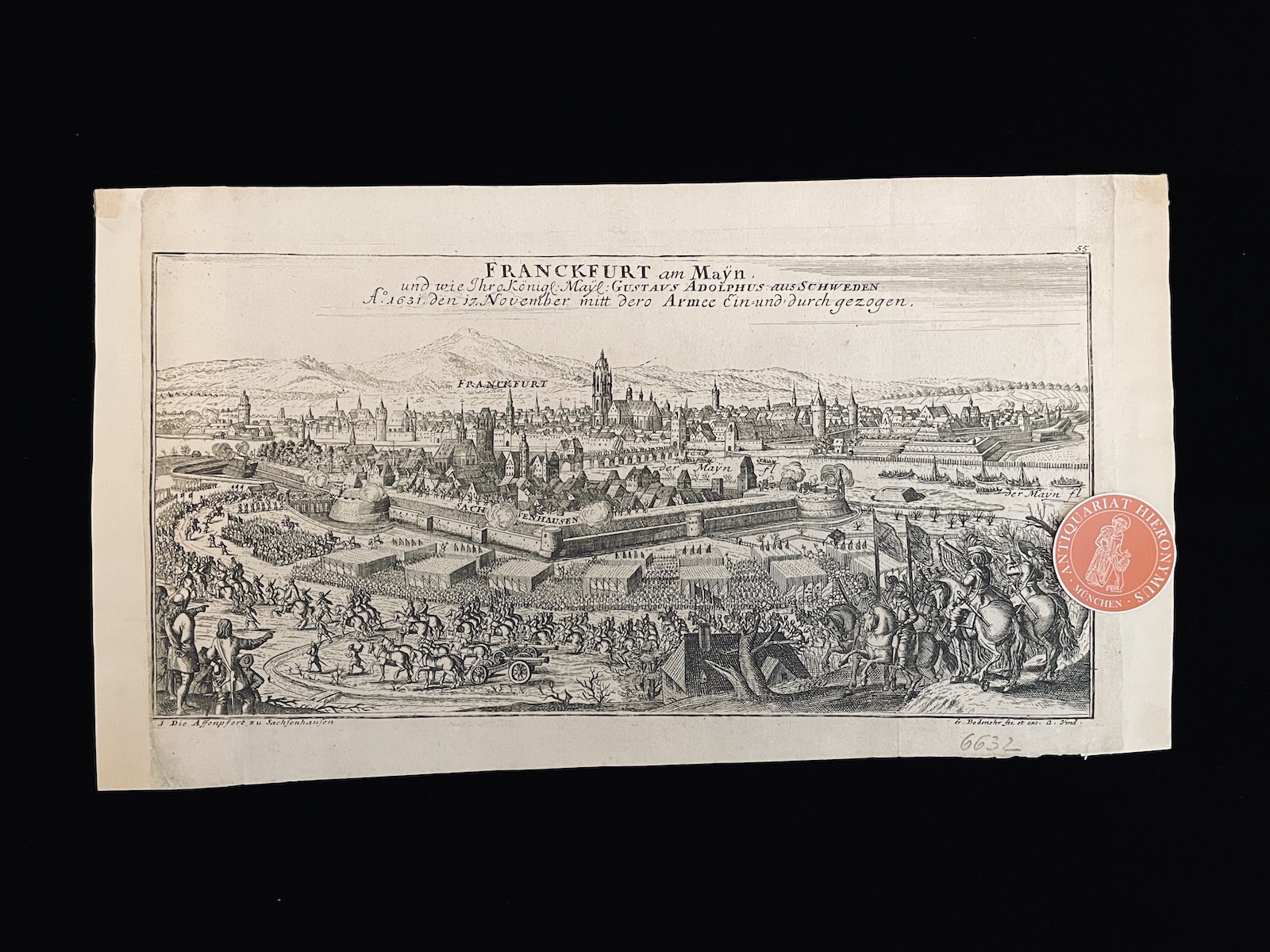
1731ref. 12933Augsburg, Gabriel Bodenehr d.Ä., um 1731. Kupferstich. Blattgröße: 19,5 x 36 cm, Druckspiegel: 16 x 32,5 cm. [2 Warenabbildungen]
1740Incisione da matrice in rame (mm.210x320 e margini), abilmente colorata da mano coeva: veduta prospettica animata da numerosi personaggi. Titolo e legenda lungo il margine inferiore. Piccoli difetti ma nel complesso un discreto esemplare molto decorativo. Queste «vues d'optique», dai colori molto vivaci, se opportunamente predisposte con intagli, forature e controffondature, erano presentate al pubblico all'interno di apparecchi ottici semplificati dal pantoscopio, allo zogroscopio, dalla lanterna magica al mondo novo. . Cfr. Maria Adriana Prolo - Luigi Carluccio. Il Museo Nazionale del Cinema di Torino. 1978, la ricercata prima pubblicazione relativa al nascente Museo della Mole Antonelliana. C.A. Minici Zotti, Il Mondo Nuovo. Le meraviglie della visione dal '700 alla nascita del Cinema, 1988..
London, J.J. Dubochet & Co., 1837 - 1839. Tres volúmenes en 4to.mayor; LIV - 434 pp. + 534 pp. + 538 pp., con numerosas ilustraciones entre el texto. Encuadernación moderna en media tela.
ref. 83.1aafca. 1840. 25x32.5 Aquatinte originale 1 feuille
ref. 329.1aaf19x30 cm Haus am Zürichsee (?). Aquarelle. cadre dor 34x44 cm.
ref. 748.1aafs.d., vers 1860, 10.3 x 6.8 cm, Gravure sur acier en bistre. Avec larges bords aux dentelles gauffrées et ajourées. - Orig.-Stahlstich mit Spitzenrändern,
ref. 372.1aafum 1940, Image 41x56 cm, lithogrtaphie originale, signée J. Berchier, Nr. 7/10. avec cadre 60x76 cm.
ref. 2157aaf1838, 18.5 x 25.5 cm, gravure sur cuivre originale.
ref. 750.1aafParis, Wild, Impr. par Frick, vers 1840, 23 x 15.7 cm, qqs légères rousseurs. Vue avec une ile à droite dans la Sarine, 1 feuille (32 x 25 cm).
ref. 100933aafParis, Wild, Impr. par Frick, s.d., vers 1840, 15.5 x 22 cm, lithographie originale mise en couleurs, encadrement en bois doré (26 x 32.5 cm).
ref. 127703aafParis, Imprimé par Lemercier (London publ. by Junin - Paris publié par Jeannin - à Genève chez Razimbaud), s.d., vers 1840, Feuille 27.5x36.3 cm. lithographie originale en noir. Encadrement à la feuille d’or. (43x49 cm) / Sous verre et sous passepartout encadré.
ref. 138294aafLith. Aigroz Mouden, s.d. (vers 1870), 49x59 cm (sans cadre) / 56x67 cm (avec cadre), 1 planche (35x42 cm) avec 5 vues lithographiques dans un encadrement typographique : Vue de Bulle 22x39 cm. + 4 petites vues ca. 7x 9 cm: Promenade / Gruyères / Grand Rue & Gare aux voyageurs, Vue sous passepartout, dans un encadrement sous verre en bois noir / à l’int bois doré.