3 220 résultats
réf. 1408.1aafFeuille 36x50 cm.
1925réf. 2110502150306422Kaizo-sha 1925. Soft Cover. Fine. Volume: 1 Kaizo-sha paperback
1944n.p. Illustrated with 50 full page photographs and descriptions. Decorated title page printed in red and black. Glue stain in gutter of preface. 4to. Original full light blue cloth binding, faded. Hardbound. This picture essay on Literary England appeared in Life Magazine of June 14, 1943. Format by Richard Ellis. Photographs by David E. Scherman and Descriptive Text by Richard Wilcox. ENGLAND BOX 2
1940réf. 2110502150500517Oyamashoten 1940. Soft Cover. Fine. Volume: 1 Oyamashoten paperback
198146 pages. Colour photos. Printed on glossy stock. Features: Marj Franklin's little people; Home is where you find it; Pert clown for under the tree - project; White Plains - haven of the renowned; Paris - a Day in the Country; Observer's View; Cover Story; Chenille Christmas Tree - Project; Dolls of All Ages; M.E.T.'s Children of the World; A Child's Toy Piano - Project; 'Meet Me At The Fair'; Creating in Canada; Trade Talk; and more. Clean and unmarked with moderate wear. A sound copy. Magazine
réf. catal540 Brochure 22.5x14.5. cm agrafé 22 pages illustrées - Pas d'indication de marque, ni date, ni lieu d'impression ... Il s'agit à priori de SINGER qui a popualrisé ce nouveau type de machine. Etat moyen, poussiéreux, rousseurs et salissures d'usages, dos fendu
2019brossura Lo sguardo costituisce una importante competenza della persona, da sostenere e valorizzare per mobilitare sin dall'infanzia le risorse individuali e rendere ciascuno partecipe di quanto accade intorno: osservatore attento, curioso e vigile nel mentre tesse una molteplicità di transazioni con gli altri e con l'ambiente circostante. Di taglio interdisciplinare, il volume rende conto di un'ampia serie di ricerche, fra le più significative nell'attuale dibattito sulla pedagogia dell'infanzia, testimonia riflessioni ed esperienze di educazione dello sguardo con il contributo di docenti universitari provenienti da otto diversi atenei. L'opera si rivolge in particolare a coloro che compiono ricerche scientifiche in questo ambito, agli educatori e a quanti si prendono cura dell'infanzia.
1996Features: Galicia; West Germany in the late 1950s - Early 1960s - Part 3 - Standard Gauge Private Railways; The Last Surviving Steam Locomotives of the Philippine National Railway; Czech locos in view; Post-War Compounds; The Resita Standard Gauge 2-8-0Ts; Romanian Steam Scene; Early Kitsons supplied to the Bahia and Sao Francisco Railway, Brazil. Small date stamp atop front cover. Moderate wear. Sound copy. Book
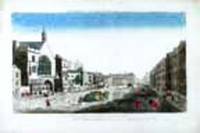
1766réf. 18808London and Paris: a Londres ches Wichnyther A Paris chez J. Chereau rue St. Jacques au dessus de la Fontaine St. Severin aux 2 Colonnes No. 257 1766. Engraving with original colour. Printed on laid paper. In good condition with mild soiling and creasing. A beautiful Vue d'Optique with strong early colour depicting the old Palace of Westminster where the Lords and Commons met. An interesting late 18th century view of Westminster prior to the great fire of 1834 which brought into being the present Houses of Parliament. Westminster had been a royal residence until Henry VIII left it after a fire to reside at Whitehall. After that the Houses of Parliament met there. During the eighteenth century "vues d'optique" or "perspective views" became extremely popular in England and Europe. Like other optical prints they capitalized on a connoisseur market eager for the latest novelty. English publishers such as John Bowles and Robert Sayer had great success with these optical views which quickly developed into a collecting craze that swept through print shops on both sides of the Channel. "Vues d'optiques" were specifically designed to create the illusion of perspective when viewed with a zograscope or perspective glass. These viewing devices used a series of reflecting mirrors to enhance the illusion of depth in the print creating a veritable "view" for the onlooker. Typically these prints depicted city or landscape views and were horizontal in format. They had roughly the same dimensions and were sold with heavy opaque colouring so as to show the tints when viewed through the lens. In their heyday optical prints were a technical revolution; they could be seen in almost every fashionable drawing room and were enjoyed by the poorer classes in print shops or at traveling fairs. For a small fee the citizens of Europe and England could travel the world without leaving their village. The "vue d'optique" was the first medium to bring the visible appearance of the wider world to a large European public. Ironically the artists and engravers who created these prints rarely had first hand knowledge of the scenes depicted hence the views were often not as accurate as they were advertised to be. As a result of their constant handling optical prints such as these are rare especially in good condition. They are not only beautiful images but a fascinating glimpse into the history of printmaking. Clayton The English Print 1688-1802 140-141. a Londres ches Wichnyther (?) A Paris chez J. Chereau rue St. Jacques au dessus de la Fontaine St. Severin aux 2 Colonnes No. 25 unknown
1766réf. 18808London and Paris: a Londres ches Wichnyther A Paris chez J. Chereau rue St. Jacques au dessus de la Fontaine St. Severin aux 2 Colonnes No. 257 1766. Engraving with original colour. Printed on laid paper. In good condition with mild soiling and creasing. A beautiful Vue d'Optique with strong early colour depicting the old Palace of Westminster where the Lords and Commons met. An interesting late 18th century view of Westminster prior to the great fire of 1834 which brought into being the present Houses of Parliament. Westminster had been a royal residence until Henry VIII left it after a fire to reside at Whitehall. After that the Houses of Parliament met there. During the eighteenth century "vues d'optique" or "perspective views" became extremely popular in England and Europe. Like other optical prints they capitalized on a connoisseur market eager for the latest novelty. English publishers such as John Bowles and Robert Sayer had great success with these optical views which quickly developed into a collecting craze that swept through print shops on both sides of the Channel. "Vues d'optiques" were specifically designed to create the illusion of perspective when viewed with a zograscope or perspective glass. These viewing devices used a series of reflecting mirrors to enhance the illusion of depth in the print creating a veritable "view" for the onlooker. Typically these prints depicted city or landscape views and were horizontal in format. They had roughly the same dimensions and were sold with heavy opaque colouring so as to show the tints when viewed through the lens. In their heyday optical prints were a technical revolution; they could be seen in almost every fashionable drawing room and were enjoyed by the poorer classes in print shops or at traveling fairs. For a small fee the citizens of Europe and England could travel the world without leaving their village. The "vue d'optique" was the first medium to bring the visible appearance of the wider world to a large European public. Ironically the artists and engravers who created these prints rarely had first hand knowledge of the scenes depicted hence the views were often not as accurate as they were advertised to be. As a result of their constant handling optical prints such as these are rare especially in good condition. They are not only beautiful images but a fascinating glimpse into the history of printmaking. Clayton The English Print 1688-1802 140-141. a Londres ches Wichnyther (?) A Paris chez J. Chereau rue St. Jacques au dessus de la Fontaine St. Severin aux 2 Colonnes No. 25 unknown books
1760réf. 103861760. Engraving with original colour. Printed on laid paper. In good condition with the exception of some creases within the image. Sides have been remargined with laid paper and bottom edge is trimmed within the platemark. Surface soiling within image. Image size: 11 x 16 1/4 inches. A wonderful "vue d'optique" of Somerset House on the Strand in London. During the eighteenth century "vues d'optique" or "perspective views" became extremely popular in England and Europe. Like other optical prints they capitalized on a connoisseur market eager for the latest novelty. English publishers such as John Bowles and Robert Sayer had great success with these optical views which quickly developed into a collecting craze that swept through print shops on both sides of the Channel. "Vues d'optiques" were specifically designed to create the illusion of perspective when viewed with a zograscope or perspective glass. These viewing devices used a series of reflecting mirrors to enhance the illusion of depth in the print creating a veritable "view" for the onlooker. Typically these prints depicted city or landscape views and were horizontal in format. They had roughly the same dimensions and were sold with heavy opaque colouring so as to show the tints when viewed through the lens. In their heyday optical prints were a technical revolution; they could be seen in almost every fashionable drawing room and were enjoyed by the poorer classes in print shops or at traveling fairs. For a small fee the citizens of Europe and England could travel the world without leaving their village. The "vue d'optique" was the first medium to bring the visible appearance of the wider world to a large European public. Ironically the artists and engravers who created these prints rarely had first hand knowledge of the scenes depicted hence the views were often not as accurate as they were advertised to be. As a result of their constant handling optical prints such as these are rare especially in good condition. They are not only beautiful images but a fascinating glimpse into the history of printmaking. Clayton The English Print 1688-1802 140-141. unknown
1760réf. 103861760. Engraving with original colour. Printed on laid paper. In good condition with the exception of some creases within the image. Sides have been remargined with laid paper and bottom edge is trimmed within the platemark. Surface soiling within image. Image size: 11 x 16 1/4 inches. A wonderful "vue d'optique" of Somerset House on the Strand in London. During the eighteenth century "vues d'optique" or "perspective views" became extremely popular in England and Europe. Like other optical prints they capitalized on a connoisseur market eager for the latest novelty. English publishers such as John Bowles and Robert Sayer had great success with these optical views which quickly developed into a collecting craze that swept through print shops on both sides of the Channel. "Vues d'optiques" were specifically designed to create the illusion of perspective when viewed with a zograscope or perspective glass. These viewing devices used a series of reflecting mirrors to enhance the illusion of depth in the print creating a veritable "view" for the onlooker. Typically these prints depicted city or landscape views and were horizontal in format. They had roughly the same dimensions and were sold with heavy opaque colouring so as to show the tints when viewed through the lens. In their heyday optical prints were a technical revolution; they could be seen in almost every fashionable drawing room and were enjoyed by the poorer classes in print shops or at traveling fairs. For a small fee the citizens of Europe and England could travel the world without leaving their village. The "vue d'optique" was the first medium to bring the visible appearance of the wider world to a large European public. Ironically the artists and engravers who created these prints rarely had first hand knowledge of the scenes depicted hence the views were often not as accurate as they were advertised to be. As a result of their constant handling optical prints such as these are rare especially in good condition. They are not only beautiful images but a fascinating glimpse into the history of printmaking. Clayton The English Print 1688-1802 140-141. unknown books
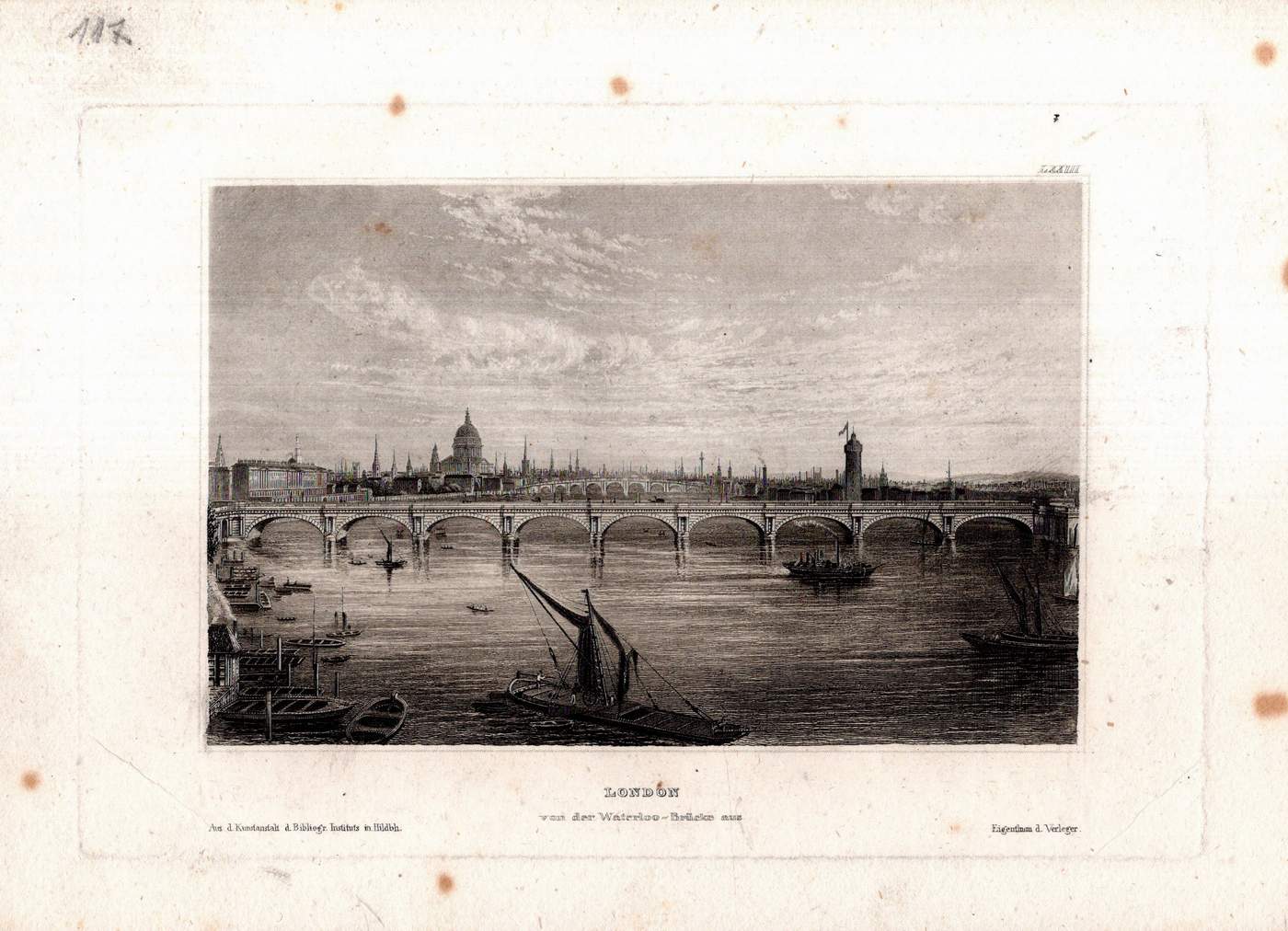
1850réf. 46079Hildburghausen, Bibliographisches Institut, um 1850. Bild ca. 9,5 x 15 cm, Blatt ca. 16 x 22,5 cm. 1 Blatt, verso weiß.
1850réf. 50898Hildburghausen, Bibliographisches Institut, um 1850. Darstellung ca. 11 x 16 cm, Blatt ca. 14,5 x 22,5 cm. 1 Blatt, verso weiß.
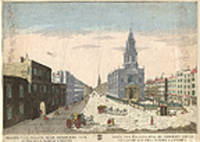
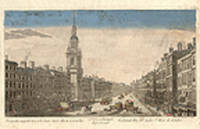
1760réf. 10384Paris: chez Daumont rue St. Martin 1760. Engraving with original colour. Printed on watermarked laid paper. In excellent condition with the exception of some surface soiling in the upper section of the image. Image size: 8 7/8 x 15 13/16 inches. A wonderful "vue d'optique" of St. Mary's Church in London During the eighteenth century "vues d'optique" or "perspective views" became extremely popular in England and Europe. Like other optical prints they capitalized on a connoisseur market eager for the latest novelty. English publishers such as John Bowles and Robert Sayer had great success with these optical views which quickly developed into a collecting craze that swept through print shops on both sides of the Channel. "Vues d'optiques" were specifically designed to create the illusion of perspective when viewed with a zograscope or perspective glass. These viewing devices used a series of reflecting mirrors to enhance the illusion of depth in the print creating a veritable "view" for the onlooker. Typically these prints depicted city or landscape views and were horizontal in format. They had roughly the same dimensions and were sold with heavy opaque colouring so as to show the tints when viewed through the lens. In their heyday optical prints were a technical revolution; they could be seen in almost every fashionable drawing room and were enjoyed by the poorer classes in print shops or at traveling fairs. For a small fee the citizens of Europe and England could travel the world without leaving their village. The "vue d'optique" was the first medium to bring the visible appearance of the wider world to a large European public. Ironically the artists and engravers who created these prints rarely had first hand knowledge of the scenes depicted hence the views were often not as accurate as they were advertised to be. As a result of their constant handling optical prints such as these are rare especially in good condition. They are not only beautiful images but a fascinating glimpse into the history of printmaking. Clayton The English Print 1688-1802 140-141. chez Daumont rue St. Martin unknown
1760réf. 10384Paris: chez Daumont rue St. Martin 1760. Engraving with original colour. Printed on watermarked laid paper. In excellent condition with the exception of some surface soiling in the upper section of the image. Image size: 8 7/8 x 15 13/16 inches. A wonderful "vue d'optique" of St. Mary's Church in London During the eighteenth century "vues d'optique" or "perspective views" became extremely popular in England and Europe. Like other optical prints they capitalized on a connoisseur market eager for the latest novelty. English publishers such as John Bowles and Robert Sayer had great success with these optical views which quickly developed into a collecting craze that swept through print shops on both sides of the Channel. "Vues d'optiques" were specifically designed to create the illusion of perspective when viewed with a zograscope or perspective glass. These viewing devices used a series of reflecting mirrors to enhance the illusion of depth in the print creating a veritable "view" for the onlooker. Typically these prints depicted city or landscape views and were horizontal in format. They had roughly the same dimensions and were sold with heavy opaque colouring so as to show the tints when viewed through the lens. In their heyday optical prints were a technical revolution; they could be seen in almost every fashionable drawing room and were enjoyed by the poorer classes in print shops or at traveling fairs. For a small fee the citizens of Europe and England could travel the world without leaving their village. The "vue d'optique" was the first medium to bring the visible appearance of the wider world to a large European public. Ironically the artists and engravers who created these prints rarely had first hand knowledge of the scenes depicted hence the views were often not as accurate as they were advertised to be. As a result of their constant handling optical prints such as these are rare especially in good condition. They are not only beautiful images but a fascinating glimpse into the history of printmaking. Clayton The English Print 1688-1802 140-141. chez Daumont rue St. Martin unknown books
197084 pages. Cover: Dustin Hoffman Special Features: Hope for America and Sex and Racism in the NFL. Other features include: Do We Need a New Pledge of Allegiance?; Pilgrims' Odyssey: A New View; Fired at 49 - Keith Bose; More Electric Power: How on Earth do we get it?; and The Good Guys Wear War Paint (Dustin Hoffman in Little Big Man). Average wear. Binding sound. Magazine
1978Book is in excellent condition with creaseless covers and spine, appears new. Binding is solid and square, covers have sharp corners, exterior shows no blemishes, text/interior is clean and free of marking of any kind. 128 pages of fine line b&w architectural drawings with text. " The introduction traces the way in which London's fabric has been formed -- the expansion of the 17th and 18th centuries that produced the squares and terraces of Mayfair and Bloomsbury, and the self-confident contribution of the 19th , with its banks, railway stations and grandiose commercial buildings. All these periods, different as they were, respected the human scale, and it is this which the 20th century is ignoring.... " Six guided walks illustrate this phenomena.
Madrid, Taurus, 1969 ('Temas de España'). 4to. menor; 174 pp., 3 hs. Cubiertas originales.
1901réf. 475637 vues stéréos format 18 x 9 cm, tirage albuminés, Keystone View Company, Meadville, Pa, St Louis Mo, Copyright 1901 by B. L. Singley, s.d. (circa 1901) Keystone View Company.Rappel du titre complet : Lot de 7 vues photographiques stéréoscopiques de Corée [ Keystone View Company - 7 Korean Stereoviews ] 14076 : White-Robed Pottery Peddlers on the Street of Seoul, Korea - 14077 : A Farm scene in Korea. Making Hay - 14079 : Seeing the Sights in the Suburbs of Seoul in a Sedan Chair, Korea - 14081 : Plowing Scene near Seoul. Korean farmer in his White Costume - 14083 : A Korean Lady out for an Airing, Korea - 14084 : A happy family in Thatched Hut of the Korean Peasant, Seoul, Korea - 14087 : A Korean Bull Cart, Korea
1943réf. 17883Los Angeles: Wetzel Publishing Co. Inc 1943 First edition presentation copy. Thirteen copies in OCLC most located in California. Red cloth black lettering; in dust jacket. . Octavo. Mild shelf-wear to spine. Minor stain to upper fore-edge of back cover. Moderate chipping at dust jacket edges and head of spine. Inscribed by author with self-portrait cartoon to a friend shortly after publication. A very good copy of a scarce book published by an obscure Los Angeles publisher that operated in the 1920s through 1940s. Stine 1896-1965 born on a farm near Purdy MO moved to Los Angeles after World War I. The presentation in this copy is to Louise McAllister Tebbetts a friend of the author's from Missouri who became a writer and book reviewer in Chicago. Stine published fiction and worked as a gossip columnist and reporter for Hollywood Lowdown a picture trade paper from 1933-1936. Her other novels include Blood Kin The Talented Wench and Half World. Wetzel Publishing Co., Inc hardcover
1943réf. 322535Los Angeles: Wetzel Publishing Co 1943. Hardcover. Near Fine/Very Good. First edition. Boards a little bowed else near fine in very good dustwrapper with shallow chipping mostly near the foot of the spine. First novel by a Missouri-born Hollywood gossip columnist. Advance Review Copy noted as such in ink. Inscribed by the author. Wetzel Publishing Co hardcover
1943réf. 322535Los Angeles: Wetzel Publishing Co 1943. Hardcover. Near Fine/Very Good. First edition. Boards a little bowed else near fine in very good dustwrapper with shallow chipping mostly near the foot of the spine. First novel by a Missouri-born Hollywood gossip columnist. Advance Review Copy noted as such in ink. Inscribed by the author. Wetzel Publishing Co hardcover books
1943réf. 17883Los Angeles: Wetzel Publishing Co. Inc 1943 First edition presentation copy. Thirteen copies in OCLC most located in California. Red cloth black lettering; in dust jacket. . Octavo. Mild shelf-wear to spine. Minor stain to upper fore-edge of back cover. Moderate chipping at dust jacket edges and head of spine. Inscribed by author with self-portrait cartoon to a friend shortly after publication. A very good copy of a scarce book published by an obscure Los Angeles publisher that operated in the 1920s through 1940s. Stine 1896-1965 born on a farm near Purdy MO moved to Los Angeles after World War I. The presentation in this copy is to Louise McAllister Tebbetts a friend of the author's from Missouri who became a writer and book reviewer in Chicago. Stine published fiction and worked as a gossip columnist and reporter for Hollywood Lowdown a picture trade paper from 1933-1936. Her other novels include Blood Kin The Talented Wench and Half World. Wetzel Publishing Co., Inc hardcover books