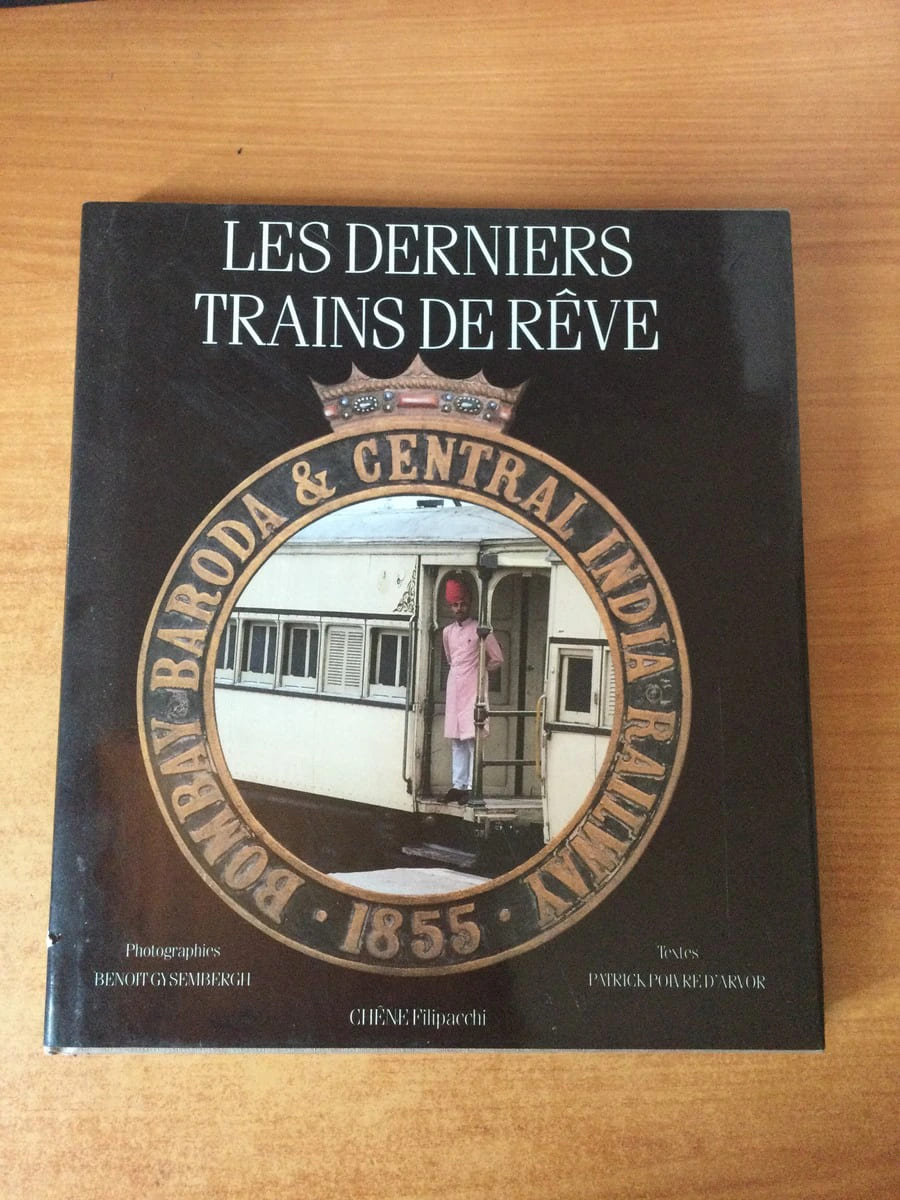
réf. 65899Chêne Filipacchi 1991 livre étude 28,5*25 135 pages
1957réf. 47125Couverture souple. Broché. 23 pages.
2002Booklet in mint condition. 32pp. This book describes how iron and steel have been made from earliest times to the twentieth century. Shire Album no 64.
1993Grottamare, Stamperia Dell' Arancio, 11 dicembre 1993 - 8 gennaio 1994. A cura di Arianna Di Genova. Grottammare, 1993; ril., pp. 40, ill. e tavv. b/n e col., cm 24x29. italiano Immaginazione. Quaderni d'Arte ril.
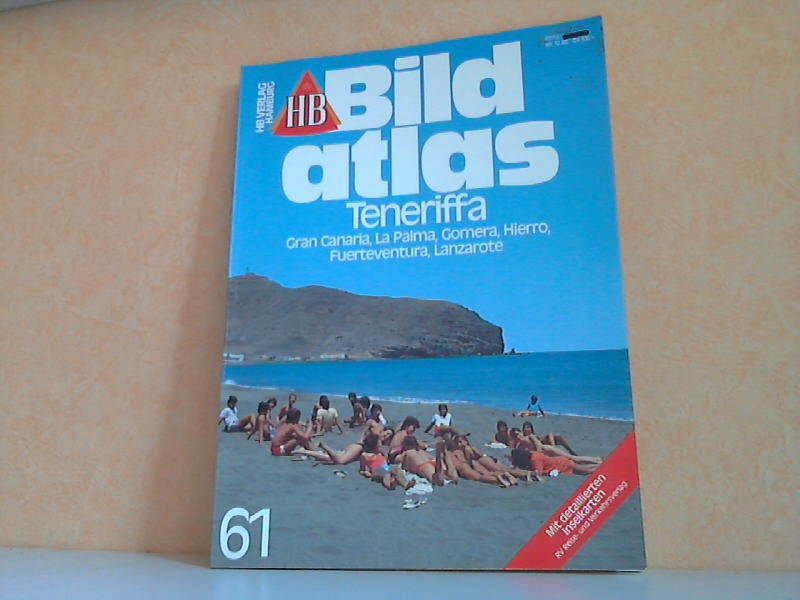
1992réf. 46622Hamurg, HB-Verlags- und Vertriebsgesellschaft mbH, 1992. 4., überarbeitete Auflage 99 Seiten , 30 cm, kart.,
réf. 500389651Sncf Sans date. Cet ouvrage est le numéro 357 de la revue 'La Vie du Rail - Notre Métier' daté du 14 juillet 1952. Il contient notamment un article sur la ligne Annemasse-Sixt ainsi que d'autres sujets ferroviaires comme une marche sur Metz-Paris un véhicule mixte rail-route pour l'entretien des caténaires et un nouveau service de ferry boat entre la France et l'Angleterre
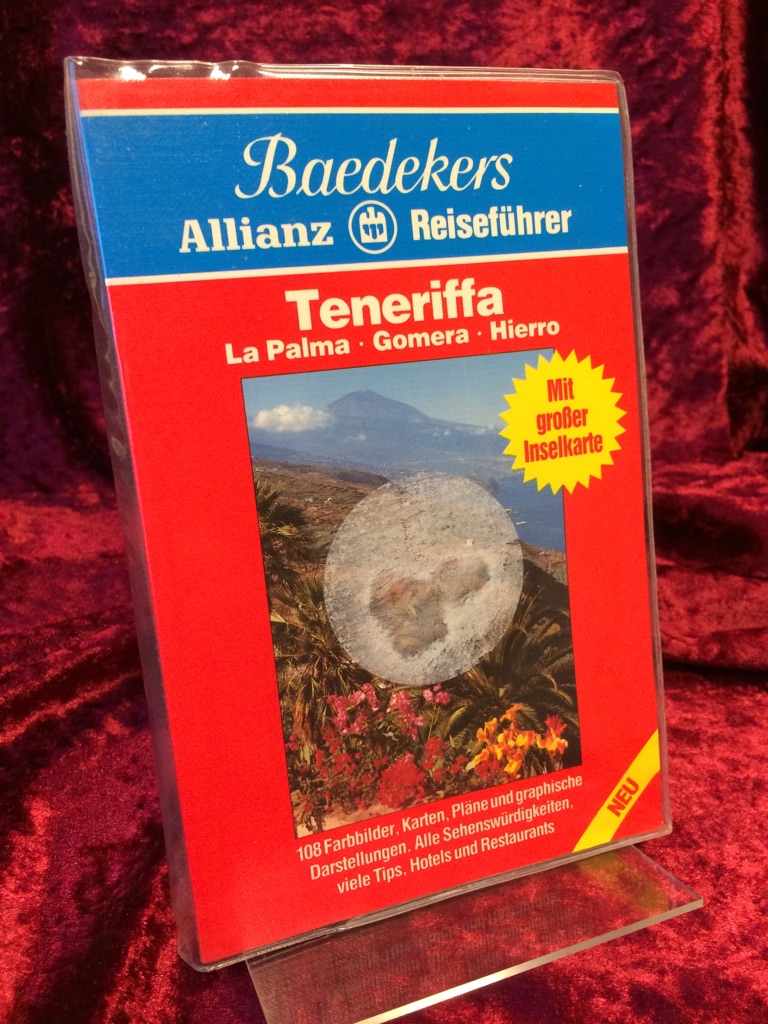
1988réf. 109318Ostfildern-Kemnat bei Stuttgart : Baedeker, 1988. 2. Auflage; 192 S. mit 108 Farbbildern, Karten, Plänen und graphischen Darstellungen ; 20 cm; +Kartenbeilage (Inselkarte). Orig.-Broschur;
réf. 36064SHAL, 1986. Format 15x24 cm, broche. Tres bon etat.
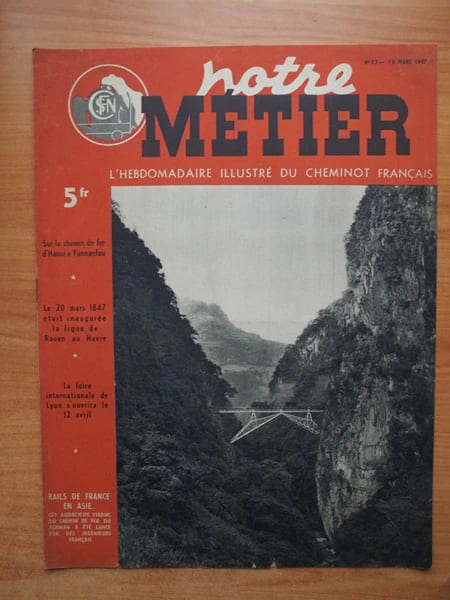
réf. 39909Imprimerie Curial-Archereau 1947 périodique revue 36*27 7 pages
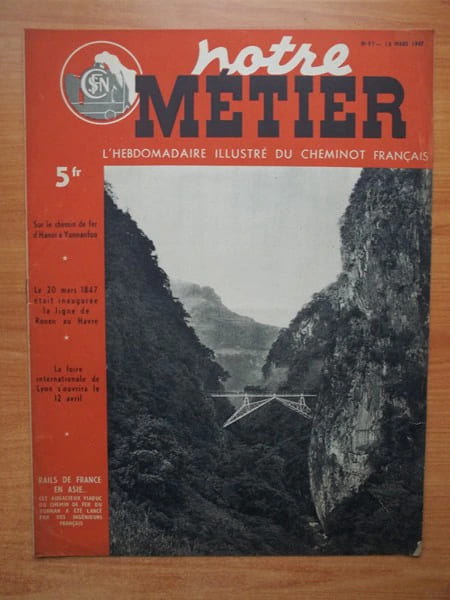
réf. 39910Imprimerie Curial-Archereau 1947 périodique revue 36*27 7 pages
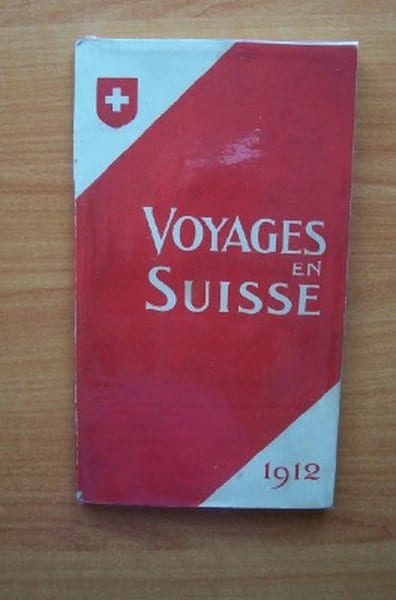
réf. 16005agence officielledes chemins de fer fédéraux 1912 livre guide 21*12 52 pages
1952réf. 500388306Les Éditions Notre Métier 1952 1952. Cet ouvrage est un recueil de numéros de la revue 'Notre Métier' éditée par la SNCF qui a précédé le célèbre magazine 'La Vie du Rail'. Il couvre des périodes allant de 1939 à 1952 et traite de l'actualité ferroviaire de la vie professionnelle des cheminots et de l'évolution des transports
2012réf. 130273Éditions Michel Lafont, Neuilly-sur-Seine, 2012. 379 S. ; 23,5 x 15 cm ; kart. ;
2009réf. 81395Tutti Frutti 2009 63 pages 25x19x1cm. 2009. Relié. 63 pages.
2009réf. 91637Tutti Frutti 2009 63 pages 25x19x1cm. 2009. Relié. 63 pages.
réf. 56052Calmann-lévy, 1985, 216 p., broché, bon état.
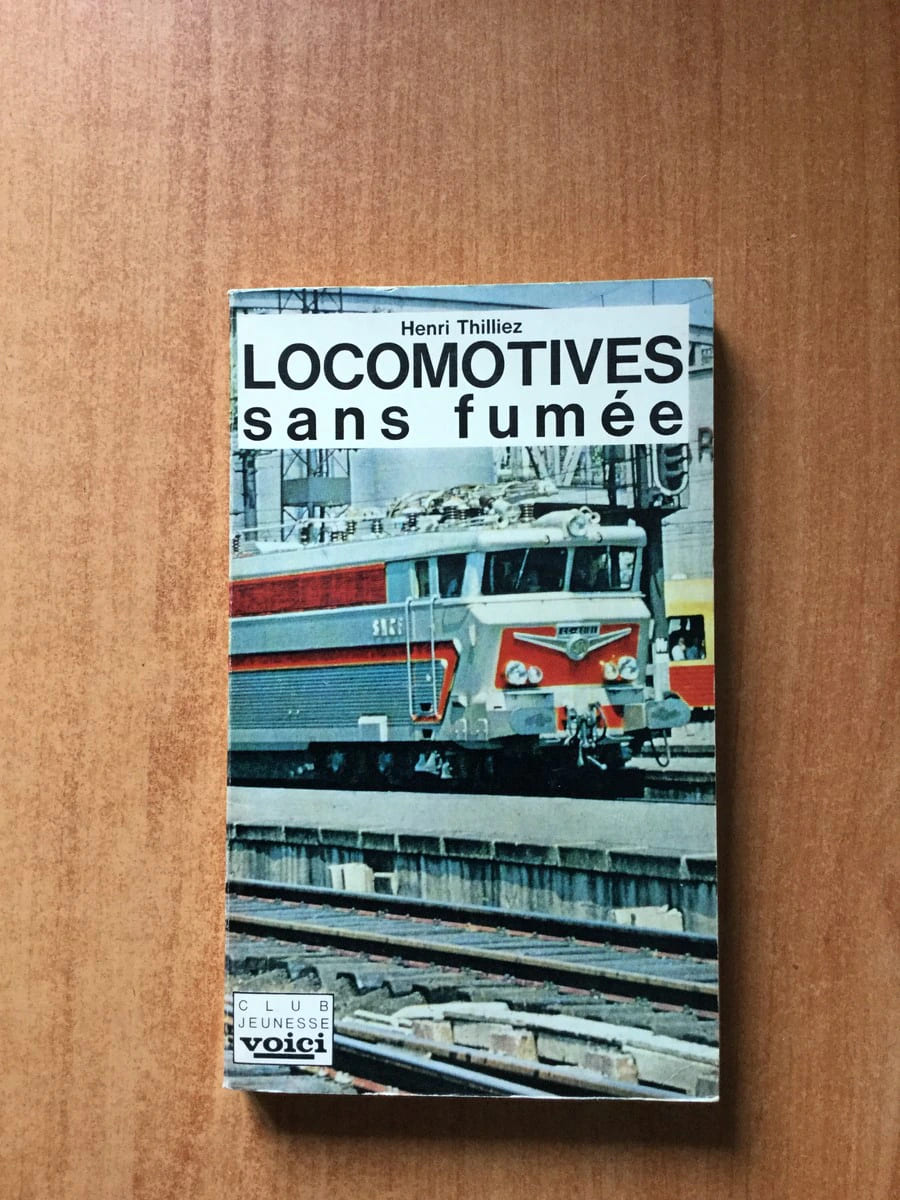
réf. 52487Union générale d'éditions 1965 livre étude 18*11 176 pages club jeunesse voici
1985réf. 7019Musée français du chemin de fer 1985 in8. 1985. Broché. Traduit de Sénès Florence - Illustrations de Jankovics györgy
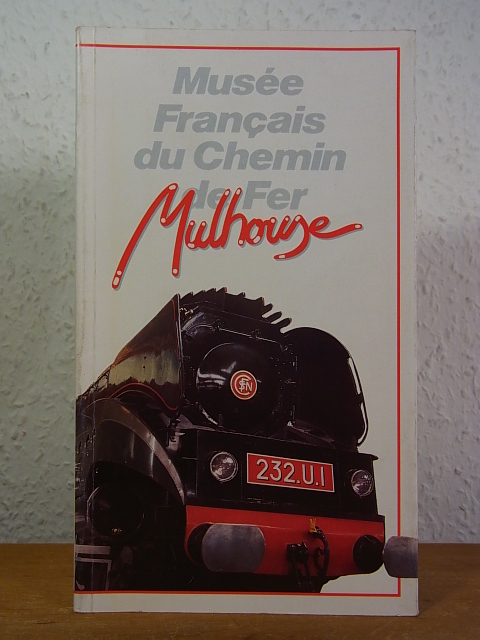
1987réf. 118227Musée Français du Chemin de Fer, Mulhouse, 1987. 64 S. ; 21 cm ; kart. ;
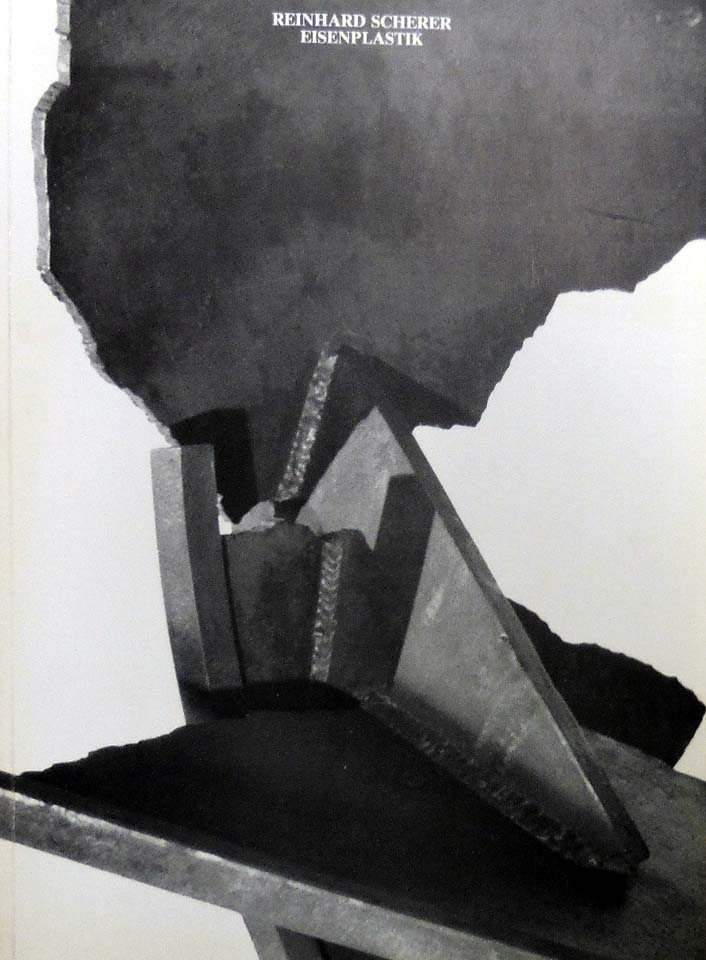
1985réf. 60019BBReutlingen., Galerie 5 - Haus Geiselhart., 1985. 30 x 22 cm. 66 unpaginierte S. OKarton., 60019BB Erste Auflage. Gutes Exemplar.
1993réf. 2334063New York: Oxford University Press 1993. First Edition. Hard Cover. Near Fine/Near Fine. 6x1x9. First edition. Minimal wear to corners. 1993 Hard Cover. x 305 pp. One of the world's preeminent historians Marc Ferro is a leading member of the Annales School of France and a recognized authority on early twentieth-century European history. For well over two decades in volumes such as The February Revolution of 1917 and October 1917 he has demonstrated an unsurpassed skill in capturing the social and political forces that led to the Russian Revolution. Now Ferro turns his considerable talents to the biography of one of the pivotal figures of that era Nicholas II the last Tsar of Russia. For this important new biography Ferro has searched extensively in Russian archives to illuminate Nicholas's character. What emerges is a vivid portrait of a reluctant leader a young man forced by the death of his father into a role for which he was ill-equipped. A conformist and traditionalist Nicholas admired the order ritual and ceremony identified with the intangible grandeur of autocracy and he hated everything that might shake that autocracy--the intelligentsia the Jews the religious sects. His reign as Ferro documents was one of continual trouble: a humiliating war with Japan; the 1905 revolution that forced Nicholas to accept a constitutional assembly the Duma; the international crisis of 1914 leading to World War I; and finally the Revolution of 1917 forcing his abdication. Throughout we see a Tsar who was utterly opposed to change and to the ferment of ideas that stirred his country who felt it was his duty to preserve intact the powers God had entrusted in him. Ferro also provides an intimate portrait of Nicholas's personal life: his wife Alexandra; his four daughters Olga Tatiana Maria and Anastasia sisters so close they ended letters with "OTMA" the initials of their Christian names; his son and heir Alexis who suffered from hemophilia; and the various figures in the court most notably Rasputin whose ability to revive the frequently ailing Alexis made him indispensable to the Tsaritsa. Ferro recounts that when Alexandra heard of Rasputin's murder she collapsed in anguish certain her son was lost; but when Nicholas heard the news while with the army he simply walked off whistling cheerfully. Perhaps most intriguing is Ferro's chapter on the fate of the Tsar and his family examining all the rumors and contradictory testimony that swirl around this still cloudy event. Ferro concludes that Alexandra and her daughters may have survived the revolution and the woman who later surfaced in Europe claiming to be Anastasia may well have been so. Oxford University Press hardcover books
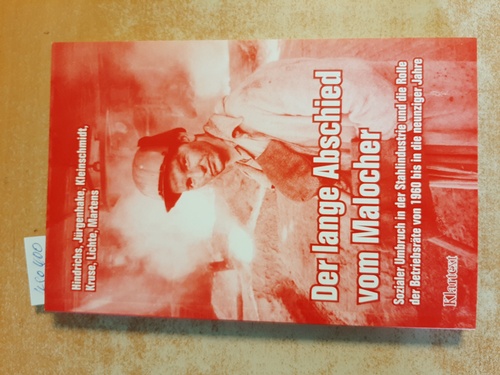
2000réf. 490400Essen: Klartext-Verl. 2000. 213 Seiten. 21cm. Zustand: Sehr Gut, ungelesen; Broschiert
2007Savigliano, 2007; br., pp. 64, ill. italiano 88-7906-14 br.
1971Coperta cartonata ed in buono stato, sovraccoperta lievemente segnata da fattore tempo, pagine con naturale minima imbrunitura, libro completamente fruibile, volume appartenente alla collana "Die Blauen Bucher", presenti numerose illustrazioni in nero nel testo, 20° migliaio, numero pagine 112 USATO
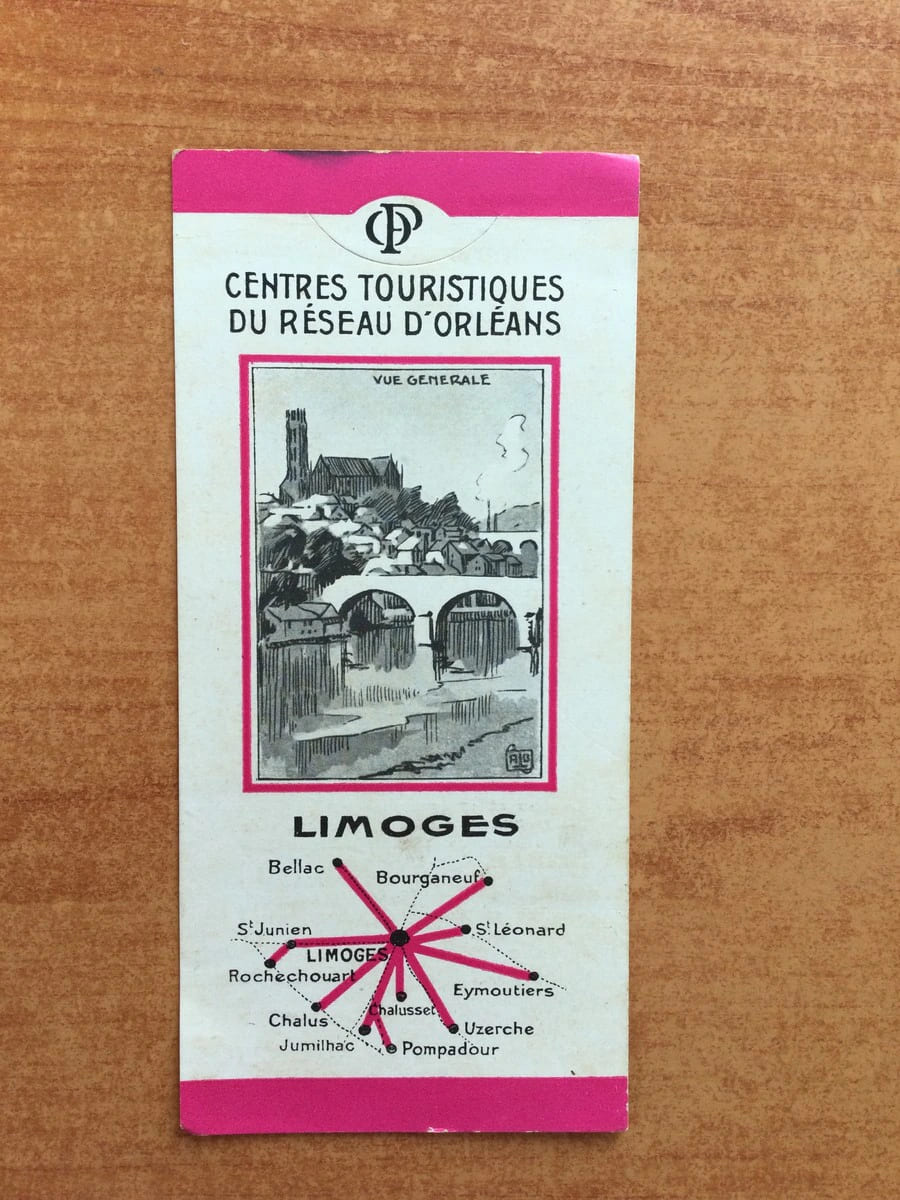
réf. 70496P.O. Publicité 1930 divers marque-page 16*7,5 pages