Assistant to Zhao Shihui SchoolBiblio.com
AUGSBOURG, GéaLivre Rare Book
ER III/1. Mes souvenirs. Géa
1923réf. 4537Couverture souple 1ère Édition 1923 20,5x30 cm

Librairie Poids Plume · Lausanne, Suisse280,00 €
1992réf. 2083002115801876Liaoning University Publishing House 1992. Soft Cover. Fine. Volume: 1 Liaoning University Publishing House paperback
1920réf. 2111902160201401Shanghai Bei City Go Board Street Sawaha Sanbo 1920. Soft Cover. Fine. Number of books: 4 volumes of 20 volumes Shanghai Bei City Go Board Street Sawaha Sanbo paperback
1932réf. 2111902160501110Not Available 1932. Soft Cover. Fine. Number of books: Shimano Industrial Supplementary School Not Available paperback
1928réf. 2092902137405629Asahishinbunsha 1928. Soft Cover. Fine. Number of books: 12 Asahishinbunsha paperback
1977réf. 2092902141104477Benseisha 1977. Soft Cover. Fine. Volume: 1 Benseisha paperback
1917réf. 2091202133206321Shanghai Choki Book House 1917. Soft Cover. Fine. Number of books: 3 books in total Shanghai Choki Book House paperback
réf. 2090502128704786Jueido Okawaya Bookstore N.A. Soft Cover. Fine. Number of pages: 180 pages Size: A5 Number of books: 1 book Jueido Okawaya Bookstore paperback
1951réf. 2083002116205539Suzue Shoten Tokushima Ayukui Education Study Group within Tokushima Shihan National School 1951. Soft Cover. Fine. Volume: 21 Suzue Shoten (Tokushima Ayukui) Education Study Group (within Tokushima Shihan National School) paperback
1935réf. 2110502150900551Takeda School of Military Science Publishing Association 1935. Soft Cover. Fine. Number of books: 3 Takeda School of Military Science Publishing Association paperback
1843réf. 2110502151103632Suharaya Mohei 1843. Soft Cover. Fine. Number of books: 5 Suharaya Mohei paperback
1944réf. 2111902160500457Not Available 1944. Soft Cover. Fine. Number of copies: Kaiseisha Not Available paperback
réf. 5075Sans lieu ni date [Paris, imprimerie A. Pinaud] [l'éditeur semble avoir été la Librairie M. Mendel & fils, boulevard Beaumarchais, dont notre exemplaire porte une étiquette collée sur le deuxième plat de la reliure]. [1885]. In-4°, reliure demi-basane à coins, filets dorés, tranche supérieure dorée, dos à nerfs. 220 pages. E.O. Reliure un peu usagée ; bon exemplaire cependant. Rare.
1923réf. 4537Couverture souple 1ère Édition 1923 20,5x30 cm
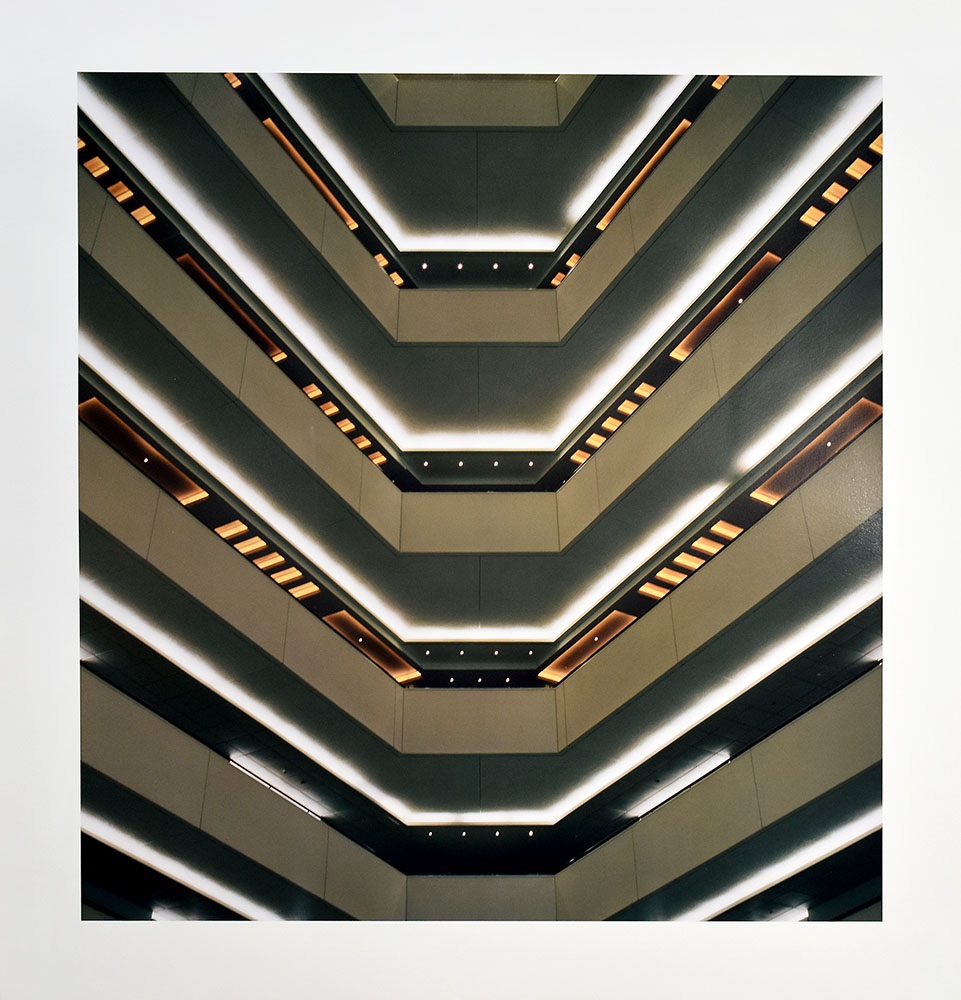
réf. 14971DBo.J. Boris Becker, geboren am 12. Mai 1961 in Köln. Deutscher Fotograf, Filmemacher. Studium 1982 bis 1984 an der Hochschule der Künste Berlin bei Wolfgang Ramsbott, 1984 bis 1990 an der Kunstakademie Düsseldorf bei Bernd Becher als Meisterschüler. Becker wird mit seinem Werk zur Düsseldorfer Photoschule gezählt. [4 Warenabbildungen]
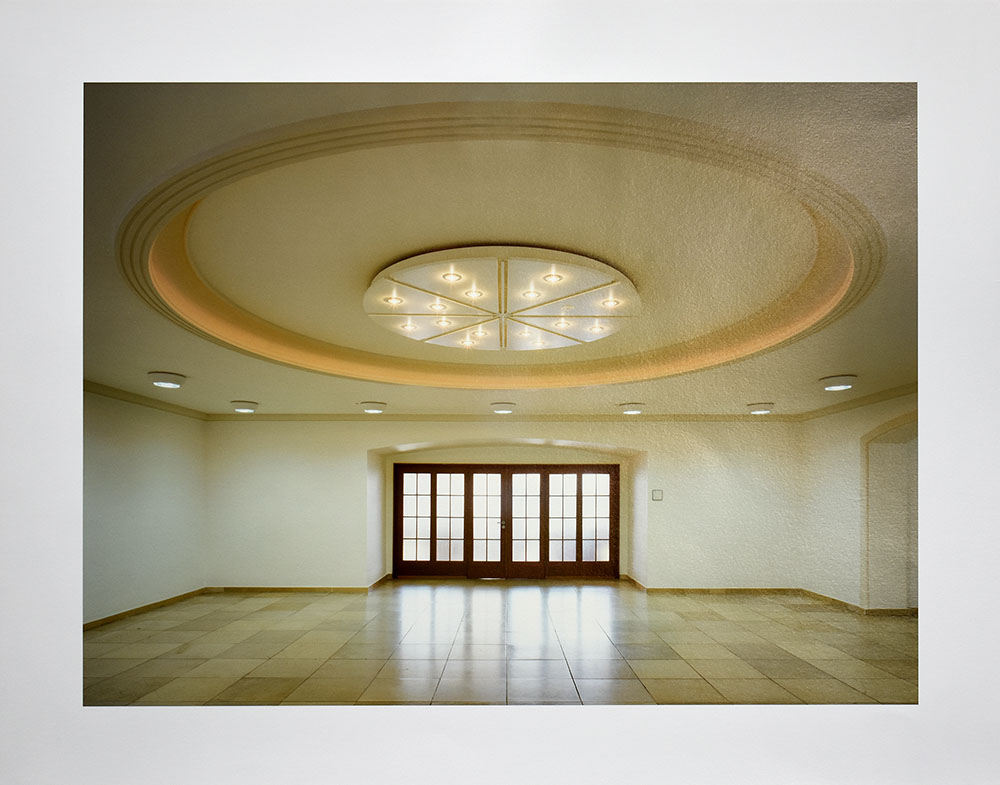
réf. 15128DBo.J. Boris Becker, geboren am 12. Mai 1961 in Köln. Deutscher Fotograf, Filmemacher. Studium 1982 bis 1984 an der Hochschule der Künste Berlin bei Wolfgang Ramsbott, 1984 bis 1990 an der Kunstakademie Düsseldorf bei Bernd Becher als Meisterschüler. Becker wird mit seinem Werk zur Düsseldorfer Photoschule gezählt. [3 Warenabbildungen]
1908Xilografia a due legni, 1908, priva di firma. Impressione eccellente su carta avorio liscia. Ottimo stato di conservazione. Ampi margini oltre la linea marginale. Nel primo decennio del 1900, De Carolis dedica molta attenzione alla rievocazione di temi popolari, legati in particolare alle raffigurazioni di marine, così come testimonia questa stampa. L'utilizzo di più colori e quindi di un numero maggiore di legni ben si adatta alla vivacità di questi soggetti. Dopo l'adesione nel '96 al gruppo romano In arte libertas, creato dal paesista Nino Costa, dal 1901 insegna ornato in accademia nella Firenze dei maestri del Rinascimento, del "terribile" Michelangelo, del Böcklin dell'Isola dei morti. Comincia ad ornare libri per D'Annunzio e Pascoli e dal 1903 elabora fregi e d articoli per la rivista "Leonardo" fondata con Papini e Prezzolini. Fra le rigogliose figurazioni per la Francesca da Rimini (1902), le rusticane de La figlia di Iorio (1904), le lapidarie del Notturno del "Vate" (1917-21), le stampe marinaresche esprimono un'autonoma poetica. Il varo, L'argano, Il timone, La foce, Le arche - xilografie eseguite fra il 1904 e il 1908, mentre in Europa esplodono primi fenomeni d'avanguardia - denotano un lirismo contemplativo invischiato nel ristagno simbolista che connota la situazione italiana all'avvio del secolo. Ma al di là dei convenzionali significati latenti, quelli manifesti aprono - pur aderendo al fervore estetico del giapponismo fin-de-siècle - un discorso etnografico che si fa via via più urgente, teso a documentare l'irripetibile patrimonio che la "novella civiltà livellatrice" viene annientando. L'appello del 1920 (L'arte popolare, in "La Fionda", Roma) riscuote entusiastiche risposte, stimolando una sensibilità che nel 1923 porta all'istituzione del Regio Museo di etnografia italiana, dal 1956 Museo Nazionale delle Arti e Tradizioni popolari. Woodcut, 1908, printed from two blocks. Excellent impression, printed on ivory paper, wide margins, good condition. De Carolis was an artistic polymath, working as a painter (in particular of murals), interior designer, decorator, xylographer (wood engraver), illustrator and photographer, and is probably the best known exponent of Art Nouveau in Italy. His talent and originality was quickly recognised by two of the greatest Italian writers and poets of the day, Gabriele D'Annunzio and Giovanni Pascoli, and he became their preferred illustrator. Among his most popular works were many illustrations for Gabriele d'Annunzio's novels (Il Notturno, La figlia di Jorio) and Giovanni Pascoli‘s books of poems. In the first decade of the 1900s, De Carolis devoted a great deal of attention to the evocation of popular themes, linked in particular to representations of seascapes, as this print testifies. The use of more colors and therefore a greater number of woods is well suited to the liveliness of these subjects. After joining in '96 the Roman group In arte libertas, created by the landscape painter Nino Costa, from 1901 he taught ornament in the academy in Florence of the Renaissance masters, of the "terrible" Michelangelo, of Böcklin of the Isle of the Dead. He began to decorate books for D'Annunzio and Pascoli and since 1903 elaborates friezes and articles for the magazine "Leonardo" founded with Papini and Prezzolini. Among the luxuriant figurations for the Francesca da Rimini (1902), the rusticane of The daughter of Iorio (1904), the lapidarie of the Nocturne of the "Vate" (1917-21), the prints marinaresche express an autonomous poetic. Il varo, L'argano, Il timone, La foce, Le arche - woodcuts made between 1904 and 1908, while the first avant-garde phenomena were exploding in Europe - denote a contemplative lyricism caught up in the symbolist stagnation that characterized the Italian situation at the beginning of the century. But beyond the conventional latent meanings, the manifest ones open - while adhering to the aesthetic fervor of Japanism fin-de-siècle - an ethnographic discourse that becomes more and more urgent, aimed at documenting the unique heritage that the "new leveling civilization" is annihilating. The appeal of 1920 (L'arte popolare, in "La Fionda", Rome) received an enthusiastic response, stimulating a sensitivity that in 1923 led to the establishment of the Royal Museum of Italian Ethnography, since 1956 the National Museum of Popular Arts and Traditions.
1908Xilografia a due legni, 1908, priva di firma. Impressione eccellente su carta avorio liscia. Ottimo stato di conservazione. Ampi margini oltre la linea marginale. Nel primo decennio del 1900, De Carolis dedica molta attenzione alla rievocazione di temi popolari, legati in particolare alle raffigurazioni di marine, così come testimonia questa stampa. L'utilizzo di più colori e quindi di un numero maggiore di legni ben si adatta alla vivacità di questi soggetti. Dopo l'adesione nel '96 al gruppo romano In arte libertas, creato dal paesista Nino Costa, dal 1901 insegna ornato in accademia nella Firenze dei maestri del Rinascimento, del "terribile" Michelangelo, del Böcklin dell'Isola dei morti. Comincia ad ornare libri per D'Annunzio e Pascoli e dal 1903 elabora fregi e d articoli per la rivista "Leonardo" fondata con Papini e Prezzolini. Fra le rigogliose figurazioni per la Francesca da Rimini (1902), le rusticane de La figlia di Iorio (1904), le lapidarie del Notturno del "Vate" (1917-21), le stampe marinaresche esprimono un'autonoma poetica. Il varo, L'argano, Il timone, La foce, Le arche - xilografie eseguite fra il 1904 e il 1908, mentre in Europa esplodono primi fenomeni d'avanguardia - denotano un lirismo contemplativo invischiato nel ristagno simbolista che connota la situazione italiana all'avvio del secolo. Ma al di là dei convenzionali significati latenti, quelli manifesti aprono - pur aderendo al fervore estetico del giapponismo fin-de-siècle - un discorso etnografico che si fa via via più urgente, teso a documentare l'irripetibile patrimonio che la "novella civiltà livellatrice" viene annientando. L'appello del 1920 (L'arte popolare, in "La Fionda", Roma) riscuote entusiastiche risposte, stimolando una sensibilità che nel 1923 porta all'istituzione del Regio Museo di etnografia italiana, dal 1956 Museo Nazionale delle Arti e Tradizioni popolari. Woodcut printed from two blocks. Excellent impression, printed on ivory paper, wide margins, good condition. De Carolis was an artistic polymath, working as a painter (in particular of murals), interior designer, decorator, xylographer (wood engraver), illustrator and photographer, and is probably the best known exponent of Art Nouveau in Italy. His talent and originality was quickly recognised by two of the greatest Italian writers and poets of the day, Gabriele D'Annunzio and Giovanni Pascoli, and he became their preferred illustrator. Among his most popular works were many illustrations for Gabriele d'Annunzio's novels (Il Notturno, La figlia di Jorio) and Giovanni Pascoli‘s books of poems. In the first decade of the 1900s, De Carolis devoted a great deal of attention to the evocation of popular themes, linked in particular to representations of seascapes, as this print testifies. The use of more colors and therefore a greater number of woods is well suited to the liveliness of these subjects. After joining in '96 the Roman group In arte libertas, created by the landscape painter Nino Costa, from 1901 he taught ornament in the academy in Florence of the Renaissance masters, of the "terrible" Michelangelo, of Böcklin of the Isle of the Dead. He began to decorate books for D'Annunzio and Pascoli and since 1903 elaborates friezes and articles for the magazine "Leonardo" founded with Papini and Prezzolini. Among the luxuriant figurations for the Francesca da Rimini (1902), the rusticane of The daughter of Iorio (1904), the lapidarie of the Nocturne of the "Vate" (1917-21), the prints marinaresche express an autonomous poetic. Il varo, L'argano, Il timone, La foce, Le arche - woodcuts made between 1904 and 1908, while the first avant-garde phenomena were exploding in Europe - denote a contemplative lyricism caught up in the symbolist stagnation that characterized the Italian situation at the beginning of the century. But beyond the conventional latent meanings, the manifest ones open - while adhering to the aesthetic fervor of Japanism fin-de-siècle - an ethnographic discourse that becomes more and more urgent, aimed at documenting the unique heritage that the "new leveling civilization" is annihilating. The appeal of 1920 (L'arte popolare, in "La Fionda", Rome) received an enthusiastic response, stimulating a sensitivity that in 1923 led to the establishment of the Royal Museum of Italian Ethnography, since 1956 the National Museum of Popular Arts and Traditions.
réf. 165919Angers, Barassé, 1877 2 vol. in-8, XX-449 pp. et 332-69 pp., toile verte, couv. cons. (rel. postérieure). Dos passé.
réf. 663795Angers, Barassé, 1868-1877 2 tomes en 1 fort vol. in-8, XX-449 pp. et 332-69 pp., demi-percaline bordeaux, premiers plats de couv. cons. (reliure de l'époque).
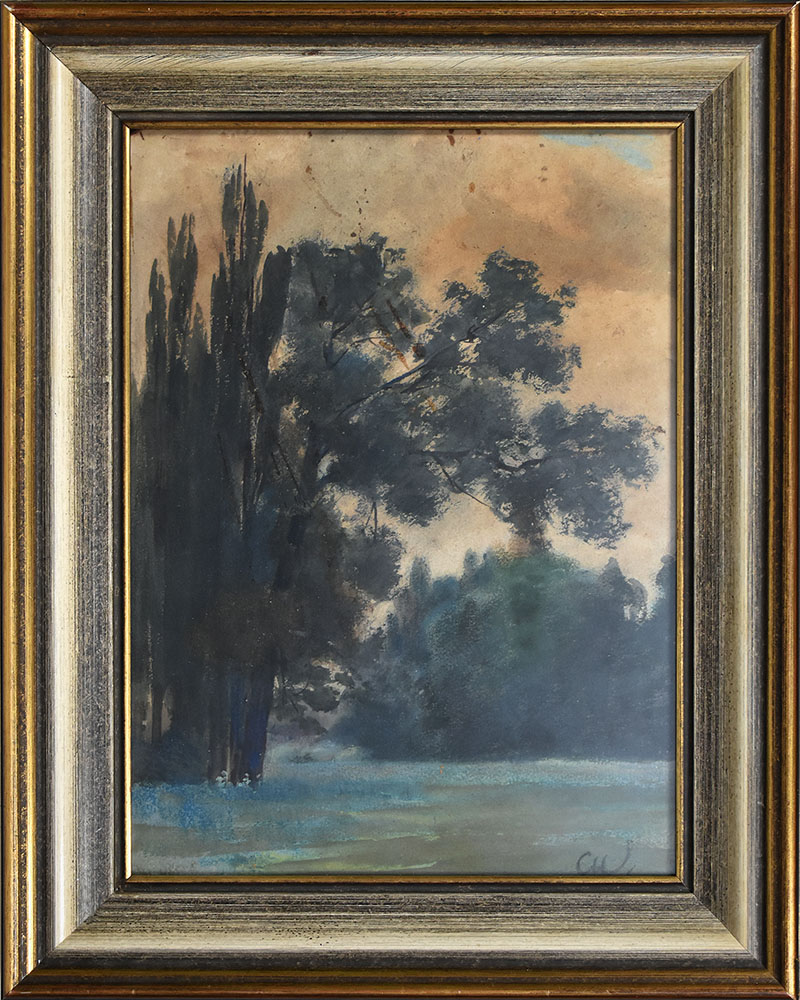
réf. 60308BBo.J. Carl Weissgerber, geboren am 25. Oktober 1891 in Ahrweiler, gestorben am 22. Februar 1968 in Düsseldorf. Deutscher Landschafts- und Tiermaler der Düsseldorfer Schule. Studium an der Kunstakademie Düsseldorf in der Landschaftsklasse von Max Clarenbach, später Tiermalerei in die Klasse von Julius Paul Junghanns. Beteiligt an den Ausstellungen des Jungen Rheinlandes. [3 Warenabbildungen]
1981réf. 2080202106300889Not Available 1981. Soft Cover. Fine. Size: B5 Not Available paperback
1984réf. 2080202106300071Not Available 1984. Soft Cover. Fine. Size: chrysanthemum version Not Available paperback
1996réf. x-0750705477Falmer Pr 1996. Paperback. New. 1st edition. 422 pages. 9.50x6.25x1.25 inches. Falmer Pr paperback
2022réf. x-3030784339Springer 2022. Paperback. New. 432 pages. 9.25x6.10x1.22 inches. Springer paperback
1931Fine Russian In comtemporary cloth bdg. Roy. 8vo. (24 x 17 cm). In Russian. 428 p. Vvedeniye v teorik diyaleksiyeskogo materyalizma. From the library of Ismail Hüsrev Tökin, (1902-1992). Second Edition. Tökin completed his primary, secondary and high school education at the Austrian High School in Istanbul. Between 1922 and 1925 he completed his higher education in KUTV in Moscow. In the same year he continued his economics seminars in KUTV. After returning from the Soviet Union to Turkey, he was sentenced in '1925 Communist Tevfikat'. He is well-known for his works on economics. As understood from his collection, he has studied many religious and economic systems that exist in the world.