HARCOURT SCHOOL PUBLISHERSBiblio.com

29.427 risultati
2002rif. SONG0153346744Brand: HARCOURT SCHOOL PUBLISHERS 2002-01-01. 1. paperback. Used: Good. 8.50x0.25x11.00. Buy with confidence. Excellent Customer Service & Return policy. Brand: HARCOURT SCHOOL PUBLISHERS paperback
2012rif. SONG1462720676Brand: CrossBooks 2012-10-09. paperback. Used: Good. 5.00x0.38x7.99. Buy with confidence. Excellent Customer Service & Return policy. Brand: CrossBooks paperback
2006rif. SONG0153610212Hmh School 2006-09-01. 1. paperback. Used: Good. 8.23x0.31x10.87. Buy with confidence. Excellent Customer Service & Return policy. Hmh School paperback
2006rif. SONG01535676272006-04-01. 1. paperback. Used: Good. 0.50x8.20x10.70. Buy with confidence. Excellent Customer Service & Return policy. paperback
rif. Z1-W-014-01352Ashgate Pub Ltd. Used - Good. Ships from UK in 48 hours or less usually same day. Your purchase helps support Sri Lankan Children's Charity 'The Rainbow Centre'. Ex-library so some stamps and wear but in good overall condition. 100% money back guarantee. We are a world class secondhand bookstore based in Hertfordshire United Kingdom and specialize in high quality textbooks across an enormous variety of subjects. We aim to provide a vast range of textbooks rare and collectible books at a great price. Our donations to The Rainbow Centre have helped provide an education and a safe haven to hundreds of children who live in appalling conditions. We provide a 100% money back guarantee and are dedicated to providing our customers with the highest standards of service in the bookselling industry. Ashgate Pub Ltd unknown
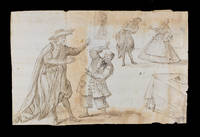
1701rif. 98971701. 180x282mm. 7x11". España primer tercio dle siglo XVIII. Pluma tinta y aguada sepia sobre papel ocre agarbanzado verjurado. 180 x 282mm. Inscrito en el verso "64" "000.Pasteles" ". Cordón" y "P. de uno Camaron". Referencias: "Dibujo español del Renacimiento a Goya. La colección de la reina María Cristina de Borbón" Zaragoza 2008 nº 42 pp. 182 y 183 unknown
1877rif. 19616Montevideo: Imprenta a vapor de La Tribuna 1877. FIRST EDITION. Original printed wrappers. First printing. On May 15 1877 this first publication of the regulations of the medical school appeared in Montevideo establishing a five-year curriculum which included a course on hygiene in the second year and legal medicine and toxicology in the fourth. The professors who taught these courses were medical doctors of great renown. OCLC locates nocopies in America just a single copy at the BnF. Imprenta a vapor de La Tribuna unknown
1877rif. 19616Montevideo: Imprenta a vapor de La Tribuna 1877. FIRST EDITION. Original printed wrappers. First printing. On May 15 1877 this first publication of the regulations of the medical school appeared in Montevideo establishing a five-year curriculum which included a course on hygiene in the second year and legal medicine and toxicology in the fourth. The professors who taught these courses were medical doctors of great renown. OCLC locates nocopies in America just a single copy at the BnF. Imprenta a vapor de La Tribuna unknown books
1781Acquatinta stampata ad inchiostro bistro, 1781, firmata in lastra in basso a destra e datate in basso al centro. Magnifica prova, impressa su carta vergata coeva con filigrana, sottili margini, leggere abrasioni al verso, nel complesso in eccellente stato di conservazione. Una delle quattro famose vedute del carnevale romane incise dal Sandby su disegno di David Allan (Alloa 1744 - Edimburgo 1796). Alla grande maggioranza di pitture, incisioni,acquerelli e disegni che illustrano le feste del carnevale romano con un eccesso di "colore", si contrappone questa serie, che descrive quei medesimi festosi eventi con un asciutto e spiritoso sguardo pur rilevandone la nascosta eleganza e sontuosità. Le acquetinte di Sandby sono tratte da una serie di dieci disegni di Allan eseguiti durante i suoi soggiorni romani e ora conservati nella Collezione Reale del Castello di Windsor. La tecnica dell’acquatinta, conferisce all’opera quel particolare tono simile all’acquarello rendendo le opere molto affascinanti. Aquatint printed in bistro ink, 1781, signed in plate at lower right and dated at lower center. Magnificent proof, printed on coeval laid paper with watermark, thin margins, light abrasions on verso, overall in excellent condition. One of the four famous Roman carnival views engraved by Sandby from a drawing by David Allan (Alloa 1744 - Edinburgh 1796). To the great majority of paintings, engravings, watercolors and drawings that illustrate the festivities of the Roman carnival with an excess of "color", is contrasted this series, which describes those same festive events with a dry and witty look while noting the hidden elegance and sumptuousness. Sandby's aquatints are taken from a series of ten drawings by Allan made during his Roman sojourns and now housed in the Royal Collection of Windsor Castle. Paul Sandby was a landscape painter and printmaker. David Allan was one of the first painters in Scotland to record the everyday life of ordinary people. He was based in Rome from around 1767 to 1777 where he painted historical subjects, portraits and the everyday life around him in a series of watercolours. In Scotland he enjoyed a successful career as both an artist and a teacher of art. Some of David Allan's watercolours of Rome were copied by Paul Sandby in London, as prints. The technique of aquatint (used here) allowed the engraver to create the effect of colour washes with the addition of etched lines for detail. This is a technique that provides an additional layer of meaning to the scene. The aquatint allows tonal variation and contrast which in turn creates atmosphere. There is a tremendous amount of detail in the print, and any British observer at the time would have received a good impression of what Rome was like from this print. Sandby's re-creation of Allan's watercolour would have made the image much more accessible through multiple copies. Only the most popular or marketable images would be copied as prints. The composition is quite complex. The background of the street and buildings is rendered with single point perspective, where the landscape appears to recede away to a single point in the distance. The viewpoint Allan chose was a low one. This means that the buildings appear to loom over the scene and a lot of sky is shown. In contrast, the action on the ground occupies only the lower third of the composition; Allan did not "zoom in" on any one aspect but created a general view of the scene. In this view, two British travellers on horseback are confronted by the extravagant costumes and masked figures from the entertainers at a Roman carnival. Despite their politeness these grotesque figures are slightly disturbing. Perhaps this scene demonstrates the alien and disorientating feeling of visiting a new city and discovering bizarre customs which the traveller has never experienced before.
194790 pages. "Communist plotters, in the United States as elsewhere, are preparing for the conquest of political power. The discerning student, however, should consider how interventionism, under various enticing labels, is setting the stage for the final overthrow of the voluntary society, the market economy and constitutional government. [This work], by a world-famous expert, will prove a valuable aid to understanding in this field. It will help to explain the errors of those who believe a system based on individual freedom can be 'mixed' with socialism." - Foreword. Prior owner's details upon toned front free endpaper. Another person's name inside front board, otherwise contents clean and unmarked. Binding tight. Average wear to publisher's green cloth. Dust jacket not included. Greaves & McGee B-14. Book
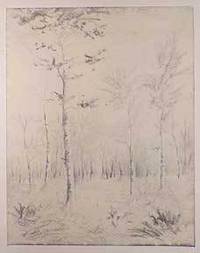
rif. 03-0474France ca. late 19th cent. Album of 76 drawings in the style of the School of Barbizon. Mainly landscapes with a few nudes. Bound in leather with losses of leather. 26 x 19.5 cm page size. France, ca. late 19th cent. hardcover
1930rif. 2082402113510833Not Available 1930. Soft Cover. Fine. Number of books: 23 Not Available paperback
1861rif. 32966S.l. s.d. [1861] grand in-folio demi-toile gaufrée noire de l'époque
1799Opera tratta dai "Los Caprichos", per la prima volta pubblicati nel 1799. Prova della quinta edizione di dodici, stampata dalla calcografia di Madrid, circa 1883. Acquaforte, acquatinta brunita e puntasecca, in perfetto stato di conservazione. La serie chiamata Los Caprichos è composta da ottanta incisioni, la cui prima edizione [l’unica a non essere pubblicata postuma] venne alla luce nel 1799. Curata in fase d’edizione dallo stesso artista, la serie fu commercializzata e dopo poco tempo ritirata dal mercato. Infatti, a causa dei numerosi soggetti che ironizzavano sulla società spagnola di fine secolo, il Goya subì una censura. L’interpretazione dei soggetti rappresentati su queste lastre, sempre enigmatiche, è spesso controversa Plate 1: portrait of the artist wearing hat, bust-length to left; Fifth Edition c.1883 impression. 1799 Etching, aquatint, drypoint and burinFrom the fifth edition of twelve of the so-called "Los Caprichos" series, edited by the Madrid Calcografia [circa 1883].A very good impression, with good contrast, printed on contemporary paper, customary margins, in very good conditions. The series called Los Caprichos, consists of eighty etchings. This first edition of 1799, the only one not to be published posthumously, is imprinted on soft laid pape. Cured in phase edition by the same artist, the series was marketed and before long withdrawn from the market. In fact, because of the many subjects that mocked the Spanish society of the century, Goya suffered censorship. The interpretation of the subjects represented on these plates, always enigmatic, is often controversial. Harris 36, Delteil 38.
1909rif. 3500Durel, 1909 In-4 (27,3 x 18,5 cm), demi-maroquin violet, coins, dos à quatre nerfs finement orné, tête dorée, couverture et dos conservés (Kieffer). Ouvrage originellement paru en 1876. Portrait-frontispice de l'auteur gravé à l'eau-forte par Georges Noyon d'après René Ménard. Il fut ami de Charles Baudelaire, Leconte de Lisle et Maurice Barrès.Edition tirée à 240 exemplaires, celui-ci un des 20 sur papier de Chine, non numéroté.
1739Acquaforte stampata in verde / blu, tratta da The tapestry hangings of the House of Lords: representing the several engagements between the English and Spanish fleets, in the ever memorable year MDLXXXVIII, with the portraits of the Lord High-Admiral, and the other noble commanders, taken from the life. To which are added, from a book entitled, Expeditionis Hispanorum in Angliam Vera Descriptio, A.D. 1588, done, as is supposed, for the said tapestry to be work'd after, ten charts of the sea-coasts of England, and a general one of England, Scotland, Ireland, France, Holland, &c. shewing the places of action between the two fleets; ornaments with medals struck upon the occasion, and other suitable devices. Also an historical account of each day's action, collected from the most authentic manuscripts and writers. By John Pine, engraver. London, MDCCXXXIX. Sold by J. Pine in Old Bond Street near Picadilly. Poco dopo la sconfitta dell'armata spagnola del 1588, Lord Howard of Effingham, comandante della flotta britannica, commissionò a Robert Adams la produzione di una serie di disegni che rappresentavano le varie fasi dell'azione; poi commissionò H.C. Vroom la realizzazione di una serie di disegni per arazzi, basati sul lavoro di Adams. Le tele furono tessute da Francis Spiring di Haarlem. Alcuni anni dopo, i disegni furono venduti a Giacomo I e, successivamente, arredarono le pareti della Camera dei Lord. Tutti gli arazzi, tranne uno rubato precedentemente, furono bruciati insieme a gran parte del Palazzo di Westminster nel 1834. La grande opera di Pine che raffigura questa famosa battaglia navale è, ora, di grande importanza storica. A parte il notevole dettaglio dell'incisione e la ricchezza dell'invenzione nei vari cartigli, l'uso contenuto dell'inchiostro colorato per stampare la superficie della lastra produce un effetto sorprendentemente attraente e rappresenta un importante esempio primordiale della stampa a colori per le illustrazioni. Bellissimo esemplare, stampato su carta vergata coeva, con pieni margini, in ottimo stato di conservazione. Etching printed in green/blue, taken from The tapestry hangings of the House of Lords: representing the several engagements between the English and Spanish fleets, in the ever memorable year MDLXXXVIII, with the portraits of the Lord High-Admiral, and the other noble commanders, taken from the life. To which are added, from a book entitled, Expeditionis Hispanorum in Angliam Vera Descriptio, A.D. 1588, done, as is supposed, for the said tapestry to be work'd after, ten charts of the sea-coasts of England, and a general one of England, Scotland, Ireland, France, Holland, &c. shewing the places of action between the two fleets; ornaments with medals struck upon the occasion, and other suitable devices. Also an historical account of each day's action, collected from the most authentic manuscripts and writers. By John Pine, engraver. London, MDCCXXXIX. Sold by J. Pine in Old Bond Street near Picadilly. Shortly after the defeat of the Spanish “Armada” in 1588, Lord Howard of Effingham, commander of the British Fleet, commissioned Robert Adams to produce a series of charts representing the various phases of the action and then H.C. Vroom to produce a series of designs for tapestries, based on the work of Adams. They were woven by Francis Spiring of Haarlem. Some years later, they were sold to James I and eventually came to furnish the walls of the House of Lords. All the tapestries, except one stolen at an earlier date and now lost, were burned in the fire that destroyed most of the Palace of Westminster in 1834. Pine's great work depicting this famous naval battle is therefore now of great historical importance. Apart from the remarkable detail of the engraving and the wealth of invention in the various cartouches, the restrained use of coloured ink to print the plate surface produces a strikingly attractive effect, and represents a very early example of the colour-printing of illustrations. T.Clayton, 'The English Print 1688-1802', New Haven and London, 1997, pp.87; Berlin Catalogue 1677.
1739Acquaforte stampata in verde / blu, tratta da The tapestry hangings of the House of Lords: representing the several engagements between the English and Spanish fleets, in the ever memorable year MDLXXXVIII, with the portraits of the Lord High-Admiral, and the other noble commanders, taken from the life. To which are added, from a book entitled, Expeditionis Hispanorum in Angliam Vera Descriptio, A.D. 1588, done, as is supposed, for the said tapestry to be work'd after, ten charts of the sea-coasts of England, and a general one of England, Scotland, Ireland, France, Holland, &c. shewing the places of action between the two fleets; ornaments with medals struck upon the occasion, and other suitable devices. Also an historical account of each day's action, collected from the most authentic manuscripts and writers. By John Pine, engraver. London, MDCCXXXIX. Sold by J. Pine in Old Bond Street near Picadilly. Poco dopo la sconfitta dell'armata spagnola del 1588, Lord Howard of Effingham, comandante della flotta britannica, commissionò a Robert Adams la produzione di una serie di disegni che rappresentavano le varie fasi dell'azione; poi commissionò H.C. Vroom la realizzazione di una serie di disegni per arazzi, basati sul lavoro di Adams. Le tele furono tessute da Francis Spiring di Haarlem. Alcuni anni dopo, i disegni furono venduti a Giacomo I e, successivamente, arredarono le pareti della Camera dei Lord. Tutti gli arazzi, tranne uno rubato precedentemente, furono bruciati, insieme a gran parte del Palazzo di Westminster nel 1834. La grande opera di Pine che raffigura questa famosa battaglia navale è, ora, di grande importanza storica. A parte il notevole dettaglio dell'incisione e la ricchezza dell'invenzione nei vari cartigli, l'uso contenuto dell'inchiostro colorato per stampare la superficie della lastra produce un effetto sorprendentemente attraente e rappresenta un importante esempio primordiale della stampa a colori per le illustrazioni. Bellissimo esemplare, stampato su carta vergata coeva, con pieni margini, in ottimo stato di conservazione. Etching printed in green/blue, taken from The tapestry hangings of the House of Lords: representing the several engagements between the English and Spanish fleets, in the ever memorable year MDLXXXVIII, with the portraits of the Lord High-Admiral, and the other noble commanders, taken from the life. To which are added, from a book entitled, Expeditionis Hispanorum in Angliam Vera Descriptio, A.D. 1588, done, as is supposed, for the said tapestry to be work'd after, ten charts of the sea-coasts of England, and a general one of England, Scotland, Ireland, France, Holland, &c. shewing the places of action between the two fleets; ornaments with medals struck upon the occasion, and other suitable devices. Also an historical account of each day's action, collected from the most authentic manuscripts and writers. By John Pine, engraver. London, MDCCXXXIX. Sold by J. Pine in Old Bond Street near Picadilly. Shortly after the defeat of the Spanish “Armada” in 1588, Lord Howard of Effingham, commander of the British Fleet, commissioned Robert Adams to produce a series of charts representing the various phases of the action and then H.C. Vroom to produce a series of designs for tapestries, based on the work of Adams. They were woven by Francis Spiring of Haarlem. Some years later, they were sold to James I and eventually came to furnish the walls of the House of Lords. All the tapestries, except one stolen at an earlier date and now lost, were burned in the fire that destroyed most of the Palace of Westminster in 1834. Pine's great work depicting this famous naval battle is therefore now of great historical importance. Apart from the remarkable detail of the engraving and the wealth of invention in the various cartouches, the restrained use of coloured ink to print the plate surface produces a strikingly attractive effect, and represents a very early example of the colour-printing of illustrations. T.Clayton, 'The English Print 1688-1802', New Haven and London, 1997, pp.87; Berlin Catalogue 1677.
1739Acquaforte stampata in verde / blu, tratta da The tapestry hangings of the House of Lords: representing the several engagements between the English and Spanish fleets, in the ever memorable year MDLXXXVIII, with the portraits of the Lord High-Admiral, and the other noble commanders, taken from the life. To which are added, from a book entitled, Expeditionis Hispanorum in Angliam Vera Descriptio, A.D. 1588, done, as is supposed, for the said tapestry to be work'd after, ten charts of the sea-coasts of England, and a general one of England, Scotland, Ireland, France, Holland, &c. shewing the places of action between the two fleets; ornaments with medals struck upon the occasion, and other suitable devices. Also an historical account of each day's action, collected from the most authentic manuscripts and writers. By John Pine, engraver. London, MDCCXXXIX. Sold by J. Pine in Old Bond Street near Picadilly. Poco dopo la sconfitta dell'armata spagnola del 1588, Lord Howard of Effingham, comandante della flotta britannica, commissionò a Robert Adams la produzione di una serie di disegni che rappresentavano le varie fasi dell'azione; poi commissionò H.C. Vroom la realizzazione di una serie di disegni per arazzi, basati sul lavoro di Adams. Le tele furono tessute da Francis Spiring di Haarlem. Alcuni anni dopo, i disegni furono venduti a Giacomo I e, successivamente, arredarono le pareti della Camera dei Lord. Tutti gli arazzi, tranne uno rubato precedentemente, furono bruciati, insieme a gran parte del Palazzo di Westminster nel 1834. La grande opera di Pine che raffigura questa famosa battaglia navale è, ora, di grande importanza storica. A parte il notevole dettaglio dell'incisione e la ricchezza dell'invenzione nei vari cartigli, l'uso contenuto dell'inchiostro colorato per stampare la superficie della lastra produce un effetto sorprendentemente attraente e rappresenta un importante esempio primordiale della stampa a colori per le illustrazioni. Bellissimo esemplare, stampato su carta vergata coeva, con pieni margini, in ottimo stato di conservazione. Etching printed in green/blue, taken from The tapestry hangings of the House of Lords: representing the several engagements between the English and Spanish fleets, in the ever memorable year MDLXXXVIII, with the portraits of the Lord High-Admiral, and the other noble commanders, taken from the life. To which are added, from a book entitled, Expeditionis Hispanorum in Angliam Vera Descriptio, A.D. 1588, done, as is supposed, for the said tapestry to be work'd after, ten charts of the sea-coasts of England, and a general one of England, Scotland, Ireland, France, Holland, &c. shewing the places of action between the two fleets; ornaments with medals struck upon the occasion, and other suitable devices. Also an historical account of each day's action, collected from the most authentic manuscripts and writers. By John Pine, engraver. London, MDCCXXXIX. Sold by J. Pine in Old Bond Street near Picadilly. Shortly after the defeat of the Spanish “Armada” in 1588, Lord Howard of Effingham, commander of the British Fleet, commissioned Robert Adams to produce a series of charts representing the various phases of the action and then H.C. Vroom to produce a series of designs for tapestries, based on the work of Adams. They were woven by Francis Spiring of Haarlem. Some years later, they were sold to James I and eventually came to furnish the walls of the House of Lords. All the tapestries, except one stolen at an earlier date and now lost, were burned in the fire that destroyed most of the Palace of Westminster in 1834. Pine's great work depicting this famous naval battle is therefore now of great historical importance. Apart from the remarkable detail of the engraving and the wealth of invention in the various cartouches, the restrained use of coloured ink to print the plate surface produces a strikingly attractive effect, and represents a very early example of the colour-printing of illustrations. T.Clayton, 'The English Print 1688-1802', New Haven and London, 1997, pp.87; Berlin Catalogue 1677.
1739Acquaforte stampata in verde / blu, tratta da The tapestry hangings of the House of Lords: representing the several engagements between the English and Spanish fleets, in the ever memorable year MDLXXXVIII, with the portraits of the Lord High-Admiral, and the other noble commanders, taken from the life. To which are added, from a book entitled, Expeditionis Hispanorum in Angliam Vera Descriptio, A.D. 1588, done, as is supposed, for the said tapestry to be work'd after, ten charts of the sea-coasts of England, and a general one of England, Scotland, Ireland, France, Holland, &c. shewing the places of action between the two fleets; ornaments with medals struck upon the occasion, and other suitable devices. Also an historical account of each day's action, collected from the most authentic manuscripts and writers. By John Pine, engraver. London, MDCCXXXIX. Sold by J. Pine in Old Bond Street near Picadilly. Poco dopo la sconfitta dell'armata spagnola del 1588, Lord Howard of Effingham, comandante della flotta britannica, commissionò a Robert Adams la produzione di una serie di disegni che rappresentavano le varie fasi dell'azione; poi commissionò H.C. Vroom la realizzazione di una serie di disegni per arazzi, basati sul lavoro di Adams. Le tele furono tessute da Francis Spiring di Haarlem. Alcuni anni dopo, i disegni furono venduti a Giacomo I e, successivamente, arredarono le pareti della Camera dei Lord. Tutti gli arazzi, tranne uno rubato precedentemente, furono bruciati, insieme a gran parte del Palazzo di Westminster nel 1834. La grande opera di Pine che raffigura questa famosa battaglia navale è, ora, di grande importanza storica. A parte il notevole dettaglio dell'incisione e la ricchezza dell'invenzione nei vari cartigli, l'uso contenuto dell'inchiostro colorato per stampare la superficie della lastra produce un effetto sorprendentemente attraente e rappresenta un importante esempio primordiale della stampa a colori per le illustrazioni. Bellissimo esemplare, stampato su carta vergata coeva, con pieni margini, in ottimo stato di conservazione. Etching printed in green/blue, taken from The tapestry hangings of the House of Lords: representing the several engagements between the English and Spanish fleets, in the ever memorable year MDLXXXVIII, with the portraits of the Lord High-Admiral, and the other noble commanders, taken from the life. To which are added, from a book entitled, Expeditionis Hispanorum in Angliam Vera Descriptio, A.D. 1588, done, as is supposed, for the said tapestry to be work'd after, ten charts of the sea-coasts of England, and a general one of England, Scotland, Ireland, France, Holland, &c. shewing the places of action between the two fleets; ornaments with medals struck upon the occasion, and other suitable devices. Also an historical account of each day's action, collected from the most authentic manuscripts and writers. By John Pine, engraver. London, MDCCXXXIX. Sold by J. Pine in Old Bond Street near Picadilly. Shortly after the defeat of the Spanish “Armada” in 1588, Lord Howard of Effingham, commander of the British Fleet, commissioned Robert Adams to produce a series of charts representing the various phases of the action and then H.C. Vroom to produce a series of designs for tapestries, based on the work of Adams. They were woven by Francis Spiring of Haarlem. Some years later, they were sold to James I and eventually came to furnish the walls of the House of Lords. All the tapestries, except one stolen at an earlier date and now lost, were burned in the fire that destroyed most of the Palace of Westminster in 1834. Pine's great work depicting this famous naval battle is therefore now of great historical importance. Apart from the remarkable detail of the engraving and the wealth of invention in the various cartouches, the restrained use of coloured ink to print the plate surface produces a strikingly attractive effect, and represents a very early example of the colour-printing of illustrations. T.Clayton, 'The English Print 1688-1802', New Haven and London, 1997, pp.87; Berlin Catalogue 1677.
1739Acquaforte stampata in verde / blu, tratta da The tapestry hangings of the House of Lords: representing the several engagements between the English and Spanish fleets, in the ever memorable year MDLXXXVIII, with the portraits of the Lord High-Admiral, and the other noble commanders, taken from the life. To which are added, from a book entitled, Expeditionis Hispanorum in Angliam Vera Descriptio, A.D. 1588, done, as is supposed, for the said tapestry to be work'd after, ten charts of the sea-coasts of England, and a general one of England, Scotland, Ireland, France, Holland, &c. shewing the places of action between the two fleets; ornaments with medals struck upon the occasion, and other suitable devices. Also an historical account of each day's action, collected from the most authentic manuscripts and writers. By John Pine, engraver. London, MDCCXXXIX. Sold by J. Pine in Old Bond Street near Picadilly. Poco dopo la sconfitta dell'armata spagnola del 1588, Lord Howard of Effingham, comandante della flotta britannica, commissionò a Robert Adams la produzione di una serie di disegni che rappresentavano le varie fasi dell'azione; poi commissionò H.C. Vroom la realizzazione di una serie di disegni per arazzi, basati sul lavoro di Adams. Le tele furono tessute da Francis Spiring di Haarlem. Alcuni anni dopo, i disegni furono venduti a Giacomo I e, successivamente, arredarono le pareti della Camera dei Lord. Tutti gli arazzi, tranne uno rubato precedentemente, furono bruciati, insieme a gran parte del Palazzo di Westminster nel 1834. La grande opera di Pine che raffigura questa famosa battaglia navale è, ora, di grande importanza storica. A parte il notevole dettaglio dell'incisione e la ricchezza dell'invenzione nei vari cartigli, l'uso contenuto dell'inchiostro colorato per stampare la superficie della lastra produce un effetto sorprendentemente attraente e rappresenta un importante esempio primordiale della stampa a colori per le illustrazioni. Bellissimo esemplare, stampato su carta vergata coeva, con pieni margini, in ottimo stato di conservazione. Etching printed in green/blue, taken from The tapestry hangings of the House of Lords: representing the several engagements between the English and Spanish fleets, in the ever memorable year MDLXXXVIII, with the portraits of the Lord High-Admiral, and the other noble commanders, taken from the life. To which are added, from a book entitled, Expeditionis Hispanorum in Angliam Vera Descriptio, A.D. 1588, done, as is supposed, for the said tapestry to be work'd after, ten charts of the sea-coasts of England, and a general one of England, Scotland, Ireland, France, Holland, &c. shewing the places of action between the two fleets; ornaments with medals struck upon the occasion, and other suitable devices. Also an historical account of each day's action, collected from the most authentic manuscripts and writers. By John Pine, engraver. London, MDCCXXXIX. Sold by J. Pine in Old Bond Street near Picadilly. Shortly after the defeat of the Spanish “Armada” in 1588, Lord Howard of Effingham, commander of the British Fleet, commissioned Robert Adams to produce a series of charts representing the various phases of the action and then H.C. Vroom to produce a series of designs for tapestries, based on the work of Adams. They were woven by Francis Spiring of Haarlem. Some years later, they were sold to James I and eventually came to furnish the walls of the House of Lords. All the tapestries, except one stolen at an earlier date and now lost, were burned in the fire that destroyed most of the Palace of Westminster in 1834. Pine's great work depicting this famous naval battle is therefore now of great historical importance. Apart from the remarkable detail of the engraving and the wealth of invention in the various cartouches, the restrained use of coloured ink to print the plate surface produces a strikingly attractive effect, and represents a very early example of the colour-printing of illustrations. T.Clayton, 'The English Print 1688-1802', New Haven and London, 1997, pp.87; Berlin Catalogue 1677.
1739Acquaforte stampata in verde / blu, tratta da The tapestry hangings of the House of Lords: representing the several engagements between the English and Spanish fleets, in the ever memorable year MDLXXXVIII, with the portraits of the Lord High-Admiral, and the other noble commanders, taken from the life. To which are added, from a book entitled, Expeditionis Hispanorum in Angliam Vera Descriptio, A.D. 1588, done, as is supposed, for the said tapestry to be work'd after, ten charts of the sea-coasts of England, and a general one of England, Scotland, Ireland, France, Holland, &c. shewing the places of action between the two fleets; ornaments with medals struck upon the occasion, and other suitable devices. Also an historical account of each day's action, collected from the most authentic manuscripts and writers. By John Pine, engraver. London, MDCCXXXIX. Sold by J. Pine in Old Bond Street near Picadilly. Poco dopo la sconfitta dell'armata spagnola del 1588, Lord Howard of Effingham, comandante della flotta britannica, commissionò a Robert Adams la produzione di una serie di disegni che rappresentavano le varie fasi dell'azione; poi commissionò H.C. Vroom la realizzazione di una serie di disegni per arazzi, basati sul lavoro di Adams. Le tele furono tessute da Francis Spiring di Haarlem. Alcuni anni dopo, i disegni furono venduti a Giacomo I e, successivamente, arredarono le pareti della Camera dei Lord. Tutti gli arazzi, tranne uno rubato precedentemente, furono bruciati, insieme a gran parte del Palazzo di Westminster nel 1834. La grande opera di Pine che raffigura questa famosa battaglia navale è, ora, di grande importanza storica. A parte il notevole dettaglio dell'incisione e la ricchezza dell'invenzione nei vari cartigli, l'uso contenuto dell'inchiostro colorato per stampare la superficie della lastra produce un effetto sorprendentemente attraente e rappresenta un importante esempio primordiale della stampa a colori per le illustrazioni. Bellissimo esemplare, stampato su carta vergata coeva, con pieni margini, in ottimo stato di conservazione. Etching printed in green/blue, taken from The tapestry hangings of the House of Lords: representing the several engagements between the English and Spanish fleets, in the ever memorable year MDLXXXVIII, with the portraits of the Lord High-Admiral, and the other noble commanders, taken from the life. To which are added, from a book entitled, Expeditionis Hispanorum in Angliam Vera Descriptio, A.D. 1588, done, as is supposed, for the said tapestry to be work'd after, ten charts of the sea-coasts of England, and a general one of England, Scotland, Ireland, France, Holland, &c. shewing the places of action between the two fleets; ornaments with medals struck upon the occasion, and other suitable devices. Also an historical account of each day's action, collected from the most authentic manuscripts and writers. By John Pine, engraver. London, MDCCXXXIX. Sold by J. Pine in Old Bond Street near Picadilly. Shortly after the defeat of the Spanish “Armada” in 1588, Lord Howard of Effingham, commander of the British Fleet, commissioned Robert Adams to produce a series of charts representing the various phases of the action and then H.C. Vroom to produce a series of designs for tapestries, based on the work of Adams. They were woven by Francis Spiring of Haarlem. Some years later, they were sold to James I and eventually came to furnish the walls of the House of Lords. All the tapestries, except one stolen at an earlier date and now lost, were burned in the fire that destroyed most of the Palace of Westminster in 1834. Pine's great work depicting this famous naval battle is therefore now of great historical importance. Apart from the remarkable detail of the engraving and the wealth of invention in the various cartouches, the restrained use of coloured ink to print the plate surface produces a strikingly attractive effect, and represents a very early example of the colour-printing of illustrations. T.Clayton, 'The English Print 1688-1802', New Haven and London, 1997, pp.87; Berlin Catalogue 1677.
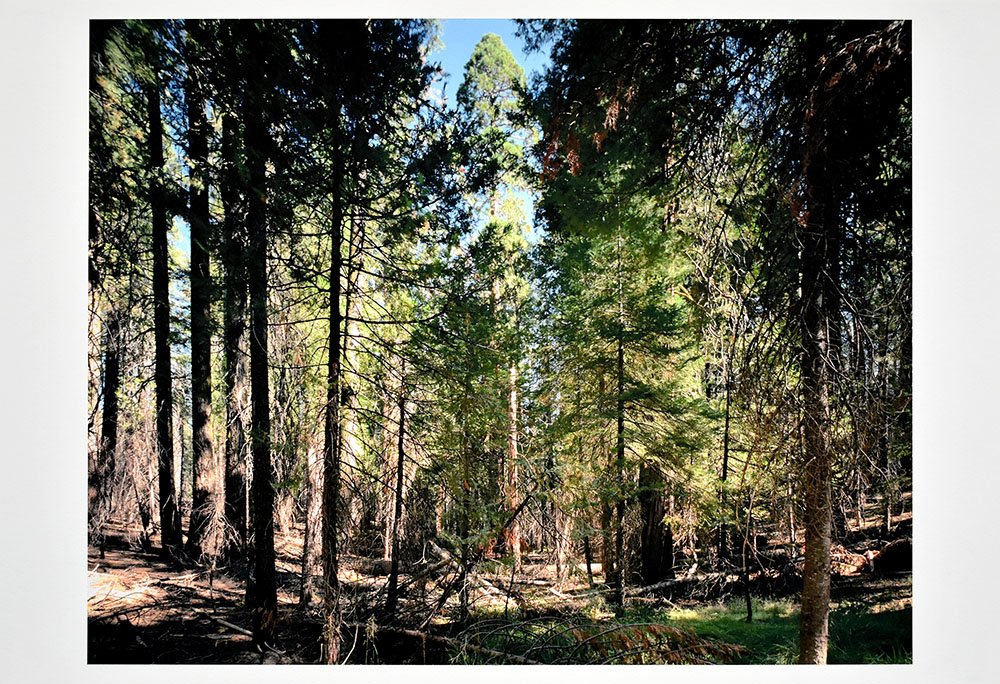
rif. 14740DBo.J. Thomas Struth, geboren 1954 in Geldern. Studium an der Staatlichen Kunstakademie Düsseldorf 1973 - 1980, Malerei bei Gerhard Richter und Peter Kleeman, ab 1976 Fotografie bei Bernd Becher. Fotograf der Düsseldorfer Fotoschule. [4 Warenabbildungen]
2005rif. ANAIS-0153522836HARCOURT SCHOOL PUBLISHERS 2005-11-01. 1. paperback. Good. 21.6x1.3x27.9. Buy with confidence. Excellent Customer Service & Return policy. HARCOURT SCHOOL PUBLISHERS paperback
2004rif. ANAIS-015341670XHARCOURT SCHOOL PUBLISHERS 2004-03-01. 1. hardcover. Good. 22.4x3.3x27.7. Buy with confidence. Excellent Customer Service & Return policy. HARCOURT SCHOOL PUBLISHERS hardcover
rif. ANAIS-0153416661HARCOURT SCHOOL PUBLISHERS. hardcover. Good. 8.9x1x11. Buy with confidence. Excellent Customer Service & Return policy. HARCOURT SCHOOL PUBLISHERS hardcover