John Motley Morehead High School (SprBiblio.com
Carillon 1960; 1960
Best.-Nr. B9781014030337Hardback. New. hardcover

The Saint Bookstore · Vereinigtes Königreich45,12 £≈ 53,89 €
38.927 Ergebnisse
1971Best.-Nr. 59844Providence RI: Museum of Art RISD; Department of Art Brown University. As New. Paperback. FREE UPGRADE to Courier/Priority Shipping Upon Request – – IN STOCK AND IMMEDIATELY AVAILABLE FOR SHIPMENT - AS NEW THE TEXT BLOCK IS PRISTINE CLEAN UNMARKED AND IN EXCELLENT CONDITION - - 120 pp. With 121 ills. 28 x 22 cm. -- with a bonus offer-- . 1971. 0686104196 . Museum of Art, RISD; Department of Art, Brown University paperback
Best.-Nr. B9781014030337Hardback. New. hardcover
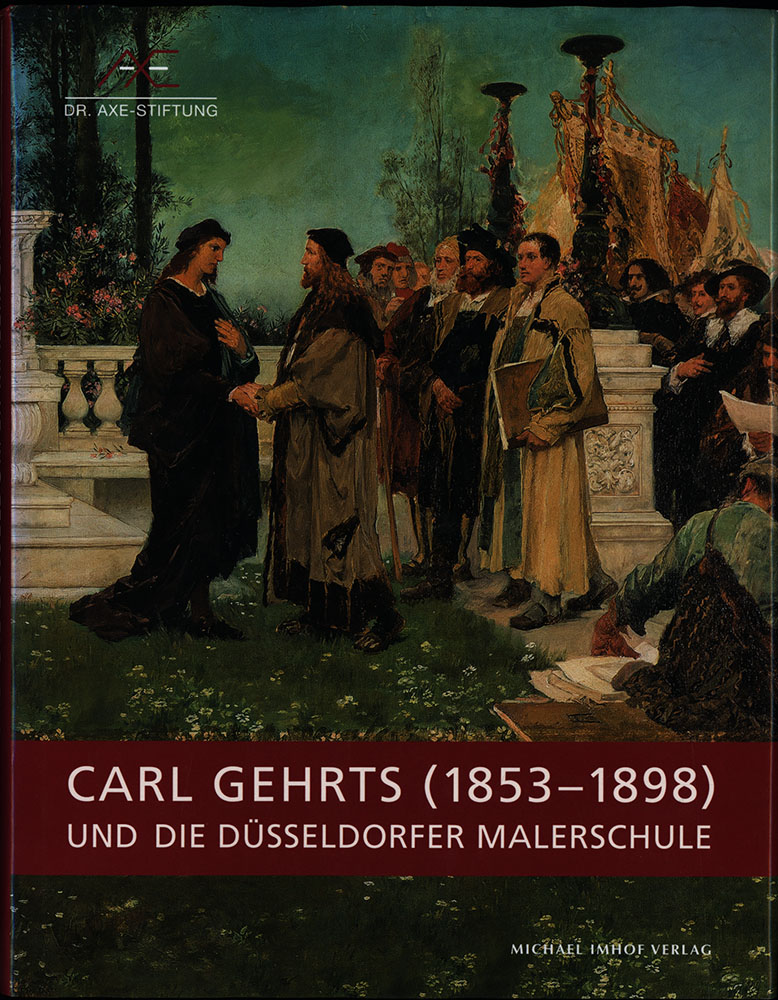
2015Best.-Nr. 64673CBPetersberg, Michael Imhof Verlag, 2015. 4°. 26,5 x 21 cm. 255 Seiten. Original-Leinenband mit Original-Schutzumschlag.
Best.-Nr. 0259988561.Gpaperback. Good. Access codes and supplements are not guaranteed with used items. May be an ex-library book. paperback
Best.-Nr. 0666562466.Ghardcover. Good. Access codes and supplements are not guaranteed with used items. May be an ex-library book. hardcover
Best.-Nr. A9781345295405Hardback. New. hardcover
Best.-Nr. 1345295405.Ghardcover. Good. Access codes and supplements are not guaranteed with used items. May be an ex-library book. hardcover
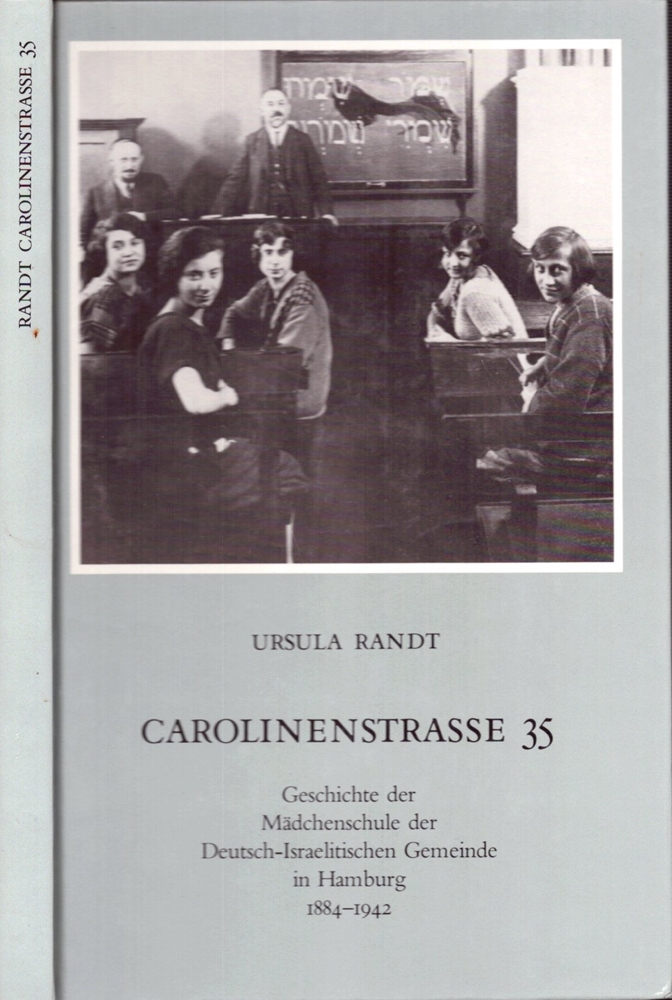
1984Best.-Nr. 11273Hamburg, Selbstvlg. d. Vereins f. Hamburgische Geschichte, 1984. 118 S. Mit 17 Abb. (= Vorträge u. Aufsätze, H. 26). OPp.
Best.-Nr. B9781013826580Hardback. New. hardcover
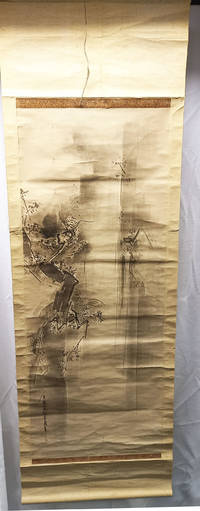
Best.-Nr. 0227-26Japan. Antique hanging paper scroll. Bordered with block printed paper. Heigth 71". Width 23" ca. 181 3 x 58 cm. Wooden roller ends. Folding lines visible slightly rubbed. Japanese paper hanging scroll depicting the Japanese legend where a carp becomes a dragon. Probably from the Kano-Ha school. With an unknown signature seal. Japan. unknown
1976A clean, unmarked book with a tight binding. Text in Italian. 10 1/4"w x 13 3/4"h. Pages and cover show some spots and foxing. Color illustrations. 24 pages.
Best.-Nr. 0331175940.Ghardcover. Good. Access codes and supplements are not guaranteed with used items. May be an ex-library book. hardcover
1941Best.-Nr. 4447307136pp technical illustrations no dustjacket flyleaf clipped light wear to covers unmarked. D. Van Nostrand Company Inc. hardcover
Best.-Nr. 73-0453New York: Ronald Press Company 1949. 8vo. Dust Jacket. Signs of shelf wear minor creases. Very Good. New York: Ronald Press Company, 1949. unknown
1850Acquaforte, tratta da 'A series of subiects peculiar to the campagna of Rome and Pontine marshes designed from nature and etched by C. Coleman', edito a Roma nel 1850. Magnifica prova, impressa su carta cina applicata su cartoncino, pieni margini, in perfetto stato di conservazione. Charles Coleman è stato un pittore inglese di paesaggi e animali, nato a Pontefract, nello Yorkshire, in Inghilterra. Fu attivo principalmente a Roma, dove fu un'importante influenza su Nino Costa e diede un contributo significativo alla formazione della Scuola di pittura di Campagna Romana. Dalle brulle colline dello Yorkshire, Charles Coleman arriva a Roma nel 1831 e si mostra un pittore appassionato del territorio che circonda l’urbe, pubblicando alla metà del secolo, presso la libreria Spithover, un ricco volume con 53 acqueforti: A series of subiects peculiar to the campagna of Rome and Pontine marshes designed from nature and etched by C. Coleman. I paesaggi che Coleman rappresenta somigliano molto alle vedute desolate del suo Yorkshire, “ventose e abitate soltanto dall’erica”. Nella gran parte delle vedute dell’artista inglese il paesaggio si presenta con vivaci contrapposti, facendo sì che Coleman rappresenti un vero e proprio maestro per una o due generazioni di pittori romani e non solo. Era sprezzante dell'insegnamento accademico, credendo che l'osservazione dalla natura fosse la migliore educazione per un artista. Espose cinque volte alla Royal Academy di Londra, per l'ultima volta nel 1869. Etching from the 'A series of subiects peculiar to the campagna of Rome and Pontine marshes designed from nature and etched by C. Coleman', printed in Rome in 1850. A fine work, printed on China paper and laid on cardboard, full margins, in perfect condition. Charles Coleman was an English landscape and animal painter, born in Pontefract, Yorkshire, England. He was active primarily in Rome, where he was an important influence on Nino Costa and made a significant contribution to the formation of the School of "Campagna Romana" Painting. From the barren hills of Yorkshire, Charles Coleman arrived in Rome in 1831 and showed himself a passionate painter of the territory surrounding the urbe, publishing in the middle of the century, at the Spithover bookstore, a rich volume with 53 etchings: A series of subiects peculiar to the countryside of Rome and Pontine marshes designed from nature and etched by C. Coleman. The landscapes that Coleman depicts are very similar to the desolate views of his Yorkshire, "windy and inhabited only by heather". In most of the English artist's views, the landscape is presented with vivid contrasts, making Coleman a true master for a generation or two of painters in Rome and beyond. He was contemptuous of academic teaching, believing that observation from nature was the best education for an artist. He exhibited five times at the Royal Academy in London, for the last time in 1869.
Best.-Nr. 75-7487Boston: Barbara & Steven Grossman Gallery School of the Museum of Fine Arts 1995. 8vo. Stapled Wrap ca. 35 pp. Color Plates Very good. Boston: Barbara & Steven Grossman Gallery, School of the Museum of Fine Arts, 1995 unknown
Best.-Nr. 32585Mons, Galerie d'Art 7, 1996. 15 x 22, sans pagination, nombreux dessins et illustrations, broché, très bon état.
Best.-Nr. 12165Paris, Georges Fall, 1979 26 x 29, 253 pp., nombreuses planches en N/B et en couleurs, cartonnage éditeur + jaquette,très bon état
2016Best.-Nr. ART65465420516Paris, Cassandre/Horschamp, printemps 2016, 22 x 28, 50 pages sous couverture souple illustrée. Illustrations noir & blanc.
in-8°, 329 pages, broché sous jaquette. Très bel exemplaire, très frais. [MA-2]
in-8°, 367 pages, broché sous jaquette. Très bel exemplaire, très frais. [MA-2]
1978Acquaforte, 1978, firmata e datata in lastra in basso al centro. Firma a matita Beppi Zancan in basso a destra. Esemplare stampato su carta cina, in perfetto stato di conservazione. Beppi Zancan nacque a Torino il 14 febbraio del 1936 da una famiglia di origine veneta di giuristi, medici e docenti universitari. Durante la guerra, riparó con la famiglia nella villa di Viverone, dove trascorse alcuni degli anni piú belli della fanciullezza insieme al fratello Giampaolo, divenuto poi uno tra i più noti avvocati penalisti italiani. Rientrato a Torino, frequentó il liceo classico presso l’Istituto Sociale dei padri Gesuiti, dove si distinse come studente brillante e geniale. Si laureó in giurisprudenza con Norberto Bobbio, del quale fu assistente, elaborando una tesi di filosofia del diritto sul concetto di giustizia in Dostoevskij, che fu molto apprezzata e che ottenne numerosi riconoscimenti. L’amore per Dostoevskij, che Beppi leggeva anche in lingua originale, rimase una costante della sua intera esistenza. Assolto il servizio militare a Casale, tornó a Torino dove, abbandonó la carriera universitaria, per una sua incompatibilitá con le formalitá piú rigide e canoniche, da artista intenso ed eccentrico qual era. Trasferitosi a Milano, incontró Arrigo Polillo, direttore della rivista Musica Jazz e direttore del personale di Arnoldo Mondadori, che, apprezzatene le doti di musicista e riconosciutone l’estro creativo, lo volle con sé come pubblicitario e creativo. É di questo periodo, nel 1967, la sua prima mostra personale di incisioni, ordinata presso la galleria L’Arte Antica di Torino. Si trattava di incisioni di grandissimo talento tecnico, strettamente correlate al lavoro del Maestro ideale di Beppi Zancan, Rembradt. Nel 1971 espose di nuovo all’Arte Antica di Torino e al Gabinetto delle Stampe di Milano e nel 1974 al Casinò di Sanremo. Nel 1974, divenne giornalista professionista e, nel 1975, gli fu affidata la direzione de Il Mago, una delle più importanti riviste di fumetti italiane, sulle cui pagine trovavano spazio tavole di giovani autori italiani esordienti così come strisce straniere, prevalentemente umoristiche. In quello stesso anno conobbe Carlotta Frattini, che divenne sua moglie l’anno successivo. Ancora nel 1976, ordinò una nuova mostra di incisioni, nuovamente presso la galleria L’Arte Antica, mentre la prima esposizione torinese di opere pittoriche avvenne soltanto nel 1981, presso la galleria Quaglino di piazza San Carlo; qui espose le sue tele, in cui l’impronta dei grandi impressionisti, tra i quali soprattutto Van Gogh e Cezanne emergeva forte ed evidente. La pennellata di Beppi Zancan rimane tuttavia personale e autonoma, pur riflettendo ardentemente l’ammirazione per quei grandi. Etching, 1978, signed and dated in plate at lower center. Signature in pencil Beppi Zancan at lower right. Example printed on china paper, in perfect condition. Beppi Zancan was born in Turin on February 14, 1936 into a family of Venetian origin of jurists, doctors and university professors. During the war, he took refuge with his family in the villa in Viverone, where he spent some of the best years of his childhood together with his brother Giampaolo, who later became one of the most famous Italian criminal lawyers. Back in Turin, he attended the classical high school at the Social Institute of the Jesuit Fathers, where he distinguished himself as a brilliant and brilliant student. He graduated in law with Norberto Bobbio, of whom he was an assistant, elaborating a thesis on the philosophy of law on the concept of justice in Dostoevsky, which was much appreciated and received numerous awards. The love for Dostoevsky, which Beppi also read in the original language, remained a constant throughout his life. After completing his military service in Casale, he returned to Turin where he abandoned his university career, due to his incompatibility with the most rigid and canonical formalities, as an intense and eccentric artist that he was. After moving to Milan, he met Arrigo Polillo, director of the magazine Musica Jazz and personnel director of Arnoldo Mondadori, who, appreciating his talents as a musician and recognizing his creative flair, wanted him with him as a publicist and creative. It is of this period, in 1967, his first personal exhibition of engravings, ordered at the gallery L'Arte Antica in Turin. These were engravings of great technical talent, closely related to the work of Beppi Zancan's ideal master, Rembrandt. In 1971 he exhibited again at the Arte Antica of Turin and at the Gabinetto delle Stampe of Milan and in 1974 at the Casino of Sanremo. In 1974, he became a professional journalist and, in 1975, he was entrusted with the direction of Il Mago, one of the most important Italian comics magazines, on the pages of which there were tables of young Italian authors as well as foreign strips, mainly humorous. In that same year he met Carlotta Frattini, who became his wife the following year. Still in 1976, he ordered a new exhibition of engravings, once again at the gallery L'Arte Antica, while the first Turinese exhibition of paintings took place only in 1981, at the Quaglino gallery in Piazza San Carlo; here he exhibited his canvases, in which the imprint of the great impressionists, among whom above all Van Gogh and Cezanne emerged strong and evident. Beppi Zancan's brushstroke, however, remains personal and autonomous, even though it ardently reflects his admiration for those great artists.
2010Best.-Nr. 2080302106807892Dobun-kan 2010. Soft Cover. Fine. Size: A5 version 212 pages Number of books: 1 Dobun-kan paperback
Best.-Nr. 0199212295.Gpaperback. Good. Access codes and supplements are not guaranteed with used items. May be an ex-library book. paperback
1995Best.-Nr. x-075070408XFalmer Pr 1995. Hardcover. New. 1st edition. 220 pages. 10.00x6.75x1.00 inches. Falmer Pr hardcover