McManus, Beryl; Jarrett, EdithMareMagnum

35 790 résultats
1958579 pages including index, verb appendix, summary of Spanish pronunciation, English-Spanish Dictionary, and Spanish-English Dictionary. Spanish language text for English speakers. Above-average wear. Binding intact. Some markings. A worthy working copy of this revered text. Book
1673réf. 34321Zaragoca: : Por Agustin Verges Y Iuan De Ybar. Very Good with no dust jacket. 1673. Vellum. 4to 11" - 13" tall; El cordero vivo y muerto : vestigios sangrientos. By Jeromimo Escuela El cordero vivo y muerto : vestigios sangrientos del Redentor con la Cruz mansiones del Agnus Dei en su jornada al sacrificio passos a la vida por el camino de la muerte enpleos seraficos de la tercera orden de N. S. P. S. Francisco en la Estaciones de la Via Sacra. Provenance- Michael A Spencer small bookplate. 11" x 8.5". Collation: title 7 other prelim leaves a-e4 A-2B4 2C-2E8 2F-3H4 3L-3P4 3Q6 10 index leaves. Text portion of the volume is paginated from page 1-432 and 445-496 except for the 3 8-leaf signatures 2C 2D and 2E which are numbered by leaf from 201 to 224. Page 432 is the last page of "Via Crucis XI" and p445 is the first page of "Via Crucis XII." Despite the gap in signings the catchword between p432 and p445 matches "Via". Pages 149 353-354 459 mis-paginated 349 343 344 and 229. 3H2 and 3H4 mis-signed. Woodcut letters several woodcut tailpieces printed marginalia. Old limp vellum. Wrinkled owners rubber stamp and notation at lower corner of front pastedown front hinge cracked. Corners of prelims and last leaves and lower corner of front cover have some dog-earing/creasing also occuring in the text thereafter some edgewear to first/least leaves. Minor worming to lower margin resulting in chipping to base of a few leaves inner margin. Occasional old ink marks. Old neatly written paragraph of commentary on back fly leaf in Spanish. Presumed 1st as I can locate no earlier copies. WorldCat locates but 6 copies of this book. Contemporary and possibly original covers. Jesucristo ---Pasión Via Crucis . : Por Agustin Verges Y Iuan De Ybar, hardcover
2004réf. 112El Curso de Navegación de Glénans es el fruto de la enseñanza actual de las Escuelas Glénans métodos basados en la práctica antes que en el conocimiento teórico. Sigue siendo la Biblia de la navegación a vela y es el libro de referencia de todos los apasionados de la mar: desde el principiante al navegante deportivo experto sin olvidarnos del monitor el regatista y el curioso. Fuente de documentación única en su género este libro en sus ediciones sucesivas publicadas a lo largo de cuarenta años es el reflejo de la experiencia permanente renovada de los monitores y patrones de Glénans. NOTA IMPORTANTE: Los costos por concepto de envío reflejados en la presente página son puramente referenciales. Si quiere conocer el costo de envío real a su país el cual puede ser tanto mayor como menor por favor pregunte con toda confianza. Ediciones Tutor (In Spanish Language) hardcover
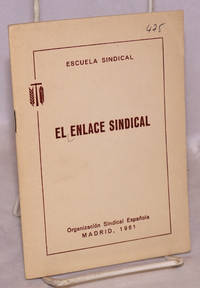
1961réf. 7207Madrid: Organización Sindical Española 1961. 40p. stapled wraps lightly toned ownership stamp on front blank else very good condition. Text in Spanish. Organización Sindical Española unknown books
1893réf. 45766México: Oficina Tip. de la Secretaría de Fomento 1893. First edition. Quarter calf over marbled boards five raised bands gilt titles & embellishments marbled endpapers. Spine chipped at head and separated from front board boards rubbed bookseller ticket to front paste down contents browned minor soiling one tear affecting small portion of text. vii 472 pp. 21 plates; 96 pp. Illus. with b/w plates. 4to. "El Estudio. Semanario de Ciencias Medicas. Organo del Instituto Medico Nacional. Tomo IV" containing a total of 11 issues running from Abril 1891 through Diciembre 1893: Num 1: Abril de 1891; Num. 2: Mayo de 1891; Num. 3: Julio de 1891; Num. 4: Agosto de 1891; Num. 5: Setiembre de 1891; Num. 6: Octubre de 1891; Num. 7: Febrero de 1892; Num. 8: Setiembre de 1892; Num. 9: Febrero de 1893; Num. 10: Marzo de 1893; Num. 11: Diciembre 1893. This volume contains 19 out of sequence plates and two additional folding plates unnumbered. Bound with "Monografías Mexicanas de Materia Médica: Coleccion de Tésis Inaugurales y de Concurso de la Escuela Nacional de Medicina de México Acopiadas y Reproducidas por 'El Estudio' Tomo II." Two of the plates from "El Studio" numbered IV & V appear out of sequence. Palau 84643 Ker p.35. Oficina Tip. de la Secretaría de Fomento hardcover
1893réf. 45766México: Oficina Tip. de la Secretaría de Fomento 1893. First edition. Quarter calf over marbled boards five raised bands gilt titles & embellishments marbled endpapers. Spine chipped at head and separated from front board boards rubbed bookseller ticket to front paste down contents browned minor soiling one tear affecting small portion of text. vii 472 pp. 21 plates; 96 pp. Illus. with b/w plates. 4to. "El Estudio. Semanario de Ciencias Medicas. Organo del Instituto Medico Nacional. Tomo IV" containing a total of 11 issues running from Abril 1891 through Diciembre 1893: Num 1: Abril de 1891; Num. 2: Mayo de 1891; Num. 3: Julio de 1891; Num. 4: Agosto de 1891; Num. 5: Setiembre de 1891; Num. 6: Octubre de 1891; Num. 7: Febrero de 1892; Num. 8: Setiembre de 1892; Num. 9: Febrero de 1893; Num. 10: Marzo de 1893; Num. 11: Diciembre 1893. This volume contains 19 out of sequence plates and two additional folding plates unnumbered. Bound with "Monografías Mexicanas de Materia Médica: Coleccion de Tésis Inaugurales y de Concurso de la Escuela Nacional de Medicina de México Acopiadas y Reproducidas por 'El Estudio' Tomo II." Two of the plates from "El Studio" numbered IV & V appear out of sequence. Palau 84643 Ker p.35. Oficina Tip. de la Secretaría de Fomento hardcover books
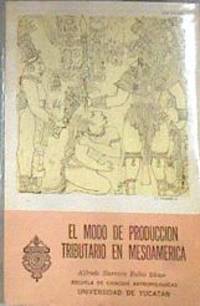
1984réf. 179623Autor Editor 1984. Tapa blanda. 2ª Mano - Bueno. . . ISSN 1130-6157 Nº. 2. antropologia Culturas precolombinas Mayas. incluye desplegables economia impuestos. 375 p. 21x14 cm. tapa blanda Autor Editor unknown
réf. 9682461421.Gpaperback. Good. Access codes and supplements are not guaranteed with used items. May be an ex-library book. paperback
réf. 100-243501944 Yearbook Staff of Point Loma High School. Hardcover. Good. Good condition with wear and markings. 1944 Yearbook Staff of Point Loma High School hardcover
réf. 9589442846.Gpaperback. Good. Access codes and supplements are not guaranteed with used items. May be an ex-library book. paperback
1997réf. Q-0816730725HARCOURT SCHOOL PUBLISHERS 1997-01-01. Paperback. New. New. In shrink wrap. Looks like an interesting title! HARCOURT SCHOOL PUBLISHERS paperback
1799Acquaforte, acquatinta brunita e bulino, 1799.Dalla rara prima edizione di dodici della serie detta Los Caprichos, tavola 54.Magnifica prova, particolarmente nitida, impressa su carta vergata coeva, con usuali ampli margini, in perfetto stato di conservazione.La serie chiamata Los Caprichos, è composta da ottanta incisioni. Questa prima edizione del 1799, l’unica a non essere pubblicata postuma, è impressa su soffice carta vergata di gran qualità ed è stampata usando un delicato inchiostro seppia. Curata in fase d’edizione dallo stesso artista, la serie fu commercializzata e dopo poco tempo ritirata dal mercato. Infatti, a causa dei numerosi soggetti che ironizzavano sulla società spagnola di fine secolo, il Goya subì una censura. Per questo ne sono stimati solo circa 300 esemplari. L’interpretazione dei soggetti rappresentati su queste lastre, sempre enigmatiche, è spesso controversa In questo soggetto Goya affronta il tema del mondo alla rovescia. Nella scena ci sono tre personaggi, il centro dell'attenzione è l'uomo che sta mangiando, e che cerca di evitare tutti gli sguardi, vergognandosi dei tratti osceni del suo viso. L'artista ha chiaramente indicato il suo pensiero disegnando la cintura di un paio di pantaloni sopra la testa del personaggio. I nasi sono una presenza notevole sul viso, e nel linguaggio popolare "nasi" è un chiaro eufemismo sessuale. Il modo in cui il viso è costruito, in modo che sopracciglia, occhi e naso evochino l'apparato genitale maschile, rafforzerebbe lo stesso senso. Altri commenti insinuano che la figura, nel piano superiore, con i suoi grandi pugni serrati, stia commettendo sodomia con la figura che tiene il vaso da cui mangia l'uomo vergognoso. L'anno 1799 è uno dei momenti chiave nella vita e nel lavoro di Francisco de Goya. Oltre ad essere nominato primo pittore da camera di Goya, a godere di un crescente prestigio come ritrattista e ad inaugurare la cappella di San Antonio de la Florida, che aveva decorato, il 6 febbraio il Diario de Madrid pubblicò un annuncio in cui venivano messe in vendita le ottanta stampe che compongono la serie dei Caprichos. Bellissimo esemplare. Al verso timbro di collezione HENRI MARIE PETIET (Saint-Prix, Seine-et-Oise, 1894-1980), editore, libraio e mercante di stampe a Parigi (Lugt 5031). - The rare first edition -Etching, burnished aquatint and engraving, 1799.From the rare first edition (of twelve) of Los Caprichos, plate 54.A very fine impression, showing a good contrast, on contemporary paper, with usual wide margins, perfect condition.The series called Los Caprichos, consists of eighty etchings. This first edition of 1799, the only one not to be published posthumously, is imprinted on soft laid paper of great quality and is printed using a delicate sepia ink. Cured in phase edition by the same artist, the series was marketed and before long withdrawn from the market. In fact, because of the many subjects that mocked the Spanish society of the century, Goya suffered censorship. For this it is estimated only about 300 copies. The interpretation of the subjects represented on these plates, always enigmatic, is often controversial. In this print Goya approaches the theme of the world upside down. In the scene there are three characters, being the focus of attention the man who is eating, and tries to avoid all eyes, ashamed of the obscene features of his face. The artist has clearly indicated his thinking by drawing above the character's head the waistband of a pair of pants. The noses take on a notable presence on the face, and in popular language "noses" is a clear sexual euphemism. The way the face is constructed, so that eyebrows, eyes and nose evoke the male genital apparatus, would reinforce the same sense. Other comments insinuate that the figure, in the upper plane, with his large clenched fists, is committing sodomy with the figure holding the vessel from which the shameful man eats. The year 1799 is one of the key moments in the life and work of Francisco de Goya. In addition to being named first chamber painter, enjoying a growing prestige as a portrait painter and the inauguration of the chapel of San Antonio de la Florida, which he had decorated, on February 6 the announcement of the sale of the eighty prints that form the series of the Caprichos was published in the Diario de Madrid. Here, Goya focuses his social criticism on the bestiality of a deformed man whose head emerges from his breeches. Among the slight variations between the print and the preparatory drawing, the most striking is that, in the former, he wears his trousers, but in the latter, he does not. As a result, the latter came to be known as The satire of man’s lechery. Moreover, this is the only drawing in the series to mix red-ink wash with pen. Valentín Carderera’s handwritten commentaries on the Caprichos, which are in both the Biblioteca Nacional and the Museo del Prado, further clarify this subject. The first reads: Men with large noses also tend to have large arrows [here, “arrow” is a euphemism for penis] and fat gandumbas [testicles]. As they are often sodomites, this one is depicted with his breeches on his head, with his pudenda hanging out as he lies on top of a poor devil and pulls up his skirts. The second commentary completes the information: There are men whose face is the most indecent part of their body, and it would be good if those whose face is that disgraceful and ridiculous would stick it in their breeches. Example from the HENRI MARIE PETIET (Saint-Prix, Seine-et-Oise, 1894-1980) collection (Lugt 5031). Harris 1964, 89.
1799Opera tratta dai Los Caprichos, per la prima volta pubblicati nel 1799.Prova della quarta edizione di dodici, stampata dalla calcografia di Madrid, circa 1870.Acquaforte, acquatinta brunita e puntasecca, in perfetto stato di conservazione.La serie chiamata Los Caprichos, è composta da ottanta incisioni, la cui prima edizione [l’unica a non essere pubblicata postuma] venne alla luce ne 1799. Curata in fase d’edizione dallo stesso artista, la serie fu commercializzata e dopo poco tempo ritirata dal mercato.Infatti, a causa dei numerosi soggetti che ironizzavano sulla società spagnola di fine secolo, il Goya subì una censura. L’interpretazione dei soggetti rappresentati su queste lastre, sempre enigmatiche, è spesso controversa. In questo soggetto Goya affronta il tema del mondo alla rovescia. Nella scena ci sono tre personaggi, il centro dell'attenzione è l'uomo che sta mangiando, e che cerca di evitare tutti gli sguardi, vergognandosi dei tratti osceni del suo viso. L'artista ha chiaramente indicato il suo pensiero disegnando la cintura di un paio di pantaloni sopra la testa del personaggio. I nasi assumono una presenza notevole sul viso, e nel linguaggio popolare "nasi" è un chiaro eufemismo sessuale. Il modo in cui il viso è costruito, in modo che sopracciglia, occhi e naso evochino l'apparato genitale maschile, rafforzerebbe lo stesso senso. Altri commenti insinuano che la figura, nel piano superiore, con i suoi grandi pugni serrati, stia commettendo sodomia con la figura che tiene il vaso da cui mangia l'uomo vergognoso. L'anno 1799 è uno dei momenti chiave nella vita e nel lavoro di Francisco de Goya. Oltre ad essere nominato primo pittore da camera di Goya, a godere di un crescente prestigio come ritrattista e ad inaugurare la cappella di San Antonio de la Florida, che aveva decorato, il 6 febbraio il Diario de Madrid pubblicò un annuncio in cui venivano messe in vendita le ottanta stampe che compongono la serie dei Caprichos. Etching with burnished aquatint and engraving, 1799.From the fourth edition of twelve of the so-called Los Caprichos series, edited by the Madrid Calcografia [circa 1870].A very good impression, with good contrast, printed on contemporary paper, usual wide margins, in very good conditions.The series called Los Caprichos, consists of eighty etchings. This first edition of 1799, the only one not to be published posthumously, is imprinted on soft laid pape.Cured in phase edition by the same artist, the series was marketed and before long withdrawn from the market. In fact, because of the many subjects that mocked the Spanish society of the century, Goya suffered censorship.The interpretation of the subjects represented on these plates, always enigmatic, is often controversial. In this print Goya approaches the theme of the world upside down. In the scene there are three characters, being the focus of attention the man who is eating, and tries to avoid all eyes, ashamed of the obscene features of his face. The artist has clearly indicated his thinking by drawing above the character's head the waistband of a pair of pants. The noses take on a notable presence on the face, and in popular language "noses" is a clear sexual euphemism. The way the face is constructed, so that eyebrows, eyes and nose evoke the male genital apparatus, would reinforce the same sense. Other comments insinuate that the figure, in the upper plane, with his large clenched fists, is committing sodomy with the figure holding the vessel from which the shameful man eats. The year 1799 is one of the key moments in the life and work of Francisco de Goya. In addition to being named first chamber painter, enjoying a growing prestige as a portrait painter and the inauguration of the chapel of San Antonio de la Florida, which he had decorated, on February 6 the announcement of the sale of the eighty prints that form the series of the Caprichos was published in the Diario de Madrid. Here, Goya focuses his social criticism on the bestiality of a deformed man whose head emerges from his breeches. Among the slight variations between the print and the preparatory drawing, the most striking is that, in the former, he wears his trousers, but in the latter, he does not. As a result, the latter came to be known as The satire of man’s lechery. Moreover, this is the only drawing in the series to mix red-ink wash with pen. Valentín Carderera’s handwritten commentaries on the Caprichos, which are in both the Biblioteca Nacional and the Museo del Prado, further clarify this subject. The first reads: Men with large noses also tend to have large arrows [here, “arrow” is a euphemism for penis] and fat gandumbas [testicles]. As they are often sodomites, this one is depicted with his breeches on his head, with his pudenda hanging out as he lies on top of a poor devil and pulls up his skirts. The second commentary completes the information: There are men whose face is the most indecent part of their body, and it would be good if those whose face is that disgraceful and ridiculous would stick it in their breeches. Example fomr the HENRI MARIE PETIET (Saint-Prix, Seine-et-Oise, 1894-1980) collection (Lugt 5031). Harris 89; Delteil 91.
194790 pages. Hundreds of reproductions of black and white photos. Generous section of nostalgic local ads. Few autographs. Above-average wear and soiling. A worthy copy of this wonderful vintage yearbook. Book
194898 pages. Hundreds of reproductions of black and white photos. Generous section of nostalgic local ads. Few autographs. Heavy external wear and soiling. A worthy copy of this wonderful vintage yearbook. Book
réf. 0243417101.Gpaperback. Good. Access codes and supplements are not guaranteed with used items. May be an ex-library book. paperback
réf. 0332423859.Ghardcover. Good. Access codes and supplements are not guaranteed with used items. May be an ex-library book. hardcover
réf. 0365177105.Ghardcover. Good. Access codes and supplements are not guaranteed with used items. May be an ex-library book. hardcover
réf. 0243403291.Gpaperback. Good. Access codes and supplements are not guaranteed with used items. May be an ex-library book. paperback
réf. 0243426860.Gpaperback. Good. Access codes and supplements are not guaranteed with used items. May be an ex-library book. paperback
réf. 0243440405.Gpaperback. Good. Access codes and supplements are not guaranteed with used items. May be an ex-library book. paperback
réf. 0483901873.Ghardcover. Good. Access codes and supplements are not guaranteed with used items. May be an ex-library book. hardcover
réf. 0656345276.Ghardcover. Good. Access codes and supplements are not guaranteed with used items. May be an ex-library book. hardcover
réf. 0656344547.Ghardcover. Good. Access codes and supplements are not guaranteed with used items. May be an ex-library book. hardcover
réf. R150141828CHEZ L AUTEUR.. 1955.. In-4. Broché. Bon état, Couv. légèrement passée, Dos satisfaisant, Intérieur frais. 172 pages. Nombreux schémas en noir et blanc dans le texte. Exercices vierges.. . . . Classification Dewey : 370-Education