Evarts High School Humanities ClassBiblio.com
35 158 résultats
1988réf. 025415Evarts KY: Shoestring Press 1988. Book. VG. Soft cover. 2nd Edition. 4to. Quarto xvi 215pp index well illustrated with historical photographs stiff printed wraps light general wear only overall very clean and bright inside and out. Contents include Early History of Cloverfork Coxton Area Jones Creek / Verda Area Evarts Area Black Mountain Area Shields Area and Holmes Mill Area. Scarce. Shoestring Press paperback
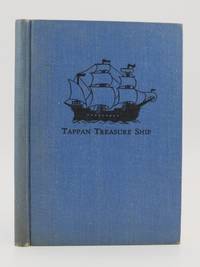
1929réf. 21770Ann Arbor Michigan: Tappan Junior High School. Very Good. Hardcover. Rare. Blue cloth cover has wear to corners and caps but is clean bright and in very good condition. Boards and spine are straight. Binding is tight. Pages are lightly toned but clean and very good. . 1929. Tappan Junior High School hardcover
réf. 12156Fort dossier des archives d'Henri Iselin avec un tapuscrit : "Au vent de la Flibuste. Roman d'Aventures historiques et maritimes. Preface du Vice-amiral Misoffe " (titre manuscrit figurant sur la chemise servant de couverture). Sur le 1er feuillet intérieur le titre tapuscrit devient : "Henri Iselin. Aux vents de l'aventure… A travers l 'histoire de la Flibuste aux Antilles" (avec la mention manuscrite "illustrations de l'auteur"). Au verso de la 1ère couverture carte de visite commerciale en couleurs de Henri Iselin,avec son adresse manuscrite. Au total 234pp. Très rares ratures ou corrections de ponctuation.
2021réf. 2081502111901944Chinese book office 2021. Soft Cover. Fine. The book is in fine condition. Chinese book office paperback
1958réf. 80-1025BAberdeen Proving Ground July 1958. 1958. 241p. Photos with facing data. Tanks of major combatants nations from WW I: Britain France Germany Italy Japan Soviet Union & US. Large yellow Wraps. Fine Copy. Paperback. Fine. Book. Aberdeen Proving Ground, July 1958. Paperback
1993réf. 2111902160303353Bunkenshuppan 1993. Soft Cover. Fine. Number of books: 2 Bunkenshuppan paperback
1987réf. 2092902141204189Chinese book office 1987. Soft Cover. Fine. Number of books: 2 Chinese book office paperback
2014réf. 2081502111902334Chinese book office 2014. Soft Cover. Fine. Number of pages: 766p Size: A5 Soft Cover book Chinese book office paperback
1855réf. 2110502151108614Suharaya Shinbei Sousanbou 1855. Soft Cover. Fine. Number of books: 6 Suharaya Shinbei Sousanbou paperback
1985réf. 2091202133207319Heibonsha 1985. Soft Cover. Fine. Number of books: 3 books in total Heibonsha paperback
1989réf. 2111902156201347Toho shoten 1989. Soft Cover. Fine. Number of pages: 283 pages Size: B6 size Toho shoten paperback
1987réf. 2092902141204579Chinese book office 1987. Soft Cover. Fine. Number of books: 2 Chinese book office paperback
1782réf. 2091202133203456Kihei Kashiwaya and others 1782. Soft Cover. Fine. Number of books: 3 books in total Kihei Kashiwaya and others paperback
1992réf. 2091202133212930Culture publishing company 1992. Soft Cover. Fine. Number of books: 7 books in total Culture publishing company paperback
2021réf. 2081502111906032Chinese book office 2021. Soft Cover. Fine. The book is in fine condition. Chinese book office paperback
1954réf. 2081002108500232People's Literature Publishing House Beijing 1954. Soft Cover. Fine. Number of books: 1 People's Literature Publishing House, Beijing paperback
réf. 2080202103702430Tanegashima High School Tanegashima High School Tanegashima High School N.A. Soft Cover. Fine. Size: B5 Tanegashima High School Tanegashima High School Tanegashima High School paperback
réf. 2080202103702428Tanegashima High School Tanegashima High School Tanegashima High School N.A. Soft Cover. Fine. Size: B5 Tanegashima High School Tanegashima High School Tanegashima High School paperback
réf. 2080202103702684Tanegashima High School Tanegashima High School Tanegashima High School N.A. Soft Cover. Fine. Size: B5 Tanegashima High School Tanegashima High School Tanegashima High School paperback
réf. 2080202103702429Tanegashima High School Tanegashima High School Tanegashima High School N.A. Soft Cover. Fine. Size: B5 Tanegashima High School Tanegashima High School Tanegashima High School paperback
2020réf. 2090202123003713Tanba kotokan 2020. Soft Cover. Fine. The book is in fine condition. Tanba kotokan paperback
1867Acquaforte e bulino, circa 1810/15. Il titolo dell’opera è tratto da una scrittura a mano in una prova di stampa dell’opera che Goya include nell’album dei “Disastri della guerra” che donò al suo amico Ceán Bermúdez e che ora è conservato al British Museum di Londra. Il disegno preparatorio dell’opera è conservato al Prado di Madrid. Esemplare nel terzo stato di quattro, inserito nella Gazette des Beaux-Arts (1867); si tratta della prima vera edizione dell’opera, conosciuta altrimenti solo attraverso due prove di stampa. "A seated prisoner raises his clasped hands, both fastened with chains, in a gesture of supplication. We cannot see his features since his face is hidden beneath his long, dark hair. His feet are fastened in large shackles. Both the chains and the shackles are of considerable size, underlining their importance in any interpretation of the print. In fact, just as the title of the etching shows, the painter is comparing the excessive zeal employed in preventing the prisoner from escaping to the brutality of the crime he is accused of. It is possible that the way in which the prisoner is secured in this work by Goya was habitual at the time, an idea which is supported by certain passages of Forensic Discourses (Discursos forenses), by Juan Meléndez Valdés (Ribera del Fresno, Badajoz, 1754- Montpellier, 1814), whose portrait Goya painted in 1797. This book, published in Madrid in 1821, speaks of the cumbersome chains and shackles used to hold one María Vicente, put to death on the 23rd April 1798. Goya could well have known of her story: "But it is said that Doña María Vicente must have been treated, as the noblewoman that she is, in a very different manner, and not locked in shackles; and even thus fettered it was the judge's responsibility to examine their state and quality beforehand, to order them put on correctly". The painter has made extensive use of the etching technique here, building up the background with short, horizontal lines, whilst leaving large areas on the prisoner's clothing untouched and white, underlining his innocence. This etching would have been made at the same time as two others: The custody of a prisoner does not call for torture and If he is guilty, let him die quickly. In these images, Goya openly expresses his repulsion of the way in which prisoners were treated, as well as his opposition to the death penalty, echoing the ideas of Cesare Beccaria (Milan, 1738- Milan, 1794). In the pages of the work entitled Dei deliti e delle pene, published between 1763 and 1764, the Milanese talks of the need to modify the penal system, to lessen the severity of punishments and to seek out mechanisms for preventing crime. It is possible that these etchings also contributed to the debate on the abolition of torture which was being discussed in the Courts of Cádiz. Goya reiterates this same topic in some of the prints in his Disasters of War series, such as no. 15, And it can't be helped, no. 31, That's tough!, no. 32, Why?, no. 34, On account of a knife, no. 35, One can't tell why and no. 36, Not in this case either. Despite the gritty subject matter, the figure depicted in this etching possesses great dignity, recalling some earlier precedents which Goya may have been familiar with. One of these is an anonymous print based on Interior of a Prison (16th century, Museum of Fine Arts, Boston), by Giulio Romano (Rome, 1499-Mantua, 1596). When he was making this print, Goya may also have had in mind the disturbing, gloomy ambience of the prisons of Giambattista Piranesi (Mogliano Veneto, Treviso, 1720- Roma, 1778)." (cfr. https://fundaciongoyaenaragon.es/eng/obra/tan-barbara-la-seguridad-como-el-delito/712). Tomás Harris ritiene che la matrice di rame si trovi in una collezione privata di Parigi. Bibliografia Harris 26 III/IV; Delteil 31. Etching and engraving, circa 1810/15. The title of this work is taken from the handwritten title of a state proof that Goya included in the album of his Disasters of War prints which he gave to his friend Ceán Bermúdez and which is now in the British Museum, London. The preparatory drawing for this etching is in the Prado Museum, Madrid. Example of the third state of four, form the Gazette des Beaux-Arts (1867), firts edition of this work, before known only for proof states. "A seated prisoner raises his clasped hands, both fastened with chains, in a gesture of supplication. We cannot see his features since his face is hidden beneath his long, dark hair. His feet are fastened in large shackles. Both the chains and the shackles are of considerable size, underlining their importance in any interpretation of the print. In fact, just as the title of the etching shows, the painter is comparing the excessive zeal employed in preventing the prisoner from escaping to the brutality of the crime he is accused of. It is possible that the way in which the prisoner is secured in this work by Goya was habitual at the time, an idea which is supported by certain passages of Forensic Discourses (Discursos forenses), by Juan Meléndez Valdés (Ribera del Fresno, Badajoz, 1754- Montpellier, 1814), whose portrait Goya painted in 1797. This book, published in Madrid in 1821, speaks of the cumbersome chains and shackles used to hold one María Vicente, put to death on the 23rd April 1798. Goya could well have known of her story: "But it is said that Doña María Vicente must have been treated, as the noblewoman that she is, in a very different manner, and not locked in shackles; and even thus fettered it was the judge's responsibility to examine their state and quality beforehand, to order them put on correctly". The painter has made extensive use of the etching technique here, building up the background with short, horizontal lines, whilst leaving large areas on the prisoner's clothing untouched and white, underlining his innocence. This etching would have been made at the same time as two others: The custody of a prisoner does not call for torture and If he is guilty, let him die quickly. In these images, Goya openly expresses his repulsion of the way in which prisoners were treated, as well as his opposition to the death penalty, echoing the ideas of Cesare Beccaria (Milan, 1738- Milan, 1794). In the pages of the work entitled Dei deliti e delle pene, published between 1763 and 1764, the Milanese talks of the need to modify the penal system, to lessen the severity of punishments and to seek out mechanisms for preventing crime. It is possible that these etchings also contributed to the debate on the abolition of torture which was being discussed in the Courts of Cádiz. Goya reiterates this same topic in some of the prints in his Disasters of War series, such as no. 15, And it can't be helped, no. 31, That's tough!, no. 32, Why?, no. 34, On account of a knife, no. 35, One can't tell why and no. 36, Not in this case either. Despite the gritty subject matter, the figure depicted in this etching possesses great dignity, recalling some earlier precedents which Goya may have been familiar with. One of these is an anonymous print based on Interior of a Prison (16th century, Museum of Fine Arts, Boston), by Giulio Romano (Rome, 1499-Mantua, 1596). When he was making this print, Goya may also have had in mind the disturbing, gloomy ambience of the prisons of Giambattista Piranesi (Mogliano Veneto, Treviso, 1720- Roma, 1778)." (cf. https://fundaciongoyaenaragon.es/eng/obra/tan-barbara-la-seguridad-como-el-delito/712). Tomás Harris believes that the plate for this etching may be in a private collection in Paris. Literature Harris 26 III/IV; Delteil 31. Harris 26, III/IV; Delteil 31.
réf. 200701291Paris, Seuil - l'épreuve des faits, 1984 ; in-8, 370 pp., broché, couverture illustr.
1994réf. 2081502111906119Qilu Book Company 1994. Soft Cover. Fine. Size: hardcover book Qilu Book Company paperback
réf. 2080202103703231Kagoshima Girls' High School N.A. Soft Cover. Fine. Size: B5 Kagoshima Girls' High School paperback