|
National Aeronautics and Space Administration
Rocket and Gantry at night no title on the photograph--description of the image; NASA B-59-714
Washington DC: National Aeronautics and Space Administration 1959. Contemporary print. Photograph. Good. Sheet is approximately 8 inches by 10.5 inches. Black and white photographic image is approximately 9 inches by 6.5 inches. This is printed on photographic paper stock. The image is of a rocket in front of a gantry taken at night. There is a group of people gathered at the base of the rocket. This may be a photograph of the Mercury Redstone or the Mercury Atlas rocket. Mercury-Atlas was a subprogram of Project Mercury that included most of the flights and tests using the Atlas LV-3B launch vehicle. The Atlas was also used for one Mercury flight under the Big Joe subprogram. The photo is contemporary with Project Mercury. Project Mercury was the first human spaceflight program of the United States running from 1958 through 1963. An early highlight of the Space Race its goal was to put a man into Earth orbit and return him safely ideally before the Soviet Union. Taken over from the US Air Force by the newly created civilian space agency NASA it conducted twenty uncrewed developmental flights some using animals and six successful flights by astronauts. The program took its name from Roman mythology. The astronauts were collectively known as the "Mercury Seven" and each spacecraft was given a name ending with a "7" by its pilot. The Mercury-Redstone launch vehicle was the first crewed launch vehicle in the United States space program. The Mercury-Redstone provided NASA with an opportunity understand performance aspects of the Mercury spacecraft the effect of a weightless environment on astronauts and launch and recovery operations at Kennedy Space Center. Development of the Redstone missile began directly after the transfer of the Fort Bliss rocket team to Huntsville Alabama in 1950. The fuselage of the Redstone was developed in-house at the Army's Guided Missile Development Division with Chrysler serving as prime contractor. Peenemunde veteran William A. Mrazek was placed in charge of developing the structure that consisted of pressurized aluminum propellant tanks. The tail unit consisted of a riveted aluminum structure with four stabilizing fins and air rudders with carbon jet vanes extending into the exhaust stream. The initial flight test of the Redstone occurred on August 20 1953 at Cape Canaveral. Between August 1953 and November 1958 37 Redstone missiles were fired altogether with only 13 experiencing any sort of malfunction. On October 7 1958 NASA formally organized Project Mercury to place a manned space capsule in orbital flight around the Earth investigate man's reaction to this new environment and recover the capsule and the pilot safely. The Army agreed to provide ten Redstone and three Jupiter vehicles for NASA's manned space program. Funding for the eight Redstone boosters was provided to the Army Ordnance Missile Command at the Arsenal in January 1959. "Man-rating" for human spaceflight what was previously a ballistic missile was not an easy project. Requirements for the project included launching a two-ton payload to an apogee of 100 nautical miles. The vehicle also had to meet important criteria of safety during launch adequate human factors consideration and necessary performance margins. A key development decision involved using the Jupiter C variation of the Redstone for the project. The Jupiter C design included a propellant tank six feet longer than the Redstone a lighter overall structure and improved performance capable of 78000 pounds of thrust. The elongated tanks of the Jupiter C provided the vehicle with an engine burn time of 143.5 seconds a twenty seconds increase over the Redstone. On July 1 1960 a core group from the Army Ballistic Missile Agency ABMA transferred from the Army to NASA formally creating the Marshall Space Flight Center. With this transfer came overall responsibility for the Mercury-Redstone launch vehicles. By October of that year a status report on Marshall's involvement in Mercury noted that the first two Mercury-Redstones had been assembled by the Marshall Center with many of the components fabricated at Marshall. The Chrysler Corporation had assembled an additional six launch vehicles. The first four of the eight Mercury-Redstone vehicles had been static fired and the first Mercury-Redstone was on the launch pad at Cape Canaveral after a capsule-booster compatibility checkout in Huntsville. National Aeronautics and Space Administration unknown
Bookseller reference : 80611
|
|
|
National Aeronautics and Space Administration
Rocket and Gantry and other Tower no title on the photograph--description of the image; NASA B-60-1512
Washington DC: National Aeronautics and Space Administration 1960. Contemporary print. Photograph. Good. Sheet is approximately 8 inches by 10.5 inches. Black and white photographic image is approximately 9 inches by 6.5 inches. This is printed on photographic paper stock. The image is of a rocket between a gantry and another structure/tower. This may be a photograph of the Mercury Redstone or the Mercury Atlas rocket. Mercury-Atlas was a subprogram of Project Mercury that included most of the flights and tests using the Atlas LV-3B launch vehicle. The Atlas was also used for one Mercury flight under the Big Joe subprogram. The photo is contemporary with Project Mercury. Project Mercury was the first human spaceflight program of the United States running from 1958 through 1963. An early highlight of the Space Race its goal was to put a man into Earth orbit and return him safely ideally before the Soviet Union. Taken over from the US Air Force by the newly created civilian space agency NASA it conducted twenty uncrewed developmental flights some using animals and six successful flights by astronauts. The program took its name from Roman mythology. The astronauts were collectively known as the "Mercury Seven" and each spacecraft was given a name ending with a "7" by its pilot. The Mercury-Redstone launch vehicle was the first crewed launch vehicle in the United States space program. The Mercury-Redstone provided NASA with an opportunity understand performance aspects of the Mercury spacecraft the effect of a weightless environment on astronauts and launch and recovery operations at Kennedy Space Center. Development of the Redstone missile began directly after the transfer of the Fort Bliss rocket team to Huntsville Alabama in 1950. The fuselage of the Redstone was developed in-house at the Army's Guided Missile Development Division with Chrysler serving as prime contractor. Peenemunde veteran William A. Mrazek was placed in charge of developing the structure that consisted of pressurized aluminum propellant tanks. The tail unit consisted of a riveted aluminum structure with four stabilizing fins and air rudders with carbon jet vanes extending into the exhaust stream. The initial flight test of the Redstone occurred on August 20 1953 at Cape Canaveral. Between August 1953 and November 1958 37 Redstone missiles were fired altogether with only 13 experiencing any sort of malfunction. On October 7 1958 NASA formally organized Project Mercury to place a manned space capsule in orbital flight around the Earth investigate man's reaction to this new environment and recover the capsule and the pilot safely. The Army agreed to provide ten Redstone and three Jupiter vehicles for NASA's manned space program. Funding for the eight Redstone boosters was provided to the Army Ordnance Missile Command at the Arsenal in January 1959. "Man-rating" for human spaceflight what was previously a ballistic missile was not an easy project. Requirements for the project included launching a two-ton payload to an apogee of 100 nautical miles. The vehicle also had to meet important criteria of safety during launch adequate human factors consideration and necessary performance margins. A key development decision involved using the Jupiter C variation of the Redstone for the project. The Jupiter C design included a propellant tank six feet longer than the Redstone a lighter overall structure and improved performance capable of 78000 pounds of thrust. The elongated tanks of the Jupiter C provided the vehicle with an engine burn time of 143.5 seconds a twenty seconds increase over the Redstone. On July 1 1960 a core group from the Army Ballistic Missile Agency ABMA transferred from the Army to NASA formally creating the Marshall Space Flight Center. With this transfer came overall responsibility for the Mercury-Redstone launch vehicles. By October of that year a status report on Marshall's involvement in Mercury noted that the first two Mercury-Redstones had been assembled by the Marshall Center with many of the components fabricated at Marshall. The Chrysler Corporation had assembled an additional six launch vehicles. The first four of the eight Mercury-Redstone vehicles had been static fired and the first Mercury-Redstone was on the launch pad at Cape Canaveral after a capsule-booster compatibility checkout in Huntsville. National Aeronautics and Space Administration unknown
Bookseller reference : 80610
|
|
|
National Aeronautics and Space Administration
Rocket and Gantry at night no title on the photograph--description of the image; NASA B-59-555
Washington DC: National Aeronautics and Space Administration 1959. Contemporary print. Photograph. Good. Sheet is approximately 8 inches by 10.5 inches. Black and white photographic image is approximately 9 inches by 6.5 inches. This is printed on photographic paper stock. The image is of a rocket next to a gantry taken at night. There are many people visible at ground level. This may be a photgraph of the Mercury Redstone rocket. It is contemporary with Project Mercury. Project Mercury was the first human spaceflight program of the United States running from 1958 through 1963. An early highlight of the Space Race its goal was to put a man into Earth orbit and return him safely ideally before the Soviet Union. Taken over from the US Air Force by the newly created civilian space agency NASA it conducted twenty uncrewed developmental flights some using animals and six successful flights by astronauts. The program took its name from Roman mythology. The astronauts were collectively known as the "Mercury Seven" and each spacecraft was given a name ending with a "7" by its pilot. The Mercury-Redstone launch vehicle was the first crewed launch vehicle in the United States space program. The Mercury-Redstone provided NASA with an opportunity understand performance aspects of the Mercury spacecraft the effect of a weightless environment on astronauts and launch and recovery operations at Kennedy Space Center. Development of the Redstone missile began directly after the transfer of the Fort Bliss rocket team to Huntsville Alabama in 1950. The fuselage of the Redstone was developed in-house at the Army's Guided Missile Development Division with Chrysler serving as prime contractor. Peenemunde veteran William A. Mrazek was placed in charge of developing the structure that consisted of pressurized aluminum propellant tanks. The tail unit consisted of a riveted aluminum structure with four stabilizing fins and air rudders with carbon jet vanes extending into the exhaust stream. The initial flight test of the Redstone occurred on August 20 1953 at Cape Canaveral. Between August 1953 and November 1958 37 Redstone missiles were fired altogether with only 13 experiencing any sort of malfunction. On October 7 1958 NASA formally organized Project Mercury to place a manned space capsule in orbital flight around the Earth investigate man's reaction to this new environment and recover the capsule and the pilot safely. The Army agreed to provide ten Redstone and three Jupiter vehicles for NASA's manned space program. Funding for the eight Redstone boosters was provided to the Army Ordnance Missile Command at the Arsenal in January 1959. "Man-rating" for human spaceflight what was previously a ballistic missile was not an easy project. Requirements for the project included launching a two-ton payload to an apogee of 100 nautical miles. The vehicle also had to meet important criteria of safety during launch adequate human factors consideration and necessary performance margins. A key development decision involved using the Jupiter C variation of the Redstone for the project. The Jupiter C design included a propellant tank six feet longer than the Redstone a lighter overall structure and improved performance capable of 78000 pounds of thrust. The elongated tanks of the Jupiter C provided the vehicle with an engine burn time of 143.5 seconds a twenty seconds increase over the Redstone. On July 1 1960 a core group from the Army Ballistic Missile Agency ABMA transferred from the Army to NASA formally creating the Marshall Space Flight Center. With this transfer came overall responsibility for the Mercury-Redstone launch vehicles. By October of that year a status report on Marshall's involvement in Mercury noted that the first two Mercury-Redstones had been assembled by the Marshall Center with many of the components fabricated at Marshall. The Chrysler Corporation had assembled an additional six launch vehicles. The first four of the eight Mercury-Redstone vehicles had been static fired and the first Mercury-Redstone was on the launch pad at Cape Canaveral after a capsule-booster compatibility checkout in Huntsville. National Aeronautics and Space Administration unknown
Bookseller reference : 80608
|
|
|
National Aeronautics and Space Administration
Rocket lifting off near Gantry at night no title on the photograph--description of the image; NASA B-59-557
Washington DC: National Aeronautics and Space Administration 1959. Contemporary print. Photograph. Good. Sheet is approximately 8 inches by 10.5 inches. Black and white photographic image is approximately 9 inches by 6.5 inches. This is printed on photographic paper stock. The image is of a rocket lifting off next to a gantry taken at night. This may be a photograph of the Mercury Redstone rocket. It is contemporary with Project Mercury. Project Mercury was the first human spaceflight program of the United States running from 1958 through 1963. An early highlight of the Space Race its goal was to put a man into Earth orbit and return him safely ideally before the Soviet Union. Taken over from the US Air Force by the newly created civilian space agency NASA it conducted twenty uncrewed developmental flights some using animals and six successful flights by astronauts. The program took its name from Roman mythology. The astronauts were collectively known as the "Mercury Seven" and each spacecraft was given a name ending with a "7" by its pilot. The Mercury-Redstone launch vehicle was the first crewed launch vehicle in the United States space program. The Mercury-Redstone provided NASA with an opportunity understand performance aspects of the Mercury spacecraft the effect of a weightless environment on astronauts and launch and recovery operations at Kennedy Space Center. Development of the Redstone missile began directly after the transfer of the Fort Bliss rocket team to Huntsville Alabama in 1950. The fuselage of the Redstone was developed in-house at the Army's Guided Missile Development Division with Chrysler serving as prime contractor. Peenemunde veteran William A. Mrazek was placed in charge of developing the structure that consisted of pressurized aluminum propellant tanks. The tail unit consisted of a riveted aluminum structure with four stabilizing fins and air rudders with carbon jet vanes extending into the exhaust stream. The initial flight test of the Redstone occurred on August 20 1953 at Cape Canaveral. Between August 1953 and November 1958 37 Redstone missiles were fired altogether with only 13 experiencing any sort of malfunction. On October 7 1958 NASA formally organized Project Mercury to place a manned space capsule in orbital flight around the Earth investigate man's reaction to this new environment and recover the capsule and the pilot safely. The Army agreed to provide ten Redstone and three Jupiter vehicles for NASA's manned space program. Funding for the eight Redstone boosters was provided to the Army Ordnance Missile Command at the Arsenal in January 1959. "Man-rating" for human spaceflight what was previously a ballistic missile was not an easy project. Requirements for the project included launching a two-ton payload to an apogee of 100 nautical miles. The vehicle also had to meet important criteria of safety during launch adequate human factors consideration and necessary performance margins. A key development decision involved using the Jupiter C variation of the Redstone for the project. The Jupiter C design included a propellant tank six feet longer than the Redstone a lighter overall structure and improved performance capable of 78000 pounds of thrust. The elongated tanks of the Jupiter C provided the vehicle with an engine burn time of 143.5 seconds a twenty seconds increase over the Redstone. On July 1 1960 a core group from the Army Ballistic Missile Agency ABMA transferred from the Army to NASA formally creating the Marshall Space Flight Center. With this transfer came overall responsibility for the Mercury-Redstone launch vehicles. By October of that year a status report on Marshall's involvement in Mercury noted that the first two Mercury-Redstones had been assembled by the Marshall Center with many of the components fabricated at Marshall. The Chrysler Corporation had assembled an additional six launch vehicles. The first four of the eight Mercury-Redstone vehicles had been static fired and the first Mercury-Redstone was on the launch pad at Cape Canaveral after a capsule-booster compatibility checkout in Huntsville. National Aeronautics and Space Administration unknown
Bookseller reference : 80609
|
|
|
National Aeronautics and Space Administration
Rocket lifting off at night no title on the photograph--description of the image; NASA B-60-364
Washington DC: National Aeronautics and Space Administration 1960. Contemporary print. Photograph. Good. Sheet is approximately 8 inches by 10.5 inches. Black and white photographic image is approximately 9 inches by 6.5 inches. This is printed on photographic paper stock. The image is of a rocket taking off at night. This may be a photograph of a sounding rocket. Rocket has two visible fins near that base of the rocket. The photo is contemporary with Project Mercury. Project Mercury was the first human spaceflight program of the United States running from 1958 through 1963. An early highlight of the Space Race its goal was to put a man into Earth orbit and return him safely ideally before the Soviet Union. Taken over from the US Air Force by the newly created civilian space agency NASA it conducted twenty uncrewed developmental flights some using animals and six successful flights by astronauts. The program took its name from Roman mythology. The astronauts were collectively known as the "Mercury Seven" and each spacecraft was given a name ending with a "7" by its pilot. The Mercury-Redstone launch vehicle was the first crewed launch vehicle in the United States space program. The Mercury-Redstone provided NASA with an opportunity understand performance aspects of the Mercury spacecraft the effect of a weightless environment on astronauts and launch and recovery operations at Kennedy Space Center. Development of the Redstone missile began directly after the transfer of the Fort Bliss rocket team to Huntsville Alabama in 1950. The fuselage of the Redstone was developed in-house at the Army's Guided Missile Development Division with Chrysler serving as prime contractor. Peenemunde veteran William A. Mrazek was placed in charge of developing the structure that consisted of pressurized aluminum propellant tanks. The tail unit consisted of a riveted aluminum structure with four stabilizing fins and air rudders with carbon jet vanes extending into the exhaust stream. The initial flight test of the Redstone occurred on August 20 1953 at Cape Canaveral. Between August 1953 and November 1958 37 Redstone missiles were fired altogether with only 13 experiencing any sort of malfunction. On October 7 1958 NASA formally organized Project Mercury to place a manned space capsule in orbital flight around the Earth investigate man's reaction to this new environment and recover the capsule and the pilot safely. The Army agreed to provide ten Redstone and three Jupiter vehicles for NASA's manned space program. Funding for the eight Redstone boosters was provided to the Army Ordnance Missile Command at the Arsenal in January 1959. "Man-rating" for human spaceflight what was previously a ballistic missile was not an easy project. Requirements for the project included launching a two-ton payload to an apogee of 100 nautical miles. The vehicle also had to meet important criteria of safety during launch adequate human factors consideration and necessary performance margins. A key development decision involved using the Jupiter C variation of the Redstone for the project. The Jupiter C design included a propellant tank six feet longer than the Redstone a lighter overall structure and improved performance capable of 78000 pounds of thrust. The elongated tanks of the Jupiter C provided the vehicle with an engine burn time of 143.5 seconds a twenty seconds increase over the Redstone. On July 1 1960 a core group from the Army Ballistic Missile Agency ABMA transferred from the Army to NASA formally creating the Marshall Space Flight Center. With this transfer came overall responsibility for the Mercury-Redstone launch vehicles. By October of that year a status report on Marshall's involvement in Mercury noted that the first two Mercury-Redstones had been assembled by the Marshall Center with many of the components fabricated at Marshall. The Chrysler Corporation had assembled an additional six launch vehicles. The first four of the eight Mercury-Redstone vehicles had been static fired and the first Mercury-Redstone was on the launch pad at Cape Canaveral after a capsule-booster compatibility checkout in Huntsville. National Aeronautics and Space Administration unknown
Bookseller reference : 80612
|
|
|
National Aeronautics and Space Administration
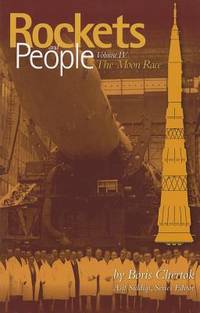
Rockets and People: The Moon Race: Vol 5
Natl Aeronautics & Space Admin 2012. Hardcover. New. 10.00x1.00x6.75 inches. Natl Aeronautics & Space Admin hardcover
Bookseller reference : 1-0160895596 ISBN : 0160895596 9780160895593
|
|
|
National Aeronautics and Space Administration
Rockets and People Vol. 4: The Moon Race
Government Printing Office 2012-06-04. First Edition. hardcover. Used: Good. 6.50x1.80x9.60. Buy with confidence. Excellent Customer Service & Return policy. Government Printing Office hardcover
Bookseller reference : SONG0160895596 ISBN : 0160895596 9780160895593
|
|
|
National Aeronautics and Space Administration
Rockets And People: Hot Days Of The Cold War Volume 3 Nasa History
Government Printing Office 2010-05-05. 1st English langua edition. hardcover. New. 6.50x2.00x9.50. Buy with confidence. Excellent Customer Service & Return policy. Government Printing Office hardcover
Bookseller reference : DADAX0160817331 ISBN : 0160817331 9780160817335

|
|
|
National Aeronautics and Space Administration
Rockets And People: Hot Days Of The Cold War Volume 3 Nasa History
Government Printing Office 2010-05-05. 1st English langua edition. hardcover. Used: Good. 6.50x2.00x9.50. Buy with confidence. Excellent Customer Service & Return policy. Government Printing Office hardcover
Bookseller reference : SONG0160817331 ISBN : 0160817331 9780160817335
|
|
|
National Aeronautics and Space Administration
Rolling-Element Fatigue Testing and Data Analysis- A Tutorial
paperback. Good. Access codes and supplements are not guaranteed with used items. May be an ex-library book. paperback
Bookseller reference : 149533421X.G ISBN : 149533421X 9781495334214

|
|
|
National Aeronautics and Space Administration
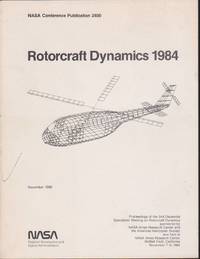
ROTORCRAFT DYNAMICS 1984 NASA Conference Publication 2400
National Aeronautics and Space Administration. VG. 1985. Paperback. Paperback in Very Good condition. 4to 11" - 13" tall. 501 pages. Quick Shipping All Books Mailed in Boxes Free Tracking Provided . National Aeronautics and Space Administration paperback
Bookseller reference : 58682
|
|
|
National Aeronautics and Space Administration Scientific and Technical Information Branch
Satellite Remote Sensing for Ice Sheet Research. NASA Technical Memorandum 86233
Washington DC: NASA 1985. good. Quarto 32 wraps illus. some color maps tables charts bibliography slight soiling to covers small crease at lower inner corner. Potential research applications of satellite data over the terrestrial ice sheets of Greenland and Antarctica. NASA paperback
Bookseller reference : 11495
|
|
|
National Aeronautics and Administration
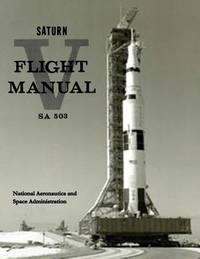
Saturn V Flight Manual
Paperback / softback. New. paperback
Bookseller reference : B9781495444531 ISBN : 1495444538 9781495444531
|
|
|
NATIONAL AERONAUTICS AND SPACE ADMINISTRATION WASHINGTON DC
Science and Technology Research Directions for the International Space Station
PN. New. 1999. Soft Cover. Date is original print. This is a reprint edition . PN paperback
Bookseller reference : 1317216
|
|
|
NATIONAL AERONAUTICS AND SPACE ADMINISTRATION CLEVELAND OH LEWIS RESEARCH CEN TER
Sealed-Foam Constrictive-Wrapped External Insulation System for Liquid-Hydrogen Tanks of Boost Vehicles
PN. New. 1965. Soft Cover. Date is original print. This is a reprint edition. . PN paperback
Bookseller reference : 726412
|
|
|
National Aeronautics and Administration
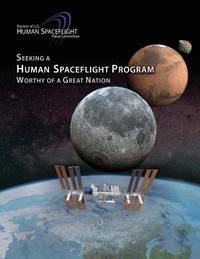
Seeking a Human Spaceflight Program Worthy of a Great Nation
Paperback / softback. New. paperback
Bookseller reference : B9781502448989 ISBN : 150244898x 9781502448989
|
|
|
NATIONAL AERONAUTICS AND SPACE ADMINISTRATION HAMPTON VA LANGLEY RESEARCH CEN TER
Selected Papers on Environmental and Attitude Control of Manned Spacecraft
PN. New. 1966. Soft Cover. Date is original print. This is a reprint edition. . PN paperback
Bookseller reference : 731005
|
|
|
NATIONAL AERONAUTICS AND SPACE ADMINISTRATION WASHINGTON DC
Selected Shop Techniques: 71 Selected Suggestions for Machinists Mechanics and Technicians
PN. New. 1965. Soft Cover. Date is original print. This is a reprint edition. . PN paperback
Bookseller reference : 727443
|
|
|
NATIONAL AERONAUTICS AND SPACE ADMINISTRATION HUNTSVILLE AL GEORGE C MARSHALL SPACE FLIGHT CENTER
Selected Welding Techniques Part 2
PN. New. 1964. Soft Cover. Date is original print. This is a reprint edition. . PN paperback
Bookseller reference : 725014
|
|
|
NATIONAL AERONAUTICS AND SPACE ADMINISTRATION HUNTSVILLE AL GEORGE C MARSHALL SPACE FLIGHT CENTER.
Selected Welding Techniques Part II: Technology Utilization Notes. NASA SP-5009
NASA 1964. 34 pp. softcover very good. - If you are reading this this item is actually physically in our stock and ready for shipment once ordered. We are not bookjackers. Buyer is responsible for any additional duties taxes or fees required by recipient's country. NASA paperback
Bookseller reference : ZB455960
|
|
|
NATIONAL AERONAUTICS AND SPACE ADMINISTRATION HAMPTON VA LANGLEY RESEARCH CENTER
Semiannual Report: April 1 2000 Through September 20 2000
PN. New. 2001. Soft Cover. Date is original print. This is a reprint edition . PN paperback
Bookseller reference : 1329808
|
|
|
National Aeronautics and Administration
Setting Priorities for Space Research: An Experiment in Methodology
Paperback / softback. New. paperback
Bookseller reference : B9781502845955 ISBN : 1502845954 9781502845955
|
|
|
National Aeronautics and Administration
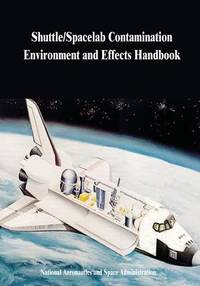
Shuttle/Spacelab Contamination Environment and Effects Handbook
Paperback / softback. New. paperback
Bookseller reference : A9781505398748 ISBN : 1505398746 9781505398748
|
|
|
National Aeronautics and Administration
Shuttle/Spacelab Contamination Environment and Effects Handbook
Paperback / softback. New. paperback
Bookseller reference : B9781505398748 ISBN : 1505398746 9781505398748
|
|
|
National Aeronautics and Space Administration
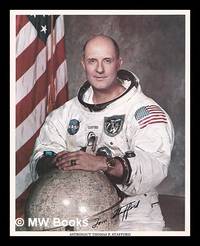
SIGNED colour photograph by Astronaut Thomas P. Stafford
Houston TX USA: National Aeronautics and Space Administration. First Edition. Softcover. One colour photograph SIGNED by Astronaut Thomas P. Stafford. Remains well preserved overall; bright clean and sharp-cornered. Provenance; envelope addressed to Ron Crosby. Physical description; 1 colour photograph. Notes; No publication date given. SIGNED by Astronaut Thomas P. Stafford. Subjects; National Aeronautics and Space Administration NASA. Astronaut Thomas P. Stafford. Houston, TX (USA): National Aeronautics and Space Administration paperback
Bookseller reference : 374310
|
|
|
National Aeronautics and Space Administration
Signed Photograph of Crew for the Third Space Shuttle Orbital Test STS-3
Washington DC: GPO n.d. very good. 8" x 10" 1 photo 1 color photograph of Jack R. Lousma Shuttle commander and Charles G. Fullerton Shuttle pilot signed by Fullerton GPO unknown
Bookseller reference : 13069
|
|
|
National Aeronautics and Space Administration
Signed Photograph of Astronaut Charles D. Gemar
Washington DC: GPO n.d. very good. 8" x 10" 1 photo 1 signed color photograph. GPO unknown
Bookseller reference : 13072
|
|
|
National Aeronautics and Space Administration
Signed Photograph of Astronaut Loren Acton
Washington DC: GPO n.d. very good. 4.75" x 8" 1 photo 1 signed color photograph. GPO unknown
Bookseller reference : 13064
|
|
|
National Aeronautics and Space Administration
Signed Photograph of Astronaut Thomas D. Jones
Washington DC: GPO n.d. very good. 8" x 10" 1 photo 1 signed color photograph. GPO unknown
Bookseller reference : 13073
|
|
|
National Aeronautics and Space Administration
Signed Photograph of Astronaut Guion S. "Guy" Bluford Jr. Ph.D. Colonel USAF
Washington DC: GPO c. 1992. very good. 8" x 10" 1 photo 1 signed color photograph with short biography on back. GPO unknown
Bookseller reference : 13066
|
|
|
National Aeronautics and Space Administration
Signed Photograph of Astronaut Joseph P. Allen
Washington DC: GPO 1980. very good. 8" x 10" 1 photo 1 signed color photograph. GPO unknown
Bookseller reference : 13065
|
|
|
National Aeronautics and Space Administration
Signed Photograph of Astronaut Charles J. Precourt
Washington DC: GPO n.d. very good. 8" x 10" 1 photo 1 signed color photograph inscribed to Mindy. GPO unknown
Bookseller reference : 13075
|
|
|
National Aeronautics and Space Administration
Signed Photograph of Astronaut Guy S. Gardner
Washington DC: GPO n.d. very good. 8" x 10" 1 photo 1 signed color photograph with inscription. GPO unknown
Bookseller reference : 13071
|
|
|
National Aeronautics and Space Administration
Signed Photograph of Astronaut Kenneth D. Cockrell
Washington DC: GPO n.d. very good. 8" x 10" 1 photo 1 signed color photograph. GPO unknown
Bookseller reference : 13068
|
|
|
National Aeronautics and Space Administration
Signed Photograph of Astronaut William B. Lenoir
Washington DC: GPO 1980. good. 8" x 10" 1 photo 1 signed color photograph sticker residue on reverse. GPO unknown
Bookseller reference : 13074
|
|
|
National Aeronautics and Space Administration
Signed Photograph of Senator Jake Garn
Washington DC: GPO n.d. very good. 8" x 10" 1 photo 1 signed color photograph of Senator Garn in NASA jacket with model rocket. GPO unknown
Bookseller reference : 13070
|
|
|
National Aeronautics and Space Administration
Signed Photograph of Astronaut Mark N. Brown
Washington DC: GPO n.d. very good. 8" x 10" 1 photo 1 signed color photograph. GPO unknown
Bookseller reference : 13067
|
|
|
National Aeronautics and Space Administration
Significant Achievements in Space Astronomy 1958--1964
NASA 1966. Paperback. Good. Pages can have notes/highlighting. Spine may show signs of wear. ~ ThriftBooks: Read More Spend Less.Dust jacket quality is not guaranteed. NASA paperback
Bookseller reference : GB000HA5W9CI3N00
|
|
|
National Aeronautics and Space Administration Goddard Space Flight Center
Significant Accomplishments in Sciences: Goddard Space Flight Center 1971. NASA SP-312
Washington DC: NASA 1972. First Edition. First Printing. good. 23 cm 213 wraps illus. references covers somewhat worn and soiled. Proceedings of a symposium held at the NASA Goddard Space Flight Center November 10 1971. NASA paperback
Bookseller reference : 46116
|
|
|
National Aeronautics and Space Administration
Significant Achievements in Planetology 1958-1964
Washington DC: NASA 1966. good. 71 wraps illus. references small rough spot front cover. NASA paperback
Bookseller reference : 5411
|
|
|
National Aeronautics and Space Administration, Lyndon B. Johnson Space Center
Skylab Earth Resources Data Catalog. JSC 09016
Washington DC: GPO 1974. good. Quarto 359 maps wraps illus. some color 6 large fold-out color maps figures tables index some soiling to covers and spine. This book provides a complete index of the Skylab Earth Resources Experiment Package EREP photographs and information on how all EREP datacan be obtained. GPO paperback
Bookseller reference : 13035
|
|
|
National Aeronautics and Space Administration
SKYLAB EREP INVESTIGATIONS SUMMARY
Washington D. C.: National Aeronautics and Space Administration NASA 1978. First Edition; First Printing. Hardcover. Book condition is Very Good in boards. Text is clean and unmarked photographic illustrations and diagrams throughout. ; 4to 11" - 13" tall. National Aeronautics and Space Administration (NASA) hardcover
Bookseller reference : 8605

|
|
|
NATIONAL AERONAUTICS AND SPACE ADMINISTRATION
Skylab Experiments Volume 7: Living and Working in Space NASA EP-116
NASA 1973. Pbk 4to stapled card covers 39pp illustr graphs charts diagrams prev ownerÕs stamp discretely on title page otherwise appears unused and an excellent clean tight unmarked copy NASA 1973 unknown
Bookseller reference : HPS1201
|
|
|
NATIONAL AERONAUTICS AND SPACE ADMINISTRATION
Skylab Experiments Volume 1: Physical Science Solar Astronomy NASA EP-110
NASA 1973. Pbk 4to stapled card covers 63pp illustr graphs charts diagrams and photos prev ownerÕs stamp discretely on title page otherwise appears unused and an excellent clean tight unmarked copy NASA 1973 unknown
Bookseller reference : HPS1198
|
|
|
NATIONAL AERONAUTICS AND SPACE ADMINISTRATION
Skylab Experiments Volume 5: Astronomy and Space Physice NASA EP-114
NASA 1973. Pbk 4to stapled card covers 74pp illustr graphs charts diagrams and photos prev ownerÕs stamp discretely on title page otherwise appears unused and an excellent clean tight unmarked copy NASA 1973 unknown
Bookseller reference : HPS1199
|
|
|
NATIONAL AERONAUTICS AND SPACE ADMINISTRATION
Skylab Experiments Volume 4: Life Sciences NASA EP-113
NASA 1973. Pbk 4to 89pp illustr graphs charts diagrams prev ownerÕs stamp discretely on title page otherwise appears unused and an excellent clean tight unmarked copy NASA 1973 unknown
Bookseller reference : HPS1200
|
|
|
National Aeronautics and Space Administration, Office of Manned Space Flight
Skylab Experiments
Washington DC: GPO 1972. First Edition. First Printing. good. 210 wraps illus. covers somewhat worn and soiled. GPO paperback
Bookseller reference : 40612
|
|
|
National Aeronautics and Space Administration
Skylab Experiments Volume 6: Mechanics. Information for Teachers Including Suggestions on Relevance to School Curricula
Washington DC: GPO 1973. good. Quarto 27 wraps illus. figures tables bibliography slight soiling to covers small sticker residue on p. iii. Contains experiments on mobility aids mass measurement devices and space guidance crew/vehicle disturbances. EP-115. GPO paperback
Bookseller reference : 17839
|
|
|
National Aeronautics and Space Administration
Skylab Operations Handbook: Volume I Systems Descriptions MSC 04727
Houston TX: NASA Manned Space Center. Very Good. 1972. 3-ring binder. 27 pages were missing from the original document. They have been replaced with photocopies. Otherwise very good in very good 3-ring binding; In 3-ring binider. Illustrated with numerous figures diagrams drawings graphs etc. many foldout. January 24 1972 revised copy ; 4to; 950 pages . NASA, Manned Space Center unknown
Bookseller reference : 55812
|
|
|
National Aeronautics and Space Administration
Societal Impact of Spaceflight
new. unknown
Bookseller reference : 20543171-n ISBN : 1493586246 9781493586240
|
|

 Receive by email
 Download as PDF document
 RSS feed
 Permanent link


