AAE - Journal - SetBiblio.com

34 044 résultats
réf. M14249aRare set of 215 issues bound in 55 volumes. Göttingen 1972-2015. First edition reprint for the first issues. Contemporary half-leather for 90% of the set original softcover for the rest see photos. From the library of Egyptologist Charles Cornell Van Siclen III VSX. Language: German/Deutsch - English - French/Français. This set ships from the USA shipping costs will be updated accordingly TXR. Relevant subjects: Egypt: Journals Egypt. unknown
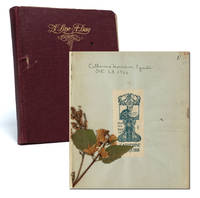
1911réf. 6011US Germany 1911. Red cloth over card with gilt to front board. All edges stained read. Measuring 200 x 170mm and containing 186 handwritten pages across five years. Dried flowers and theatre program loosely inserted at front. Ownership signature and bookplate of Catherine Harrison Squibb to front pastedown and endpaper with signature of the same to rear endpaper. A research rich and densely written diary the present would be useful in fields including but not limited to intergenerational wealth and its relationship to emotional abuse women's education and educational travel early 20th century reading habits modern friendship courtship and romance and women's increased mobility and travel. The second daughter of Charles Fellow Squibb himself the second son of pharmaceutical boss Dr. E. R. Squibb Catherine Harrison Squibb was raised in economic privilege. Her earliest years were spent in the Brooklyn townhouse built for her parents by her grandfather while her teen years were split between her father's historic estate of Welwood and her boarding school in Dresden. At Welwood Charles always considered as "the lesser son" according to his E.R.'s journals followed in his father's controlling footsteps by "purchasing polo ponies setting about learning to jump" and "insisting his children do the same.to maintain the lifestyle of the landed gentry" Belcher. This is confirmed in the opening entry of the diary October 25 1906 near Catherine's 16th birthday where she reports "I rode side-saddle with Rosalie in the morning.rode again in the afternoon ist richerverlobt! er est 62 --- alt!!" The numerous rides do not seem to entirely please Catherine as she hides her frustration in the German parenthetical roughly "he is engaged to be a judge! he is 62 years old!!". Three days later on her birthday she spends her time significantly differently clowning with her brother and aunt and "playing tennis in the afternoon." This becomes something of a tradition as her birthday entries report several times "played tennis all afternoon" She also notes her time in French and German lessons -- with German becoming more frequent during and after her time at school in Dresden especially when she wants to obfuscate her thoughts from unwanted readers. If this diary is any indication music and reading travel and school became refuges for Catherine. And she claimed as much time as she could to find independence and develop herself outside of Charles' strict rules. Her reading preferences reflect this desire to immerse herself in Jane Austen's world of social visits and balls where family conflict is eventually smoothed by a woman's exit to a loving partner and home of her own. "Good day!" she writes on April 29 1908 "Stayed in bed all day. I finished Pride & Prejudice and began Emma." This is contrast against her reaction to Charlotte Bronte's work on May 1 of the same year: "Cold & windy. We came in on the 9.30. Aunts at Welwood.had music lesson.I began Jane Eyre. Dismal book!" Her tone and word choice reflect the most happiness in these circumstances whereas riding is reported like a duty -- she may report what time of day and what horse but no expressions of joy accompany them. While the diary concludes in 1911 when Catherine is 21 we know that she would return to Europe from 1917-1919 as a nurse in WWI watching her own country battle her beloved Germany. Within the time her father had sold his birthright in Squibb and with "his extravagant lifestyle eating through his money quickly.he was forced to sell Welwood.not long thereafter he went to France" and never returned to the US Belcher. In 1920 she would marry veteran and shoe manufacturing foreman Raymond Pratt moving with him to Pasadena California and becoming a civic leader. Much deeper work can be done on Catherine's lives and relationships especially considering the current cultural trends of novels films and series depicting both the glamour and the emotional squalor of the 1%. unknown
1911réf. 6011US Germany 1911. Red cloth over card with gilt to front board. All edges stained read. Measuring 200 x 170mm and containing 186 handwritten pages across five years. Dried flowers and theatre program loosely inserted at front. Ownership signature and bookplate of Catherine Harrison Squibb to front pastedown and endpaper with signature of the same to rear endpaper. A research rich and densely written diary the present would be useful in fields including but not limited to intergenerational wealth and its relationship to emotional abuse women's education and educational travel early 20th century reading habits modern friendship courtship and romance and women's increased mobility and travel. The second daughter of Charles Fellow Squibb himself the second son of pharmaceutical boss Dr. E. R. Squibb Catherine Harrison Squibb was raised in economic privilege. Her earliest years were spent in the Brooklyn townhouse built for her parents by her grandfather while her teen years were split between her father's historic estate of Welwood and her boarding school in Dresden. At Welwood Charles always considered as "the lesser son" according to his E.R.'s journals followed in his father's controlling footsteps by "purchasing polo ponies setting about learning to jump" and "insisting his children do the same.to maintain the lifestyle of the landed gentry" Belcher. This is confirmed in the opening entry of the diary October 25 1906 near Catherine's 16th birthday where she reports "I rode side-saddle with Rosalie in the morning.rode again in the afternoon ist richerverlobt! er est 62 --- alt!!" The numerous rides do not seem to entirely please Catherine as she hides her frustration in the German parenthetical roughly "he is engaged to be a judge! he is 62 years old!!". Three days later on her birthday she spends her time significantly differently clowning with her brother and aunt and "playing tennis in the afternoon." This becomes something of a tradition as her birthday entries report several times "played tennis all afternoon" She also notes her time in French and German lessons -- with German becoming more frequent during and after her time at school in Dresden especially when she wants to obfuscate her thoughts from unwanted readers. If this diary is any indication music and reading travel and school became refuges for Catherine. And she claimed as much time as she could to find independence and develop herself outside of Charles' strict rules. Her reading preferences reflect this desire to immerse herself in Jane Austen's world of social visits and balls where family conflict is eventually smoothed by a woman's exit to a loving partner and home of her own. "Good day!" she writes on April 29 1908 "Stayed in bed all day. I finished Pride & Prejudice and began Emma." This is contrast against her reaction to Charlotte Bronte's work on May 1 of the same year: "Cold & windy. We came in on the 9.30. Aunts at Welwood.had music lesson.I began Jane Eyre. Dismal book!" Her tone and word choice reflect the most happiness in these circumstances whereas riding is reported like a duty -- she may report what time of day and what horse but no expressions of joy accompany them. While the diary concludes in 1911 when Catherine is 21 we know that she would return to Europe from 1917-1919 as a nurse in WWI watching her own country battle her beloved Germany. Within the time her father had sold his birthright in Squibb and with "his extravagant lifestyle eating through his money quickly.he was forced to sell Welwood.not long thereafter he went to France" and never returned to the US Belcher. In 1920 she would marry veteran and shoe manufacturing foreman Raymond Pratt moving with him to Pasadena California and becoming a civic leader. Much deeper work can be done on Catherine's lives and relationships especially considering the current cultural trends of novels films and series depicting both the glamour and the emotional squalor of the 1%. unknown books
1822réf. 68178Washington 1822. Single sheet 56 x 40 cm. 2 pp. printed in 5 columns. Some overall toning to text a few spots else very good. Printing a message from Pres. James Monroe transmitting "sundry papers relative to the Recognition of the Independence of the South American Colonies" and including messages from Secretary of State John Quincy Adams and the objections of Don Joaquin de Anduaga Minister from Spain. Also printed in this issue is a report on repairs to the Cumberland Road; several columns devoted to the printing of the American Colonization Society's Fifth Annual Report; an advertisement by Don Francisco Arango for the sale of his estates on the Island of Cuba; two notices for rewards offered for run away enslaved people; etc. unknown
1822réf. 68178Washington 1822. Single sheet 56 x 40 cm. 2 pp. printed in 5 columns. Some overall toning to text a few spots else very good. Printing a message from Pres. James Monroe transmitting "sundry papers relative to the Recognition of the Independence of the South American Colonies" and including messages from Secretary of State John Quincy Adams and the objections of Don Joaquin de Anduaga Minister from Spain. Also printed in this issue is a report on repairs to the Cumberland Road; several columns devoted to the printing of the American Colonization Society's Fifth Annual Report; an advertisement by Don Francisco Arango for the sale of his estates on the Island of Cuba; two notices for rewards offered for run away enslaved people; etc. unknown books
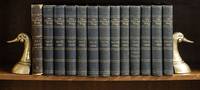
1889réf. 846751889. The Boston Book Company. Volume I-XIII 1889-1901. The Boston Book Company. Volume I-XIII 1889-1901. A Handsome Lavishly Illustrated Chronicle of American Law 1889-1901 Journal. Fuller Horace W. Editor Volumes I-XI. Baldwin Thomas. Tileston Editor Volume XIII. The Green Bag: A Useless but Entertaining Magazine for Lawyers. Boston: The Boston Book Company. Volume I-XIII 1889-1901. 13 volumes. Indexed Volume X has a cumulative index. Illustrated throughout with plates photographs and engravings. Quarto 10-1/2" x 8"; 26.7 x 20.3 cm. Volume I: Contemporary three-quarter calf over marbled boards raised bands and gilt title to spine. Others: contemporary three-quarter pebbled cloth over marbled boards gilt fillets and titles to spines. All volumes have similar appearance. Some rubbing with minor wear chip to head of Volume I minor scuff to spine of Volume X some hinges starting one cracked but secure internally clean. A handsome set. $1500. These are the first thirteen volumes of an important legal periodical that was published in 26 volumes from 1889 and 1914. As its subtitle suggests The Green Bag is full of colorful anecdotes humorous verse curious cases and other diversions. It is also a useful resource for the legal historian one that offers book notices and reviews biographies of contemporary legal figures based on first-hand accounts obituaries studies of current events professional notices profiles of law schools throughout the United States and other important source materials. F.W. Maitland Louis Brandeis and Theodore Dwight are among the many important jurists who contributed to this journal. Well designed and handsomely produced it is a pleasure to read and handle these volumes. Marke A Catalogue of the Law Collection at New York University 1953 1160. unknown
1889réf. 846751889. The Boston Book Company. Volume I-XIII 1889-1901. The Boston Book Company. Volume I-XIII 1889-1901. A Handsome Lavishly Illustrated Chronicle of American Law 1889-1901 Journal. Fuller Horace W. Editor Volumes I-XI. Baldwin Thomas. Tileston Editor Volume XIII. The Green Bag: A Useless but Entertaining Magazine for Lawyers. Boston: The Boston Book Company. Volume I-XIII 1889-1901. 13 volumes. Indexed Volume X has a cumulative index. Illustrated throughout with plates photographs and engravings. Quarto 10-1/2" x 8"; 26.7 x 20.3 cm. Volume I: Contemporary three-quarter calf over marbled boards raised bands and gilt title to spine. Others: contemporary three-quarter pebbled cloth over marbled boards gilt fillets and titles to spines. All volumes have similar appearance. Some rubbing with minor wear chip to head of Volume I minor scuff to spine of Volume X some hinges starting one cracked but secure internally clean. A handsome set. $1500. These are the first thirteen volumes of an important legal periodical that was published in 26 volumes from 1889 and 1914. As its subtitle suggests The Green Bag is full of colorful anecdotes humorous verse curious cases and other diversions. It is also a useful resource for the legal historian one that offers book notices and reviews biographies of contemporary legal figures based on first-hand accounts obituaries studies of current events professional notices profiles of law schools throughout the United States and other important source materials. F.W. Maitland Louis Brandeis and Theodore Dwight are among the many important jurists who contributed to this journal. Well designed and handsomely produced it is a pleasure to read and handle these volumes. Marke A Catalogue of the Law Collection at New York University 1953 1160. unknown books
1908réf. 785271908. Ten 10 linear feet shelf space. Ten 10 linear feet shelf space. Complete Run of a Notable Nineteenth-Century Journal with Several Articles of Enduring Value Journal. Thompson Isaac Brent Editor. Brown Irving Editor. The Albany Law Journal: A Weekly Record of the Law and the Lawyers. Albany: Weed Parsons & Co. January 1870-January 1909 Imprint date December 1908. 70 volumes each with index text printed in double columns. All issued. Octavo 11" x 7-1/2"; 27.9 x 19 cm. Later library buckram lettering pieces and black-stamped volume numbers dates and library name Rochester Appellate Division to spine endpapers renewed. Light shelfwear library markings to endleaves. Moderate toning some leaves have minor stains and marks to leaves some volumes have cracks to text blocks. $1500. As Surrency notes many articles in this journal "have an enduring quality which makes them enjoyable reading even today. Several historical articles are invaluable as a source of legal history of New York. Generally each issue began with a page or two of current topics reporting on amusing and human tragedies as revealed in the court room. It is only in the pages of such journals that bizarre behaviors are found. For example the defendant who invited the jury over for a meal after being acquitted in Des Moines Iowa would never be recorded in any other legal literature. Full texts of decisions as well as digest are printed from many of the state courts. The book review shows a perception of legal literature that subsequent reviewers have not shown. One can only admire the work of the editor who kept this publication going for those years. Certainly the two editors should receive greater recognition in legal literature for their contributions. Issac B. Thompson and Irving Browne were authors with literary flair rarely found in the legal profession. Their articles were vigorous graceful and often elegant." One of the most important periodical legal publications of the post-Civil War period the Albany Law Journal was an outspoken supporter of David Dudley Field's efforts at codification and law reform. Surrency A History of American Law Publishing 192-193. Catalogue of the Library of the Harvard Law School 1909 I:26. unknown
1908réf. 785271908. Ten 10 linear feet shelf space. Ten 10 linear feet shelf space. Complete Run of a Notable Nineteenth-Century Journal with Several Articles of Enduring Value Journal. Thompson Isaac Brent Editor. Brown Irving Editor. The Albany Law Journal: A Weekly Record of the Law and the Lawyers. Albany: Weed Parsons & Co. January 1870-January 1909 Imprint date December 1908. 70 volumes each with index text printed in double columns. All issued. Octavo 11" x 7-1/2"; 27.9 x 19 cm. Later library buckram lettering pieces and black-stamped volume numbers dates and library name Rochester Appellate Division to spine endpapers renewed. Light shelfwear library markings to endleaves. Moderate toning some leaves have minor stains and marks to leaves some volumes have cracks to text blocks. $1500. As Surrency notes many articles in this journal "have an enduring quality which makes them enjoyable reading even today. Several historical articles are invaluable as a source of legal history of New York. Generally each issue began with a page or two of current topics reporting on amusing and human tragedies as revealed in the court room. It is only in the pages of such journals that bizarre behaviors are found. For example the defendant who invited the jury over for a meal after being acquitted in Des Moines Iowa would never be recorded in any other legal literature. Full texts of decisions as well as digest are printed from many of the state courts. The book review shows a perception of legal literature that subsequent reviewers have not shown. One can only admire the work of the editor who kept this publication going for those years. Certainly the two editors should receive greater recognition in legal literature for their contributions. Issac B. Thompson and Irving Browne were authors with literary flair rarely found in the legal profession. Their articles were vigorous graceful and often elegant." One of the most important periodical legal publications of the post-Civil War period the Albany Law Journal was an outspoken supporter of David Dudley Field's efforts at codification and law reform. Surrency A History of American Law Publishing 192-193. Catalogue of the Library of the Harvard Law School 1909 I:26. unknown books
réf. 836472025. Journal of Comparative Law. JCL Studies in Comparative Law Second Series. 10 titles in 11 books. Complete set of all titles published to date. $1495. - Butler W.E.; Kresin O.V. Editors. Discovering the Unexpected: Comparative Legal Studies in Eastern and Central Europe. 2021. - Butler W.E.; Kresin O.V. Editors. The World Picture of Comparative Law. 2024. - Dippel Horst. Modern Constitutionalism: Origin and Manifestations. 2 vols. 2022. - Hammond A.F.; Adegbite F.R.; Mensa-Bonsu Y.A.; Batariwah P. Family Law in Africa: Perspectives on Selected Systems of Marriage. 2023. - Kresin O.V.; Butler W.E. Comparative Law in Warsaw 1800-1835. 2021. - Leibniz G.W.; De Iuliis C. Model of Certainty Or Demonstrations in Law Expounded in the Doctrine. 2025. - Meder S.; Beck V. Translator. Legal Machines Of Subsumption Automata Artificial Intelligence And Search for the "Correct" Judgment. 2023. - Palmer S.; Xiaobo Z. Editors. Bentham Around the World. 2021. - Rebet L.; ButlerW.E Editor and translator. The Comparative Method in the Science of Law. 2022. - Palmer Michael; Ling Zhou; Yang Lin Editors. Administrative Justice in China: Institutional Conflicts and Governance Transformation. 2026. Together 10 titles in 11 books. unknown
réf. 836472025. Journal of Comparative Law. JCL Studies in Comparative Law Second Series. 10 titles in 11 books. Complete set of all titles published to date. $1495. - Butler W.E.; Kresin O.V. Editors. Discovering the Unexpected: Comparative Legal Studies in Eastern and Central Europe. 2021. - Butler W.E.; Kresin O.V. Editors. The World Picture of Comparative Law. 2024. - Dippel Horst. Modern Constitutionalism: Origin and Manifestations. 2 vols. 2022. - Hammond A.F.; Adegbite F.R.; Mensa-Bonsu Y.A.; Batariwah P. Family Law in Africa: Perspectives on Selected Systems of Marriage. 2023. - Kresin O.V.; Butler W.E. Comparative Law in Warsaw 1800-1835. 2021. - Leibniz G.W.; De Iuliis C. Model of Certainty Or Demonstrations in Law Expounded in the Doctrine. 2025. - Meder S.; Beck V. Translator. Legal Machines Of Subsumption Automata Artificial Intelligence And Search for the "Correct" Judgment. 2023. - Palmer S.; Xiaobo Z. Editors. Bentham Around the World. 2021. - Rebet L.; ButlerW.E Editor and translator. The Comparative Method in the Science of Law. 2022. - Palmer Michael; Ling Zhou; Yang Lin Editors. Administrative Justice in China: Institutional Conflicts and Governance Transformation. 2026. Together 10 titles in 11 books. unknown books
1975Collezione completa (8 numeri): marzo 1975 (n. 1); maggio 1975 (n. 2); ottobre 1975 (n. 3 - 4); gennaio-marzo 1976 (n. 5 - 6); autunno 1976 - gennaio 1977 (n. 7 - 8). Esemplari in ottimo stato. Numero 1 e numero 2 con qualche abrasione e piccoli strappi alla testa e al piede del dorso, per il resto usuali e lievi segni d’usura; carte e tagli puliti. La rivista AlfaBeta - «Laboratorio di critica della cultura visiva, della storia dell’arte, e » - nasce nel 1975 per volontà di Gino Di Maggio con l’intento di esplorare ed esporre campi diversi del sapere, come è evidente osservando il sommario del numero esordio del marzo 1975: agli interventi di Giuseppe Galante e Achille Bonito Oliva si affiancano traduzioni di Jacques Lacan e ripubblicazioni di articoli di Antonio Gramsci, passando ovviamente per l’estrema attenzione riservata alla sfera propriamente artistica con una grafica attenta e numeri riccamente illustrati (con illustrazioni non legate ai testi, a conferma della loro autonomia). Dall’esperienza della prima serie della rivista - composta da 8 numeri usciti tra il marzo 1975 e il gennaio 1977 - prenderà vita, a partire dal 1979, la seconda serie, più specificamente legata a interessi letterari e politici. G. Maffei, Libri e documenti. Arte povera 1966-1980, Corraini, 2007, p. 274.
1763Celebre periodico pubblicato da Giuseppe Baretti dall’ottobre 1763 al 15 luglio 1765 per 33 fascicoli, con cadenza oscillante tra il quindicinale e il mensile. Nelle prime 396 pagine si trovano i fascicoli I-XXV pubblicati a Venezia con falso luogo Roveredo fino al gennaio 1765. Con propria numerazione seguono otto fascicoli con falso luogo di stampa, Trento, ma impressi ad Ancona per un totale di pagine 128. La «Frusta», nata con il proposito di essere il «flagello dei cattivi libri che si vanno da molti anni quotidianamente stampando in tutte le parti della nostra Italia» (tomo I p. I), è considerata oggi il primo esempio di moderna polemica giornalistica, critica letteraria militante e aggressiva revisione moralizzatrice, degno contraltare di periodici assai moderati come ad esempio l’«Osservatore» di Gasparo Gozzi, sorti nel secolo dei lumi sull’esempio della stampa inglese. Il giornale fu fermato dalla censura veneziana (da qui i falsi luoghi di stampa) in seguito al duro articolo anti-bembiano apparso nel fascicolo XXV (recensione all’edizione Lancellotti 1753 delle ‘Rime’): «… in quel Numero [XXV] io commisi l’atroce Delitto di provare, che un Gentiluomo di quella Città [Venezia], morto da più di due Secoli, fu uno dei più magri Poeti d’Italia.» (tomo III, p. 1). «[L]a proibizione di continuare la stampa del suo foglio [arrivò] col pretesto del giudizio severo da lui dato sull’opera poetica del Bembo patrizio veneziano, ma in realtà per por fine, come è detto in una comunicazione degli Inquisitori di Stato, alle “querele frequenti che giungevano d’ogni parte, ed anche dalla corte di Napoli, per li modi irriverenti e maledici dei suoi scritti”. In quel tempo stesso usciva contro di lui un libello, Bue pedagogo, del padre Appiano Buonafede dell’Ordine dei celestini […]: soprattutto per rispondere a quell’attacco Baretti proseguì con la falsa data di Trento il giornale, pubblicandovi otto discorsi contro il Buonafede in altrettanti fascicoli, oltre a un nono fascicolo con un articolo di altro argomento. Vi attese, lasciata Venezia e rifugiatosi sotto falso nome per qualche mese nei pressi di Ancona, bene accolto da quel vescovo, il cardinale F. Acciaiuoli […]. Ma ormai [Baretti] si era persuaso che non era più possibile per lui continuare in patria il suo “mestiere d’autore” e nel 1766 […] tornò a Londra.» (Fubini in DBI s.v.) Collezione completa mancante del solo fascicolo XXII
1852réf. 3127CBErster - vierter Jahrgang. Erlangen, Enke, 1852-55. Gr.-8°. Mit 144 lith. Tafel, gedr. bei A. Kolb, Nbg. Marmor. Ppde. d. Zt. mit roten Rückenschildchen.
réf. 135713aafchez l'auteur à Hauterive, Fribourg, Bulle, et Stuttgart. Lithographié par J. Lang, 1869-72, in-4to, I) Titre + 24 ff. (48 p.) / II) 24 ff. (48 p.) / III) Titre + 24 ff. (48 p) / IV) Titre + 25 ff. (+ 50 p.), texte autografié abondamment illustré (e.a. vues de villages) partiellement à pleine page, lithographiées (lith. Lang Fribourg), Ex libris gravé sur bois: Jean d’Amman, reliure en d.-toile d’époque, plat cartonné, avec papier marbré
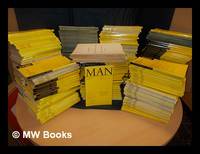
1963réf. 355157London: Royal Anthropological Institute 1963. First Edition. Softcover. Fine set in the original stiff-card wrappers. Particularly and surprisingly well-preserved; tight bright clean and especially sharp-cornered. Physical description; 273 issues. Contents; v. LXIII Articles 1-20: Jan. 1963 ; v. LXIII Articles 21-42: Feb. 1963 ; v. LXIII Articles 43-55 ; v. LXIII Articles 56-79: April 1963 ; v. LXIII Articles 80-109: May 1963 ; v. LXIII Articles 110-131: June 1963 ; v. LXIII Articles 132-149: July 1963 ; v. LXIII articles 150-171: Aug. 1963 ; v. LXIII articles 192-217: October 1963 ; v. LXIII Articles 218-239: Nov. 1963 ; v. LXIII Articles 240-266: Dec. 1963 ; v. LXIV Articles 1-48: Jan.-Fev. 1964 ; v. LXIV Articles 49-87: Mar.-April 1964 ; v. LXIV Articles 88-129: May-June 1964 ; v. LXIV Articles 130-175: July-Aug. 1964 ; v. LXIV articles 176-211: Sept.-Oct. 1964 ; v. LXIV Articles 212-250: Nov.-Dec. 1964 ; v. LXV Articles 1-28: Jan.-Feb. 1965 ; v. LXV Articles 29-58: Mar.-April 1965 ; v. LXV Articles 59-94: May-June 1965 ; v. LXV Articles 95-141: July-Aug. 1965 ; v. LXV Articles 142-215: Sept.-Oct. 1965 ; N.S.: v. 3: n. 1: Mar. 1968 ; N.S.: v. 4 n. 1: Mar. 1969 ; N.S.: v. 4 n. 2: June 1969 2 copies ; N.S.: v. 4 n. 3: Sept. 1969 ; N.S.: v. 4 n. 4: Dec. 1969 ; N.S. v. 5: n. 2: June 1970 ; N.S: v. 5 n. 1: Mar. 1970 ; N.S.: v. 5 n. 3: Sept. 1970 ; N.S.: v. 5 n. 4: Dec. 1970 2 copies ; N.S.: v. 6 n. 1: Mar. 1971 ; N.S.: v. 6 n. 2: June 1971 ; N.S.: v. 6 n. 3: Sept. 1971 ; N.S.: v. 6 n. 4: Dec. 1971 ; Proceedings of the Royal Anthropoligical Institute of Great Britian and Ireland for 1972 ; N.S.: v. 7 n. 1: Mar. 1972 ; N.S.: v. 7 n. 2: June 1972 ; N.S.: v. 7 n. 3: Sept. 1972 ; N.S.: v. 7 n. 4: Dec. 1972 ; N.S.: v. 8 n. 1: Mar. 1973 ; N.S.: v. 8 n. 2: June 1973 ; N.S.: v. 8 n. 3: Sept. 1973 ; N.S.: v. 8 n. 4: Dec. 1973 ; N.S.: v. 9 n. 1: Mar. 1974 ; N.S.: v. 9 n. 2: June 1974 ; N.S.: v. 9 n. 3: Sept. 1974 ; N.S.: v. 9 n. 4: Dec. 1974 ; N.S.: v. 10 n. 1: Mar. 1975 ; N.S.: v. 10 n. 2: June 1975 ; N.S.: v. 10 n. 3: Sept. 1975 ; N.S.: v. 10 n. 4: Dec. 1975 ; N.S.: v. 11 n. 1: Mar. 1976 ; N.S.: v. 11 n. 2: June 1976 ; N.S.: v. 11 n. 3: Sep. 1976 ; N.S.: v. 11 n. 4: Dec. 1976 2 copies ; N.S.: v. 12 n. 1: April 1977 2 copies ; N.S.: v. 12 n. 2: Aug. 1977 ; N.S.: v. 12 n. 3/4: Dec. 1977 ; N.S.: v. 13 n. 1: Mar. 1978 2 copies ; N.S.: v. 13 n. 2: June 1978 2 copies ; N.S.: v. 13 n. 3: Sept. 1978 2 copies ; N.S.: v. 13 n. 4: Dec. 1978 2 copies ; N.S.: v. 14 n. 1: Mar. 1979 2 copies ; N.S.: v. 14 n. 2: June 1979 2 copies ; N.S.: v. 14 n. 3: Sept. 1979 2 copies ; N.S.: v. 14 n. 4: Dec. 1979 2 copies ; N.S.: v. 15 n. 1: Mar. 1980 2 copies ; N.S.: v. 15 n. 2: June 1980 2 copies ; N.S.: v. 15 n. 3: Sept. 1980 2 copies ; N.S.: v. 16 n. 4 Dec. 1980 2 copies ; N.S.: v. 16 n. 1: Mar. 1981 2 copies ; N.S.: v. 16 n. 2: June 1981 2 copies ; N.S.: v. 16 n. 3: Sept. 1981 2 copies ; N.S.: v. 16 n. 4: Dec. 1981 2 copies ; N.S.: v. 17 n. 1: Mar. 1982 ; N.S.: v. 17 n. 2: June 1982 ; N.S.: v. 17 n. 3: Sept. 1982 ; N.S.: N.S.: v. 17 n. 4: Dec. 1982 ; v. 18 n. 1: Mar. 1983 2 copies ; N.S.: v. 18 n. 2: June 1983 2 copies ; N.S.: v. 18 n. 3: Sept. 1983 2 copies ; v. 18 n. 4: Dec. 1983 2 copies ; N.S.: v. 19 n. 1: Mar. 1984 2 copies ; N.S.: v. 19 n. 2: June 1984 ; N.S.: v. 19 n. 3: Sept. 1984 ; N.S.: v. 19 n. 4: Dec. 1984 2 copies; N.S.: v. 20 n. 1: Mar. 1985 ; v. 20 n. 2: June 1985 ; N.S.: v. 20 n. 3: Sept. 1985 ;N.S.: v. 20 n. 4: Dec. 1985 ; N.S.: v. 21 n. 1: Mar. 1986 ; N.S.: v. 21 n. 2: June 1986 ; N.S.: v. 21 n. 3: Sept. 1986 ; N.S.: v. 21 n. 4: Dec. 1986 ; N.S.: v. 22 n. 1: Mar. 1987 ; N.S.: v. 22 n. 2: June 1987 ; N.S.: v. 22 n. 3: Sept. 1987 ; N.S.: v. 22 n. 4: Dec. 1987 ; N.S.: v. 23 n. 1: Mar. 1988 ; N.S.: v. 23 n. 2: June 1988 ; N.S.: v. 23 n. 3: Sept. 1988 ; N.S.: v. 23: n. 4: Dec. 1988 ; N.S.: v. 24 n. 3: Sept. 1989 ; N.S.: v. 24 n. 1: Mar. 1989 ; N.S.: v. 24 n. 2: June 1989 ; N.S.: v. 24 n. 4: Dec. 1989 ; N.S.: v. 25 n. 1: Mar. 1990 ; N.S.: v. 25 n. 2: June 1990 ; N.S.: v. 25 n. 3: Sept. 1990 ; N.S.: v. 25 n. 4: Dec. 1990 ; N.S.: v. 26 n. 1: Mar. 1991 ; N.S.: v. 26 n. 2: June 1991 ; N.S.: v. 26 n. 3: Sept. 1991 ; N.S.: v. 26 n. 4: Dec. 1991 ; N.S.: v. 27 n. 1: Mar. 1992 ; N.S.: v. 27 n. 2: June 1992 ; N.S.: v. 27 n. 3: Sept. 1992 ; N.S.: v. 27 n. 4: Dec. 1992 ; N.S.: v. 28 n. 1: Mar. 1993 ; N.S.: v. 28 n. 2: June 1993 ; N.S.: v. 28 n. 3: Sept. 1993 ; N.S.: v. 28 n. 4 Dec. 1993 ; N.S.: v. 29 n. 1: Mar. 1994 ; N.S: v. 29 n. 2: June 1994 ; N.S.: v. 29 n. 3: Sept. 1994 ; N.S.: v. 1 n. 3: Sept. 1995 ; N.S.: v. 2 n. 1: Mar. 1996 ; N.S.: v. 2 n. 3: Sept. 1996 ; N.S.: v. 2 n. 2: June 1996 ; N.S.: v. 2 n. 4: Dec. 1996 ; N.S.: v. 29 n. 4: Dec. 1994 ; v. 1 n. 1: Mar. 1995 ; v. 1 n. 2: June 1995 ; v. 1 n. 4: Dec. 1995 ; v. 3 n. 1: Mar. 1997 ; v.3 n. 2: June 1997 ; v. 3 n. 3: Sept. 1997 ; v. 3 n. 4: Dec. 1997 ; v. 4 n. 1: Mar. 1998 ; v. 4 n. 2: June 1998 ; v. n. 3: Sept. 1998 ; v. 4 n. 4: Dec. 1998 ; v. 5 n. 1: Mar. 1999 ; v. 5 n. 2: June 1999 ; v. 5 n. 3: Sept. 1999 ; v. 5 n. 4: Dec. 1999 ; v. 6 n. 1: Mar. 2000 ; v. 6 n. 2: June 2000 ; v. 6 n. 3: Sept. 2000 ; v. 6 n. 4: Dec. 2000 ; v. 7 n. 1: Mar. 2001 ; v. 7 n. 2: June 2001 ; v. 7 n. 3: Sept. 2001 ; v. 7 n. 4: Dec. 2001 ; v. 8 n. 1: Mar. 2002 ; v. 8 n. 2: June 2002 ; v. 8 n. 3: Sept. 2002 ; v. 8 n. 4: Dec. 2002 ; v. 9 n. 1: Mar. 2003 ; v. 9 n. 2: June 2003 ; v. 9 n. 3: Sept. 2003 ; v. 9 n. 4: Dec. 2003 ; v. 10 n. 1: Mar. 2004 ; v. 10 n. 2: June 2004 ; v. 10 n. 3: Sept. 2004 ; v. 10 n. 4: Dec. 2004 ; v. 11 n. 1: Mar. 2005 ; v. 11 n. 2: June 2005 ; v. 11 n. 3: Sept. 2005 ; v. 11 n. 4: Dec. 2005 ; Special Issue: 2006 ; Issue 12:1: Mar. 2006 ; Issue 12:2: June 2006 ; Issue 12:3: Sept. 2006 ; Issue 12:4: Dec. 2006 ; Issue: 13: 1: Mar. 2007 ; Issue 13:2: June 2007 ; Issue 13:3: Sept. 2007 ; Issue 13: 4 Dec. 2007 ; Special Issue: 2007: Wind life health: anthropological and historical perspectives ; Issue 14: 1: Mar. 2008 ; Issue 14:2: June 2008 ; Issue 14: 3: Sept. 2008 ; Issue 14:4: Dec. 2008 ; Special Issue 2008: The objects of evidence: anthropological approaches to the production of knoledge ; Issue 15: 1: Mar. 2009 ; Issue 15:2: June 2009 ; Issue 15:3: Sept. 2009 ; Issue 15:4: Dec. 2009 ; Special Issue: 2009: Islam politcs anthropology ; Issue 16:1: Mar. 2010 ; Issue 16:2: June 2010 ; Issue 16:3: Sept. 2010 ; Issue 16: 4: Dec. 2010 ; Special Issue 2010: Making knowledge ; Issue 17:1: Mar. 2011 ; Issue 17: 2 June 2011 ; Issue 17:3: Sept. 2011 ; Issue 17:4: Dec. 2011 ; Special Issue: 2011: The Aesthetics of nations: anthropological and historical approaches ; Issue 18: 1: Mar. 2012 ; Issue 18:2: June 2012 ; Issue 18: 3: Sept. 2012 ; Issue 18: 4: Dec. 2012 ; Special Issue: 2012: The return to hospitality: strangers guests and ambiguous encounters ; Issue 19:1: Mar. 2013 ; Issue 19: 2: June 2013 ; Issue 19: 3: Sept. 2013 ; Issue 19: 4: Dec. 2013 ; Special Issue 13: Blood will out: essays on liquid transfers and flows ; Issue 20: 1: Mar. 2014 ; Issue 20: 2: June 2014 ; Issue 20: 3: Sept 2014 ; Issue 20: 2: June 2014 ; Issue 20:4: Dec. 2014 ; Special Issue 2014: Doubt Conflict Mediation: the anthropology of modern time: edited by Laura Bear ; Special Issue 2015: The Power of Example: anthropoligcal explorations in persuasion evocation and imitation: edited by Andreas Bandak and Lars Hojer ; Issue 21:1: Mar. 2015 ; Issue 21:2: June 2015 ; Issue 21:3: Sept 2015 ; Issue 21:4: Dec. 2015 ; Special Issue: 2016: Environmental Futures: edited by Jessica Barnes ; Issue 22:1: Mar. 2016 ; Issue 22:2: June 2016 ; Issue 22:3: Sept. 2016 ; Issue 22: 4: Dec. 2016 ; Issue 23:1: Mar. 2017 ; Issue 23:2: June 2017 ; Issue 23: 3: Sept. 2017 ; Issue 23: 4: Dec. 2017 ; Special Issue: v. 23 S1 2017 ; v. 24 Issue 1: Mar. 2018 ; v. 24 Issue 2: June 2018 ; v. 24 Issue 3 Sept. 2018 ; v. 24 Issue 4: Dec. 2018 ; Special Issue: v. 24 S1 2018 ; v. 25 Issue 1: Mar. 2019 ; v. 25 Issue 2: June 2019 ; v. 25 Issue 3: Sept. 2019 ; v. 25 Issue 4: Dec. 2019 ; v. 26 Issue: Mar. 2020 ; v. 26 Issue June 2020 ; Special Issue: v. 25 S1 2019 ; v. 26 Issue 4: Dec. 2020 ; Issue 26:3: Sept. 2020 ; Special Issue; v. 26 S1 2020 ; v. 27 Issue 1: Mar. 2021 ; v. 27 Issue 2: June 2021 ; Special Issue: v. 27 S1 2021 ; 'Whither the Savage Mind Notes on the Natural Taxonomies of a Hunting and Gathering People' by Brian Morris Goldsmith College London ; 'Nuer and Dinka are People: ecology ethnicity and logical possibility' by Aidan Southall University of Wisconsin-Madison. Subjects; Anthropology. Journal of the Royal Anthropology Institute. London: Royal Anthropological Institute paperback
1934Edizione originale. Annate 1934 (mancano numeri 4, 19, 21, 22, 25, 26, 27, 46, 51), 1936 (mancano numeri 41, 46, 52) e 1940 - 1941 (dal numero 34 del 25 agosto 1940 al numero 52 del 25 dicembre 1941), per un totale di 162 numeri. Fascicoli del 1934 e del 1936 sciolti, conservati in astucci e cofanetti protettivi con titoli oro al dorso. Fascicoli del 1940 tolti da precedente legatura (ancora parzialmente legati tra loro). Esemplari complessivamente in ottime condizioni, con normali segni del tempo (distacco della copertina nel numero 34 del 1940). Notissimo e longevo settimanale satirico fondato a Roma nel 1900 e attivo fino al 1966. Nata per volontà dell’eclettico giornalista, illustratore e pittore Filiberto Scarpelli che aveva, alla fine del 1899, rilevato il periodico dell’amico Tito Livio Cianchettini «Il Travaso d’Idee», la rivista proseguì con la stessa impostazione ferocemente e ironicamente critica nei confronti della classe politica e di satira dei costumi, avvalendosi di collaborazioni importanti soprattutto per le belle illustrazioni spesso a piena pagina (da segnalare, in questo senso, almeno i nomi di Daniele Fontana, Guido Vieni, Luigi Bompard, Marcello Dudovich, Enrico De Seta, Jacovitti e del figlio di Filiberto, Furio Scarpelli). Benché privo di una precisa linea politica, in epoca fascista «Il Travaso delle Idee» si allineò progressivamente alle posizioni del regime causando anche l’allontanamento di Scarpelli, che al fascismo aveva guardato con simpatia senza tuttavia smarrire la propria vocazione insofferente nei confronti di qualsivoglia autorità e posizionamento rigido. Ancor prima della sua morte nel 1933 per mano di un creditore ubriaco, la direzione della rivista passò dunque a Toddi (Pietro Silvio Rivetta) e poi, dal 1935, a Osvaldo Gibertini (sostituito nel 1939 da Guido Milelli). Nel dopoguerra, «Il Travaso» tornò in edicola avendo come direttore l’umorista Guasta (Guglielmo Guastaveglia) - già a capo del settimanale fino al 1926 - e proseguendo le pubblicazioni fino al 1966.
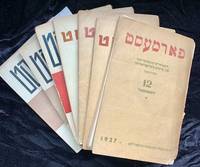
1937réf. 43101Kharkov: Ukrmelukhenatsmindfarlag 1937. First edition. Original illustrated paper wrappers 8vo issues range from 129-196 pages each. Includes illustrations. 21-23 cm. In Yiddish. Title translates roughly as “Challenge: A Literary Artistic and Critical Bibliographical Journal.” At the time the only Yiddish literary periodical in Ukraine. Farmest 1933–1937 was a monthly Yiddish literary magazine published in Kharkhiv Ukraine by the Ukrainian Committee for Soviet Writers. “Edited by the poet Itsik Fefer 1900–1952 it was continued in Sovetishe literatur: Literarish-kinstlerisher un kritish-bibliografisher zhurnal Soviet Literature: Literary-Artistic and Critical-Bibliographical Journal; 1938–1941. In 1927 Fefer was a founding member of the Jewish Section of the All-Ukrainian Union of Proletarian Writers and from 1928 one of the editors of its Kharkov-based journal Prolit Proletarian Literature. He also coedited the nonproletarian Kharkov journal Di royte velt The Red World from 1929. From 1933 to 1937 he edited the Kiev periodical Farmest Challenge; known as Sovetishe literatur Soviet Literature between 1938 and 1941 which replaced Prolit and Di royte velt and was thereafter the only Yiddish literary periodical in Ukraine.” YIVO. Avrom Gontar was also involved in the collective and editorial committee. The editor Itsik Fefer 1900–1952 “began writing poems in 1918 and in 1922 joined Vidervuks New Growth in Kiev a group of young Yiddish literati whose mentor was Dovid Hofshteyn. That same year the appearance of Fefer’s small collection Shpener Splinters established him as a rising literary star. His poetry amalgamated the Kultur-lige poets’ revolutionary romanticism with the propagandist objectives of the workers’ movement. Fefer was known for his literary credo of proste reyd simple speech a concept he formulated in 1922. In the early 1920s poetry particularly avant-garde poetry swamped the literary pages of Soviet Yiddish periodicals. This phenomenon worried editors and critics who were wary of the fact that Yiddish readers usually could not identify with this style of literature. All Yiddish readers by contrast could understand Fefer’s proste reyd. In 1927 Fefer was a founding member of the Jewish Section of the All-Ukrainian Union of Proletarian Writers and from 1928 one of the editors of its Kharkov-based journal Prolit Proletarian Literature. He also coedited the nonproletarian Kharkov journal Di royte velt The Red World from 1929” Gennady Estraikh. For more see: Gennady Estraikh “The Kharkiv Yiddish Literary World 1920s–Mid-1930s” East European Jewish Affairs 32.2 2002: 70–88; Chone Shmeruk “Yiddish Literature in the U.S.S.R.” in The Jews in Soviet Russia since 1917 ed. Lionel Kochan pp. 242–280 London and New York 1970. SUBJECTS: Yiddish literature -- Ukraine -- Periodicals. Yiddish literature. OCLC: 35051038. Some pages brittle some wear to spines. Overall Good Condition. Rare. YID-46-2-LGG-’excc. Kharkov: Ukrmelukhenatsmindfarlag unknown
réf. 226513Bulletin Newspaper Company Ltd Sydney 1907 - 1909. 4 volumes - each volume approx 700 pp period dark half calf bindings plates photographic illustrations maps advertisements in fine condition - including all wrappers/covers as issued - often missing on bound volumes - which is a pity as one of the prime attractions of The Lone Hand are the lovely covers. Wonderful graphic primary source of Australian life and art early in the 20th century. Bulletin Newspaper Company Ltd, Sydney, 1907 - 1909 unknown
1940Collezione completa. Tutto il pubblicato (11 numeri) in ottimo stato di conservazione, con leggere abrasioni e mancanze al dorso della brossura di alcuni numeri (in particolare 8 e 9). Raro a trovarsi così. Dell’Esposizione universale 1942, che avrebbe dovuto tenersi a Roma ma fu cancellata a causa della guerra, rimane oggi il celebre quartiere dell’EUR, con i suoi monumentali edifici razional-fascisti, traccia di un grandioso piano che avrebbe dovuto celebrare internazionalmente al massimo grado il ventennale del fascismo. Il progetto nacque ben sette anni prima per iniziativa del governatore di Roma Giuseppe Bottai. Contemporaneamente all’elaborazione urbanistico-costruttiva, affidata ad alcuni tra i più interessanti architetti del periodo (Piacentini, Pagano, Moretti, Libera), fin da subito si mise in moto anche la macchina culturale, che vide l’editore Valentino Bompiani tra i protagonisti principali: «[…] ancor prima dell’ottobre 1936, quando Mussolini aveva annunciato per la prima volta la futura Esposizione universale di Roma, l’editore Valentino Bompiani aveva presentato a Bottai, che nel 1935 ricopriva la carica di governatore di Roma, il progetto di una “Mostra della civiltà italica dai tempi di Augusto ai tempi di Mussolini che avrebbe dovuto essere realizzata in un edificio appositamente costruito […]. Bottai fin dall’inizio aveva molto apprezzato il progetto della mostra» caldeggiandolo a Vittorio Cini, commissario generale dell’expo. «Tra la fine del ’36 e i primi mesi del ’37 tale progetto continuò a essere oggetto di uno scambio di corrispondenza tra Bompiani, Cini e Oppo» (E 42, I, pp. 118b). La «lussuosissima rivista “Civiltà” accompagnò, commentò, discusse, appunto la Mostra della civiltà italiana, seguendo le strutture fisiche del palazzo e, insieme, il definirsi dei contenuti» (ivi, p. 8a), rimanendo oggi, al pari del Palazzo della Civiltà, imponente ‘Colosseo moderno’, unico monumento dell’impresa. Il primo numero esce nell’aprile del 1940, nel formato tipico della rivista/album in 4° su carta patinata. Nasce come bimestrale ma subito dal terzo fascicolo passa a trimestrale con quattro uscite l’anno. Nel comitato di direzione oltre a Bompiani figurano Emilio Cecchi, responsabile della parte storico-letteraria, e Cipriano Efisio Oppo, fondatore e direttore della Quadriennale e direttore artistico di E42; ruolo onorario ebbe il senatore Luigi Federzoni dell’Accademia d’Italia, nelle vesti di presidente del comitato. Grande attenzione è posta a coniugare alta qualità dei materiali e grandi tirature: carta a doppia patinatura Binda; compositori tipografici Grafitalia, Raffaello Bertieri, Arti Grafiche Bergamo e Stabilimento Giani; incisioni Alfieri e Lacroix e De Pedrini. Da questo punto di vista, «Civiltà» è da considerarsi come il capolavoro del Bompiani editore ai tempi del fascismo, e una delle vette della ‘via italica’ al rotocalco di qualità, quel tipo di pubblicazione d’aspetto lussuoso e curato ma a destinazione popolare inventato dal newyorkese Condé Nast con «Vanity Fair» e il rilancio di «Vogue» nei primi anni dieci del Novecento. -- Le copertine sono per lo più opere originali di artisti importanti — per «spezzare — come scrive Bompiani a Oppo nel settembre del ’40 — il cerchio dell’aulica classicità» (Cristallini, p. 271a). Impaginate al vivo e passanti lungo il dorso dal piatto anteriore al posteriore, presentano una qualità di riproduzione fotostatica elevatissima nella resa dei colori e del dettaglio: l’olio di Campigli sulla copertina del n. 1 è percepibile in tutta la sua tridimensionalità materica, così come il Morandi del n. 7, che si vede fin nella grana della tela, o il Fausto Pirandello del n. 9. Gli altri artisti ad apparire sulle copertine di «Civiltà» sono Funi, De Chirico e Boldini. L’impaginato interno è svolto secondo precise linee di classicità razionale, riconducibili al magistero di Edoardo Persico e dell’editoriale Domus: fotografie e grandi tavole a colori impaginate al vivo, veline di cellophane parlanti. I contenuti sono riservati al recupero storico e antropologico della «civiltà italiana»; grande spazio è riservato ai reperti della romanità e ai grandi artisti rinascimentali, senza dimenticare la serie dedicata al rapporto tra grandi scrittori stranieri e l’Italia, particolarmente nel corso dell’Ottocento. Gli scrittori sono scelti tra gli accademici, i professionisti e gli specialisti degli argomenti trattati, che spaziano dalla musica al design passando per la letteratura, l’arte, la storia e le scienze; spiccano i nomi di Piacentini, Alvaro, Gentile, Pasquali, D’Amico, Baldini, Bontempelli, Radius, Dettore, Praz, Manzini, Tecchi, Bacchelli, De Robertis, Vergani, Apollonio, Marpicati, Piovene. -- Il dato fotografico rimane sempre eccezionale, e a tutt’oggi di grande interesse, soprattutto quando si stacca dalla documentazione storica per ritrarre la contemporaneità: spaccati di razionalismo fascista o momenti di vita di sapore neorealista (feste popolari, lavoro nei campi, lavoro nelle grandi industrie), «tagli nuovi, audaci ingrandimenti, anche di particolari a piena o a doppia pagina, che si offrono come incisivo richiamo emotivo e spettacolare» (ivi, p. 268-s). Collaborano all’iconografia tra gli altri i fotografi Alinari, Faraglia, Guidotti, Comencini, Fiorentini, Pozzi Bellini, Parisio, Massani, Omegna e gli architetti Pagano, Peressutti, Bardi. Una menzione meritano anche le tavole pubblicitarie ordinatamente impaginate nelle prime trentadue pagine di ciascun fascicolo, e stampate a colori: si ravvisano le firme di Ricas, Derrico, Cancelli, Riccobaldi, Carboni, Menzio, Delfino, Gino Kraier, Giammusso, Gallesi, Casa, Piffero; notevole la serie per Fiat che appare sempre a rispecchio dell’occhiello, proponendo opere di Bartoli, Sironi, Paolucci, Guzzi, Casorati, Bucci. -- La rivista continua le sue uscite ininterrottamente nel corso della prima fase della guerra, quella che vede la Germania vittoriosa; segue ‘a distanza’ — per così dire — l’evolversi degli eventi bellici, registrando per esempio l’entrata in guerra del Giappone con una serie di articoli sui guerrieri Ronin. Pubblicato non senza difficoltà, come denunciano le tavole pubblicitarie per la prima volta in bianco e nero, l’ultimo numero 11 esce con data ottobre 1942, cioè alla vigilia delle disfatte di Stalingrado ed El-Alamein, le due battaglie che segnarono il cambio di rotta nelle sorti del devastante conflitto mondiale. E 42: utopia e scenario del regime (Venezia 1987); Cristallini, La rivista dell’Esposizione universale di Roma: Civiltà (ivi, II, 266-273) 11 volumi
1917Edizione originale. Ottimo esemplare. Secondo e ultimo numero di questa breve esperienza mensile, nata «dall’entusiasmo provocato nei due studenti dallo spettacolo del Teatro Futurista Sintetico tenutosi in città nel 1916 e dalla disponibilità subito assicurata da Marinetti a sostenere, anche finanziariamente, l'iniziativa di un giornale locale, ‘purché esso fosse sintetico, originale, antiromantico e antitradizionalista’. [...] Apportate alcune variazioni tipografiche e d’impaginazione su suggerimento di Marinetti, che nuovamente raccomandava la varietà e l’estrema brevità dei testi, esce il secondo numero, maggiormente diffuso grazie alla rete di scambi che nel frattempo si è intessuta e alla collaborazione di più noti autori. La partenza per il fronte dei due direttori mette fine alle pubblicazioni, [nonostante] il successo di critica futurista (ma anche, pare, da parte del movimento dada zurighese) [...]» (Diz. Fut., p. 463-4). Caratterizzato, un po’ come «La Balza», da un’estrema povertà tipografica a cui fa da contraltare la sovrabbondante ricchezza di contenuti, questo secondo numero ospita parolibere e interventi di Luciano Folgore («Treni militari»), Gino Soggetti («Lei lui l’altro» e «Teatro di prosa»), Paolo Buzzi («Biglietto da visita del principe di Susegana»), Maria Ginanni («Paesaggio interno»), Angelo Rognoni («Una spia», «La voluttà dello spasmo», «Io + fumo + mondo»), Mario Dessy («Riflessi poetici»), Francesco Cangiullo («La piccola cioccolataia», spassosamente dedicato «alla mazza di ARMANDO»), Armando Mazza («Vento» e «La mostra Boccioni alla Galleria d’arte di Milano»), Nelson Morpurgo («Al telefono»), Aldo Pavesi (altra parolibera dal titolo «Vento»), Giorgio Ferrante («In treno»), Gino Cantarelli («Danza Azzurra»), Rodolfo Gazzaniga («In mezzo alla piazza»), Francesco Meriano («Stasera»), Giuseppe Steiner («Il cadavere vivente»). Cammarota, Futurismo, Giornali futuristi, 19; Diz. Fut., p. 463-4; Salaris, Riviste, sub voce
1787réf. 61603Graz , Akademische Druck- u. Verlagsanstalt, 1988 (Nachdruck der Ausgabe Wien, 1784-1787). 8°. Mit 12 Titelbildern u. 3 gefalt. Tafeln. Zus. 3.160 S., OHLdr.-Bde. in OPp.-Schuber.
1829Collezione pressoché completa (manca il fascicolo 28 del 7 settembre 1829). cui si unisce «Necrologia» , supplmento al numero 14, l’unico supplemento stampato. Sul numero 35 la data del lunedì 2 ottobre 1829 è stata corretta ad inchiostro, da mano coeva, in lunedì 2 novembre 1829. In ottime condizioni di conservazione(fisiologiche leggere abrasioni ai piatti e leggere fioriture alle carte). Il giornale vide la luce per 48 numeri, cessando le pubblicazioni il lunedì 8 febbraio 1830. Dal numero 41 il formato si riduce leggermente. -- Fondato e diretto da Francesco Guerrazzi, su queste pagine scrisse i primi articoli il giovane Mazzini. Il primo numero apparve il 12 gennaio 1829 presso la Tipografia Vignozzi, e proseguì le pubblicazioni per 48 numeri fino al 8 Febbraio del 1830, fino cioè all’arresto di Guerrazzi e Bini che rimasero in prigione fino al 1833. Nato poco dopo la cessazione del quasi omonimo «Indicatore genovese» il periodico fu fondato e diretto da due giovani esponenti del movimento mazziniano in Toscana, il direttore Francesco Domenico Guerrazzi (1804-1873) e il suo amico Carlo Bini (1806-1842). Repubblicani entrambi i due promotori seppero raccogliere intorno alla testata numerosi intellettuali, compreso lo stesso Mazzini che, ventiquattrenne, pubblicò sette articoli firmati con la sola sigla “M”; proprio a causa di un suo scritto giudicato sovversivo e pericoloso, il giornale fu fatto cessare. Non stupisce, considerati i legami stretti con la Giovine Italia, il loro arresto con reclusione nel carcere di Portoferraio. Il Bini morì d’infarto; il Guerrazzi (amico di Byron, cui è dedicata la prima stampa, le «Stanze») fu un romanziere di enorme successo, pervicacemente repubblicano, attivo durante i moti del ’48 (condannato a 15 anni, ottenne dopo 6 mesi la conversione nell’esilio in Corsica), parlamentare dopo l’Unità nelle file della sinistra. Oltre al Mazzini fra i collaboratori ritroviamo Andrea Maffei, Filippo Bettini, Elia Benza. Carlo Poerio, Colletta, La Cecilia, Missirini e Benza. Il settimanale fu soppresso d’autorità, risultati vani i richiami all’ordine del governo granducale. Del Bini (scrittore oggetto di recente rivalutazione); il giornale era suddiviso in due parti principali, nella prima si trovano articoli relativi al commercio e delle cose che al commercio appartengono; nella seconda della morale (notevoli gli articoli sulla pena di morte), della istruzione, di lettere, arti liberali (si commentano e recensiscono le opere di Byron, Foscolo, Pellico, Schiller, Bellini. Di notevole interesse tre articoli dedicati al «Tristan Shandy». Si traducono Sterne e Byron). -- Nelle intenzioni del fondatore e direttore Francesco Guerrazzi, il giornale avrebbe dovuto avere cadenza settimanale. Il primo numero contiene soltanto un «Prospetto» di due pagine, a firma del direttore che illustrano le intenzioni programmatiche del giornale: «Ogni genere letterario può, quando un popolo abbia in animo di scuotere il giogo della servitù, divenire arma terribile contro il nemico: dalla solenne tragedia alla umile farsa rappresentata dai burattini, dal poema alla favola, tutto diviene capace di fiere invettive o di sottili ironie, che il popolo, in certi momenti, afferra con incredibile facilità. Ma il giornale è, in tali casi, strumento più di ogni altro efficace: esso corre più rapido delle tragedie, delle commedie, dei poemi da un capo all’altro del paese, esso può penetrare dovunque, esso diviene l’amico delle famiglie, dove è letto, discusso, illustrato, esso è alla portata intellettuale ed economica della massima parte delle persone». Guerrazzi aveva già fondato a Livorno il Gabinetto scientifico letterario perché la sua città natia non fosse più vituperosamente chiamata la Beozia d’Italia; fondò dunque un giornale con l’intento di riscattare il prestigio civile e culturale della sua città, di fronte a Firenze che poteva vantare l«Antologia» o a Pisa che aveva il «Nuovo Giornale de’ Letterati». Ma c’era inoltre nel Guerrazzi un riposto intendimento politico: quello di rivolgersi agli elementi più giovani e irrequieti della borghesia, o piccola borghesia, di sentimenti liberali e democratici: e in questo senso il giornale assunse un’importanza storica notevole, nel risvegliare quelle scelte forze crescenti, e però sempre minoritarie, dalle quali sarebbero poi sortiti i primo cospiratori, i primi propugnatori della nuova politica unitaria, i primi combattenti delle sommosse, come riconosceva lo stesso Mazzini. Il programma del nuovo giornale era tutto nel suo motto: «Alere flammam!»
1945Collezione completa. Ottimo esemplare, fresco e pulito, in solida legatura; rara la collezione in queste condizioni. Tutto il pubblicato dal numero 1 (7 aprile 1945) al numero 61 (15 febbraio 1948). «Il Mondo» fu fondato da Alessandro Bonsanti e dal lui diretto insieme ad Arturo Loria ed Eugenio Montale, coadiuvati da una vasta schiera di collaboratori d'eccezione. Interrotta la pubblicazione a ottobre 1946, continuò a distanza di cinque mesi con «Il Mondo europeo», continuità dimostrata anche dalla numerazione dei fascicoli, che riparte nel marzo 1947 da quella interrotta l’anno precedente. Rara la collezione completa anche del «Mondo europeo», le cui pagine iniziali e finali erano stampate su carta arancione. -- «Formato appena più grande di un moderno “tabloid”; sedici pagine a quattro colonne, e solo la prima a tre, quindici lire a copia, periodicità quindicinale, quasi a confermare le prudenze e le timidezze dell’editoria fiorentina» (Spadolini in Montale). -- «La parte dedicata alla letteratura viene affidata in genere alla sesta e settima pagina per quanto riguarda la critica letteraria, le recensioni, i dibattiti tra cui va segnalato almeno l’articolo di Eugenio Montale, ‘Fascismo e letteratura’, apparso sul primo numero; mentre la narrativa, spesso a puntate, e i testi poetici seguono nei due fogli successivi con un nutritissimo gruppo di collaboratori più o meno stabili — tra i nomi incontriamo Gadda, Cassola, Bassani, Pasolini, Banti, Fortini, Piovene, Manzini, Landolfi, Luzi, Brancati — che si riuniscono intorno ai tre direttori della rivista, Bonsanti, Montale e Loria. Tra le opere pubblicate si trovano delle vere primizie come l’inedito ‘Corto viaggio sentimentale’ di Svevo, la prima versione a puntate del romanzo della resistenza di Cassola, ‘Bube’, ‘Le due zitelle’ di Tommaso Landolfi, o ancora racconti e liriche di Giorgio Bassani, le ‘Due scene’ teatrali di Elio Vittorini. [...] a Carlo Emilio Gadda vengono assegnati gli eventi teatrali e talvolta musicali; Anna Banti si occupa di moda con gli elzeviri della ‘Torre del pipistrello’, Lalla Romano e Leonardo Sinisgalli si destreggiano tra esposizioni di pittori impressionisti e mostre di ceramiche» (Gubert) Gubert, scheda CIRCE; Gurrieri, Il Mondo 1945-1946: indici (Milano 2004); Montale, I miei scritti sul «Mondo» (Firenze 1981)
1941Collezione completa. Insieme in ottime condizioni di conservazione (da segnalare solo tracce di ruggine alla pinzatura di alcuni fascicoli), completo di un rarissimo messaggio dattiloscritto circolare su carta intestata della rivista, che annuncia l’uscita dei due fascicoli complementari a chiusura dell’annata. L’ultima annata della rivista «Note fotografiche», l’“house organ” di AGFA Foto diretto da Alfredo Ornano e stampato a Milano presso la tipografia Lucini anziché Rizzoli dall’8 luglio 1941 al febbraio 1943, è probabilmente la prima esperienza di Albe Steiner come art director. Steiner illustra regolarmente con fotomontaggi pubblicitari la seconda e la quarta di copertina. Sospesa con il numero 10 dell'aprile 1942 «per disposizioni ministeriali», pubblicò nel febbraio 1943 due fascicoli monografici fuori numerazione per completare l’annata: «Fotografare» e «Pose istantanee», al fine di rispettare l’impegno preso con gli abbonati. Copertine fotografiche di W. Benser, Franco Grignani, Giovanni Scheiwiller e altri, stampa a cura del tipografo Lucini. Tra i collaboratori troviamo Guido Piovene, Luigi Veronesi, Giulio Galimberti, R. Muratore, Ermanno F. Scopinich, Pierluigi Erizzo, Federico Vender, Giorgio Mazzonis, Bruno Munari, G. Muggiani, G. Mondaini, A. Bragaglia, G. Pagano, Marcello Nizzoli, S. Pedrotti, Eriberto Carboni. Particolarmente rari i due fascicoli «Fotografare» e «Pose e istantanee», registrati in ICCU in sole tre biblioteche (solo IUAV Venezia e ICCD Roma li possiedono entrambi). 12 volumi