1 271 résultats
1981réf. KFZZQ100522Hiroshima City Museum of Contemporary Art 1981. Soft Cover. Fine. KFZZQ100522 Hiroshima City Museum of Contemporary Art paperback
1980réf. KOS01205305Hiroshima Jogakuin University 1980. Soft Cover. Fine. KOS01205305 Hiroshima Jogakuin University paperback
1980réf. KOS06300175TBD 1980. Soft Cover. Fine. KOS06300175 TBD paperback
1980réf. KOS02201522Art Publishing 1980. Soft Cover. Fine. KOS02201522 Art Publishing paperback
1999réf. 237899Berlin : Philo, 1999. 187 S. : Ill., 21 cm. Bibliothekseinband, Broschiert.
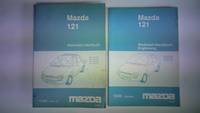
réf. 2i8412Mazda Motor Corporation Hiroshima/Japan 1990/1993. Ca. 780 S./ca. 160 S. in getrennter Zählung mit zahlreichen Illustrationen kartonierte Einbände quart werkstattfleckig und mit leichten Gebrauchsspuren/ein Band mit handschriftlicher Zahl auf unterem Schnitt. - Mazda Europa - unknown
réf. 53231089like new. unknown
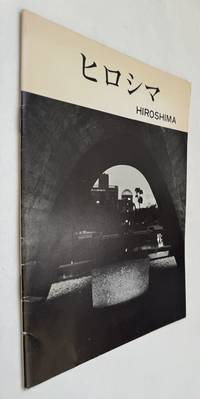
1975réf. 102000Japan: Printed by Nakamoto Sogo Printing 1975. Presumed first ed. no indication of prior printings. Paperback. Very good with minor soiling and foxing to wraps. Quarto in glossy pictorial wraps; stapled; 36 unnumbered pages: chiefly illustrations some color; 26 cm. In Japanese and English. Very graphic disturbing photos in b&w and color. ¶ 1939-1945 Atomic bomb Bombe atomique Guerre mondiale 1939-1945 World War 1939-1945 nuclear bombs. Nucealr War; aftermath. Radiatin sickness; Fallout. Printed by Nakamoto Sogo Printing paperback
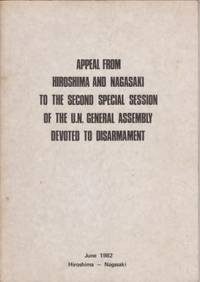
1982réf. bing009tma101Nakamotosogo Printing Co. Ltd 1982. paperback. good. Prompt shipment with tracking. we ship in CLEAN SECURE NEW boxes Good trade paperback. Clean pages. Light discoloring on cover. Nakamotosogo Printing Co., Ltd paperback
réf. WARE412MM054Hiroshima University. Very Good. Prompt shipment with tracking. we ship in CLEAN SECURE NEW boxes Very good paperback with clean pages light wear. Reports from the 1984 OECD/Japan Seminar on Higher Education. 219 pages. Hiroshima University paperback
2004réf. mon0003880453Global Oriental 2004-09-09. Hardcover. Very Good. 0.8661 8.5039 5.5906. Global Oriental hardcover
réf. 4569789463.Ghardcover. Good. Access codes and supplements are not guaranteed with used items. May be an ex-library book. hardcover
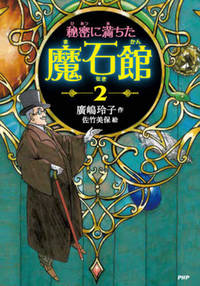
2020réf. x-4569789463PHP Kenkyujo 2020. Hardcover. New. Japanese language. 5.12x0.55x7.40 inches. PHP Kenkyujo hardcover
réf. 4036356208.Gpaperback. Good. Access codes and supplements are not guaranteed with used items. May be an ex-library book. paperback
réf. 4036356305.Gpaperback. Good. Access codes and supplements are not guaranteed with used items. May be an ex-library book. paperback
réf. 63-7302Hiroshima Japan: Restaurant Chambord ca. 1980. Folio. Laminated Covers With Sash Bound Pages inside 8 pp. Very Good with some wear along top edge. Illustrated. En Francais English & Japanese.Provenance: Michelin Archives. Collection Guy Legay. Clermont-Ferrand France. Hiroshima, Japan: Restaurant Chambord, [ca. 1980?]. unknown
réf. 946392o.J. u. Vlg. 256 S. mit sehr zahlr. Fotos. Originalleinen mit Schutzumschlag, im Schuber.
20108vo., with a frontispiece and maps in the text; grey boards, ivory cloth back lettered in red, a near fine copy in unclipped dustwrapper. Vernacular account of the events and aftermath of two days following the atomic bomb attack. THE CLOTH EDITION IS ALREADY SCARCE, ESPECIALLY IN THIS CONDITION
200374 pages. Features: Parallel and Linked Genocides - Iraq and Palestine; The Nazification of Israel; The Growing Clamor for Ethnic Cleansing; Anti-Semitism and the Beirut Pogrom; George Bush and the American Empire; Ground Zero - Hiroshima haunts 9/11; and much more. Average wear. Unmarked. A sound copy. Book
1986150 pages including notes and black and white photographic plates. Author's signature upon half-title page. Offers a message we cannot afford to ignore. The horrible effects of the bombing are explored from a dual perspective. First, their human toll. Second, the physical facts. The true impact of nuclear weapons is unveiled and the hopelessness of survival in a nuclear catastrophe made clear. Author is a nuclear physicist and professor in Hiroshima. Clean and unmarked with moderate wear. Solid copy. Book
réf. 37672550like new. unknown
réf. 2385143H. Fair. unknown
1945réf. 129721945. Field Marshall III publisher. The Chicago Sun August 7 1945 documents the first full day of American press coverage following the atomic bombing of Hiroshima and the sudden public disclosure of the secret wartime program that produced the weapon. The United States dropped the uranium bomb "Little Boy" on Hiroshima on August 6 and President Harry S. Truman announced its use the same day disclosing the existence of the atomic bomb and declaring that the release of atomic energy opened a new era in humanity's understanding of natural forces. The issue is particularly significant for showing how a mass-circulation American newspaper initially presented the bomb through three interconnected narratives: the destructive results of atomic science the formerly secret industrial infrastructure of the Manhattan Project and expectations for the peacetime uses of atomic power. It provides primary-source evidence for the study of Hiroshima World War II journalism the public revelation of the Manhattan Project nuclear technology and the opening of the atomic age. The Chicago Sun. Chicago: The Chicago Sun Tuesday August 7 1945. 22 pages printed recto and verso. Complete issue. The front page contains extensive atomic-bomb coverage including "Story of Our Secret Weapon"; "Scientists Tell Of Watching First Blast. Steel Tower is Vaporized; Cloud Rises 8 Miles"; and "Truman Visions New Era Powered by Atomic Force." A large photograph depicts an atomic-production facility at the Clinton Engineer Works at Oak Ridge Tennessee giving readers a first visual introduction to part of the immense industrial system that had operated under wartime secrecy. The Clinton Engineer Works served as the Manhattan Project's administrative headquarters and contained the K-25 S-50 and Y-12 facilities used in uranium-isotope separation; enriched uranium produced at Oak Ridge contributed directly to the Hiroshima weapon. The juxtaposition of the first atomic test industrial production Hiroshima and Truman's predictions for atomic energy illustrates how quickly American newspapers began constructing a public explanation for technology that had remained secret throughout most of the war. The August 7 date gives the issue considerable documentary immediacy: American readers were encountering the scale scientific origins industrial production and possible future applications of atomic energy almost simultaneously with learning of its use against a populated city. Truman's August 6 statement itself moved rapidly between military destruction and predictions that atomic energy might eventually supplement coal oil and hydroelectric power a dual framing closely echoed by the headlines preserved here. Oak Ridge's appearance on the front page is equally significant because the sprawling Tennessee installation had been created under extraordinary secrecy beginning in 1942 and encompassed several parallel processes for uranium enrichment. Light age toning and spotting with slight wear to edges; otherwise complete and well preserved. Very good. An unusually immediate newspaper record of the transition from a secret wartime weapons program to a publicly recognized atomic age published one day after Hiroshima and preserving the first explanations offered to American readers of the bomb its production and its anticipated consequences. unknown
1945réf. 129721945. Field Marshall III publisher. The Chicago Sun August 7 1945 documents the first full day of American press coverage following the atomic bombing of Hiroshima and the sudden public disclosure of the secret wartime program that produced the weapon. The United States dropped the uranium bomb "Little Boy" on Hiroshima on August 6 and President Harry S. Truman announced its use the same day disclosing the existence of the atomic bomb and declaring that the release of atomic energy opened a new era in humanity's understanding of natural forces. The issue is particularly significant for showing how a mass-circulation American newspaper initially presented the bomb through three interconnected narratives: the destructive results of atomic science the formerly secret industrial infrastructure of the Manhattan Project and expectations for the peacetime uses of atomic power. It provides primary-source evidence for the study of Hiroshima World War II journalism the public revelation of the Manhattan Project nuclear technology and the opening of the atomic age. The Chicago Sun. Chicago: The Chicago Sun Tuesday August 7 1945. 22 pages printed recto and verso. Complete issue. The front page contains extensive atomic-bomb coverage including "Story of Our Secret Weapon"; "Scientists Tell Of Watching First Blast. Steel Tower is Vaporized; Cloud Rises 8 Miles"; and "Truman Visions New Era Powered by Atomic Force." A large photograph depicts an atomic-production facility at the Clinton Engineer Works at Oak Ridge Tennessee giving readers a first visual introduction to part of the immense industrial system that had operated under wartime secrecy. The Clinton Engineer Works served as the Manhattan Project's administrative headquarters and contained the K-25 S-50 and Y-12 facilities used in uranium-isotope separation; enriched uranium produced at Oak Ridge contributed directly to the Hiroshima weapon. The juxtaposition of the first atomic test industrial production Hiroshima and Truman's predictions for atomic energy illustrates how quickly American newspapers began constructing a public explanation for technology that had remained secret throughout most of the war. The August 7 date gives the issue considerable documentary immediacy: American readers were encountering the scale scientific origins industrial production and possible future applications of atomic energy almost simultaneously with learning of its use against a populated city. Truman's August 6 statement itself moved rapidly between military destruction and predictions that atomic energy might eventually supplement coal oil and hydroelectric power a dual framing closely echoed by the headlines preserved here. Oak Ridge's appearance on the front page is equally significant because the sprawling Tennessee installation had been created under extraordinary secrecy beginning in 1942 and encompassed several parallel processes for uranium enrichment. Light age toning and spotting with slight wear to edges; otherwise complete and well preserved. Very good. An unusually immediate newspaper record of the transition from a secret wartime weapons program to a publicly recognized atomic age published one day after Hiroshima and preserving the first explanations offered to American readers of the bomb its production and its anticipated consequences. unknown books
1945réf. 107541945. Van Kirk Theodore J. "Dutch." Signed photograph of the Enola Gay documenting the B 29 Superfortress used in the first atomic bombing in warfare and bearing an inscription by its navigator. Van Kirk served as navigator aboard the B 29 Enola Gay during the August 6 1945 bombing of Hiroshima guiding the aircraft during its flight from Tinian to Japan and its return. The image supports research into World War II aviation the Manhattan Project atomic warfare and the commemorative culture through which mission participants later identified and interpreted the aircraft. The National WWII Museum confirms Van Kirk's position as navigator aboard the Enola Gay. Color photographic image of the Enola Gay undated. 6 by 12 inches. The aircraft is the primary subject although its viewpoint setting markings and whether it is shown in flight or on the ground are not specified in the supplied description. Van Kirk has inscribed the photograph in blue ink: "To recipient - best wishes and thanks - Dutch Van Kirk Navigator - Enola Gay Gang 6 Aug. 1945." The personalized salutation and informal phrase "Enola Gay Gang" identify the photograph as a later commemorative presentation rather than a contemporaneously inscribed wartime image. On August 6 1945 the Enola Gay departed Tinian carrying the uranium bomb known as "Little Boy" and released it over Hiroshima initiating the use of nuclear weapons in war. The aircraft and its crew subsequently became central to competing historical interpretations of military necessity civilian destruction technological change and the beginning of the atomic age. Van Kirk's full mission inscription connects the pictured aircraft directly to the navigator responsible for plotting its course and records the date through the language of a surviving participant. Blue-ink inscription remains bold and legible; no defects are reported. Near fine. A personally inscribed aircraft portrait joining the material history of the Enola Gay with the later commemoration of the Hiroshima mission. unknown