1293 risultati
1980rif. KOS06300175TBD 1980. Soft Cover. Fine. KOS06300175 TBD paperback
1993rif. 2090202120415854Keisuisha 1993. Soft Cover. Fine. Number of books: 1 Keisuisha paperback
1988rif. 2090202120415245Keisuisha 1988. Soft Cover. Fine. Number of books: 1 Keisuisha paperback
1994rif. 2090202120410657Sankichi Toge Memorial Project Committee 1994. Soft Cover. Fine. Number of books: 1 Sankichi Toge Memorial Project Committee paperback
2012rif. 2090202120414818Liaison Conference of Hiroshima Prefecture Cultural Group 2012. Soft Cover. Fine. Number of books: 1 Liaison Conference of Hiroshima Prefecture Cultural Group paperback
1993rif. 2090202120412154Hiroshima Historical Museum 1993. Soft Cover. Fine. Number of books: 1 Hiroshima Historical Museum paperback
1991rif. 2090202120415179Not Available 1991. Soft Cover. Fine. Number of books: 1 Not Available paperback
rif. 2091502135500805Not Available N.A. Soft Cover. Fine. The book is in fine condition. Not Available paperback
1970rif. 2083002115705277Not Available 1970. Soft Cover. Fine. Number of books: 1 book Not Available paperback
1998rif. 2519Hiroshima Japan: Hiroshima City Museum of Contemporary Art 1998. 8.25" x 11.75" pp. 71 1 including multiple color illustrations from photography throughout text in the Japanese language. Illustrated blue wrappers are clean with very minor scuffing at corners. Text is crisp and bright. Very good. Catalog from the 5th annual Hiroshima Art Competition where artists using various mediums compete to capture the "Spirit of Hiroshima. Hiroshima City Museum of Contemporary Art unknown
1945rif. 221391945. Editor unknown. Atlanta Journal August 6 1945 records the first American newspaper cycle responding to the atomic bombing of Hiroshima a military and political event that introduced nuclear weapons into warfare and reshaped the final phase of World War II. The issue supports research into wartime journalism anti-Japanese racial language in the American press home-front reception of nuclear warfare and the public announcement of the atomic age; Hiroshima was bombed on August 6 1945 and President Truman's statement described the bomb as having "more power than 20000 tons of T.N.T." Atlanta Journal. Atlanta Georgia. August 6 1945. Final Home Edition. Number of pages and size not stated. Front-page headlines include "Atomic Power Bomb Loosed on Jap Cities" "Death Charge Equals 20000 Tons of TNT" and "Japs Fail to Scratch New Hornet in Terrific 14-month War Cruise." The headlines preserve the immediacy of American reporting on Hiroshima as well as the racialized wartime language used in mainstream newspapers during the Pacific War. General handling wear good overall. A same-day Southern newspaper issue documenting how the first use of atomic warfare entered American public consciousness through mass-circulation news. unknown books
1995rif. AUB-4253Paris, éd. Autrement 1995. Bel exemplaire broché, couv. ornée d'éd., gd in-8, 240 pages.
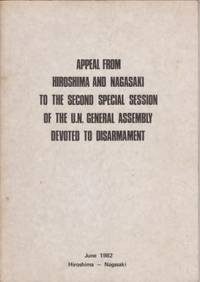
1982rif. bing009tma101Nakamotosogo Printing Co. Ltd 1982. paperback. good. Prompt shipment with tracking. we ship in CLEAN SECURE NEW boxes Good trade paperback. Clean pages. Light discoloring on cover. Nakamotosogo Printing Co., Ltd paperback
2020rif. __3110403501De Gruyter 2020. Hardcover. New. 2nd edition. 539 pages. 10.00x7.25x1.50 inches. De Gruyter hardcover
rif. 9813293047.Gpaperback. Good. Access codes and supplements are not guaranteed with used items. May be an ex-library book. paperback
2019rif. x-9813293047Springer Verlag 2019. Paperback. New. 152 pages. 9.25x6.10x0.39 inches. Springer Verlag paperback
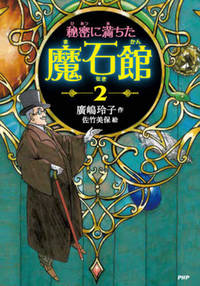
2020rif. x-4569789463PHP Kenkyujo 2020. Hardcover. New. Japanese language. 5.12x0.55x7.40 inches. PHP Kenkyujo hardcover
rif. 53231089like new. unknown
rif. 53231089-nnew. unknown
rif. 4569789463.Ghardcover. Good. Access codes and supplements are not guaranteed with used items. May be an ex-library book. hardcover
19962 vols., roy. 4to., First Edition, text in Japanese, Main Volume with many hundreds of coloured and monochrome photographs (a number folding) in the text, CD Portfolio with coloured illustrated booklet and CD in oyster case; Main Volume in brown cloth, upper board and backstrip lettered in blue, CD Portfolio in white boards, both volumes housed in publisher's card slip-case, a near fine copy. SCARCE.
1945rif. 129721945. Field Marshall III publisher. The Chicago Sun August 7 1945 documents the first full day of American press coverage following the atomic bombing of Hiroshima and the sudden public disclosure of the secret wartime program that produced the weapon. The United States dropped the uranium bomb "Little Boy" on Hiroshima on August 6 and President Harry S. Truman announced its use the same day disclosing the existence of the atomic bomb and declaring that the release of atomic energy opened a new era in humanity's understanding of natural forces. The issue is particularly significant for showing how a mass-circulation American newspaper initially presented the bomb through three interconnected narratives: the destructive results of atomic science the formerly secret industrial infrastructure of the Manhattan Project and expectations for the peacetime uses of atomic power. It provides primary-source evidence for the study of Hiroshima World War II journalism the public revelation of the Manhattan Project nuclear technology and the opening of the atomic age. The Chicago Sun. Chicago: The Chicago Sun Tuesday August 7 1945. 22 pages printed recto and verso. Complete issue. The front page contains extensive atomic-bomb coverage including "Story of Our Secret Weapon"; "Scientists Tell Of Watching First Blast. Steel Tower is Vaporized; Cloud Rises 8 Miles"; and "Truman Visions New Era Powered by Atomic Force." A large photograph depicts an atomic-production facility at the Clinton Engineer Works at Oak Ridge Tennessee giving readers a first visual introduction to part of the immense industrial system that had operated under wartime secrecy. The Clinton Engineer Works served as the Manhattan Project's administrative headquarters and contained the K-25 S-50 and Y-12 facilities used in uranium-isotope separation; enriched uranium produced at Oak Ridge contributed directly to the Hiroshima weapon. The juxtaposition of the first atomic test industrial production Hiroshima and Truman's predictions for atomic energy illustrates how quickly American newspapers began constructing a public explanation for technology that had remained secret throughout most of the war. The August 7 date gives the issue considerable documentary immediacy: American readers were encountering the scale scientific origins industrial production and possible future applications of atomic energy almost simultaneously with learning of its use against a populated city. Truman's August 6 statement itself moved rapidly between military destruction and predictions that atomic energy might eventually supplement coal oil and hydroelectric power a dual framing closely echoed by the headlines preserved here. Oak Ridge's appearance on the front page is equally significant because the sprawling Tennessee installation had been created under extraordinary secrecy beginning in 1942 and encompassed several parallel processes for uranium enrichment. Light age toning and spotting with slight wear to edges; otherwise complete and well preserved. Very good. An unusually immediate newspaper record of the transition from a secret wartime weapons program to a publicly recognized atomic age published one day after Hiroshima and preserving the first explanations offered to American readers of the bomb its production and its anticipated consequences. unknown
1945rif. 129721945. Field Marshall III publisher. The Chicago Sun August 7 1945 documents the first full day of American press coverage following the atomic bombing of Hiroshima and the sudden public disclosure of the secret wartime program that produced the weapon. The United States dropped the uranium bomb "Little Boy" on Hiroshima on August 6 and President Harry S. Truman announced its use the same day disclosing the existence of the atomic bomb and declaring that the release of atomic energy opened a new era in humanity's understanding of natural forces. The issue is particularly significant for showing how a mass-circulation American newspaper initially presented the bomb through three interconnected narratives: the destructive results of atomic science the formerly secret industrial infrastructure of the Manhattan Project and expectations for the peacetime uses of atomic power. It provides primary-source evidence for the study of Hiroshima World War II journalism the public revelation of the Manhattan Project nuclear technology and the opening of the atomic age. The Chicago Sun. Chicago: The Chicago Sun Tuesday August 7 1945. 22 pages printed recto and verso. Complete issue. The front page contains extensive atomic-bomb coverage including "Story of Our Secret Weapon"; "Scientists Tell Of Watching First Blast. Steel Tower is Vaporized; Cloud Rises 8 Miles"; and "Truman Visions New Era Powered by Atomic Force." A large photograph depicts an atomic-production facility at the Clinton Engineer Works at Oak Ridge Tennessee giving readers a first visual introduction to part of the immense industrial system that had operated under wartime secrecy. The Clinton Engineer Works served as the Manhattan Project's administrative headquarters and contained the K-25 S-50 and Y-12 facilities used in uranium-isotope separation; enriched uranium produced at Oak Ridge contributed directly to the Hiroshima weapon. The juxtaposition of the first atomic test industrial production Hiroshima and Truman's predictions for atomic energy illustrates how quickly American newspapers began constructing a public explanation for technology that had remained secret throughout most of the war. The August 7 date gives the issue considerable documentary immediacy: American readers were encountering the scale scientific origins industrial production and possible future applications of atomic energy almost simultaneously with learning of its use against a populated city. Truman's August 6 statement itself moved rapidly between military destruction and predictions that atomic energy might eventually supplement coal oil and hydroelectric power a dual framing closely echoed by the headlines preserved here. Oak Ridge's appearance on the front page is equally significant because the sprawling Tennessee installation had been created under extraordinary secrecy beginning in 1942 and encompassed several parallel processes for uranium enrichment. Light age toning and spotting with slight wear to edges; otherwise complete and well preserved. Very good. An unusually immediate newspaper record of the transition from a secret wartime weapons program to a publicly recognized atomic age published one day after Hiroshima and preserving the first explanations offered to American readers of the bomb its production and its anticipated consequences. unknown books
1985rif. 2090202120406581Hiroshima Prefecture 1985. Soft Cover. Fine. Number of books: 1 Hiroshima Prefecture paperback
1969rif. 115906Couverture souple. Revue 22 x 30 cm. 28 pages.