Rossini, Luigi - 1790 Ravenna - Rom 1857Antiquariat.de
558 résultats
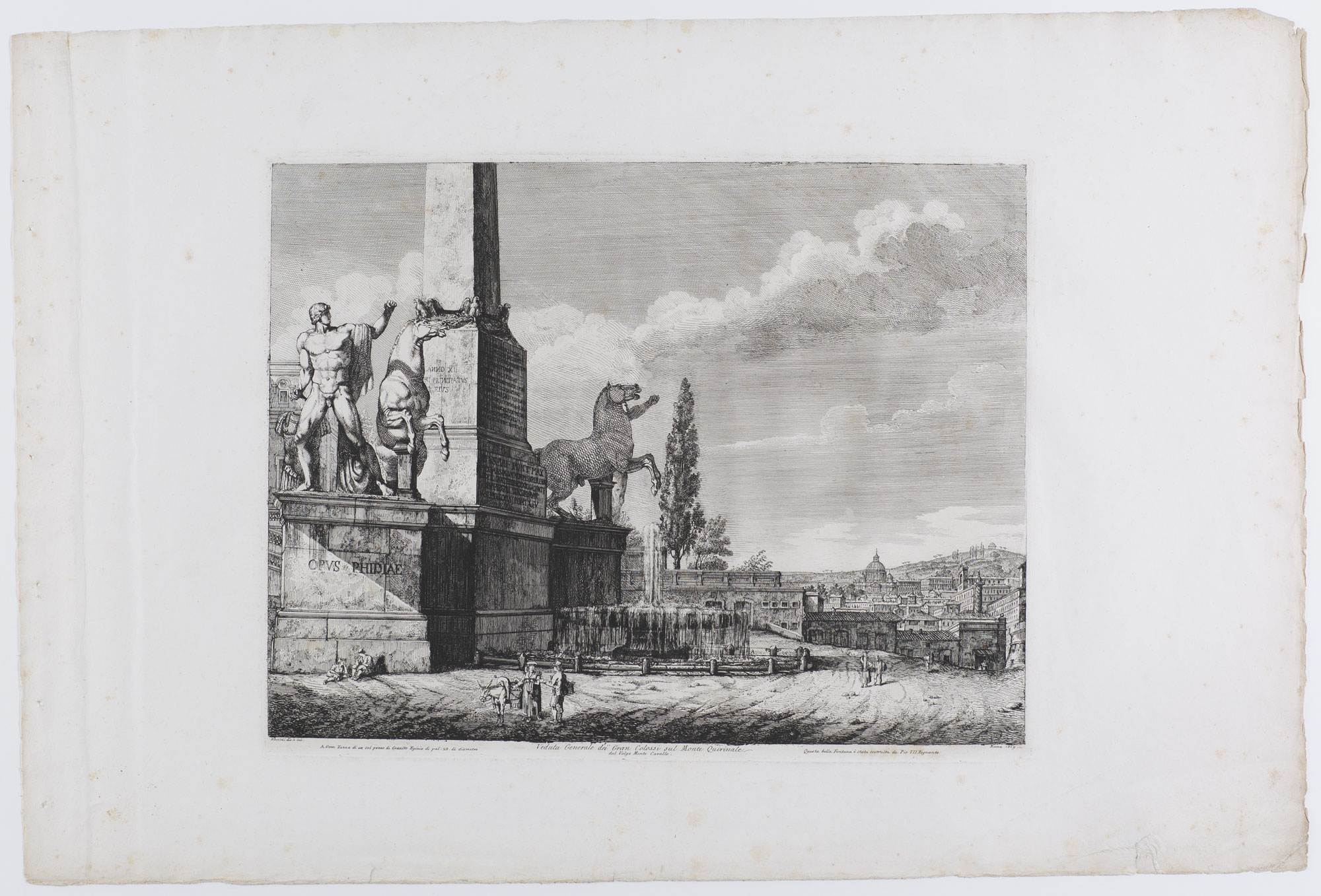
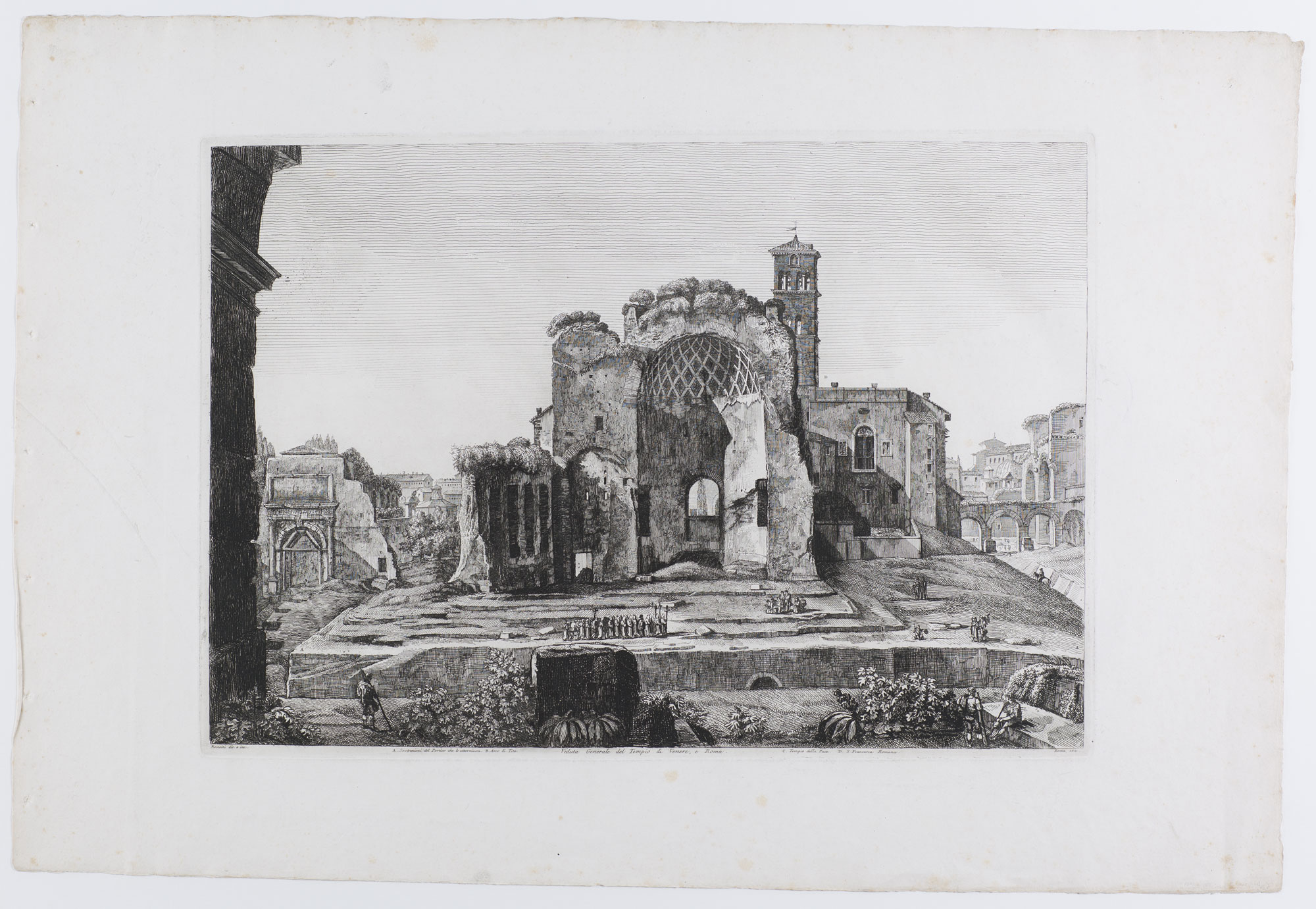
réf. 0700-Bo.J. Radierung, 1822, auf Velin. 35,3:48 cm. Im breiten Rand etwas knitterfaltig und fleckig, im linken Rand Spuren alter Bindung. Aus der 100-Blatt-Folge ?Antichita? Romane?, 1823. - Tiefschwarzer und klar zeichnender Abdruck auf Velin.
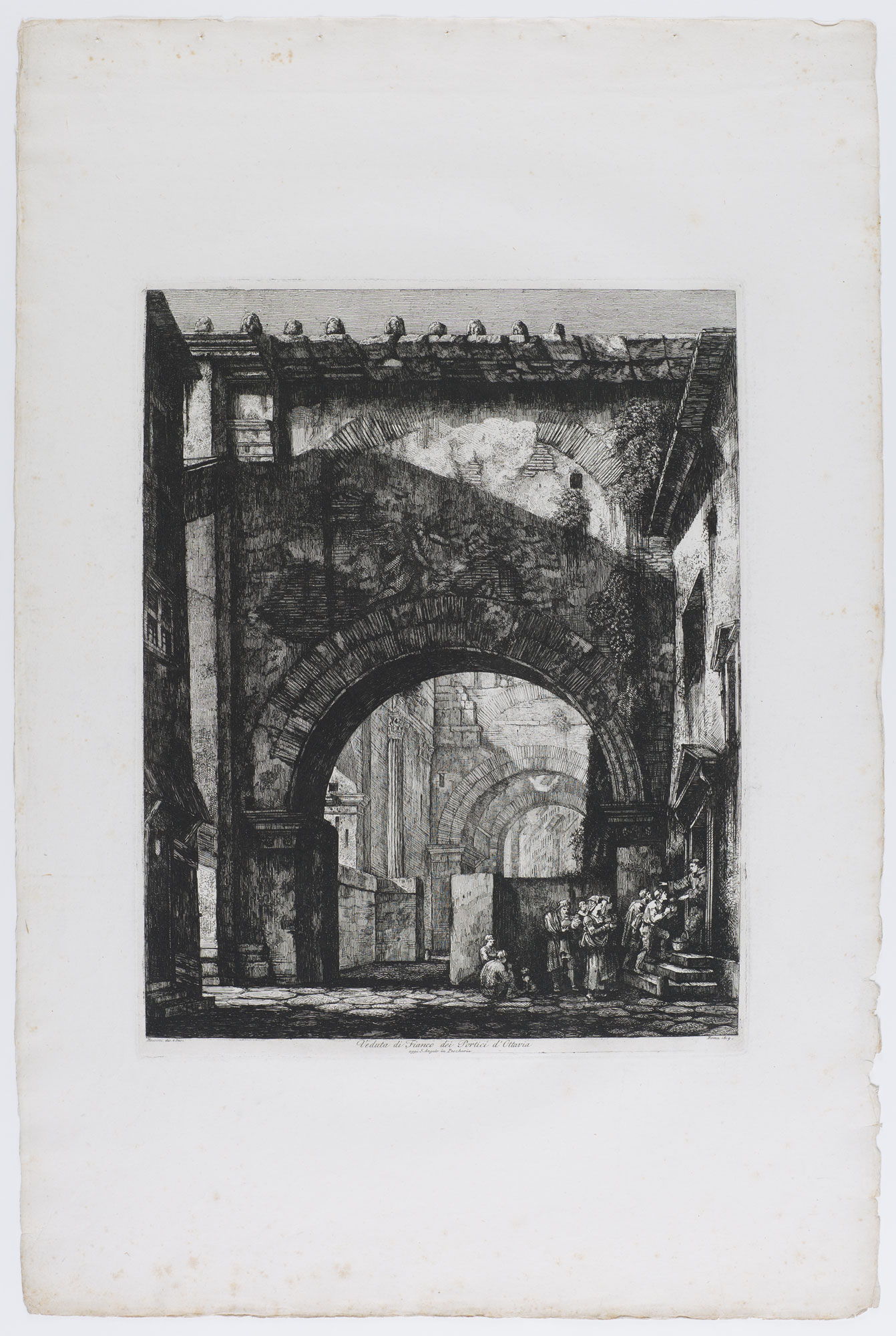
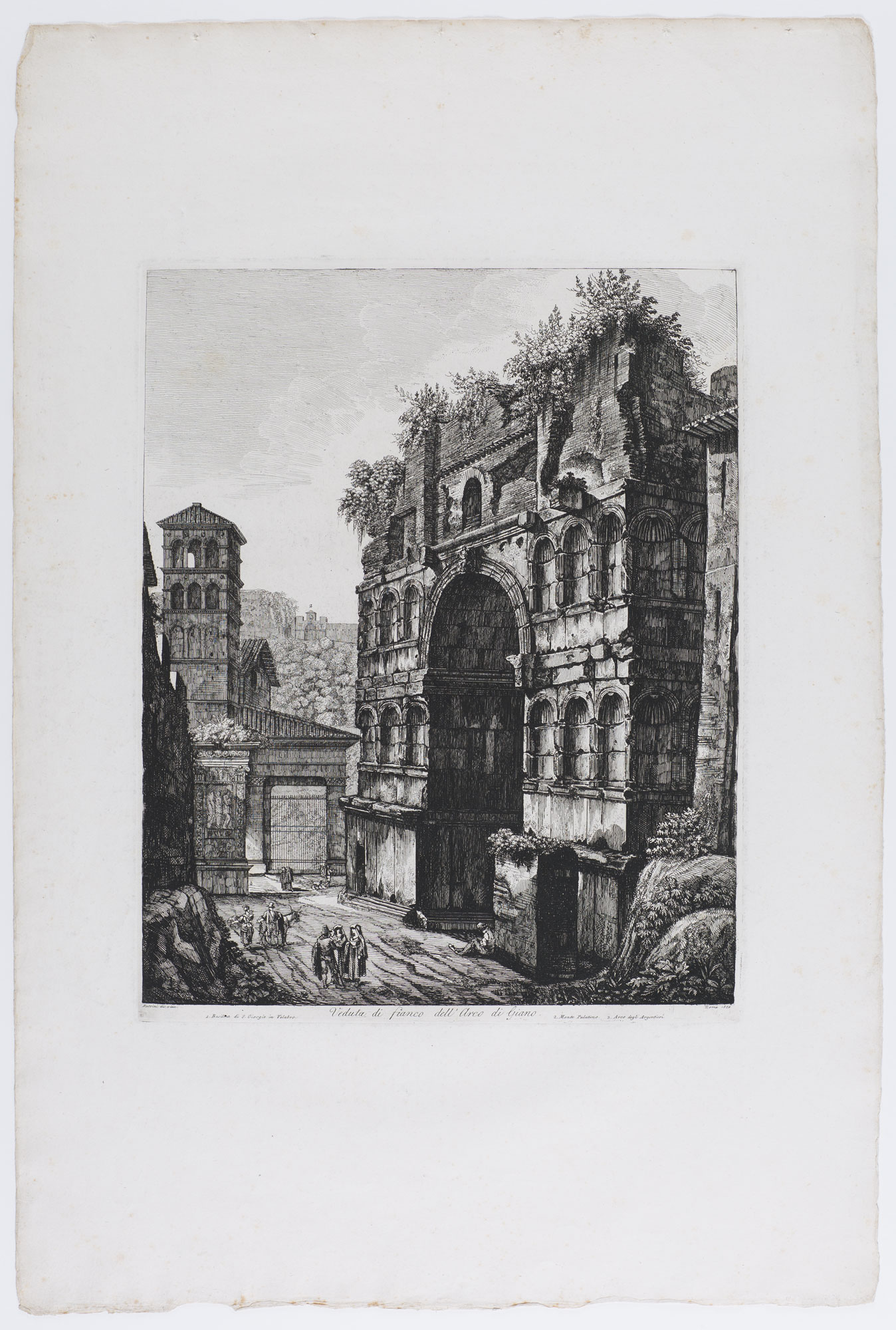
réf. 0702-Bo.J. Radierung, 1819, auf Velin. 46,7:36,4 cm. Im breiten Rand etwas knitterfaltig und fleckig, im oberen Rand mit Spuren alter Bindung. Aus der 100-Blatt-Folge ?Antichita? Romane?, 1823. - Tiefschwarzer und klar zeichnender Abdruck auf Velin.
réf. 0710-Bo.J. Radierung, 1820, auf Velin. 45,8:36,4 cm. Im breiten Rand etwas knitterfaltig und fleckig, im oberen Rand mit Spuren alter Bindung. Aus der 100-Blatt-Folge ?Antichita? Romane?, 1823. - Tiefschwarzer und klar zeichnender Abdruck auf Velin.
réf. 0712-Bo.J. Radierung, 1819, auf Velin. 36:46,2 cm. Im breiten Rand etwas knitterfaltig und fleckig, im linken Rand Spuren alter Bindung. Aus der 100-Blatt-Folge ?Antichita? Romane?, 1823. - Tiefschwarzer und klar zeichnender Abdruck auf Velin.
réf. 0711-Bo.J. Radierung, 1821, auf Velin. 37,3:53,5 cm. Tiefschwarzer Abdruck, breitrandig. - Zwei Quetschfalten im linken Rand außerhalb der Darstellung, gering fleckig. Aus der 100-Blatt-Folge ?Antichita? Romane?, 1823. - Tiefschwarzer und klar zeichnender Abdruck auf Velin, breitrandig.
1792réf. 000325Paris Desenne, Volland, Plassan 1792
2012New English Original cloth bdg. In publisher's special box. Oblong large 4to. (47 x 34 cm). In English. 196 p., 95 color plts, 37 ills. A unique complex of archaeological material survives from Commagene in the first century BC. It derives from a local king, Antiochos I, and is of great interest in itself and for the study of ancient religion and art. The material consists of a large body of monumental sculpture, statues and reliefs and voluminous inscriptions about the king and his gods. The monuments are unique in their quantity, and in being precisely dated and identified. Together the texts and images provide an unrivalled opportunity for getting close to the quality and texture of an ancient cult. Antiochos I of Commagene (c. 69-36 BC) belonged at the tail-end of Hellenistic monarchy and the beginning of Roman rule in Syria and Eastern Anatolia. The scholarly text by R.R.R. Smith describes the geography and political history of Antiochos kingdom, and looks at the archaeology of his sanctuaries and his royal cult as known from inscriptions. Exquisite photography by Ahmet Ertug concentrates on some of the best preserved sculpture from two sites, Nemrud Dag and Arsameia and expresses in a new way the distinctive character and impact of these extraordinary monuments. Roman mosaics from Zeugma on the Euphrates are also included in the book. The large picture mosaics discovered in the Zeugma houses during the rescue excavations of the 1990s are sensational. They continue the tradition of Hellenistic mosaic floors with pictorial scenes of mythology, allegory, and marine fantasy, and constitute a missing link in the second century AD between picture mosaics of the later Hellenistic period and of Late Antiquity. The photography of Ahmet Ertug in this beautifully printed book will bring readers into a spectacular and less familiar landscape of the ancient world, one that felt itself already in Antiquity to be perched at the bridgehead between West and East. The photographs in the book were printed with special inks, and all color-separation and proofing was done at the digital darkroom of Ahmet Ertug. The book is 34 x 47cms in landscape format, and has 196 pages, 95 color plates and 37 figures. Printed in Germany, hardbound in Switzerland with exquisite cloth, presented in slipcase.
réf. 041-Io.J. Bleistift, aquarelliert, auf festem Zeichenpapier, auf Untersatz montiert und dort rechts unten wohl signiert ?Corrodi ? Rom?. 10,2:23 cm. Literatur: Chr. Steinhoff: Salomon Corrodi und seine Zeit 1810-1892. Ein Schweizer Künstlerleben im 19. Jahrhundert, Fehraltorf 1992, vgl. 5Z; hier zeigt der Künstler dieselbe Mauer von der entgegengesetzten Seite.
réf. LIQ-6927Hanoï, P. Dieulefils S.d (1909).In-8° à l’Italienne, plein chagrin havane à la Bradel, dos lisse, premier plat frappé de motifs et du titre dorés, tête dorée. (Légère pliure sur le premier plat).
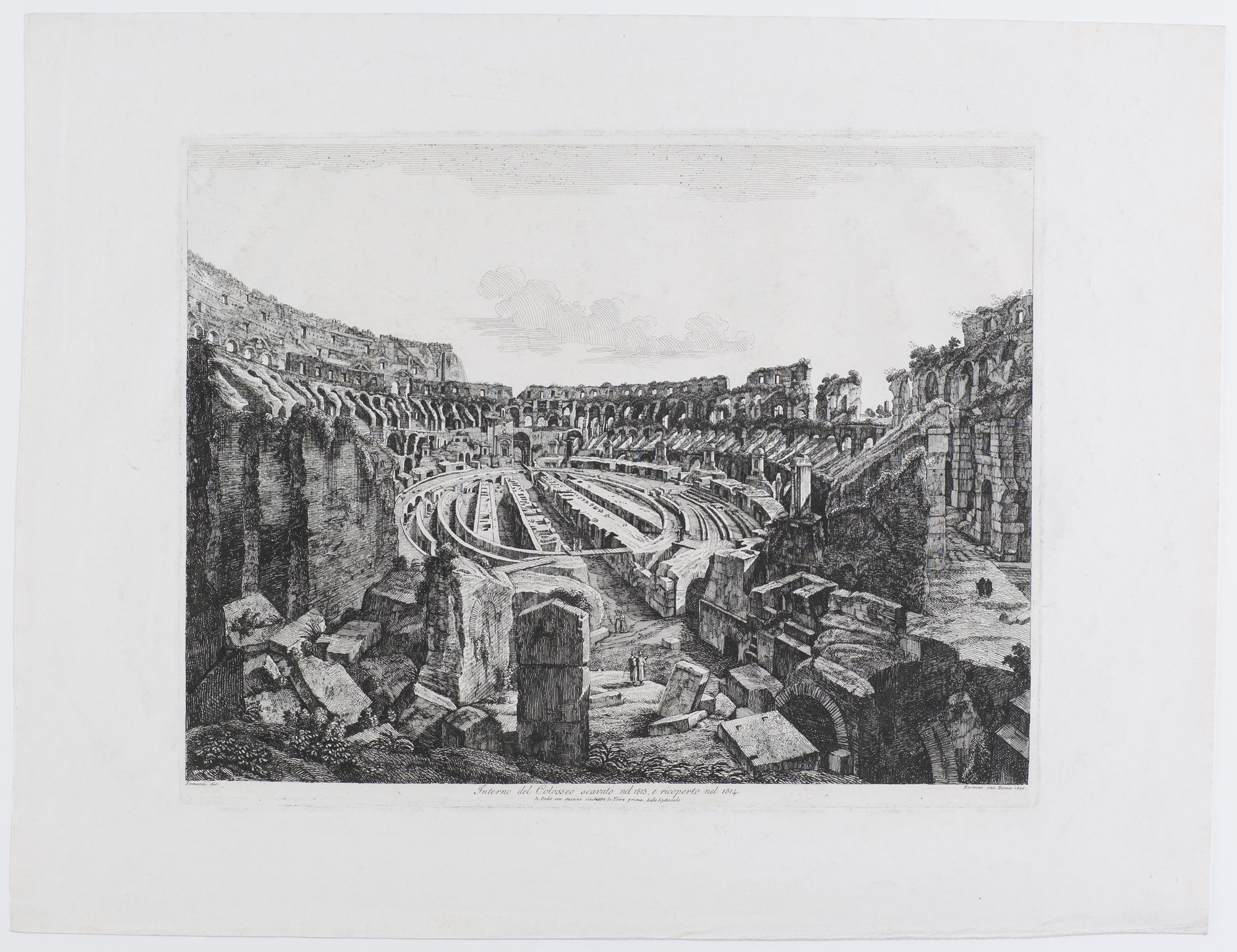
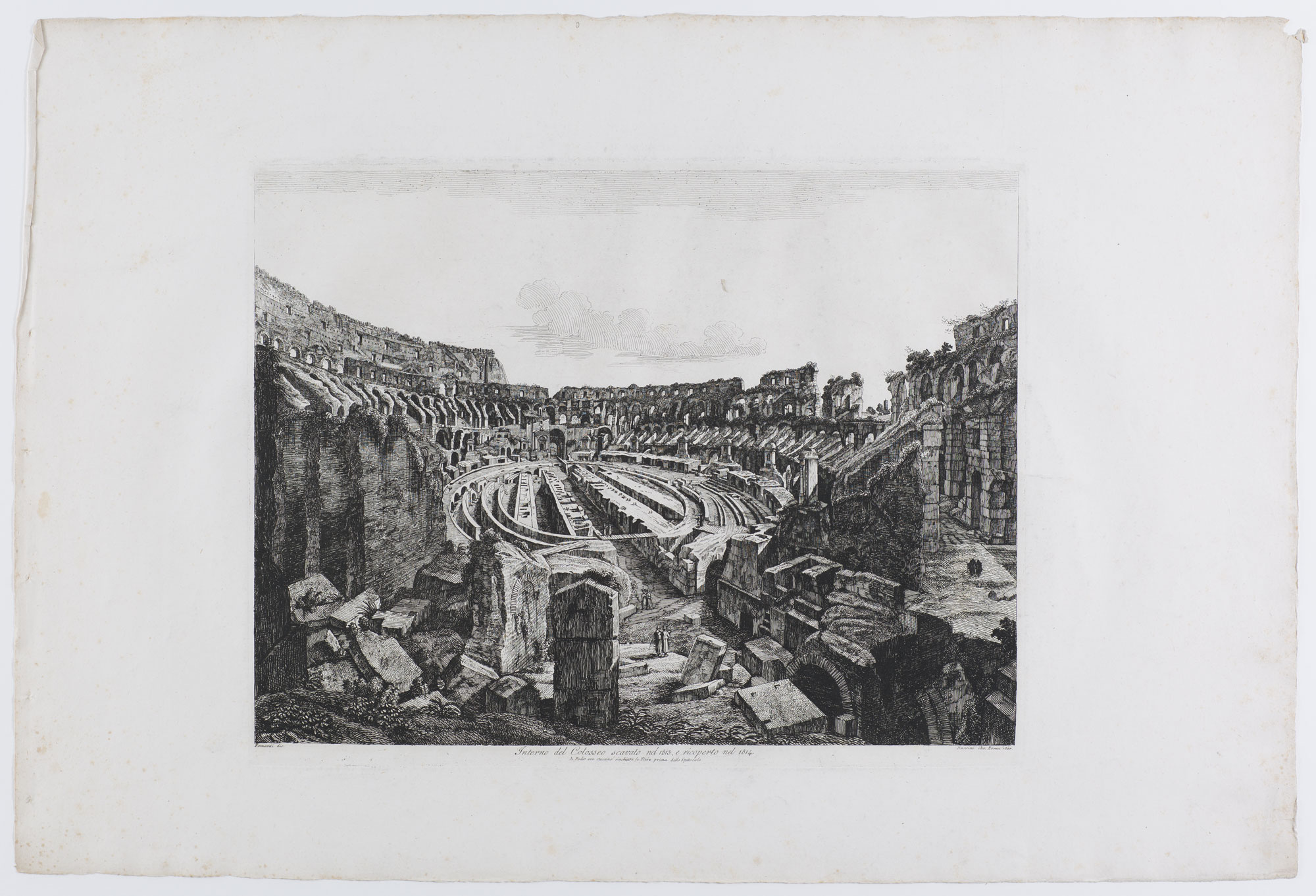
réf. 0694-Bo.J. Radierung, 1820, nach Simone Pomardi (1760-1830), auf Bütten. 36: 46 cm. Im breiten Rand etwas knitterfaltig.
réf. 0708-Bo.J. Radierung, 1820, nach Simone Pomardi (1760-1830), auf Bütten. 36: 46 cm. Im breiten Rand etwas knitterfaltig.
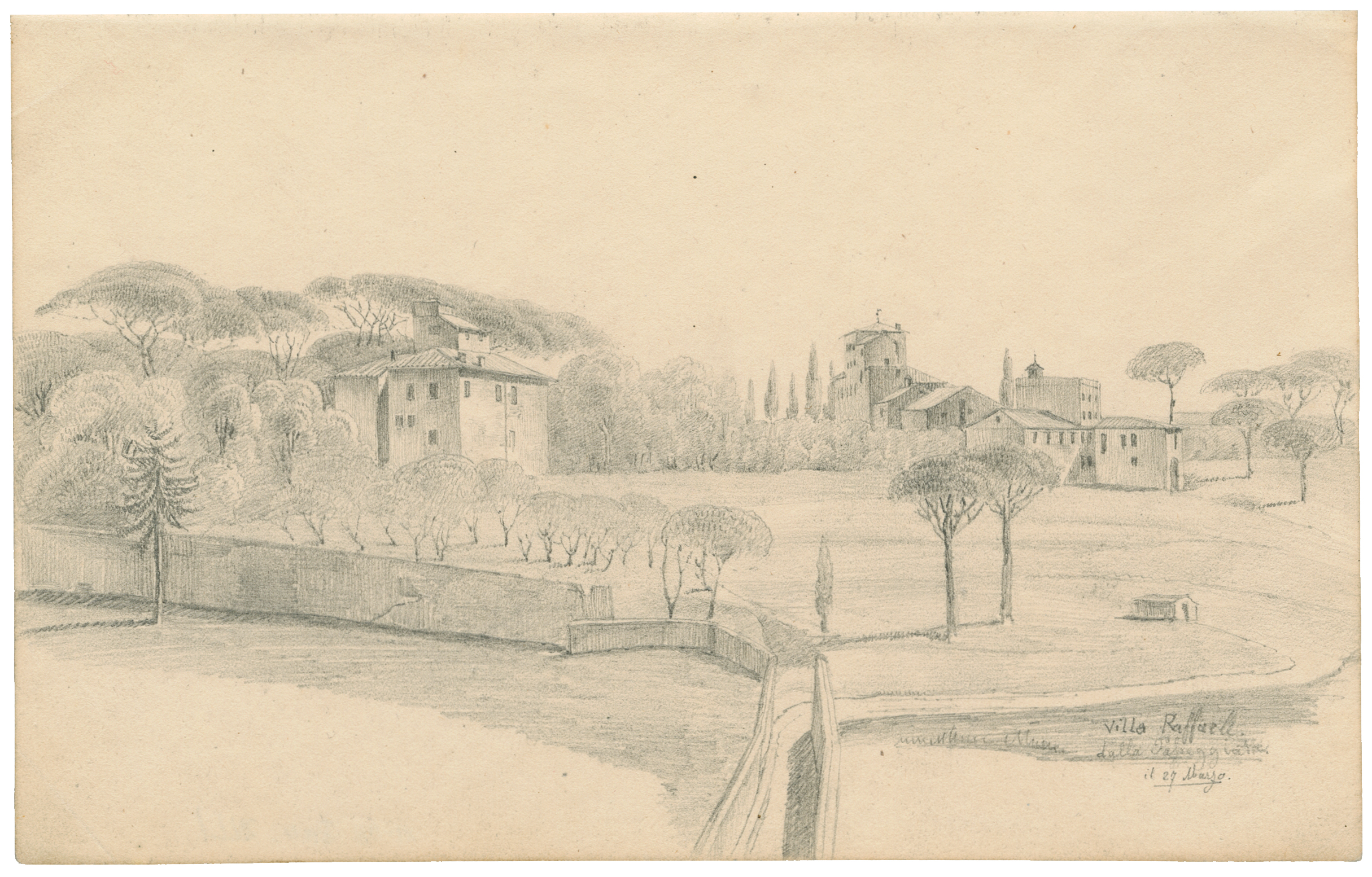
réf. 116-Io.J. Bleistift, auf gelblichem Velin, rechts unten bezeichnet und datiert ?Villa Raffaels / Della Palazzio?/ il 27. Marzo.?. 12,8:20,2 cm. Aus einem Skizzenbuch.
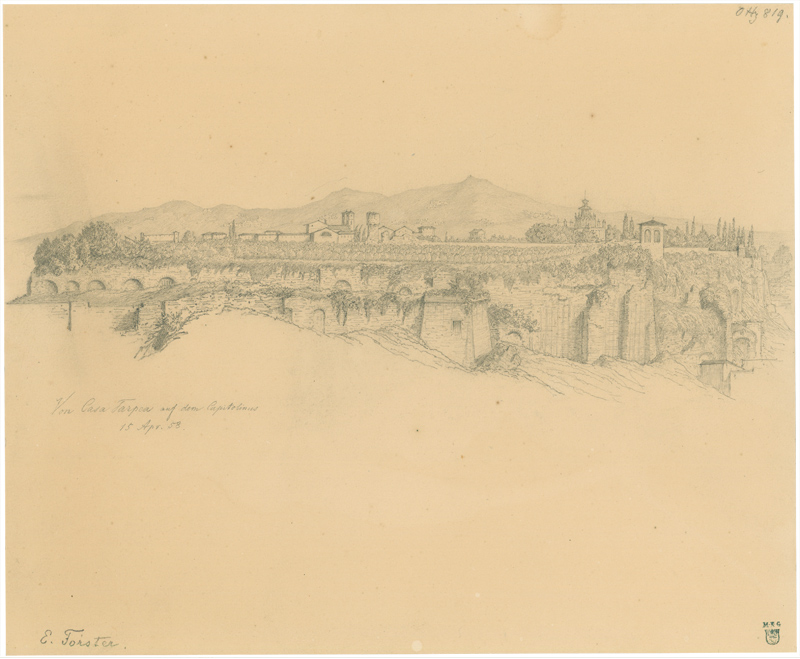
1819réf. 037-I1819. Bleistift, auf cremefarbenem Velin, links unten signiert ?E. Förster?, betitelt und datiert ?15 Apr. 58?, rechts oben numeriert ?OHz 819.?. 23,4:28,7 cm. Auf Untersatz montiert. Provenienz: Mit Stempel der Münchner Künstlergesellschaft, nicht bei Lugt.
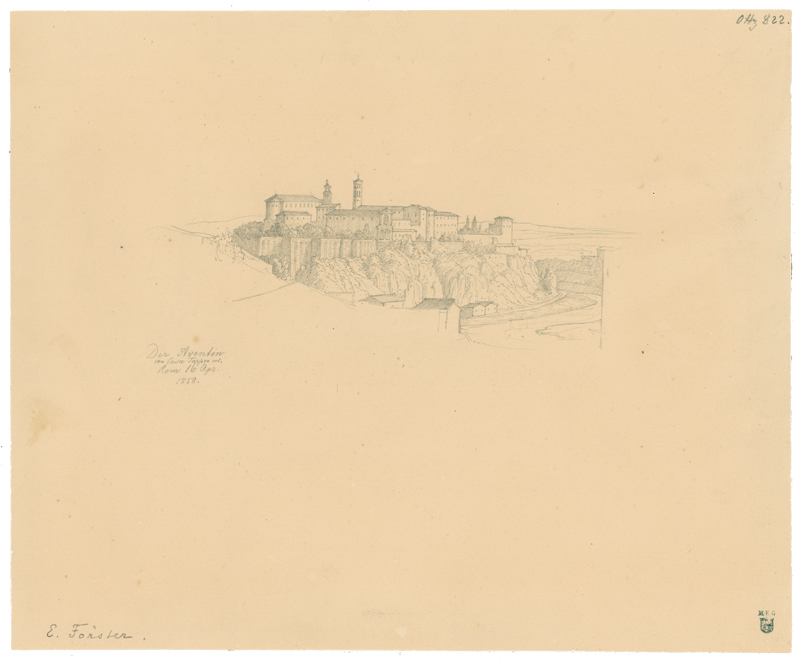
réf. 039-Io.J. Bleistift, auf cremefarbenem Velin, links unten signiert ?E. Förster?, betitelt und datiert ?Rom 16 Apr. 1858?, rechts oben numeriert ?OHz 822.?. 23,4:28,7 cm. Auf Untersatz montiert. Provenienz: Mit Stempel der Münchner Künstlergesellschaft, nicht bei Lugt.
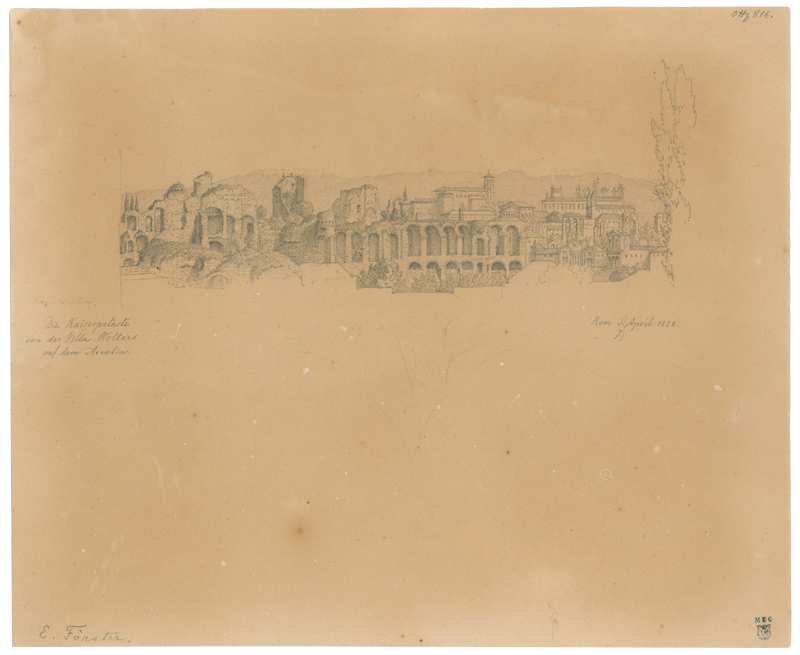
réf. 038-Io.J. Bleistift, auf cremefarbenem Velin, links unten signiert ?E. Förster?, betitelt und datiert ?Rom 3/7 Apr. 1858?, rechts oben numeriert ?OHz 817.?. 23,4:28,7 cm. Papier vergilbt. Provenienz: Mit Stempel der Münchner Künstlergesellschaft, nicht bei Lugt.
1817réf. 035-I1817. Bleistift, auf cremefarbenem Velin, links unten signiert ?E. Förster?, betitelt und datiert ?Rom 21 Apr. 1858?, rechts oben numeriert ?OHz 817.?. 23,4:28,7 cm. Papier vergilbt. Provenienz: Mit Stempel der Münchner Künstlergesellschaft, nicht bei Lugt.
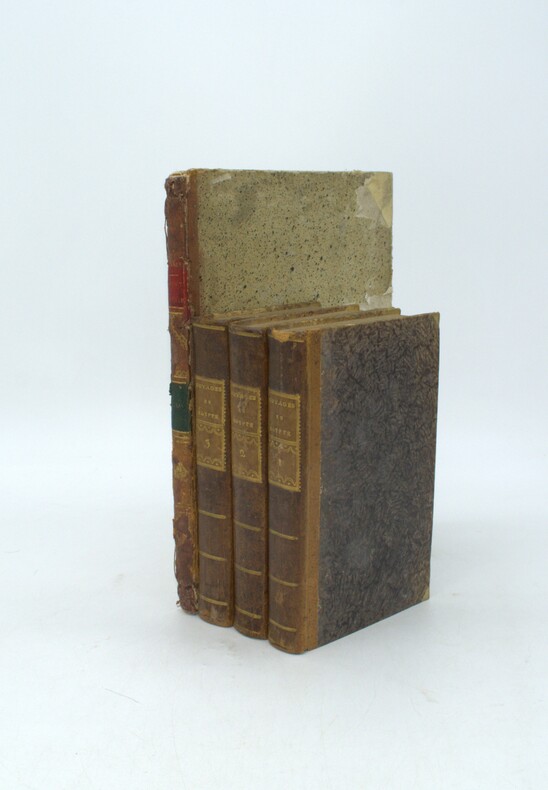
1799réf. PHO-1999À Paris, Chez F. Buisson, Imprimeur-Libraire, an VII (1799). 4 tomes TEXTE ; 3 volumes in-8°, 2ff.-VII-425pp.1f (catalogue), 2ff.-417pp.(2 tableaux dépliants), 2ff.-424pp., demi basane et coins, dos lisse avec pièce de titre et tomaison havane, tranches mouchetées bleues, petits frottements, accroc à une coiffe, petit travail de ver en coin sur qlqs feuillets (T2). ATLAS Voyage dans la Haute et Basse Égypte et Voyage en Grèce et en Turquie Paris, F. Buisson, An VII de la République (1799). In-4, 2 pp., 39 planches et une carte, mouillure angulaire à la carte, frottements, charnières fendillées et petit manque de matière, manque de papier au plat.
réf. 9589expliquées dans les mémoires du Comte de Bxxx contenant ses avantures. Un grand nombre d’histoires & anecdotes du Tems, très curieuses, ses recherches & ses découvertes sur les antiquités de la ville de Rome divisé en trois parties. In 8 demi-cuir marron à coins, pièce de titre cuir noir, roulette, palmette, filets dorés, titre 355 pages 105 gravures en 89 planches, certaines dépliantes, 15vignettes. A La Haye chez Jean Naulme 1750. Plats légèrement frottés, belles gravures
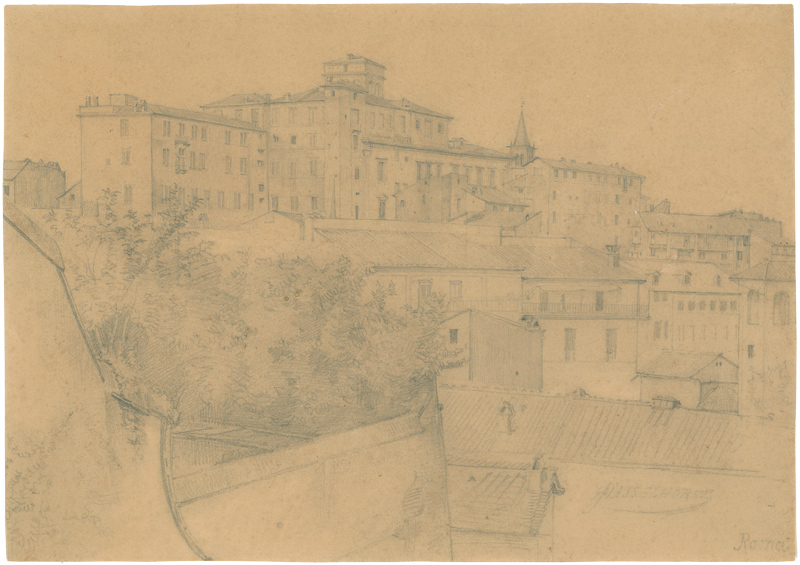
réf. 087-Io.J. Bleistift, auf braunem Papier, rechts unten signiert und bezeichnet ?JHHasselhorst / Roma?. 19:27,2 cm. Die Zeichnung ist während des Aufenthaltes in Italien 1858/60 entstanden.
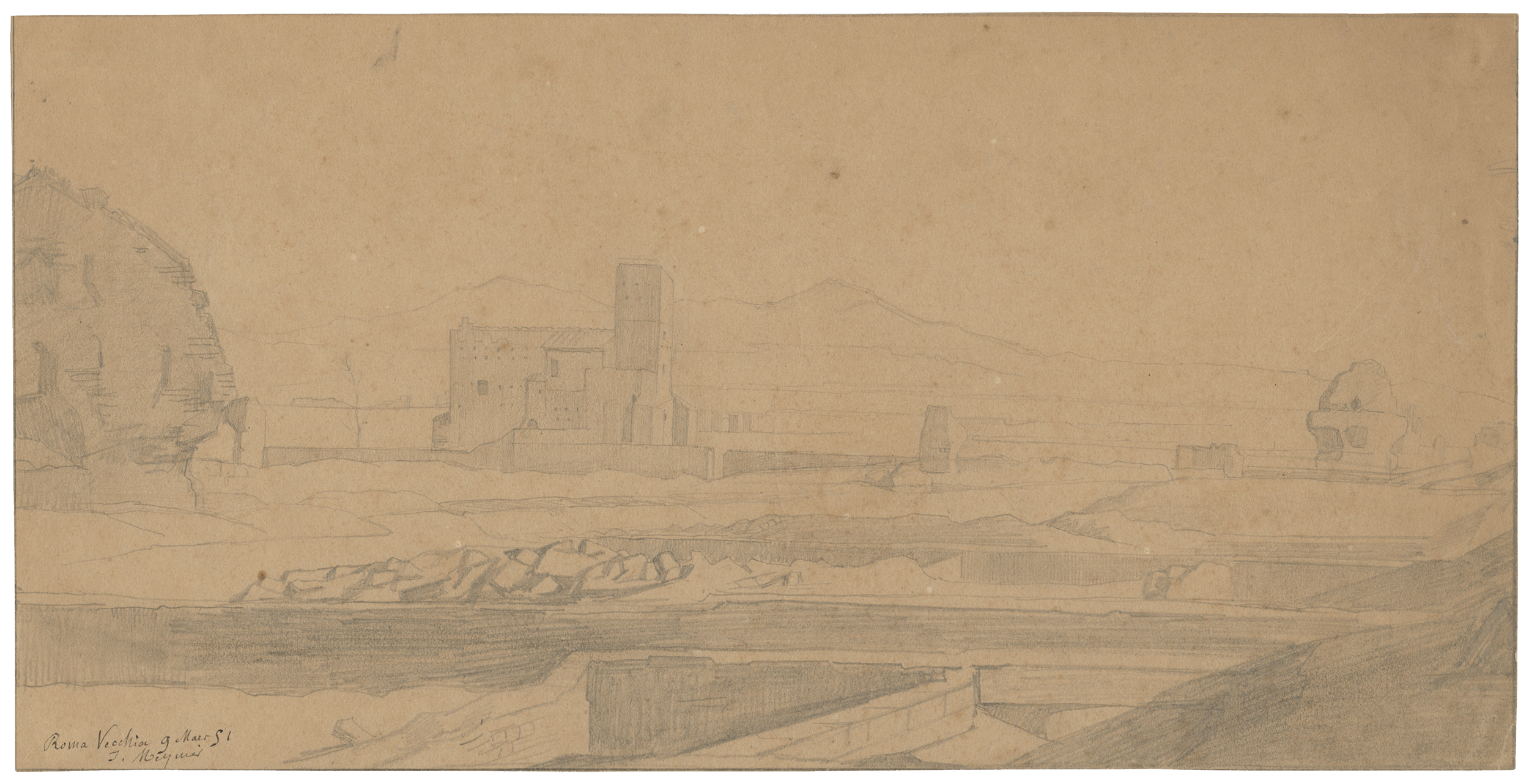
réf. 114-Io.J. Bleistift, auf hellbraunem Velin, links unten bezeichnet, datiert und signiert ?Roma Vecchia 9 Mars 51 J. Meynier?. 15,2:30 cm.
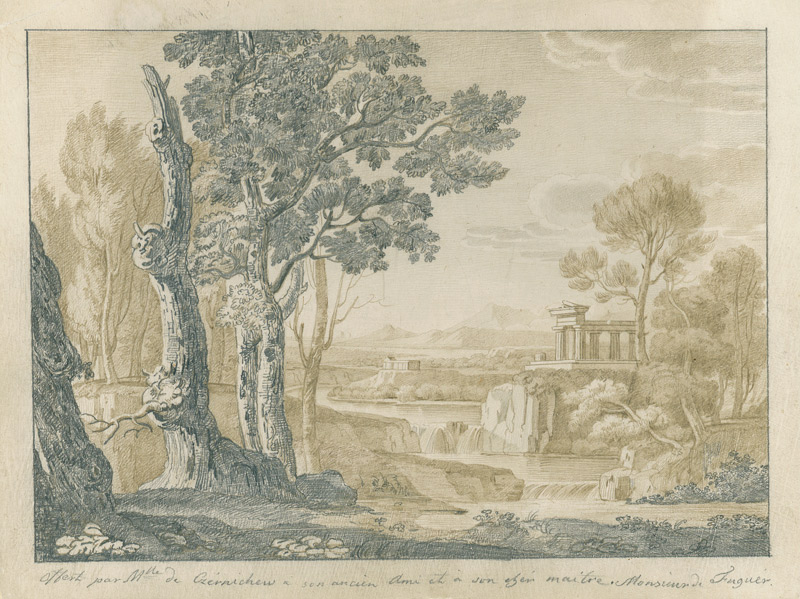
réf. 161-Wo.J. Graphit und Sepiakreide, auf Karton mit Kreidegrundierung, im Unterrand mit Widmung ?Offert par Mlle Czernichew a son ancien ami et a son chèr maitre Monsieur Fuguer?. Verso von der Künstlerin bezeichnet ?Accepte le avec indulgeance mon cher maitre personne rien à plus besoin que la C. Nina Czernichew.? 13,3:17,4 cm.
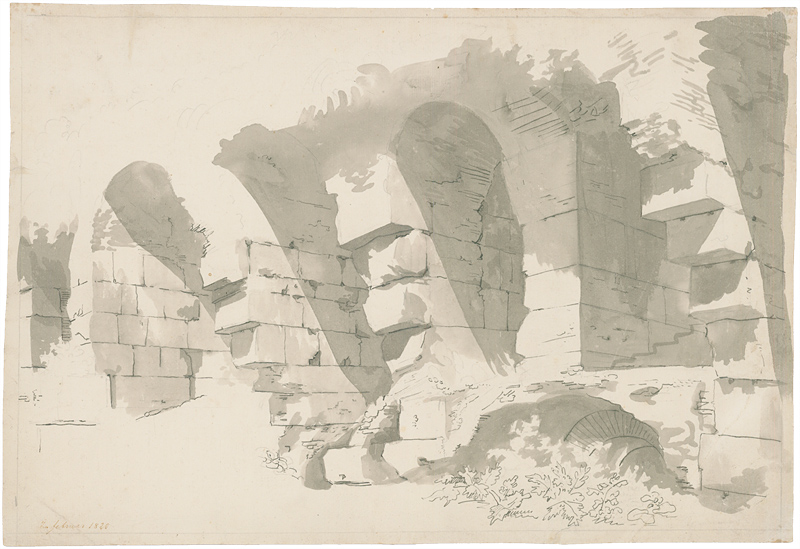
réf. 146-Eo.J. Federzeichnung in Graubraun, laviert, über Bleistift, links unten datiert ?Im Februar 1820?, auf C&I Honig-Bütten, mit Einfassungslinie in Bleistift. 31:45,5 cm.- Mit vereinzelten Knickspuren und kleinen restaurierten Beschädigungen. Provenienz: Aus dem Nachlaß des Künstlers.
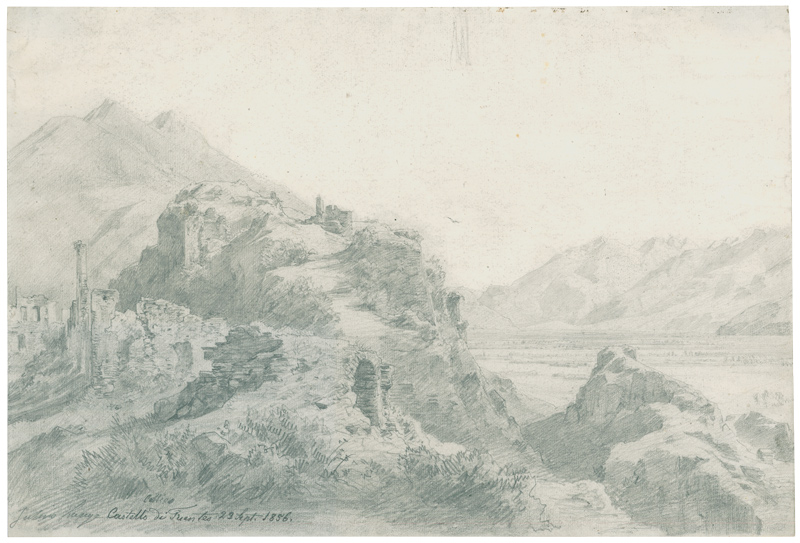
réf. 089-Io.J. Bleistift auf Bütten, links unten signiert, betitelt und datiert ?Julius Lange Collico (sic!) Castello di Fuentes 23.Sept.1856.?. 26,2:39 cm.
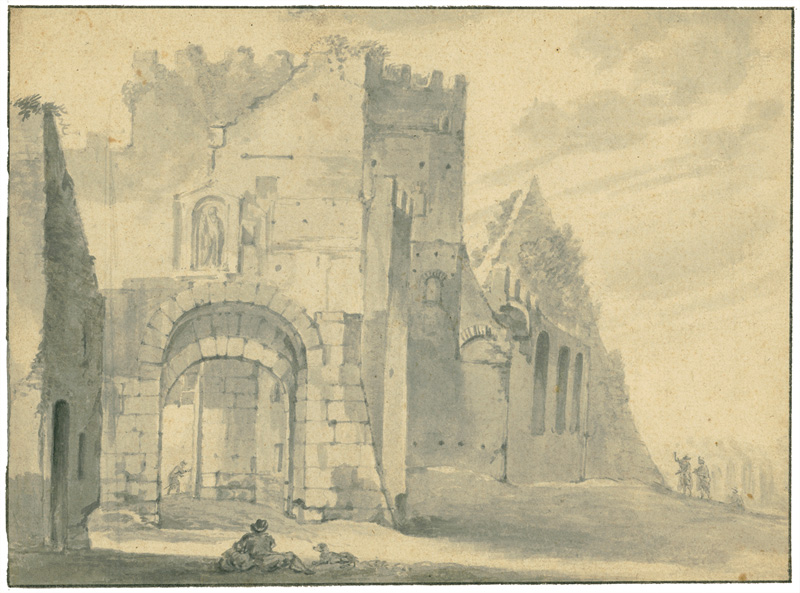
réf. 047-Do.J. Pinsel in Grau, grau laviert, über Skizze in schwarzer Kreide, mit schwarzer Feder umrandet, auf Bütten. 18,3:25 cm. - Am linken Rand mit leichten Läsuren. Provenienz: Auktion Sotheby?s Mak van Waay, Amsterdam, 1978, Nr. 298 (als J. Asselijn); Sammlung Hans van Leeuwen, Amsterdam (1908-2010), Lugt Suppl. 2799a; Auktion Christie?s Amsterdam, The Hans van Leeuwen Collection. Part I. 24.11.1992, Nr. 180 mit Abb.
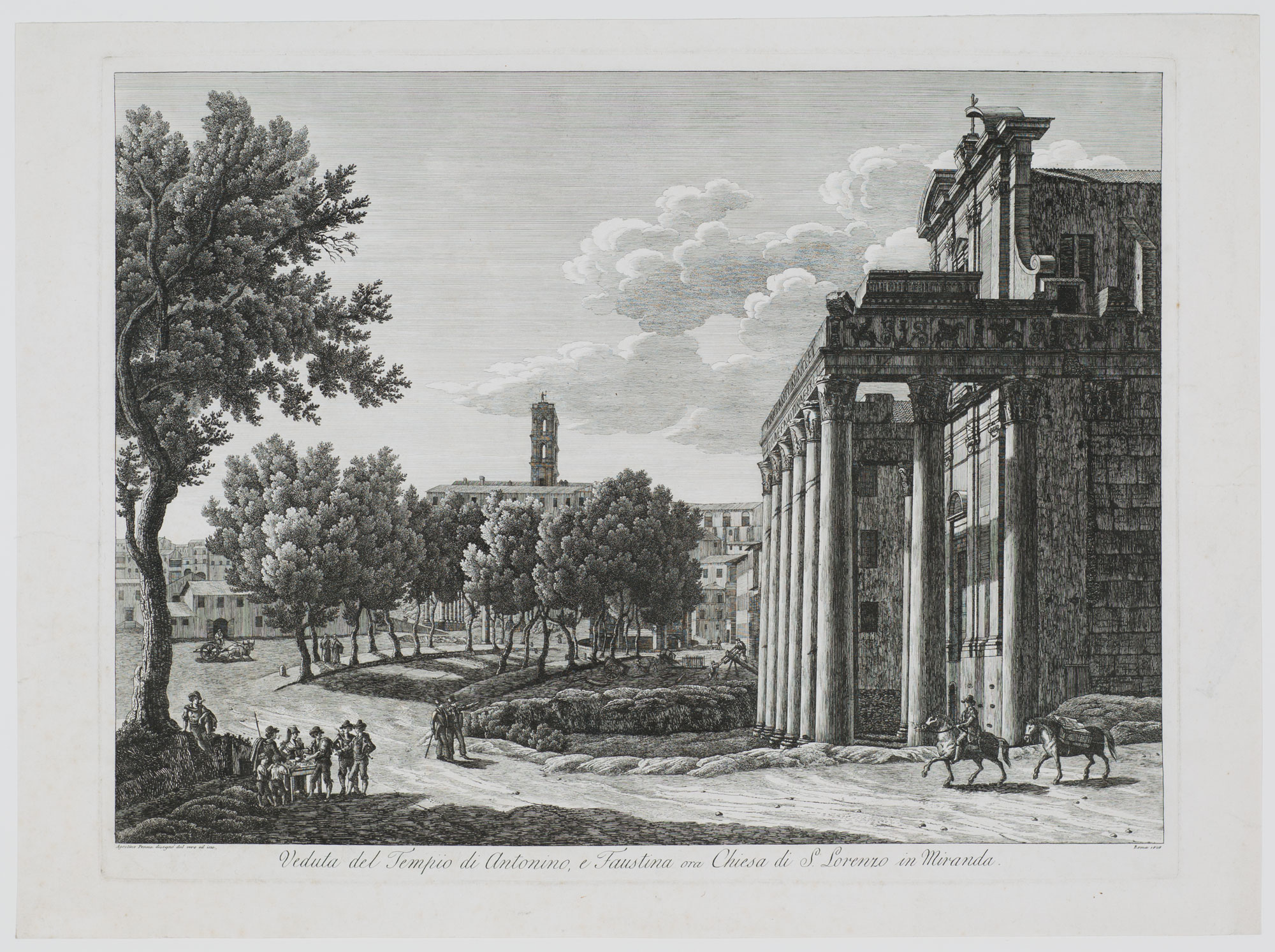
réf. 0813-Bo.J. Kupferstich, 1828, auf Velin. 44,3:58,2 cm. Sehr guter Abdruck, mit vollem Rand. ? Etwas fleckig.