Eugenia Kumacheva; Piotr GarsteckiBiblio.com

3034 resultados
2011ref. Atlantic-9780470057735John Wiley 2011. Hardcover. New. John Wiley hardcover
1985ref. mon0000014203Guideposts 1985. 1985. Hardcover. Good. in x in x in. Guideposts 1985. hardcover
1999ref. 324600New York: Graphis 1999. First edition. Signed on title page; includes original tintype edition 37 of 100 The original tintype is mounted on paper attached to the inside of the box; the paper is signed and numbered by Bidaut. 224 pp. 107 four-color plates from Bidaut's "Academy Figures" "Insects" and "Stereoscopic Nudes" series. 4to. Publisher's red cloth photo tipped onto covers; fine. In black cloth drop box with very light shelf wear else a near fine copy. First edition. Signed on title page; includes original tintype edition 37 of 100 The original tintype is mounted on paper attached to the inside of the box; the paper is signed and numbered by Bidaut. 224 pp. 107 four-color plates from Bidaut's "Academy Figures" "Insects" and "Stereoscopic Nudes" series. 4to. Graphis unknown
1999ref. 324600New York: Graphis 1999. First edition. Signed on title page; includes original tintype edition 37 of 100 The original tintype is mounted on paper attached to the inside of the box; the paper is signed and numbered by Bidaut. 224 pp. 107 four-color plates from Bidaut's "Academy Figures" "Insects" and "Stereoscopic Nudes" series. 4to. Publisher's red cloth photo tipped onto covers; fine. In black cloth drop box with very light shelf wear else a near fine copy. First edition. Signed on title page; includes original tintype edition 37 of 100 The original tintype is mounted on paper attached to the inside of the box; the paper is signed and numbered by Bidaut. 224 pp. 107 four-color plates from Bidaut's "Academy Figures" "Insects" and "Stereoscopic Nudes" series. 4to. Graphis unknown books
1994ref. 1452LV Legislatura de la H. Cámara de Diputados 1994. 1st Edition. Hardcover. Very Good. Text in Spanish. On the legislative history of Mexico. Extremely rare! Some minor wear to the covers. Flyleaf has a greeting card glued on. Page edge a bit darkened. 288 pp. LV Legislatura de la H. Cámara de Diputados hardcover
ref. 19504London: Samuel Tinsley and Co. 1880. First edition in English. First edition in English. Three volumes. 8vo. Publisher's original green ripple-grain cloth with black decorative border and titles to the upper board decorative border in blind to the rear board titles in gilt and decorated in black to the spine. 32pp publisher's catalogue dated June 1880 at the rear of volume III. A very good set the bindings uniformly bumped and worn at the extremities the gilt bright and the cloth clean. The contents with some offsetting to the endpapers and the occasional finger mark to the margins throughout. Hinges cracked but holding firm. A very scarce Victorian three decker by the Ukrainian born author Princess Olga Cantacuzène Altieri 1849-1929 translated from the French by Eugenia Klaus. WorldCat is unable to trace any institutional holding of this first edition in English; COPAC locates just four copies Bodleian Library; British Library; London Library; National Library of Scotland. Rare in commerce with no copies on Rare Book Hub ABPC auction records or at the time of cataloguing traceable for sale within the trade. Further details and images for any of the items listed are available on request. All items are catalogued by humans. Lucius Books welcomes direct contact with our customers. London: Samuel Tinsley and Co. 1880 hardcover
1977ref. 42692Bantam Books 1977. Paperback. Acceptable. in x in x in. Paperback Bantam Books paperback
2021ref. x-0192894609Oxford Univ Pr 2021. Hardcover. New. 528 pages. 9.88x7.01x1.46 inches. Oxford Univ Pr hardcover
2021ref. x-036720956XRoutledge 2021. Hardcover. New. 504 pages. 9.75x7.25x1.25 inches. Routledge hardcover
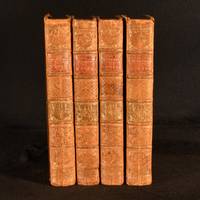
1792ref. 2807London: F. Dodsley 1792. Early Edition. Leather bound. Very Good. 4 1/4 X 7 1/8 Inches. Early fine leather binding with gilt decoration to covers and spines. Four raised hubs. Stated "Tenth Edition" in each of the four volumes. Missing frontis illustrations else complete. A bit of scuffing to covers and spines but a tight set overall. Light foxing throughout. F. Dodsley unknown
2022ref. __180220993XEdward Elgar 2022. Hardcover. New. 672 pages. 9.63x6.63x2.13 inches. Edward Elgar hardcover
2018ref. 1-0134601823Pearson College Div 2018. Hardcover. New. 2nd edition. 1120 pages. 11.50x9.75x1.50 inches. Pearson College Div hardcover
1926ref. 015351Paris Grasset 1926 In-12 Broché Edition originale Dédicacé par l'auteur
ref. Juanpebooks098429WE ship worldwide. Brand new 100%guarentee unknown
ref. Bloomsbury-9781441189158Bloomsbury Academic. Hardback. New. 288 pages Bloomsbury Academic hardcover
ref. Bloomsbury-9781441189158Bloomsbury Academic. Hardback. New. 288 pages Bloomsbury Academic hardcover
ref. Bloomsbury-9781441161772Bloomsbury Academic. Hardback. New. 240 pages Bloomsbury Academic hardcover
ref. Bloomsbury-9781441161772Bloomsbury Academic. Hardback. New. 240 pages Bloomsbury Academic hardcover
1999ref. 49762New York: Graphis 1999. Limited edition. Hardcover. Good to fine condition. 49/100. Signed Jayne Hinds Bidaut on title page and on limitation page underneath original tintype laid to printed limitation leaf of handmade paper pasted to inside back cover of clamshell box; stiff transparent tissue guard laid in. Quarto. 223 1pp. Original red cloth with offset reproduction of tintype laid to debossed square of cover black lettering on cover and spine blind-stamped publisher's name; housed in black cloth blind-stamped clamshell box. Black endpapers and ribbon marker. With facsimile of handwritten dedication to her parents at rear. "Jayne Hinds Bidaut is a contemporary American fine artist who lives and works in New York and Connecticut. Jayne is best known for mastering the once antiquated process of the tintype. Her fine art monograph Tintypes Jayne Hinds Bidaut 1999 encompasses 108 images from her "Academy Figures" "Insects" and "Stereoscopic Nudes" series." Joseph Bellows Gallery. Notes relating to the essay short biographical statments and acknowledgments at rear. Clamshell box rubbed else in fine condition. Graphis hardcover
1999ref. 49762New York: Graphis 1999. Limited edition. Hardcover. Good to fine condition. 49/100. Signed Jayne Hinds Bidaut on title page and on limitation page underneath original tintype laid to printed limitation leaf of handmade paper pasted to inside back cover of clamshell box; stiff transparent tissue guard laid in. Quarto. 223 1pp. Original red cloth with offset reproduction of tintype laid to debossed square of cover black lettering on cover and spine blind-stamped publisher's name; housed in black cloth blind-stamped clamshell box. Black endpapers and ribbon marker. With facsimile of handwritten dedication to her parents at rear. "Jayne Hinds Bidaut is a contemporary American fine artist who lives and works in New York and Connecticut. Jayne is best known for mastering the once antiquated process of the tintype. Her fine art monograph Tintypes Jayne Hinds Bidaut 1999 encompasses 108 images from her "Academy Figures" "Insects" and "Stereoscopic Nudes" series." Joseph Bellows Gallery. Notes relating to the essay short biographical statments and acknowledgments at rear. Clamshell box rubbed else in fine condition. Graphis hardcover books
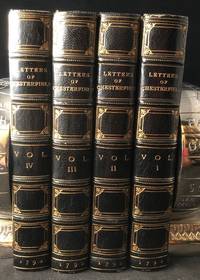
1774ref. 1015Y20London: J. Dodsley 1774. Leather. Good. 8.5" by 5.5". None. The second edition of this popular collection of letters addressed by the Earl of Chesterfield to his son complete in four volumes. Second edition. Complete in four volumes. Uniformly bound in contemporary full calf with raised bands decorative gilt to the spines and red morocco spine labels. Marbled endpapers. Each bound with the half title. Engraved portrait frontispiece of Stanhope to Volume I. Lacking errata leaf. Offering this classic epistolary collection from British politician diplomat and writer Philip Dormer Stanhope 4th Earl of Chesterfield the contents of which were addressed to his illegitimate son Philip Stanhope. Comprising a thirty-year correspondence in upwards of 400 letters they were first published by Eugenia Stanhope the impoverished widow of Chesterfield's son and served a largely instructional purpose concerning geography history and classical literature. Uniformly bound in contemporary full calf with raised bands decorative gilt to the spines and red morocco spine labels. Externally with fading to the spines and rubbing largely concentrated to the edges. With a few minor instances of lifting to the calf to the boards. Joints are also rubbed with slight cracking to the front joints though boards remain firmly held. Internally firmly bound. Pages are generally bright and clean with spotting really only to the first and last few leaves. Clipping of leather loosely inserted to Vol IV causing offsetting to pp. 104-105. Small contemporary ownership inscription to each front blank. Good J. Dodsley hardcover
2004ref. DADAX1859737781Berg Publishers 2004-02-01. Illustrated. paperback. New. 6.14x0.51x9.21. Buy with confidence. Excellent Customer Service & Return policy. Berg Publishers paperback
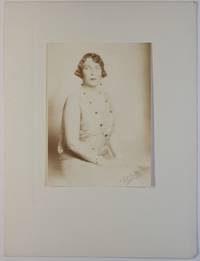
ref. 36370showing her three quarters length in typical twenties costume 9" x 6½" no place London no date The Queen visited England for the wedding of the future George VI and the Queen Mother. By this time her marriage was in tatters and the monarchy was ready to topple. Sadly when she did leave Spain in 1931 she is meant to have said "I thought I had done so well". unknown
ref. 25527showing her as a child wearing a white dress with neckscarf and bonnet sitting on her fathers knee 6" x 4½"` unknown
ref. 2102SB022Volume I 1949-1960 Volume II 1961-1967. Volume III 1968-1970. Volume IV 1971-1972. Volume V 1973-1974. Fundação Dr. António Agostinho Neto. Luanda. 2012. 5 Volumes de 295x21 cm. Com x 963; 890; 898; 949; 878 págs. Encadernações do editor com estampagens a ouro nas lombadas e nas capas anteriores. Profusamente ilustrados no texto com fac-similes de documentos de elevada qualidade. Apresenta ainda fotografias nas páginas que iniciam um novo capítulo e alguns mapas e tabelas no texto introdutório. Edição coordenada por Maria Eugénia Neto e Irene Neto. Esta última também foi responsável pela pesquisa e a selecção documental ficou a cargo do seu marido o economista São Vicente. A presente obra coloca «à disposição dos interessados uma colectânea de documentos da PIDE/DGS polícia política da ditadura do Estado Novo em Portugal entre 1933 e 1974 e de outra fontes relativos ao Processo Nº 88 de António Agostinho Neto» que permitem «seguir todo o seu percurso assim como o de muitos que o acompanharam até 1974». A obra é introduzida por uma extensa narrativa biográfica págs. 7-482 vol. I com o título: «Agostinho Neto e a Liderança da Luta pela Independência de Angola 1945-1975» da autoria de São Vicente. Segue-se então ao longo dos cinco volumes a reprodução de mais de 1500 documentos dispostos por ordem cronológica e selecionados entre os cerca de 6000 sobre Agostinho Neto que existem no Arquivo da PIDE/DGS e em outros fundos documentais na maioria existentes nos Arquivos da Torre do Tombo e que esta concedeu autorizou à Fundação Dr. Agostinho Neto para os seleccionar e reproduzir. António Agostinho Neto Caxicane Ãcolo e Bengo Angola 1922 - Moscovo 1979 Político e médico foi o Primeiro Presidente de Angola de 11 de Novembro de 1975 a 10 de Setembro de 1979 reconhecimento formal por Portugal em 22 de Fevereiro de 1976. Foi funcionário dos serviços de saúde em Angola inscreveu-se na Faculdade de Medicina da Universidade de Coimbra onde se torna um dos fundadores da secção da CEI - Casa dos Estudantes do Império que lança a revista Movimento em colaboração com Lúcio Lara e Orlando de Albuquerque e o grupo "Vamos Descobrir Angola" que deu origem ao "Movimento dos Jovens Intelectuais de Angola". Em 1948 ganha uma bolsa de estudos dos metodistas americanos transferindo a sua matrícula para a Faculdade de Medicina da Universidade de Lisboa. Em 1948 foi preso pela Polícia Internacional e de Defesa do Estado PIDE em Lisboa quando recolhia assinaturas para a Conferência Mundial da Paz ficando encarcerado durante três meses. Ao ser solto Agostinho Neto em parceria com Amílcar Cabral Mário de Andrade Marcelino dos Santos e Francisco José Tenreiro fundam clandestinamente o Centro de Estudos Africanos instituição que viria a ser fechada pela PIDE em 1951. No mesmo ano é eleito representante da Juventude das Colônias Portuguesas JCP junto ao Movimento de Unidade Democrática - Juvenil MUD-J grupo fortemente ligado ao Partido Comunista Português PCP. As atividades no JCP rendem-lhe uma nova prisão pela PIDE em Lisboa em 1951. Em 1955 Foi novamente preso pelas suas atividades políticas no JCP e no MUD-J em 1955 sendo condenado a 18 meses de prisão o que motivou a condenação de muitos intelectuais entre eles Simone de Beauvoir François Mauriac Jean-Paul Sartre e o poeta cubano Nicolás Guillén. Libertado em Julho de 1957 licenciou-se em Medicina pela Faculdade de Medicina da Universidade de Lisboa em 27 de outubro de 1958. Em 1959 integra-se no Movimento Anticolonial MAC. Em 22 de dezembro de 1959 juntamente com a família ruma para Luanda onde abre um consultório médico. Em 8 de junho de 1960 é preso em Luanda e deportado para o arquipélago de Cabo Verde ficando instalado na prisão de Ponta do Sol ilha de Santo Antão; finalmente é transferido para o Campo do Tarrafal onde fica até outubro de 1962. É liberto da prisão em Março de 1963 e foge de Portugal com sua família instalando-se em Quinxassa onde o MPLA tinha a sua sede no exílio reassumindo as funções de presidente efetivo do MPLA durante a Conferência Nacional do Movimento. No mesmo ano ruma com a sede do MPLA para Brazavile em consequência da sua expulsão do Zaire que passou a dar o apoio total á Frente Nacional de Libertação de Angola FNLA. Passa a coordenar totalmente o núcleo militar do movimento abrindo as frentes de Cabinda 1963 e do Leste de Angola 1966. Em 1968 transfere a sua família para Dar-es-Salam onde continuará até 4 de Fevereiro de 1975. Nesse ano 1975 é recebido em Luanda nos preparativos para o Acordo do Alvor em Portugal onde é acordado estabelecer um "governo de transição" que inclui o MPLA Portugal FNLA e União Nacional para a Independência Total de Angola UNITA. Agostinho Neto lidera o MPLA na proclamação da independência sendo essas ações o prelúdio da Guerra Civil Angolana. Em 11 de novembro de 1975 Angola é declarada independente e Agostinho Neto é proclamado seu primeiro presidente continuando Comandante-em-Chefe das FAPLA e Presidente do MPLA. Alinha-se com o bloco socialista e estabelece um regime ditatorial mono-partidário inspirado no modelo então praticado nos países comunistas do Leste Europeu. Morreu durante uma operação a um cancro no fígado realizada em Moscovo. Obs.: Esta obra pesa mais de 5kg. Está sujeita a portes extra. EN 5 Volumes. 29.5x21 cm. x 963; 890; 898; 949; 878 pp. Paperback gilt on the spines and with dust covers. Fully illustrated in the text with high-quality facsimiles of documents. There are also photographs on the pages that start a new chapter and some maps and tables in the introductory text. Coordinated by Maria Eugénia Neto and Irene Neto. The latter was also responsible for the research and the selection of documents was the responsibility of her husband the economist São Vicente. This work makes available to interested parties a collection of documents from the PIDE/DGS political police of the Estado Novo dictatorship in Portugal between 1933 and 1974 and other sources relating to Case No. 88 of António Agostinho Neto which make it possible to "follow his entire journey as well as that of many who accompanied him up until 1974". The work is introduced by an extensive biographical narrative pp. 7-482 vol. I entitled: "Agostinho Neto and the Leadership of Angolas Struggle for Independence 1945-1975" by São Vicente. This is followed throughout the five volumes by the reproduction of more than 1500 documents arranged in chronological order and selected from the approximately 6000 on Agostinho Neto that exist in the PIDE/DGS Archives and in other documentary funds most of which exist in the Torre do Tombo Archives Portugal National Archives and which the latter has authorised the Dr. Agostinho Neto Foundation to select and reproduce. António Agostinho Neto Caxicane Ãcolo e Bengo Angola 1922 - Moscow 1979 Politician and doctor he was the first President of Angola from 11 November 1975 to 10 September 1979 formally recognised by Portugal on 22 February 1976. He was a health worker in Angola enrolled at the Faculty of Medicine of the University of Coimbra where he became one of the founders of the CEI section - Casa dos Estudantes do Império Imperial Students House which launched the magazine Movimento in collaboration with Lúcio Lara and Orlando de Albuquerque and the group "Vamos Descobrir Angola" Lets find out Angola which gave rise to the "Movimento dos Jovens Intelectuais de Angola Movement from the Young Intelectuals from Angola". In 1948 he won a scholarship from the American Methodists transferring his enrolment to the Faculty of Medicine at the University of Lisbon. In 1948 he was arrested by the International and State Defence Police PIDE in Lisbon when he was collecting signatures for the World Peace Conference and was imprisoned for three months. Upon his release Agostinho Neto in partnership with Amílcar Cabral Mário de Andrade Marcelino dos Santos and Francisco José Tenreiro clandestinely founded the Centro de Estudos Africanos Centre for African Studies an institution that was closed down by PIDE in 1951. In the same year he was elected representative of the Juventude das Colónias Portuguesas JCP Youth of the Portuguese Colonies to the Movimento de Unidade Democrática Juvenil MUD-J Youth Democratic Unity Movement a group strongly linked to the Portuguese Communist Party PCP. His activities in the JCP earned him another arrest by the PIDE in Lisbon in 1951. He was arrested again in 1955 for his political activities in the JCP and MUD-J and sentenced to 18 months in prison which led to the sentencing of many intellectuals including Simone de Beauvoir François Mauriac Jean-Paul Sartre and the Cuban poet Nicolás Guillén. Liberated in July 1957 he graduated in Medicine from the Faculty of Medicine of the University of Lisbon on 27 October 1958. In 1959 he joined the Movimento Anticolonia MAC Anti-Colonial Movement. On 22 December 1959 he and his family moved to Luanda where he opened a medical practice. On 8 June 1960 he was arrested in Luanda and deported to the Cape Verde archipelago where he was imprisoned in Ponta do Sol on the island of Santo Antão; he was finally transferred to the Tarrafal camp where he remained until October 1962. He was released from prison in March 1963 and fled Portugal with his family settling in Quinxassa where the Movimento Popular para a Libertação de Angola MPLA Popular Movement for the Liberation of Angola had its headquarters in exile resuming his role as effective president of the MPLA during the Movement's National Conference. In the same year he and the MPLA headquarters moved to Brazaville as a result of his expulsion from Zaire which had given its full support to the Frente Nacional de Libertação de Angola FNLA National Front for the Liberation of Angola. He went on to coordinate the movement's military centre opening the Cabinda 1963 and East Angola 1966 fronts. In 1968 he moved his family to Dar es Salaam where he stayed until 4 February 1975. In 1975 he was received in Luanda in preparation for the Alvor Agreement in Portugal where it was agreed to establish a "transitional government" comprising the MPLA Portugal the FNLA and the União Nacional para a Independência Total de Angola UNITA National Union for the Total Independence of Angola. Agostinho Neto led the MPLA in proclaiming independence and these actions were the prelude to the Angolan Civil War. On 11 November 1975 Angola was declared independent and Agostinho Neto was proclaimed its first president remaining Commander-in-Chief of the Forças Armadas Populares de Libertação de Angola FAPLA People's Armed Forces of Liberation of Angola and President of the MPLA. He aligned himself with the socialist bloc and established a mono-party dictatorial regime inspired by the model then practised in the communist countries of Eastern Europe. He died during an operation for liver cancer in Moscow. This work weighs more than 5kg. It is subject to extra shipping costs. M-16-B-8 paperback