73 130 résultats
1934réf. 038883Pasadena: Pasadena Board Of Education 1934. Original Art Work . No Binding. Good. Original Sketch. Original Ink Sketch Image 23" X 18" Tissue Mounted On Board Sketch. This Sketch Is Reproduced In The Merle Armitage Monograph On Napolitano Published In 1935. The Completed Work Raised Considerable Hostile Comment When It Was Exhibited At The Los Angeles Museum Of History Science And Art Because Of Its Strong Depiction Of The Freeing Of The Slaves. Napolitano Studied At Chouinard And Otis In 1922-1925 Engaged In Work On Architectural Murals 1925-1930 Working For Designer Herman Sachs On Such Prominent Buildings As Bullocks Wilshire Los Angeles City Hall The Palm Beach Biltmore Etc.; Studied Ceramics In Ny And Mural Painting In Germany 1929-1931 Returned To Architectural And Other Work In The U.S. Completed Many Wpa Murals In Southern California 1934-1938 And Some Private Commissions Illustrated Many Books For Merle Armitage 1935-1960 Worked As A Set And Prop Designer And Artist In The 1940'S And Notably Did Church Art Work For The Next Twenty Years Including Full Church Interiors Monumental Sculptures Etc. He Is The Subject Of The Monograph "Napolitano" 1934 By Merle Armitage. Pasadena Board Of Education unknown
1931réf. 100834Frankfurt am Main Verlag Englert und Schlosser 1931 Année 1931 complète : n°1 à 12 en 10 volumes (numéros doubles 4/5 et 11/12). 262x244mm, pages numérotées de 1 à 215 (les publicités et les couvertures ne sont pas numérotées), fascicules brochés, couvertures illustrées de plans, photographies et photomontages (quelques défauts). Dirigé par Ernst May et Georg Schloffer, typographie, couverture et mise en page de Willi Baumeister, nombreuses illustrations photographiques dans le texte. N°1 : Adolf Loos par Joseph Gantner. N°2 : Walter Gropius : Grandes Constructions. N°3 : Petites voitures. Nouvel urbanisme russe : Milioutine et Drahomanov. N°4/5 : Hygiène de la grande ville. Contributions de Neisser, Hagen, Vogel, Pfirsch, Kirchner, Guttentag, Döcker. N°6 : Contributions de Dexel, Itten, Gantner. N°7 : Ernst May : neue Städte in Russland. N°8 : Constructions modernes. Contributions de Miche, Waas, Beer. N°9 : Logements ouvriers à Frankfort. Contributions de Gantner, Neutra, Skreba. N°10 : Participations de Gantner, Grimme, Geist. N°11-12: Rhein-mainische Regionalplanung. A partir de 1924 la nomination d'Ernst May à la tête des administrations de l'urbanisme et de la construction va transformer la ville de Francfort en un terrain d'expérimentation exceptionnel pour l'urbanisme social; en 1925 le programme prévoyait la construction de dix mille logements regroupés en Siedlungen encerclant la vielle ville; le deuxième CIAM se réunira d'ailleurs à Francfort en 1929. Pour accompagner ses recherches et illustrer ses travaux, May sera amené à fonder la revue Das neue Frankfurt qui paraitra de 1927 à 1932; ce mensuel ne se limite pas à traiter des questions d'architecture, mais aborde tous les domaines de la culture urbaine au sens le plus large; il cherche moins à tenir un discours théorique qu'à exposer les problèmes pratiques et tenter d'y apporter des réponses. Das neue Frankfurt peut être considéré comme une anticipation historique qui cherche à concilier, au sein de la société, les classes moyennes et le modernisme culturel. Hirdina H.: Neues Bauen, neues Gestalten. Das neue Frankfurt, die neue Stadt, Dresde 1984. Höpfner R. Fischer V.:Ernst May und das neue Frankfurt,Berlin 1986. (100834)
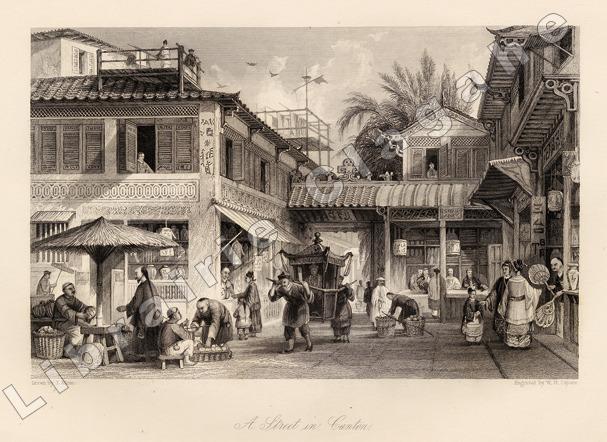
1843réf. 16305Londres, Paris, Fisher, (1843-1845) ; 4 tomes reliés en 2 volumes in 4, demi chagrin vert empire, dos à faux nerfs, fleurons et titre dorés (reliure de l’époque) ; (4), 68, 26 pp. ; 76 pp. ; 74 pp. ; 73, (3) pp. et en tout, 4 titres gravés avec une vignette et 124 planches hors-texte gravées sur acier, protégées par une serpente.
réf. 766-Eo.J. Feder in Schwarz, mit schwarzer Feder umrandet, auf Bütten mit Wasserzeichen: J Whatman 1883, rechts unterhalb der Darstellung mit schwarzer Feder signiert ?Jules Aviat?. Darstellungsgröße 25:39 cm, Blattgröße 40,2:53,5 cm. ? Einige Stockflecken und im Rand leicht angeschmutzt. Vorzeichnung für das in den Musées de Chambéry befindliche, 1884 entstandene Gemälde ?Le Chantier du lycée Lakanal à Sceaux ((Inv. Nr. M1369; A 318 (ehemalige Nummer); Board 743)).
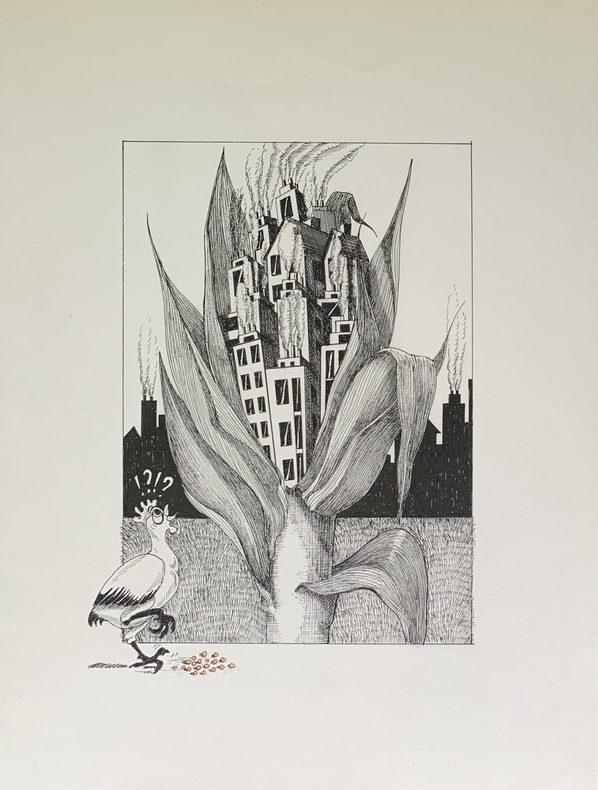
réf. awd-106458 encres originales sur vélin au format 32/24 cm (dont 40 avec ajouts localisés aux crayons de couleur et 3 signées et datées 9-86) insérées dans un book en skaï gris texturé (35,5/29,2/3,8 cm).
réf. 68283Munchen, Schirmer/Mosel, 2011 8 Volumes in slipcase, each in linen binding and illustrated dustjacket, 25.5 x 35 cm, Fully illustrated. English edition. *Fine condition.
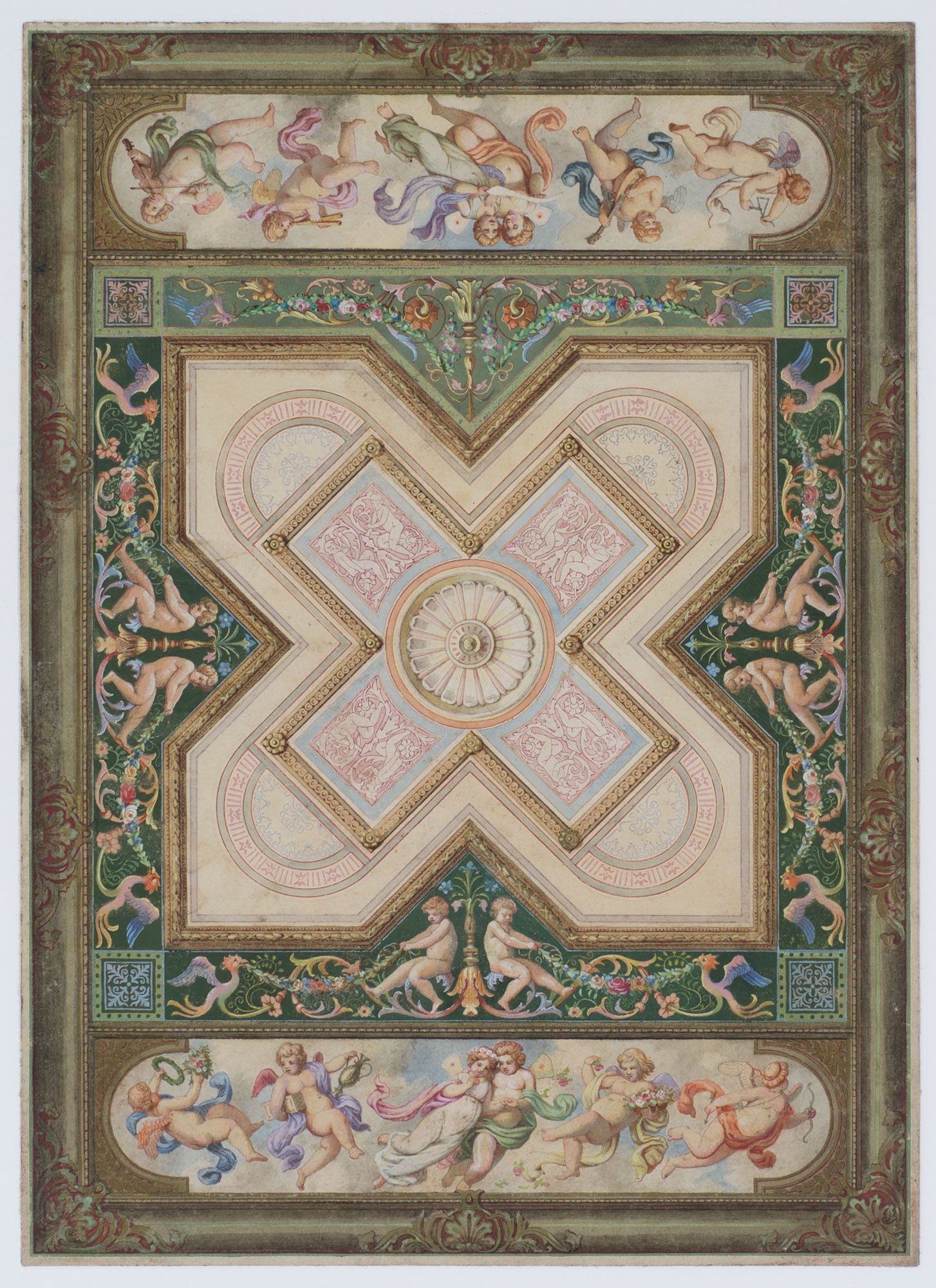
réf. 709-Eo.J. Aquarell, Gouache, Gold und weiß gehöht, auf cremefarbenem Velin, rechts unten Reste einer Signatur sichtbar. 37,4:27,1 cm.- Verso mit umlaufendem Montagerest.
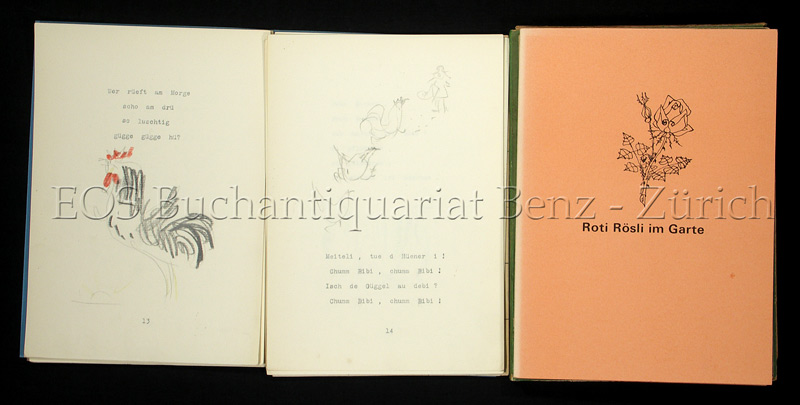
1947réf. 5443CB(Zürich, ca. 1947). 8°. + Wichtig: Für unsere Kunden in der EU erfolgt der Versand alle 14 Tage verzollt ab Deutschland / Postbank-Konto in Deutschland vorhanden +, 5443C
réf. 119-Do.J. Pinsel in Braun und Rötel, mit schwarzer Tuschlinie umrandet, auf Bütten. 16,5:20 cm. Provenienz: Süddeutsche Privatsammlung.
1989réf. 1058401989 2 Montage photographique. Tirage C-Print. Feuille : 505x610mm Image 403x596mmSigné sur le montage, sous encadrement original.
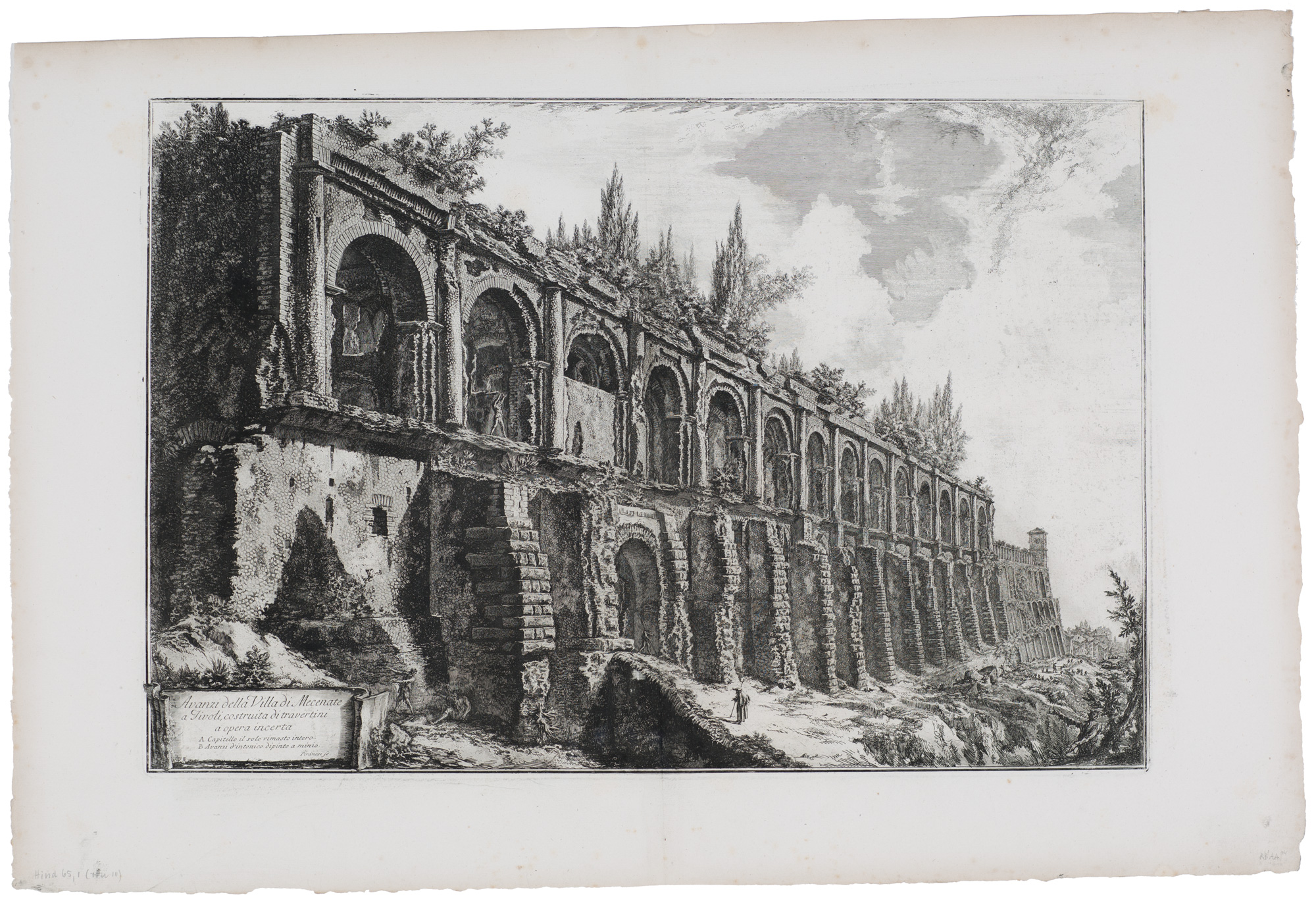
réf. 0822-Bo.J. Radierung, 1763, auf Bütten. 45,5:67,3 cm, Blattgröße 57,8:86,2 cm.- Unten links auf einer Kartusche bezeichnet und signiert ?Piranesi sc.?. Literatur: Focillon 768; Hind 65, I (v.III); Ficacci 936; Wilton-Ely 198. ? Kräftiger Abdruck mit dem vollen Rand, die Ränder mit Stockflecken.
réf. 285-Eo.J. Aquarell, über Bleistift, mit schwarzer Tuschlinie umrandet, auf Papier mit Wasserzeichen: Im-Hof, auf Untersatz montiert und dort rechts unten signiert ?A. Radl f. 2/6?. 28:43,5 cm. - Im Himmel rechts einige Spritzer in grauer Tusche. Vorstudie zu einem im Besitz des Historischen Museums, Frankfurt am Main, befindlichen Aquarell. Literatur: Ausst. Katalog: Anton Radl. 1774-1852. Maler und Kupferstecher. Frankfurt a.M., Museum Giersch 2008, Abb. 89.
1540In-folio piccolo; cc. 67; all’esemplare manca l’ultima carta di Indice, sono presenti tutte le xilografie, salvo la tavola doppia che raffigura l’anfiteatro. Una tavola leggermente lacunosa.Frontespizio marginalmente restaurato, alle prime e ultime carte restauro al margine interno, non c’è perdita di testo. Legatura in cartonato rigido moderno. Edizione originale della storia di Verona di Sarayna, celebrata anche per il ricco e affascinante apparato iconografico, opera del pittore veronese Giovanni Caroto, che ritrae monumenti, antichità e la pianta della città. Un raro trattato cinquecentesco sulle antichità al di fuori di Roma, pubblicato nello stesso anno del trattato del Serlio.Nel De origine, sotto il grande ritratto al verso del frontespizio,è un’iscizione indirizzata al lettore in cui si dice che un tale Sebastiano Serlio, “quidam Sergius”, nella sua opera aveva riprodotto in maniera non corretta, perché non li aveva visti, alcuni monumenti veronesi. Il volto dell’uomo di profilo potrebbe aecondo alcuni essere di Serlio stesso.
réf. 284BBo.J. 11 x 15 cm. + Wichtig: Für unsere Kunden in der EU erfolgt der Versand alle 14 Tage verzollt ab Deutschland / Postbank-Konto in Deutschland vorhanden +
réf. 756-Eo.J. Feder und Pinsel in Grau und etwas Grün, grau laviert und mit reicher Deckweißhöhung, auf cremefarbenem festem Zeichenpapier, links unten signiert, bezeichnet und datiert ?C. Wuttke. Corfu 1889.?. 33,2:47,2 cm. Für eine Neuauflage des Buches von Ferd. Gregorovius über Korfu schuf Wuttke 1889 Vorzeichnungen für Illustrationen. Vermutlich ist dieses Blatt in diesem Zusammenhang entstanden.
réf. 66807, Gallery Van Kan , 2025 Formaat 70x150 cm, Limited Edition Art Photography Formaat 70x150 cm. Number 4/50 ex.
1787réf. ST17496-043Rome: Bouchard et Gravier 1787. 525 x 375 mm. 20 3/4 x 14 3/4". Near contemporary half calf over marbled boards smooth spine divided by gilt rules into panels with blind-stamped centerpiece red morocco label hinges reinforced with buckram marbled endpapers and edges. Engraved vignette on title page and 99 COPPER-ENGRAVINGS ON 60 PLATES. A 1911 letter from the editor of "Hobbies" magazine in response to a previous owner's questions about the contents of this volume laid in at front. The plate numbered 92 with an 18th century cemetery scene pasted to the verso; rear flyleaf with two engravings pasted on. Cicognara 3595; Brunet I 646. Spine label partly missing front joint cracked from tail edge to midpoint head and tail of spine chipped boards a bit chafed and with a drizzle of white paint to front cover but the binding still solid. Occasional mild marginal foxing or finger smudges but an excellent copy internally fresh and clean throughout and with pleasing impressions of engravings. Not an external beauty as is often the case with architectural tomes but quite attractive inside. This is a collection of beautifully engraved plates drawn from the work of a painter and engraver who made engravings for Piranesi's 1748 "Varie vedute di Roma antica e moderna" and collaborated with him on the majestic "Le antichità Romane" 1756. Inspired by his work with the master Barbault drew and engraved his own series of Roman views issued in "Les plus beau monumens de Rome ancienne" 1761 and "Recueil de divers monumens anciens" 1770. The plates in the present volume are drawn from those works. Barbault's picturesque scenes are characterized by a sense of romantic decay: in some the landscape is open and generally free from human intrusion the once-grand ruins rising proudly from the encroaching vegetation. One has the sense of being among the first to stumble across these hidden wonders. In others the artist juxtaposes temple remains with the shed of a contemporary farmer a humbling contrast between past grandeur and present poverty. Jean Barbault 1718-62 had studied painting in Paris with John Restout II before receiving a scholarship from the Académie des Beaux-Arts for travel to Rome in 1721. Once there he stayed building a career as engraver and establishing himself with Piranesi and his circle. Bouchard et Gravier unknown
1787réf. ST17496-043Rome: Bouchard et Gravier 1787. 525 x 375 mm. 20 3/4 x 14 3/4". Near contemporary half calf over marbled boards smooth spine divided by gilt rules into panels with blind-stamped centerpiece red morocco label hinges reinforced with buckram marbled endpapers and edges. Engraved vignette on title page and 99 COPPER-ENGRAVINGS ON 60 PLATES. A 1911 letter from the editor of "Hobbies" magazine in response to a previous owner's questions about the contents of this volume laid in at front. The plate numbered 92 with an 18th century cemetery scene pasted to the verso; rear flyleaf with two engravings pasted on. Cicognara 3595; Brunet I 646. Spine label partly missing front joint cracked from tail edge to midpoint head and tail of spine chipped boards a bit chafed and with a drizzle of white paint to front cover but the binding still solid. Occasional mild marginal foxing or finger smudges but an excellent copy internally fresh and clean throughout and with pleasing impressions of engravings. Not an external beauty as is often the case with architectural tomes but quite attractive inside. This is a collection of beautifully engraved plates drawn from the work of a painter and engraver who made engravings for Piranesi's 1748 "Varie vedute di Roma antica e moderna" and collaborated with him on the majestic "Le antichità Romane" 1756. Inspired by his work with the master Barbault drew and engraved his own series of Roman views issued in "Les plus beau monumens de Rome ancienne" 1761 and "Recueil de divers monumens anciens" 1770. The plates in the present volume are drawn from those works. Barbault's picturesque scenes are characterized by a sense of romantic decay: in some the landscape is open and generally free from human intrusion the once-grand ruins rising proudly from the encroaching vegetation. One has the sense of being among the first to stumble across these hidden wonders. In others the artist juxtaposes temple remains with the shed of a contemporary farmer a humbling contrast between past grandeur and present poverty. Jean Barbault 1718-62 had studied painting in Paris with John Restout II before receiving a scholarship from the Académie des Beaux-Arts for travel to Rome in 1721. Once there he stayed building a career as engraver and establishing himself with Piranesi and his circle. Bouchard et Gravier unknown books
réf. 120951aafA Paris, Rue S. Jacques. Chez Claude Jombert, M.D. CC. XXIX, 1729, in-4°, (28.5x22 cm), 1 frontispice gravé (par Rigault) + 8 ff. (titre en rouge et noir avec vignette gravée - d’édicace ‘Au Roy’ avec en-tête gravée - épitre - préface - approbations) + (Tome1:) 4 parties d'au total 320 p. (livre 1, 2, 3 & 6) / (Tome 2:) 1 f. de titre (seconde partie) + 2 parties d’au total 184 p. (livre 4 & 5) + 4 ff. (table - approbation - priv. du Roy) + 53 planches gravées dont 51 doubles-planches, ex. frais et complèt, imprimé sur beau papier du XVIIIe, Pièce de titre sur maroquin beige. Tranches rouges. reliure pleine basane, dos à cinq nerfs avec pièce de titre en maroquin beige, pages de garde en papier dominoté d’époque, tranches rouges. Bel exemplaire.
1957réf. 3549BBLausanne, André et Pierre Gonin, (1957). 4°. 23 Bl. Mit 1 Farbstiftzeichnung u. zahlr. farb., z.T. ganzs. Textillust. von Hans Fischer. Lose in Orig.-Pergament und Schuber.
réf. 71674aafASP, Walo Steiner (Druck), 1972, in-folio, book with 36 p. + 2 original colour lithographs signed by Niki and numbered by press, one of the 125 copies all numbered, this is copy no. 43 with the 2 original lithographs, in original colour ill. box.
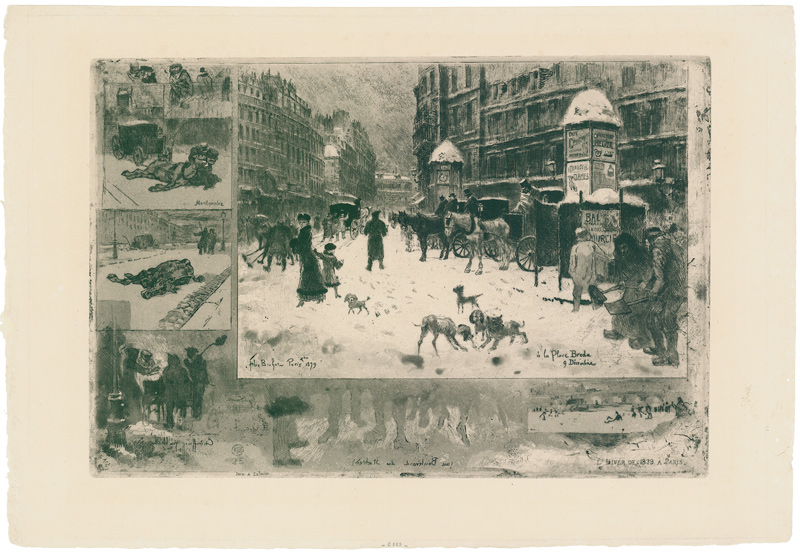
réf. 0136-Co.J. Radierung, Aquatinta und Roulette, 1879, auf chamoisfarbenem Arches-Bütten. 23:34,6 cm. Vollrandiger Abdruck von nahezu unberührter Erhaltung. Literatur: Béraldi 128; Bourcard/Goodfriend 128, IV (von IX). ? Mit der Adresse von A. Salomon. Erschienen in der Zeitschrift ?L?Art?, 1881. Prachtvoller Abdruck dieser aufgrund ihres skizzenhaften Charakters besonders reizvollen graphischen Arbeit.
1601Paris, Thomas de Leu, (1601). - Arnhem, Jan Janssen, 1620 (Vignola). Folio. (42,5 x 29 cm.). Contemp. full vellum. Covers with tooled lineborders. Oval tooled decoration in middle of covers. On upper cover H H V S and at bottom the year 1626. Top of spine and corners restored. Light discolouring to covers. Stamp on both title-pages. Endpapers renewed. PERRET: Engraved title-page (Thomas de Leu sculp.). Ff 7 (= A-G -of 12 ?), 22 double-page engraved plates (Thomas de Leu sculpsit). Text in French and German. Browning to title-page. Plates with scattered brownspots, light toning and a few corners repaired. - VIGNOLA: 95 pp. (without pp. 1-4, but text looks complete) with text in Italian, Dutch, French and German and 42 full-page engravings (numb. I-XXXXII). Title-page with repairs in upper and lower corners, no loss. Upper margin of title-page with a dampstain. A few scattered brownspots and occassionally light toning.
1612réf. 4992Rome: Nicoli van Aelst Roma formis "1560" but ca. 1585- 1612. THIRD STATE of FOUR. The first state had no explanatory text. The second with the text and "Formis Antoni Lafrerij Sequani MDLX". In this third state the Lafréry address has been erased though the date "MDLX" has been preserved and Nicolas van Aeslt's publishing information has been engraved at the lower left. A fourth state described by Rubach n. 376 has Gio. Battista de Rossi's address in place of van Aelst's. Hardcover. Fine. A fine example of a late impression the sheet untrimmed. Light marginal soiling. Early fold visible on verso but no crease visible on the recto. Watermark "fleur-de-lis in a circle" A view of the cortile of Palazzo Farnese. Construction of the palazzo designed by Antonio da Sangallo the Younger 1484-1536 with modifications and additions by Michelangelo began in 1517. By the time of its completion in 1589 Jacopo Vignola and Giacomo Della Porta had also worked on the project. The courtyard is partly the work of Sangallo who designed the ground floor and first floor while the second floor was built according to the designs of Michelangelo who took over the project upon Sangallo's death in 1546. Of the two ancient statues of Hercules shown in the cortile the one on the right is the famed Farnese Hercules now in Naples which caused a sensation upon its discover in 1546. The inscription reads: "Palatij Farnesij Romae non procul a reliquiis Theatri Pompei olim e solidissimo Tiburtino lapide non minore architecturae commendatione ab Antonio Sangallo inchoati quam stupendo artificio per Michaelem Angelum omnibus numeris consumati quantum artificio diligentia assequi potuit interioris partis expressio atque in intimo eius ambulacro duarum Herculis statuarum icones." Translation: "An image of the interior part with two statues of Hercules in its lower portico of Palazzo Farnese in Rome located not far from the remains of what was in the past the theater of Pompey; begun -in very solid travertine stone- by Antonio Sangallo with no less architectural art than when finished with astonishing craft and all possible diligence by Michelangelo." The publisher Nicolas van Aelst emigrated to Rome from his native Brussels in the mid 1580s. He "established his home and workshop in a house situated between the now vanished church of San Biagio della Fossa and the church of Santa Maria della Pace near Piazza Navona. The building was the property of the church of Santa Maria dell'Anima to whom the printed paid an annual rent of 30 scudi." Van Aelst died at Rome on 19 July 1613. For more see Lorizzo "Nicolas van Aelst's Will and a List of his Plates" Print Quarterly March 2014 Vol. 31 No. 1 March 2014 pp. 3-20. In 1585 Claudio Duchetti produced a copy of this plate. That version was subsequently printed by Orlandi 1602 and Van Schoel. Nicoli van Aelst, Roma formis, "1560", but ca. 1585- hardcover