D'HOUVILLE, Gérard ; BONFILS, Robert.Livre Rare Book

19 010 résultats
1920réf. 8921920 Couverture rigide Paris, Collection Corrard, 1920 (imprimé en 1922). Un volume in-4, portefeuille d'éditeur illustré par Robert Bonfils, plats passés, lacet absent. En feuilles, rabats de papier (le rabat inférieur est détaché), illustré de 12 aquarelles de Robert Bonfils en couleurs, sous serpente, texte de Gérard d'Houville. Tirage limité à 300 exemplaires. Un des 271 exemplaires numérotés sur vélin d'Arches (N°196). Bel état des planches et beau rendu des couleurs, bon exemplaire.
1987réf. 224281987 Pastel signé, 1987, 63 x 45 cm.
2022réf. 242792022 Aquarelle signée avec un repentir, 2022, 42 x 30 cm., encadrée.
1920réf. 246741920 Aquarelle et gouache signée en bas à droite, (1920), 14.6 x 10.2 cm., (format à vue), 29.7 x 19.8 cm. (format de la feuille).
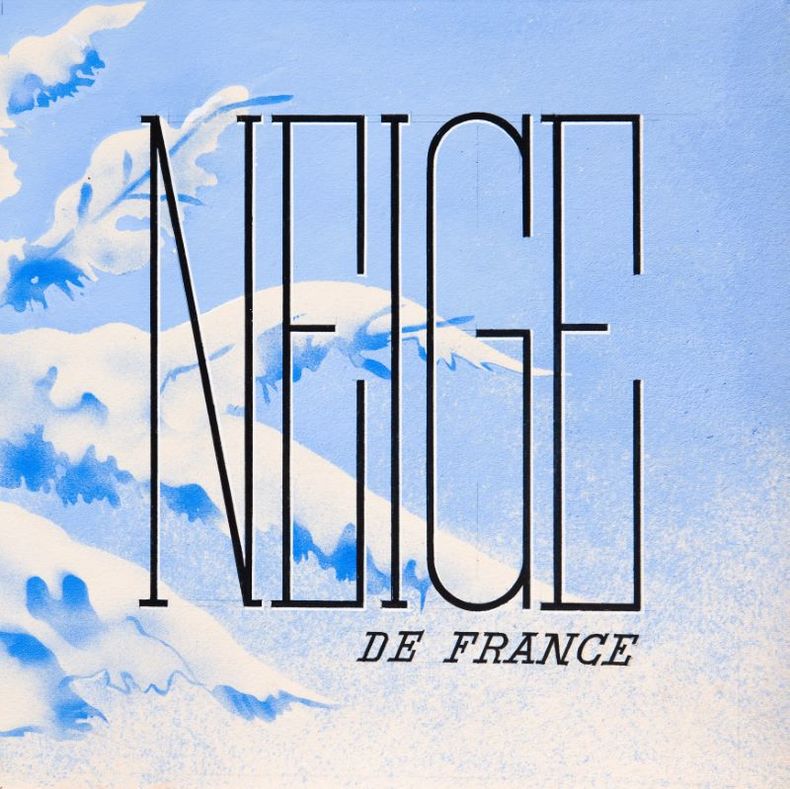
1938réf. 229381938 Gouache sur papier titrée, 1938, 21 x 21 cm, encadrée.
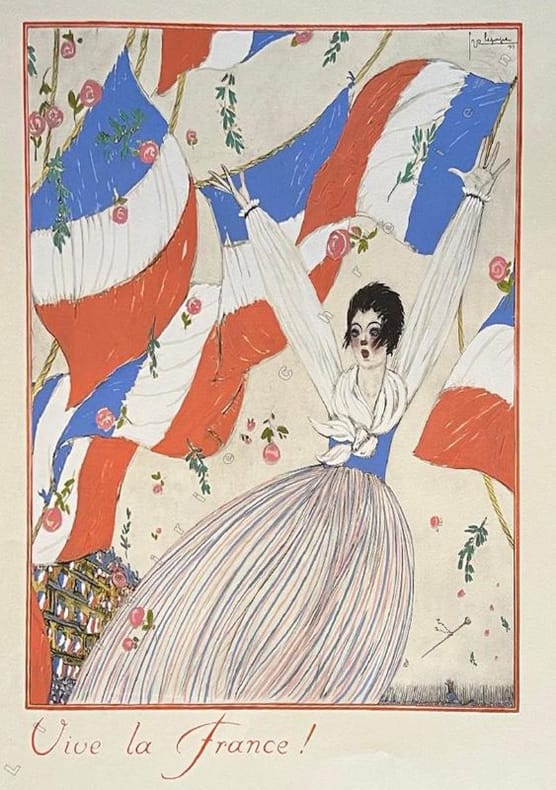
1917réf. 247291917 1 Estampe aquarellée au pochoir sur Vélin signée et datée en haut à droite dans la planche, signée et numérotée en bas à droite à la mine de plomb, 1917, 66 x 50 cm., (à vue 57 x 40 cm.).
1913réf. 19338Paris Draeger 1913 1 in-folio Paris, Draeger, 1913, in-folio, en feuilles, sous page de titre imprimée en jaune et en noir et étui.
1940réf. 30991940 1 Bon à tirer signé avec réhauts gouachés et collage, (1940), 32.5 x 23.9 cm., encadré.
1969réf. 2091502133700842Kakusado Publishing Co. Ltd. 1969. Soft Cover. Fine. The book is in fine condition. Kakusado Publishing Co., Ltd. paperback
1905Fascicle 1. 12 full-page color lithographs of early 20th century ladies fashions. "Printemps & Ete 1905" Spring & Summer wear. With a title-page and 2 plates of hats & hairstyles, the other 10 plates are full length portraits of women in early twentieth century formal gowns and accessories. They are shown against pale gray or brown backgrounds, either in sumptuous interiors or in grand exteriors. The designs were created by "Louis Colas Compositions & Dessins. 74-76 Rue Jean-Jacques Rousseau, Paris". This is an oversize thin folio in very good condition, but some slight cover soil, and a bite taken out of the bottom corner of the rear board, with the title in large gilt script on the front cover, with 12 large color lithographs on a nice rag paper, with only occasional finger marks to the margin or front edge. 18" high X 12 1/2" wide. A nice set of these 12 really beautiful prints. This book will be securely wrapped and packed in a sturdy box and shipped with tracking.
1911réf. 51747England: n.p. 1911. Tall 8vo. 5 pp. on thick card stock printed in gilt & black 7 x 10.24 in. with 240 vegetable ivory buttons all with stock numbers below and to the side many in the dark brown patterned material some jet black and many with incised or woven patterns each page with padded pink silk leaves to protect the buttons each of the cards has some contemporary ink annotations below the buttons or along the side in the margins. Quarter-black calf over black pebbled cloth gilt lettering & design on front cover spine minor chipping & tearing to head of spine affecting lettering slight shelfwear still a VG- exemplar with the buttons entirely complete and in perfect condition. First edition of this very scarce and beautiful Edwardian button sample catalogue. Included are a number of different styles of buttons in vegetable ivory for clothing coats sportswear and more which were sold by this English manufacturer for export. Vegetable Ivory is a very dense material that is manufactured into buttons from the Corozo nut that grows on the Tague Tree a type of Palm. It was named Vegetable Ivory in the 19th Century because it resembles real ivory but was not as heavy or dense. These types of buttons were first introduced at the 1862 International Exhibition in England and then reached full popularity at the 1867 Paris Exposition. The sample buttons preserved here come in pressed carved and fine lined patterns some of them painted with a dark flat black other shiny black and many with a beautiful rich shiny mottled effect. During the Victorian and Edwardian periods and prior to the growth in production and popularity these were the buttons of choice for men’s suits. No copies located in Worldcat. n.p.], hardcover
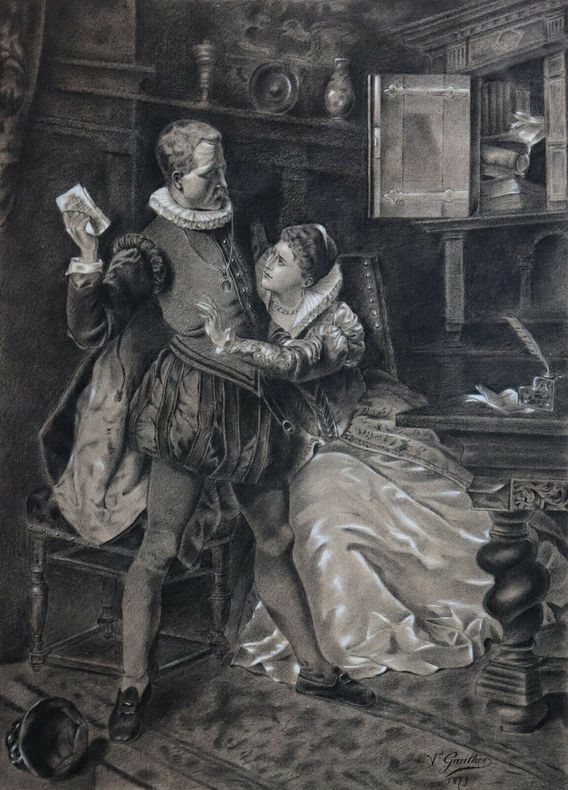
1879réf. AMO-3731Superbe fusain original signé A. Gaultier (voir signature) et daté 1879 reprenant probablement un tableau ancien à identifier (avec précision et parfaitement) Dimensions du dessin au fusain : environ 47 x 34,5 cm sur papier teinté Feuille : 60 x 49 cm environ Fusain et rehauts de blanc. Très bon état. Conservé à plat protégé depuis 1879. Fusain non fixé. Papier fragile.
Grande album manoscritto con disegni originali a colori. Anni 1930/40. Scuola di taglio. Metodo circolare italiano Moiraghi. Album di cm. 40 x 59,5. Legatura originale in tela con cordoncino passante. Venti bellissimi modelli a colori di vestiti da donna e da uomo. Axs
réf. 054551Paris La Chambre Syndicale de la Couture Parisienne 1945 in 4 (27x21,5) 1 volume broché, dos à ressort (spiral bound), couverture illustrée d'une vignette en couleurs illustrée par Christian Bérard, non paginé ( 35 feuillets non chiffrés, soit 70 pages dont publicités, et texte avec de nombreuses illustrations en noir et blanc dont reproductions photographiques, 2 planches hors-texte en couleurs. Avec un texte d'introduction de Lucien Lelong, et des textes de Louis Chéronnet et Gérard Bauer. Le Théâtre de la Mode était une exposition itinérante durant les années 1945 et 1946. Il a été créé pour collecter des fonds pour les survivants de la guerre et pour aider à relancer l'industrie de la mode française au lendemain de la Seconde Guerre mondiale. Les mannequins de mode, conçus par les meilleurs créateurs de mode parisiens étaient fabriqués en fil de fer et réalisés au tiers de l'échelle humaine. Quelque 60 couturiers parisiens se sont réunis et ont offert leurs matériaux de rebut et leur travail pour créer des vêtements miniatures dans de nouveaux styles pour l'exposition. Des modistes ont créé des chapeaux miniatures, des coiffeurs ont donné le des mannequins des coiffures individuelles, des bijoutiers tels que Van Cleef, Arpels et Cartier ont apporté de petits colliers et des accessoires. Le Théâtre de la Mode est devenu une exposition itinérante. Catalogue officiel édité à l'occasion de l'exposition '' Le Théâtre de la Mode ', présentée à Paris du 28 ars au 29 avril 1945, au Musée des Arts Décoratifs, pavillon de Marsan. Texte en français (Text in french). Première édition, exemplaire numéroté (achevé d'imprimer par les presses de l'imprimerie Artra à la date du 24 mars 1945, mise en page par Savignac). On joint un fascicule publicitaire dépliant donnant la liste des 183 professionnels liés à l'exposition. Bel exemplaire ( Photographies sur demande / We can send pictures of this book on simple request )
1940réf. D12397America c. 1940s. Group of approximately 30 costume and fashion designs for women; on a variety of papers or board ranging in size from about 8x10 to 15x21 inches; using chalk crayon watercolor ink and even a bit of collage. Includes dresses hats and gowns -- many possibly for Advance Patterns Fashions and Fabrics. Some dated all signed by the artist. Some a little worn along the edges but condition is VG or better overall suitable for display. Much of Teed's original artwork is now in the collection of the Museum of Fine Arts in Boston. This diverse group shows glamorous fashion in a variety of illustrative styles from spare line drawings on black paper to gowns trimmed in paper doily to finished and highly detailed watercolors. unknown
1940réf. D12397America c. 1940s. Group of approximately 30 costume and fashion designs for women; on a variety of papers or board ranging in size from about 8x10 to 15x21 inches; using chalk crayon watercolor ink and even a bit of collage. Includes dresses hats and gowns -- many possibly for Advance Patterns Fashions and Fabrics. Some dated all signed by the artist. Some a little worn along the edges but condition is VG or better overall suitable for display. Much of Teed's original artwork is now in the collection of the Museum of Fine Arts in Boston. This diverse group shows glamorous fashion in a variety of illustrative styles from spare line drawings on black paper to gowns trimmed in paper doily to finished and highly detailed watercolors. unknown books
1939réf. 63709Aussig Usti Nad Labem Czechoslovakia & Vienna: C. Wolfrum ca. 1939. Folio. 50 leaves. 1 leaf with type-written explanation of all the fashions illustrated in the catalogue. 44 hand-coloured pochoir fashion designs on translucent paper each with item number printed below 5 leaves with printed designs showing the backs of all the fashions some pencil shading and details added. Original textured beige softcovers embossed WMI Wolfrum Manufacturing on front cover metal spiral bound as issued some dustsoiling & wear to fore-edges of covers very slight bumping to couple corners still a VG copy w/ beautifully illustrated fashion designs. First edition of this exceedingly scarce original trade catalogue issued by the C. Wolfrum textile firm in Czechoslovakia for its Vienna Austria market around the time of the forced annexation of the Sudetenland by Nazi Germany in 1939. The firm was famed for its woolen & silk textiles for women’s fashions and their catalogues were very desired. This catalogue includes fashions for silk rayon & wool women’s dress suits leisure suits formal evening dresses & winter coats all evoking the fashion trends of the period. The designs in the catalogue reflect the rising influence of militaristic styles and fascism with square-edged shoulder pads the plate hats as well as the emphasis on tight waists and long skirts. There are a couple designs with distinctive chocolate brown for leisure wear reflecting the heavy Nazi-influenced fashion design of the period. In addition the slim lines were enhanced by cutting clothes across the fabric avoiding bunches of gathers at the waist for full skirts allowing material to flow. In addition the evening wear dresses emphasized low or no backs and hair was to be grown long and worn swept up. This catalogue also includes a few evening formal dress designs clearly inspired by the dresses worn by Vivien Leigh in the 1939 Gone With the Wind Movie with the puffed sleeves polk-a-dot patterns and fabrics. No copies in Worldcat. C. Wolfrum, paperback
1927réf. 57311Graz Austria: Richard Neurath Kaiserfeldgasse 19 und 21 1927. Two vols. 1st - Folio. 11 x 13.75 in. 45 1 pp. on thick boards. With 246 tipped-in fabric samples of wools wool blends 27 fashion plate illustrations 2 for women’s coats w/ price list and letter to salesmen dated August 1927. Original quarter-black cloth over embossed & decorated boards flaps at fore-edges w/ handle and clasp raised gilt lettering on front cover minor shelfwear rubbing clasp guard repaired & reinforced still VG complete exemplar retaining the original button clasp; together with 4to. 8.25 x 11.25 in. 4 pp unpaginated. w/ 16 additional wool and wool-blend samples tipped-in self-printed covers rounded corners. First edition of this unusually rare fashion salesman sample catalogue for men’s suits and sporting wear during the Roaring 20’s with many of the suits sporting vests while also featured are shooting & hiking suits sportswear and a rich array of fabrics drawing upon English fashion designs. Following World War I there was a concerted move away from starched collars and formal three-piece suits towards soft collars one- or two-button suit jackets and even often worn without a waistcoat. Also featured in this catalogue are many examples of the plus-fours developed out of ordinary knickers these short-legged pants were a baggier version of their predecessors and proved popular for hikers golfers and other outdoors activities. Also featured are winter coat fabrics and designs for women in velour and thick felt twill. The laid-in additional catalogue promoted the latest Loden Merino wool fabrics and thick camel hair woolens. Neurath 1882-1948 operated a successful mail-order tailoring business until the 1938 Anschluss when the Nazi’s annexed Austria and forced the April 10 plebiscite. He survived the War and later died in Tel Aviv Israel in 1948. The building which housed his offices and tailoring facilities in Graz is now the home of the popular Cafe Kaiserfeld. No copies in Worldcat. Richard Neurath, Kaiserfeldgasse 19 und 21, hardcover
1939réf. 53215New York: Singer Sewing Machine Manufacturing Co. Departamento de Educacion January 1941; 1939. Two vols. 1st - Tall 8vo. 225 1 pp. Over 150 colour and black & white photo illustrations diagrams. Black textured softcovers gilt lettering & decoration printed on front cover edgewear bumping to corners minor soiling old tape repairs to front cover still G- copy; 2nd -- Oblong 4to. 12 x 7.75 in. 54 pp. on pink-tinted paper with 57 tipped-in fabric embroidered sewing samples including over on linen silk lace satin and wool textiles each w/ school stamp approving sample. Half-blue cloth post-binder over blue goards gilt lettering stamped on front cover sewn at gutter margin w/ white silk ribbon soiling minor dampstain curving to covers from the bulk of the tipped-in samples on the leaves still a VG exemplar. Both preserved in blue textured cardboard box & lid minor edgewear faint tidemark to lower fore-edge 1 corner. Fourth revised edition of this well-illustrated embroidery guide on stitches to be learned and executed on Singer Sewing Machines together with a beautifully done sample book showing Ms. Alos’ skills in learning the necessary skills in her Singer school in Villa Canas Argentina. The Singer Sewing Machine company developed special Singer Sewing Academia in Argentina Mexico and many other South American countries as well as Spain between the World Wars. These special private schools for professional dressmakers using the Singer manuals allowed female-owned dressmaking businesses to grow and create professional spaces separte from men. In addition these academias allowed women to pay by the class and embroidery was one of the advanced skills which commanded higher wages for women at the time. Singer actively encouraged this movement in order to develop home-based businesses and academias which in turn increased their sales of sewing machines. The sample book begins with a number of decorative types of embroidery stitches monograms and then displays floral patterns spider-web patterns laces a beautifully embroidered red roses and carnations on purple silks and satins. Worldcat locates 2 copies of the Libro Singer Bibliotecas del Tecnologico de Monterrey Mexico; British Library 3rd editions; See: Ketteler Sewing through the years in art women and society; Paula de la Cruz-Fernandez Atlantic Threads: Singer in Spain and Mexico 1860-1940 pp. 198-210. Singer Sewing Machine Manufacturing Co., Departamento de Educacion, paperback
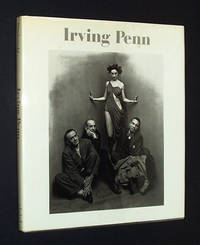
1984réf. 8829New York: Museum of Modern Art 1984. Hardcover. SIGNED by both. First edition. The catalogue published in conjunction with an exhibition of work by Irving Penn 1917-2009 at the Museum of Modern Art NYC September 12 - November 27 1984; one of the best collections of Penn's work. Photographs by Irving Penn; edited and with an overview of the artist's career by John Szarkowski. SIGNED BY PENN and inscribed on the half-title page; SIGNED BY SZARKOWSKI on the title page. 216 pages; 156 photographic plates 21 in color with 35 text illustrations 7 in color; 11 x 12.5 inches. Condition: Near Fine clothbound hardback with very light wear in a Very Good dust jacket with light soiling. All dust jackets are protected by a clear mylar cover. Ships the next business day wrapped in padding in a box. Due to size and weight international and expedited shipping may be more than quoted. Museum of Modern Art hardcover
1900In oblungo (32x26 cm); 38 cc. Legatura coeva editoriale in piena tela con titolo impresso in oro al piatto anteriore. La legatura è realizzata con un bel cordone coevo in tessuto rosso e marrone, attorcigliato. Ogni foglio contiene una fotografia d'epoca di grandi dimensioni, tutte di ottima qualità e pregevole stile. Il magnifico album riporta sotto ogni fotografia la didascalia della scena ritratta, scritta a mano da mano coeva. Si vedono così la “Sala delle sedute; Direttore A. Jungl.; vari altri impiegati; nei loro rispettivi uffici; Magazzino reparto articoli da cucina; Magazzino Mostra mobili da cucina; Mezzanino Reparto articoli da casa in metallo; Mezzanino Reparto mobili di metallo; Hangar Spedizioni postali; Hangar reparto ritiri merci e calcolazione; V. S. Caterina pianoterra, Reparto articoli tecnici; V. C. Caterina pianoterra Articoli da bagno; Corso pianoterra Mostra mobili da giardino; Corso pianoterra Mostra ordigni da meccanico; Corso pianoterra scala conduce al mezzanino; Corso pianoterra destra reparto articoli per costruzioni; Piano terra reparto finimenti per porte e finestre; V. San Lazzaro pianoterra sinistra Articoli per carrozzieri; V. San Lazzaro piano terra destra Articoli per navigli; Cortile entrata S. Lazzaro; Magazzino sotterraneo V. S. Caterina articoli tecnici; Magazzino sotterraneo Corso Deposito ordigni; Magazzino sotterraneo Corso Deposito Finimenti; Magazzino sotterraneo via San Lazzaro Deposito merci di ghisa; Via Carducci Interno; Via Carducci deposito stufe; Via Molingrande 24 Piano I; Facciata Via Carpison – S. Francesco; Via Carpisan 18 Interno destra. Le foto ritraggono gli interni e l'arredamento degli spazi della ditta con gli inservienti al lavoro. La Società Adriatica Ferramenta e Metalli di Trieste, fu uno delle più grosse ed importanti attività commerciali della Trieste degli inizi del novecento. Nata in origine come ferramenta e metalli di Carl Greinitz Neffen, questa rinomata attività commerciale cambierà poi, il nome, agli inizi del novecento, in Società Adriatica Ferramenta e Metalli. L'autore delle foto è anonimo anche se potrebbe trattarsi, con ogni probabilità di uno dei primi lavori di Carlo Wernigg, fotografo professionista triestino che nel 1932 partecipa, assieme a trentacinque fotografi professionisti di Trieste, Venezia, Trento, Fiume, Padova, Gorizia, Pola e Udine, alla Prima Mostra Fotografica Triveneta, inaugurata da S.A.R il duca Amedeo d’Aosta, esposta nel mezzanino del Palazzo ex Greinitz in via S. Caterina 1. Specializzatosi in fotografia industriale, Carlo Wernigg collaborò con diverse celebri riviste come Emporium e Domus. Lo stesso comune di Trieste gli commissionò la documentazione delle trasformazioni architettoniche che coinvolsero il tessuto cittadino triestino. Fra le altre cose, è da ricordare come lo stesso Carlo Wernigg fu dipendente della “Ferramenta e Metalli Carl Greinitz Neffen” cosa che rende ancor più probabile l'affidamento a Wernigg, fotografo in ascesa (nel 1915 aveva già vinto il premio de ritratto femminile del “Corriere fotografico di Milanmo”), della realizzazione di quest'album fotografico. Rarissimo.
réf. 11357s.l., 1960, s.e classeur à anneaux relié plein parchemin, filets dorés, initiales HR au dos
réf. 11357s.l., 1960, s.e classeur à anneaux relié plein parchemin, filets dorés, initiales HR au dos
réf. 21925From Brockwood Park Bramdean Hampshire and Ojai California. Between 1978 and 2008. A total of twenty-eight items of correspondence comprising: nineteen Autograph Letters Signed two on the backs of cards two Typed Letters Signed and seven Autograph Cards Signed. In good condition. All signed 'Mary' and the large part addressed to 'Christopher' with a few to 'Kit' and one to 'Dear Phyl i.e. Fry's wife Phyllis dear Christopher'. The correspondence indicates a deep affection and long-standing intimacy. In 1987 she transcribes entries from her diary of 1958 regarding dinners in Rome between the Frys and Zimbalists while Fry was working on the script of the film 'Ben Hur' which Sam Zimbalist produced commenting: 'it is startling to find how these pale ink lines evoke us then – almost 20 sic years ago'. Later in the letter she states: 'I wish I could have seen the tv broadcast of The Lady and hope you have a video recording of it. It is like wanting to again hear the English language rising and thundering like winter surf and pure as a Bach prelude. Since Christopher Fry this does not happen these days.' In 1997 she writes: 'So many things hovered in my head all night some of them reaching back to Italian summer days when you and Phyl and Sam and I were together. An unbroken line began then for me of feeling whenever I was with Phyl and you that all was well with the world. That has continued ever since – something wondrously enduring.' And in 2000 she tells him that hearing his news 'is a sort of centre of gravity'. Topics include: her pleasure in his messages and calls texts he has sent her 'What you have said about death and love touches so many things I feel profoundly and the eloquence is no less than the truth.' her admiration for his work 'Language is such a root of human understanding. Other writers seem to be stuttering alongside the eloquence of your plays. Your language unfolds in breadth in splendour a music of the mind. It is as if you are creating language of a different order new and yet with its original and intrinsic meaning freed.' her travels her health in 1988: 'I seem to be hobbling about with little grace but ground-covering success' the taking of vitamins a centenarian's death. In 1999 she comments on a list of 'Krishnamurti books' she is sending him concluding by noting that 'Krishnamurti's Notebook' is 'one that is not personal for a time a daily recording of consciousness. In it he notes the curious physical pain he called “the process”. It had begun with extreme severity in 1922 after a spiritual experience that altered his life and continued to manifest from time to time with differing intensity. He did not consider it as physical illness but as having to do with perceptive ability. He never took anything to mitigate or affect it and seldom spoke of it.' From Brockwood Park, Bramdean, Hampshire, and Ojai, California. Between 1978 and 2008. unknown
Paris, M.G. Martens, 1906. Du N°121 au N° 132 plus les deux suppléments de planches en couleurs de blouses. Un fort volume de format in folio comprenant pour chaque n° un texte de 8 à 10 pages; texte bilingue franco-allemand. A chaque N° est joint un grand patron dépliant sur calque. Pour l'ensemble du volume ; 72 planches en couleurs, 40 planches en noir, 11 planches double en noir. La plupart des planches sont finement retouchées à la gouache ou à l'or ou l'argent. Robuste reliure muette en demi maroquin noir à coins. Coins légèrement mrqués, intérieur d'une très grande fraîcheur, peu commun.