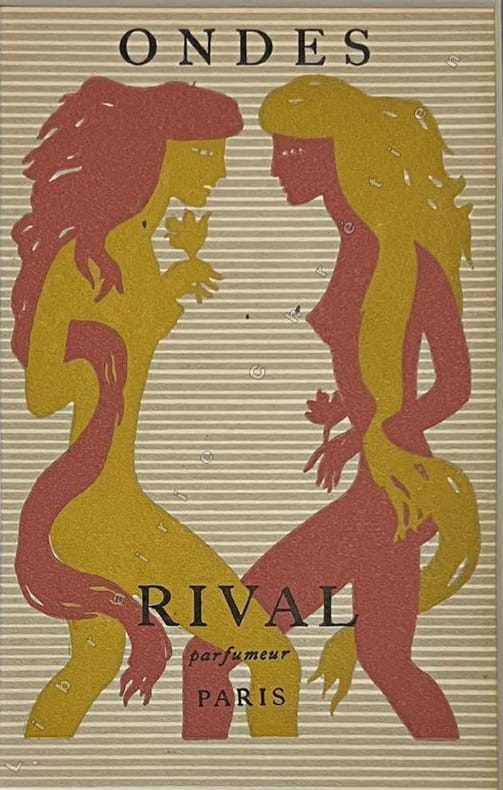
RIVAL PARFUMEUR. SAVIGNAC (Raymond).Livre Rare Book
19 010 résultats
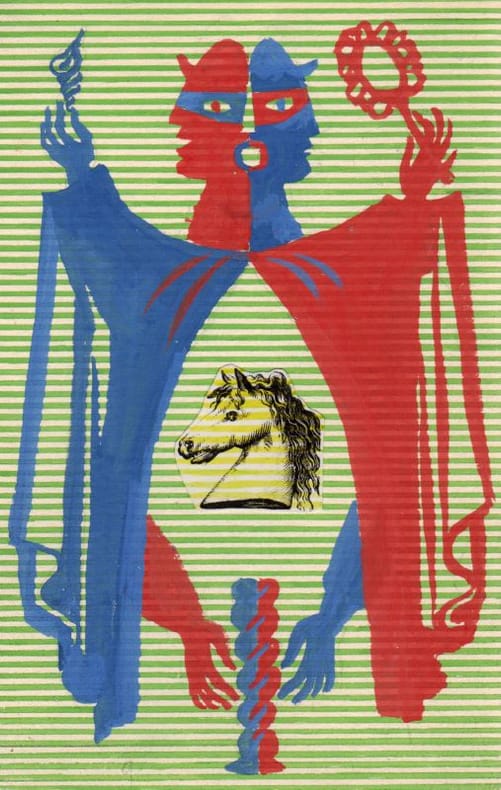
1945réf. 247881945 Gouache et collage, 21 x 13.5 cm, (1945).
1945réf. 19238(1945) Une maquette préparatoires à la gouache, 21 x 13.5 cm, en couleurs. (1945).
1950réf. 7426ABPadova, o.J. (ca. 1950). 33 : 30 cm. 280 Gürtelschnallen montiert auf 15 Tafeln in Klarsichthüllen. Original-Leinenordner.
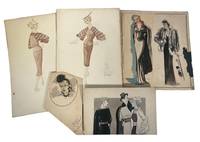
1920réf. 199741920. Vernacular fashion illustration archive circa 1920s-1950s documents the evolution of women's dress and stylistic ideals across early and mid-twentieth-century design with emphasis on silhouette material and aspirational presentation. The drawings capture shifts from the elongated androgynous forms associated with 1920s and 1930s fashion to the structured tailoring and fitted garments of the postwar period. Elements such as exaggerated shoulders cinched waists and coordinated ensembles situate the works within broader developments in women's fashion including the influence of tailored suits and formal eveningwear. The illustrations also record accessory culture including gloves hats and jewelry positioning dress within a larger system of social signaling and presentation tied to class gender norms and modern consumer identity. United States and possibly Europe circa 1920s-1950s. Archive of six original gouache and pencil fashion illustrations on hard mat boards and one on thick watercolor paper each measuring approximately 10 x 7 to 10 x 15 inches. Several works bear artist signatures or initials including examples signed "Virginia" and "G. Wichner." Two dated compositions from April 11 1954 depict coordinated ensembles including a rose-toned set with a pencil skirt and structured blazer rendered with detailed attention to tailoring and fabric accents. Other illustrations include multi-figure studies of women in draped garments with belted waists a single-figure composition in a long gown with fur coat and elongated cigarette holder and portrait studies featuring headpieces veils and bold cosmetic styling. Use of shading color variation and line work emphasizes fabric texture garment movement and body form. Produced during a period of significant transformation in women's fashion these illustrations align with the development of modern fashion media including editorial illustration design sketching and commercial garment production. The visual emphasis on proportion tailoring and accessorization reflects the increasing codification of fashion as both industry and cultural expression in the twentieth century. As original works the drawings provide insight into the processes of design visualization and stylistic interpretation supporting research into fashion history gender presentation and visual culture. Light handling wear to mounts and sheets; overall very good condition. unknown
1920réf. 199741920. Vernacular fashion illustration archive circa 1920s-1950s documents the evolution of women's dress and stylistic ideals across early and mid-twentieth-century design with emphasis on silhouette material and aspirational presentation. The drawings capture shifts from the elongated androgynous forms associated with 1920s and 1930s fashion to the structured tailoring and fitted garments of the postwar period. Elements such as exaggerated shoulders cinched waists and coordinated ensembles situate the works within broader developments in women's fashion including the influence of tailored suits and formal eveningwear. The illustrations also record accessory culture including gloves hats and jewelry positioning dress within a larger system of social signaling and presentation tied to class gender norms and modern consumer identity. United States and possibly Europe circa 1920s-1950s. Archive of six original gouache and pencil fashion illustrations on hard mat boards and one on thick watercolor paper each measuring approximately 10 x 7 to 10 x 15 inches. Several works bear artist signatures or initials including examples signed "Virginia" and "G. Wichner." Two dated compositions from April 11 1954 depict coordinated ensembles including a rose-toned set with a pencil skirt and structured blazer rendered with detailed attention to tailoring and fabric accents. Other illustrations include multi-figure studies of women in draped garments with belted waists a single-figure composition in a long gown with fur coat and elongated cigarette holder and portrait studies featuring headpieces veils and bold cosmetic styling. Use of shading color variation and line work emphasizes fabric texture garment movement and body form. Produced during a period of significant transformation in women's fashion these illustrations align with the development of modern fashion media including editorial illustration design sketching and commercial garment production. The visual emphasis on proportion tailoring and accessorization reflects the increasing codification of fashion as both industry and cultural expression in the twentieth century. As original works the drawings provide insight into the processes of design visualization and stylistic interpretation supporting research into fashion history gender presentation and visual culture. Light handling wear to mounts and sheets; overall very good condition. unknown books
1950réf. 218261950. Fashion design archive. 1950s-1960s. This group documents mid-century women's fashion design practice through a sustained body of original sketches and working notes showing how garments were conceived annotated and prepared for construction during a period of stylistic transition in American dress. The material provides direct evidence of design thinking at the level of silhouette fabric selection and pattern planning including repeated attention to cocktail wear outer garments and formal dress. It captures the movement from structured postwar styles toward more experimental and decorative approaches associated with later mid-century fashion with particular emphasis on the technical and aesthetic decisions made by a designer or dressmaker. Archive of over 100 original hand-drawn fashion sketches on individual sheets measuring approximately 6.5 x 9 inches executed in ink with extensive handwritten annotations on rectos versos and margins. The drawings depict a range of women's garments including dresses blouses coats and evening wear with recurring titles such as "cocktail dress" "cocktail cape" and "dress." The figures are rendered with attention to line proportion and textile texture often emphasizing drape fitted bodices and surface embellishment. Annotations provide detailed construction guidance including measurements fabric types and pattern instructions. One design for a strappy dress specifies "Pattern: leopard or zebra fur attached.fabric velveteen.color red -- orange -- black." indicating experimentation with bold materials and color combinations. The consistent pairing of image and instruction suggests use as a working portfolio either for client presentation dressmaking production or formal training. Mid-century fashion in the United States expanded through department stores home sewing and professional dressmaking with designers and students producing working sketches that translated style into reproducible garments. The presence of detailed technical notes alongside finished illustrations places this archive within that production process linking aesthetic design to practical construction. Light wear from handling; overall very good. A concentrated record of mid-century women's fashion design practice preserving both the visual language and technical methods used to create garments during a period of evolving style. unknown
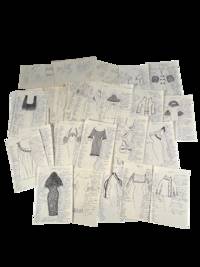
1950réf. 218281950. Fashion design archive likely 1950s to 1960s documenting women's garment design during the mid-century through original working sketches that preserve both style development and the practical language of dressmaking. The archive is strongest as evidence of how women's fashion was conceived on paper before production with repeated attention to silhouette trim fabric and construction. Dresses blouses coats and eveningwear appear throughout placing the material within the visual world of postwar American fashion as it moved from structured elegance toward sharper and more decorative later mid-century forms. Archive of over 100 original hand-drawn fashion sketches on individual sheets measuring approximately 6.5 x 9 inches. The drawings are executed in ink and depict a wide range of women's clothing including fitted dresses capes blouses coats and formal designs with careful attention to drape proportion neckline sleeve treatment and surface embellishment. Many sheets are accompanied by dense handwritten notes in the margins or on the reverse recording measurements fabric suggestions and pattern or construction instructions. The combination of illustration and notation gives the sheets the character of working designs rather than purely display drawings and suggests use in dressmaking training or client planning. The archive belongs to the history of women's fashion not only as a record of finished styles but as evidence of the design process itself preserving the intermediate stage between idea and garment. Such working sketches show how fashion circulated through manual skill technical knowledge and close attention to fabric and form in the decades before design became fully digitized. Light general wear from use; overall very good. A substantial mid-century design archive that preserves the visual and technical vocabulary of women's fashion making across more than one hundred original sketches. unknown
1950réf. 218261950. Fashion design archive. 1950s-1960s. This group documents mid-century women's fashion design practice through a sustained body of original sketches and working notes showing how garments were conceived annotated and prepared for construction during a period of stylistic transition in American dress. The material provides direct evidence of design thinking at the level of silhouette fabric selection and pattern planning including repeated attention to cocktail wear outer garments and formal dress. It captures the movement from structured postwar styles toward more experimental and decorative approaches associated with later mid-century fashion with particular emphasis on the technical and aesthetic decisions made by a designer or dressmaker. Archive of over 100 original hand-drawn fashion sketches on individual sheets measuring approximately 6.5 x 9 inches executed in ink with extensive handwritten annotations on rectos versos and margins. The drawings depict a range of women's garments including dresses blouses coats and evening wear with recurring titles such as "cocktail dress" "cocktail cape" and "dress." The figures are rendered with attention to line proportion and textile texture often emphasizing drape fitted bodices and surface embellishment. Annotations provide detailed construction guidance including measurements fabric types and pattern instructions. One design for a strappy dress specifies "Pattern: leopard or zebra fur attached.fabric velveteen.color red -- orange -- black." indicating experimentation with bold materials and color combinations. The consistent pairing of image and instruction suggests use as a working portfolio either for client presentation dressmaking production or formal training. Mid-century fashion in the United States expanded through department stores home sewing and professional dressmaking with designers and students producing working sketches that translated style into reproducible garments. The presence of detailed technical notes alongside finished illustrations places this archive within that production process linking aesthetic design to practical construction. Light wear from handling; overall very good. A concentrated record of mid-century women's fashion design practice preserving both the visual language and technical methods used to create garments during a period of evolving style. unknown books
1950réf. 218281950. Fashion design archive likely 1950s to 1960s documenting women's garment design during the mid-century through original working sketches that preserve both style development and the practical language of dressmaking. The archive is strongest as evidence of how women's fashion was conceived on paper before production with repeated attention to silhouette trim fabric and construction. Dresses blouses coats and eveningwear appear throughout placing the material within the visual world of postwar American fashion as it moved from structured elegance toward sharper and more decorative later mid-century forms. Archive of over 100 original hand-drawn fashion sketches on individual sheets measuring approximately 6.5 x 9 inches. The drawings are executed in ink and depict a wide range of women's clothing including fitted dresses capes blouses coats and formal designs with careful attention to drape proportion neckline sleeve treatment and surface embellishment. Many sheets are accompanied by dense handwritten notes in the margins or on the reverse recording measurements fabric suggestions and pattern or construction instructions. The combination of illustration and notation gives the sheets the character of working designs rather than purely display drawings and suggests use in dressmaking training or client planning. The archive belongs to the history of women's fashion not only as a record of finished styles but as evidence of the design process itself preserving the intermediate stage between idea and garment. Such working sketches show how fashion circulated through manual skill technical knowledge and close attention to fabric and form in the decades before design became fully digitized. Light general wear from use; overall very good. A substantial mid-century design archive that preserves the visual and technical vocabulary of women's fashion making across more than one hundred original sketches. unknown books
1905réf. 56908Chicago IL: American Woolen Mills Co. 1905. Thick elephant folio 17.5 x 21.5 x 3.25 in. 58 pp. printed on thick card stock each mounted on linen hinge. With 6 black & white fashion plates illustrating suit styles of the period with 380 of 400 -- many marked in pencil “O.S.” or Out-of-Stock mounted textile samples in wool wool-silk blends -- all samples clearly marked with prices and availability numerous text illustrations decorative borders printed in colour many showing bucolic scenes of sheep pastures and winter frolics. Black & blue cloth Arts & Crafts gilt lettering & ornament on front cover expertly rebacked and back cover renewed dustsoiling and occasional soiling to some leaves some samples w/ predation and minor loss dampstaining to gutter margin of last few leaves minor loss & damage to last couple leaves still a good copy. First edition of this scarce Progressive-era salesman sample catalogue for Winter season men’s suits overcoats and evening wear. The American Woolen Mills Company also known as the “Progressive Tailors”maintained a huge tailoring operation in Chicago at Union & Washington until the Great Depression employing hundreds of tailors and seamstresses to fill orders. Unlike J.L. Taylor Royal Tailors and many of the other tailoring houses of the period the American Woolen Mills targeted the average white collar clerk or American immigrant salesman and merchant trying to look professional and offered $ 15.00 high class made to measure suits. These catalogues were very expensive to produce and were often issued with minimal company brand names allowing their sales force to target small shops mercantiles and general stores which would have these catalogues on the sales floor for several years. Sales people were directed to simply clip the corners of samples for out-of-stock and discontinued fabrics but they often chose to remove the entire sample in order to not distract potential customers. The catalogue offers invaluable illustrated historical reference for the colours styles and fabrics during the era of Teddy Roosevelt and the Anti-Trust policies even referring to these in their sales pitch by claiming that unlike Trusts which “by combining saves numerous expenses and sticks ALL the savings in its own pocket. . . there is no Trust in the tailoring trade.” They further claim that they remove all middlemen procure woolens directly from the weavers and by avoiding wastes of all kinds that AWM CO. lowers their prices and “it is a public benefit.” The textiles here focus on darker shades and very muted colours along with durable thick fabrics while marketing their double-breasted sacks 3-button frock coats 2-button single breasted suits assorted overcoats and more. No copies in Worldcat; See: Swell Nifty Suit Free! The Household Journal Vols. V No. 8 August 1912 p. 6; Machinists’ Monthly Journal Vol. XVII No. 3 March 1905 p. 282. American Woolen Mills Co., hardcover
1969
1840réf. 33436ABWürzburg, H. A. Eckert & Christian Weiß, [um 1840]. 2° (ca. 35,5 x 25,5 cm). In Original-Lieferungsumschlag mit goldgeprägtem Titelschildchen. Tafeln teils ein wenig gebräunt, mehrere am Rand leicht braunfleckig bzw. abgegriffen. Zwei Tafeln rückseitig nummeriert, eine etwas fleckig, eine mit leichter Schabspur am Bildrand, der gefaltete Umschlag teils angestaubt.
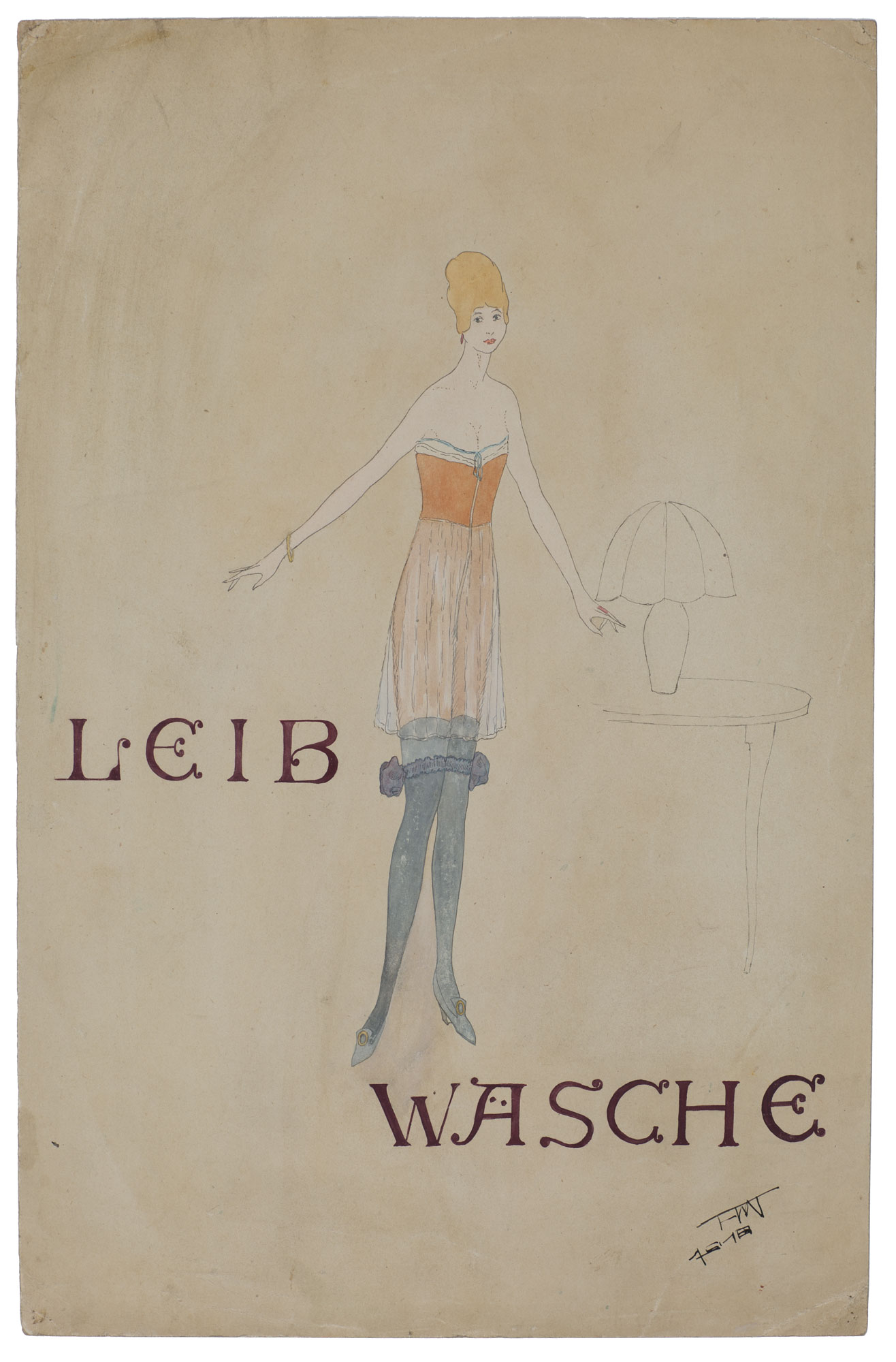
réf. 135-Ho.J. Aquarell und Feder in Schwarz, auf dünnem Malkarton, rechts unten monogrammiert und datiert ?WHN 1918?. 34:28 cm. ? Insgesamt nicht ganz frisch.
1793réf. 162799Bln., In der Vossischen Buchhandlung, 1793. 84 S., mit mehrfach gefaltetem Kupferstich von Borger nach Keck. ohne Einband, 8°. Die erste Ausgabe war unter dem Titel "Über die Schädlichkeit der Schnürbrüste 1788 ohne Autorenname erschienen. Bei der vorliegenden Neuausgabe zitiert Sömmering auf dem Titelblatt "Die Form oder der Zuschnitt der Kleider ist wohl kein Gegenstand der Medicinalpolizei, sondern der medizinischen Aufklärung; höchstens darf der Staat nur da sie bestimmen, wo sie auf seine Kosten angeschafft werden, oder wo er gegen Ertheilung anderer Vortheile sie sich ausbedingen darf" aus "Lehrsätze der medicinischen Polizeywissenschaft" von E[rnst] B[enjamin] G[ottlieb] Hebenstreit. Die Radierung (45x27 cm, bxh) zeigt mit 7 Figuren, wie sich das Tragen von Corselets auf die Körperhaltung und das Skelett auswirkt.Im Anhang ein 6seitiges chronologisches Verzeichnis von Literatur, die sich mit der Schädlichkeit der Schnürbrüste befasst, von Felix Platter (Basel, 1602) bis Joseph von Mohrenheim (St. Petersburg, 1791). Softcover
1654Due parti in un volume di cm. 22, pp. (20) 261 (1); (8) 213 (25) + (2) d'errata. Bell’antiporta allegorica a precedere ciascuna delle due parti, fregi ai frontespizi, e 33 tavole. Il tutto nitidamente inciso in rame con la raffigurazione di costumi antichi. Legatura strettamente coeva in piena pergamena molle. Solo un po' rifilate al margine destro le due antiporta, peraltro esemplare genuino ed in ottimo stato di conservazione. Prima edizione completa di tutte le sette parti. Cfr. Piantanida, 4472; Colas e Cicognara.
1852Otto volumi di cm. 22, pp. 1.600 ca. complessive. Con 640 tavole incise fuori testo di cui circa 100 finemente colorate. Legatura coeva in mezza pelle rossa con titoli e filetti in oro ai dorsi. Fioriture a tratti alle carte di testo, mentre le tavole ne sono assolutamente esenti. Ben conservato. Si tratta della parte completa riguardante il costume storico della Francia. I presenti otto volumi erano preceduti da un volume di Storia della vita privata dei Francesi e succeduti da un volume contenente una raccolta di documenti sul costume e le evoluzioni della moda in Francia. Spesso l'opera si presenta composta dei soli otto volumi qui presenti, monograficamente autonomi. Opera assai interessante per la storia del costume e munita di un apparato iconografico vasto e di buona qualità. Cfr. Vicaire IV, 839-40 (anch'egli sottolineando la particolare composizione dell'opera e presentando gli otto volumi autonomamente).
1930réf. 45898Troy NY: Arrow Shirt Co./ Cluett Peabody & Co. Inc. ca. 1930; 1955. Quarter-sawn oak salesman sample counter display case 18.75 x 6 x 6 ins. with glass top & front door in back with catch w/ original label at bottom of the display indicating that this case was only to be used for the display of the Company collars preserving two Arrow Shirt Co. Collars some scuffing and wear to label at bottom of case affecting lettering minor wear to sides of case together with original Leyendecker advertisement printed on canvas w/ oak frame 28.5 x 21.5 ins. the piece has been professionally cleaned and mounted on archival foam core and removed from the original bars which were damaging the image and placed back in the oak frame some sunning faint discoloration to upper left margin still remarkable pieces. A wonderful advertising display for Arrow shirts and collars including pre-World War II counter sample case and 1950s promotional ad reproducing one of the famed Leyendecker images. These pieces originally came out of a small men’s clothing shop in Bend Oregon. The Arrow collars grew from the marketing idea by Cluett Peabody & Co. in Troy NY that it gave women an easier way to clean their husbands’ stained shirt collars without having to wash the entire shirt. In addition the collars wore out a much faster rate than the rest of the shirts so these replaceable collars would extend the life of the garments. This style of detachable collars remained popular up until the mid-1930s and largely declined out of use by the end of World War II.Leyendecker 1874-1951 created the Arrow Collar Man which was an advertising campaign that ran from 1905 - 1931 and was perhaps one of the most successful product brands in history. He created 100s of images and many of them are still synonymous with men’s fashion and styles. This advertisement was part of a revived campaign by Arrow Shirt Co. in the 1950s through early 1960s as they revived the nostalgia of the Leyendecker ads and pushed their shirts with soft collars. Arrow Shirt Co./ Cluett, Peabody & Co., Inc., hardcover
1950réf. 206231950. Archive of three black and white silver gelatin photographs of black models dating from the 1950s-70s. Photographs measure approx. 8" x 10". This archive includes a press photo from 1974 showing model Beverly Bradshaw posed in front of a museum display of elephants wearing a traditional Nigerian Ibo wrapped dress designed by Angie Ihejirika. Article on verso from the Chicago Sun Times details Mrs. Ihejirika's demonstration of the art of African wrapping at the Field Museum of Natural History. Photo has a bald patch on left side not affecting subject matter. Also included is a print of twelve Kodak film cells showing actress and model Nancy Westbrook in a series of poses sitting within a large picture frame. Seven images show Westbrook in a bikini and five wearing only a fur stole. These photographs date to the early 1950s and least one the third down on the left appeared in Jet Magazine with a short profile of Ms. Westbrook in 1953. Another photograph undated shows a black model in profile from the neck up smiling in a sun hat tilted away from camera to frame her head with a halo-like effect. Modeling in fashion and print has historically been dominated by white women reflecting a bias in beauty standards in the United States. These images show black women claiming space in the often exclusionary fashion world of the mid-late 20th century. Overall very good condition. Three images of black fashion models in the US 1950s-70s. unknown
1950réf. 206231950. Archive of three black and white silver gelatin photographs of black models dating from the 1950s-70s. Photographs measure approx. 8" x 10". This archive includes a press photo from 1974 showing model Beverly Bradshaw posed in front of a museum display of elephants wearing a traditional Nigerian Ibo wrapped dress designed by Angie Ihejirika. Article on verso from the Chicago Sun Times details Mrs. Ihejirika's demonstration of the art of African wrapping at the Field Museum of Natural History. Photo has a bald patch on left side not affecting subject matter. Also included is a print of twelve Kodak film cells showing actress and model Nancy Westbrook in a series of poses sitting within a large picture frame. Seven images show Westbrook in a bikini and five wearing only a fur stole. These photographs date to the early 1950s and least one the third down on the left appeared in Jet Magazine with a short profile of Ms. Westbrook in 1953. Another photograph undated shows a black model in profile from the neck up smiling in a sun hat tilted away from camera to frame her head with a halo-like effect. Modeling in fashion and print has historically been dominated by white women reflecting a bias in beauty standards in the United States. These images show black women claiming space in the often exclusionary fashion world of the mid-late 20th century. Overall very good condition. Three images of black fashion models in the US 1950s-70s. unknown books
2000réf. 12513Hamburg: Kruse Verlag 2000. Hardcover. First edition. As New hardcover in the publisher's shrink wrap. BOOKS SHIP THE NEXT BUSINESS DAY WRAPPED IN PADDING IN A BOX. Corinne Day 1962-2010 taking off from Nan Goldin embodied the 1990s photographic fashion aesthetic defined by natural settings available light little or no makeup and young and seemingly unconcerned models. Her photos of a teenage Kate Moss for The Face set the tone and started the trend though her work in the same vein later brought her into conflict with the big fashion mags. The aesthetic quickly evolved into what became known as "heroin chic." This book presents her personal work over a number of years unflinchingly looking at the lives of herself including her run-up to surgery for a brain tumor and recovery thereafter and her friends some of whom would die of drug-related causes. 112 pages; color reproductions throughout; 9.25 x 11.25 inches. Kruse Verlag hardcover
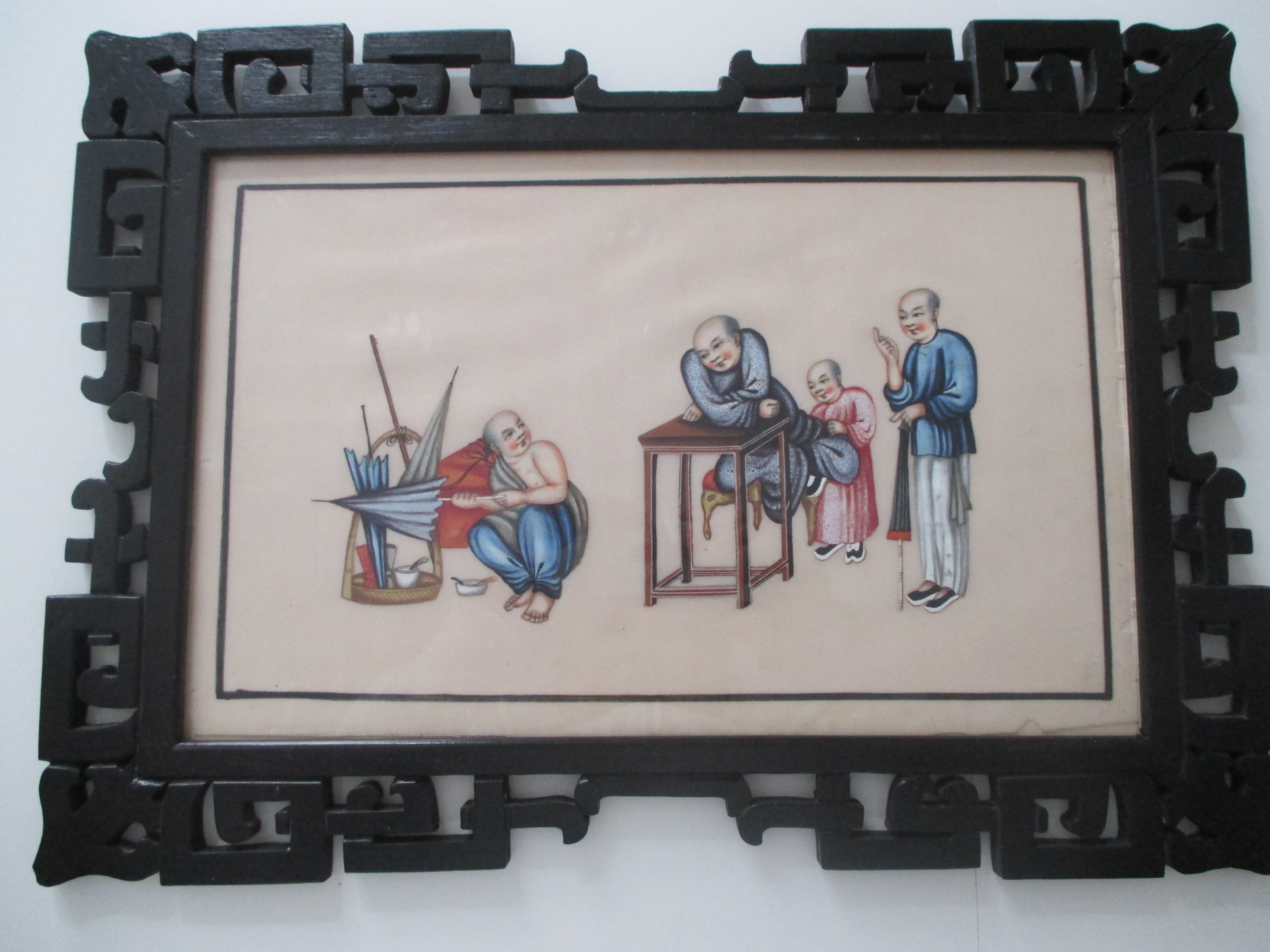
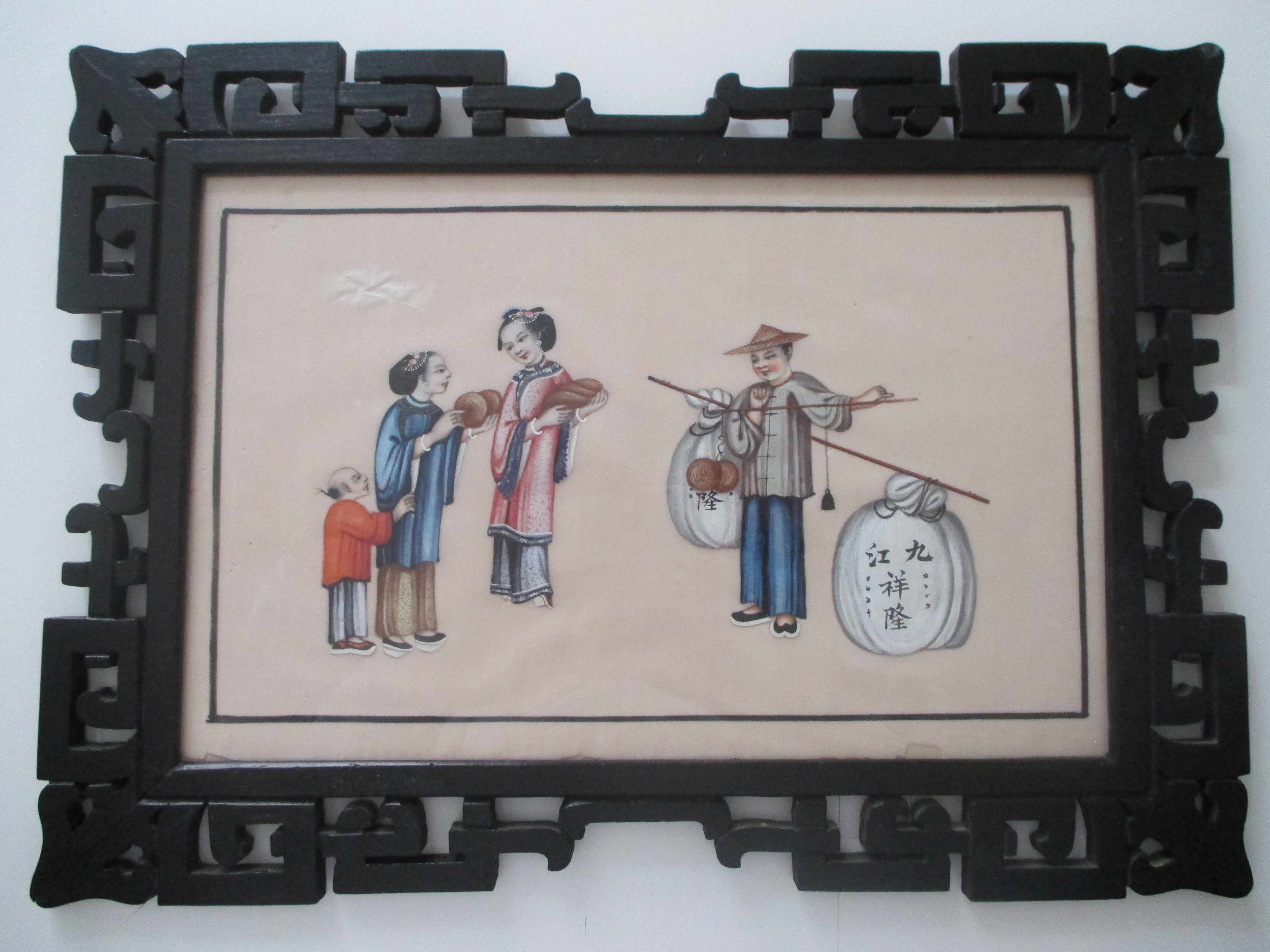
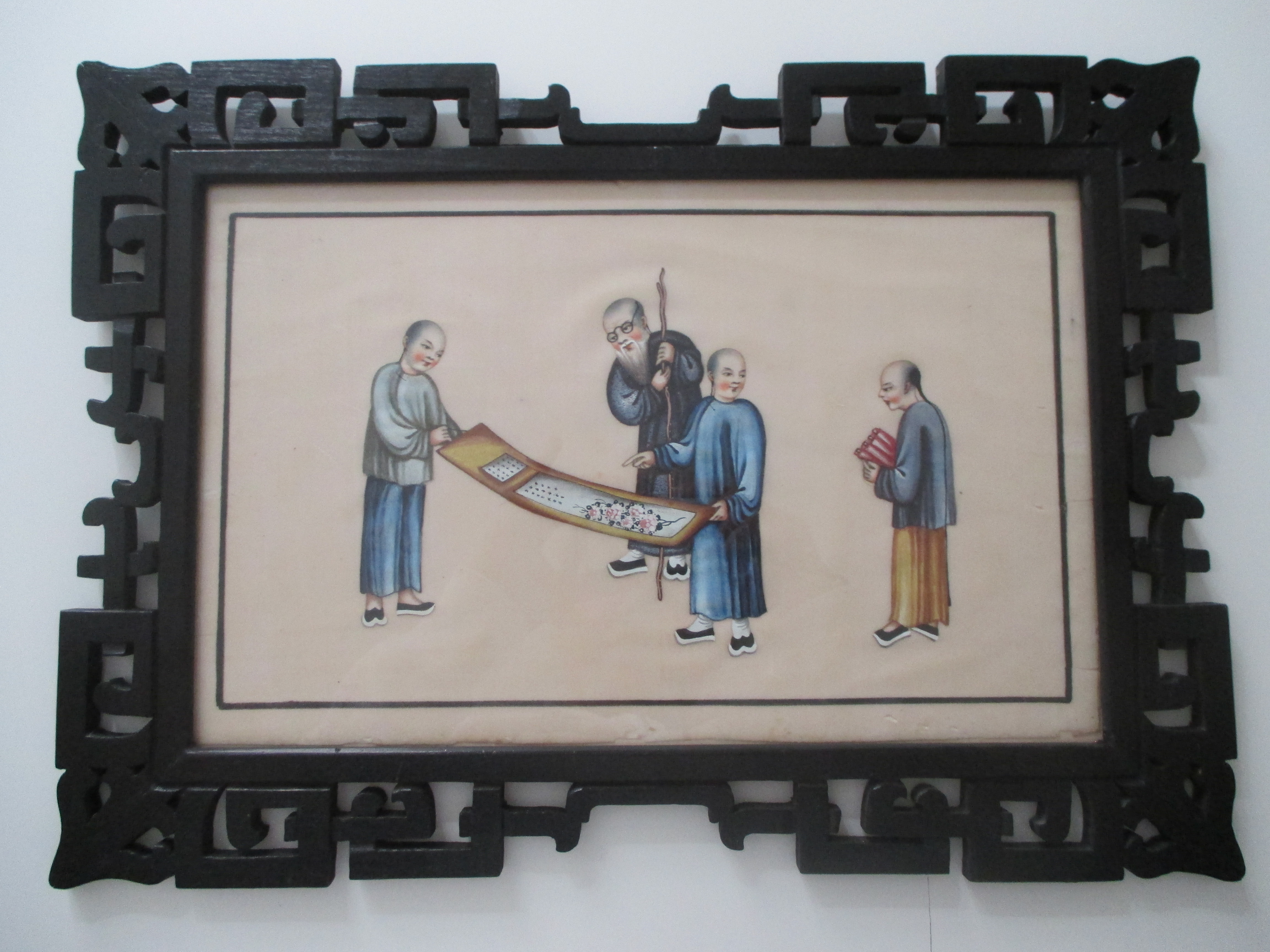
réf. 15578ABo.J. 20 : 31 cm. Coloured aquatint on rice paper. In an contemporary wooden frame.
réf. 15579ABo.J. 20 : 31 cm. Coloured aquatint on rice paper. In an contemporary wooden frame.
réf. 15577ABo.J. 20 : 31 cm. Coloured aquatint on rice paper. In an contemporary wooden frame.
1804réf. 199869-1Frankfurt 1804. 368 S.; 360 S.; 378 S.; 352 S. Mit 51 (v. 52) kol. Modekupfern. Halblederband der Zeit mit rotem u. blauem Rückensch.
1927réf. UDG-227[DYL (Yan Bernard)]. REGNIER (Henri de). Le miracle du fil. Paris, Simon Kra, 1927. In-folio en feuilles sous couverture éditeur illustrée et chemise demi-toile éditeur à rabats noués par un ruban. Édition originale de ce recueil de 16 sonnets d'Henri de Régnier imprimé sur les presses de Coulouma, illustré de 16 planches hors-texte en couleurs rehaussées d'or et d'argent de Yan Bernard Dyl reproduites par Daniel Jacomet. Tirage limité à 350 exemplaires numérotés, celui-ci n°106, un des 334 sur papier Canson Montgolfier. Yan Bernard Dyl est un des plus grands illustrateurs du mouvement Art Déco. D'abord publiciste et caricaturiste, il crée ensuite son agence de publicité après avoir été lourdement blessé durant la première guerre mondiale. Il travaille notamment pour Roger & Gallet et Lenthéric et plusieurs de ses créations sont publiées dans l'annuaire du luxe Pan, dirigé par Paul Poiret. Il reçut alors plusieurs commandes pour des ouvrages de bibliophilie dont celui-ci est un parfait exemple. Les illustrations de Dyl permettent d'apprécier le lien entre les motifs et formes Art Déco et la mode de l'époque, par la déclinaison des motifs traditionnels de dentelles. On y retrouve notamment les motifs régionaux de Cluny, Gênes, Bruges, Alençon, Chantilly mais également la dentelle de la Renaissance Espagnole, les Ténérife et les Paraguay. Très bel exemplaire dans sa chemise d'origine en excellente condition. (infimes salissures à la chemise, décharges des gravures comme toujours sinon très bel exemplaire)