30 347 résultats
20021466 pages in two volumes. Index. A compilation of papers presented at the conference. Unread. Soiling to top of Volume II, otherwise clean, bright and unmarked with negligible wear. Book
1977n. 24 bross. edit. ill. con bandelle
1963réf. 54664Bratislava: Mladé letá 1963. First edition. Hardcover. Very good to near fine condition. 1/5000. Large quarto. Unpaginated. 72pp. Original off-white cloth with abstract illustration of a human heart on front cover red lettering on spine in original photo-illustrated dustjacket black lettering on spine red on cover protected by modern mylar. Photo-illustrated endpapers. "The book is one of the most unusually edited and designed and also rarest postwar photo books by Karol Kállay." Czech and Slovak Photoo-Publications p. 316 This rare and poignant photo-essay by Slovak photographer Karol Kállay present seventy-two sheet-fed gravures. Divided into two parts: A selection of photographs showing Bratislava children playing together or walking through a neighborhood under construction in part one and part two documents the everyday life of surgeons and nurses dedicated to save lives at the Bratislava Children's University Hospital where children are seen undergoing open-heart surgery while anxious parents wait and hope for a positive outcome. Text in Czech. Dustjacket lightly rubbed along edges slightly more pronounced at top of front foredge and minor chips at tail of spine. Binding age-toned along top and bottom edges. Interior in near fine condition. Karol Kallay 1926-2012 was a citizen of the world a photographer with blue blood running in his veins who in the educational spirit of the First Republic remained a sworn Czechoslovak even after the breakup of Czechoslovakia in 1993. He was born a Hungarian aristocrat on the 26th of April 1926 in Cadca in Czechoslovakia's First Republic where right from the republic's beginnings the use of aristocratic titles - distinguishing those with "blue blood" from the mere mortals - was officially banned. Despite this his distinction conspicuously radiated out of him all his life. He always wanted to be a photographer. Perhaps it was because at the age of sixteen he won a gold medal in a Slovak photo contest. But it was also thanks to the excellent education he got from his older friends in the Trencin amateur photographic club Halasa Hajduch Farkas which was one of the many Slovak photographic societies started after the war by Jiri Jenicek an officer of the Czechoslovak army and a brilliant and enthusiastic amateur photographer. Kallay's wise father didn't want to impede his son's "comedian career" as he regarded the photographic profession but he had one condition - his son had to study something proper first. And so Karol after the end of the Second World War studied commercial engineering and law in Bratislava. He worked for a construction company in Zilina and Sucany and in his free time he devoted himself to photo reportage as an associate of a photo weekly Domov and Svet. That brought him to Prague where he meet two eminent photographers: Karel Hajek the shining star of reportage photography and Jan Lukas whose recently published book Zeme a lide not only impressed him but practically predetermined his future photojournalistic direction in the spirit of humanistic photography. "Through Jan Lucas I discovered magazines - "Life" "Paris Match" "Illustrated London News" including fashion magazines such as "Vogue" and "Harper's Bazaar"; articles and the opinions of the aesthetician Alexander Libermann and the artistic direction of Alexey Brodovitch - it was all important learning for me because we didn't have that in Slovakia" he remembers. And so Kallay's specific bipolarity as an excellent fashion and advertising photographer was basically the source of his income with excellent reporting constantly mapping out the people's lifestyles that he found on his frequent travels all over the world. Thanks to the Bratislava weekly magazine "Moda" to which he was a regular contributor he could leave his regular job in 1956 and become a freelance photographer. That opened the way for him to contribute to the most important foreign fashion magazines - mainly "Jardin des Modes" in Paris and "Saison" and "Sybille" in Berlin. And because of this at home he became forever known as a successful photographer of fashion who brought the freshness and the dynamism of live photography into his work. In other words: he stopped photographing models as stiff coat hangers. In addition he traveled published books and did reportages for prestigious magazines such as "Geo" "Stern" "Spiegel" "Focus" "Merian" "Sports International" "Paris Match" and "Illustré" of which at that time the world behind the iron curtain knew practically nothing about. And thanks to this talent Karol Kallay became a photo reporter like none other in Czechoslovakia. Mladé letá hardcover books
1963réf. 54664Bratislava: Mladé letá 1963. First edition. Hardcover. Very good to near fine condition. 1/5000. Large quarto. Unpaginated. 72pp. Original off-white cloth with abstract illustration of a human heart on front cover red lettering on spine in original photo-illustrated dustjacket black lettering on spine red on cover protected by modern mylar. Photo-illustrated endpapers. "The book is one of the most unusually edited and designed and also rarest postwar photo books by Karol Kállay." Czech and Slovak Photoo-Publications p. 316 This rare and poignant photo-essay by Slovak photographer Karol Kállay present seventy-two sheet-fed gravures. Divided into two parts: A selection of photographs showing Bratislava children playing together or walking through a neighborhood under construction in part one and part two documents the everyday life of surgeons and nurses dedicated to save lives at the Bratislava Children's University Hospital where children are seen undergoing open-heart surgery while anxious parents wait and hope for a positive outcome. Text in Czech. Dustjacket lightly rubbed along edges slightly more pronounced at top of front foredge and minor chips at tail of spine. Binding age-toned along top and bottom edges. Interior in near fine condition. Karol Kallay 1926-2012 was a citizen of the world a photographer with blue blood running in his veins who in the educational spirit of the First Republic remained a sworn Czechoslovak even after the breakup of Czechoslovakia in 1993. He was born a Hungarian aristocrat on the 26th of April 1926 in Cadca in Czechoslovakia's First Republic where right from the republic's beginnings the use of aristocratic titles - distinguishing those with "blue blood" from the mere mortals - was officially banned. Despite this his distinction conspicuously radiated out of him all his life. He always wanted to be a photographer. Perhaps it was because at the age of sixteen he won a gold medal in a Slovak photo contest. But it was also thanks to the excellent education he got from his older friends in the Trencin amateur photographic club Halasa Hajduch Farkas which was one of the many Slovak photographic societies started after the war by Jiri Jenicek an officer of the Czechoslovak army and a brilliant and enthusiastic amateur photographer. Kallay's wise father didn't want to impede his son's "comedian career" as he regarded the photographic profession but he had one condition - his son had to study something proper first. And so Karol after the end of the Second World War studied commercial engineering and law in Bratislava. He worked for a construction company in Zilina and Sucany and in his free time he devoted himself to photo reportage as an associate of a photo weekly Domov and Svet. That brought him to Prague where he meet two eminent photographers: Karel Hajek the shining star of reportage photography and Jan Lukas whose recently published book Zeme a lide not only impressed him but practically predetermined his future photojournalistic direction in the spirit of humanistic photography. "Through Jan Lucas I discovered magazines - "Life" "Paris Match" "Illustrated London News" including fashion magazines such as "Vogue" and "Harper's Bazaar"; articles and the opinions of the aesthetician Alexander Libermann and the artistic direction of Alexey Brodovitch - it was all important learning for me because we didn't have that in Slovakia" he remembers. And so Kallay's specific bipolarity as an excellent fashion and advertising photographer was basically the source of his income with excellent reporting constantly mapping out the people's lifestyles that he found on his frequent travels all over the world. Thanks to the Bratislava weekly magazine "Moda" to which he was a regular contributor he could leave his regular job in 1956 and become a freelance photographer. That opened the way for him to contribute to the most important foreign fashion magazines - mainly "Jardin des Modes" in Paris and "Saison" and "Sybille" in Berlin. And because of this at home he became forever known as a successful photographer of fashion who brought the freshness and the dynamism of live photography into his work. In other words: he stopped photographing models as stiff coat hangers. In addition he traveled published books and did reportages for prestigious magazines such as "Geo" "Stern" "Spiegel" "Focus" "Merian" "Sports International" "Paris Match" and "Illustré" of which at that time the world behind the iron curtain knew practically nothing about. And thanks to this talent Karol Kallay became a photo reporter like none other in Czechoslovakia. Mladé letá hardcover
1998TITOLO: Di cucina in cucina. AUTORE: Carugati,Decio Giulio Riccardo. EDITORE: Electa DATA ED.: 1998, EAN: 9788843564293
1988Di Genova Giorgio Coppola Opere 1959-1987 Agenzia Mediterranea 1988 copertina semirigida editoriale con ala interna e con piccole pieghe ai margini, una piccola mancanza al margine esterno del piatto anteriore, tagli leggermente ingialliti con fioriture quelli superiori, interno in buono stato, numero pagine 182 dimensioni cm 30 x 21,1 strappo di circa 25 cm al margine superiore interno tra dorso e quarta di copertina
1936Original publishers cloth in dramatic modernist color illustrated dust jacket designed by Zuni Maud with illustrations on front and rear; 8vo, 243 pages. 23 cm. In Yiddish. SUBJECT (S) : Yiddish literature -- 20th century. Illustrator Zuni Maud (born 1905) was an Artist, cartoonist, puppeteer, playwright, writer and poet. [He] Studied at the Cooper Union Art School, Baron de Hirsch Art School and National Academy of Art, New York. [and] Did illustrations for *Der kibitser* and stage and costume design for productions by Maurice Schwartz in the Yiddish Art Theater. Contributed articles to Der kundes (N. Y. ) , Jewish Daily Forward (N. Y. ) , Di tsayt (N. Y. ) , Kinderland (N. Y. ) , Kinder zshurnal (N. Y. ) , Frayhayt (N. Y. ) . [He was the] Illustrator of a number of books. In 1925, together with Yosel Cutler, [he] founded the Modicot marionette theater. [He] Wrote plays, children's stories and poems (YIVO, 2018) . Author Yitzchak Rayz (1885-1943) , better known by his pen name Moyshe Nadir was an American Yiddish language writer and satirist . In 1898, at the age of 13, Rayz immigrated to New York and adopted the Americanized name Isaac Reiss. Within a few years his work was published widely in the New York Yiddish press, under a variety of pseudonyms, including Rinnalde Rinaldine, Dilensee Mirkarosh, Der Royzenkavalir, Doctor Hotzikl, and, finally, Moishe Nadir. The name Nadir is a Yiddish expression meaning here you are or that's for you, but can also mean take this and choke on it. As a teenager, he wrote for Der Groyser Kundes (The Big Prankster) and later co-edited Der Yiddisher Gazlon (The Yiddish Bandit) with Jacob Adler. He wrote for an assortment of Communist Yiddish publications including the Frayhayt (Freedom) newspaper and its successor Morgn Frayhayt (Morning Freedom) and the magazines Der Signal (The Signal) and Der Hammer (The Hammer) . When his sharp-tongued theater reviews caused him to be banned from theatrical productions, he resorted to attending plays in disguise. His own plays were performed by Maurice Schwartzs Yiddish Art Theater, Zuni Maude and Yosl Cutlers Modicut puppet theater, Artef (Arbeter Teater Faraband, Workers Theater Alliance) and the Federal Theater Project. Among his better known poems are the erotic Vilde Royzen (Wild Roses, 1915) and his 1932 Rivington Strit (Rivington Street) . After a long association with the Frayhayt and the Morgn Frayhayt, Rayz began to distance himself from the Communist cause with the onset of the show trials in the Soviet Union and publicly broke with the Morgn Frayhayt in the wake of the Molotiv-Ribbentrop Pact. He set out his reasons in Di, vos blayben mit der Morgn Frayhayt (Those who stay with the Morgn Frayhayt) in response to Morgn Frayhayt editor Moissaye Olgins Di vos gayen avek (Those who leave) . Rayz discusses his relationship to the Communist Party in his posthumous Moyde Ani (Wikipedia, 2019) . Very Good Condition in dust jacket which shows some edgewear affecting some letters on the spine. Very Good in Good Jacket. (yid-41-92)
1931Original publishers cloth in dramatic modernist color illustrated dust jacket designed by Zuni Maud with illustrations on front and rear; 8vo, 243 pages. 23 cm. In Yiddish. SUBJECT (S) : Yiddish literature -- 20th century. Illustrator Zuni Maud (born 1905) was an Artist, cartoonist, puppeteer, playwright, writer and poet. [He] Studied at the Cooper Union Art School, Baron de Hirsch Art School and National Academy of Art, New York. [and] Did illustrations for *Der kibitser* and stage and costume design for productions by Maurice Schwartz in the Yiddish Art Theater. Contributed articles to Der kundes (N. Y. ) , Jewish Daily Forward (N. Y. ) , Di tsayt (N. Y. ) , Kinderland (N. Y. ) , Kinder zshurnal (N. Y. ) , Frayhayt (N. Y. ) . [He was the] Illustrator of a number of books. In 1925, together with Yosel Cutler, [he] founded the Modicot marionette theater. [He] Wrote plays, children's stories and poems (YIVO, 2018) . Author Yitzchak Rayz (1885-1943) , better known by his pen name Moyshe Nadir was an American Yiddish language writer and satirist . In 1898, at the age of 13, Rayz immigrated to New York and adopted the Americanized name Isaac Reiss. Within a few years his work was published widely in the New York Yiddish press, under a variety of pseudonyms, including Rinnalde Rinaldine, Dilensee Mirkarosh, Der Royzenkavalir, Doctor Hotzikl, and, finally, Moishe Nadir. The name Nadir is a Yiddish expression meaning here you are or that's for you, but can also mean take this and choke on it. As a teenager, he wrote for Der Groyser Kundes (The Big Prankster) and later co-edited Der Yiddisher Gazlon (The Yiddish Bandit) with Jacob Adler. He wrote for an assortment of Communist Yiddish publications including the Frayhayt (Freedom) newspaper and its successor Morgn Frayhayt (Morning Freedom) and the magazines Der Signal (The Signal) and Der Hammer (The Hammer) . When his sharp-tongued theater reviews caused him to be banned from theatrical productions, he resorted to attending plays in disguise. His own plays were performed by Maurice Schwartzs Yiddish Art Theater, Zuni Maude and Yosl Cutlers Modicut puppet theater, Artef (Arbeter Teater Faraband, Workers Theater Alliance) and the Federal Theater Project. Among his better known poems are the erotic Vilde Royzen (Wild Roses, 1915) and his 1932 Rivington Strit (Rivington Street) . After a long association with the Frayhayt and the Morgn Frayhayt, Rayz began to distance himself from the Communist cause with the onset of the show trials in the Soviet Union and publicly broke with the Morgn Frayhayt in the wake of the Molotiv-Ribbentrop Pact. He set out his reasons in Di, vos blayben mit der Morgn Frayhayt (Those who stay with the Morgn Frayhayt) in response to Morgn Frayhayt editor Moissaye Olgins Di vos gayen avek (Those who leave) . Rayz discusses his relationship to the Communist Party in his posthumous Moyde Ani (Wikipedia, 2019) . Very Good Condition in dust jacket which with heavy edgewear and lacking the jacket spine but not affecting Zui Mauds design. Very Good in Fair Jacket. (yid-41-93)
1983Gallarate, Galleria Civica d'Arte Moderna, 17 aprile - 8 maggio 1983, in-8, br., pp. (48). Con numerose illustrazioni nel t. e tavole a col. e in b.n., biografia e bibliografia essenziale.
2011ill., br. Tra invenzioni tipologiche e sperimentazioni materiche, negli ultimi anni il vaso da fiori è stato al centro del territorio di lavoro di designer, architetti e artisti: una tipologia di oggetto che da qualche tempo viene sempre più reinterpretata e ripensata, fra una tradizione millenaria di oggetto quotidiano e la sua rilettura nel paesaggio contemporaneo. Sessanta fra i migliori progettisti internazionali maestri storici e giovani già affermati, si sono confrontati con un oggetto tipicamente "decorativo" ma destinato a ospitare a sua volta i "progetti" della natura (i fiori, appunto) e la loro bellezza. Il volume è il catalogo della mostra di Milano (Museo Poldi Pezzoli, 7 aprile - 9 maggio 2011).
1993Atti tavola rotonda in occasione VI edizione di Riabitat, tenuta in Genova, 29 maggio 1992. Brossura filo refe accademica, copertina illustrata da composizione grafica, segnata da comuni tracce da manipolazione, patinato alterato da sfregamento, impronte da uso e leggera alterazione cromatica, fogli in ottimo stato, ossidati i tagli. N. pag. 149. USATO
1992réf. 181254Düsseldorf, Nippon Shuppan Hanbai (Nippan), 1992. 1. ed. 220 p. 4°, Original hardcover with dustjacket.
1995In ottime condizioni, spedizione tracciata
2019Firenze, 2019; cartonato, pp. 96, ill. col., tavv. col.
réf. 53402235like new. unknown
réf. 53402235-nnew. unknown
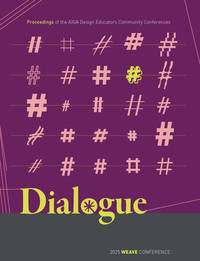
2026réf. __1607859580Michigan Publishing Services 2026. Paperback. New. 188 pages. 6.00x0.80x9.00 inches. Michigan Publishing Services paperback
réf. 40599787like new. unknown
réf. A9781607855286Paperback / softback. New. paperback
réf. B9781607855286Paperback / softback. New. paperback
réf. 1607855283.Gpaperback. Good. Access codes and supplements are not guaranteed with used items. May be an ex-library book. paperback
2009réf. Q-097036590XSagewood Press 2009-01-15. Paperback. New. In shrink wrap. Looks like an interesting title! Sagewood Press paperback
2008Mm 230x280 Catalogo della mostra di Torino, MIAAO, 19 aprile - 18 maggio 2008. Brossura originale con bandelle, copertina figurata a colori, 192 pp. con illustrazioni in nero e a colori. Testo in italiano ed inglese - english - italian texts. Libro in perfette condizioni di nuovo, spedizione in 24 ore dalla conferma dell'ordine. - Diana Baylon, an eclectic " design artist " from the 1960s to today, a friend of Lucio Fontana, Alberto Burri and Bruno Munari, has experimented flight and speed with fearless sensitivity. With geometric scores, lights, rhythms, over- and under-stressed surfaces she har ranged between many techniques and materials: from jewellery to tapestry, painting to sculpture, gold to wool, aluminium to stone, plexiglas to marble, and paper to words.... An authentic protagonist of italian avant-garde of the twentieth century. Texts by Marta Casati, Carlo Cioni, Philippe Daverio, Lucrezia de Domizio durini, Anna Mari, Anty Pansera, Aldo ricci, Paola Barbara Sega, Giuliano Serafini, Lara-Vinca Masini. -
2008réf. 506244Westkreuz - Druckerei, Berlin 2008. 20 x 21 cm. Originalheft. 12 Seiten mit 12 Farbphotos ( Acrylbilder und Inneneinrichtungen ). Mit leichten Gebrasuchsspuren. Gutes Exemplar.
réf. 69-8874Spain: ReproArt SA 1985. 59 x 46 cm B/W Print. Reproduction of an etching of a Roman statue. Very Good. Spain: ReproArt SA, 1985 unknown