BENITOMareMagnum

10 198 résultats
1921- Lucien Vogel éditeur, Paris 1921, 18x24cm, une feuille. - Original color print, printed on vergé paper, signed in the plate. An original print used to illustrate the Gazette du bon ton, one of the most attractive and influential 20th century fashion magazines, featuring the talents of French artists and other contributors from the burgeoning Art Deco movement. A celebrated fashion magazine established in 1912 by Lucien Vogel, La Gazette du bon ton appeared until 1925, with a hiatus from 1915 to 1920 due to the war (the editor-in-chief having been called up for service). It consisted of 69 issues printed in only 2,000 copies each and notably illustrated with 573 color plates and 148 sketches of the models of the great designers. Right from the start, this sumptuous publication "was aimed at bibliophiles and fashionable society," (Françoise Tétart-Vittu, "La Gazette du bon ton", in Dictionnaire de la mode, 2016) and was printed on fine vergé paper using a type cut specially for the magazine by Georges Peignot, known as Cochin, later used (in 1946) by Christian Dior. The prints were made using stencils, heightened in colors, some highlighted in gold or palladium. The story began in 1912, when Lucien Vogel, a man of the world involved in fashion (he had already been part of the fashion magazine Femina) decided, with his wife Cosette de Brunhoff - the sister of Jean, creator of Babar - to set up the Gazette du bon ton, subtitled at the time: "Art, fashion, frivolities." Georges Charensol noted the reasoning of the editor-in-chief: "'In 1910,' he observed, 'there was no really artistic fashion magazine, nothing representative of the spirit of the time. My dream was therefore to make a luxury magazine with truly modern artists...I was assured of success, because when it comes to fashion, no country on earth can compete with France.'" ("Un grand éditeur d'art. Lucien Vogel" in Les Nouvelles littéraires, no. 133, May 1925). The magazine was immediately successful, not only in France but also in the United States and Latin America. At first, Vogel put together a team of seven artists: André-Édouard Marty and Pierre Brissaud, followed by Georges Lepape and Dammicourt, as well as eventually his friends from school and the School of Fine Arts, like George Barbier, Bernard Boutet de Monvel and Charles Martin. Other talented people soon came flocking to join the team: Guy Arnoux, Léon Bakst, Benito, Boutet de Monvel, Umberto Brunelleschi, Chas Laborde, Jean-Gabriel Domergue, Raoul Dufy, Édouard Halouze, Alexandre Iacovleff, Jean Émile Laboureur, Charles Loupot, Chalres Martin, Maggie Salcedo. These artist, mostly unknown when Lucien Vogel sought them out, later became emblematic and sought-after artistic figures. It was also they who worked on the advertising drawings for the Gazette. The plates put the spotlight on, and celebrate, dresses by seven designers of the age: Lanvin, Doeuillet, Paquin, Poiret, Worth, Vionnet and Doucet. The designers provided exclusive models for each issue. Nonetheless, some of the illustrations are not based on real models, but simply on the illustrator's conception of the fashion of the day. The Gazette du bon ton was an important step in the history of fashion. Combining aesthetic demands with the physical whole, it brought together - for the first time - the great talents of the artistic, literary, and fashion worlds; and imposed, through this alchemy, a completely new image of women: slender, independent and daring, which was shared by the new generation of designers, including Coco Chanel, Jean Patou, Marcel Rochas, and so on... Taken over in 1920 by Condé Montrose Nast, the Gazette du bon ton was an important influence on the new layout and aesthetics of that "little dying paper" that Nast had bought a few years earlier: Vogue. [FRENCH VERSION FOLLOWS] Estampe originale en couleur, tirée sur papier vergé, signée en bas à gauche de la planche. Gravure originale réalisée pour l'illustration de La
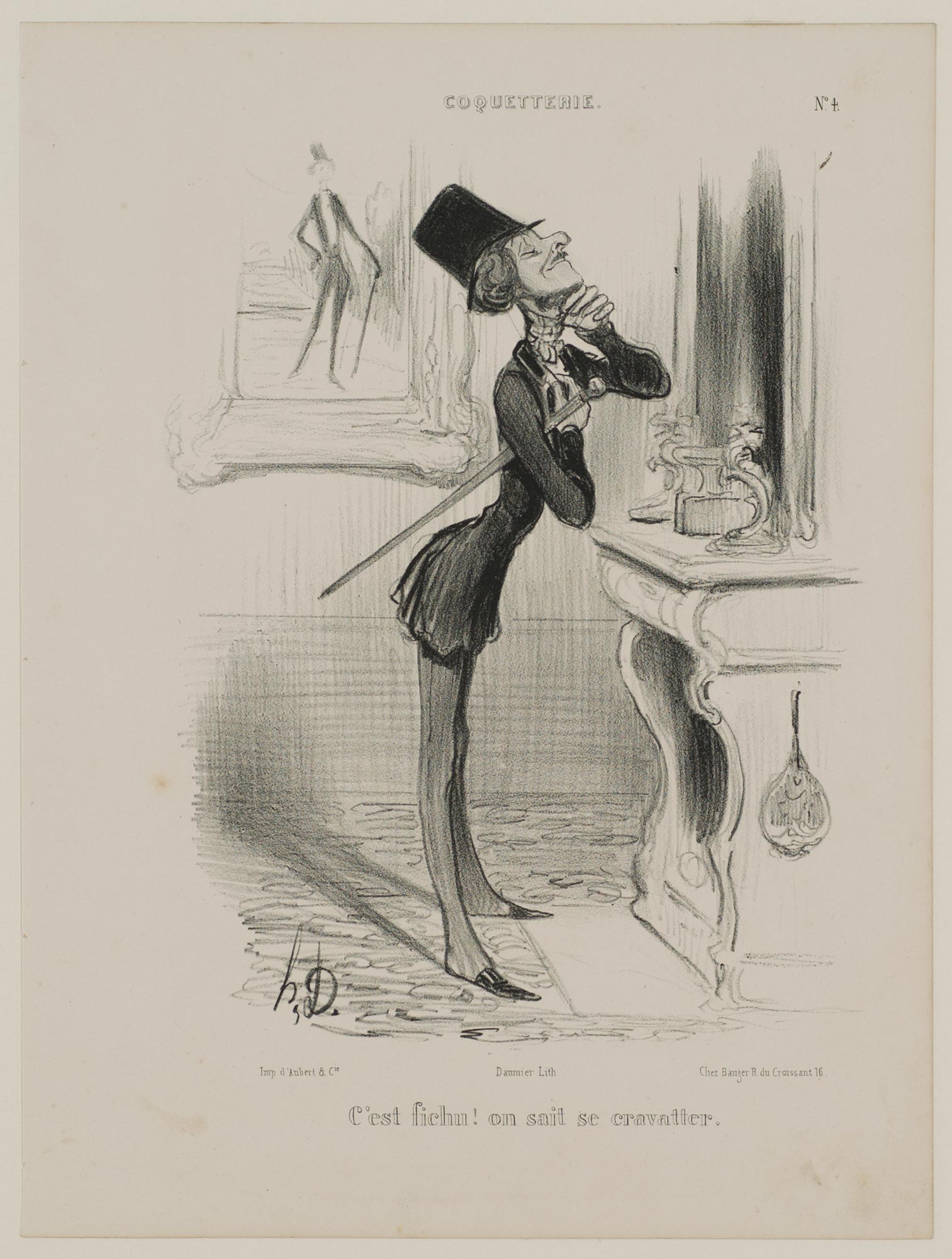
réf. HD-091o.J. Verflixt, ich kann mir doch wohl noch eine Krawatte binden! Lithographie, auf chamoisfarbenem Velin, mit den Adressen: Imp. d?Aubert & Cie. sowie: Chez Bauger R. du Croissant 16. Blattgröße 33:24,8 cm. ? Leicht fingerfleckig. Literatur: Daumier-Register 739; Delteil 739, III (von 3), No. 4 der Serie ?Coquetterie?. (Koketterie) ist eine Serie von 10 nummerierten Lithographien, welche in der Zeit vom 7. Juli 1839 bis zum 15.November1840 im Charivari publiziert wurden. ? Sur blanc!
1843réf. 4669BBFrauenfeld, Joh. Kolb, 1843. 8°. 106 S. Leinenbd. d. Zeit + Wichtig: Für unsere Kunden in der EU erfolgt der Versand alle 14 Tage verzollt ab Deutschland / Postbank-Konto in Deutschland vorhanden + (berieben u. bestossen).
1843réf. 4669BBFrauenfeld, Joh. Kolb, 1843. 8°. 106 S. Leinenbd. d. Zeit (berieben u. bestossen).
1954réf. 28684ABChur, Bischofberger, 1954-57. 8°. 218 S., 236 S., 234 S. Mit zahlr. Abb. im Text und auf Tafeln. Halbleinenband der Zeit mit mont. Orig.-Umschlagdeckel + Wichtig: Für unsere Kunden in der EU erfolgt der Versand alle 14 Tage verzollt ab Deutschland / Postbank-Konto in Deutschland vorhanden + (minim bestossen).
1832réf. 5271BBO. O., o. Vlg., 1832. 12°. S. 176 - 208 S., (23) leere Blatt. Halblederbd. d. Zt. mit Klappe + Wichtig: Für unsere Kunden in der EU erfolgt der Versand alle 14 Tage verzollt ab Deutschland / Postbank-Konto in Deutschland vorhanden + (stärker berieben u. bestossen).
1954réf. 28684ABChur, Bischofberger, 1954-57. 8°. 218 S., 236 S., 234 S. Mit zahlr. Abb. im Text und auf Tafeln. Halbleinenband der Zeit mit mont. Orig.-Umschlagdeckel (minim bestossen).
1832réf. 5271BBO. O., o. Vlg., 1832. 12°. S. 176 - 208 S., (23) leere Blatt. Halblederbd. d. Zt. mit Klappe (stärker berieben u. bestossen).
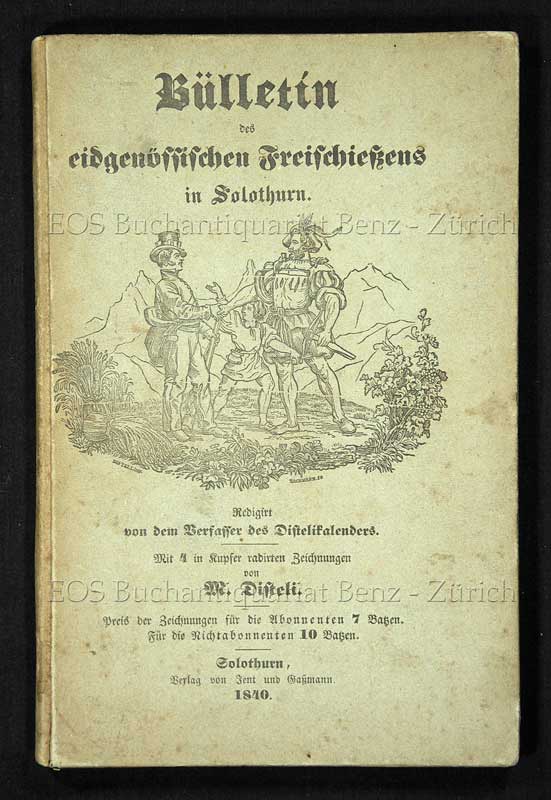
1840réf. 2910DBSolothurn, Jent und Gassmann, 1840. 8°. 96 S. Mit 4 Radierungen von Martin Disteli. Illustr. Orig.-Pappband. + Wichtig: Für unsere Kunden in der EU erfolgt der Versand alle 14 Tage verzollt ab Deutschland / Postbank-Konto in Deutschland vorhanden +, 2910D
1840réf. 2910DBSolothurn, Jent und Gassmann, 1840. 8°. 96 S. Mit 4 Radierungen von Martin Disteli. Illustr. Orig.-Pappband.
1922réf. 84844Lucien Vogel éditeur | Paris 1922 | 19 x 24.50 cm | une feuille
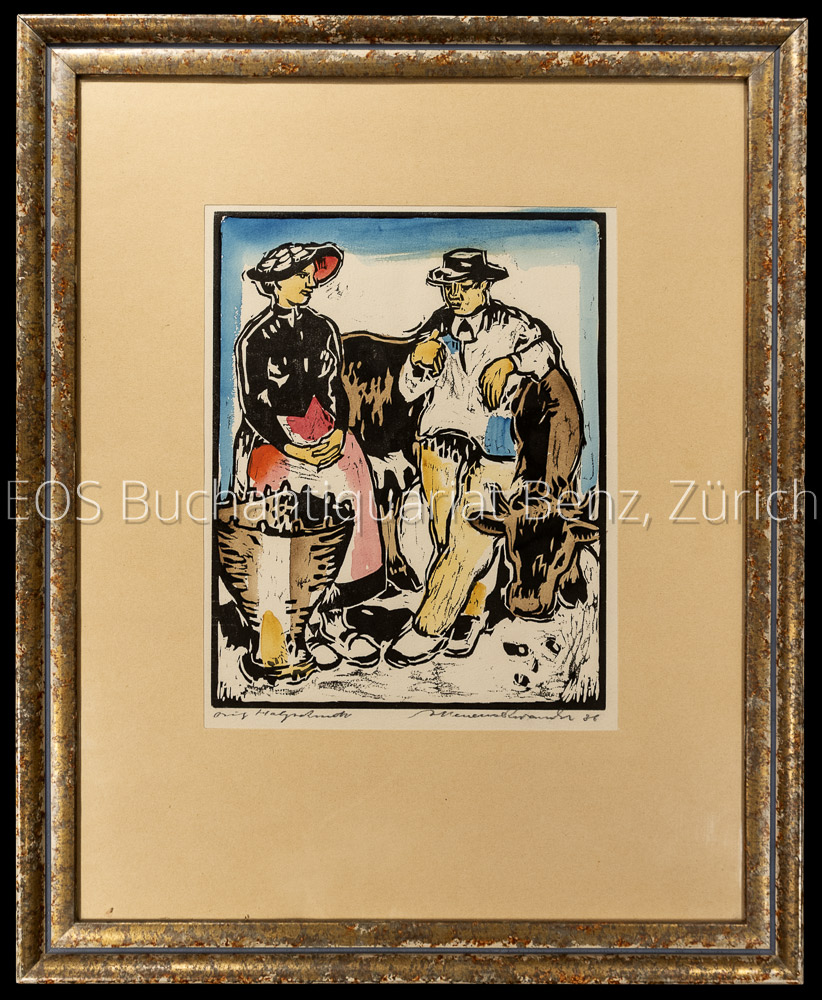
1942réf. 1025CG1942. Farbiger Holzschnitt auf Papier. Bildausschnitt: 25 x 20 cm. + Wichtig: Für unsere Kunden in der EU erfolgt der Versand alle 14 Tage verzollt ab Deutschland / Postbank-Konto in Deutschland vorhanden +, A
réf. 1334320160.Gpaperback. Good. Access codes and supplements are not guaranteed with used items. May be an ex-library book. paperback
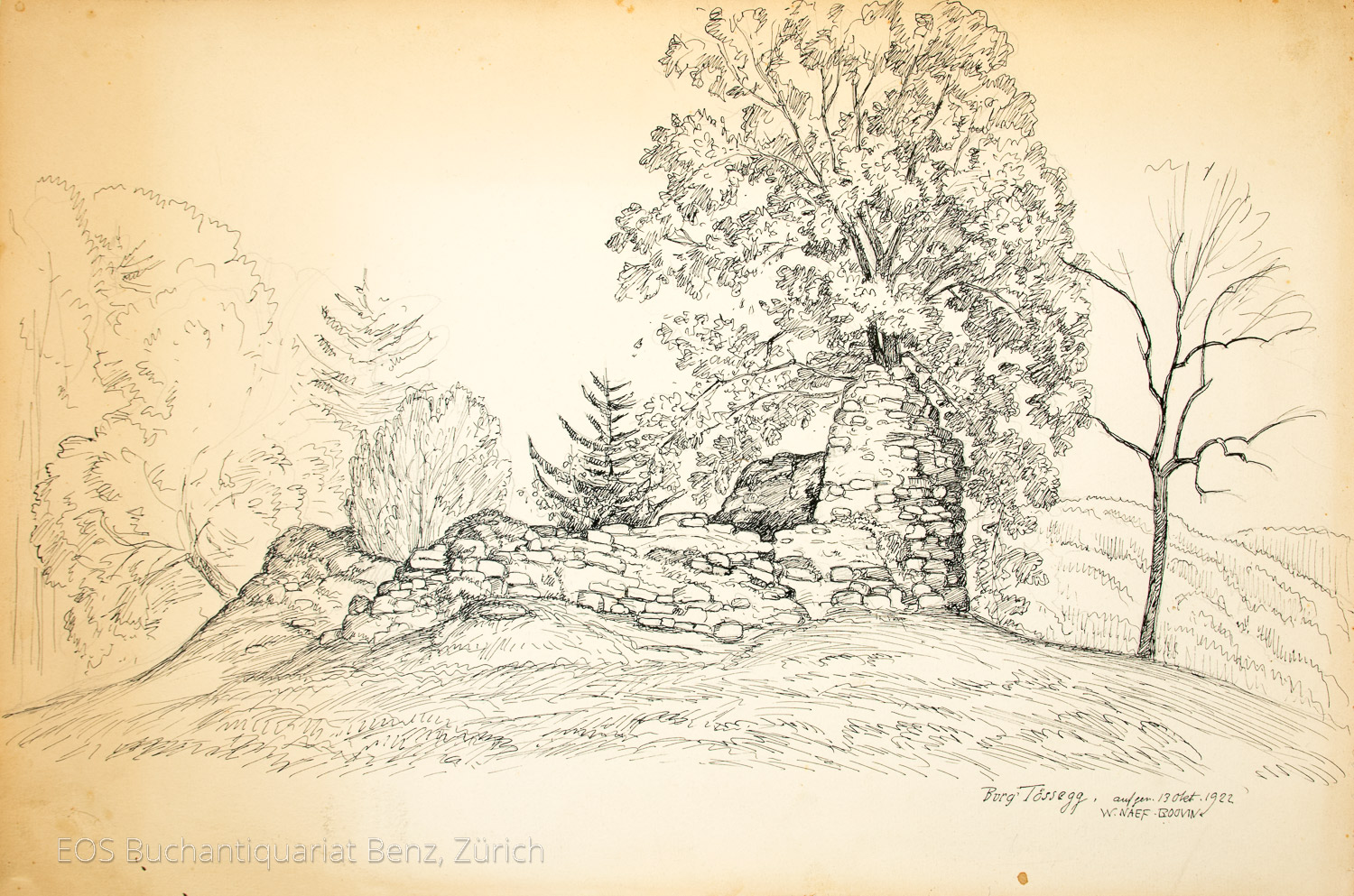
1922réf. 980DG1922. Tuchszeichnung. Blattgrösse: 33 x 48,5 cm. + Wichtig: Für unsere Kunden in der EU erfolgt der Versand alle 14 Tage verzollt ab Deutschland / Postbank-Konto in Deutschland vorhanden +, 980DG
1922réf. 980DG1922. Tuchszeichnung. Blattgrösse: 33 x 48,5 cm.
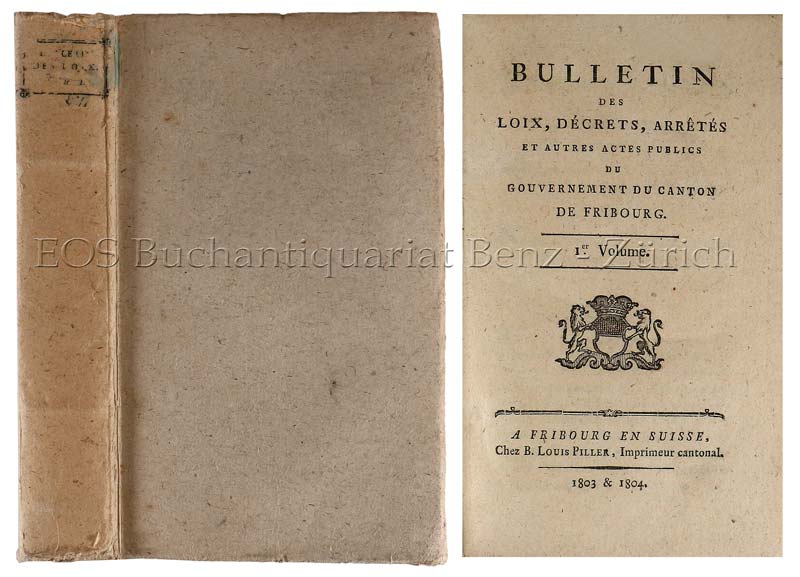
1803réf. 7460BBFribourg, B. Louis Piller, 1803-1804. 8°. 371 S. Mit einer gef. Tafel. Pappband der Zeit. + Wichtig: Für unsere Kunden in der EU erfolgt der Versand alle 14 Tage verzollt ab Deutschland / Postbank-Konto in Deutschland vorhanden +, bild
1982réf. EEzz5859Ramerding, Berghaus 1982. gr.-4°. 153 S., 20 ganzs. mont. farb. Abb. auf Tafeln u. 106 ganzs. s/w Abb. OLn. mit OUmschl. Neuwertig.
1803réf. 7460BBFribourg, B. Louis Piller, 1803-1804. 8°. 371 S. Mit einer gef. Tafel. Pappband der Zeit.
réf. 26000Gazette des Beaux arts-sd- bon état,frais
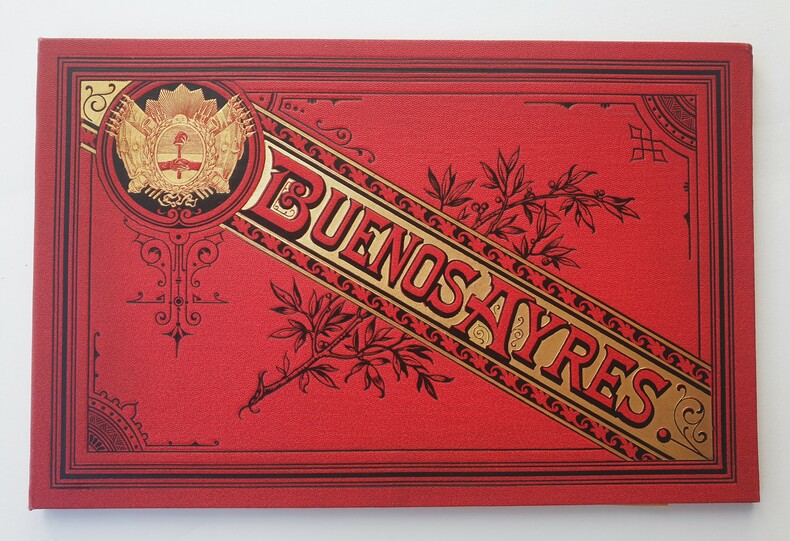
1900réf. 5532S.l., S.D. [vers 1900]. 1900 1 vol. in-8° oblong (155 x 245 mm) de: 11 photogravures en noir (certaines subdivisées représentant 23 lieux au total) ; 1 plan de de Buenos Aires. Percaline cerise de l'éditeur, dos lisse muet, grande plaque décorative à motifs noirs et dorés sur le plat supérieur.
1925réf. 1208586München, Piper, 1925. 4to. 68 S. m. 36 Abb. (Hauptwerke des Holzschnitts). Illustr. OPpbd (nur an d. Kanten gering angestaubt u. leicht berieben, Innengelenke unten leicht angeplatzt).
1933réf. 703771Leipzig, Hendel, 1933. Groß-Folio. 10 nnr. Blätter, 286 Blätter, 2 nnr. Blätter. Orig.-Ganzpergamenteinband mit 2 Schließen. Tadelloses Exemplar.
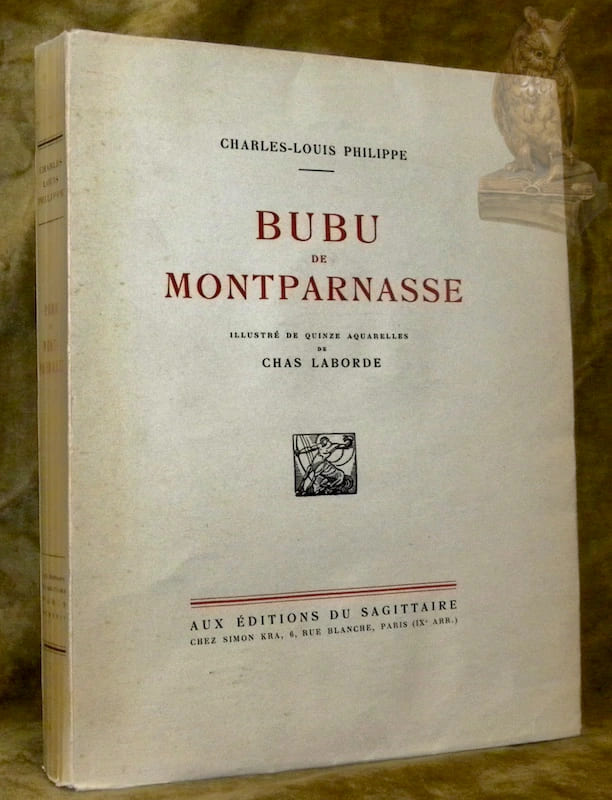
réf. 121424Paris, Aux Editions du Sagittaire, chez Simon Kra 1924, 250x195mm, frontispice, 124pages, broché. Couverture rempliée. Papier cristal d’origine conservée. Exemplaire sur papier vélin, numéroté n° 466 / 500. Bel exemplaire.
réf. 64016Hamburg 1838. . Blatt 23 in der oberen rechten Bildecke in der Platte bezeichnet aus Chr. Suhr: Hamburgische Trachten vgl zu dem Bild den Nachdruck Bl. Barsdorf 1908 S. 31 f. der Einführung von Heckscher. - 10 schwarzgekleidete Männer mit gefältelten breiten weißen Rundkragen u. Manschetten lange schwarze Mäntel weite Kniebund-Hosen schwarze Strümpfen u. Schuhe mit großen Schnallen den Dreispitz in der Hand geleiten den schlichten hellen kleinen Sarg einer jungfräulichen Leiche wie die richtkranzähnliche grüne Totenkrone belegt. Ihnen voran schreitet ein elfter der statt des Kragens ein weißes Halstuch trägt. Mehrere der Männer halten einem alten Brauch folgend eine Zitrone in der Hand die die Hoffnung auf Auferstehung u. ewiges Leben symbolisierte u. meist dem Verstorbenen mit ins Grab gegeben wurde nach anderer Auslegung aber auch über den Leichengeruch überdecken sollte. Frauen waren von einem Leichenzug der Zünfte ausgeschlossen vgl. Dülmen Kultur u. Alltag in der frühen Neuzeit S. 219 f. - Der Trockenstempel zur Hälfte abgeschnitten sonst gutes Exemplar [Hamburg, 1838]. unknown