Field, RachelMareMagnum

10.975 risultati
1931A clean, unmarked book with a tight binding. Full tan and green cloth boards. Wood engravings by Allen Lewis, 7 1/8"w x 8 3/4"h. 214 pages. Previous owner's bookplate inside.
rif. 25911sl,sd,eau forte,bon état
IN HEBREW. 285x230 mm. 60+679 pages. Hardcover with dust jacket. Dust jacket slightly worn. Cover yellowing and slightly stained. Spine yellowing. Spine edges slightly bumped. Front white page slightly worn. Rear inner cover and few pages slightly stained with no damage to text. Two back pages slightly torn with no damage to text. Pages yellowing. Else in good condition. PLEASE NOTE: This item is overweight. We may ask for extra shipping costs.
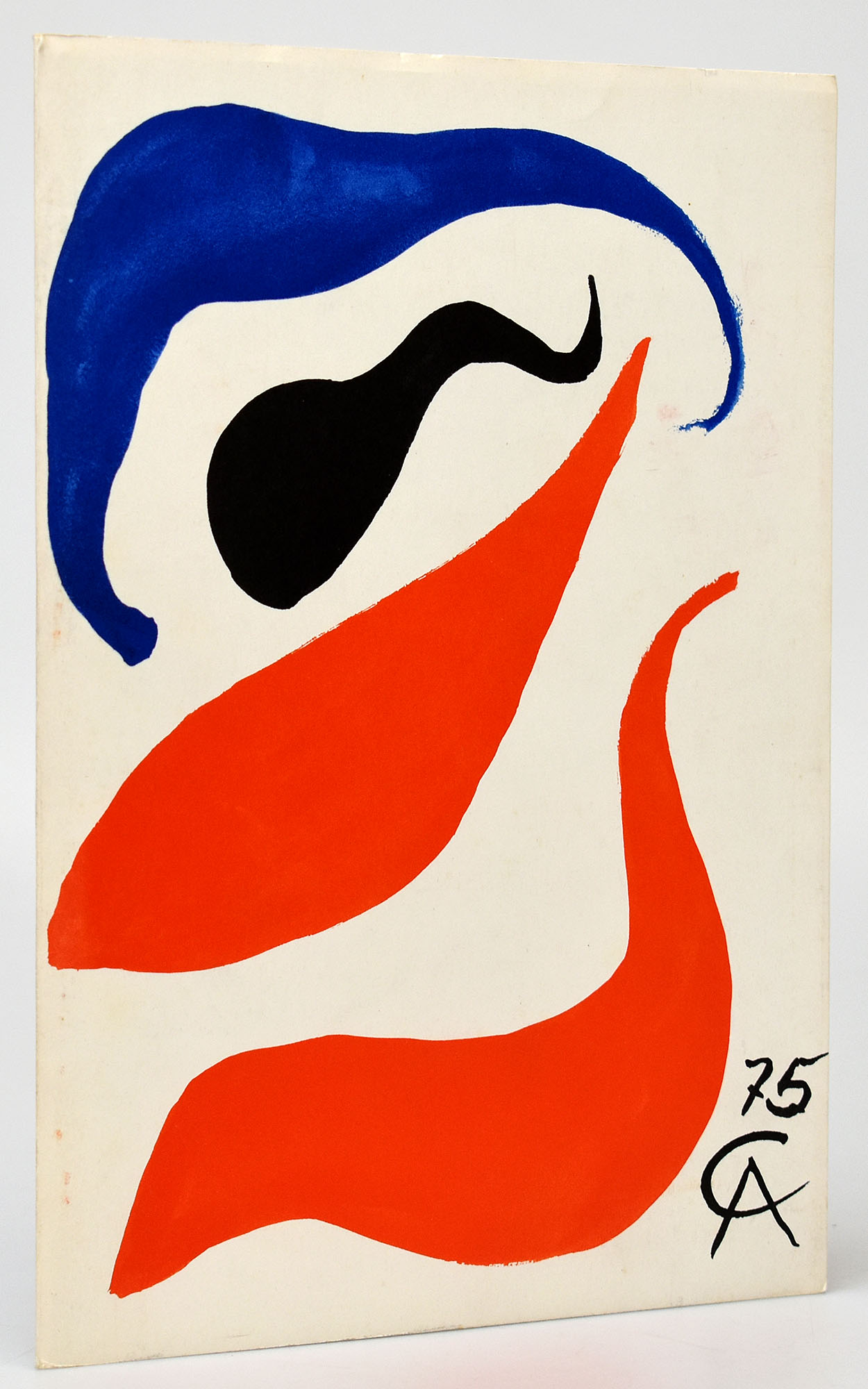
1975rif. 65956CBZürich, Galerie Maeght, 1975. 4°. 32 x 23,5 cm. [6] Bögen, mittig gefaltet. Im Original-Umschlag, nicht gebunden. [4 Warenabbildungen]
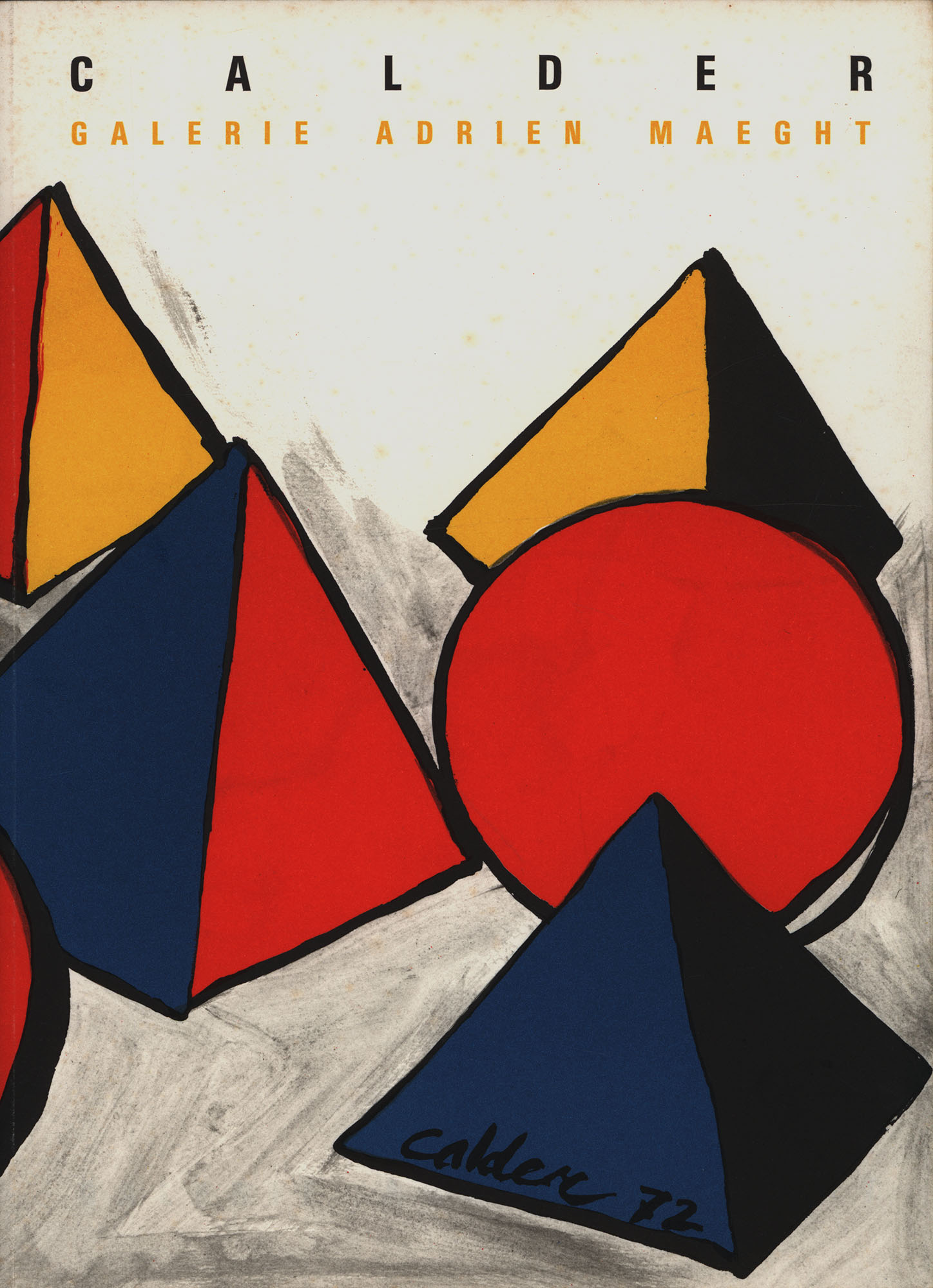
1987rif. 65955CB[Paris], Galerie Adrien Maeght, 1987. 4°. 33 x 24 cm. [16] Blatt. Original-Broschur.
First Edition, [ii],viii,163+2pp., of adverts, frontis., portrait, title printed in red and black, manuscript index to endpapers, orig. marbled boards, re-backed, uncut. Caulfield, a printseller by trade, produced many books on the history of engraving. The DNB states that "His knowledge of English history and biography was minute and extensive, while his acquaintance with engraved British portraits was unequalled by any person of his time". An interesting volume, full of snide remarks about publishers, description of portraits, prices, notes on the engravers, etc.
Plan view, semi-bird's-eye perspective, with key. 465 x 340 mm. Framed and glazed. Rare view of Cairo, based on the view in the "Civitates orbis terrarum" by Braun and Hogenberg. - Matteo Florimi, a student of A. Lafrery and C. Duchet, moved to Siena in 1581, where he worked as a publisher and dealer in books and prints, often for A. Carracci, C. Galle, and P. de Jode. - A longish tear to the left edge, touching the image (ca 20 cm), trimmed to the borders, smoothed creases.
1720rif. 278541720 ( A Paris ches Esnauts et Rapilly, rue S.t Jacques a la Ville de Coutances. A. P. D. R., [17..])- eau-forte, burin ; 20 x 26,5 cm; bonnes marges
1832rif. 263601832 La Caricature morale, religieuse, littéraire et scénique (Titre de l'ensemble)1832 - Planche HT parue dans La Caricature morale, religieuse, littéraire et scénique, volume 3, 16 février 1832, (Planche n°137) Lithographie - Hauteur: 35.6cmx Largeur: 27cm- Image: Hauteur: 20cmx Largeur: 20cm
1853rif. 010881London: H. G. Bohn 1853. FIRST EDITION first printing collated and complete. Full elaborately blindstamped decorated blue cloth which has aged to a brown at the extremities minor chip to the bottom of the spine with a litth fraying of the cloth previous owner's bookplate behind front cover some pages unopened plates lightly foxed and/or age-toned. Title condinues: ".incorporating the whole of Sweet's British Warblers; with numerous illustrations." Bechstein J. M. Illustrated by wood and steel Engravings Cage and Chamber-Birds Their Natural History Habits Food Diseases Management and Modes of Capture. With considerable Additions on Structure Migration and Economy Compiled from Various Sources by H. G. Adams." Collated and complete. Overall in VERY GOOD condition. . First Edition. Full Cloth. Very Good. 12mo - over 6¾" - 7¾" tall. Hardcover. H. G. Bohn Hardcover
Acquaforte acquatinta Firma, data e numerazione a matita. Timbro a secco dello stampatore Giorgio Upiglio. Carta delle Cartiere Filicarta. Esemplare 4/10. cm 43,8x47,5 (Foglio 49,4x61,5). pp.. . Molto buono (Very Good). Bordi lievemente scuriti. Tiratura 10. .
rif. 241950 Les Maitres de l'Affiche: Planche N°11, format 29 x 40 cm (toutes marges). Chromolithographie d'époque avec le timbre à sec de l'Imprimerie Chaix (Lugt 1777c). Notre exemplaire est une des très rares épreuves imprimées sur papier Japon, toute petite trace de punaisage dans l'extrémité de la marge supérieure droite. LES MAITRES DE L'AFFICHE, prestigieuse publication d'art, éditée par l'atelier de lithographie Chaix, dont la parution s'étala de décembre 1895 à novembre 1900. Chaque livraison comportait 4 planches de reproduction en chromolithographie d'une remarquable qualité d'impression des plus belles affiches illustrées des grands artistes français et étrangers (auxquelles il faut ajouter 16 planches de lithographies originales offertes en prime aux abonnés). Lors de l'Exposition universelle de 1889, fut organisée la première exposition rétrospective dévolue à l'affiche, celle-ci devait valider la reconnaissance officielle d'appartenance de l'affiche au monde de l'art. Jules Chéret (1836-1932) y sera sacré '' Maître de l'affiche '', c'est aussi à cette date que Seurat commencera à collectionner les affiches de Chéret. Bel exemplaire ( Photographies sur demande / We can send pictures of this book on simple request )
1699rif. 16094Paris, Nicolas Le Clerc, 1699. 2 vol. in-12 de (70)-188-222-(5) pp., 1 frontispice ; (26)-355-(1)-139 pp. 1 frontispice, veau fauve glacé, dos orné à nerfs, pièces de titre et de tomaison en maroquin rouge, armes sur les plats et en pied de dos, filet doré d'encadrement, tranches dorées sur marbrure (reliure de l'époque).
1973Oblong 4to., First Edition, text in French, with portrait frontispiece and numerous reproductions throughout; original pictorial wrappers, a very good, clean copy. A PRESENTATION COPY FROM SEARLE TO TONY CHARDET WITH THE FORMER'S SIGNED HOLOGRAPH INSCRIPTION AT END. Anthony Chardet was a leading stage director and producer working in London and on Broadway during the 60s, 70s and 80s. SCARCE.
1867rif. 26900Melbourne: Hamel & Ferguson 1867. Print. Plate XV from Eugene von Guérard's Australian Landscapes 1866-68. American Creek Mt. Kembla. Trees pictured include cabbage trees bangalow palms and flame trees. Timbermen are working in the foreground to fell the huge trees. Von Guerard describes the scene thus: This sylvan scene is situated at a distance of little more than ten miles from Wollongong near the junction of a little stream upon which some prosaic devotee of the bottle has bestowed the dishonouring appellation of the Brandy and Water Creek with the American Creek and at the foot of a noble range of mountains. With the lofty bangalow palm the cabbage palm the gigantic wild fig-tree the fire tree otherwise known as the blaze tree with its vividly scarlet blossoms are intermingled the nettle tree the rose-wood the sassafras the white-wood the wild rose numerous varieties of the fern tree and parasites innumerable the whole being woven together into one dense and almost impenetrable mass of foliage. Unfortunately the progress of settlement is necessitating the destruction of some of these magnificent forests which in many instances clothe a rich chocolate soil of especial value to the farmer. At the time this view was sketched numerous fires had been kindled by the wood-cutters and the stately giants were rapidly falling before the pitiless axe of the hardy pioneers of civilization. Color lithograph signed in the plate with the oval blind stamp for the publisher Hamel & Ferguson below the title. Image incl. text 14 1/4 x 20 3/4" on paper 25 x 18 3/4". Archivally cleaned and backed repairing some marginal splits including one that would be visible when matted. Color tastefully enhanced. Libraries Australia ID 774462. Hamel & Ferguson unknown
1640rif. 703595Antverpiae (Antwerpen), Hieronimus Verdussen, ohne Jahr (um 1640). 12,8 x 7,5 cm. 456 Seiten, 28 nnr. Blätter (Index) und 3 gef. Karten. Ledereinband der Zeit mit goldgeprägtem Rückenschild und etwas Rückenvergoldung. Oberes und unteres Kapital beschädigt mit Fehlstellen, Vorderes Außengelenk beschädigt mit Fehlstelle. Einige Wurmgänge mit teils geringem Textverlust.
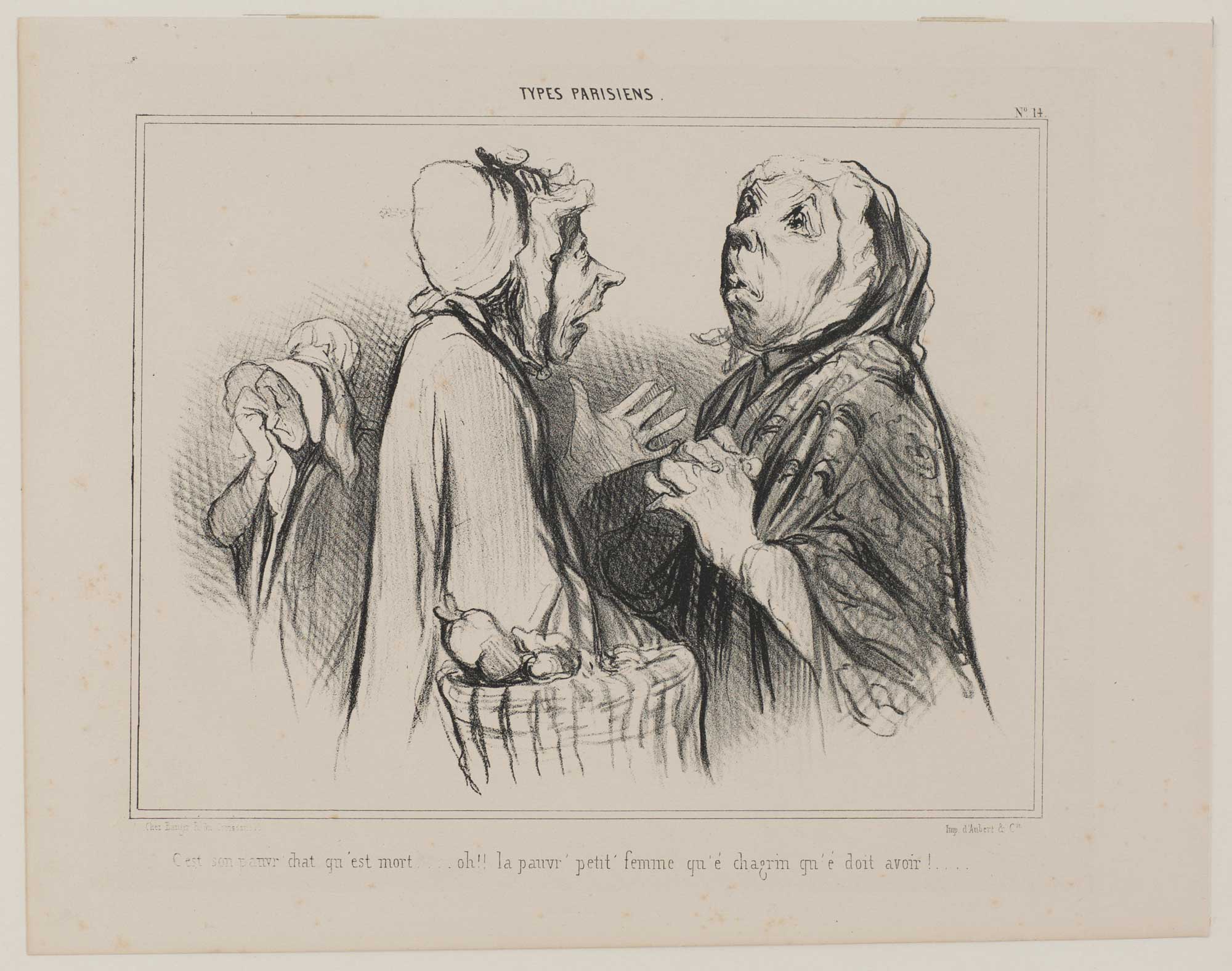
rif. HD-026o.J. (Ihre arme Katze ist gestorben. Oh, die arme kleine Frau, wie sehr sie wohl trauert.). Lithographie, auf chamoisfarbenem Velin, mit den Adressen: Chez Bauger R. du Croissant 16, sowie Imp. d?Aubert & Cie. Blattgröße 25,8:33,2 cm. Literatur: Daumier-Register 503; Delteil 503. No. 14 der Serie ?Types Parisiens?. - Sur blanc! - Im Anschluss an die Einführung der Pressezensur im September 1835 war " La Caricature politique, morale et littéraire" gemeinsam mit circa dreissig anderen Zeitschriften gezwungen, ihr Erscheinen einzustellen.
1921- Lucien Vogel éditeur, Paris 1921, 18x24cm, une feuille. - Original color print, printed on vergé paper, signed in the plate. An original print used to illustrate the Gazette du bon ton, one of the most attractive and influential 20th century fashion magazines, featuring the talents of French artists and other contributors from the burgeoning Art Deco movement. A celebrated fashion magazine established in 1912 by Lucien Vogel, La Gazette du bon ton appeared until 1925, with a hiatus from 1915 to 1920 due to the war (the editor-in-chief having been called up for service). It consisted of 69 issues printed in only 2,000 copies each and notably illustrated with 573 color plates and 148 sketches of the models of the great designers. Right from the start, this sumptuous publication "was aimed at bibliophiles and fashionable society," (Françoise Tétart-Vittu, "La Gazette du bon ton", in Dictionnaire de la mode, 2016) and was printed on fine vergé paper using a type cut specially for the magazine by Georges Peignot, known as Cochin, later used (in 1946) by Christian Dior. The prints were made using stencils, heightened in colors, some highlighted in gold or palladium. The story began in 1912, when Lucien Vogel, a man of the world involved in fashion (he had already been part of the fashion magazine Femina) decided, with his wife Cosette de Brunhoff - the sister of Jean, creator of Babar - to set up the Gazette du bon ton, subtitled at the time: "Art, fashion, frivolities." Georges Charensol noted the reasoning of the editor-in-chief: "'In 1910,' he observed, 'there was no really artistic fashion magazine, nothing representative of the spirit of the time. My dream was therefore to make a luxury magazine with truly modern artists...I was assured of success, because when it comes to fashion, no country on earth can compete with France.'" ("Un grand éditeur d'art. Lucien Vogel" in Les Nouvelles littéraires, no. 133, May 1925). The magazine was immediately successful, not only in France but also in the United States and Latin America. At first, Vogel put together a team of seven artists: André-Édouard Marty and Pierre Brissaud, followed by Georges Lepape and Dammicourt, as well as eventually his friends from school and the School of Fine Arts, like George Barbier, Bernard Boutet de Monvel and Charles Martin. Other talented people soon came flocking to join the team: Guy Arnoux, Léon Bakst, Benito, Boutet de Monvel, Umberto Brunelleschi, Chas Laborde, Jean-Gabriel Domergue, Raoul Dufy, Édouard Halouze, Alexandre Iacovleff, Jean Émile Laboureur, Charles Loupot, Chalres Martin, Maggie Salcedo. These artist, mostly unknown when Lucien Vogel sought them out, later became emblematic and sought-after artistic figures. It was also they who worked on the advertising drawings for the Gazette. The plates put the spotlight on, and celebrate, dresses by seven designers of the age: Lanvin, Doeuillet, Paquin, Poiret, Worth, Vionnet and Doucet. The designers provided exclusive models for each issue. Nonetheless, some of the illustrations are not based on real models, but simply on the illustrator's conception of the fashion of the day. The Gazette du bon ton was an important step in the history of fashion. Combining aesthetic demands with the physical whole, it brought together - for the first time - the great talents of the artistic, literary, and fashion worlds; and imposed, through this alchemy, a completely new image of women: slender, independent and daring, which was shared by the new generation of designers, including Coco Chanel, Jean Patou, Marcel Rochas, and so on... Taken over in 1920 by Condé Montrose Nast, the Gazette du bon ton was an important influence on the new layout and aesthetics of that "little dying paper" that Nast had bought a few years earlier: Vogue. [FRENCH VERSION FOLLOWS] Estampe originale en couleur, tirée sur papier vergé, signée en bas à gauche de la planche. Gravure originale réalisée pour l'illustration de La
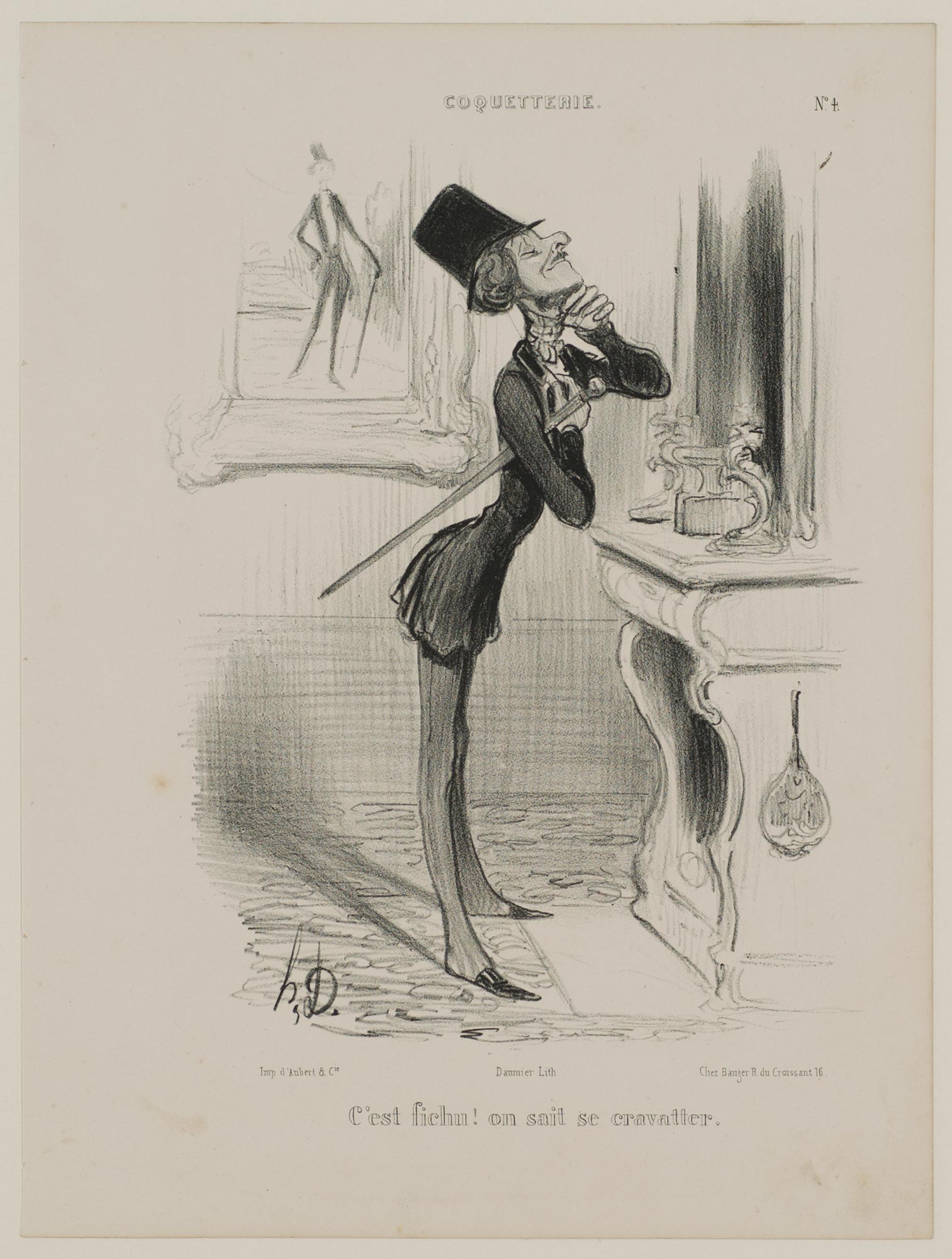
rif. HD-091o.J. Verflixt, ich kann mir doch wohl noch eine Krawatte binden! Lithographie, auf chamoisfarbenem Velin, mit den Adressen: Imp. d?Aubert & Cie. sowie: Chez Bauger R. du Croissant 16. Blattgröße 33:24,8 cm. ? Leicht fingerfleckig. Literatur: Daumier-Register 739; Delteil 739, III (von 3), No. 4 der Serie ?Coquetterie?. (Koketterie) ist eine Serie von 10 nummerierten Lithographien, welche in der Zeit vom 7. Juli 1839 bis zum 15.November1840 im Charivari publiziert wurden. ? Sur blanc!
1843rif. 4669BBFrauenfeld, Joh. Kolb, 1843. 8°. 106 S. Leinenbd. d. Zeit + Wichtig: Für unsere Kunden in der EU erfolgt der Versand alle 14 Tage verzollt ab Deutschland / Postbank-Konto in Deutschland vorhanden + (berieben u. bestossen).
1843rif. 4669BBFrauenfeld, Joh. Kolb, 1843. 8°. 106 S. Leinenbd. d. Zeit (berieben u. bestossen).
1954rif. 28684ABChur, Bischofberger, 1954-57. 8°. 218 S., 236 S., 234 S. Mit zahlr. Abb. im Text und auf Tafeln. Halbleinenband der Zeit mit mont. Orig.-Umschlagdeckel + Wichtig: Für unsere Kunden in der EU erfolgt der Versand alle 14 Tage verzollt ab Deutschland / Postbank-Konto in Deutschland vorhanden + (minim bestossen).
1954rif. 28684ABChur, Bischofberger, 1954-57. 8°. 218 S., 236 S., 234 S. Mit zahlr. Abb. im Text und auf Tafeln. Halbleinenband der Zeit mit mont. Orig.-Umschlagdeckel (minim bestossen).
1832rif. 5271BBO. O., o. Vlg., 1832. 12°. S. 176 - 208 S., (23) leere Blatt. Halblederbd. d. Zt. mit Klappe + Wichtig: Für unsere Kunden in der EU erfolgt der Versand alle 14 Tage verzollt ab Deutschland / Postbank-Konto in Deutschland vorhanden + (stärker berieben u. bestossen).
1832rif. 5271BBO. O., o. Vlg., 1832. 12°. S. 176 - 208 S., (23) leere Blatt. Halblederbd. d. Zt. mit Klappe (stärker berieben u. bestossen).