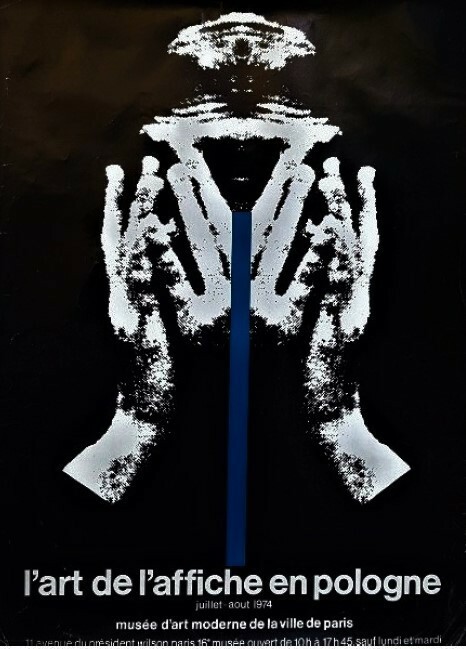
[Affiche/Pologne/Exposition] CIESLEWICZ (Roman)Livre Rare Book
4049 risultati
rif. 1522Impression offset. Dim: 69 x 49,5 cm. Légers frottements aux coins. Peu courante.
1831In 8. Pp. 193 + (1). M. pl. coeva. Conservata la cop. originale. Lievi bruniture sparse dovute al tipo di carta. Il sacerdote Sebastiano Ciampi (1769-1847) fu filosofo, archeologo e grecista di fama. Insegno' dialettica e lingua greca all'Universita' di Pisa e nel 1807 fu nominato ordinario della cattedra di filologia e di storia comparata delle lettere e delle belle arti dell'Universita' di Varsavia, dove rimase fino al 1822. Autore di numerose e pregevoli opere di erudizione storica e letteraria, si rese particolarmente noto per i suoi studi sulla storia medievale italiana e sulle relazioni culturali con la Polonia e con la Russia. Assai interessante la seconda parte dell'opera dedicata ai tanti artisti e scienziati italiani che operarono in Polonia.
rif. 3655Paris 1816 gide fils libraire rue s-Marc No20 - 2 tomes en 1 volume In 8 reliure d époque demi veau glacé, fleurons à froid, tranches jaspées, 197 et 238 pages. Ex libris - une charnière fendue sur 2 centimètres en haut du volume sinon très bon état
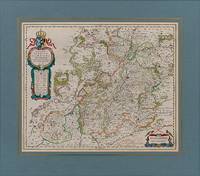
rif. carte25t10Dimension extérieur : 53 x 64 cm. Cuvette : 50 x 57,5 cm. Magnus ducatus Lituaniae inlvos Palatinatus et districtus divisus. Carte de 1749, en bon état général
193018×13 cm; 53, (3) pp. Brossura editoriale. Un piccolo restauro al dorso rinforzato con carta di riso e per il resto esemplare in buone-ottime condizioni di conservazione. Prima rara edizione di questa raccolta di componimenti del celebre poeta avanguardista polacco, Józef Czechowicz (15 Marzo 1903 Lublin – 9 Settembre 1939 Lublin). L’opera, che rappresenta la seconda raccolta poetica dell’autore, contiene i versi composti dal 1927 al 1930 e presentano la tipica impostazione grafica senza punteggiatura e maiuscole. L’autore fu il il leader della letteratura d’avanguardia e bohémien di Lublino. Autore dallo spirito visionario, combinava lettere e parole, spesso inventando abili neologismi, per creare musicalità e suggestive visioni. Stampò il suo primo lavoro “Kamin” (Pietra) nel 1927, anche se il suo debutto letterario si fa risalire alla pubblicazione nel primo numero della rivista Reflektor dello scritto “Opowiesc o papierowej koronie”, (Una storia una di una corona di carta), prosa poetica il cui protagonista è Henryk è un amante omosessuale deluso e un suicida fallito. Omosessuale dichiarato andò incontro all’ostracismo dell’opinione pubblica cosa che segnerà profondamente la sua opera letteraria e che rende oggi assai rare tutti i suoi lavori, molti dei quali andarono distrutti. Lavorò a lungo come insegnante. Fu amico di Czeslaw Milosz e Anna Swirszczynska ed aiutò attivamente Henryk Dominski, Waclaw Mrozowski e Bronislaw Ludwik Michalski. Allo scoppio della guerra lasciò Varsavia dove viveva da alcuni anni per ritirarsi a Lublino dove pensava sarebbe stato più al sicuro ma il 9 settembre del 1939, alle dieci di mattina mentre si trovava dal barbieri, rimase ucciso nel crollo del palazzo dove si trovava il negozio a causa di una bomba tedesca. Czeslaw Milosz scrisse che la poesia di Czechowicz è intrinsecamente legata alla cosiddetta ‘lirica borghese’ del XVII secolo e alle canzoni popolari, mentre colpisce per la sua musicalità armoniosa che utilizza onomatopee, strumentazioni sperimentali fonetiche e sonori neologismi creando così le assonanze originali tipiche della sua poetica. Una delle caratteristiche non solo grafiche, ma anche stilistiche della sua poesia, è la totale mancanza della punteggiatura e delle maiuscole. Milosz, che fu anche un grande traduttore, ha sempre sostenuto che la poesia di Czechowicz non può essere tradotta. Raro. First edition. Rare.
1743rif. 59471743 La Haye, Daniel Aillaud, 1743. in-12. VIII. 448pp. Superbe reliure veau glacé dos à nerfs orné. Edition Originale publiée par Gautier de Faget, des mémoires du marquis de Langallerie, premier baron de Saintonge,
1742Affascinante carta del Regno di Prussia in cui si vedono raffigurate porzioni dei territori dell'odierna Polonia e Lituania. Nell'angolo in basso a destra sono riportate le scale grafiche. Coloritura coeva all'acquerello. Ottima conservazione
1876rif. 002510Paris, Laplace, Sanchez et Cie, 1876
1855rif. 28058Paris Didier 1855 2 vol. in-8 demi-chagrin aubergine, dos à nerfs ornés de filets et triples caissons dorés, tranches mouchetées [Rel. de l'époque]
1944rif. 187614Breda: Louis Vermijs N.V. 1944. First edition celebrating the Polish contribution to the allied liberation of Europe while the war was still ongoing. At this time the 1st Armoured Division were stationed in the Netherlands having freed cities including Breda where this work was published. The illustrations show battles throughout the campaign German tanks and the division's commander Major General Stanis aw Maczek. The 1st Polish Armoured Division was formed in 1942 from the remains of the 10th Motorized Cavalry Brigade after they were defeated during the German invasion of Poland. After training in Scotland they were transferred to Normandy in August 1944 proceeding to fight across France Belgium and the Netherlands. The latter half of the work celebrates the liberation of Breda during Operation Pheasant where the Germans were forced out without any civilian casualties. It shows Polish Liberation Day festivities held in the city local shops welcoming the allied forces and the plaque recording the freedom of the city given to the division on 30 October 1944. We have traced only eight institutional copies. Oblong octavo 159 x 321 mm. halftone photographic illustrations throughout route map in text. Original buff paper wrappers orange cord binding front wrapper decorated with blue and black border and crest of the 1st Armoured Division in colour rear wrapper lettered in black. Title page inscribed "To my best friends - Mr. & Mrs. A. M. Burchart Limberg 17 Holland 9th Dec 1944". Wrappers a little creased small patch of soiling on front wrapper minor offsetting internally: a very good copy. unknown
rif. 89076aafBruxelles, Imprimerie et Lithographie de Ch. Vanderauwera, 1860, in-8vo, 75 p., brochure originale, fendue.
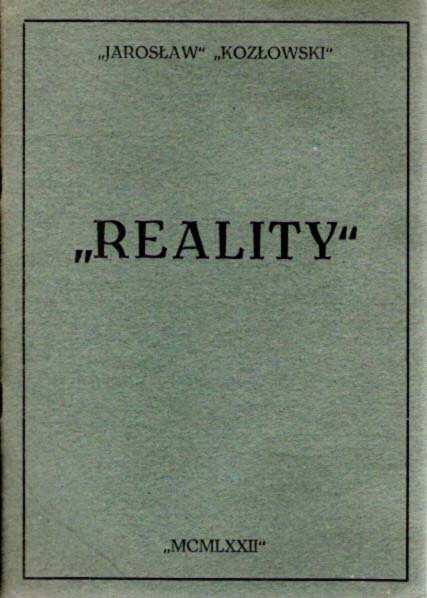
1972rif. 69573ABPoznan (Posen)., Zwiazek Polskich Artystow Plastykow (ZPAP)., 1972. 20,5 x 14,7 cm. [12] unpaginierte Blätter. Klammergehefteter, illustrierter OKarton., 69573A Erste Auflage. Einband minimalst lichtspurig und mit winziger Unebenheit recto. Klammern mit winzigen Rostspuren. Sonst noch sehr gutes Exemplar.
rif. CBS 9781631173028US Edition. New. Brand New! Fast Delivery US Edition and ship within 24-48 hours. Deliver by FedEx and Dhl & Aramex UPS & USPS and we do accept APO and PO BOX Addresses. Order can be delivered worldwide within 6-10 days and we do have flat rate for up to 2LB. Extra shipping charges will be requested if the Book weight is more than 5 LB. This Item May be shipped from India United states & United Kingdom. Depending on your location and availability. unknown
2017rif. BN400638Taylor & Francis Inc 2017. 2017. Textbooks as Propaganda: Poland under Communist Rule 1944-1989 Textbooks as Propaganda: Poland under Communist Rule 1944-1989 Wojdon Joanna University of Wroclaw Poland Taylor & Francis Inc unknown
2023rif. SKU0573060Routledge 2023-12-01. hardcover. Good. 6x0x9. Textbook May Have Highlights Notes and/or Underlining BOOK ONLY-NO ACCESS CODE NO CD Ships with Tracking Routledge hardcover
1807rif. 68203Suivi des Pièces Officielles de la dernière Négociation avec l'Angleterre ; et précédé d'une Carte du Théâtre de la Guerre, Ouvrage faisant suite aux Campagnes de la Grande-Armée et de l'Armée d'Italie en l'An XIV (1805), 1 vol. in-8 reliure de l'époque pleine basane marbrée, dos lisse orné, toutes tranches marbrées, Chez Pougin, Libraire, et à la Librairie Economique, Paris, 1807, 3 ff., 477-81 pp. avec grande carte dépliante en couleurs
1644rif. 200051AG1644. Amsterdam Blaeu 1644. Original hand-coloured engraving. Plate Size: 50.5 cm x 41.3 cm. Sheet Size: 65 cm x 56.1 cm / With Mount: 67 cm x 58.8 cm. Original map. In very good clean condition. Latin text on reverse. Beautiful and richly detailed map of the Duchy of Glogów/ Glogau in Polish Silesia. Relief shown pictorially. The Oder River dominates the heavily-forested landscape. A large decorative title cartouche bear the coat of arms featuring Bohemian lion and Silesian eagle. Explanatory box with map keys also included. In the opposite corner another decorated cartouche contains bar scale. Willem Janszoon Blaeu 1571-1638 was a Dutch cartographer atlas maker and publisher. Along with his son Johannes Blaeu Willem is considered one of the notable figures of the Netherlandish/Dutch school of cartography in its golden age the 16th and 17th centuries. Blaeu set up his mapmaking and publishing business in Amsterdam where he sold instruments and globes published maps and edited the works of intellectuals like Descartes and Hugo Grotius. In 1633 he was appointed map-maker of the Dutch East India Company. In 1635 he released his atlas Theatrum Orbis Terrarum sive Atlas novus. Willem died in 1638. He had two sons Cornelis 1610-1648 and Johannes 1596-1673. Joan trained as a lawyer but joined his father's business rather than practice. After his father's death the brothers took over their father's shop and Joan took on his work as hydrographer to the Dutch East India Company. Later in life Joan would modify and greatly expand his father's Atlas novus eventually releasing his masterpiece the Atlas maior between 1662 and 1672. Wikipedia unknown
1989In-8, 10 volumi, similpelle editoriale, titolo oro al dorso. Ristampa dell'edizione Lipsia 1839-1846, con stemmi nel testo. 10 Original Vols in brown imitated leather bindings with gold titel and decoration. Very nice copy of the monumental Polish coat of arms in Polish by (Kasper) Kaspra Niesieckiego S.J. With a foreword by the editor Jan Nepomuk Bobrowicz (dated Leipzig 1846) and a list of subscribers .
1928Original Paper Wrappers, 8vo, ca. 100 pages. Monthly Bundist periodical ran from Vol. I, Nr, 1 (Oct. 1927) to 1932. 23 cm. In Yiddish. Unobtrusive Bund rubber stamp. Levin (1977) reports that it was in UNZER TSAYT that the very first reports of the Bund's split over the National Question with the Russian Social Democrats were published (in 1927). The Bund in Poland, here providing its unique Polish Jewish Socialist anti-Zionist perspective. The General Jewish Labour Bund in Lithuania, Poland and Russia (Yiddish: algemeyner yidisher arbeter-bund in lite, poyln un rusland), generally called The Bund or the Jewish Labour Bund, was a secular Jewish socialist party.... founded in Vilnius on October 7, 1897 ..In 1917 the Polish part of the Bund, which dated to the times when Poland was a Russian territory, seceded from the Russian Bund and created a new Polish General Labor Bund which continued to operate in Poland in the years between the two world wars .The Bund sought to unite all Jewish workers in the Russian Empire into a united socialist party, and also to ally itself with the wider Russian social democratic movement to achieve a democratic and socialist Russia. The Russian Empire then included Lithuania, Latvia, Belarus, Ukraine and most of present-day Poland, areas where the majority of the world's Jews then lived. They hoped to see the Jews achieve a legal minority status in Russia. Of all Jewish political parties of the time, the Bund was the most progressive regarding gender equality, with women making up more than one-third of all members. The Bund actively campaigned against anti-Semitism. It defended Jewish civil and cultural rights and rejected assimilation. However, the close promotion of Jewish sectional interests and support for the concept of Jewish national unity (klal yisrael) was prevented by the socialist universalism of the Bund. The Bund avoided any automatic solidarity with Jews of the middle and upper classes and generally rejected political cooperation with Jewish groups that held religious, Zionist or conservative views. Even the anthem of the Bund, known as "the oath" (di shvue in Yiddish), written in 1902 by Sh. An-ski, contained no explicit reference to Jews or Jewish suffering. At the heart of the vision of the future of the Bund was the idea that there is no contradiction between the national aspect on the one hand and the socialist aspect on the other. As a strictly secular organization, the Bund renounced the Holy Land and the sacred language (Hebrew) and chose to speak Yiddish .In its early years the Bund had remarkable success, gaining an estimated 30,000 members in 1903 and an estimated 40,000 supporters in 1906, making it the largest socialist group in the Russian Empire . the Bund was a founding collective member at the RSDLP's first congress in Minsk in March 1898. For the next 5 years, the Bund was recognized as the sole representative of the Jewish workers in the RSDLP, although many Russian socialists of Jewish descent, especially outside of the Pale of Settlement, joined the RSDLP directly .The Bund generally sided with the party's Menshevik faction led by Julius Martov and against the Bolshevik faction led by Vladimir Lenin during the factional struggles in the run-up to the Russian Revolution of 1917 .In the Polish areas of the [Russian] empire, the Bund was a leading force in the 1905 revolution. At that time the organization probably reached the height of its influence. It called for an improvement in living standards, a more democratic political system and the introduction of equal rights for Jews. At least in the early stages of the first Russian Revolution, the armed groups of the "Bund" were likely the strongest revolutionary force in Western Russia. During the following years, the Bund went into a period of decay .The Bund eventually came to strongly oppose Zionism, arguing that emigration to Palestine was a form of escapism. The Bund did not advocate separatism. Instead, it focused on culture, rather than a state or a place, as the glue of Jewish nationalism. . The Bund also promoted the use of Yiddish as a Jewish national language and to some extent opposed the Zionist project of reviving Hebrew. The Bund won converts mainly among Jewish artisans and workers, but also among the growing Jewish intelligentsia. It led a trade union movement of its own. It joined with the Poalei Zion (Labour Zionists) and other groups to form self-defense organisations to protect Jewish communities against pogroms and government troops. During the Russian Revolution of 1905 the Bund headed the revolutionary movement in the Jewish towns, particularly in Belarus and Ukraine ..In 1921, the Communist Bund [in the USSR] dissolved itself and its members sought admission to the Communist Party....Many former Bundists, like Mikhail Liber and David Petrovsky, perished during Stalin's purges in the 1930s. The Polish Bundists continued their activities until 1948. During the latter half of the 20th century the Bundist legacy was represented through the International Jewish Labor Bund, a federation of local Bundist groups around the world .Among the exiled Bundists who went on with Socialist politics in America was Baruch Charney Vladeck (18861938), elected to the New York Board of Aldermen as a Socialist in 1917 [and] 1937 [and] manager of The Jewish Daily Forward Moishe Lewis (18881950)....the father of David Lewis (19091981), a leader of the New Democratic Party in Canada .David Dubinsky (18921982), though never formally a member of the party, had joined the bakers' union, which was controlled by the Bund, and was elected assistant secretary within the union by 1906 ..He later became a member of the Socialist Party of America, helped found the American Labor Party in 1936 and was from 1932 till 1966 the leader of the International Ladies' Garment Workers' Union ..under the name Max Goldfarb, David Petrovsky (18861937) was a member of the Central Committee of the Jewish Socialist Federation of America, a member of the Socialist Party of America, and the labor editor of The Forward (Wikipedia). SUBJECT(S) : Jews -- Poland -- Periodicals. Jewish labor unions -- Periodicals. Socialism and Judaism -- Periodicals. Yiddish literature -- Poland -- Periodicals. OCLC Number: 642969688. OCLC lists only 4 runs (Arizona State, Stanford, LOC, U of Washington), all of which appear to be incomplete. Use wear, paper brwoning but not fragile. Good Condition. (y-1-11)
1720Cologne, chez les Heritiers de Pierre Marteau, 1720, 4 parti in 2 volumi, in-8, legatura coeva in tutta pelle, con dorso a 5 nervi, doppio tassello (uno mancante al vol. I), titolo e fregi oro, sguardie in carta marmorizzata, tagli spruzzati e nastrino, pp. (10), 538, (26) - (2), 516, (26). Con 11 ritratti incisi in rame da Harrewyn, 2 tavole f.t., marca tipografica ripetuta ai frontespizi, testate e finalini. Spellature ai dorsi, mancanze alle cuffie; carta di qualità non uniforme: alcuni quaderni lievemente bruniti. (Barbier, II, n. 9009).
rif. 203730Paris, Desenne, 1796 5 vol. in-8, [4]-viij-391 pp., viij-556 pp., viij-372 pp., [4]-400 pp. et [4]-299 pp., avec 5 (sur 6) tableaux dépliants, demi-basane havane, dos lisses ornés de guirlandes et fleurons dorés, tranches mouchetées de rouge (reliure de l'époque). Plusieurs charnières fendues, coiffes rognées.
rif. 223835A Paris, chez Plancher, 1818 in-8, LX-166 pp., tableau et plan dépliants, bradel demi-basane brune à coins, dos orné (reliure postérieure). Rousseurs. Restauration au tableau avec légère perte d'une lettre.
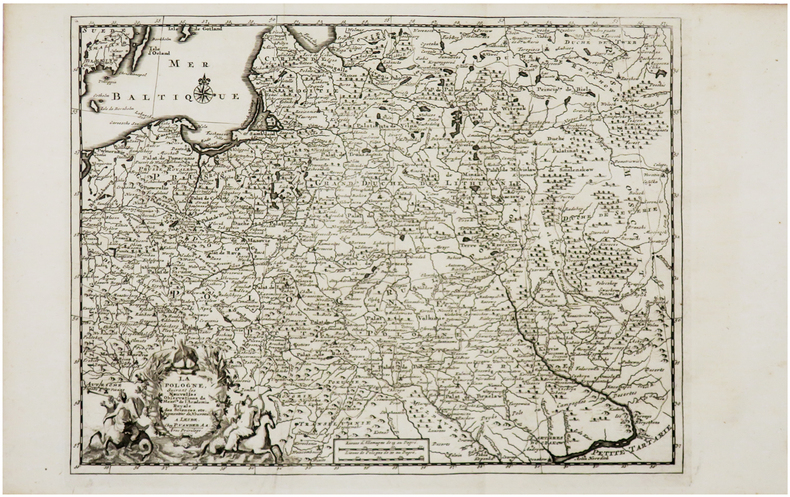
1729rif. LBW-6195Leide, Pierre Vander Aa, [1729]. 222 x 296 mm.
rif. 242693Paris, Dentu, 1864 in-12, XXVIII-436 pp., demi-veau bleu, dos à faux-nerfs, filets dorés et à froid (rel. de l'époque).
rif. 239116Paris, Plon, 1888 in-12, VIII-312 pp., 1 carte et 1 tableau dépliants, demi-maroquin rouge, dos à nerfs, tête dorée, couverture conservée (Vernhes).