HERNANDEZ CATA, A.MareMagnum

2 546 résultats
192517x12. 60p. Núm. 12. cubierta deslucida. Lomo algo deteriorado.
193115x10. 61p. N.457. Cubiertas algo rozadas. Ilstr. Islam. Primera Edición.
19,5x13. 331p. Intonso.
18x12. 302p. Col. Biblioteca Sopena, N. 45. Enc. 1/2 tela cart. Ed. Ej. Fatigado.
192219x13. 328p.
192719x12. 338p. Lomo algo deteriorado. Primera Edición.
192719x12. 338p. Lomo algo deteriorado. Primera Edición.
193319x13. 266p. Lomo rozado.
199224 cm, brossura editoriale, p. 223. Testo in spagnolo.
1900réf. 50718- Photographie 4 x 7, 5 cm. Notice biographique collée au dos.
1900réf. 52322- Photographie 4 x 7, 5 cm collée sur carton.
1900réf. 53606- Photographie 4 x 7, 5 cm. Notice biographique collée au dos.
196723x16. 482p. Firma anterior poseedor. Enc. tela ed. Algo rozada. Primera Edición.
1988réf. 500349005Editions Gallimard 1988 11x1 4x18cm. 1988. Broché. Le roman raconte l'histoire de Santiago un vieux pêcheur cubain qui après une longue période de malchance part seul en mer et engage une lutte épique contre un énorme marlin. Cette bataille d'abord contre le poisson puis contre les requins qui l'attaquent devient un symbole de la persévérance humaine du courage et de la dignité face à l'adversité et à la nature
réf. 5697Paris, Gallimard nrf, collection : du monde entier, 1954, 233e édition, in12, br. 192pp
2006réf. 14883Köln, Schaden Verlag, 2006. 109 (1) S., durchgehend teils farbig Fotoillustrierter Pappband. 17 x 21 cm, Querformat.
20001 vol., pagine non numerate; 22 cm. Cartonato editoriale illustrato. Molto buono
1938réf. 024291New York: Dutton 1938. First Edition stated . Hardcover. Near Fine/No Dust Jacket. Photographs Large Folding Map. 322 Pp. Blue Silk Cloth Lettered In Red Yellow Endpapers. First Edition Stated. Cover Title: Silk Road. Lightly Used With Touch Of Rubbing At Bottom Corners Very Slight Aging To Spine Slight Foxing To Pastedowns Hinges Tight Contents Immaculate And Fresh No Names Or Marks. Dutton hardcover
M., Ínsula, 1958, 21,5 x 14,5 cm., 2 retratos + 121 págs. + 1 h.
1985Paris, Anthropos, 1970. In-12 broché de 240 pages. Petites piqures en couverture sinon bon état
1985réf. 149702Anthropos Paris, Anthropos, 1970. In-12 broché de 240 pages. Petites piqures en couverture sinon bon état.
19018vo, 23.5cm. Pp. 118, 27 photogr. plates of scenery, 8 (some fold.) maps and plans, 11 (1 large fold.) sections. Orig. blind-stamped cloth. Binding with some age rubbing, outer upper corner of binding and contents bumped, good otherwise. Scarce.
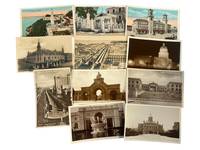
1920réf. 224751920. Cuba Havana landmarks and urban development real photo post card archive ca. 1920s-1940s. 11 color and sepia real photo postcards of iconic civic and cultural architecture in Havana Cuba. Each measure 4" x 6". Many with captions identifying the locations in the negative or en verso with some printed in English and others in Spanish signaling their intended audience of both locals and foreign tourists. A compelling photo archive documenting early 20th-century Havana's architectural and political aspirations this collection showcases prominent landmarks that symbolized Cuba's nationalist identity international cosmopolitanism and American-influenced modernization in the decades between independence from Spain and the Cuban Revolution. The archive includes silver gelatin and printed color views of the National Theatre Cuba's Capitol Building Central Railway Station Gran Casino Nacional National University and the grand gateway of Havana's Colón Cemetery. Other views depict Paseo de Martí one of Havana's most iconic boulevards lined with vintage American cars and flanked by ornate colonial facades and new Art Deco-style hotels evidence of the influx of U.S. capital and tourism during the Batista era. Havana in this period was rapidly transforming into a showcase city of the Caribbean its urban core reflecting both Spanish colonial heritage and American urban planning models. The presence of monumental buildings like El Capitolio constructed between 1926 and 1929 and modeled after the U.S. Capitol in Washington D.C. points to Cuba's alignment with American political aesthetics and aspirations toward modern statehood. Similarly the University and Gran Casino Nacional represent both the intellectual elite and leisure-class investment that typified pre-revolutionary Cuban society. The mixture of European and U.S. architectural influences ranging from Beaux-Arts to Art Deco speaks to the layered colonial legacy and new economic dependency forged during the Platt Amendment era. Some mild edge wear. One card with a small corner crease others clean. Overall very good condition. This archive captures Havana in the midst of dramatic urban renewal and internationalization before the massive ruptures brought on by the 1959 revolution. unknown books
1920réf. 224751920. Cuba Havana landmarks and urban development real photo post card archive ca. 1920s-1940s. 11 color and sepia real photo postcards of iconic civic and cultural architecture in Havana Cuba. Each measure 4" x 6". Many with captions identifying the locations in the negative or en verso with some printed in English and others in Spanish signaling their intended audience of both locals and foreign tourists. A compelling photo archive documenting early 20th-century Havana's architectural and political aspirations this collection showcases prominent landmarks that symbolized Cuba's nationalist identity international cosmopolitanism and American-influenced modernization in the decades between independence from Spain and the Cuban Revolution. The archive includes silver gelatin and printed color views of the National Theatre Cuba's Capitol Building Central Railway Station Gran Casino Nacional National University and the grand gateway of Havana's Colón Cemetery. Other views depict Paseo de Martí one of Havana's most iconic boulevards lined with vintage American cars and flanked by ornate colonial facades and new Art Deco-style hotels evidence of the influx of U.S. capital and tourism during the Batista era. Havana in this period was rapidly transforming into a showcase city of the Caribbean its urban core reflecting both Spanish colonial heritage and American urban planning models. The presence of monumental buildings like El Capitolio constructed between 1926 and 1929 and modeled after the U.S. Capitol in Washington D.C. points to Cuba's alignment with American political aesthetics and aspirations toward modern statehood. Similarly the University and Gran Casino Nacional represent both the intellectual elite and leisure-class investment that typified pre-revolutionary Cuban society. The mixture of European and U.S. architectural influences ranging from Beaux-Arts to Art Deco speaks to the layered colonial legacy and new economic dependency forged during the Platt Amendment era. Some mild edge wear. One card with a small corner crease others clean. Overall very good condition. This archive captures Havana in the midst of dramatic urban renewal and internationalization before the massive ruptures brought on by the 1959 revolution. unknown
réf. 0366008889.Gpaperback. Good. Access codes and supplements are not guaranteed with used items. May be an ex-library book. paperback